HP at CES 2026: Company refreshes PCs, printers, and software around AI, mobility, and the future of work


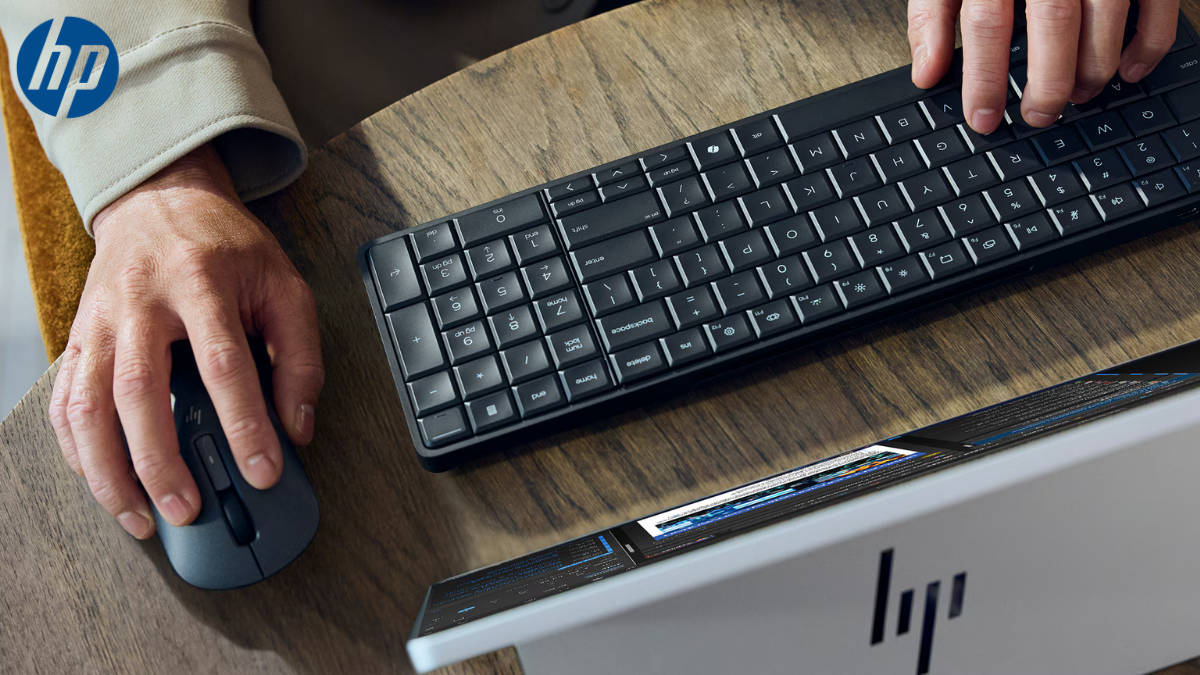
At CES 2026, HP laid out how it sees computing, productivity, and work evolving. It positioned “personal fulfilment” as a central driver of future business growth. Instead of focusing on a single category, HP refreshed its entire portfolio at the show. This included business laptops, consumer PCs, printers, peripherals, and software, all aligned around AI acceleration, mobility, and human-centric design.
Table of Contents
Availability and programs
HP plans to roll out its new OmniBook, OmniStudio, EliteBook, and Chromebook models throughout 2026. Most consumer models will begin shipping in early 2026, with enterprise systems following later in the year, depending on region and configuration.
HP also announced that its Future of Work Accelerator will return in 2026. The program will support organisations working on AI and workforce innovation applications open on January 12, with a February 6 deadline.
Show Full Article
New devices focus on AI performance and portability

Kicking things off with the EliteBoard G1a, the world’s first full AI PC built into a keyboard. HP designed it for users who need portable computing power that moves easily between locations. The device won a CES 2026 Innovation Award.

HP also launched the EliteBook X G2 Series, its next-generation premium business laptops. These systems feature up to 85 TOPS of NPU performance when paired with Snapdragon X2 Elite processors. HP positions them as high-end AI work machines for professionals.

On the consumer side, the brand refreshed the entire OmniBook lineup. This includes the new OmniBook Ultra 14 and updated OmniBook 3, 5, 7, and X series models. Brand now offers OLED displays and AI-ready processors across the range. As per the claims, the OmniBook 3 16 delivers the longest battery life in a 16-inch OLED consumer laptop.

Alongside this, HP also introduced the new OmniStudio X all-in-one PCs. HP appears to be positioning this specifically for creators and home professionals. Basically, users who value screen size and colour accuracy as much as everyday multitasking power.
HP expanded AI beyond laptops and desktops.
The company integrated Microsoft Copilot directly into HP Office printers for the first time. This will allow users to summarise documents, translate content, and organise files directly at the printer.


HP also upgraded its Workforce Experience Platform (WXP). It added firmware-level recovery tools that allow IT teams to fix devices remotely, even when systems fail to boot. Brand says this helps reduce downtime in hybrid and distributed work environments.
Furthermore, there’s also HP Digital Passport, a new platform that gives users access to device information, sustainability data, setup tools, and support in one place. This product also received a CES Innovation Award.
HP unifies gaming under HyperX and launches a new flagship laptop
HP announced that it is unifying its OMEN and HyperX brands under a single master gaming brand called HyperX. As part of that shift, HP unveiled the HyperX OMEN MAX 16. They call it the world’s most powerful gaming laptop with fully internal cooling. The company designed it for extreme performance, AI-driven tuning, and high-speed input.

HP says this move simplifies its gaming portfolio and creates a more consistent identity across gaming hardware, accessories, and software.
HP also refreshes peripherals and accessories
Last but not least, we also got to see some new peripherals designed for modern hybrid work. These include a compact 65W USB-C GaN charger, new ergonomic mice, protective laptop sleeves, and other workspace accessories. HP focused on portability, sustainability, and everyday usability.

HP’s strategy stands out for its breadth. It focuses less on a single flagship product. While Lenovo, ASUS, Dell, and Apple are also pushing AI and hybrid PCs, HP is trying to differentiate through ecosystem integration. That integration spans hardware, software, and services.
The EliteBoard G1a shows a willingness to rethink form factors. Meanwhile, Copilot at the printer and Digital Passport suggest that AI is becoming infrastructure, not just a feature. Whether this approach truly matters will depend on how much it improves everyday workflows.

HP’s announcements reflect a broader shift in the PC market. The company no longer treats business, consumer, creative, and gaming devices as strictly separate categories.
Whether this approach resonates will depend on how useful these AI features prove in everyday work. It will also depend on real-world performance, thermals, and battery life outside demo environments.