India prices of all iPhone 18 Pro, iPhone 18 Pro Max and iPhone Duo variants revealed


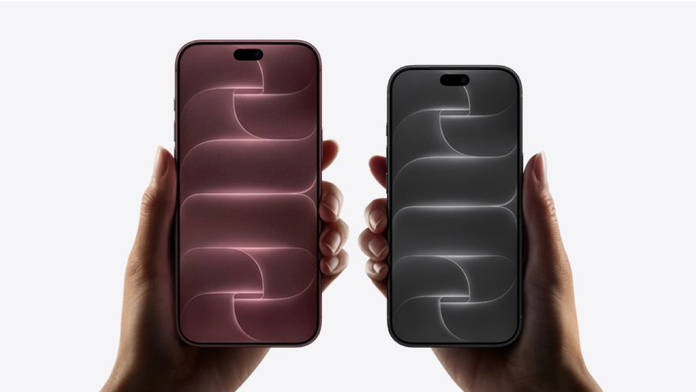
For a long time, almost a year, we were celebrating the fact that Apple was one of the rare smartphone companies not to raise prices of its flagships mid-cycle. Now, it seems all the blows have been delivered in one go. The company has raised the price of its latest iPhone lineup in India this year, with the iPhone 18 Pro and iPhone 18 Pro Max both costing Rs 30,000 more than their iPhone 17 Pro counterparts at launch. Apple has also announced its first-ever foldable starting at the what-was-once-unimaginable Rs 3 lakh mark.
However, the price increase is not limited to the new models. Apple has also revised the prices of several older iPhones that remain on sale, pushing the iPhone 17 close to the Rs 1 lakh mark and making the iPhone 16 Rs 20,000 more expensive than before. The company has also discontinued the iPhone 17 Pro and iPhone 17 Pro Max from its official lineup. The changes come as smartphone makers continue to deal with higher memory and component costs in 2026.
Show Full Article
iPhone Duo India prices for all storage variants
We expected Apple not to price its first foldable cheaply at all. We estimated Rs 2.5 lakh-plus, after the Samsung Galaxy Z Fold8 Ultra almost touched the magnanimous Rs 2 lakh mark when it launched in July at Rs 1,99,999. However, the iPhone Duo has given us a harder pill to swallow in just a few weeks. The iPhone Duo India pricing is as follows:
- 256GB: Rs 2,99,900
- 512GB: Rs 3,24,900
- 1TB: Rs 3,74,900
- 2TB: Rs 4,49,900
iPhone 18 Pro, iPhone 18 Pro Max India prices for all variants
The iPhone 18 Pro starts at Rs 1,64,900 for the 256GB model, while the iPhone 18 Pro Max starts at Rs 1,79,900. Both phones are available with 256GB, 512GB, 1TB and 2TB storage options.
| Storage | iPhone 18 Pro | iPhone 18 Pro Max |
| 256GB | Rs 1,64,900 | Rs 1,79,900 |
| 512GB | Rs 1,89,900 | Rs 2,04,900 |
| 1TB | Rs 2,39,900 | Rs 2,54,900 |
| 2TB | Rs 3,14,900 | Rs 3,29,900 |
The phones come in Black, Silver, Glacier and the marquee colour, Burgundy. Pre-orders begin on September 12th, with sales starting September 18th.
Apple has retained the 6.3-inch display on the iPhone 18 Pro and the 6.9-inch panel on the Pro Max, but both get new LTPO+ display technology. The phones run on the A20 Pro chip and feature a larger vapour chamber designed to improve sustained performance. The camera system also gets a 48MP Fusion Main camera with variable aperture, allowing the lens to mechanically adjust the amount of light entering the sensor. Apple has also reduced the size of the Dynamic Island and added support for three live activities at once.
The upgrades don’t come cheap. The price difference is substantial compared with last year’s Pro models. The iPhone 17 Pro started at Rs 1,34,900 for 256GB, while the iPhone 17 Pro Max started at Rs 1,49,900. That puts both iPhone 18 Pro models Rs 30,000 above their respective iPhone 17 Pro launch prices. The gap widens at the top end. The 2TB iPhone 18 Pro Max costs Rs 3,29,900, compared with Rs 2,29,900 for the 2TB iPhone 17 Pro Max at launch. For buyers, this makes remaining iPhone 17 Pro and Pro Max stock worth considering if available at a significant discount.
iPhone 17, 16, Air, iPhone 17e India prices hiked
Apple has also increased the prices of four models that remain in its lineup.
| Model | Previous price | New price |
| iPhone 17 | Rs 82,900 | Rs 99,900 |
| iPhone Air | Rs 1,19,900 | Rs 1,49,900 |
| iPhone 16 | Rs 69,900 | Rs 89,900 |
| iPhone 17e | Rs 64,900 | Rs 79,900 |
The iPhone 17 gets a Rs 17,000 increase and now costs almost Rs 1 lakh. The iPhone Air sees the biggest increase at Rs 30,000, while the iPhone 16 gets a Rs 20,000 hike despite being a 2024 model. The iPhone 17e is now Rs 15,000 more expensive.
This also changes the value equation across Apple’s lineup. The iPhone Air at Rs 1,49,900 is now only Rs 15,000 cheaper than the iPhone 18 Pro, making the latter worth considering for buyers who want more capable camera hardware and Pro-level performance.
The iPhone 17 is harder to recommend at Rs 99,900, particularly when buyers can compare it with discounted previous-generation iPhones or Android flagships from Samsung and Google. Similarly, anyone considering the iPhone 16 should check retailer pricing before paying Apple’s new official price of Rs 89,900.
Apple has not announced a standard iPhone 18 alongside the Pro models, meaning buyers looking for a cheaper current-generation iPhone may have to wait for the expected launch of the standard model next year.