iPhone Ultra/Fold, touchscreen MacBook clues emerge in iOS 27 and macOS 27 betas


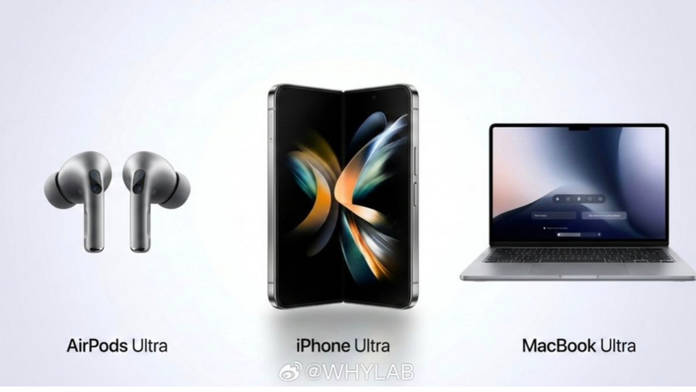
Apple’s annual software betas often reveal more than just upcoming features. Hidden references, interface changes, and developer tools have offered early hints about future hardware plans and post the iOS 27 reveal at WWDC, this year appears to be no different. According to Bloomberg‘s Mark Gurman, the first developer betas of iOS 27 and macOS 27 contain several references that point to two long-rumoured products: Apple’s first foldable iPhone and a touchscreen MacBook.
iPhone Fold/Ultra
One of the clearest clues comes from the iPhone Mirroring app in macOS 27. Gurman notes that the app can now stretch to support much wider layouts, resembling the tablet-like screen format expected when a foldable iPhone is opened. Additional references discovered in iOS 27 reportedly include terms such as “foldState”, “angleDegrees”, and support for multiple hardware displays. These appear consistent with the software requirements of a foldable device that needs to detect how far it’s been opened or closed.
Show Full Article
Apple’s emphasis on “app adaptability” during WWDC 2026 may provide another hint. The company encouraged developers to make apps work across a wider range of display sizes and aspect ratios. While that guidance benefits the existing iPhone lineup, it becomes particularly relevant if Apple is preparing a device with a much squarer inner display.
Rumours surrounding the so-called iPhone Ultra, which the foldable is rumoured to be called, have intensified in recent months, with reports suggesting that hardware dummy units are already being produced ahead of a possible launch. Multiple reports have pointed to a debut as part of Apple’s reported split iPhone launch strategy. The foldable could land with the iPhone 18 Pros in September, while the cheaper iPhones could come in Spring next year.
Touchscreen MacBook ‘Ultra’
The macOS 27 beta also contains changes that could support a touchscreen MacBook. One example is an upgrade to Sidecar, Apple’s feature that lets users extend or mirror their Mac display on an iPad. The updated version reportedly supports broader touch interactions across macOS when used with an iPad, something that could also serve as groundwork for a future touch-enabled Mac.
Other interface tweaks include support for pull-to-refresh gestures, a design element commonly associated with smartphones and tablets. While the feature works with trackpads, its inclusion has renewed speculation that Apple is gradually preparing macOS for touch input. Gurman also points to Apple’s redesigned Siri interface on Mac, which now appears as a pill-shaped element. He believes the design could eventually align with a Dynamic Island-style cutout on future MacBook models.
Reports earlier this year suggested Apple could introduce OLED MacBook Pro models with touchscreen support before the end of 2026. If that timeline holds, some of the software changes arriving in macOS 27 could be laying the groundwork for those devices.
The findings arrive as Apple continues to face growing competition in both categories. Foldable smartphones have reached advanced status in the Android world, with devices from Samsung, Google, OPPO and Honor already down a couple of generations. Touch-enabled laptops have also been a standard feature across many Windows PCs for years.
None of these discoveries confirm new hardware though Apple has often used software updates to quietly prepare developers months before major product launches. If these references prove accurate, 2026 could be the year Apple finally enters two categories it has so far watched from the sidelines. Users holding their budgets for Apple’s most revolutionary products in years should wait for the expected launch timelines to see what the company has to offer.