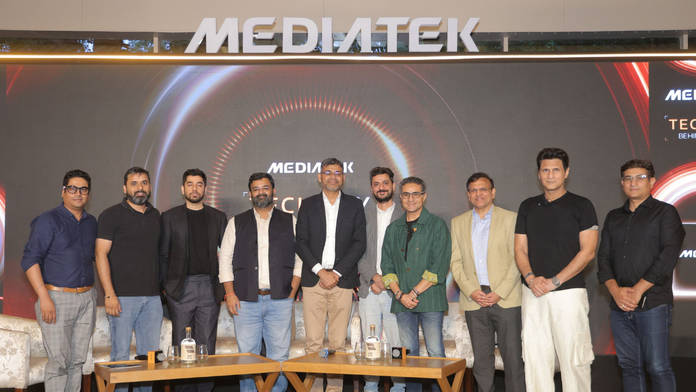
MediaTek has just introduced a new set of technologies aimed at improving the camera experience on next-generation smartphones. At its “Beyond the Lens” Tech Day in New Delhi, MediaTek showed how its latest Dimensity chipsets can improve photos and videos, while also pushing its broader One MediaTek strategy across smartphones, automotive, data centres, and AI PCs. Let’s look at it in more detail below.
MediaTek’s showcase
The event focused heavily on smartphone imaging, with MediaTek showcasing technologies such as 18EV HDR Fusion and 4K120 Super EIS. The company also positions them as a way to help flagship phones compete more directly with rival premium chipsets in challenging low-light and high-contrast scenes.
The event also highlighted the brand’s latest chipsets, including the Dimensity 9500, Dimensity 9500s and Dimensity 8500. Devices on display included the vivo X300 Pro, OPPO Find X9s, Motorola Edge 70 Pro and Xiaomi 17T, all of which use these newer MediaTek platforms to support advanced imaging and AI features.
MediaTek’s message is pretty clear here: smartphone photography is no longer just about the camera sensor. The company says the chipset, ISP, AI engine, optics and software all work together to decide how good a phone camera really is. That is why it is putting so much emphasis on AI-ISPs and computational photography, especially as users expect more from both still photos and video.
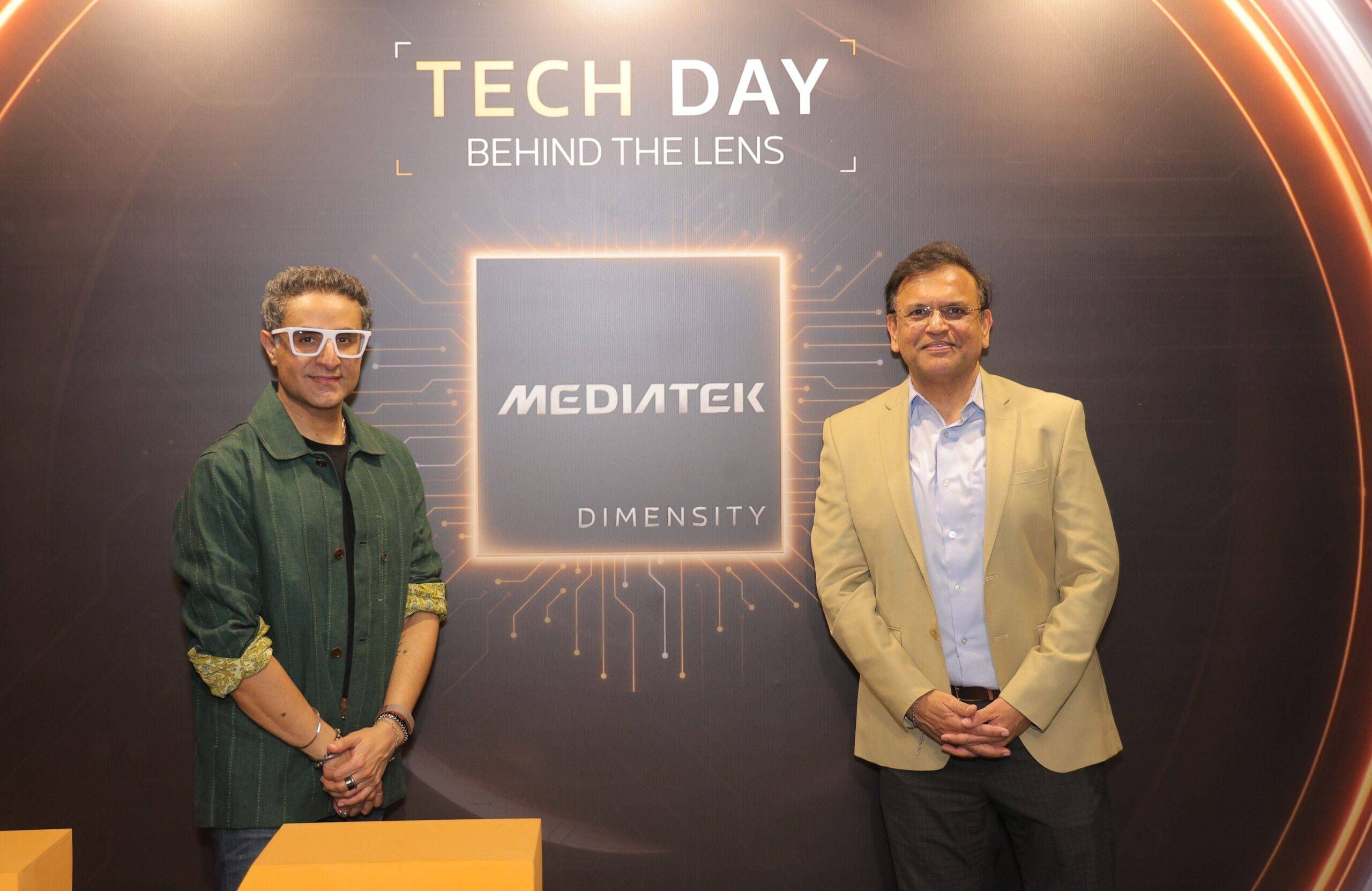
The company also claims the Dimensity 9500 flagship SoC and Dimensity 8500 premium SoC meet those expectations without sacrificing power efficiency. MediaTek also used the event to talk about its broader roadmap beyond smartphones.
Under its One MediaTek vision, the company is expanding across automotive, compute and edge-to-cloud technologies, with separate platforms for smartphones, cars and compute devices. It says this unified strategy is meant to connect different product categories through the same underlying technology stack.
It seems MediaTek clearly wants to be seen as more than just a phone-chip maker. Even though smartphones remain its biggest battleground, the company is building its system around AI, connectivity and high-performance computing across multiple device categories.