ASUS stepping away from smartphones now feels less like a rumour and more like a silent exit. Speaking to media at the company’s end-of-year gala in Taipei on January 16th, ASUS chairman Jonney Shih has confirmed the company will “no longer add new mobile phone models in the future.” This effectively means the end of the ROG Phone gaming line and the more mainstream Zenfone series. The ASUS ROG Phone 9 series officially launched in October 2024, while the Zenfone 12 Ultra came later in February 2025.
ASUS has not issued a blanket “we’re done” statement like LG did in 2021, and Shih says the company will continue to observe the smartphone market. Still, taken alongside his other comments, a comeback feels unlikely. For buyers, especially enthusiasts, that is disappointing.
ASUS was never a volume leader like Samsung or OnePlus, but it consistently did things differently. The ROG Phone range stood out with features that genuinely mattered to gamers, including reliable shoulder triggers, excellent speakers, and sustained performance tuning that most rivals only recently began to prioritise. ASUS was also early with very large batteries and selectively binned Qualcomm chips, well before this became common practice elsewhere.
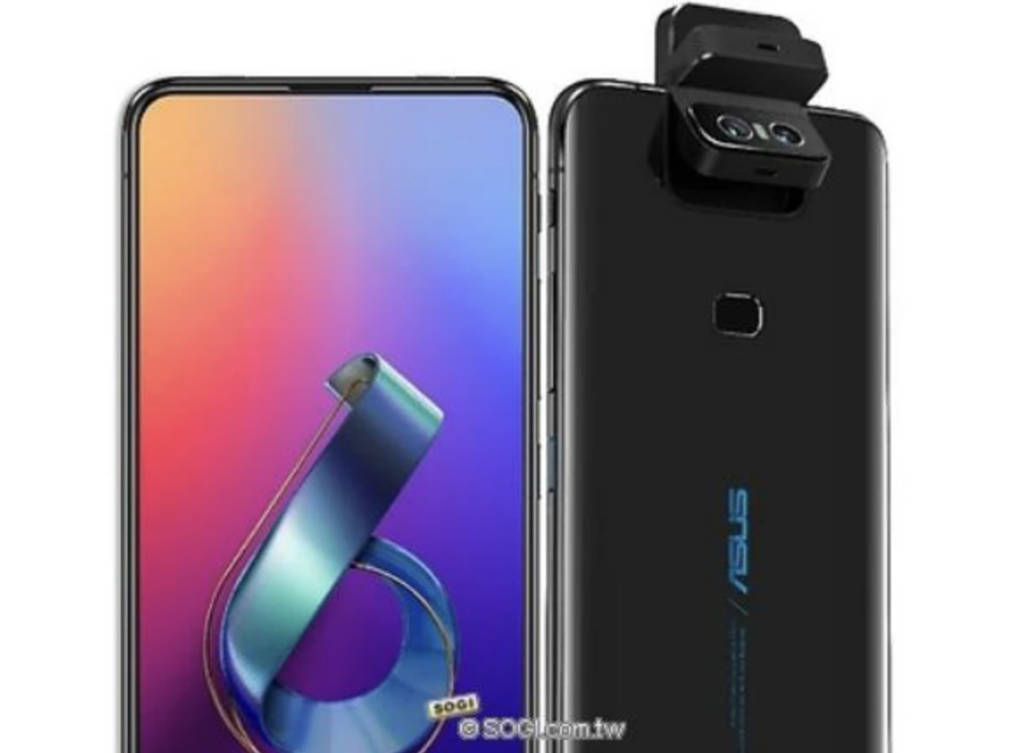
The Zenfone series played a different role. Its flip camera designs were unusual and sometimes impractical, but they showed a willingness to experiment. Just as importantly, Zenfone held on to the idea of a compact flagship long after most brands moved up in size. When ASUS finally shifted Zenfone towards larger displays, it lost some of what made it special, without gaining the scale needed to survive.
The bigger concern is what ASUS leaving means for the market. Fewer brands means fewer choices, and less pressure on pricing. That matters in a year when costs are already rising. Carl Pei, CEO of Nothing, recently warned that rising memory prices have broken the long-standing assumption that components always get cheaper. The result is phones costing more, and brands feeling less need to hold back prices.
For buyers looking at alternatives, the options are mixed. Flagships from Samsung and Apple offer plenty of power, but little in the way of gaming-specific features. On the gaming side, brands like iQOO are leaning harder into performance-focused models with a new gaming iQOO 15 Ultra coming in February, while OnePlus has begun pushing its Turbo series to appeal to gamers who want speed without going fully niche. Dedicated gaming brands like RedMagic remain, but the category is clearly shrinking.
ASUS however is not disappearing. The company is shifting its focus to AI-driven PCs, servers, robotics, and smart devices — areas that are growing faster and making more money. The exit from phones removes a brand that was willing to take risks.