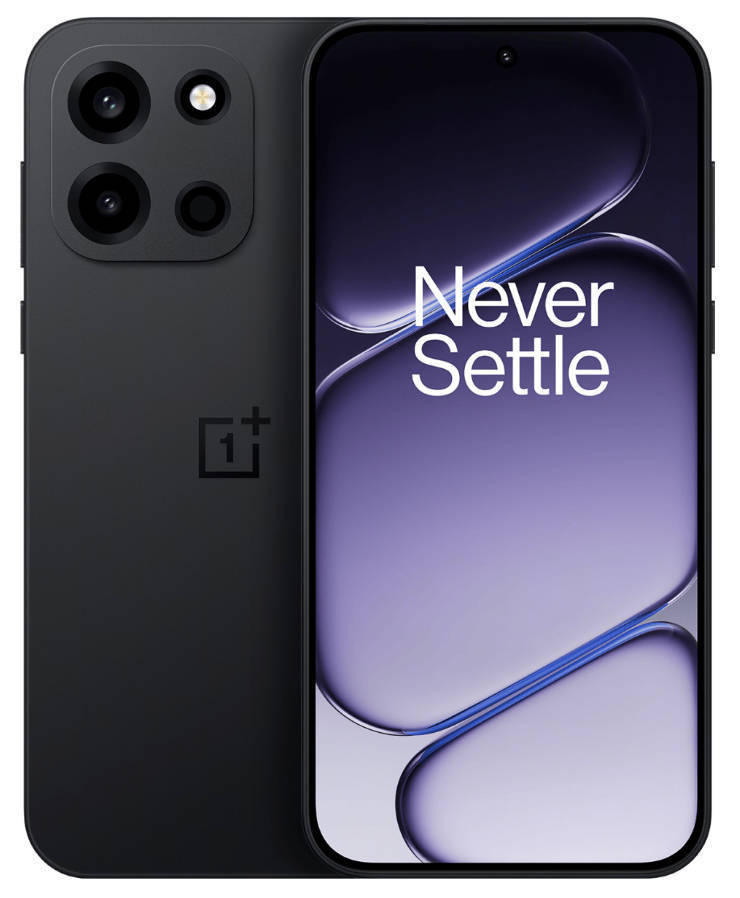
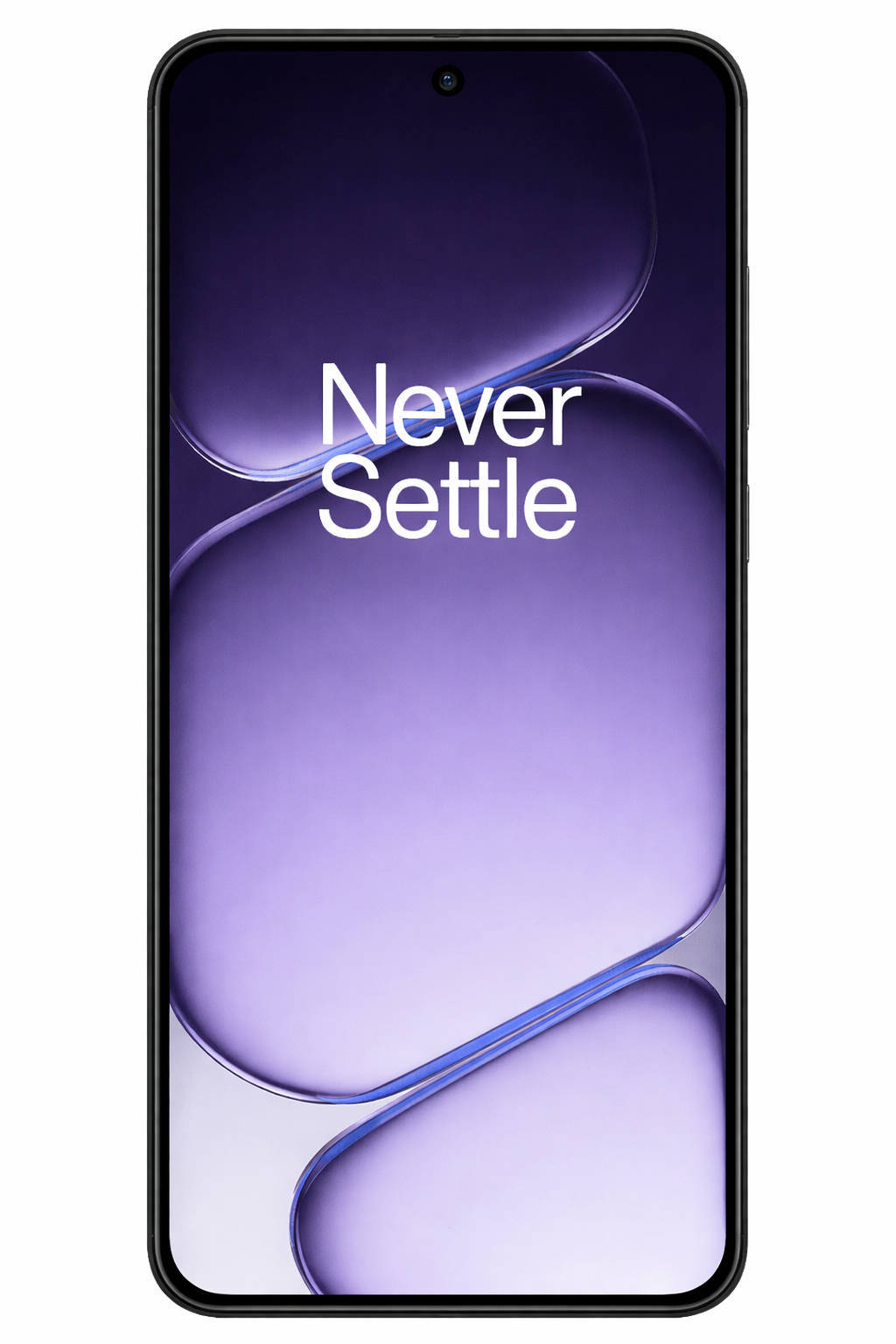
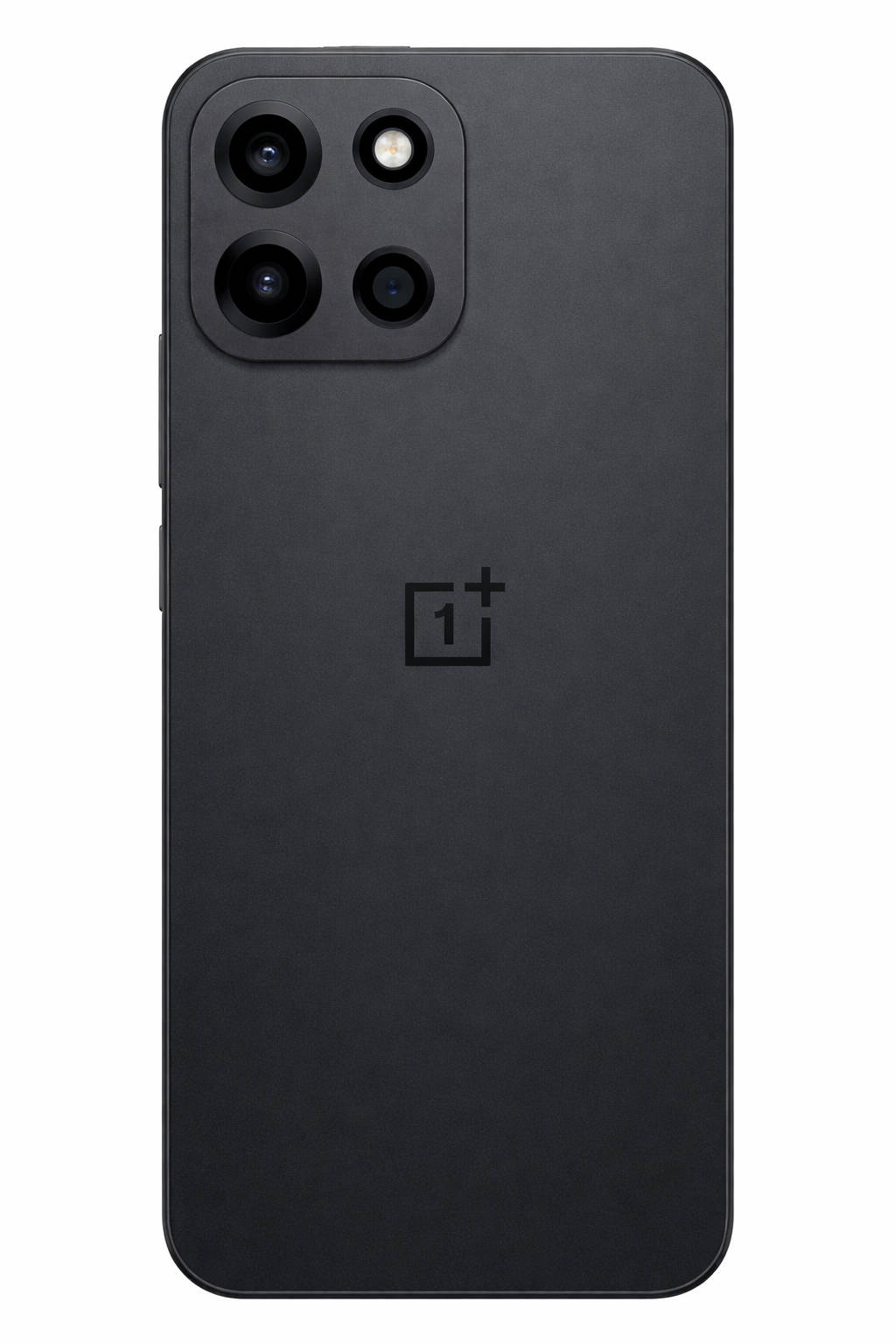
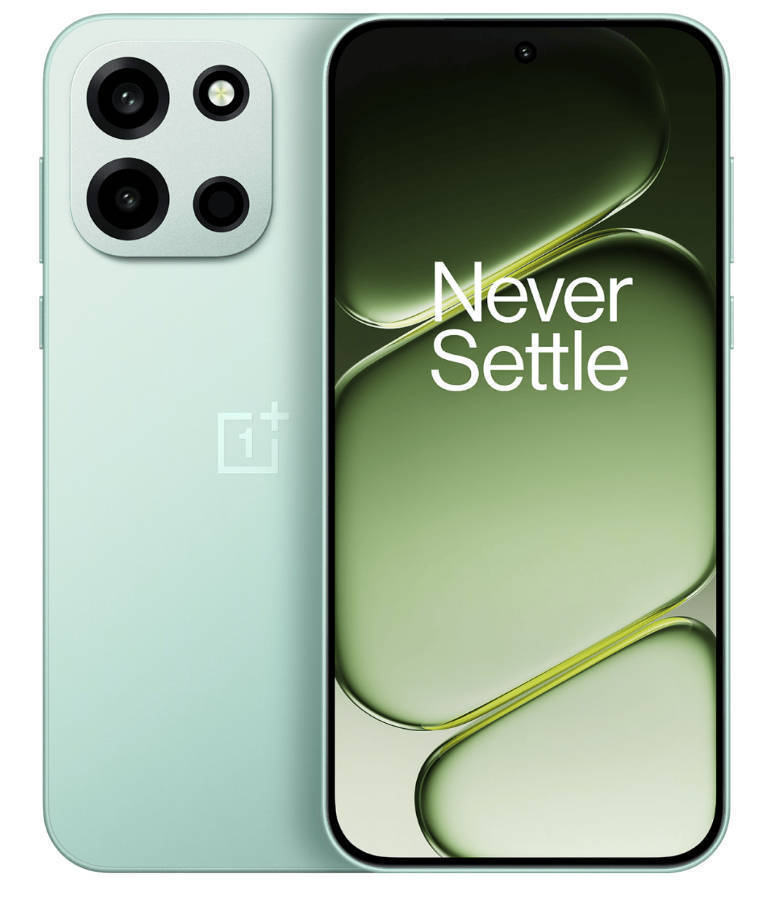
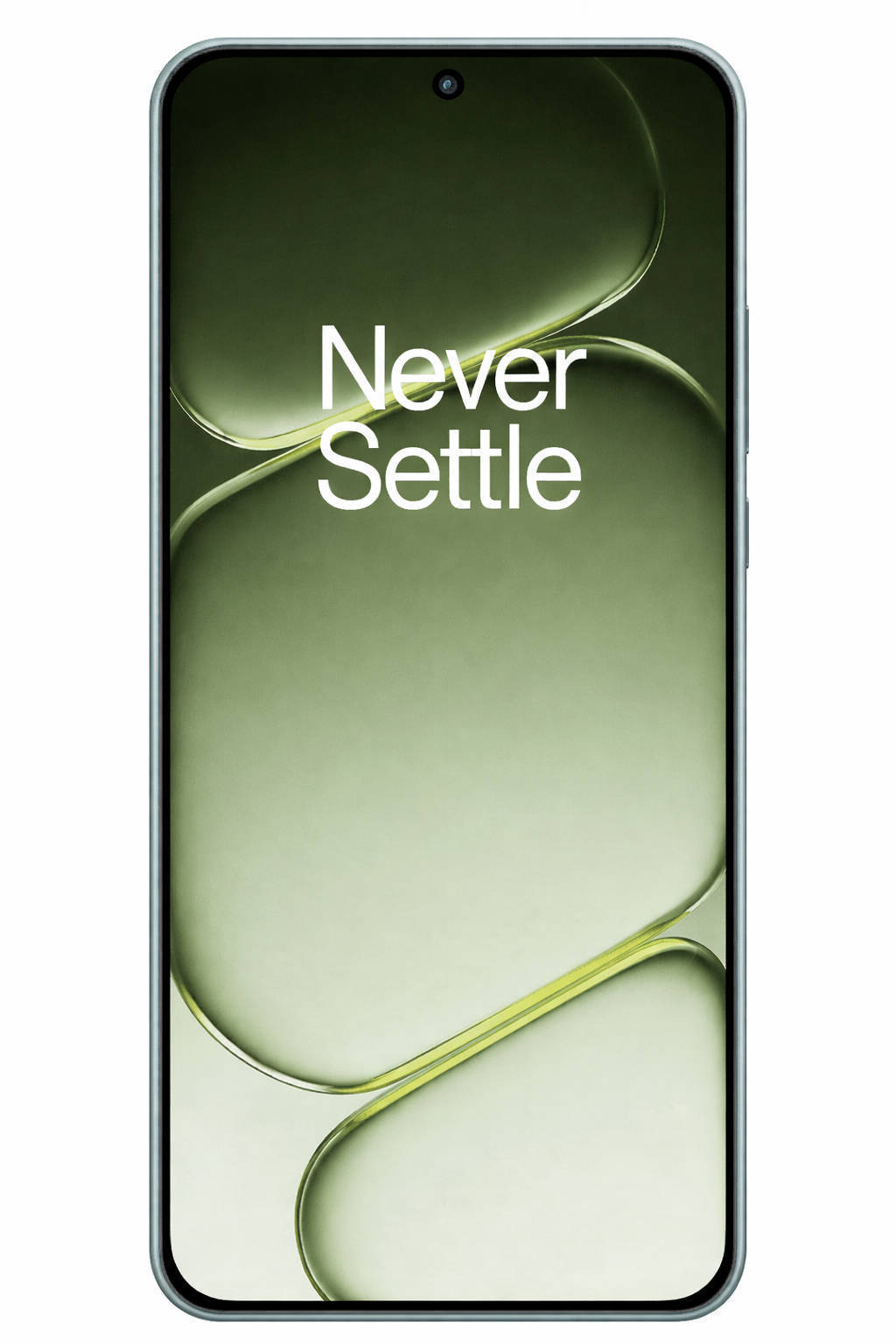
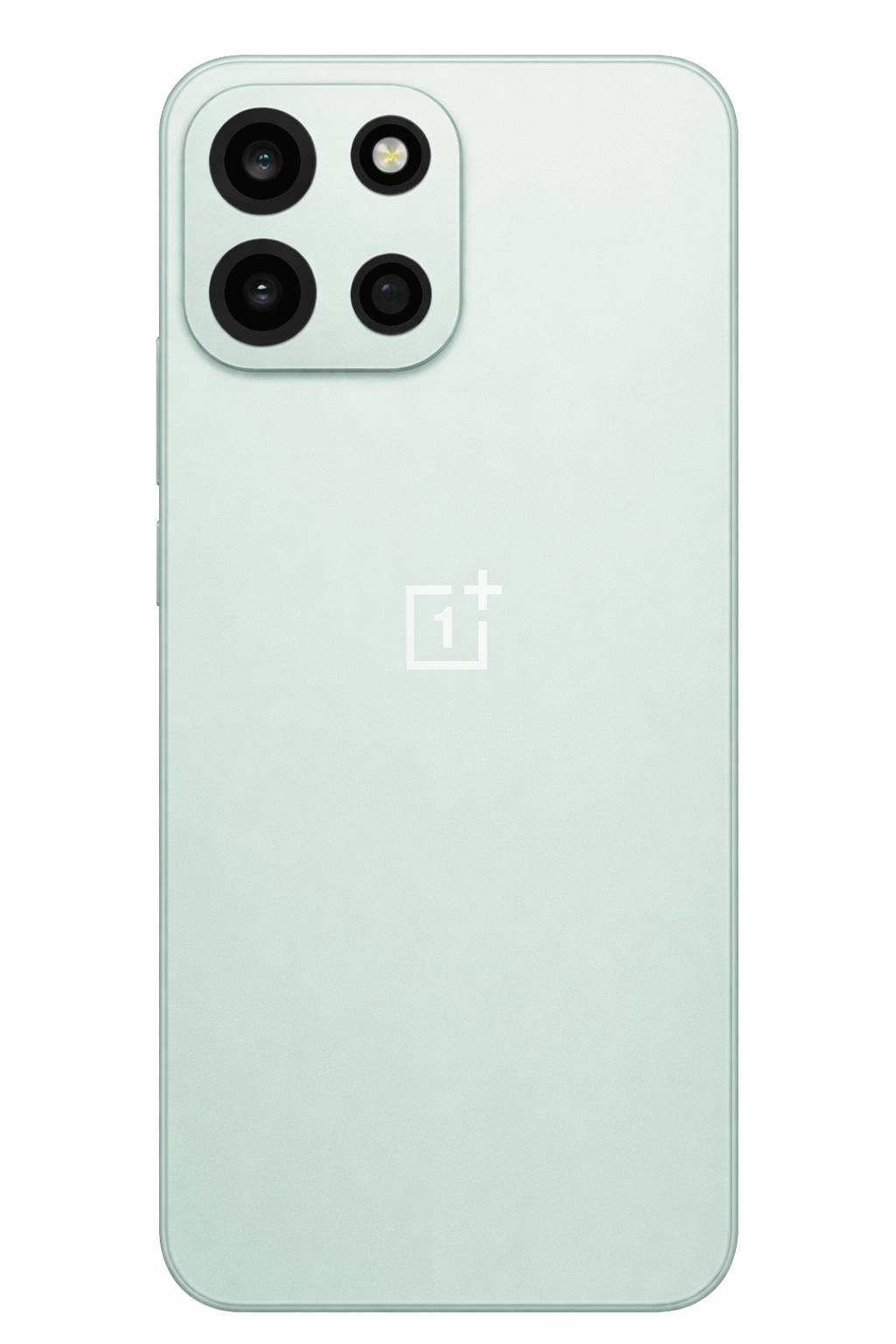
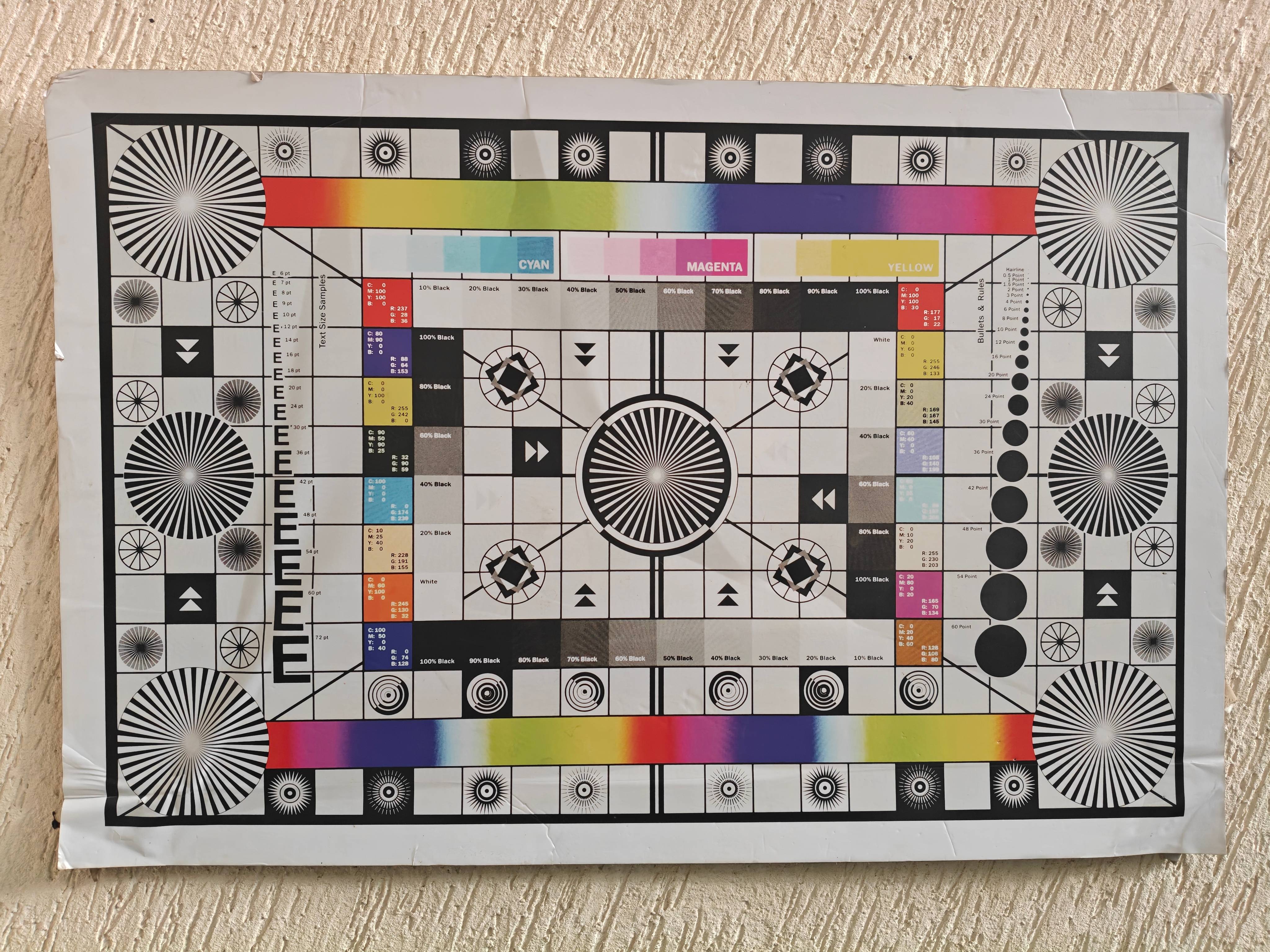
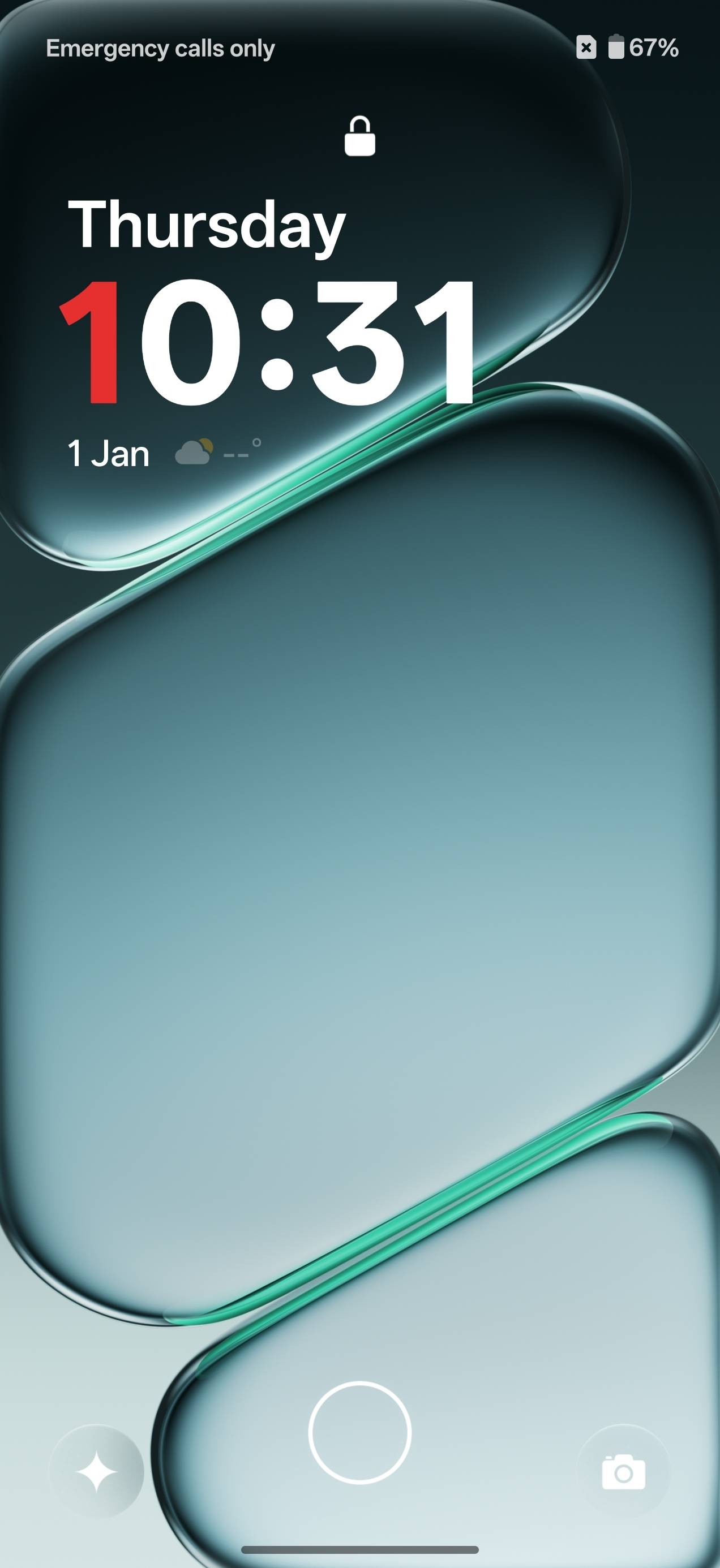
OnePlus Nord 6 was launched in India on Tuesday with a starting price of Rs 38,999. Yes, it received an expected price bump of around Rs 7,000 over its predecessor, the Nord 5. Smartphones this year are more expensive than last year due to a massive RAM shortage driven by AI data centres. Now that the Nord 6 is here, OnePlus fans are understandably wondering whether last year’s OnePlus 13R (review) offers a better deal at a slightly higher price. Well, yes and no. The answer depends on what you value more. I’ll break it down for you, but here’s a quick look at the specs first.
OnePlus Nord 6 vs OnePlus 13R specs at a glance
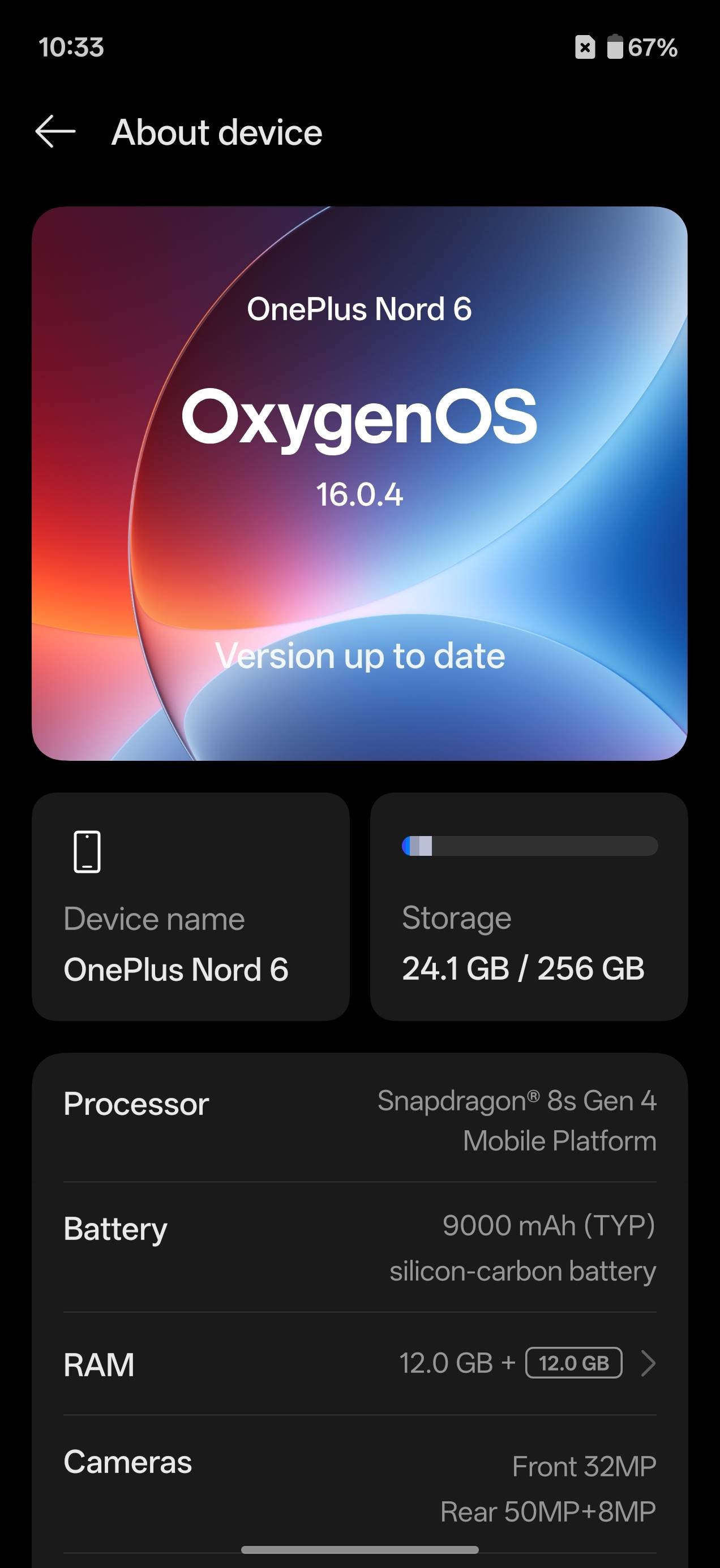
| Specification | OnePlus Nord 6 | OnePlus 13R |
|---|---|---|
| Display | 6.78-inch 1.5K AMOLED, 165Hz, 3600 nits peak brightness, Crystal Guard Glass | 6.78-inch 120Hz ProXDR Display with LTPO 4.1, 4500 nits peak brightness, Gorilla Glass 7i |
| Resolution | 2772 x 1272, 450 ppi | 2780 x 1264 pixels, 450 ppi |
| Chipset | 3.2GHz Qualcomm Snapdragon 8s Gen 4 | 3.3GHz Qualcomm Snapdragon 8 Gen 3 |
| RAM | 8GB / 12GB LPDDR5X | 12GB / 16GB LPDDR5X |
| Storage | 256GB UFS 4.1 | 256GB / 512GB UFS 4.0 |
| Rear cameras | 50MP Sony LYTIA-600 (OIS, f/1.8) + 8MP ultrawide (f/2.2, 112°) | 50MP Sony LYTIA-700 (OIS, f/1.8) + 50MP telephoto (2x optical zoom, EIS) + 8MP ultrawide (f/2.2, 112°) |
| Front camera | 32MP | 16MP |
| Battery | 9,000mAh silicon-carbon | 6,000mAh lithium-ion |
| Charging | 80W SUPERVOOC wired; 27W reverse wired | 80W SUPERVOOC wired |
| OS | OxygenOS 16 (Android 16) | OxygenOS 15 (Android 15) |
| IP rating | IP66, IP68, IP69, IP69K | IP65 |
| Dimensions | 162.5 x 77.5 x 8.5mm, 217g | 161.7 x 75.8 x 8.0mm, 206g |
| Software support | 4 major OS updates, 6 years security patches | 4 major OS updates, 6 years security patches |
| Price | Rs 38,999 | Rs 41,999 |
Where OnePlus Nord 6 is better than OnePlus 13R
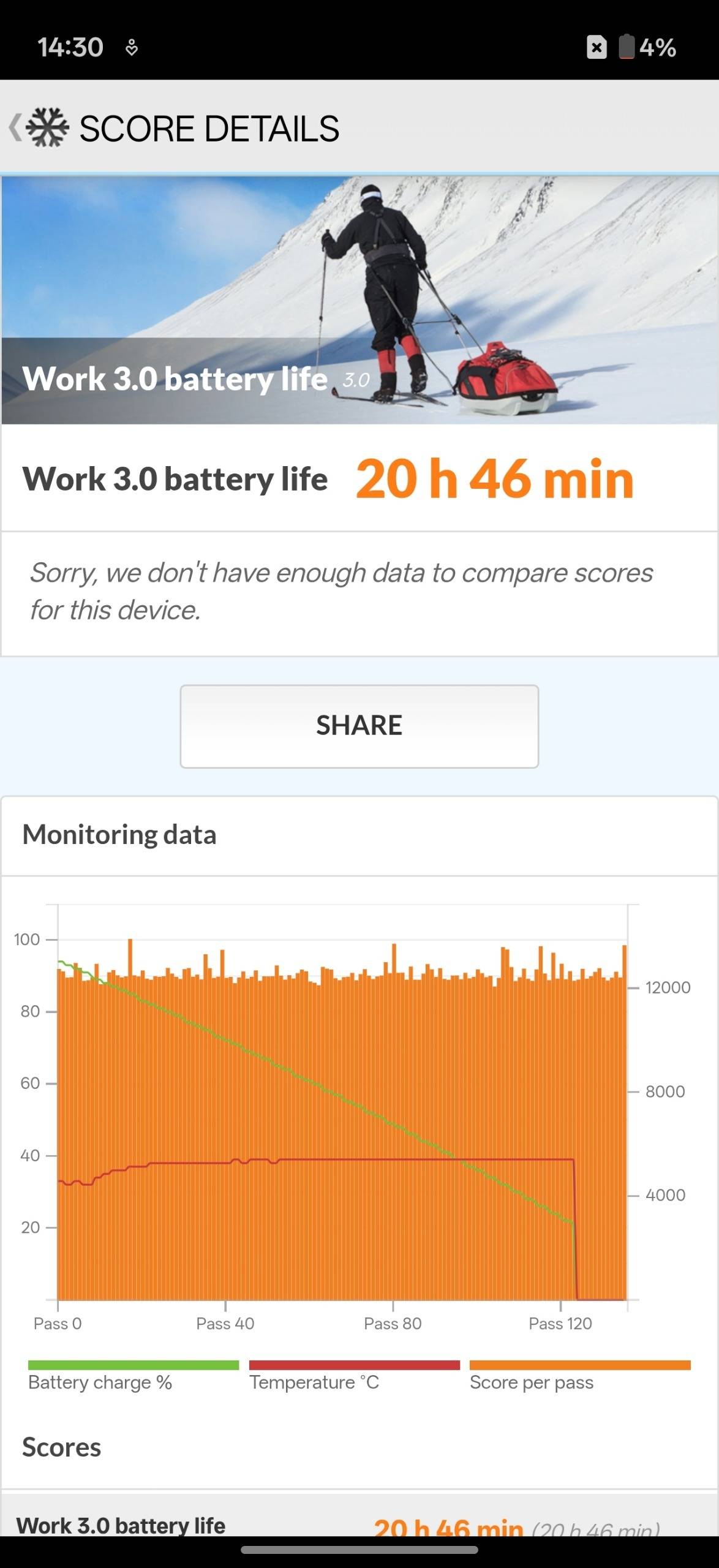
As you can see from the specs table above, there are some areas in which the OnePlus Nord 6 is objectively better than last year’s OnePlus 13R. Firstly, it gets a significantly larger 9,000mAh battery, which realistically offers two full days on a single charge, compared to the 13R’s 6,000mAh battery, which won’t last beyond a full day. Over time, as the battery degrades, the Nord 6 is expected to offer better battery life than the 13R.


The Nord 6 also has an edge in durability, as it gets IP66, IP68, IP69, and IP69K water and dust resistance ratings, which are superior to the OnePlus 13R’s IP65 rating. This means the Nord 6 will be able to withstand more challenging weather conditions, water submersion, and jet sprays than last year’s model.
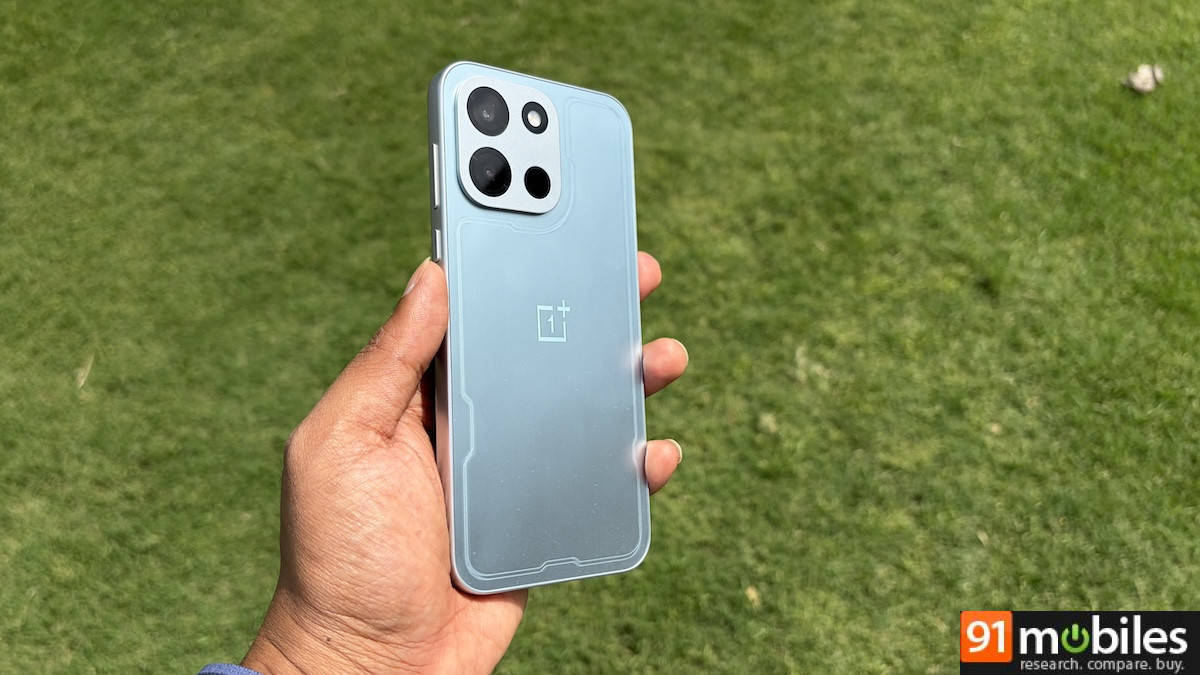
The Nord 6 also seems to be the better choice for gamers, as it offers a smoother 165Hz display, allowing up to 165 fps in select titles like BGMI and Call of Duty: Mobile. The higher FPS and improved touch response on the Nord 6 should offer gamers a competitive edge.
Where OnePlus 13R is better than OnePlus Nord 6
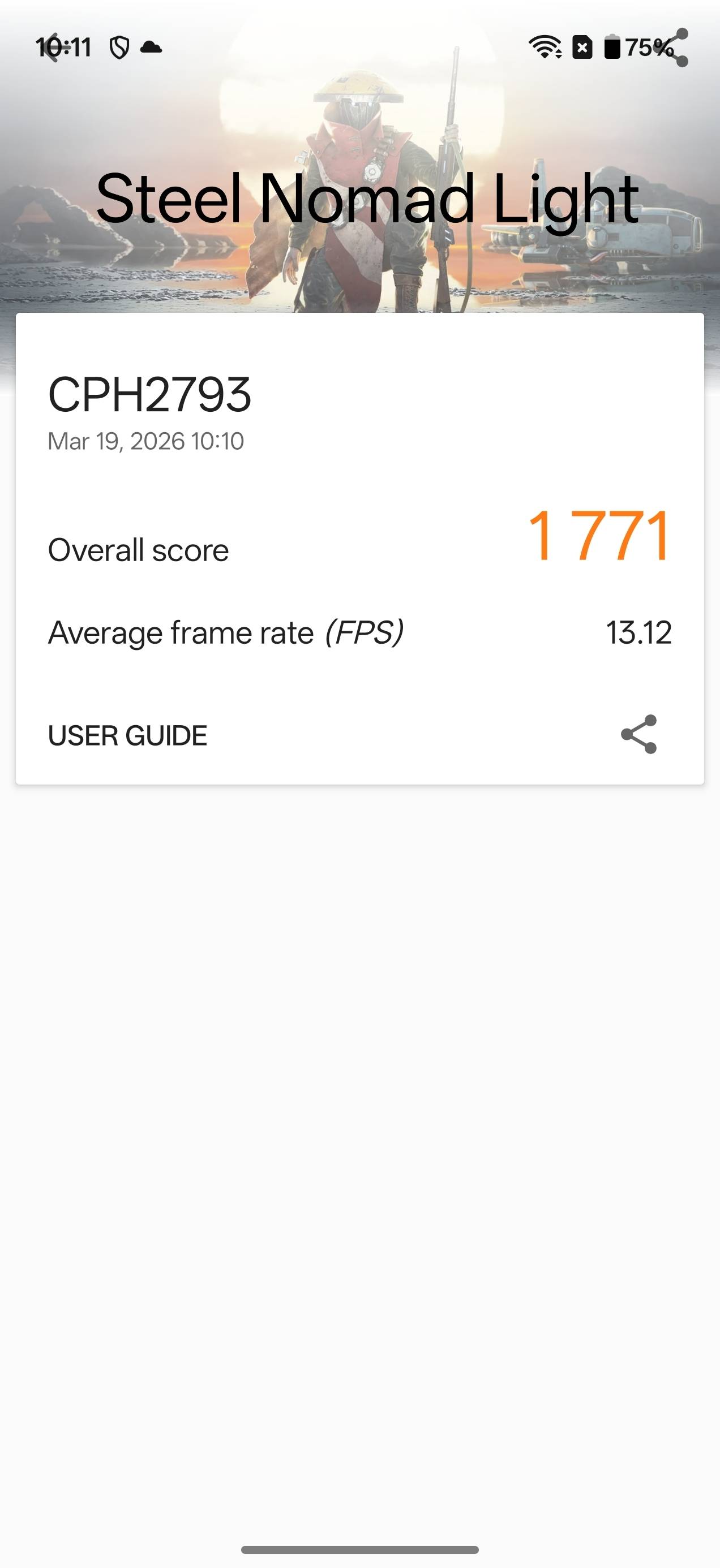
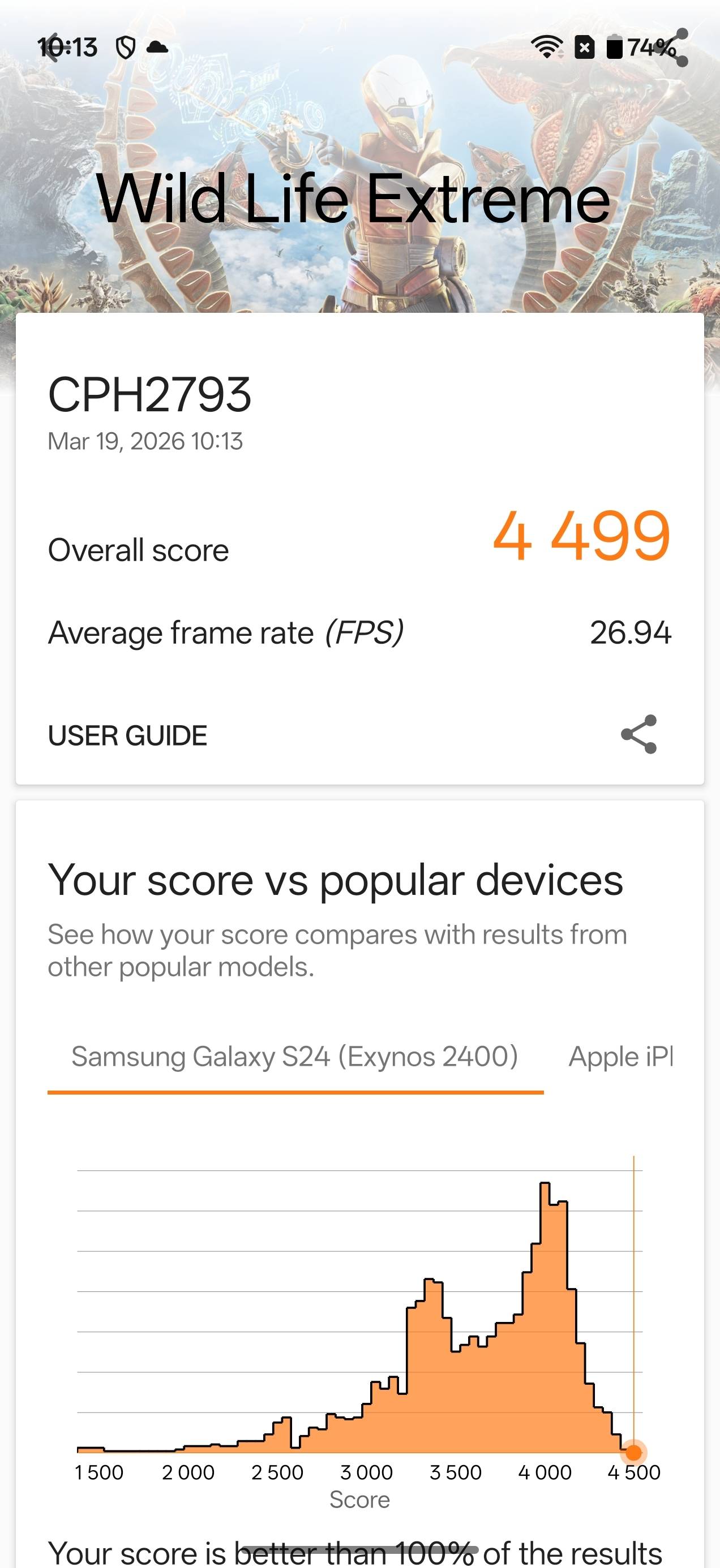
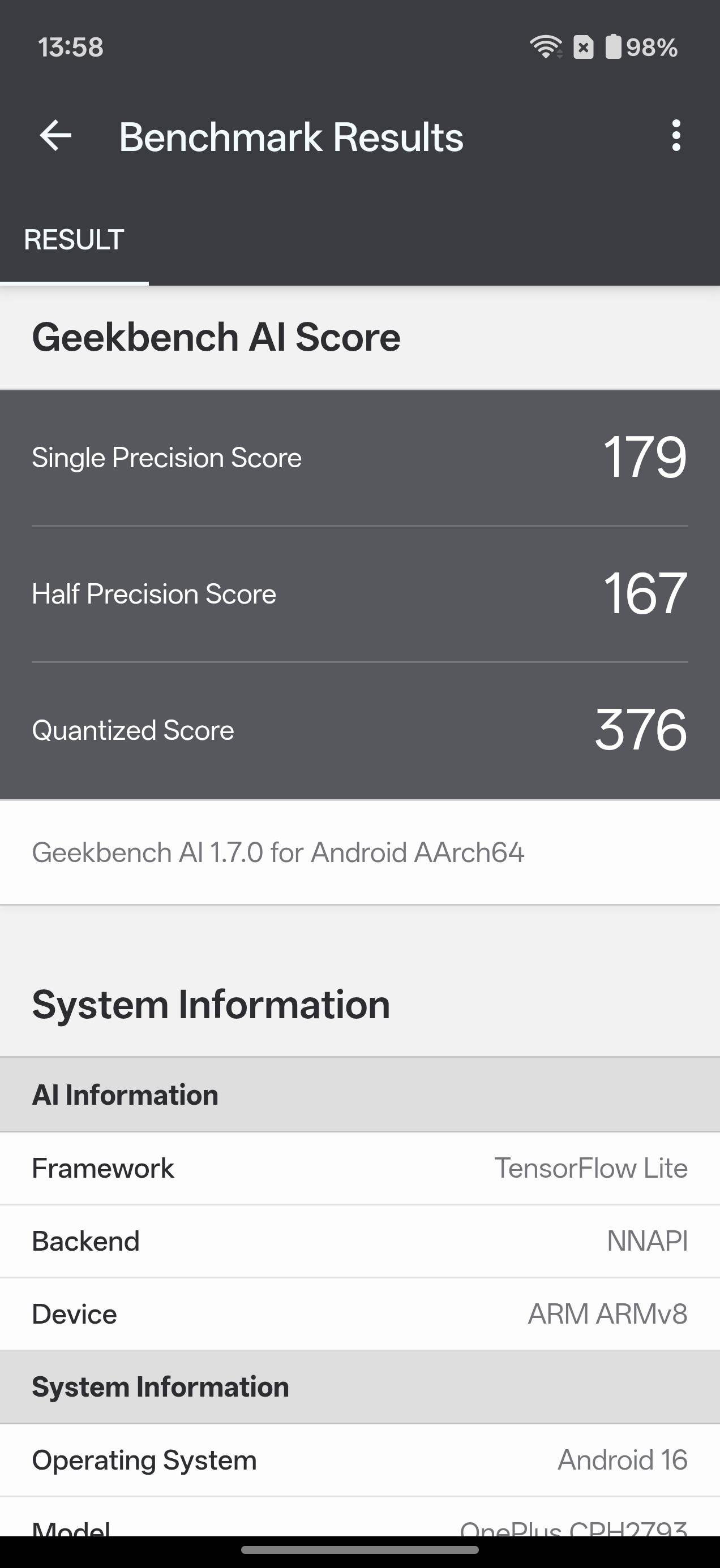
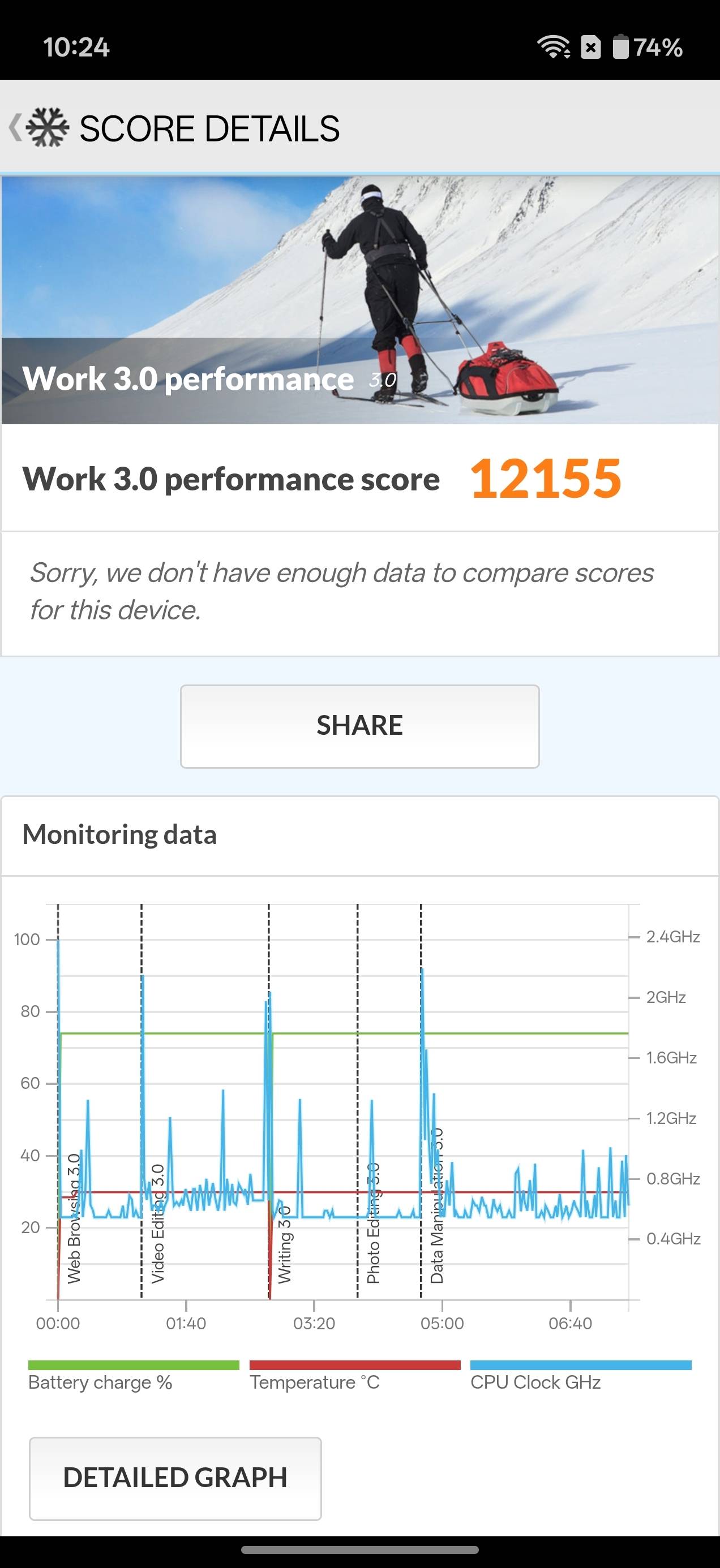
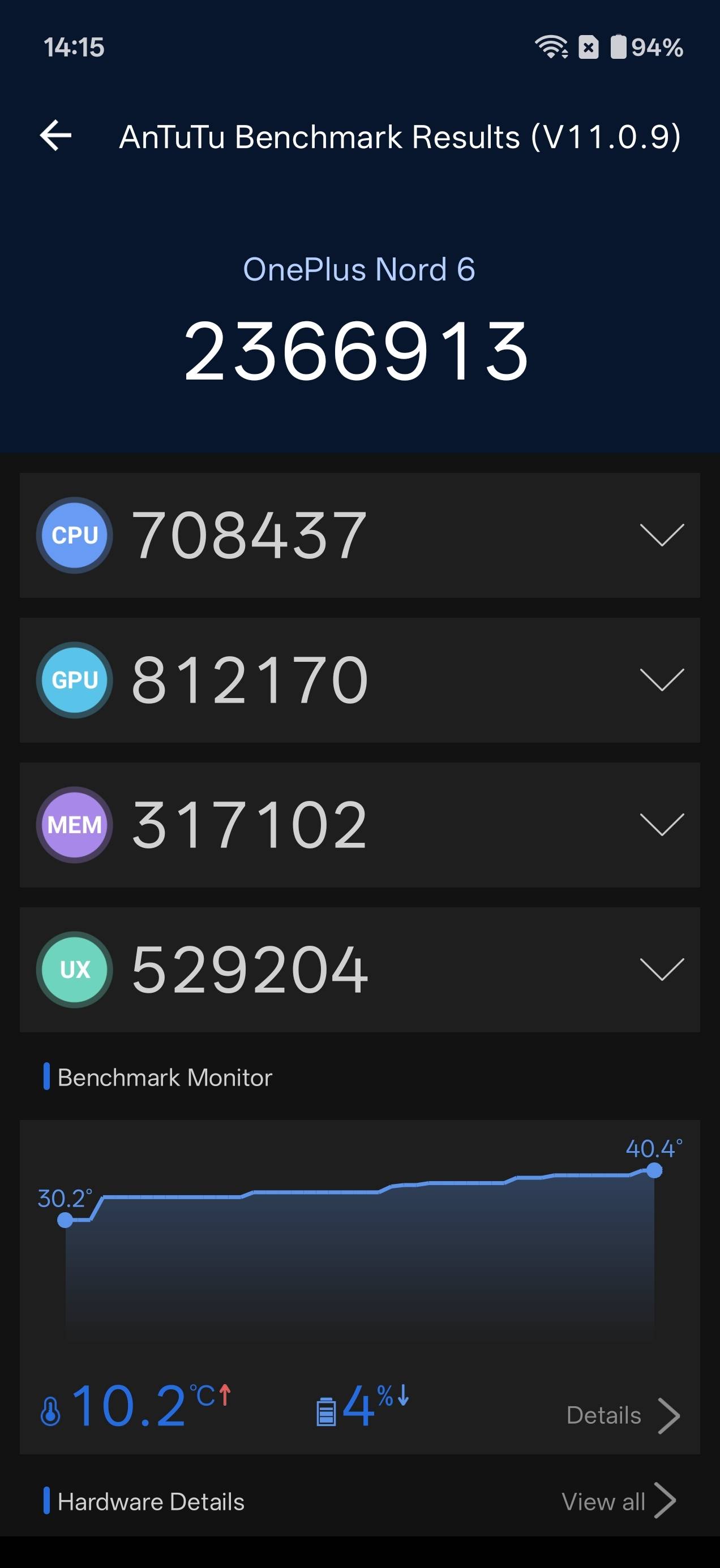
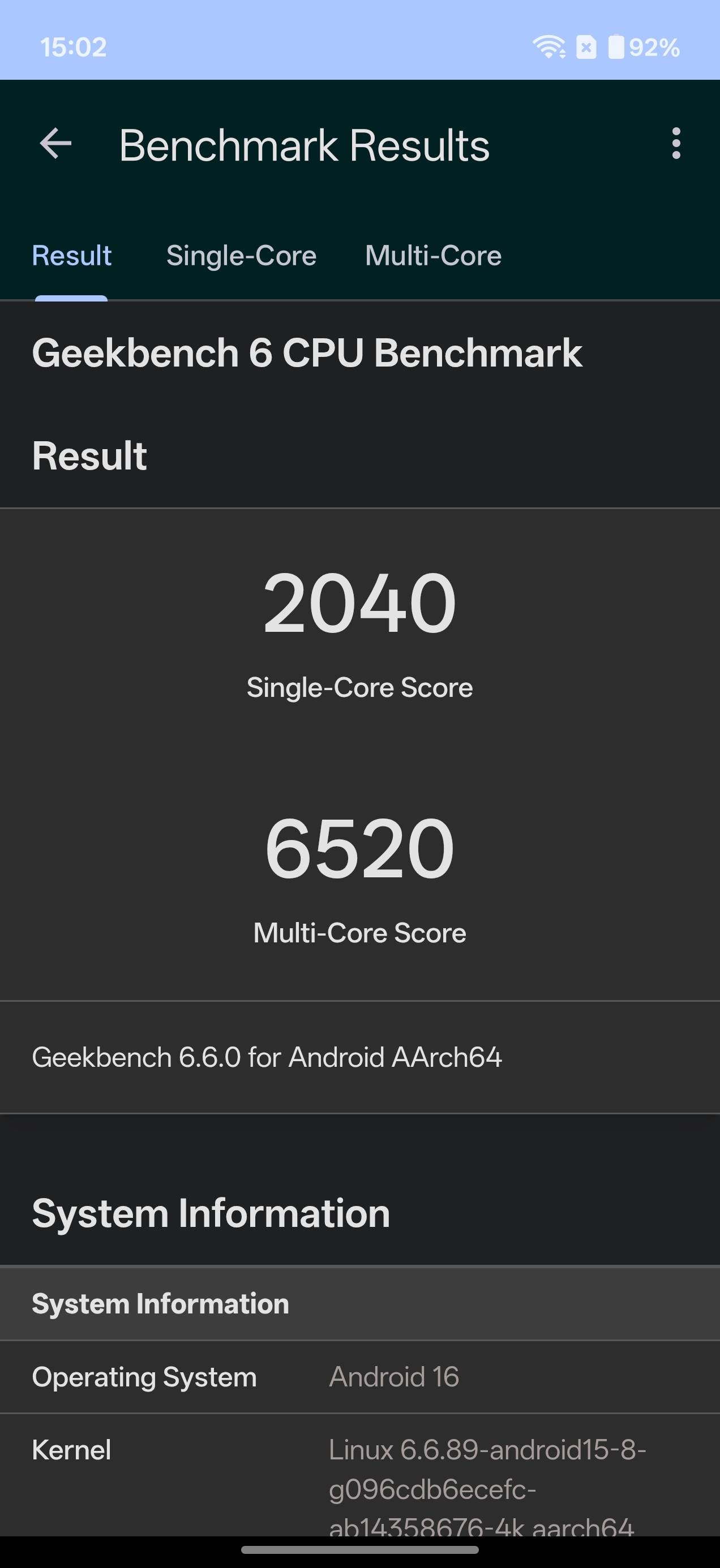
The 13R has a few meaningful advantages worth considering. The most significant is the chipset. While the Snapdragon 8s Gen 4 in the Nord 6 is newer, the 13R runs on the Snapdragon 8 Gen 3, a full-fat flagship chip. While benchmark numbers might be similar, the Snapdragon 8 Gen 3 has a higher peak clock speed and should deliver better sustained performance under load in real-world usage. If you do a lot of heavy multitasking or push demanding workloads beyond gaming, the 13R has the edge here.
The camera system is another clear win for the 13R. It gets a triple rear setup, which includes a 50MP Sony LYTIA-700 main sensor, a 50MP telephoto with 2x optical zoom, and an 8MP ultrawide, compared to the Nord 6’s dual-camera arrangement without a telephoto lens. If versatile photography matters to you, especially portraits and zoomed shots, the 13R is the more capable shooter.
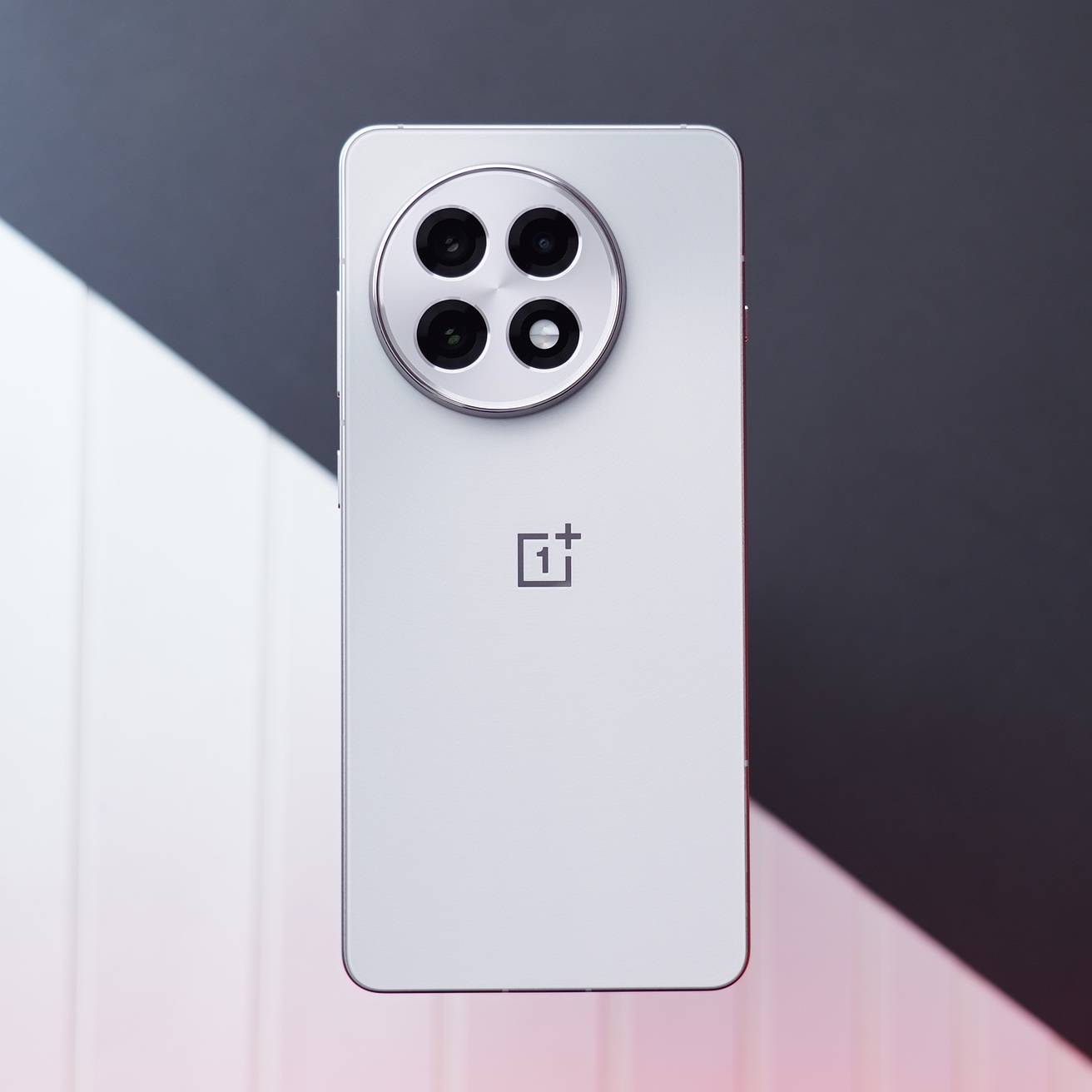
While the OnePlus 13R doesn’t get the durability of the Nord 6, it arguably has the more premium body with an aluminum frame and glass back as opposed to the Nord 6’s polycarbonate frame and back.
Choose the OnePlus Nord 6 if…
The Nord 6 is the right pick if battery life is your top priority, and for most users, it is. A 9,000mAh cell that genuinely lasts two-plus days is a meaningful quality-of-life upgrade, and no other phone in this segment comes close. It’s also the better choice for mobile gamers, with the 165Hz display and 165 fps gaming support giving it a tangible edge over the 13R in competitive titles. Add the significantly better IP69K durability, the newer Android 16-based software out of the box, and 27W reverse charging, and the Nord 6 makes a compelling case as a complete, future-ready package, especially at Rs 38,999, which is Rs 3,000 less than the 13R.
A 9,000mAh cell that genuinely lasts two-plus days is a meaningful quality-of-life upgrade. It’s also the better choice for mobile gamers, with the 165Hz display and 165 fps gaming support.
Choose the OnePlus 13R if…
The 13R is the better buy if you care about camera versatility and raw performance. The Snapdragon 8 Gen 3 is still a faster chip in absolute terms, and the addition of a 50MP telephoto lens with 2x optical zoom gives the 13R photographic capabilities that the Nord 6 simply can’t match. If you shoot a lot of portraits, zoomed subjects, or varied scenes, the 13R’s triple camera setup will serve you better. It’s also the smarter pick if you want more RAM or storage headroom. The 16GB + 512GB configuration is available on the 13R but not the Nord 6. At Rs 41,999, you’re paying a premium, but you’re getting a more well-rounded device for content creation and heavy multitasking.
The 13R is the better buy if you care about camera versatility and raw performance. It’s also the smarter pick if you want more RAM or storage headroom.
OnePlus Nord 6 Images