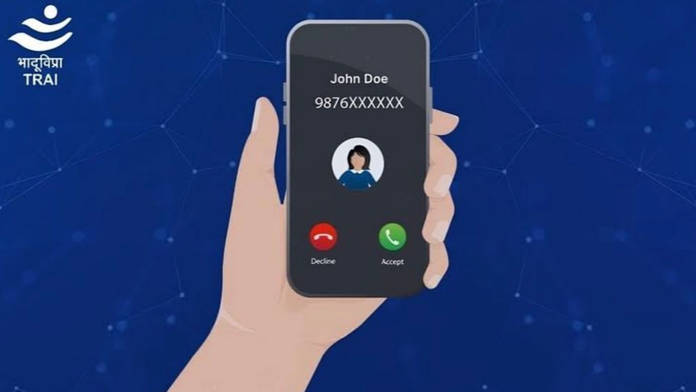
When an unknown number calls, the instinct is to turn to Truecaller to check who’s calling before deciding whether to answer. That could become less necessary for basic caller identification as the Department of Telecommunications (DoT) has amended India’s caller ID rules to include subscribers’ registered names from November 1st this year.
The amendment changes the definition of Calling Line Identification (CLI) under the Unified Licence Agreement, allowing a caller’s name as recorded in their telecom operator’s subscriber database to be used for identification. However, the DoT hasn’t clarified whether operators must display these names on incoming call screens or exactly how the feature will work.
DoT changes caller ID rules
Previously, the definition of CLI primarily covered a telephone number, an IP address or another form of identification prescribed by the DoT. The revised definition explicitly includes the name recorded in a subscriber’s data records. The change aligns with India’s push towards Calling Name Presentation (CNAP), which aims to help recipients identify callers using information maintained by telecom operators. If implemented on incoming call screens, it could make basic caller identification available without installing an additional app.
There are limitations, though. The displayed name would come from the operator’s subscriber records, so it may not tell you whether the caller is a delivery agent, a business representative or someone calling with fraudulent intent.
Will you still need Truecaller?
The change could reduce the need for Truecaller if you mainly use it to identify unfamiliar numbers. However, the app is working to offer more than names and numbers. Its features include community-based spam identification, automatic call blocking, SMS fraud detection and AI-powered caller insights. Its AI tools can flag suspected scams, classify businesses and summarise community comments while a call is ringing.
Truecaller is also expanding into AI-powered call screening and scam detection, while offering premium features such as an AI call assistant and AI voice-scam detection. In July 2026, its CEO said that the company plans to rely on its community-driven data, AI and enterprise services to differentiate itself as telecom operators roll out CNAP.
The distinction is simple – CNAP could tell you the name registered with a telecom operator, while apps such as Truecaller aim to provide additional context about whether a call may be spam or a scam. Neither should be treated as a guarantee that a caller is genuine.