POCO C81, C81x launch in India with up to 6,300mAh battery and 4 OS upgrades starting Rs 9,999


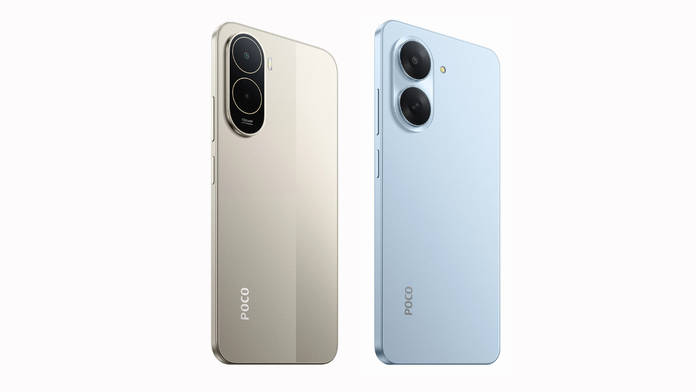
The POCO C81 and POCO C81x made their India debut today, arriving as the brand’s latest contenders in the Rs 11,000 budget bracket. While POCO is presenting these phones as entertainment devices with massive displays and huge batteries, the C81 and C81x have a lot to offer for the price, possibly making them ideal devices for people with basic phone needs.
Table of Contents
POCO C81, C81x price, availability and sale
| Phone | Storage | Price |
| POCO C81 | 4GB + 64GB | Rs 10,999 |
| POCO C81x | 3GB + 64GB | Rs 9,999 |
Both the POCO C81 and C81x will be on sale on Flipkart starting April 27th at 12 PM.
POCO C81, C81x specifications overview
The POCO C81 series features large HD+ LCD panels, a 6.88-inch screen on the C81x and a slightly larger 6.9-inch display on the C81. Crucially, both support a 120Hz refresh rate, ensuring smooth scrolling throughout the UI and apps. Under the hood, both devices run on the 4G-limited Unisoc T7250 octa-core processor, which is paired with UFS 2.2 storage and LPDDR4X RAM.
Show Full Article
Having personally experienced the chipset on phones like the Realme P4 Lite 4G (review) and Tecno Spark Go 3 (review), if optimised well, it should handle daily apps like WhatsApp, Instagram, YouTube, Chrome, and others reliably. Powering the C81x is a 5,200mAh battery, while the POCO C81 steps up to a massive 6,300mAh unit. Both support 15W fast charging and feature 7.5W reverse wired charging, allowing the phones to act as a power bank for smaller gadgets.


The devices house a 13MP primary rear camera paired with an LED flash. For selfies and video calls, an 8MP front-facing sensor is housed within the display’s U-shaped notch. The POCO C81 runs on Android 16 with HyperOS 3, while the C81x runs on Android 15 and will receive just two OS upgrades and four years of security updates. Meanwhile, the C81 has a more extensive update policy of four OS upgrades and six years of security patches.
On to the design, the POCO C81 will be available in Sunset Gold, Sky Blue, and Elite Black, while the C81x flaunts Ice Blue and Crystal Black colour shades. Both phones have a 3.5mm headphone jack, a side-fingerprint scanner integrated within the power button, and the option to expand the memory up to 2TB.
How do the POCO C81 and C81x fare against the competition?
Coming for Rs 10,999 and Rs 9,999, the POCO C81 and C81x, respectively, go head to head against the likes of the Realme P4 Lite 4G and Ai+ Nova 2. With just a marginal difference of Rs 1,000 between the two POCO devices, the offering from Ai+ stands as a solid alternative since it features a much more capable Unisoc T8200 5G-supported chipset.
Scoring over 5,00,000 on AnTuTu (versus 3,80,000+ AnTuTu score of POCO C81), the Ai+ Nova 2 should perform better in games by possibly delivering higher frame rates. However, since the POCO devices feature HyperOS, these phones should offer a more polished and mature software experience over Ai+ Nxt, which, as we noted in Nova 2’s review, requires refinements in key areas.