POCO has expanded its X series in India with the launch of the POCO X8 Power and POCO X8. Both phones target the mid-range segment, but the X8 Power puts a much stronger focus on battery life and durability, while the standard X8 is expected to offer a more balanced package.
Here’s everything you need to know about the new POCO X8 series, including their specifications, features, pricing and availability.
Table of Contents
POCO X8 and X8 Power: Price and availability
The POCO X8 starts at Rs 29,999, while the POCO X8 Power is priced at Rs 35,999. As part of the launch offer, buyers can get a Rs 2,000 coupon discount and a Rs 1,000 bank offer or exchange bonus, bringing the effective prices down to Rs 26,999 and Rs 32,999, respectively.
Both phones will go on sale from September 11, 2026, at 12 noon, exclusively through Flipkart. POCO is also offering 12-month no-cost EMI, starting at Rs 2,250 per month for the X8 and Rs 2,750 per month for the X8 Power.
POCO X8 Power, X8 5G: specifications, features
The POCO X8 Power focuses heavily on battery life, with a 10,000mAh silicon-carbon battery that is among the largest capacities we’ve seen on a smartphone. It supports 100W HyperCharge for faster top-ups and can also charge other devices at up to 27W through wired reverse charging. The phone weighs 229g and measures 8.65mm thick, so the large battery does come with some extra bulk.
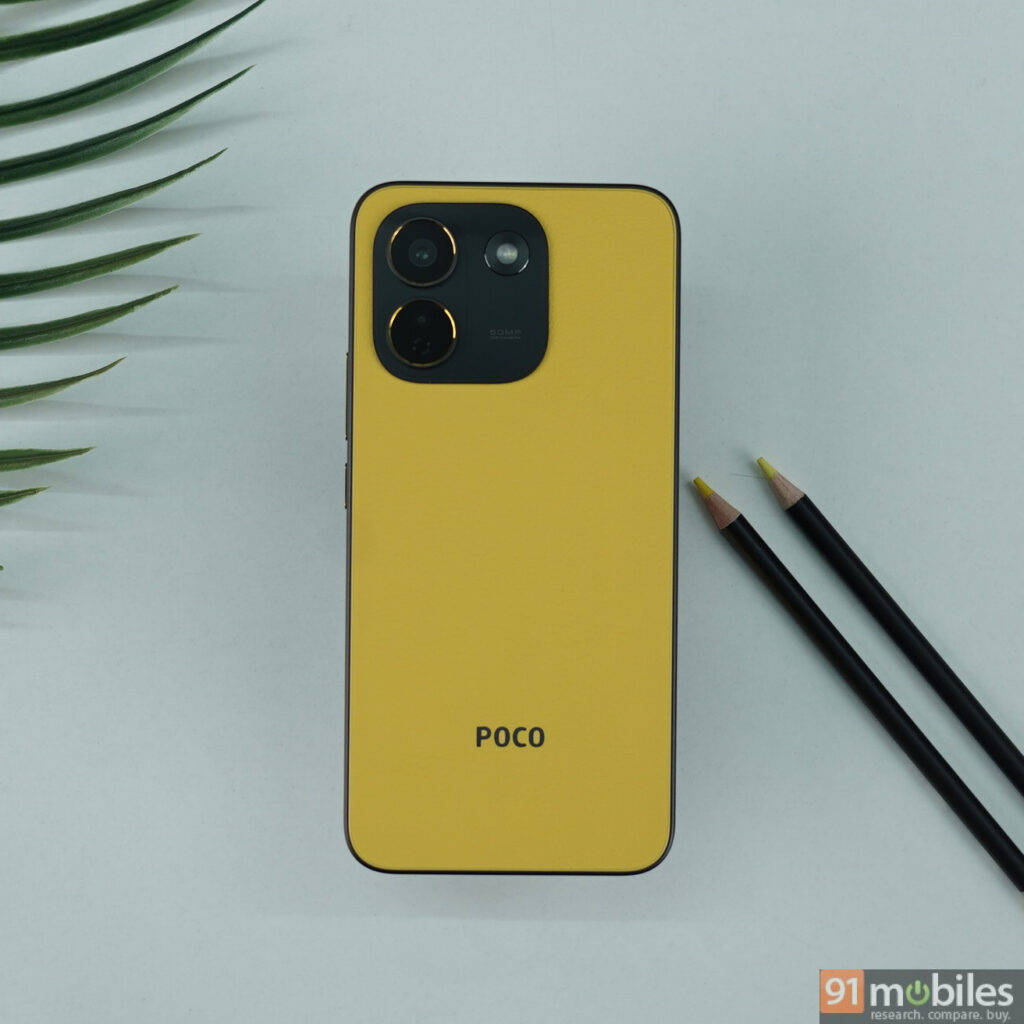
The X8 Power features a 6.83-inch flat 1.5K AMOLED display with a 120Hz refresh rate, HDR10+ and Dolby Vision support. It reaches up to 3,500 nits of peak brightness and supports up to 3,200Hz instantaneous touch sampling in Game Turbo mode. POCO also adds Wet Touch 2.0 and TUV Triple Eye Protection, while Corning Gorilla Glass Victus 2 protects the display.
Under the hood, the phone uses the Snapdragon 6 Gen 5 Mobile Platform, paired with up to 12GB of LPDDR5X RAM and 256GB of storage. The base 128GB variant uses UFS 2.2 storage, while higher variants get faster UFS 4.1 storage. The phone also gets a 32MP front camera, stereo speakers and an in-display fingerprint sensor.
Durability is another major focus, with IP66, IP68, IP69 and IP69K ratings, along with what POCO calls Titan quality and double five-star quality certifications from SGS and TÜV. The X8 Power runs Xiaomi HyperOS 3 based on Android 16, with POCO promising 4 OS upgrades and 6 years of security patches.
POCO X8
The POCO X8 shares much of its hardware with the X8 Power, including the 1.5K AMOLED display, Gorilla Glass Victus 2 protection, stereo speakers and IP66, IP68, IP69 and IP69K ratings. The main difference is the battery and charging setup. It packs a still-large 9,000mAh silicon-carbon battery with 67W HyperCharge and 22.5W wired reverse charging, making it slightly lighter at 226g and thinner at 8.6mm than the X8 Power.
Under the hood, the X8 uses the Snapdragon 6 Gen 4 processor, paired with 8GB of LPDDR4X RAM and up to 256GB of storage. The 256GB variant gets faster UFS 3.1 storage, while the 128GB version uses UFS 2.2. The phone also gets a 50MP primary rear camera with OIS and a 2MP depth sensor, along with a 16MP front camera.
POCO has included its Surge G1 battery management chip to help manage the large battery, while the phone retains the X8 Power’s focus on durability with Titan quality branding and double five-star SGS and TÜV certifications. It runs Xiaomi HyperOS 3 and offers the same software support as its sibling.
Should you buy the POCO X8 series?
Both the POCO X8 and X8 Power are capable phones, especially for users who want a multimedia-focused device with a large AMOLED display and long battery life. Their 1.5K AMOLED panels should make them great for watching movies and other content, while the large silicon-carbon batteries can easily appeal to users who do not want to charge their phones frequently. The Snapdragon 6 series processors are also capable enough for everyday use and gaming, making both phones fairly versatile at their current prices.
The POCO X8 Power’s closest competitor is the OnePlus Nord CE6 (review), which also packs a massive 8,000mAh battery. The OnePlus has a more powerful Snapdragon 7s Gen 4 processor, but it also costs roughly Rs 3,000 more, making the X8 Power a more affordable option for users who prioritise battery life and value.
Meanwhile, the POCO X8 5G is one of the few phones under Rs 30,000 to combine a capable mid-range Snapdragon processor, a high-quality AMOLED display and a large battery. At its effective launch price of Rs 26,999, it is one of the best all-rounders in its segment right now.