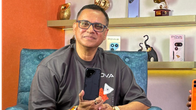
After operating as part of TECNO’s smartphone portfolio for close to six years, POVA is now getting an identity of its own. The company has already announced plans to establish it as a sub-brand, with its own ecosystem of devices, targeting younger consumers, and, eventually, a flagship store. I caught up with Arijeet Talapatra, CEO, TECNO India, to understand how POVA is being differentiated from TECNO, what consumers can expect from the brand in the coming months, how long the smartphone price hike is expected to continue, and whether it could eventually become a separate Indian entity.
Why is Tecno making POVA a sub-brand now, especially when smartphone brands are increasingly converging?
Arijeet Talapatra:
When we started POVA, we said it would be about high performance with a big battery because, at that time, big batteries were a major trend, whether it was 8,000mAh or 7,000mAh. Today, battery is still important, but many other things matter as well. It is about whether the phone is an all-round performer.
The youth today want their own identity. A me-too phone does not work anymore. So, the design elements we have introduced in POVA are something consumers can relate to. Apart from design, AI and network connectivity are also very important, and POVA is bringing all of them to consumers.
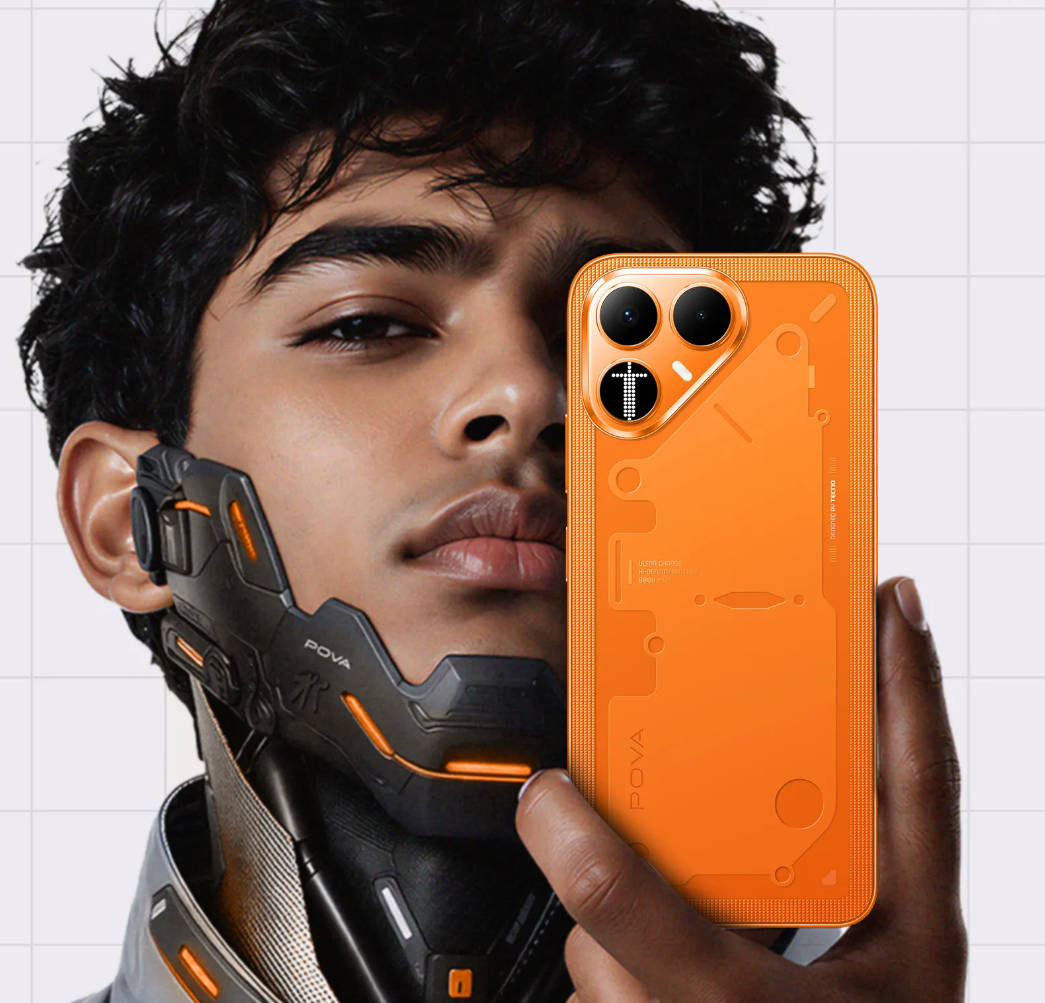
We have already seen some of the POVA phones, including the new POVA 8 Pro, but the DNA of the brand remains the same.
Will POVA be spun off into an Indian entity, similar to what Nothing did with CMF?
Arijeet Talapatra:
We consider ourselves Indian. Since 2017, when TECNO launched, we have been completely made in India and made by Indians. We also export from India. We manufactured our first foldable phone, the Phantom Fold, in India at our factory. We were the number two company to bring a foldable phone to the country. The first company that brought one had its third-generation phone made in India, while the first and second generations were imported from abroad.
So we have a completely India-focused ecosystem. But yes, we saw that company (Nothing) working on something involving a joint venture with a majority Indian shareholder. We are surely evaluating all these things.
While the company is currently evaluating the proposition, POVA’s focus will remain on serving its consumers.
For us, however, the entire focus is on how we serve our consumers and bring them what they want. If the consumer loves the product, whatever the background entity of the company is, those things are very easy to manage.
How will POVA differentiate itself from TECNO, particularly in terms of software and the overall user experience?
As I said, Tecno has different price segments. We have Spark, which is an all-rounder in the entry-level segment, and then we have the premium segments such as Camon and Phantom.
POVA, on the other hand, will cater to the Rs 25,000 to Rs 50,000 segment, which is closely aligned with the youth. It will have a distinct identity and offer different colour options, which are increasingly important to consumers in India. POVA’s proposition brings together distinctive design, strong everyday performance and practical AI in a way that feels relevant to this audience. If you look at the back panel of the POVA 8 series, the camera and the Alive Matrix appear extremely beautiful and help it stand out.
All in all, the intent is to build POVA as a distinct brand identity, defined by design, expression, useful technology and an expanding ecosystem, rather than specifications alone.
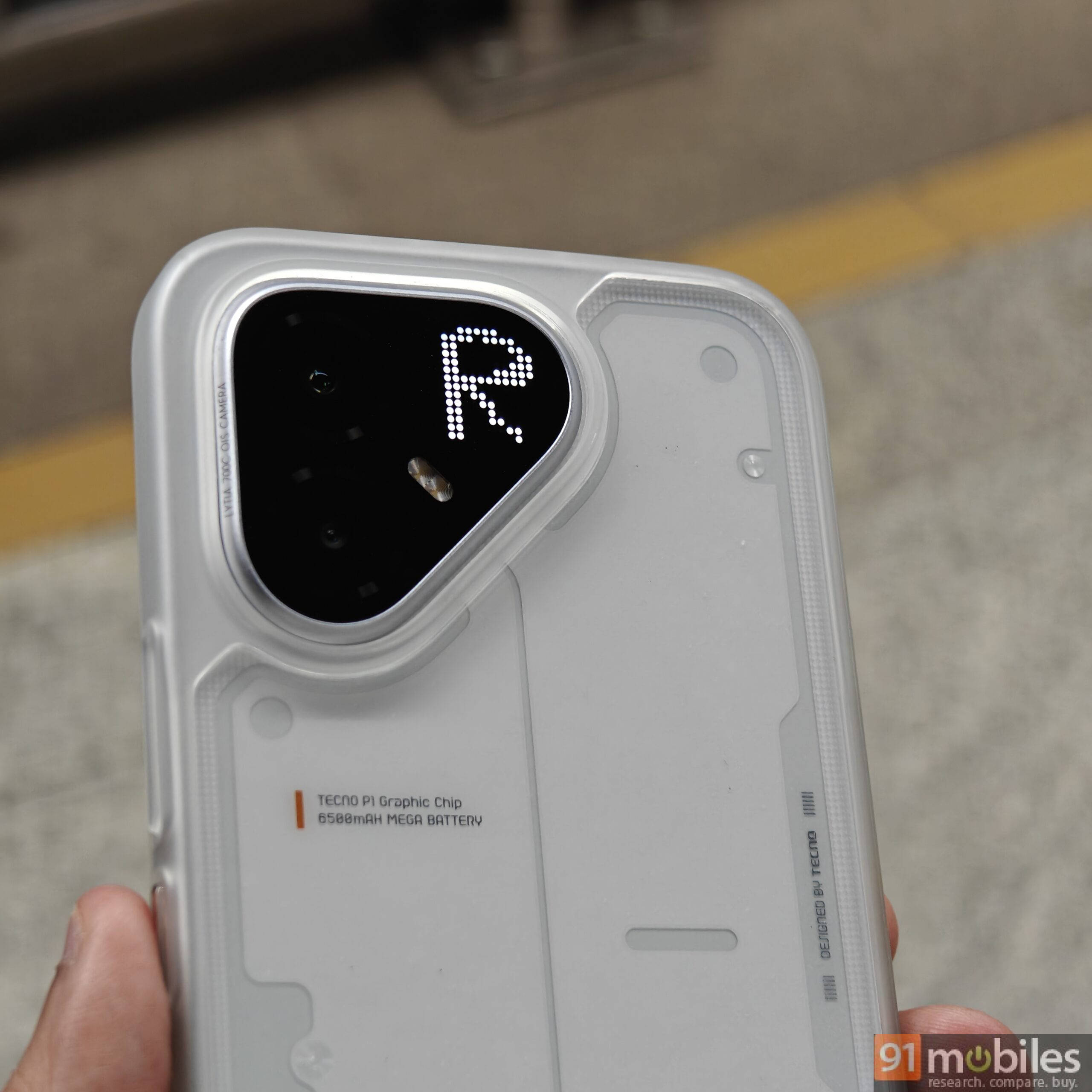
POVA will appeal to youth with distinctive design, useful AI features, and robust network support.
Additionally, with POVA, we don’t say low network. Even in areas with no network, if you use one POVA phone with another POVA phone through Bluetooth, you can use it without any network. Our phones have 20-22 antennas, so even in very low-network areas, such as basements, where other phones may completely lose connectivity, POVA can still work. In a way, it is like talking to each other on a walkie-talkie.
How central will AI be to POVA’s devices and overall product strategy going forward?
Arijeet Talapatra:
With POVA, we have understood our consumers, particularly Gen Z and Gen Alpha. They are simple people, but they want AI that understands them and can work with them, including across multiple languages.
If I am in a meeting, I can get the complete minutes of the meeting afterwards. Then my assistant can ask what changes I need. I can say that I want a pie chart, graphs, and more details, and it can create all of that. If my recording is happening in multiple languages, there can be live translation as well.
POVA will deliver AI that understands Gen Z and Gen Alpha, and works with them in multiple languages.
With so many languages within the country, and with people travelling abroad so frequently today, a phone is no longer just a communication device. It is a partner. It is almost a 2.0 version of you. That is what POVA is all about.
What can consumers expect from POVA over the next few months?
Arijeet Talapatra:
First, I would like to thank customers for the love they are giving POVA. That has led the entire TECNO ecosystem to create a dedicated small team working only for POVA. This includes R&D, marketing, go-to-market, and product design. Our concept is to give customers something different and new, whether in design, network, or AI.
Our concept is to give customers something different and new, whether in design, network, or AI.
Whatever the consumer is looking for tomorrow, POVA will have it, and POVA will look completely different from what others are offering. That is why, in our flagship store, which we are launching shortly, you will get a lot of things that we are going to launch in POVA very soon. The idea is that until Gen Z, Gen Alpha, and the youth see the products and relate to them, whether it is the distinctive design, vibrant colours, the camera module, or the features, it will not have the desired impact.
The store will serve as a showcase for POVA’s products, allowing consumers to experience and potentially purchase them.
We are evaluating quite a few locations, but we want the flagship store to be somewhere with a very strong youth population. We don’t want it in the top four or five metros, but surely in one of the top 20 cities in the country.
Is POVA also planning to build an ecosystem of its own?
Arijeet Talapatra:
With TECNO, we have already launched a lot of things, including laptops, accessories, gadgets, smart glasses, and other products.
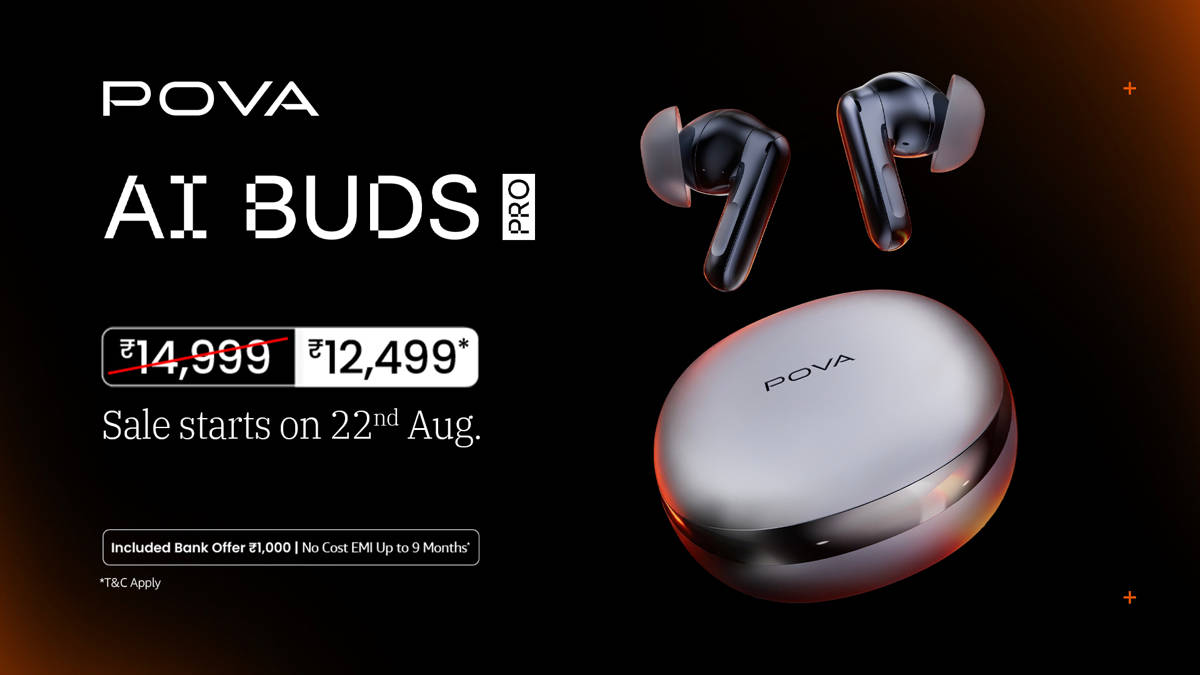
With POVA, we are still evaluating various segments, and we will surely surprise you soon. However, since our R&D team is deeply involved in this, I don’t want to get into the details and spoil the surprise. We will come very soon with more.
What are POVA’s plans for the upcoming festive season?
Arijeet Talapatra:
The festival season is coming, but you know how mobile phone prices are increasing because of the memory price hike. With the price increase, consumers understand that there is a price hike, but it is not necessarily a problem. Consumers in India have money, and there are companies providing affordability through good offers.
The main question for consumers is what the differentiation is, and POVA is working on that differentiation. Primarily, we completely focus on our offline channel partners, our retailers, and our army in the field. We have a big team and a big service network. For all the retailers, we have a big festival scheme. For consumers, we have a lot of offers along with POVA.
So, whether it is retailers, consumers, or our partners who work with us, we are completely geared up for the festival season. There will be a lot of visibility of POVA around Durga Puja, Navratri, and Diwali.
How long do you expect smartphone prices to continue rising due to the shortage of RAM and storage?
Arijeet Talapatra:
Everybody is asking this, but nobody has the answer. The latest information I have is that throughout 2027, we will continue to see price increases because all the AI companies have booked the entire memory stock. I think we could see some relief after the first half of 2028, but we can only know that around the end of 2027, not before then.
So the price will increase, but the key is what differentiation you are offering the consumer alongside that price increase. If you are giving a consumer an offering, the consumer should feel that it is value for money even at a higher price. They should feel that they got a great deal and have something in their hands that others don’t.
We could only see a relief from smartphone price hike post-H1 2028.
Otherwise, they will feel that they are paying Rs 10,000 more but have no differentiation. That makes the consumer very jittery and unhappy.