Review Summary
Expert Rating
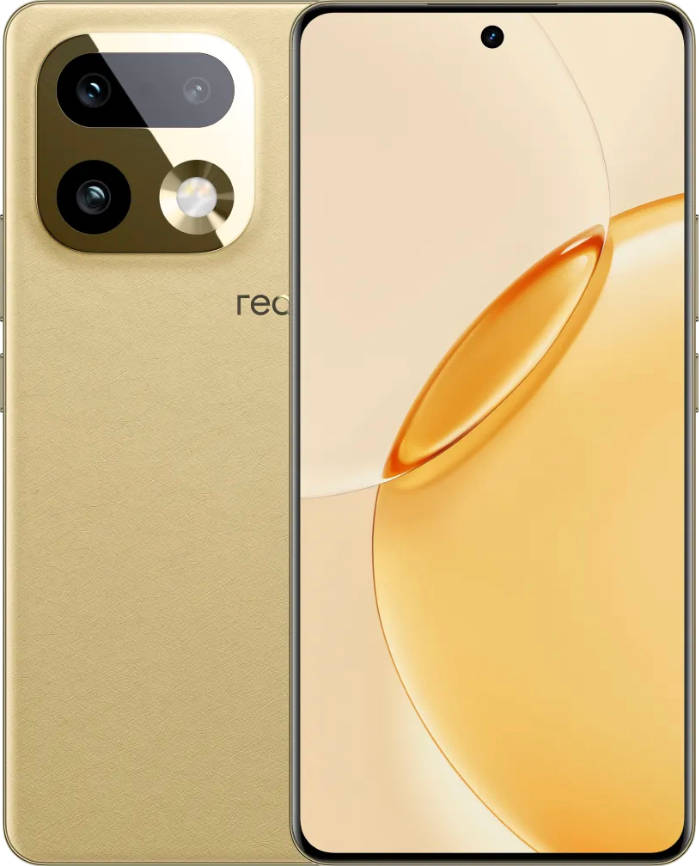
The Realme 16 Pro series has officially launched, bringing a key change this year. The number series now includes a Pro+ variant, something missing from the Realme 15 series that arrived last year. As the headliner of the new lineup, the Realme 16 Pro+ naturally packs a lot of features with a primary focus on its camera system.
Interestingly, aside from the upgraded setup with a 200MP main lens and a telephoto shooter, the phone largely retains the same specifications as its predecessor, the Realme 15 Pro (review). Now the question remains: has Realme done enough with the 16 Pro+ to justify it as a viable upgrade, or is this just an iterative update with some camera features sprinkled in to make it seem worthy? Let’s find out in this comprehensive review.
Table of Contents
Golden aesthetics and a curved, vibrant display
Realme has gone all-in on the design for the new Realme 16 Pro+. I admire how often the OEM experiments with the aesthetics of its smartphones, and the new Realme 16 Pro+ is certainly a charmer. I received the Master Gold variant for review, featuring a style inspired by ripened wheat.
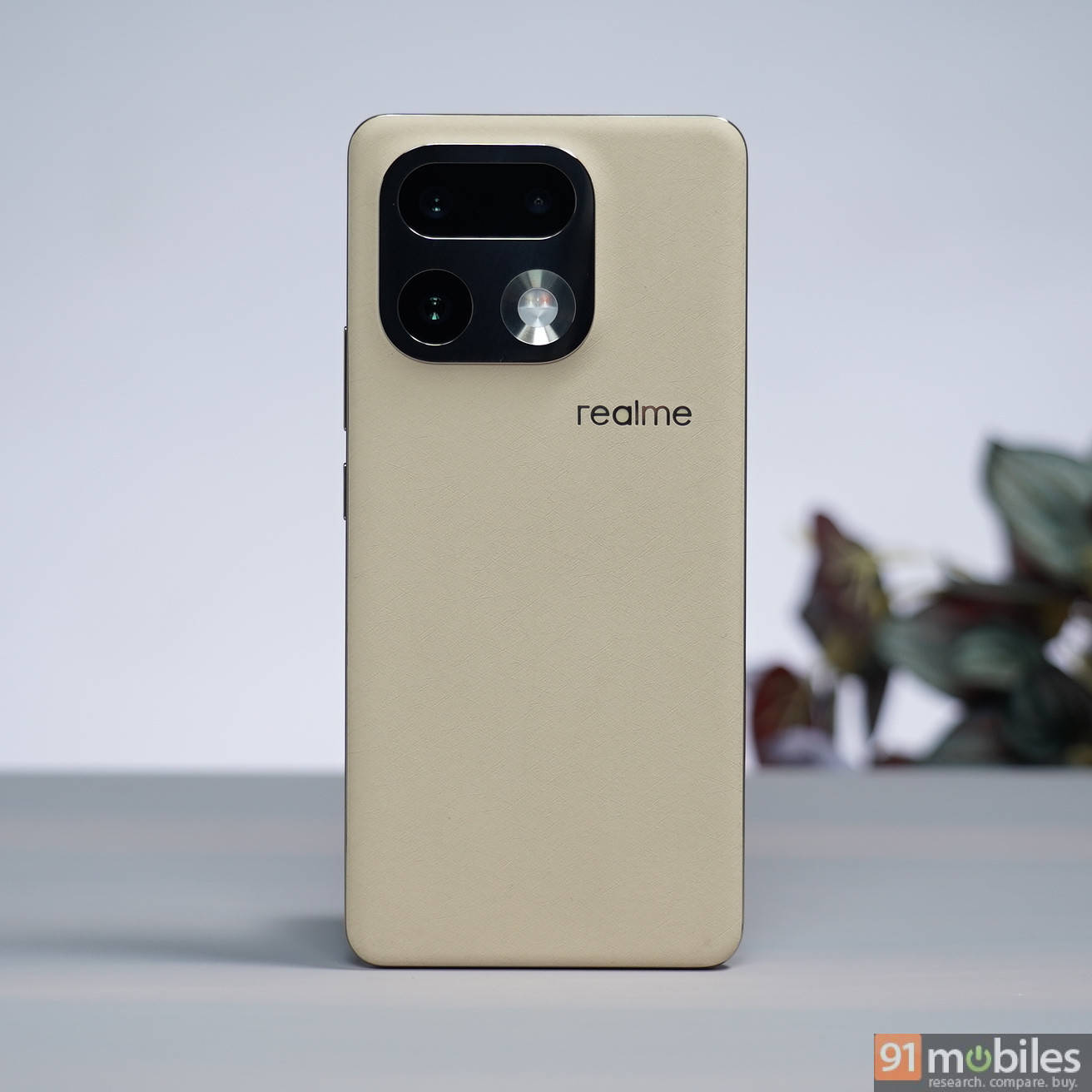
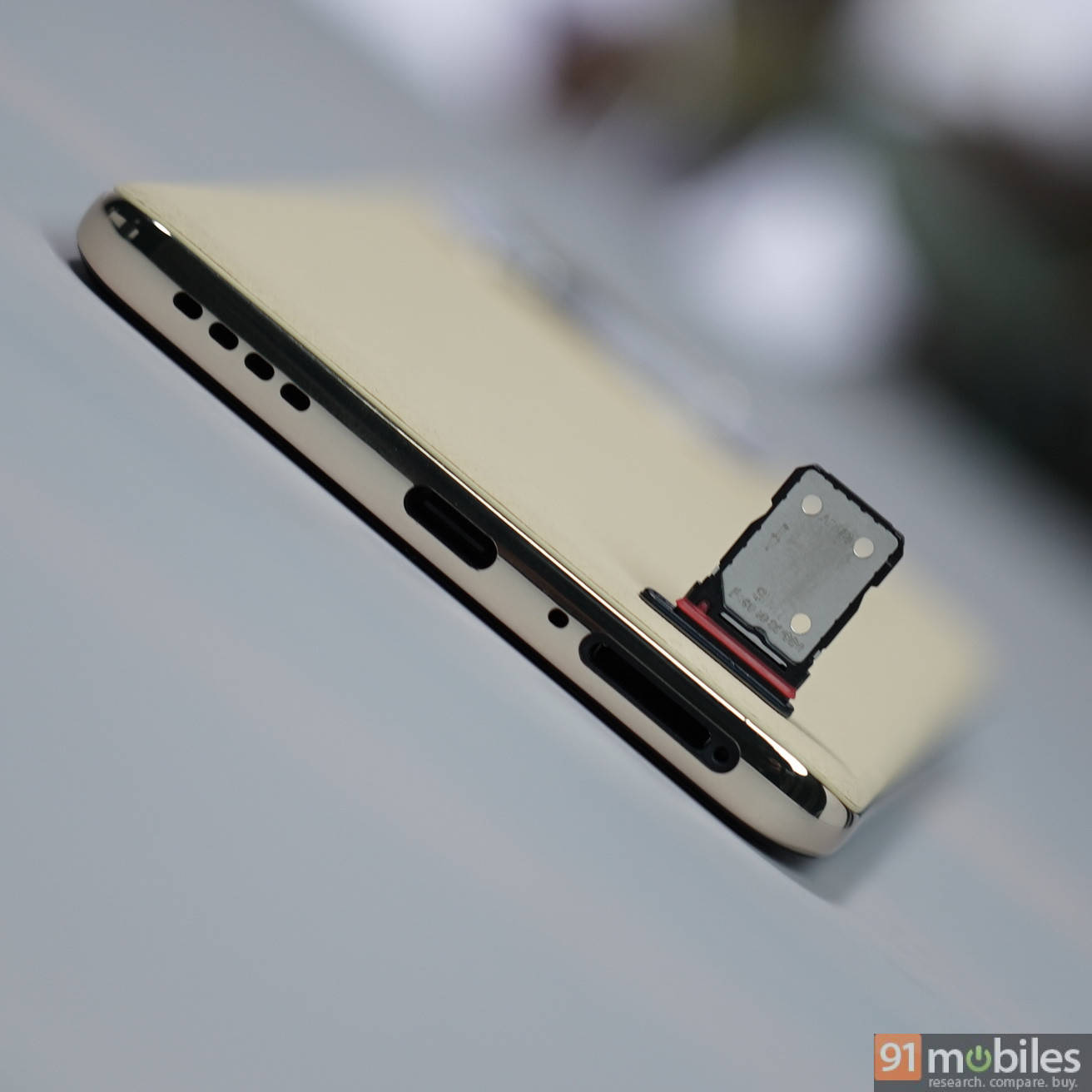
The rear panel features a silicone finish that feels soft to the touch, very similar to the back of the Realme GT 8 Pro I reviewed recently. The handset resists fingerprints and smudges and offers a good grip. Moreover, the brand claims the smartphone holds up considerably well against dirt and wear. The Realme 16 Pro+ is IP66/IP68/IP69/IP69K certified, so rest assured, it is extremely well protected against dust and water.
| Smartphone | Thickness | Weight | IP Rating |
| realme 16 Pro Plus | 8.1 mm | 198 grams | IP68 +IP66 +IP69K +IP69 |
| vivo T4 Ultra | 7.43 mm | 192 grams | IP64 |
| OPPO Reno14 | 7.4 mm | 187 grams | IP68 +IP66 +IP69 |
A metal ring finished in chrome yellow encloses the camera module and complements the overall design and frame of the device. The body curves around the edges and feels comfortable to hold, though the weight is a tad heavy, tipping the scales at over 200 grams. Even so, the handset is rather easy to get used to with regular use.
Let’s talk about the display. The Realme 16 Pro+ uses a 6.79-inch 1.5K curved AMOLED panel with a high 144Hz refresh rate, 10-bit colour depth, and 6,500 nits of peak brightness. The display looks immersive thanks to razor-thin bezels. Widevine L1 support ensures FHD playback across OTT apps, making the visual experience delightful.
| Smartphone | Display | Peak Brightness |
| realme 16 Pro Plus | 6.8 inches - AMOLED | 6500 nits |
| vivo T4 Ultra | 6.67 inches - AMOLED (Curved Display) | 5000 nits |
| OPPO Reno14 | 6.59 inches - LTPS OLED | 1200 nits |
Brightness levels are great indoors, but I found them slightly lacking outdoors. Enabling the extra brightness mode helps, but keep in mind that it taxes battery life, so use it sparingly. The speakers sound great, and overall, I have no qualms about the multimedia experience of this device.

Cameras are pretty consistent
The Realme 16 Pro+ features a comprehensive camera setup led by a 200MP primary camera utilising a Samsung HP5 1/1.56-inch sensor with an f/1.8 aperture and OIS. In my testing, this main lens performs very well in natural light, offering excellent detail and handling dynamic range well. I noticed, however, that the primary camera sometimes takes soft images in indoor conditions, struggling slightly to capture fine textures under artificial lighting.
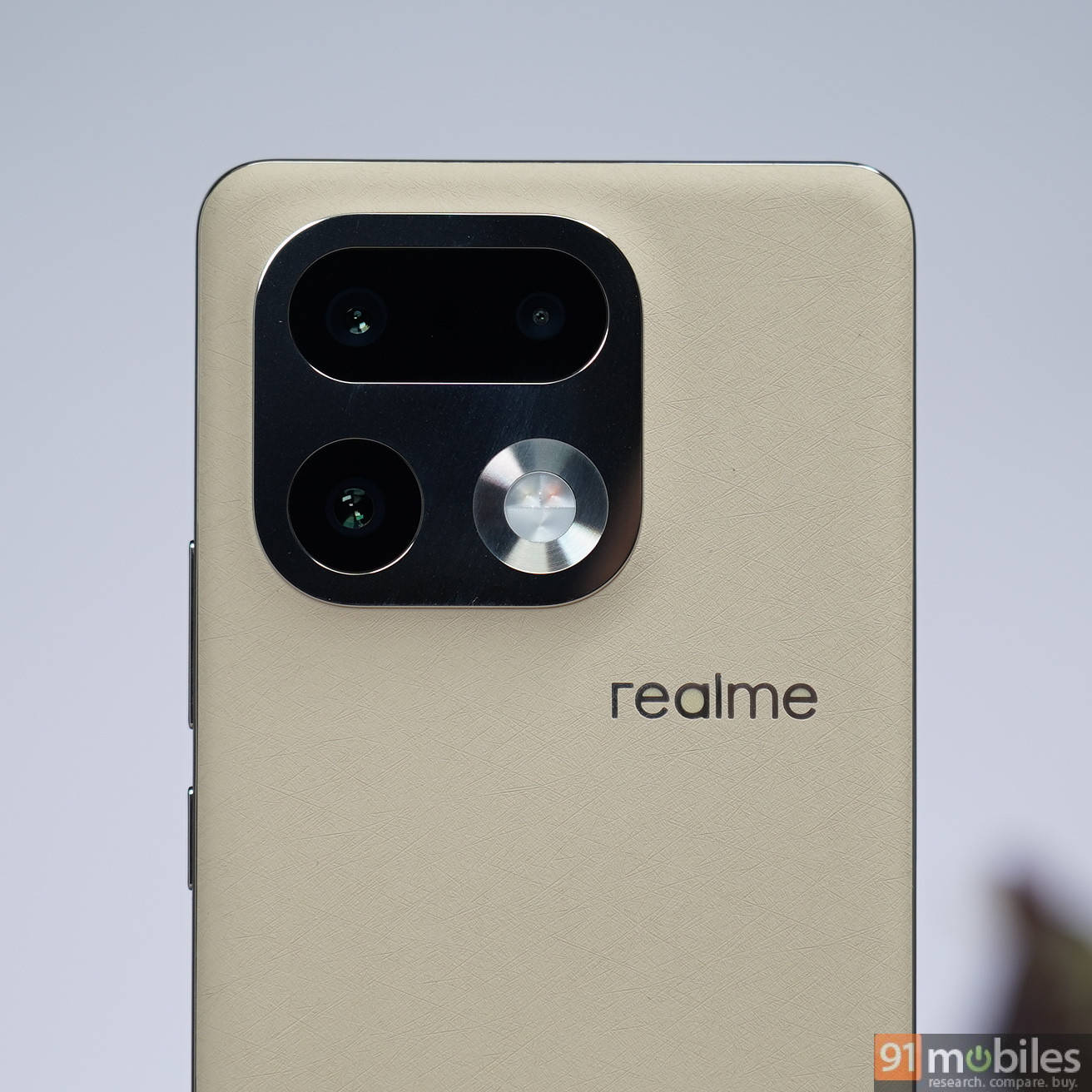
The high-resolution 200MP mode works pretty well, too. The resulting file size is larger, and it takes a bit of time to load, but the details are super crisp across the frame. My only real complaint here is that it often overexposes the images and kills the shadows and contrast. Even though the details might look flat, the end result is a detail-rich image. That’s not a big drawback, however, since you can always balance that out while editing. Having rich details is a different challenge altogether and not something you can do after clicking an image, so that’s where this mode comes in handy, in my opinion.
Supporting the main shooter is a 50MP telephoto camera capable of 3.5x optical zoom with OIS support. This lens helps immensely in portrait scenarios, delivering excellent subject separation and pleasing background blur that feels natural rather than computational. The rear array is rounded out by an 8MP ultrawide camera with a 115.5-degree field of view.










The ultrawide lens delivers satisfactory performance in daylight but remains the least capable of the bunch. To its merit, the lens maintains colour consistency with the primary lens with an acceptable level of deviation. For selfies, the 50MP front camera prioritises brighter skin tones and keeps background details sharp, although I am not too fond of the aggressive skin brightening.
I put the phone’s cameras to the test against the Vivo V60 (review) to see how the Realme 16 Pro+ fares in different scenarios. Check it out below:
Daylight
The Realme 16 Pro+ captures a slightly more appealing daylight shot, primarily due to its punchier contrast and slightly better dynamic range, which brings out more detail in the shadows around the fountain and building base. The Vivo V60, while delivering a sharp and clean image, opts for a flatter exposure that feels a bit washed out in comparison, particularly in the sky and foliage highlights. While Vivo’s result is natural and accurate, Realme’s vibrancy gives it a more “ready-to-share” look that many users will prefer.


Ultrawide
When switching to the ultrawide lens, the Realme 16 Pro+ maintains its lead with punchier colours and better dynamic range, making the sky and foliage look vibrant and lively. It also manages distortion well, keeping the building’s lines reasonably straight. The Vivo V60 captures a wider field of view, but the image feels flatter and slightly softer, especially towards the edges. While the Vivo smartphone offers a bigger frame, the Realme offering delivers a more visually engaging and polished result straight out of the camera.


Portrait
The Realme 16 Pro+ takes a comfortable lead in portrait mode, producing warmer, livelier skin tones that look instantly flattering, whereas the Vivo V60 leans towards a cooler, slightly flatter palette. Subject separation is also cleaner on the Realme, with fewer edge detection errors around hair and shoulders, creating a more convincing depth effect. While the Vivo delivers a decent shot, the Realme’s superior colour tuning and smoother bokeh make it the better choice for human photography.


Selfie
In the selfie comparison, the Realme 16 Pro+ captures a slightly better shot, largely thanks to its brighter exposure and accurate skin tones that capture the scene faithfully. The handset also maintains good background detail, even in the brighter outdoor setting. The Vivo V60 keeps things more vibrant and adds some reddish hues to the skin, making the images warmer. That said, the images look better in comparison if you like a more vibrant output.


Low light (night mode)
In low light, the Realme 16 Pro+ is ahead with more realistic colour reproduction and better overall detail retention. While the Vivo V60 produces a brighter image, it tends to over-process textures and boost exposure in a way that feels slightly artificial. The Realme, by contrast, maintains a more natural look with truer-to-life colours and cleaner details in the building facade and foliage, making it the more dependable shooter for authentic night scenes.


Camera AI features
Realme has packed in several AI-driven tools for those who like to tweak their shots. The “AI LightMe” and “AI StyleMe” features allow you to recast lighting or apply specific stylistic templates to portraits straight out of the camera. Personally, I am not too fond of artificially changing the look of my images as it can feel a bit over-processed, but it remains a handy tool for those who like to experiment with different vibes for social media.
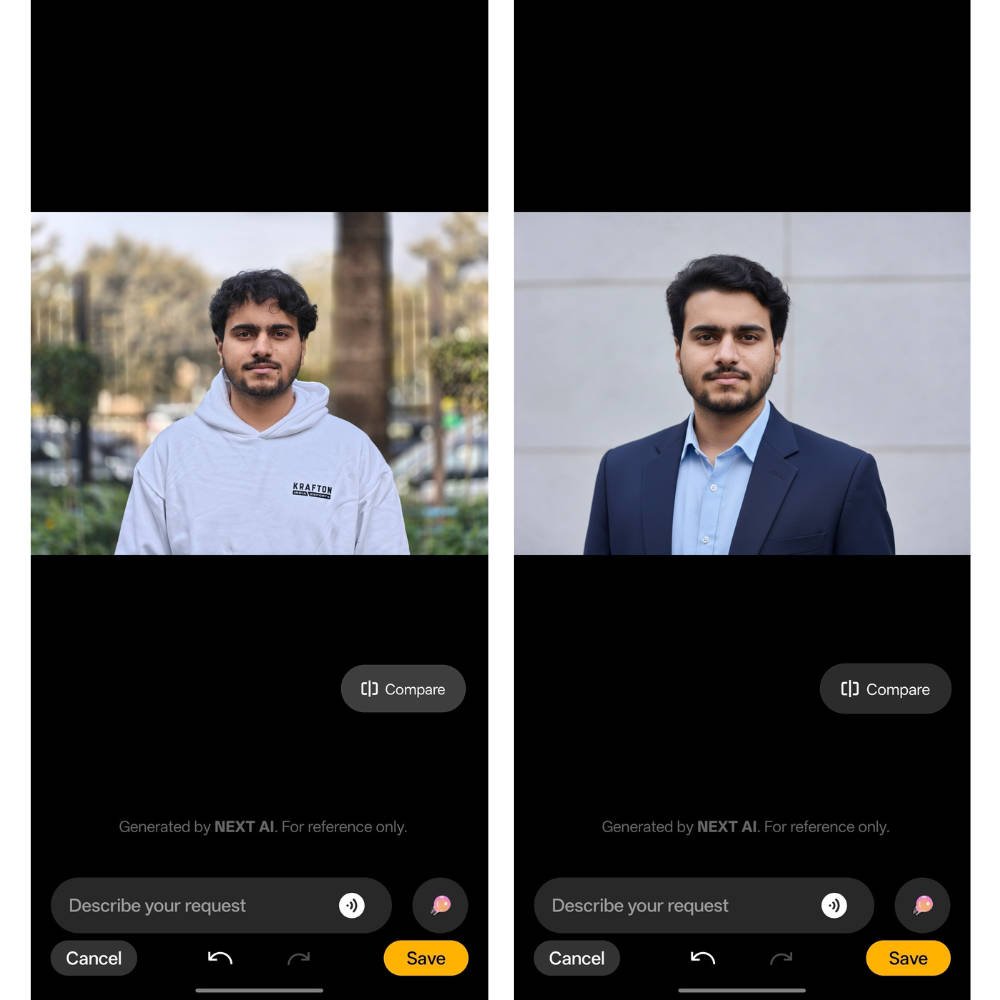
AI Edit Genie, powered by Nano Banana by Gemini, is a pretty handy on-board AI editor that works through text prompts or even vocal prompts in several languages. I tested it out with the Hindi language, and it works quite well. You can go a bit crazy and have a lot of fun if you’re creative with your fonts.
One feature I found genuinely convenient is the “AI Instant Clip.” You can select videos or photos from your album and use smart templates, including India-specific ones for festivals and weddings, to craft polished short videos in a jiffy. The feature is perfect for creating quick, slideshow-style reels without the hassle of manual editing.
Reliable performance all around
The Realme 16 Pro+ is powered by the Qualcomm Snapdragon 7 Gen 4 SoC. This is the same chipset found in its predecessor. The phone falls short of its direct competitors, OPPO K13 Turbo Pro and Vivo T4 Ultra, in raw numbers.



However, the Realme 16 Pro+ proves to be much more stable during intense loads. In our CPU throttle test, the device maintained a healthy percentage of its peak performance and fared significantly better than the sharper drops seen on both competitors.
In real-world usage, the Realme 16 Pro+ manages tasks smoothly across various use cases. I used it for my daily activities, including streaming videos, scrolling through social media apps, and browsing, and it handled everything with ease without breaking a sweat. The handset utilises a large AirFlow vapour chamber cooling system to keep things running cool even during heavy usage.
This helps, but considering the wider segment and its performance-focused rivals, cooling performance isn’t as efficient as I’d expected, with an average 6-degree temperature increase over 30 minutes of gaming. BGMI also only goes up to 90fps out of the box, I expect it will get a future update for 120fps.
To enhance the gaming experience, the Realme 16 Pro+ features GT Mode to boost performance for smoother gameplay, though this comes at the cost of increased power consumption. The handset also includes an AI Gaming Coach that offers real-time tips to give players a competitive advantage and AI Motion Control, which allows you to perform in-game actions simply by tilting the device.
Excellent battery life and decent charging speed
The Realme 16 Pro+ retains the massive 7,000mAh battery found in its predecessor. Despite the massive battery, you won’t find yourself tethered to a charger for long. The device supports 80W SuperVOOC wired fast charging, which takes about 47 minutes to top up from 20 to 100 percent. Realme includes the compatible charger in the box, too.
The battery efficiency has improved from last year. Once fully charged, the Realme 16 Pro+ comfortably delivers over a day of battery life under moderate to heavy usage. At a stretch, I easily managed around 11 hours of screen-on time. Gaming performance highlights efficient power management as well. The average battery drop is 6 percent over 30 minutes of gaming, which remains consistent with the segment average.
| Smartphone | Battery Capacity | Charging Support | Charging time (20% to 100% ) |
| realme 16 Pro Plus | 7000 mAh | 80W Ultra Charging | 47m |
| vivo T4 Ultra | 5500 mAh | 90W Flash Charging | 34m |
| OPPO Reno14 | 6000 mAh | 80W Super VOOC Charging v3.0 | 47m |
The Realme 16 Pro+ also supports bypass charging. This supplies power from the charger directly to the phone’s motherboard during gaming, which helps reduce heat buildup and extends battery lifespan.
Fluid, customisable Realme UI 7
The Realme 16 Pro+ runs on Realme UI 7.0 based on Android 15. The OS itself is extremely stable and operates quite smoothly. I covered the finer details of this software in my recent Realme GT 8 Pro review, but here is a refresher on what is new.
| Smartphone | Pre-Installed Apps | Software Support |
| realme 16 Pro Plus | 62 | 3 Years OS Updates + 4 Year Security Updates |
| OPPO Reno14 | 74 | 5 Year OS Updates + 6 Year Security Updates |
| vivo V60 | 54 | 4 Year OS Updates + 6 Year Security Updates |
One immediate difference from the flagship model is the pre-installed content. The Realme 16 Pro+ comes with over 60 apps out of the box, making the device feel quite cluttered at first. Thankfully, you can uninstall most of them to clean up the interface.
Beyond that initial setup, the experience is pretty polished. The animations and haptic feedback give the software a mature and engaging feel. Realme has introduced a Misty Glass Design that creates a sense of depth across the interface, similar to the visual overhaul seen on iOS 26. The gallery app now features a complex and capable video editor that makes editing on the go easy. There is also a new Breathing Dock feature that optimises the layout dynamically. The AI feature suite remains useful for productivity.
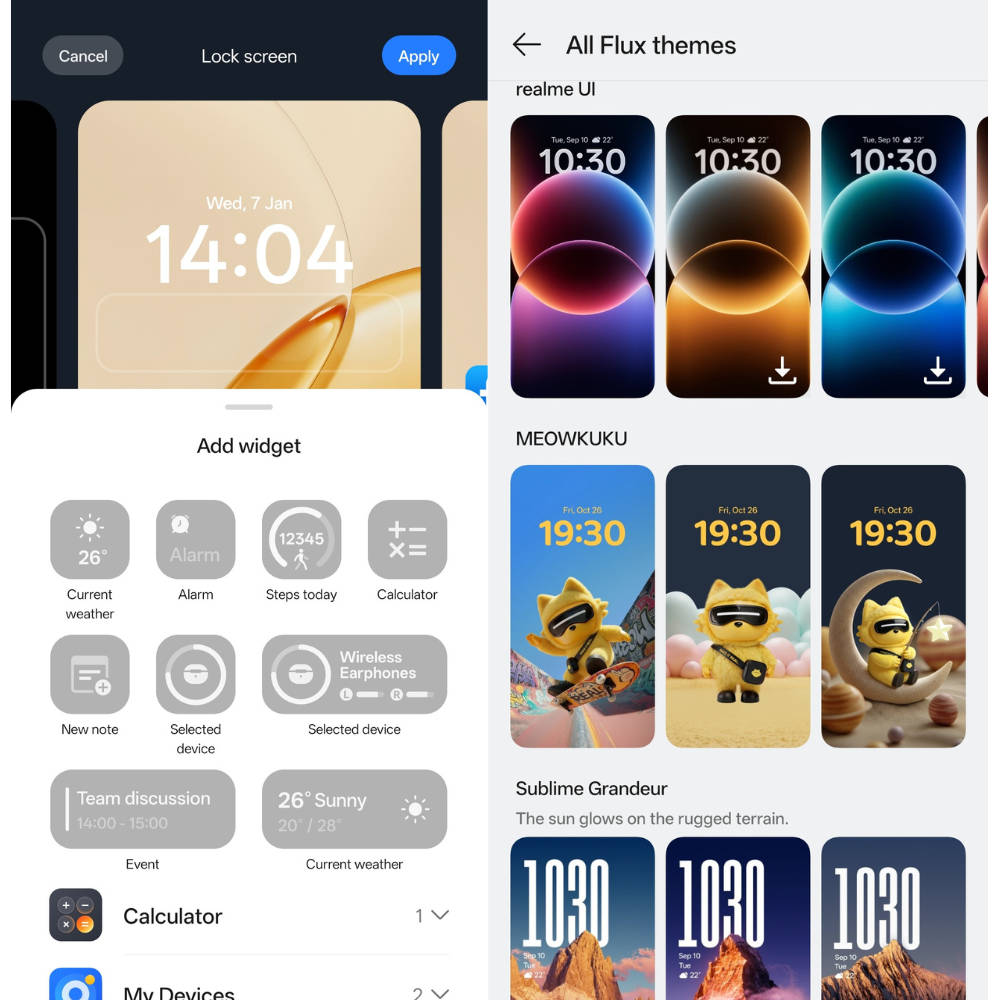
The new Flux Theme 2.0 expands on customisation options. You can now use live photos and videos as wallpapers, complete with an AI-powered Dynamic Depth of Field effect. Fingerprint animations support custom text and emojis, which adds a fun touch.
The Realme 16 Pro+ will receive three major OS updates and up to four years of security patches. This puts it slightly behind some competitors in the segment, and I would have liked to see better software support.
How does it compare against the competition?
The Realme 16 Pro+ has its closest rival in the Vivo V60, given what these two phones offer. Both are camera-focused smartphones with balanced features designed to compete in the premium mid-range bracket. The Vivo V60 sports a comparable camera setup, but it lags slightly behind the Realme 16 Pro+ in most shooting scenarios. The Realme also stays a step ahead in terms of performance capabilities, battery life, and charging speed.
When compared to other competitors like the OPPO K13 Turbo Pro and the Vivo T4 Ultra, the distinctions become clearer. The K13 Turbo Pro focuses strictly on performance output, while the Vivo T4 Ultra brings a healthy mix of power and an impressive telephoto lens. Arguably, the Vivo T4 Ultra is the better deal if you prioritise the telephoto shooter and raw performance. All things considered, however, the Realme 16 Pro+ holds a strong position against the current competition.
Final Verdict
The Realme 16 Pro+ starts at Rs 39,999 for the 8GB + 128GB variant and goes up to Rs 44,999 for the 12GB + 256GB model. This is a substantial price increase, largely driven by rising production costs and the ongoing industry-wide RAM shortages.
This firmly places the device in the premium mid-range category, so let’s see what you get for your money. You are offered a very capable camera setup that performs well across various shooting scenarios. The telephoto and primary cameras, in particular, do well in most lighting conditions, and while the ultrawide lens is a bit lacking, the selfie camera proves very useful.
Performance, while not the best in the segment, is certainly not bad. It will tide regular users and even heavy gamers through the most demanding tasks without issue. Battery life and charging speeds remain excellent as well.
The software experience is speedy, though there are quite a few pre-installed apps. My main concern lies with the software support. Three OS updates and four years of security patches just don’t feel like enough in 2026, especially as other brands raise the bar to a minimum of four years for major OS updates. This is even more surprising given the higher price tag.
The Realme 16 Pro+ is, ultimately, a decent choice for people who want a capable camera system and enough power to get through their busiest days with ease. If your priorities align with these strengths, this phone is definitely worth checking out.
Editor’s Rating: 8.2/10
Reasons to buy:
- The phone has a pretty design and robust protection against dust and water.
- The cameras perform well in most lighting conditions and deliver satisfactory results.
- The battery life is exceptional and will easily last more than a day for most users.
- The phone’s performance output is decent enough for most general users.
Reasons not to buy:
- The ultrawide camera could have been better.
- The software support feels lacking for the price.
- The device is a tad heavy.