Realme has launched the Realme Neo 8 in China, expanding its gaming-focussed Neo lineup to succeed the Neo 7 that launched in 2024. The new model targets users who care most about performance, display smoothness, and battery life, while keeping pricing competitive.
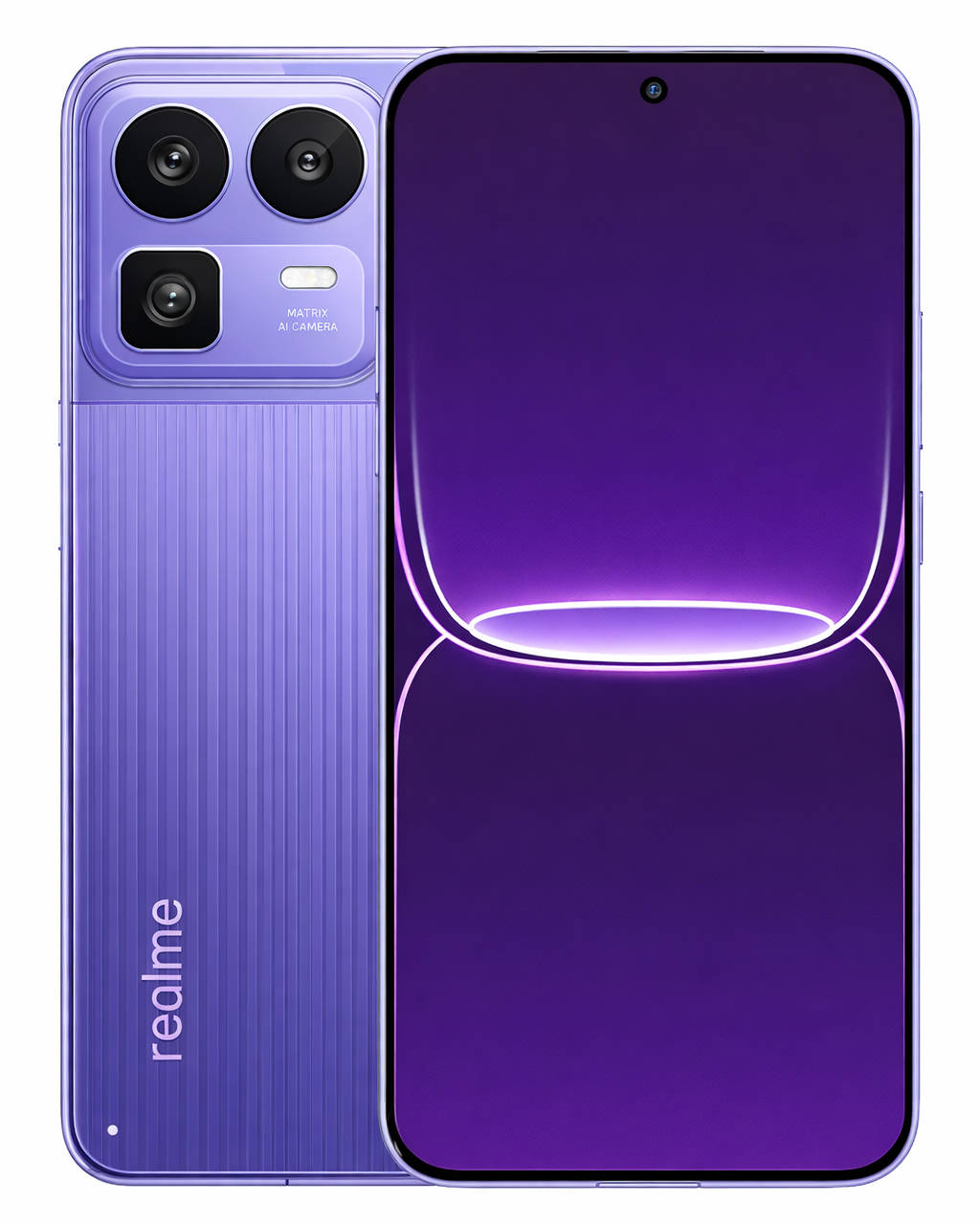
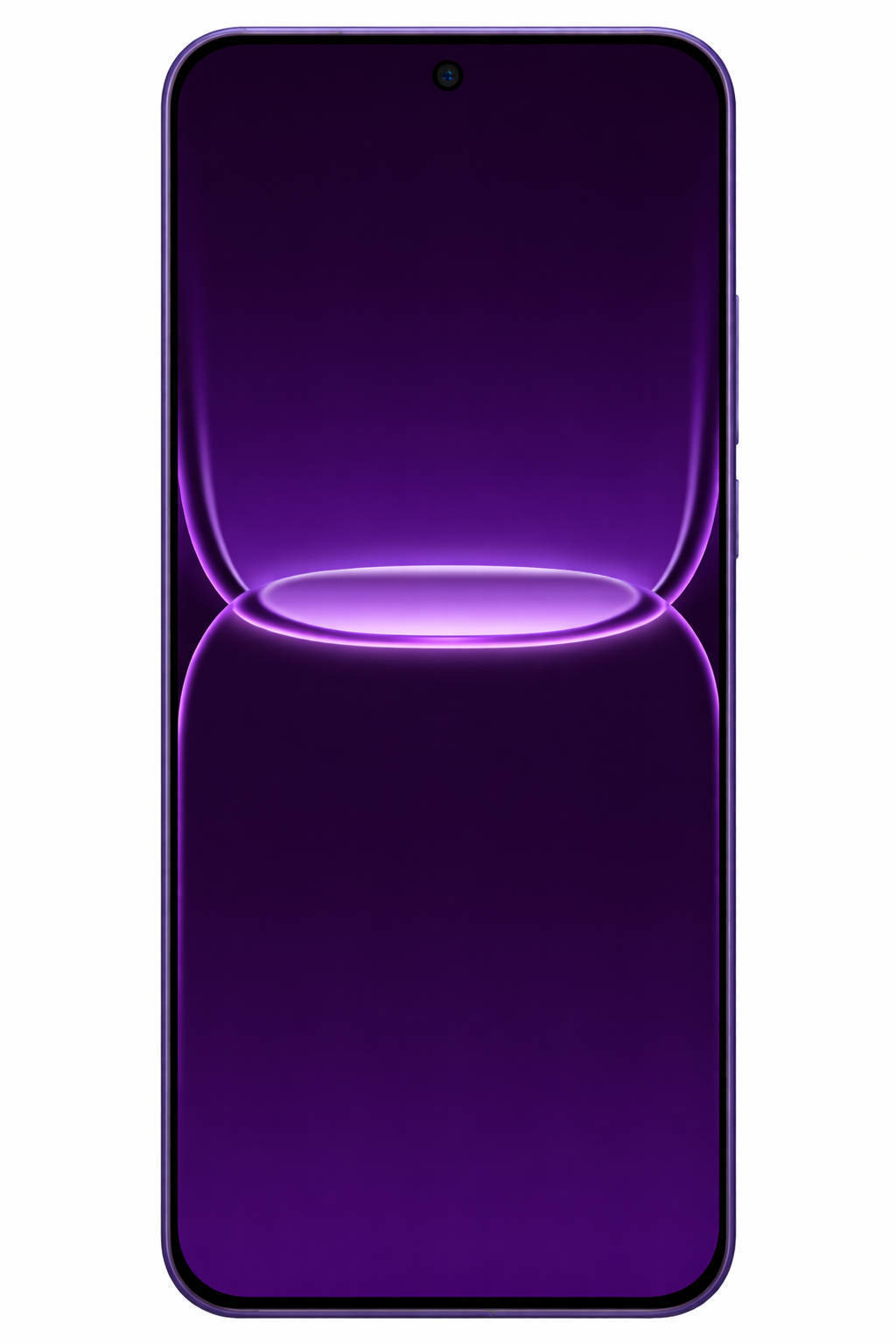
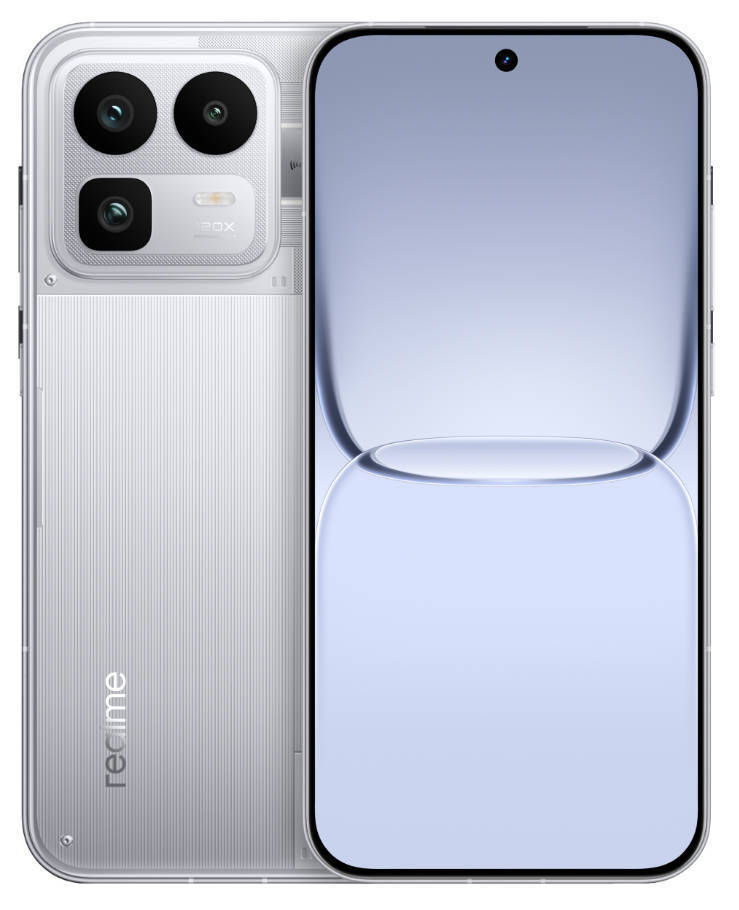
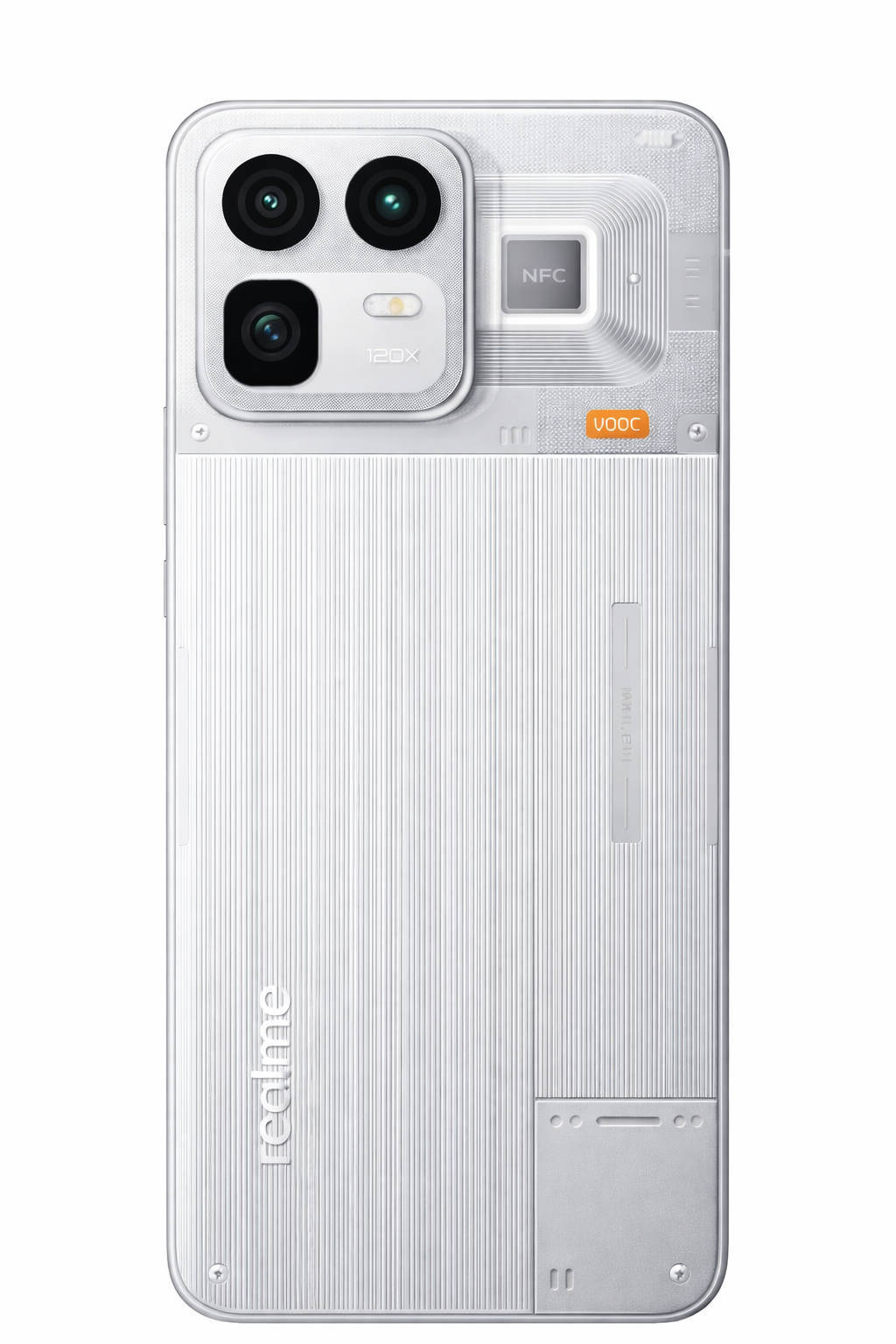
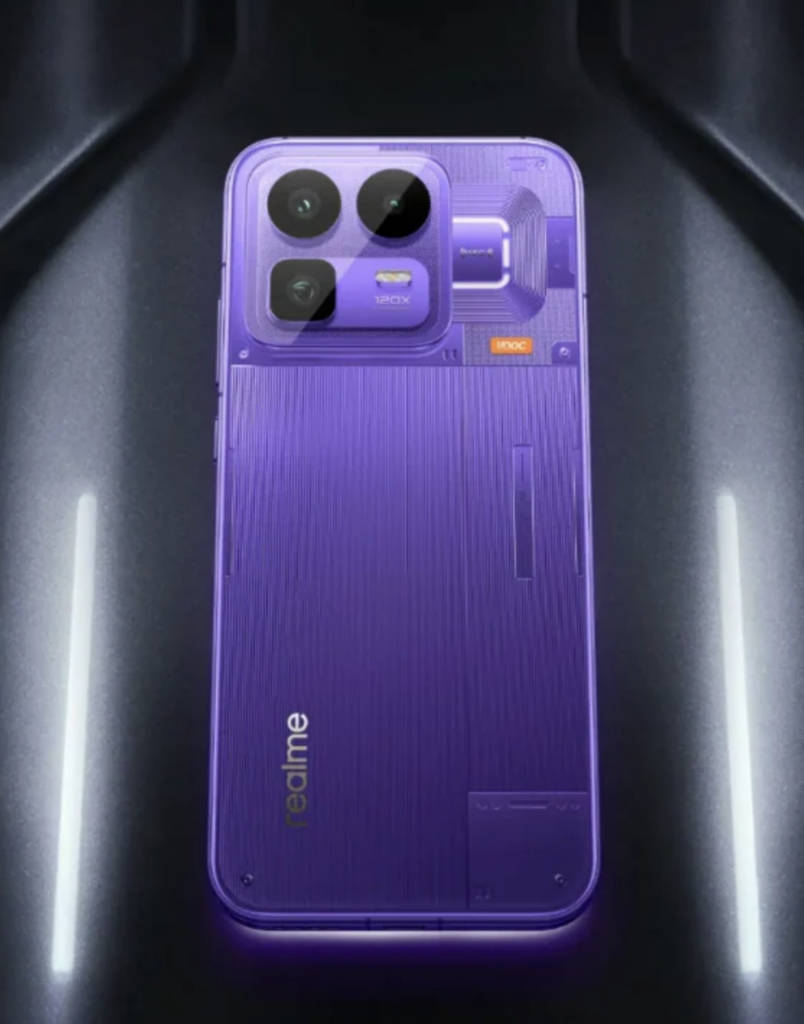
Design changes are an obvious upgrade over the last gen. The Realme Neo 8 adopts a transparent back with RGB elements and is available in Cyber Purple, Origin White, and Mecha Gray colour options. Realme says the rear panel uses a layered 3D treatment with multiple engraved textures, creating subtle light and shadow effects. The phone also brings back the Awakening Halo lighting ring, which can be used for in-game effects, notifications, and music playback. There is also a colour-changing lighting option designed for random selection or lottery-style use cases. Durability remains a strong point. Like the Neo 7, the Neo8 carries an IP69 rating, and also includes IP66 and IP68 certifications. This is also at par with most performance-centric Android phones, which are going hard on ingress protection.
The Realme Neo 8 retains the 6.78-inch 1.5K OLED display size seen on the Neo 7 but increases the refresh rate from 120Hz to 165Hz. The higher refresh rate primarily benefits gaming and fast scrolling, with limited impact on video playback or everyday app use. In this price range, most competitors from Redmi and iQOO continue to offer 120Hz or 144Hz panels, which gives the Neo 8 a spec advantage, even if the real-world gains are situational. However, OnePlus upped the ante this year with a 165Hz BOE screen on both the OnePlus 15 and 15R, and the iQOO 15 Ultra gaming flagship is also rumoured to come with the same refresh rate. Are we seeing a new industry benchmark being set?
Performance is driven by Qualcomm’s Snapdragon 8 Gen 5, replacing the MediaTek Dimensity 9300+ used in the Neo 7. Both chips sit are almost flagship, so everyday performance differences are likely to be minimal. The shift to Snapdragon should mainly benefit gaming compatibility and performance tuning. Realme has added manual controls for thermal limits and CPU and GPU, for users who want to prioritise frame rate stability over temperature or battery efficiency.
The camera setup sees a modest expansion. The Realme Neo 8 uses a 50MP Sony IMX896 main camera with OIS, similar in class to the Neo 7, but adds a 50MP periscope telephoto lens for optical zoom. This improves versatility, though overall camera performance is still not the phone’s core strength. Buyers focused on photography will find more balanced camera systems in similarly priced phones from Xiaomi or Vivo who rely on camera partnerships to make it their USP.
Battery capacity has increases from 7,000mAh on the Neo 7 to 8,000mAh on the Neo 8, with 80W fast charging retained. This is one of the more meaningful changes and is likely to translate into noticeably longer screen-on time, particularly for gaming and heavy use. Few rivals in this segment currently offer batteries of this size though OnePlus introduced a 9,000mAh cell on their Turbo series recently. But 7,000mAh remains the benchmark in the segment for now.
Pricing in China starts at CNY 2,599 (around Rs 25,000) for the base 12GB + 256GB variant and goes up to CNY 3,899 (around Rs 51,200) for the 16GB + 1TB variant. For Neo 7 users, the upgrade makes sense mainly for better battery life, higher refresh rate gaming, and added performance controls. For new buyers, the Neo 8 is a strong option if performance and endurance are higher priorities than camera quality or a restrained design, while alternatives from Redmi, iQOO, and Xiaomi remain worth considering for users with different priorities. Global launch still remains a mystery though there are chances the phone could launch with a different moniker.
realme Neo 8 Images