Samsung India has launched its 2026 TV lineup, which includes 72 models across Micro RGB, OLED, Neo QLED, The Frame, Mini LED and UHD ranges. What makes this launch different is that almost all of these TVs now come with Samsung’s “Vision AI” system built in, which is essentially a layer of AI that helps the TV understand what you’re watching and adjust picture and sound automatically, without you having to tweak settings.
At its core, Vision AI (through Vision AI Companion) does three main things for the user:
- It helps you decide what to watch by suggesting shows, movies, sports and even music or food based on your preferences, using Bixby, Perplexity and Microsoft Copilot.
- Improves picture quality in real time by upscaling lower‑resolution content, making colours more vivid and adjusting contrast scene by scene.
- Delivers improved sound by balancing dialogue, background music and sound effects and by optimising sports broadcasts for smoother motion and more immersive stadium audio.
This year, Samsung has expanded Vision AI Companion to all 4K and above TVs, which means these AI features are no longer limited to the most expensive models. The new lineup starts at Rs 36,990 for UHD TVs and goes up to Rs 124,990 for the new Micro RGB range, which is Samsung’s first premium TV technology in India of this kind. Let’s explore these machines and what they bring to the table in a little more detail below.
Table of Contents
Micro RGB: Samsung’s new premium large‑screen TV
Micro RGB is Samsung’s new premium TV technology, and it is launching in India for the first time. It comes in the R95H and R85H series, from 55 inches up to 115 inches. The panel uses red, green and blue micro-LEDs for precise brightness and colour control.
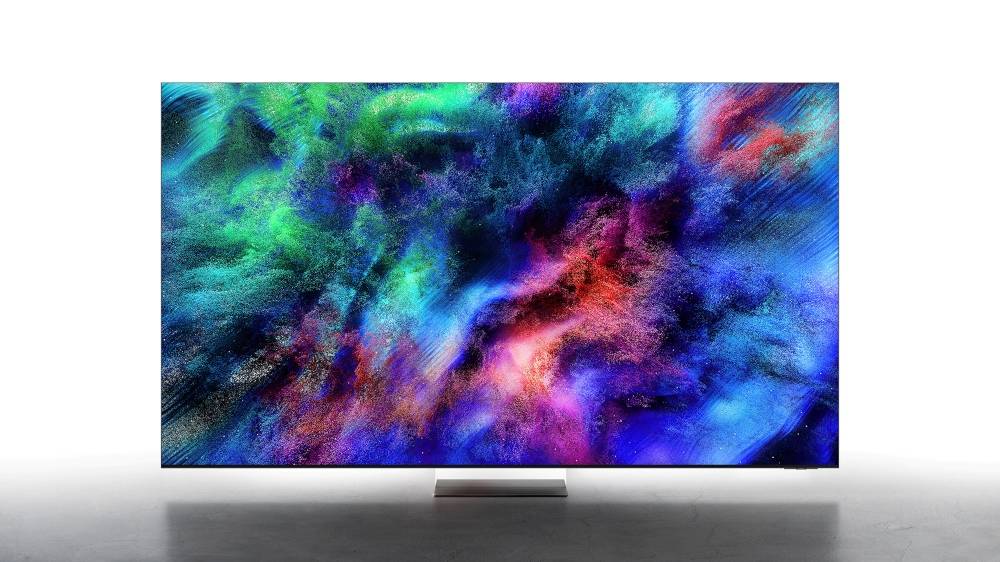
The panel uses red, green and blue micro‑LEDs for precise brightness and colour control. In everyday use, this means colours look more natural, bright scenes look detailed, and dark scenes still show details in the shadows instead of turning into a flat black block. It supports 100 percent BT.2020 colour, which is a wide colour standard that helps keep tones accurate across movies and games.
The Glare-Free feature reduces reflections in bright rooms, so you can watch in daylight or well‑lit living spaces without losing contrast. AI Engine Pro, Color Booster Pro and HDR Pro adjust colour, motion and contrast per scene, so you do not need to fiddle with picture settings as the content changes. The R95H also has Safety for Eyes and Circadian Rhythm Display certifications from VDE, which means it is designed to reduce eye strain and manage blue light more carefully over long viewing sessions.
The Micro RGB lineup starts at Rs 124,990. It is best for buyers who want a 65‑inch or larger TV with top‑tier picture quality for a home theatre setup.
OLED: Deep blacks, high contrast and better motion
Samsung’s 2026 OLED line includes the S95H, S90H and S85H. These TVs use OLED panels, which can turn individual pixels on and off. This helps the display output perfect blacks and very high contrast, so dark scenes look deep and detailed instead of grey or washed out. Glare Free now also appears on the S90H, not just the S95H, so both models can maintain good contrast and colour even in brighter rooms.
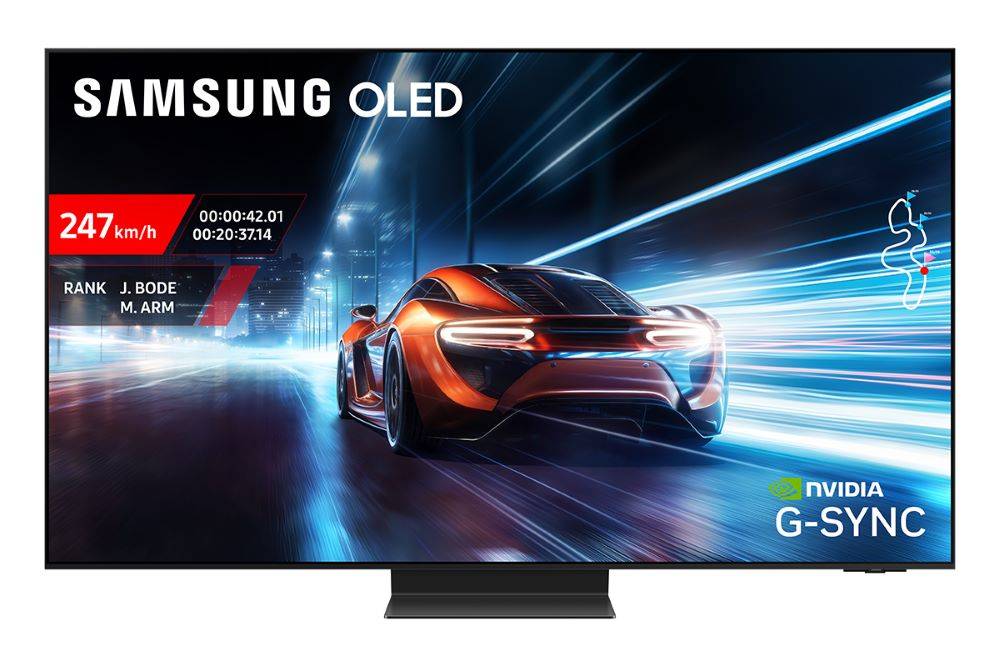
The S95H adds Pantone Validated ArtfulColor for more accurate colours in art and media, Art Store access so you can display curated artwork in Art Mode, and FloatLayer Design that makes the TV look more like a floating panel on the wall. All three OLED models support AI Soccer Mode (Pro on S95H and S90H, standard on S85H), which optimises picture and sound for sports in real time. For viewers, this means smoother ball movement, more vivid colours and a more immersive stadium audio experience.
OLED TVs include the Ultimate Gaming Pack with Motion Xcelerator 165Hz, AMD FreeSync Premium Pro and NVIDIA G‑SYNC Compatible support. For gamers, this keeps fast motion smooth and responsive and reduces screen tearing and stutter when using PCs and consoles. The OLED range starts at Rs 114,990 and suits buyers who want deep blacks, high contrast and good gaming performance, especially in darker or controlled‑light rooms.
The Frame TV
The Frame (LS03H) uses a frame-style design and displays artwork when turned off, so the TV looks more like a picture frame than a black screen. It uses QLED, includes Glare Free to reduce reflections and is Pantone Validated ArtfulColor for more accurate colours in artwork. Vision AI Companion personalises art suggestions and content recommendations based on your preferences.
You get access to 3,000+ curated artworks and can adjust how they look to match your room. For everyday use, The Frame works as both a TV and a piece of décor, which is useful in living rooms, bedrooms or spaces where the TV is often in view. It starts at Rs 56,990 and suits buyers who care about how the TV looks in their home and want it to blend into the room as art.
Neo QLED and Mini LED: bright, AI‑enhanced mid‑range TVs
Neo QLED (QN80H and QN70H) uses Samsung’s Quantum Mini LED backlight and a quantum dot sheet for stable colour and deep contrast, even at high brightness. In everyday use, the TV can get very bright for HDR content while still keeping dark areas detailed and not appear washed out. The panels are certified as Real QLED by TÜV Rheinland, which indicates consistent colour volume and picture performance.
Neo QLED TVs include Vision AI Companion, 4K Upscaling to improve lower‑resolution content, and the NQ4 AI Processor that optimises picture and sound per scene. Select models support up to 144Hz gaming output, which helps keep fast motion smooth in competitive games. The Neo QLED range starts at Rs 52,990 and suits buyers who want strong brightness, good contrast and AI features for bright rooms and mainstream viewing.
Mini LED (M80H and M70H) starts at Rs 42,990 and uses smaller LEDs for more precise backlight control than standard LED TVs. This gives better contrast and deeper blacks, though not at the same level as OLED. Mini LED models include Motion Xcelerator 144Hz, NQ4 AI Gen2 Processor, AI Sound Controller and AI picture optimisation. For users, this means smoother fast motion, clearer dialogue and more balanced sound in movies, sports and games.
Both Neo QLED and Mini LED are good middle-ground options for buyers who want good brightness for bright rooms, AI features and gaming support without paying a premium.
UHD TVs: Entry‑level AI TVs
UHD TVs start at Rs 36,990 and are Samsung’s entry‑level models in the 2026 lineup. They do not have the same premium panels or brightness as Neo QLED, OLED or Micro RGB, but they still get Vision AI Companion and basic AI upscaling and sound features.
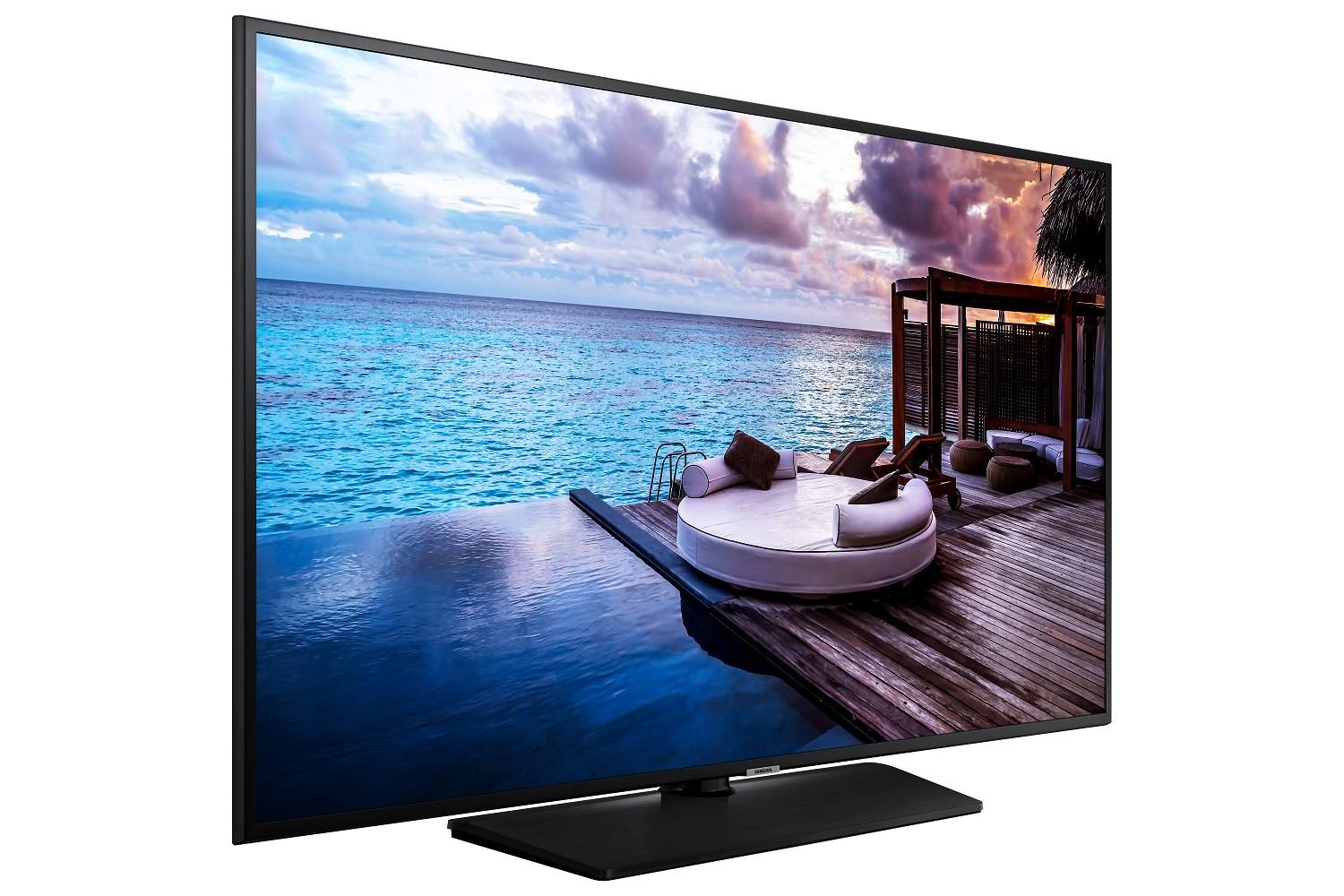
In everyday use, this implies that the TV can improve lower‑resolution content like cable TV or older streaming videos, and it can suggest shows and movies based on your preferences without you needing to dig through menus. The picture is still good for the price, but you will not get the same contrast, black levels or brightness as the higher‑end models.
UHD TVs suit budget buyers or users who want a secondary TV in a bedroom, kitchen or guest room, where you mainly watch streaming content, cable TV and YouTube and do not need the highest picture quality.
While the sheer number of models is impressive, the main highlight here is Samsung’s aggressive push of Vision AI across its mid‑range and even entry‑level TVs. Micro RGB, while exciting, will likely remain a niche for ultra‑premium buyers, but its presence signals Samsung’s long‑term vision for AI‑driven, large‑screen home theatre setups. Overall, the 2026 lineup is steady across segments: it brings useful AI features to more affordable models, expands OLED and premium options for premium consumers, and gives budget buyers a good entry point into AI TVs.