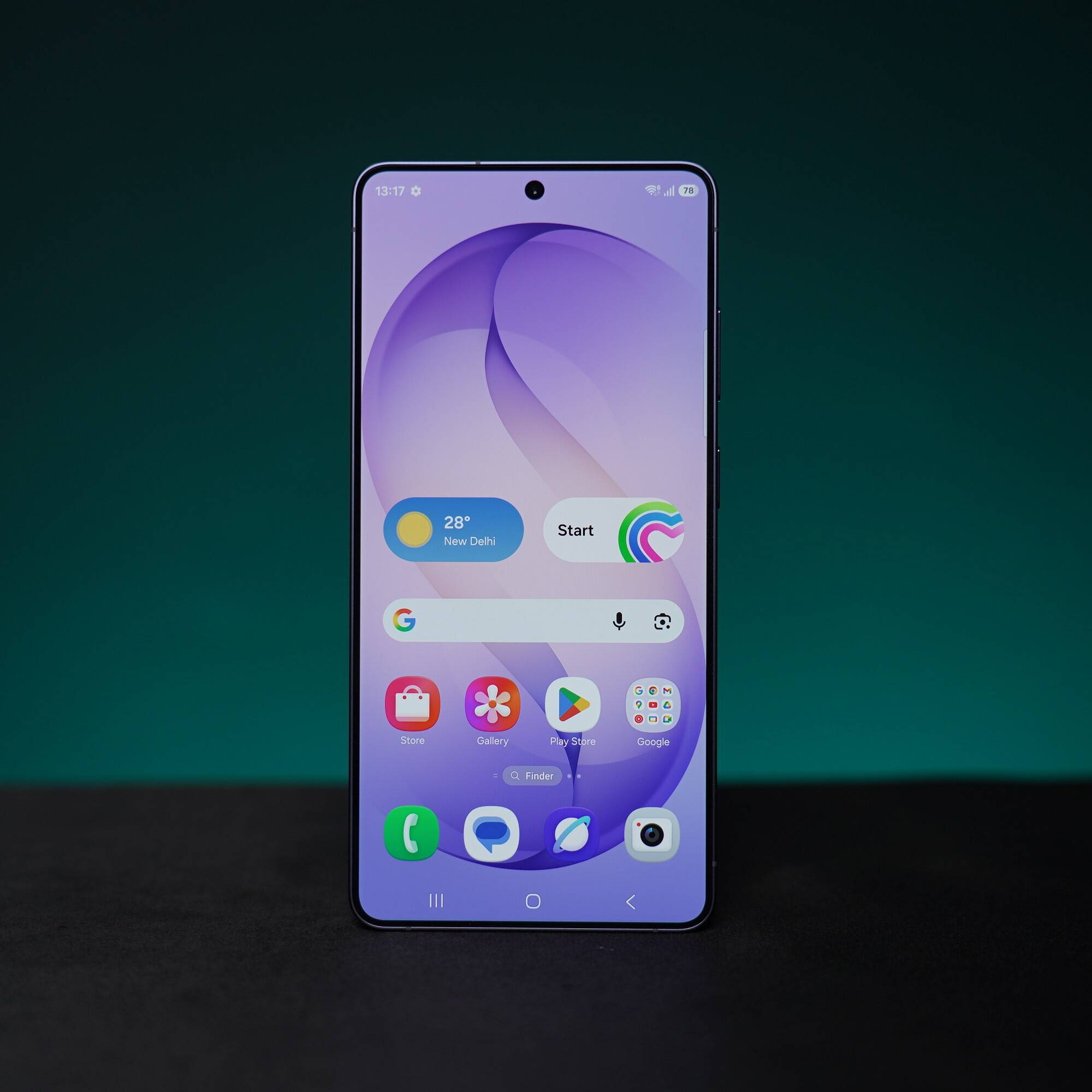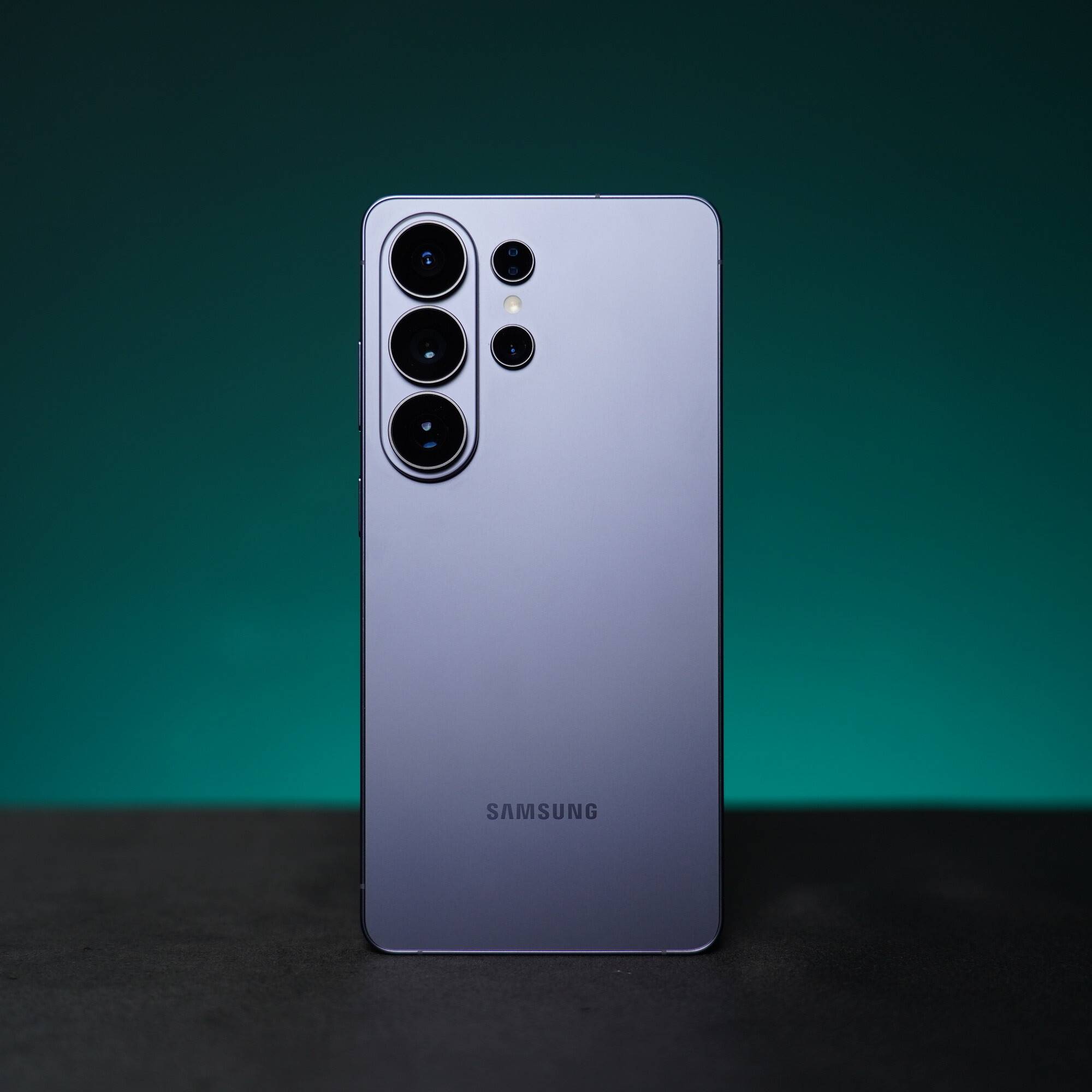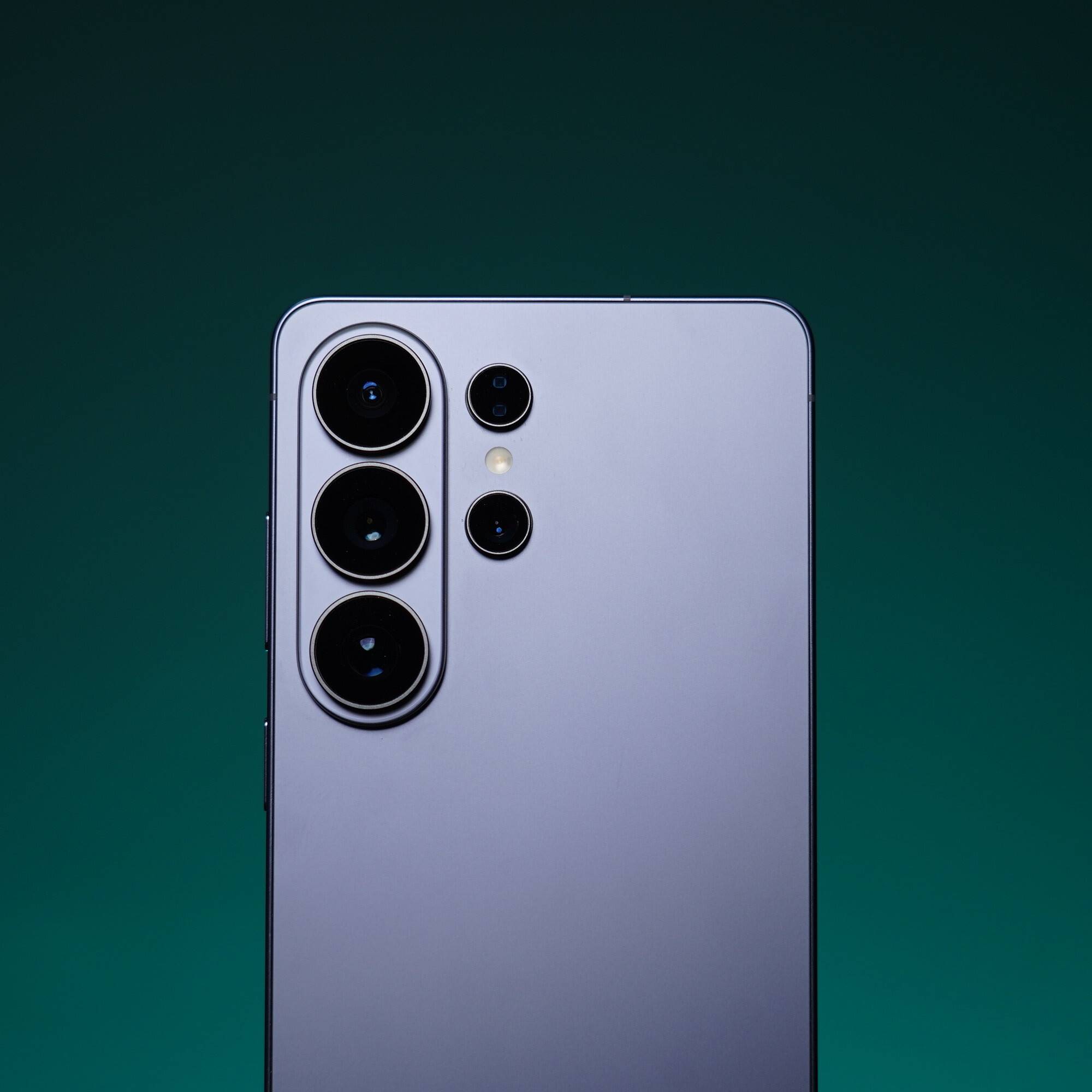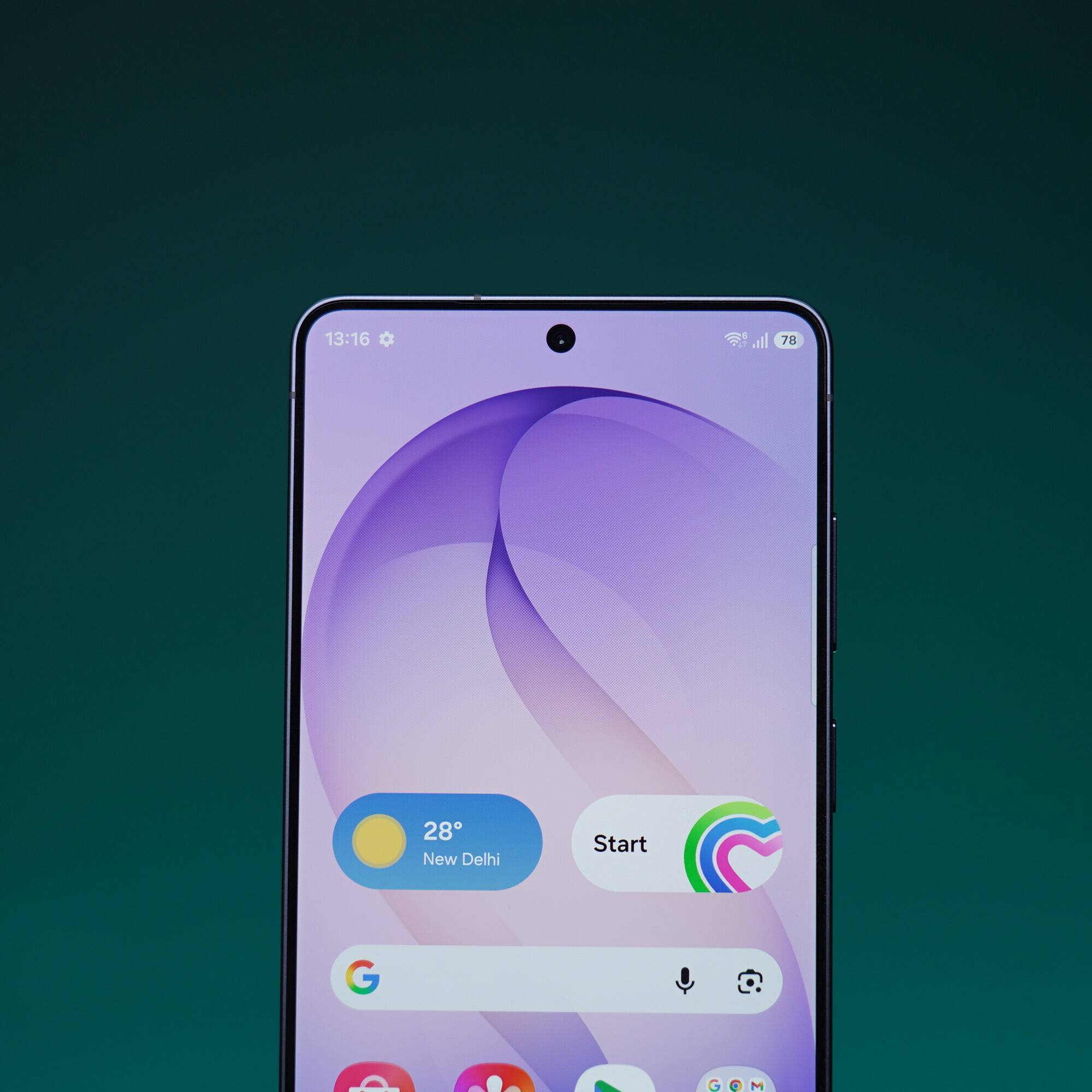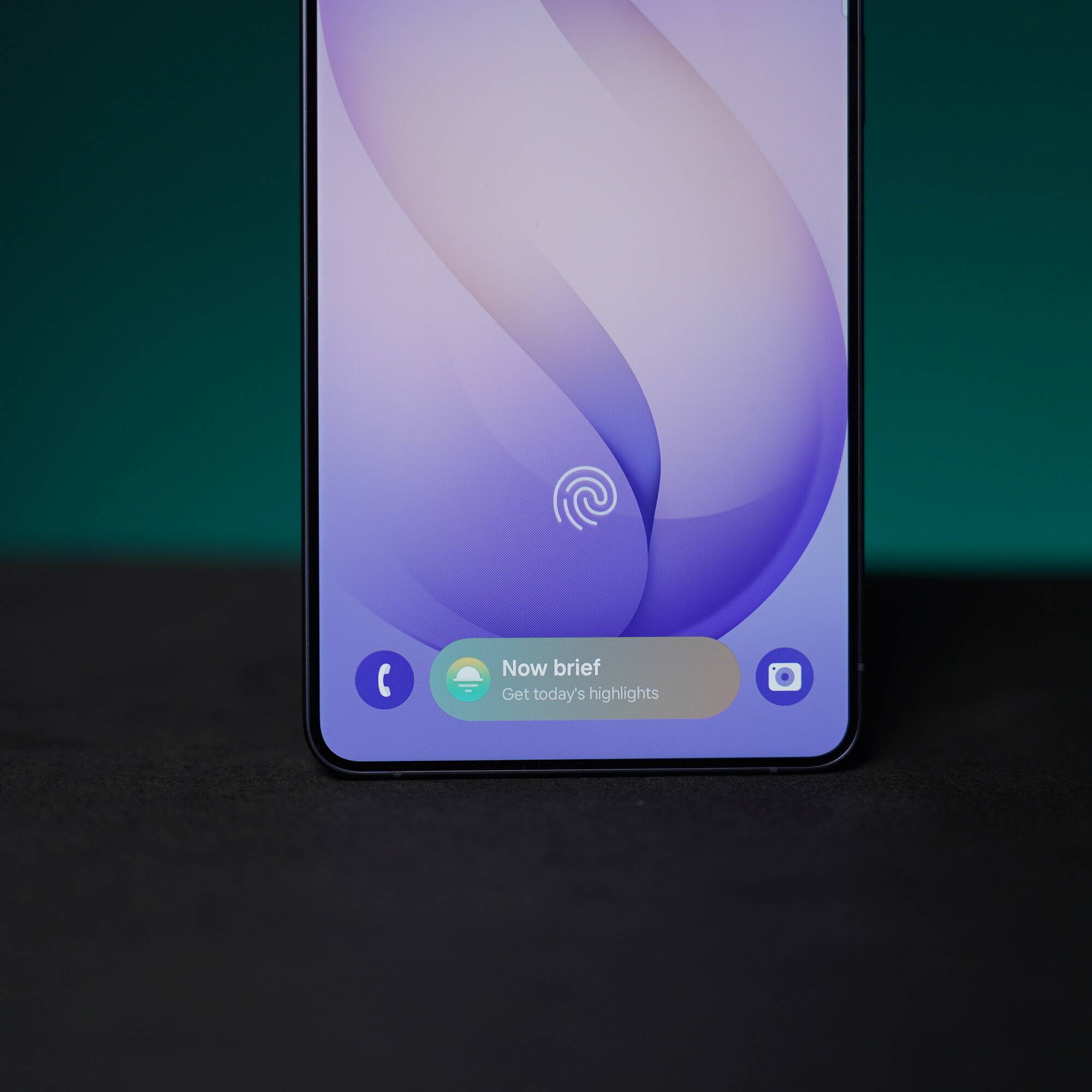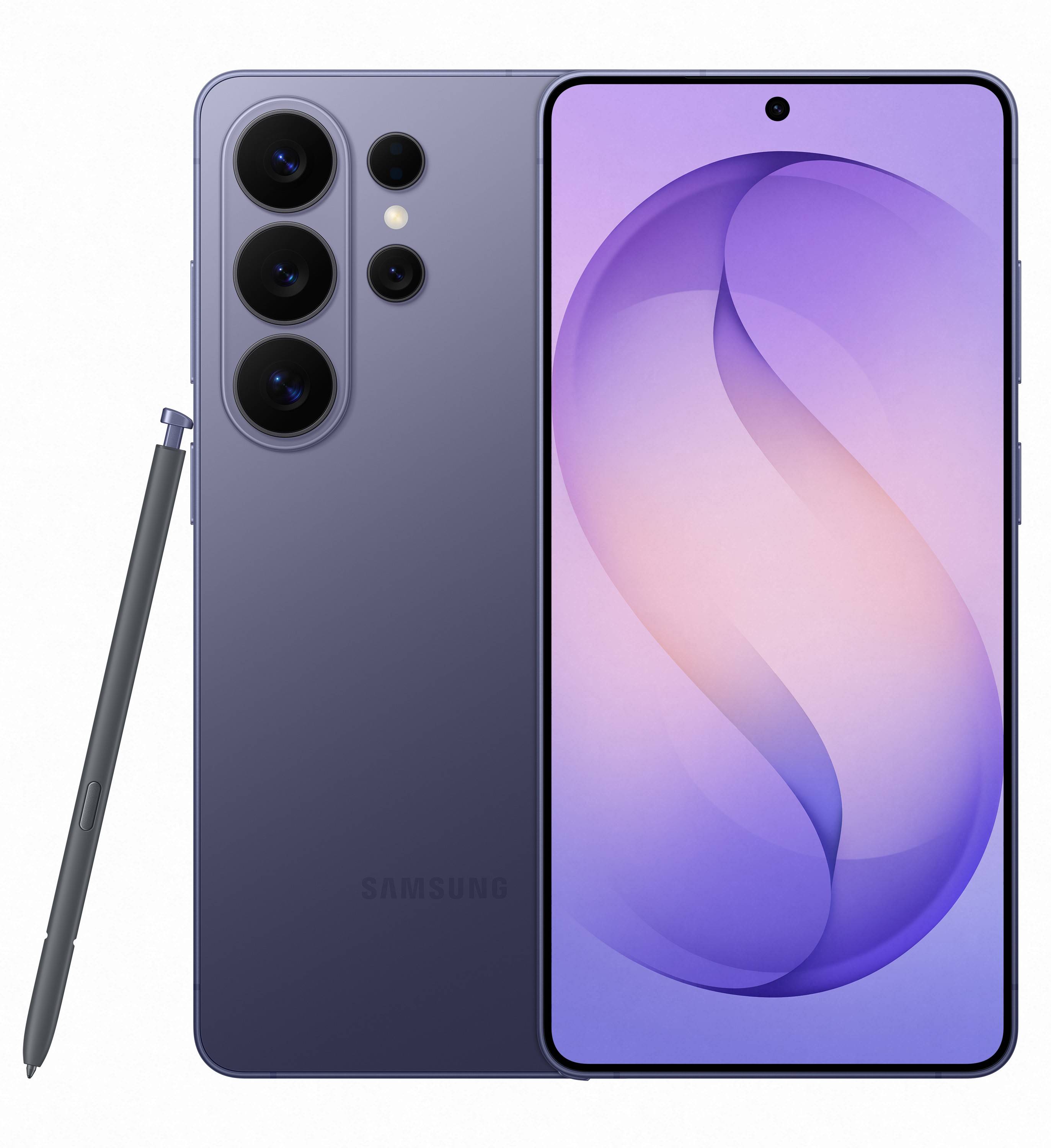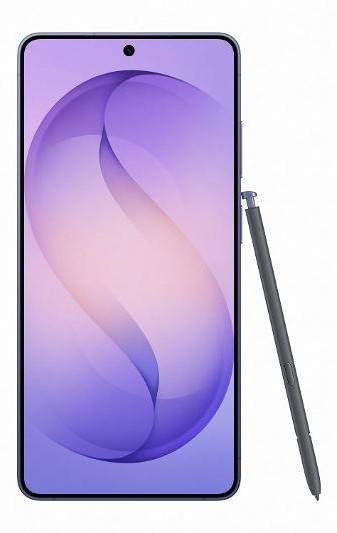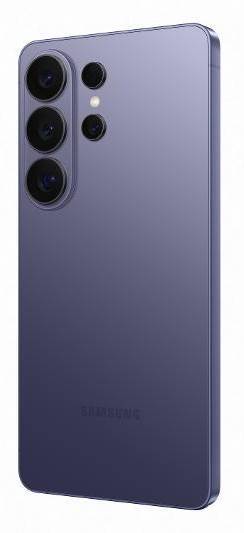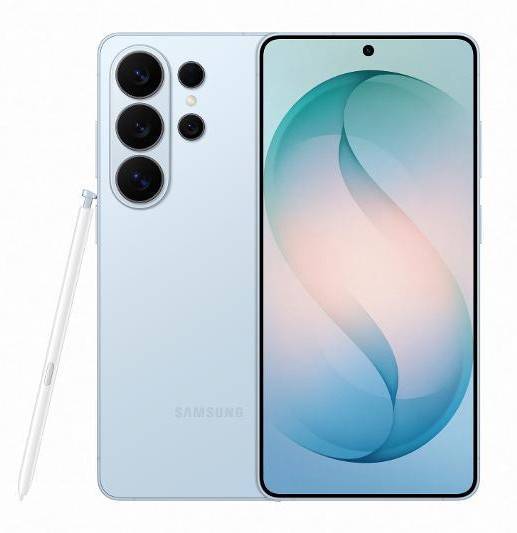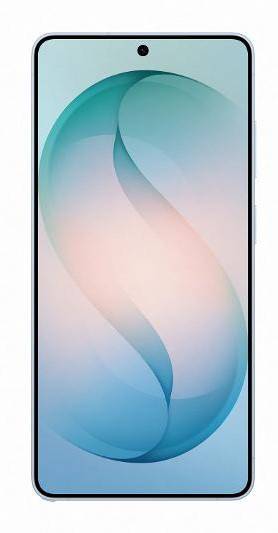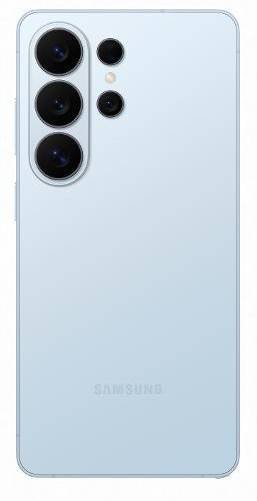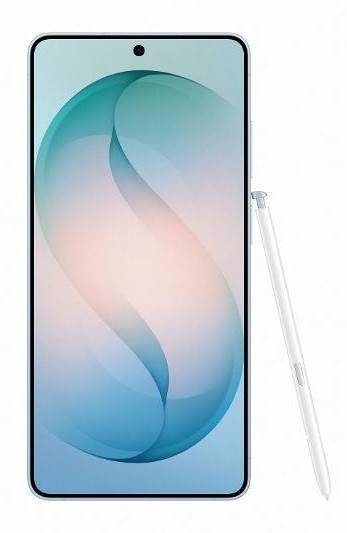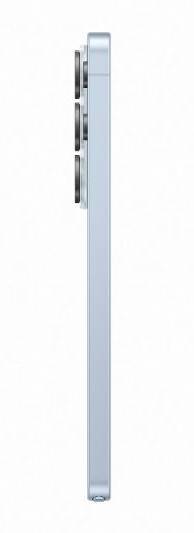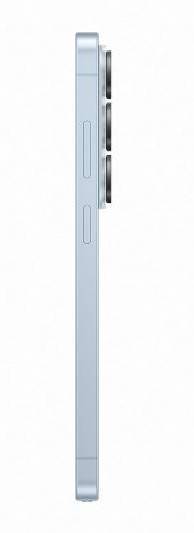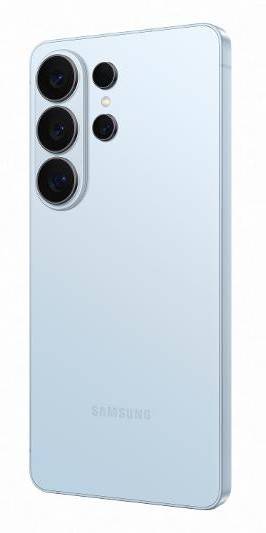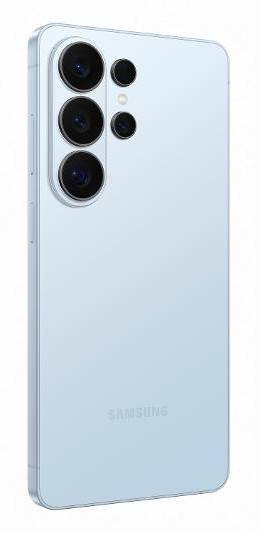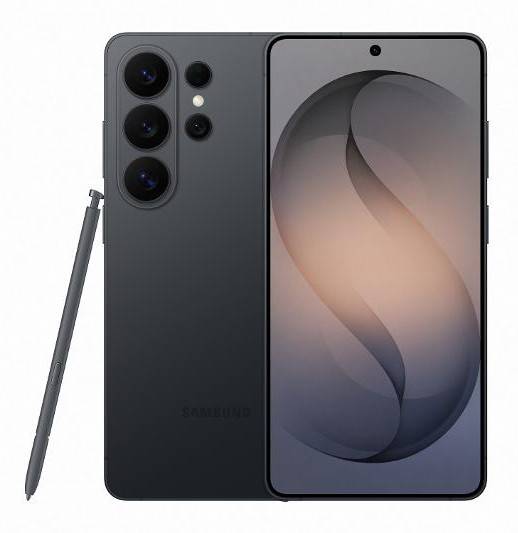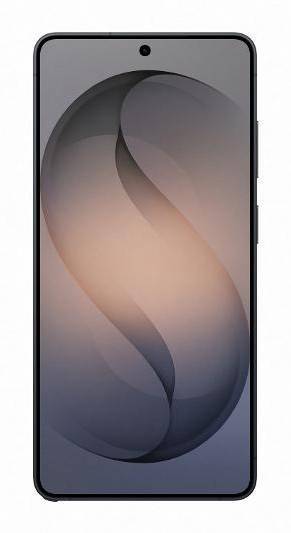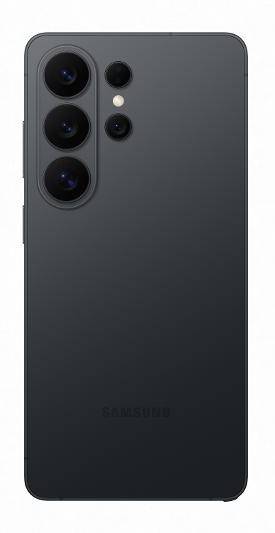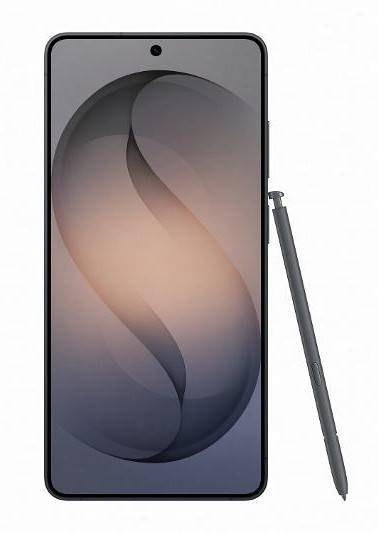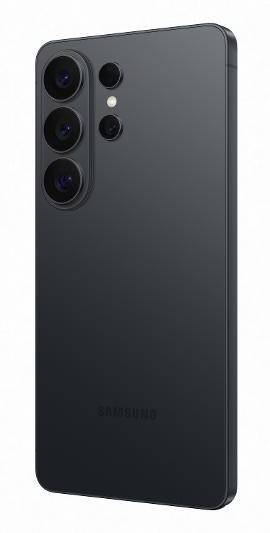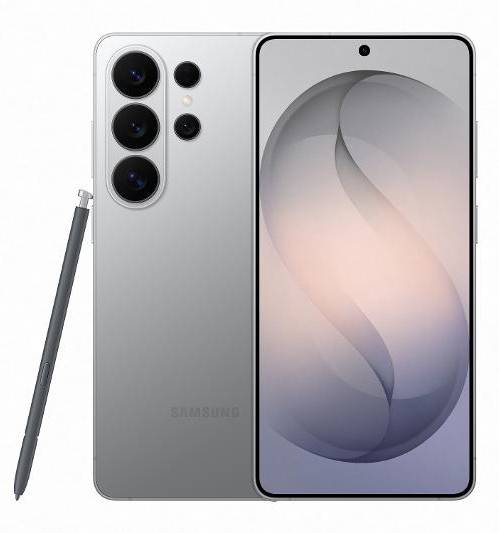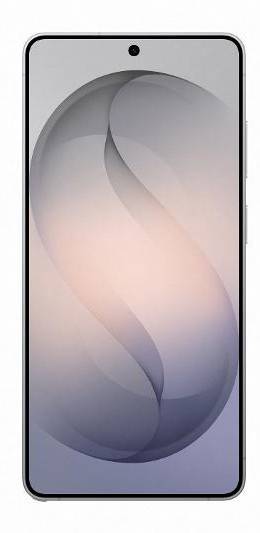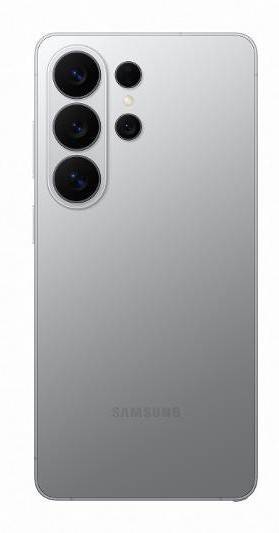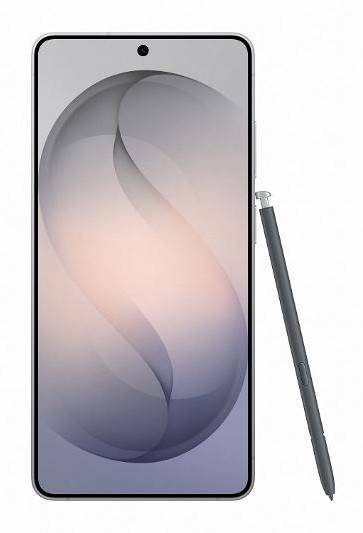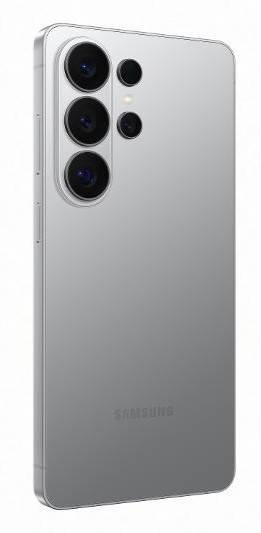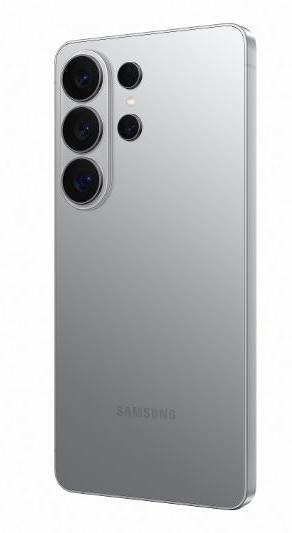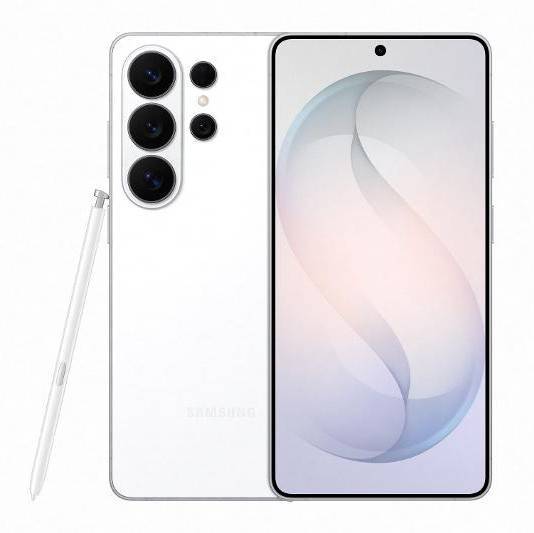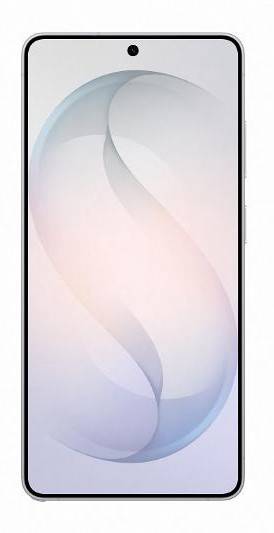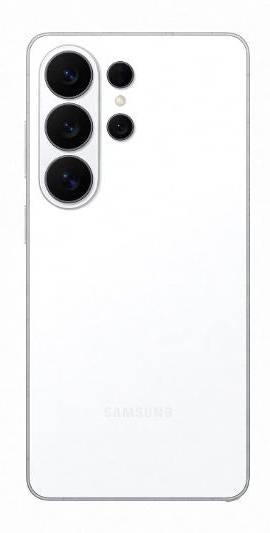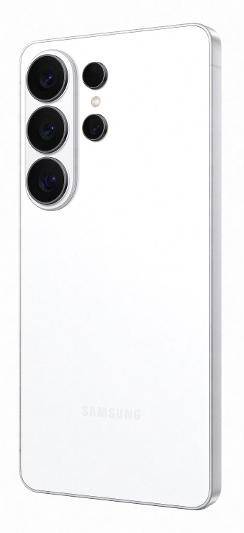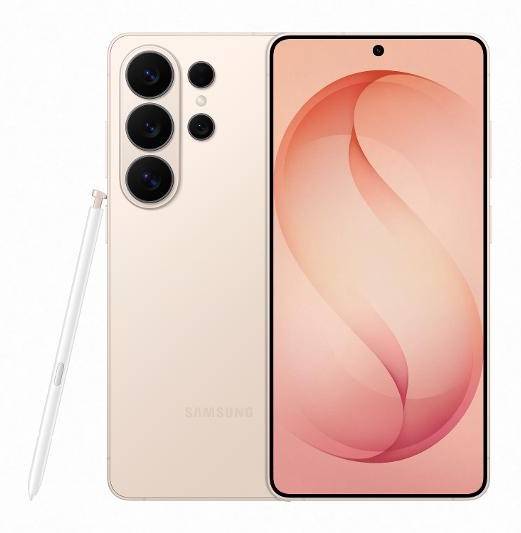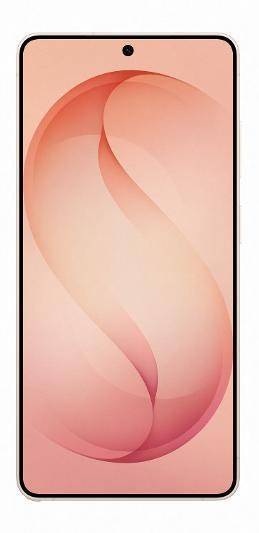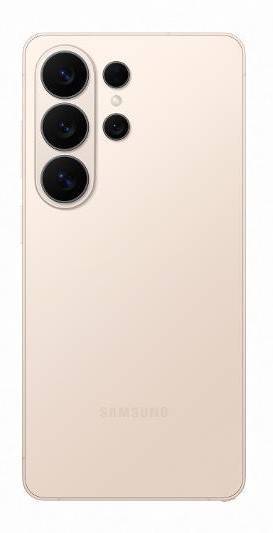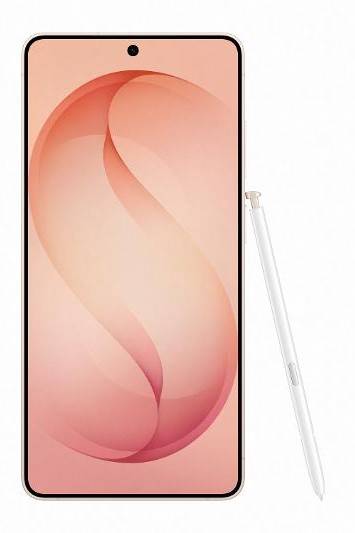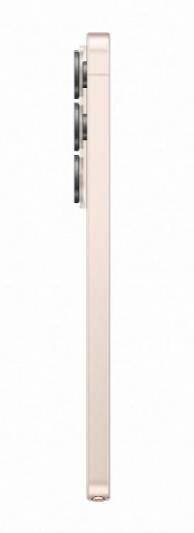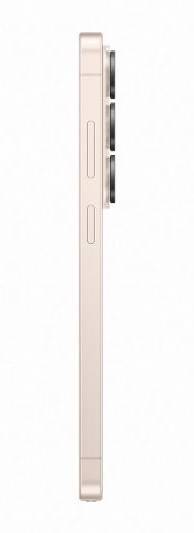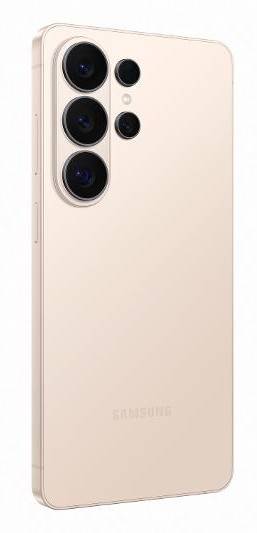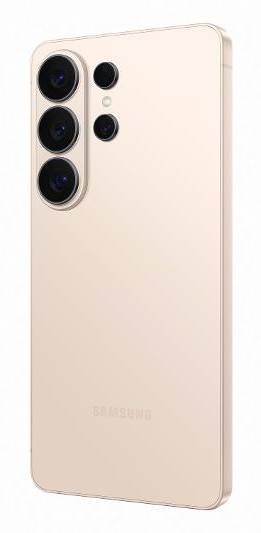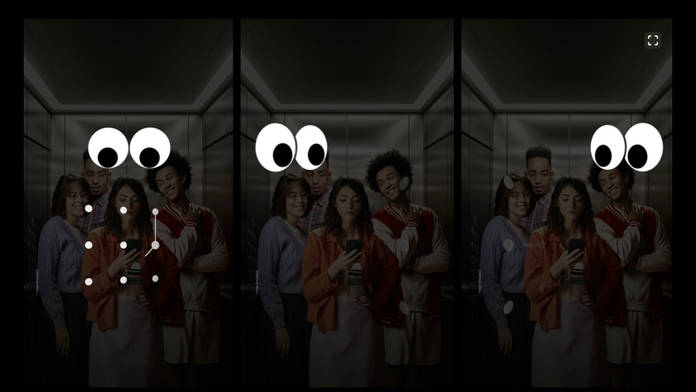
Samsung is putting screen privacy front and centre with the Galaxy S26 series, which launches on February 25th. Early teasers have suggested the company wants to tackle a familiar annoyance of modern phone use: strangers sneaking a look at your screen in crowded places. The latest one builds on this and gives us a peek at how the feature is going to function.
The video shows a commuter on public transport, where nearby passengers try to glance at their phone. With a quick tap on a ‘zero-peeking privacy’ toggle, the display becomes unreadable from the sides while staying perfectly clear to the person holding it. The clip ends with the message, “Can your phone do that?”
The feature, expected to debut on the Galaxy S26 Ultra and possibly roll out across the lineup, uses Samsung Display’s Flex Magic Pixel OLED technology. Rather than relying on stick-on privacy films that dim brightness and wash out colours, the screen itself adjusts pixel angles to narrow the viewing cone. From straight on, the display looks and behaves like any other flagship panel.
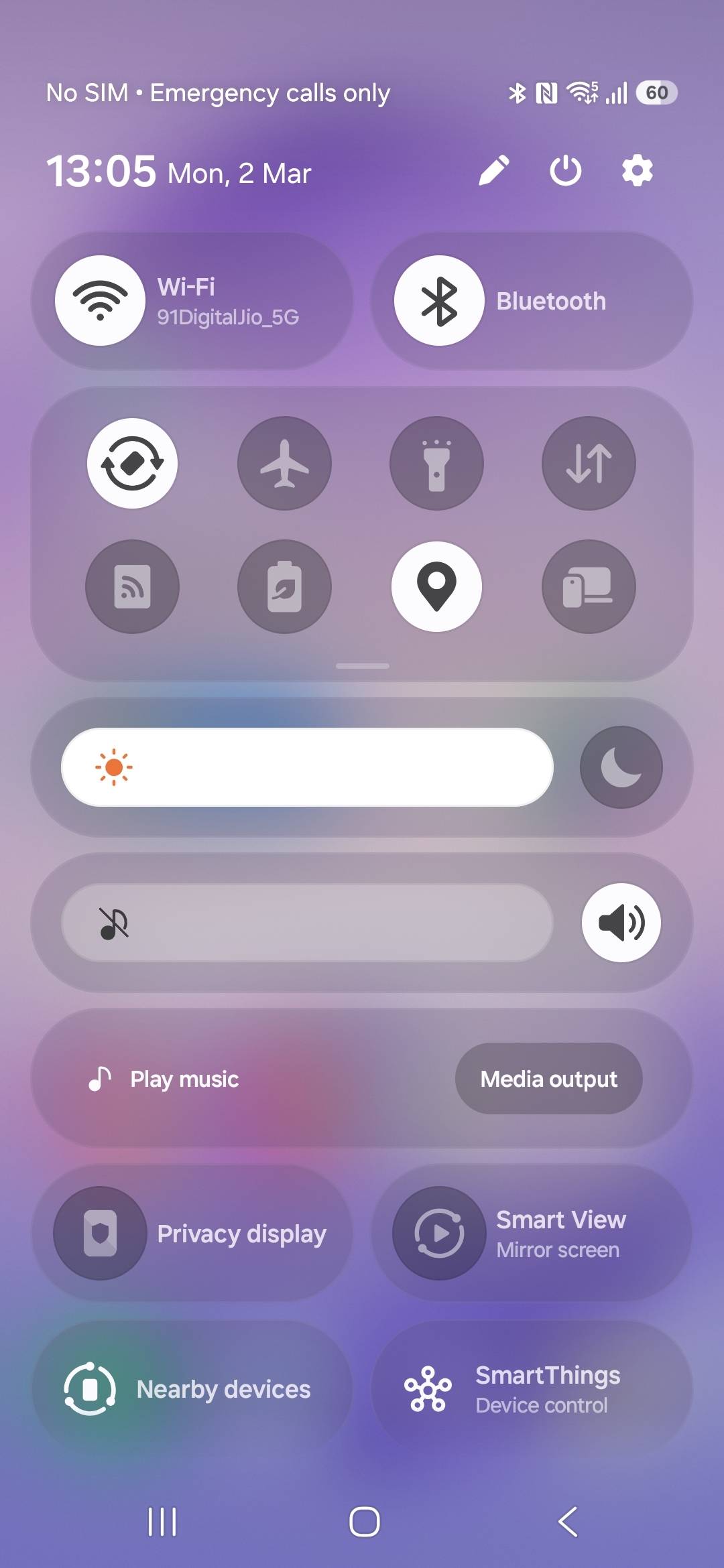
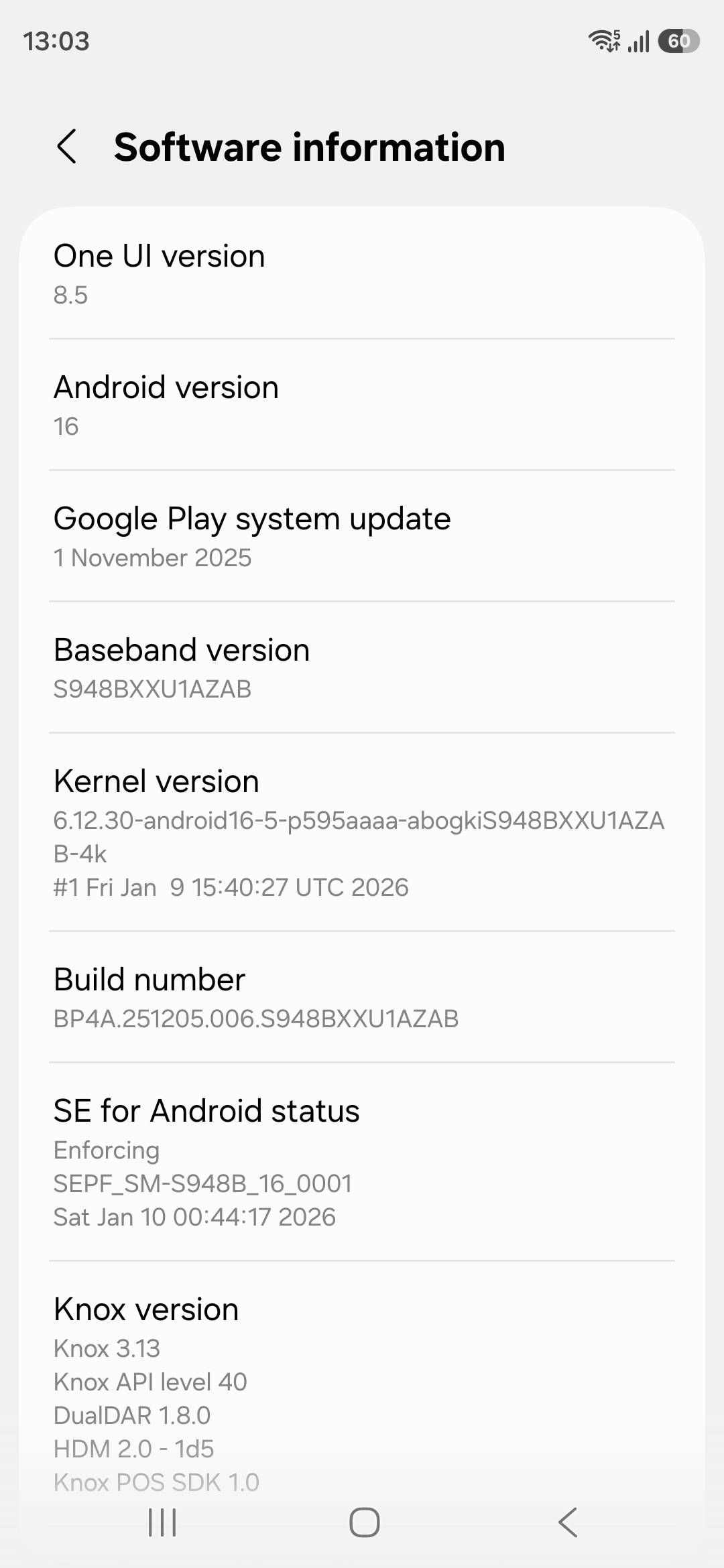
Samsung’s Privacy Display will work with One UI 8.5 and Galaxy AI, letting users decide when it kicks in. It can be set to activate for banking apps, PIN entry, notification previews, or sensitive settings, while staying off during normal use. That selective control makes it less intrusive than always-on privacy filters and better suited to everyday use in places like metros, flights, and cafes.
The focus on privacy builds on Samsung’s recent display upgrades, including the anti-reflective coating introduced with the Galaxy S24 Ultra. This time, the company is pairing hardware and software to solve a real-world problem instead of chasing purely visual improvements. The technology could also appear in future Galaxy foldables, where larger screens make shoulder surfing even easier, as the feature has been spotted in One UI 8.5 firmware.
Competing phones don’t yet offer a similar built-in solution. However, tipster Ice Universe suggests Apple is reportedly exploring comparable privacy display technology for MacBook screens later in 2029 — a sign the idea may spread across the industry.
Whether Privacy Display becomes a must-have will depend on how people use their phones. Frequent travellers, commuters, and anyone handling sensitive information on the go may find it genuinely useful. Those who mostly use their devices at home may see it as a nice extra, especially if Galaxy S25 prices drop after the new models arrive. If Samsung delivers the feature without hurting brightness, battery life, or display quality, Privacy Display could end up being one of the Galaxy S26 series’ most practical upgrades.
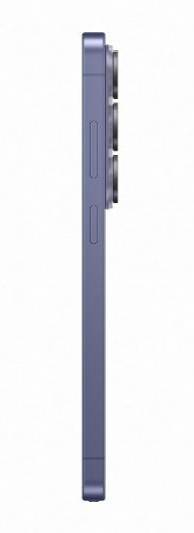
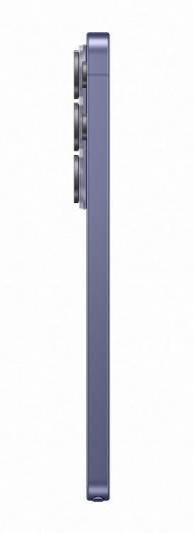
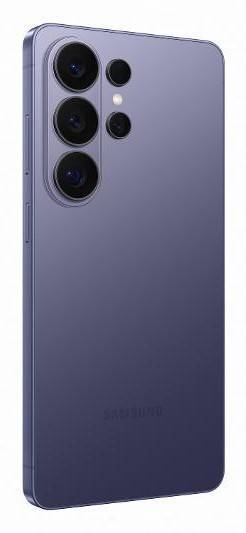
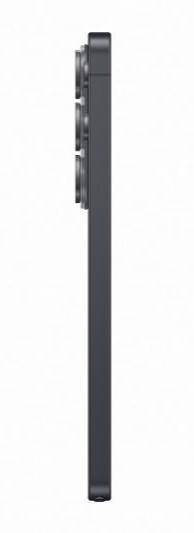
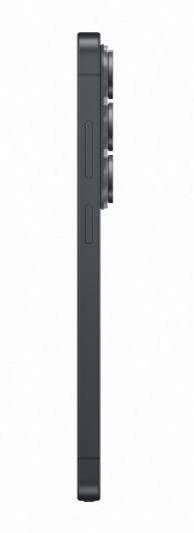
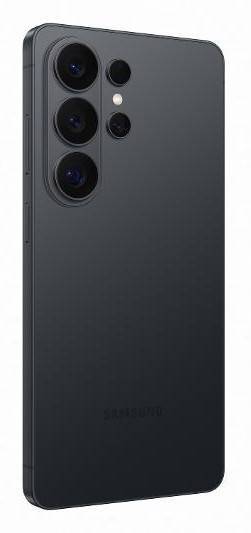
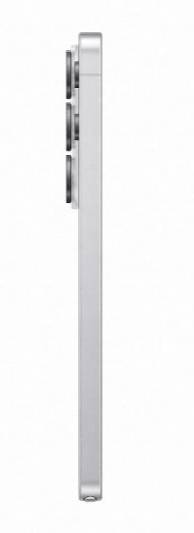
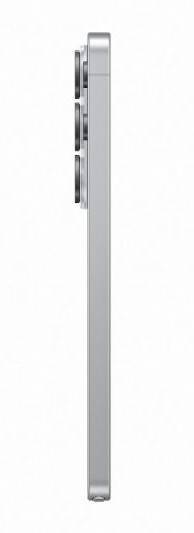
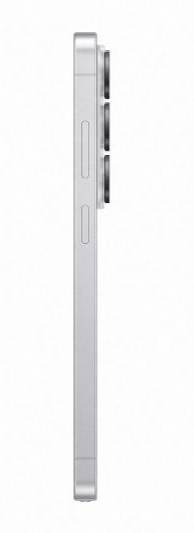
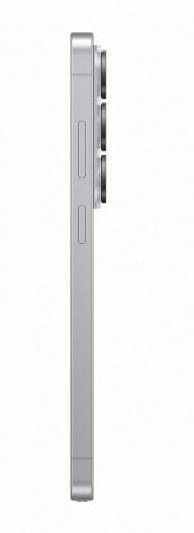
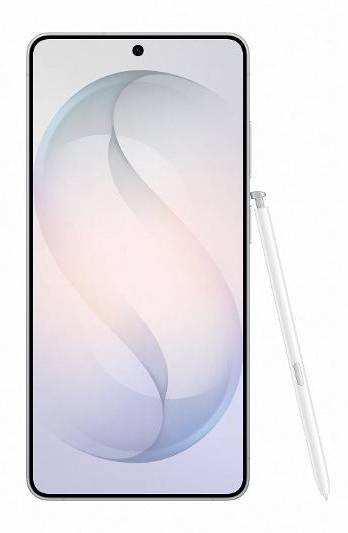
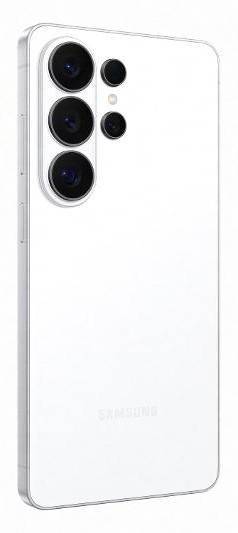
Samsung Galaxy S26 Ultra Images