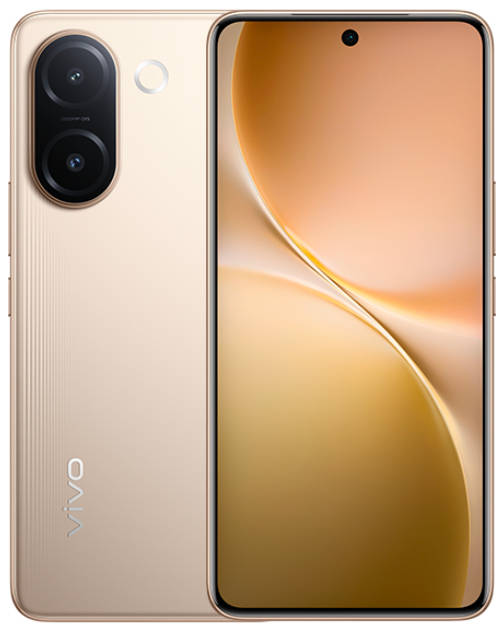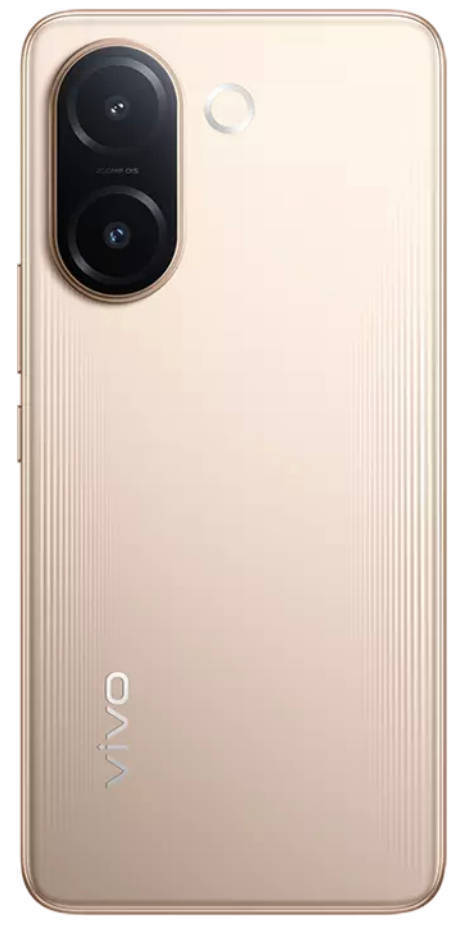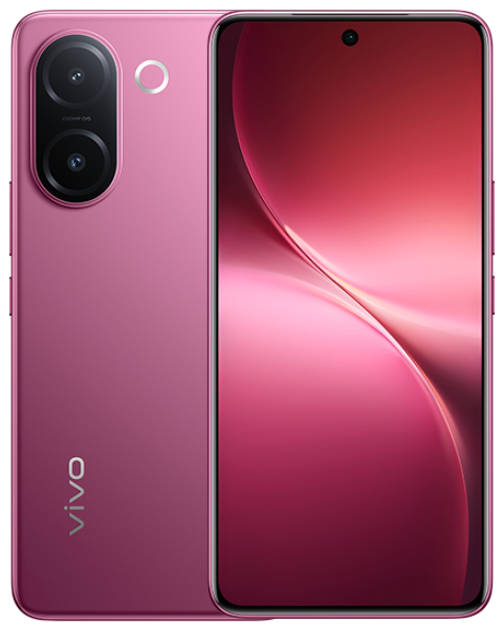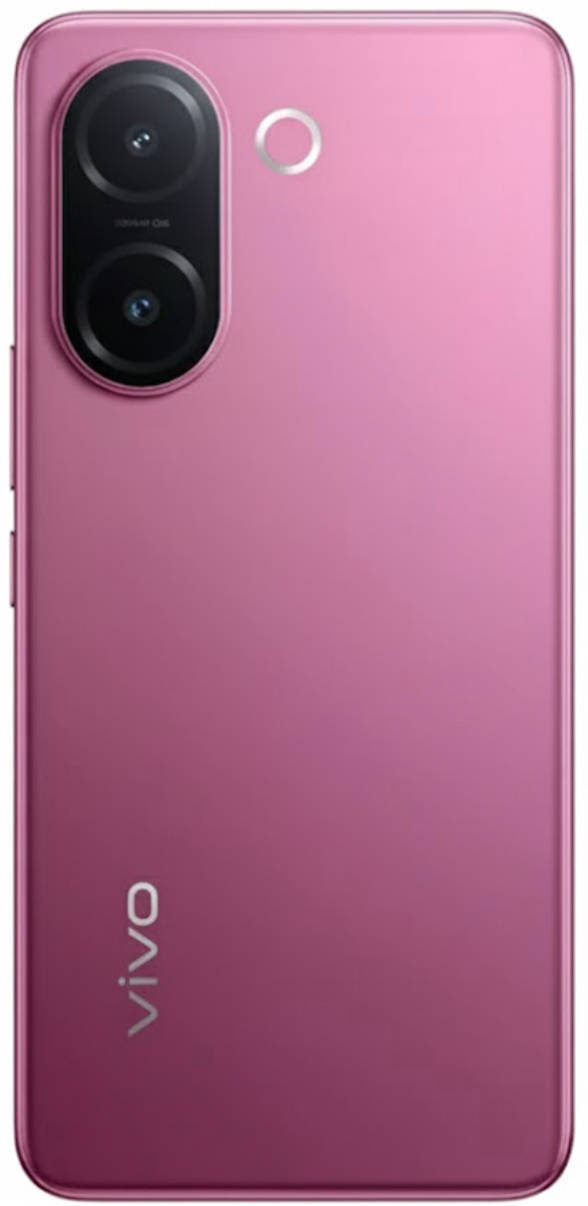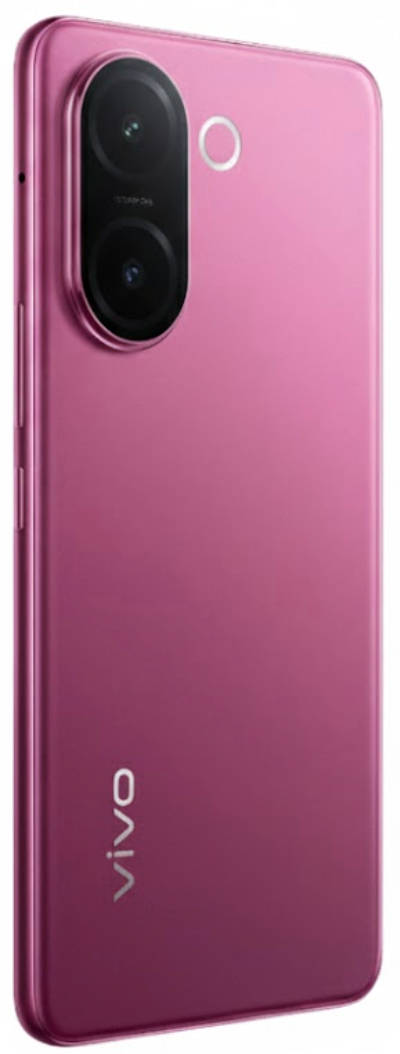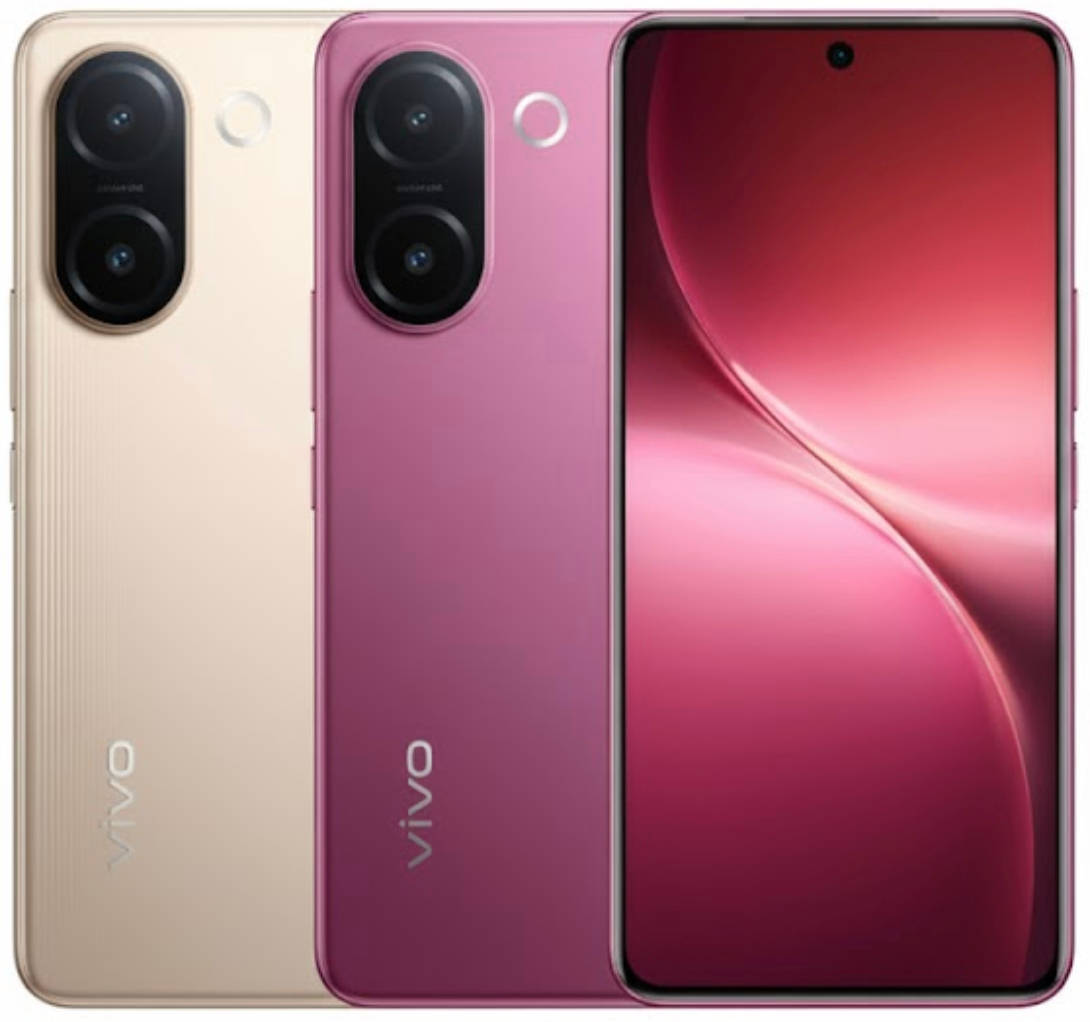
Vivo has just launched the Vivo V60e in India, the latest entry in its camera-centric V-series and a more affordable alternative to the sub-flagship Vivo V60. The V60e focuses on delivering a premium photography experience, robust battery life, and a durable design. It is ideal for users who value a capable camera system and reliable day-to-day performance.
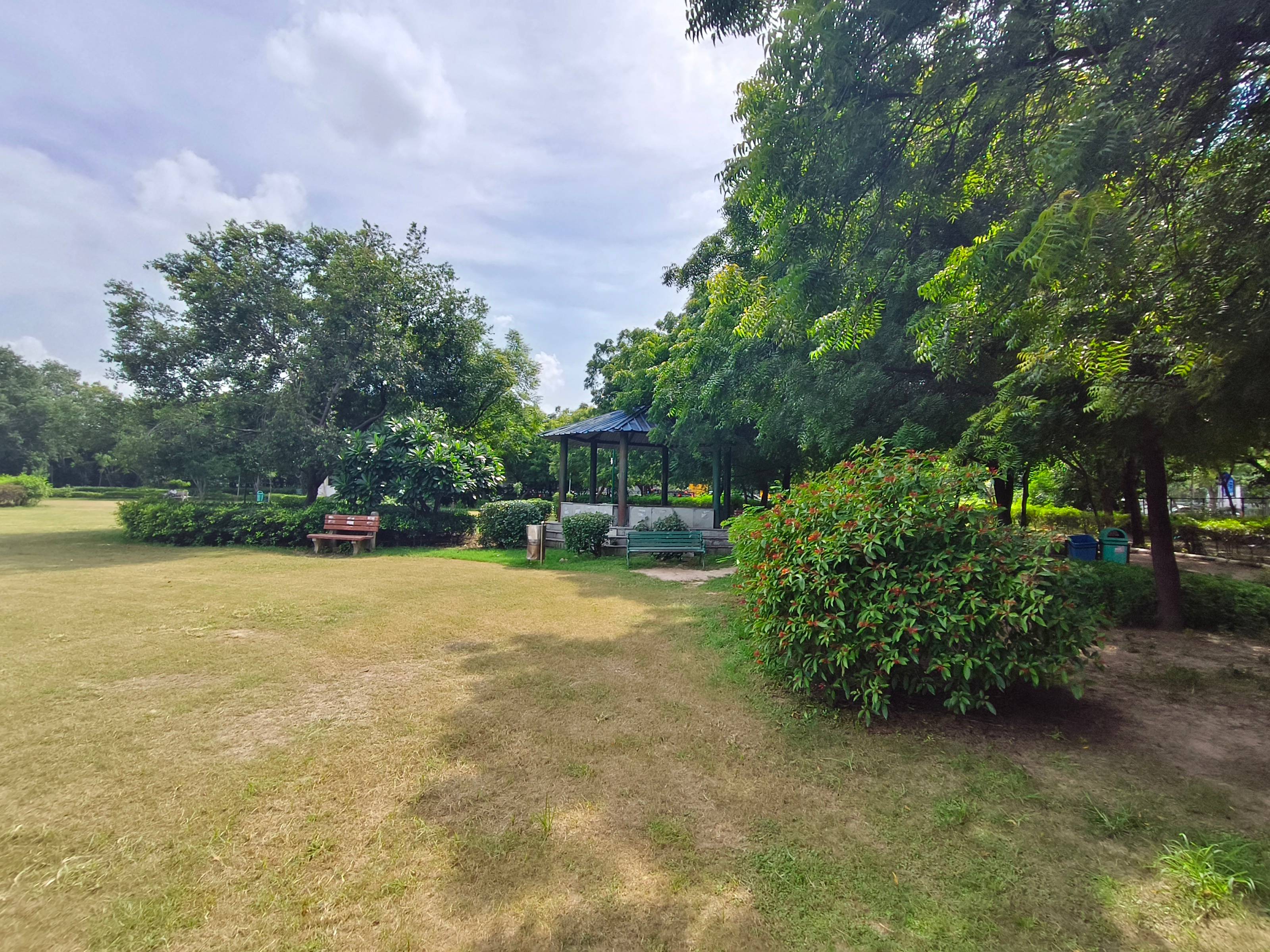
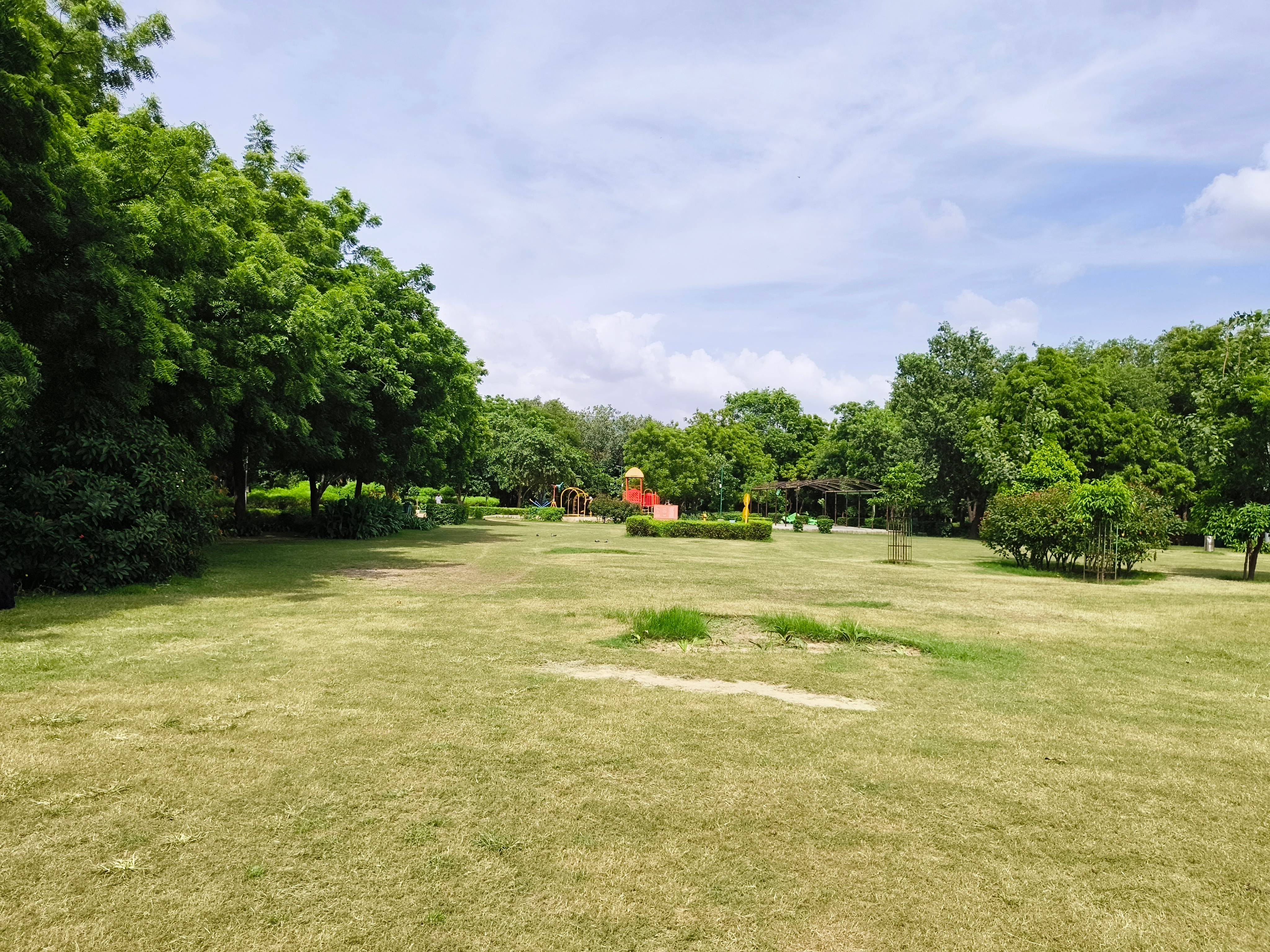
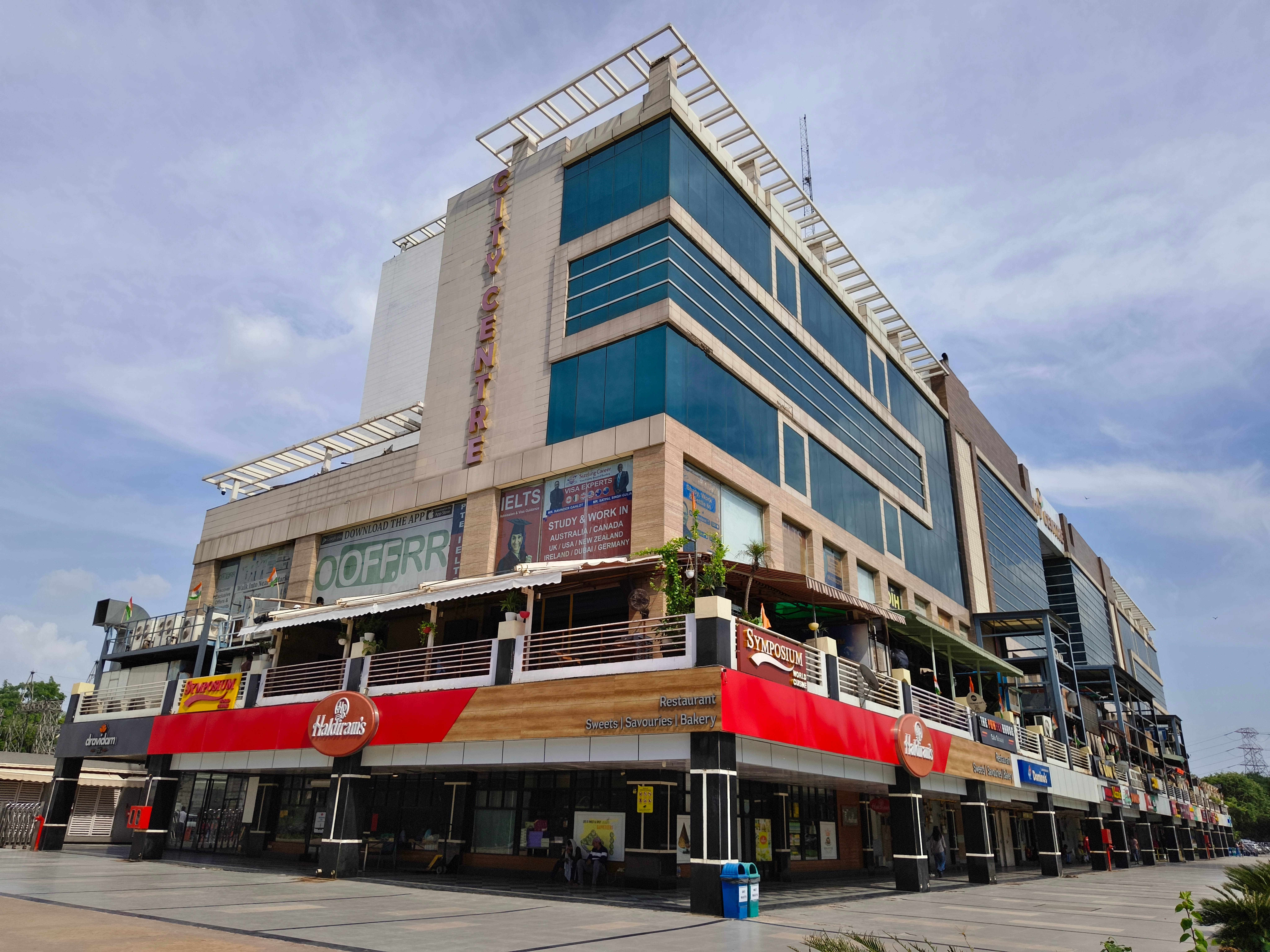
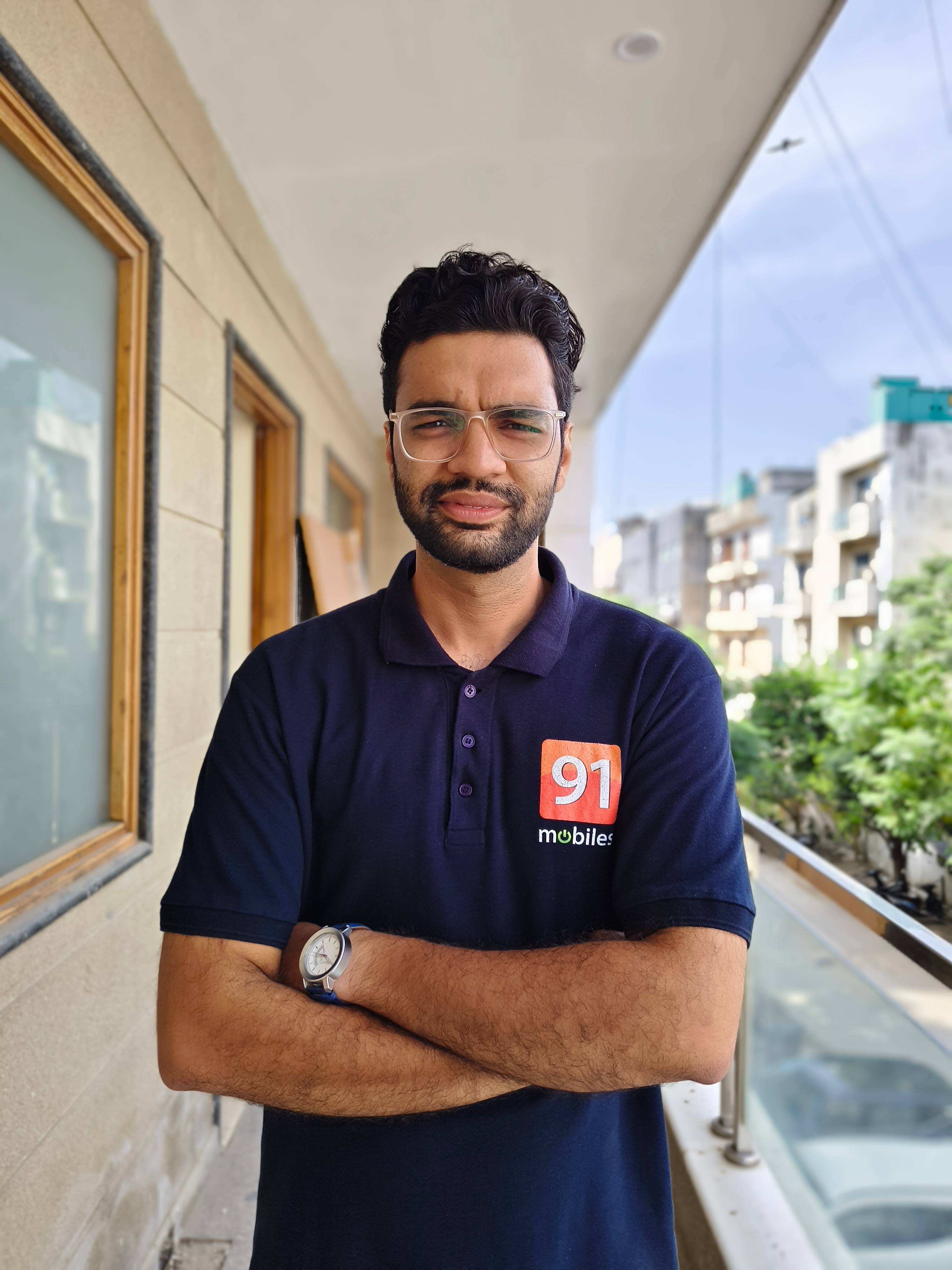
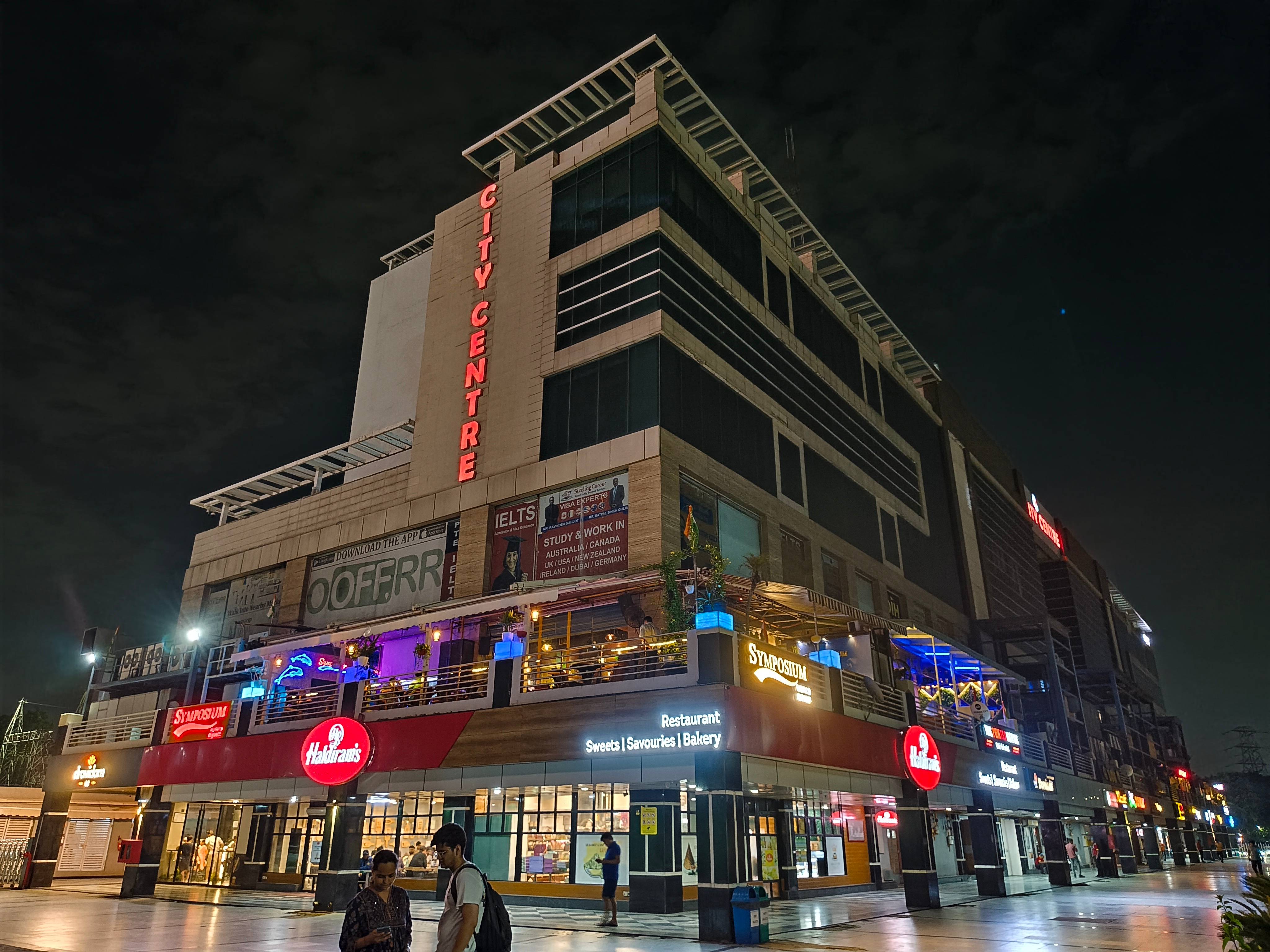
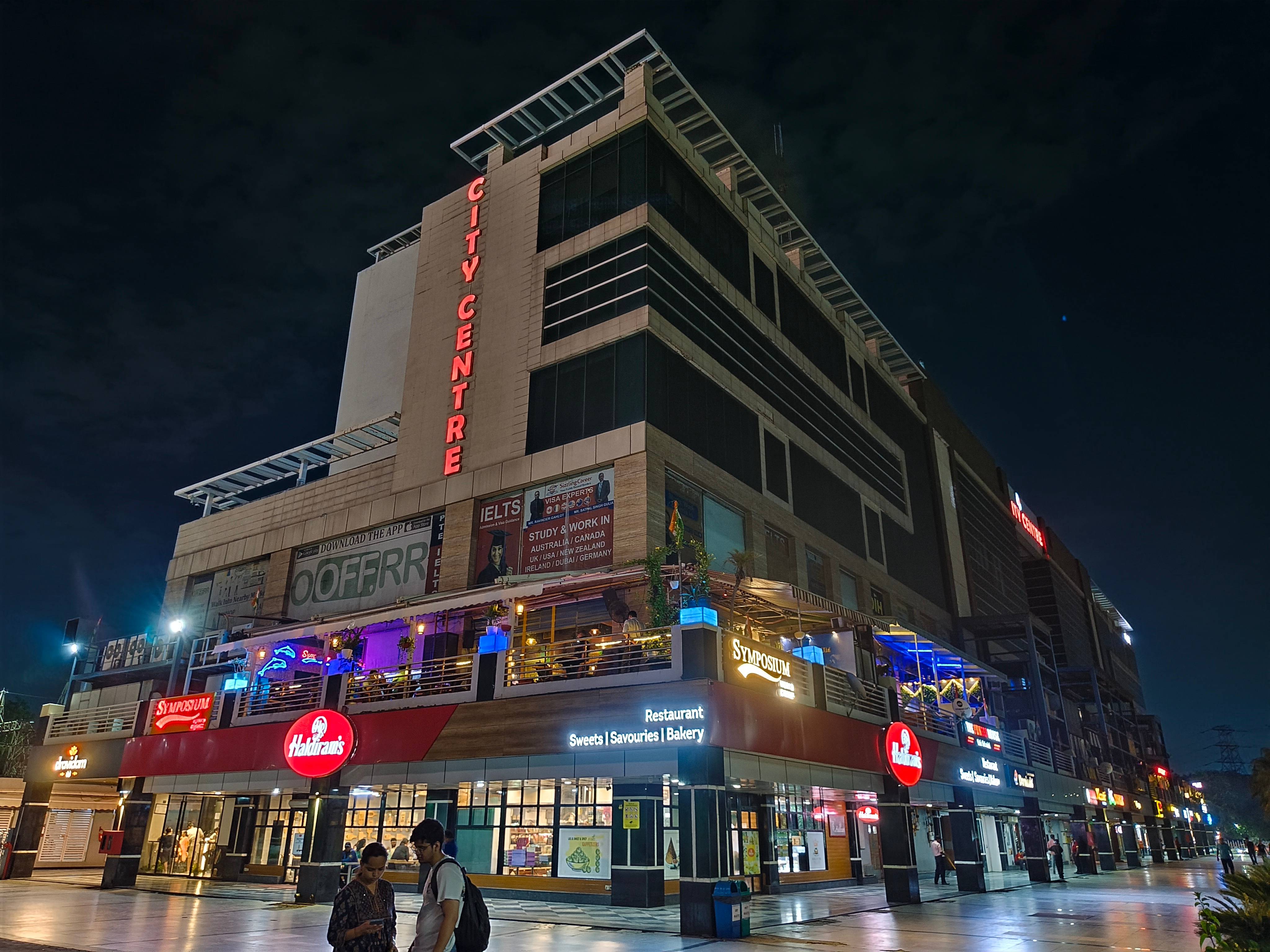
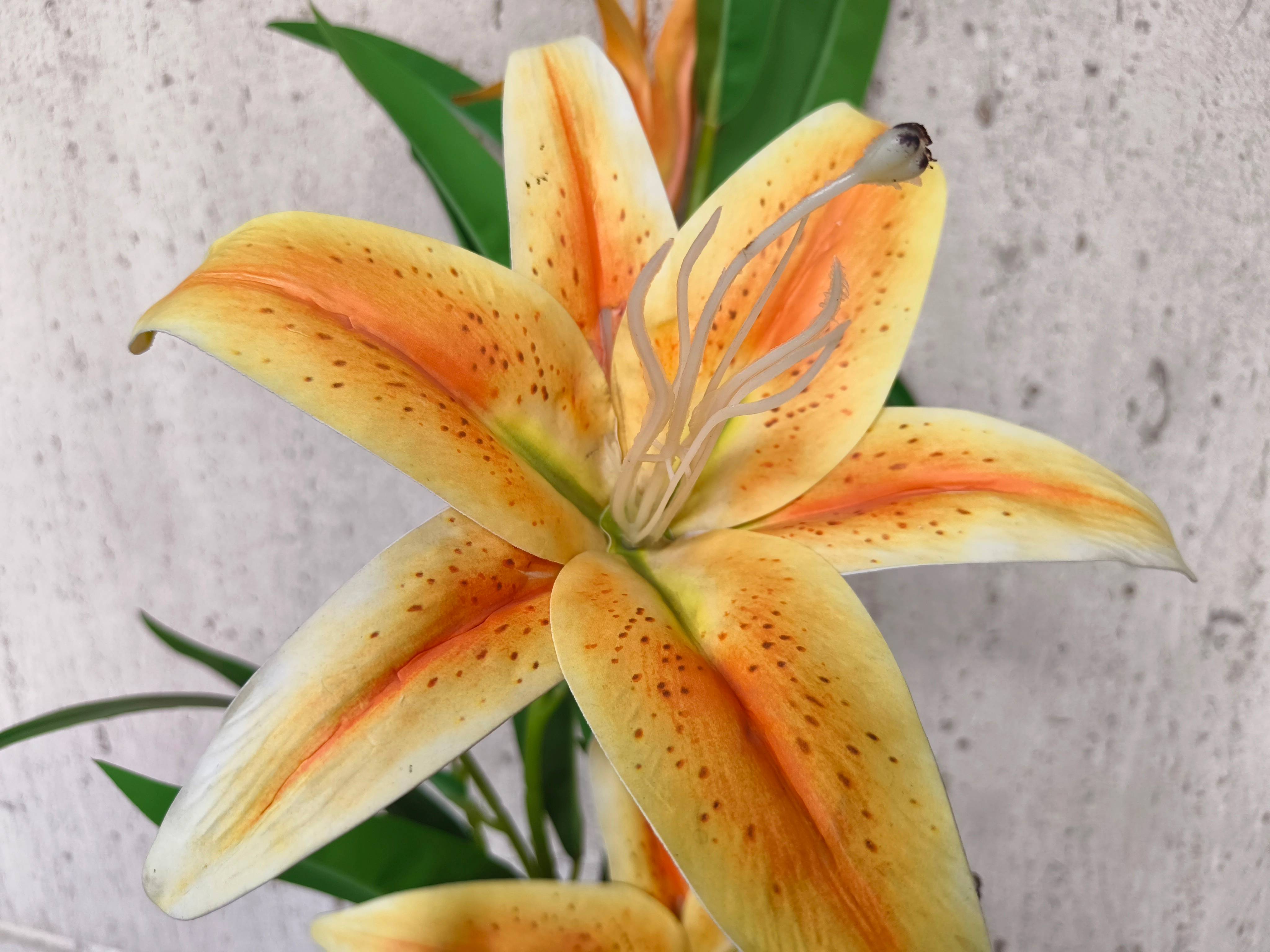
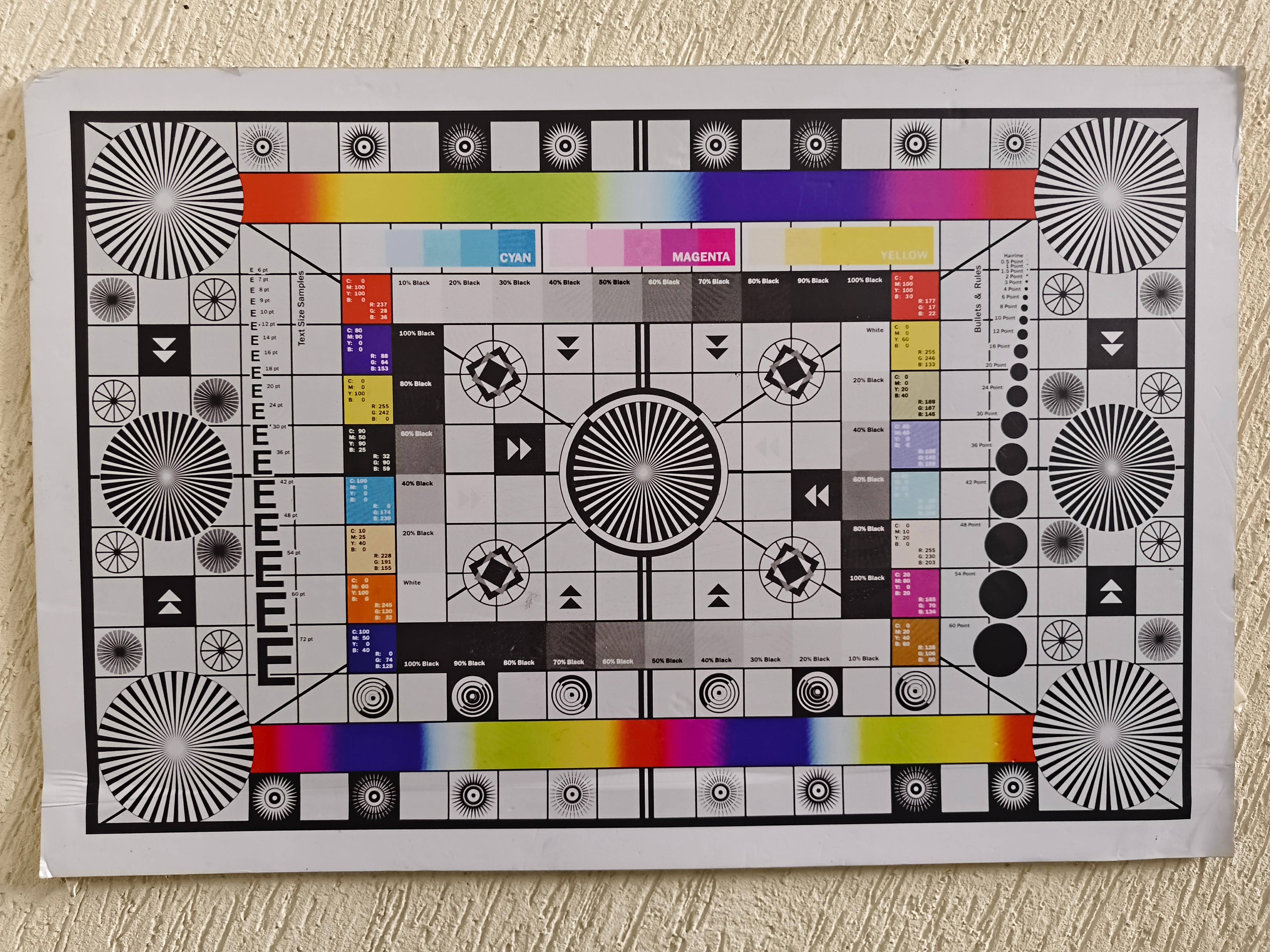
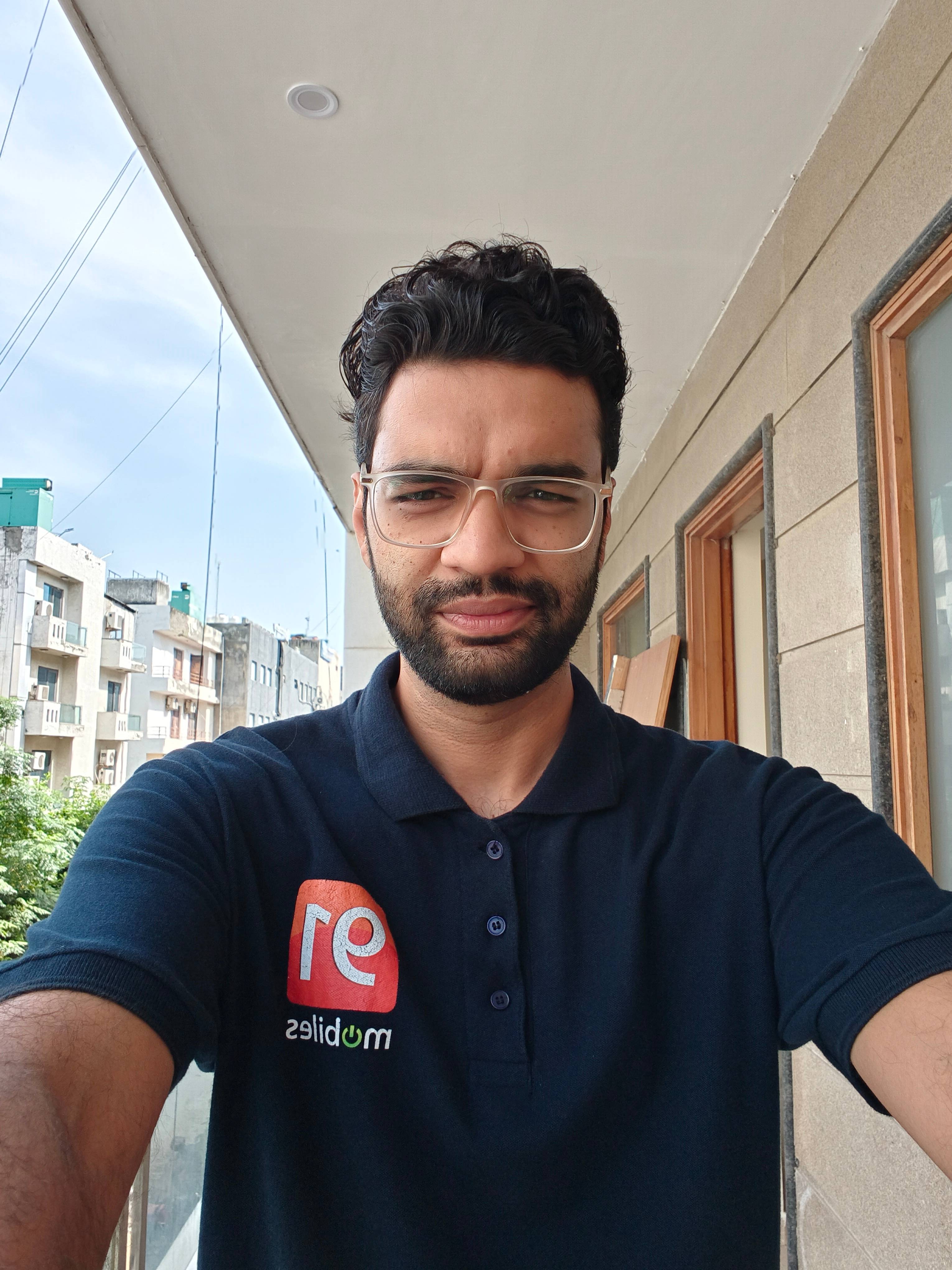
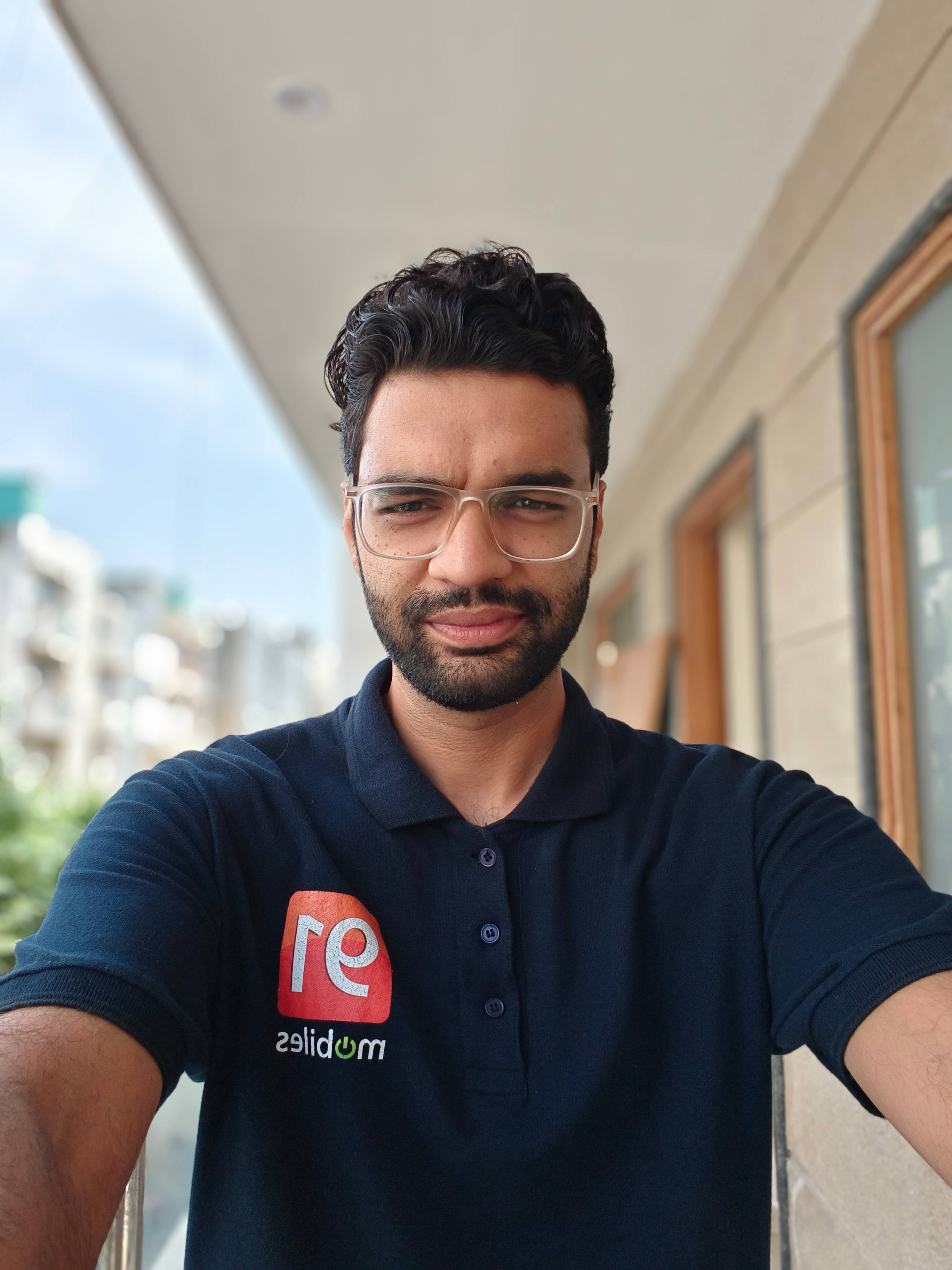
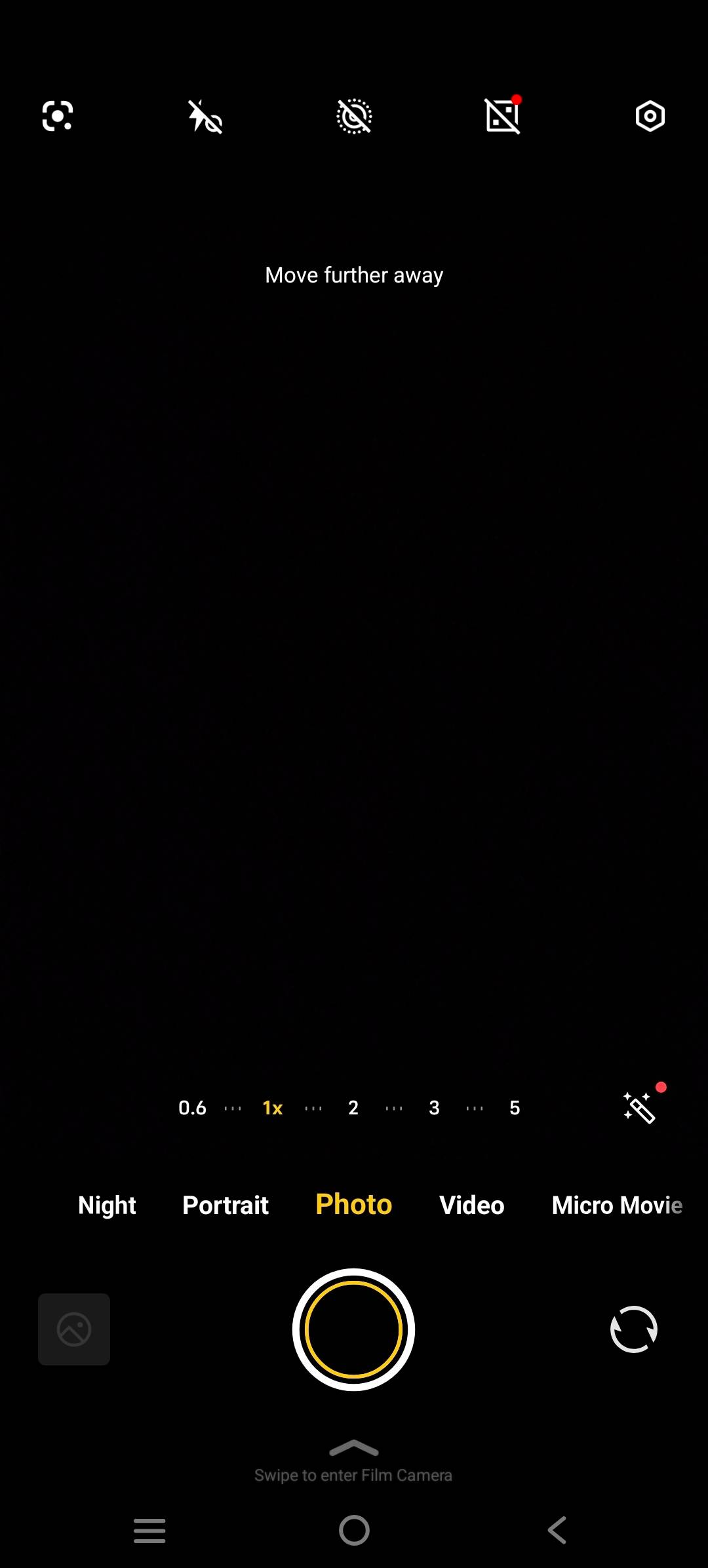
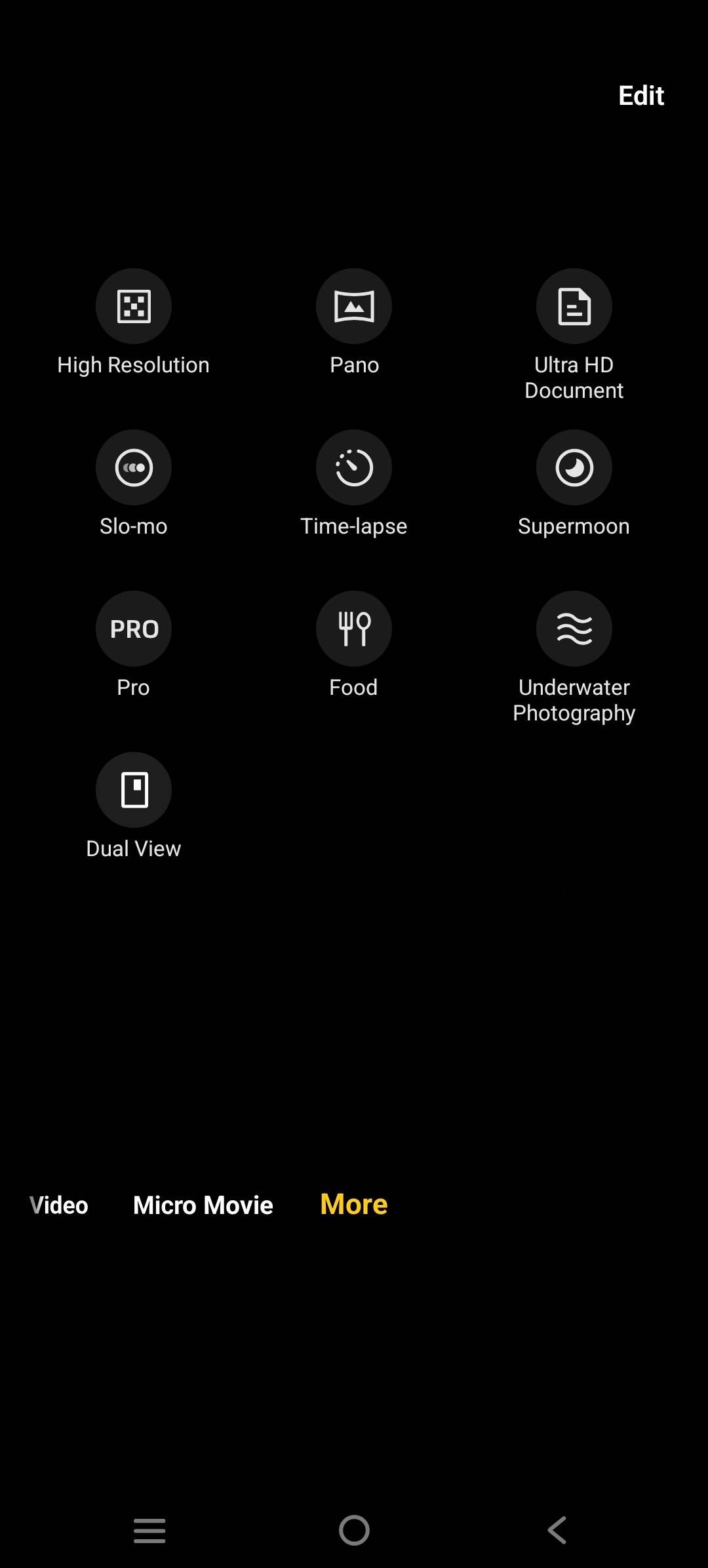
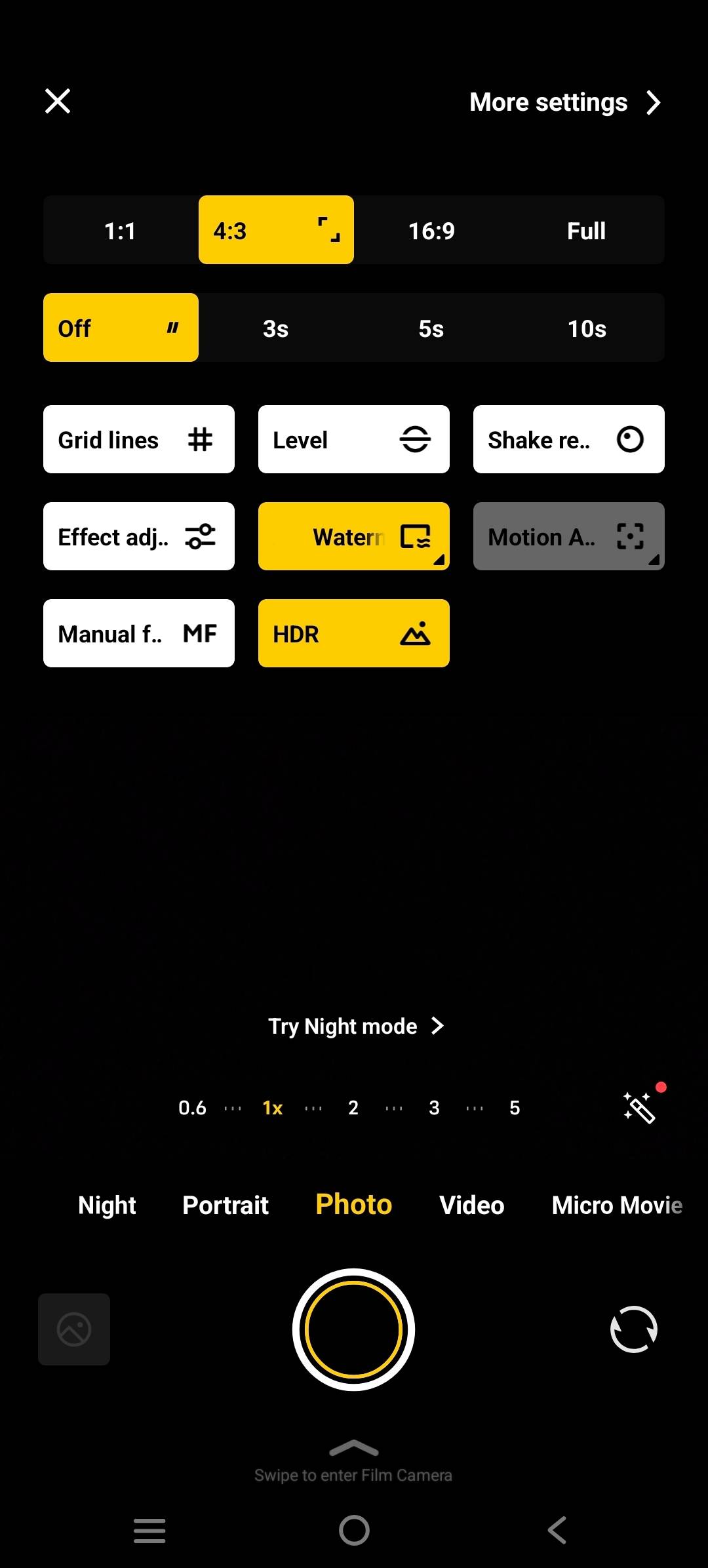
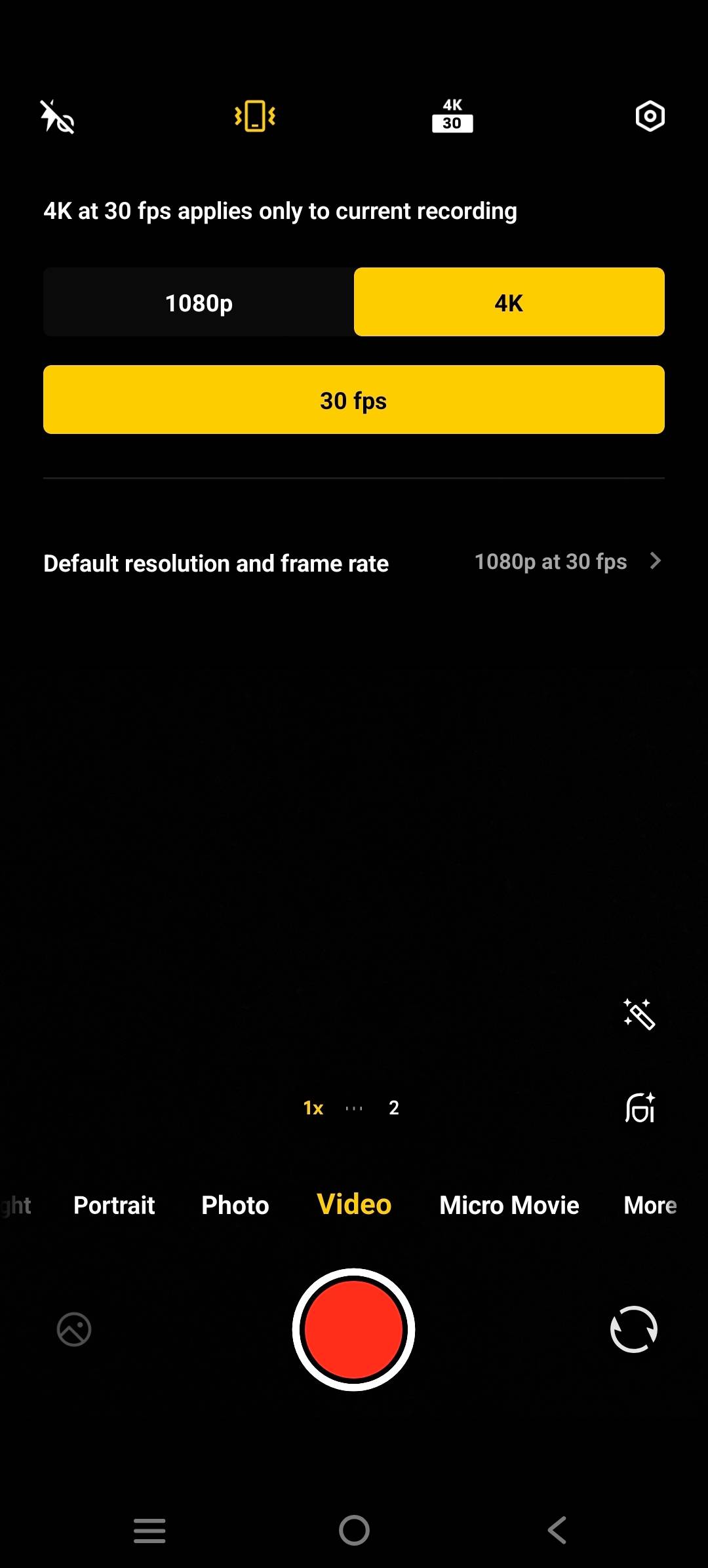
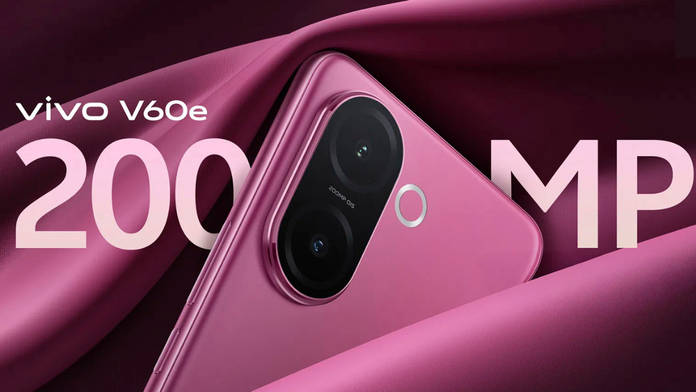
The key highlight of the Vivo V60e is, no doubt, its camera system. The phone features a dual-camera setup on the back, led by a 200MP OIS primary sensor and an 8MP ultra-wide lens. This high-resolution sensor should help capture detailed photos, while OIS ensures shots remain sharp and stable. For selfies, the device includes a 50MP front-facing camera with autofocus, designed to produce clear self-portraits and group shots.
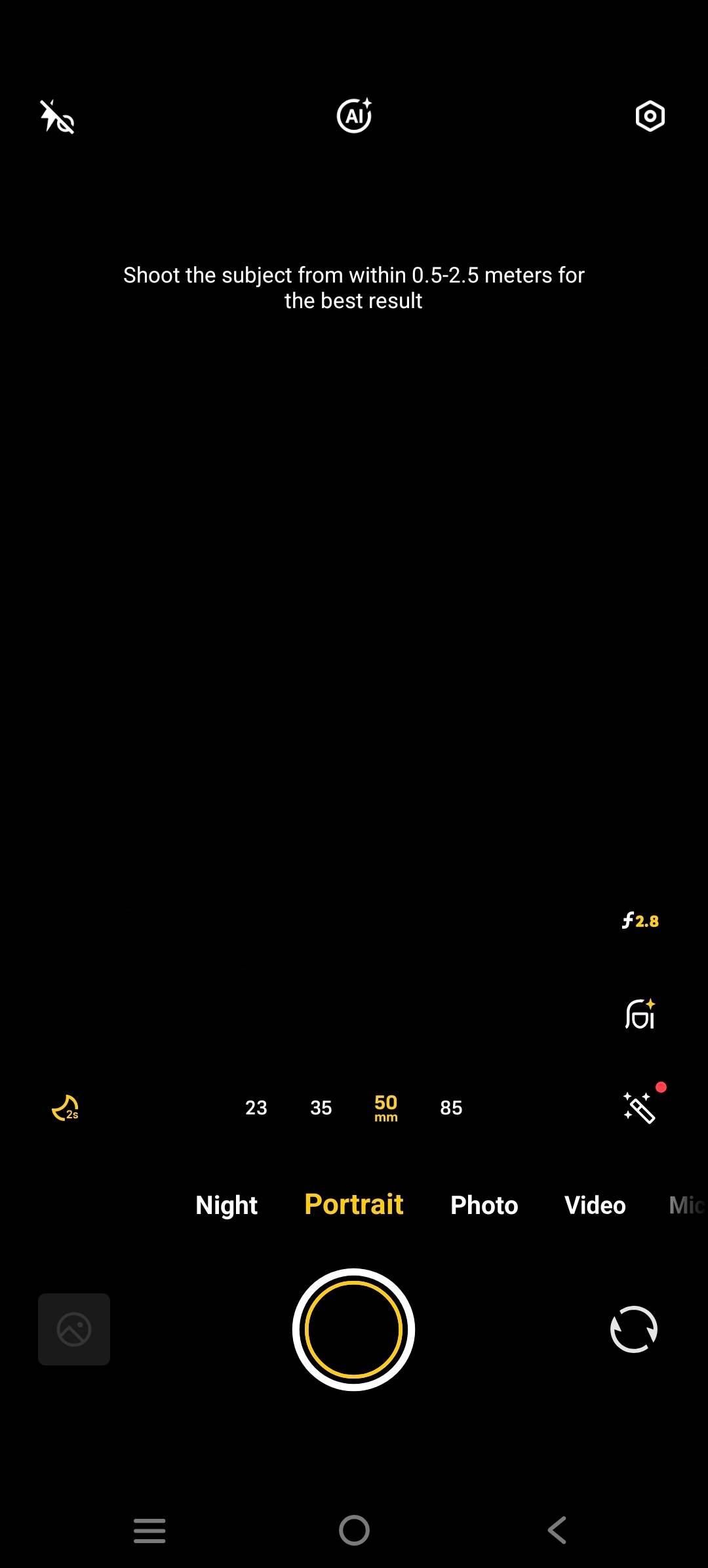
While the setup is decent, it lacks a dedicated telephoto lens, instead relying on digital zoom via a “Multifocal Portrait” mode with 23mm, 35mm, 50mm, and 85mm focal lengths. This may limit its portrait capabilities compared to rivals with true optical zoom, like the Motorola Edge 60 Pro (review). On the flip side, the phone is clearly geared towards social media and festive use, with an AI photography suite and India-exclusive features like a “Wedding Style Studio” and wedding vlog mode.
A suite of AI features which Vivo brands as AI Reflection Erase, AI Image Expander, AI Erase 3.0, and AI Enhance help in editing images and making them social media-ready.
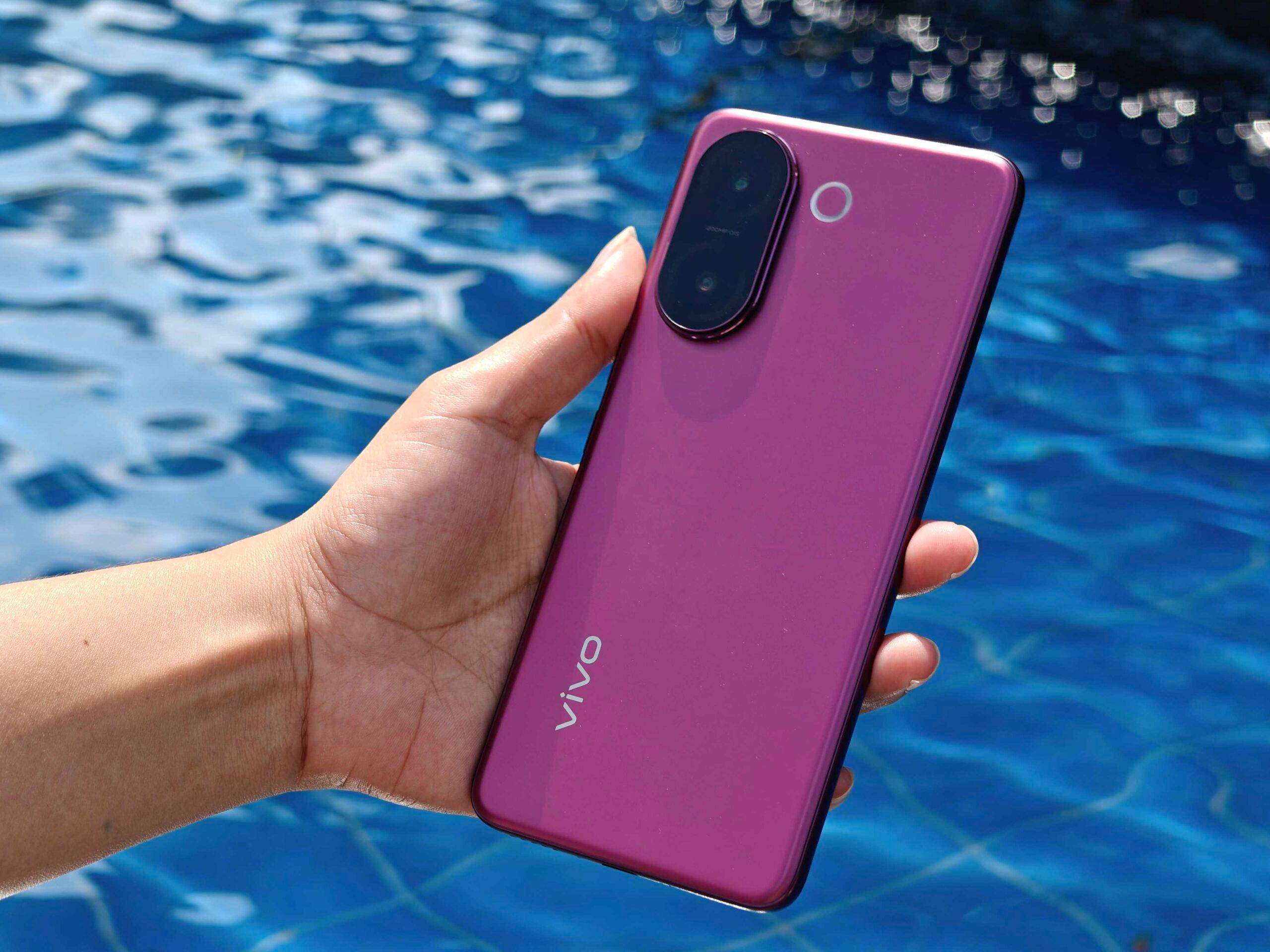
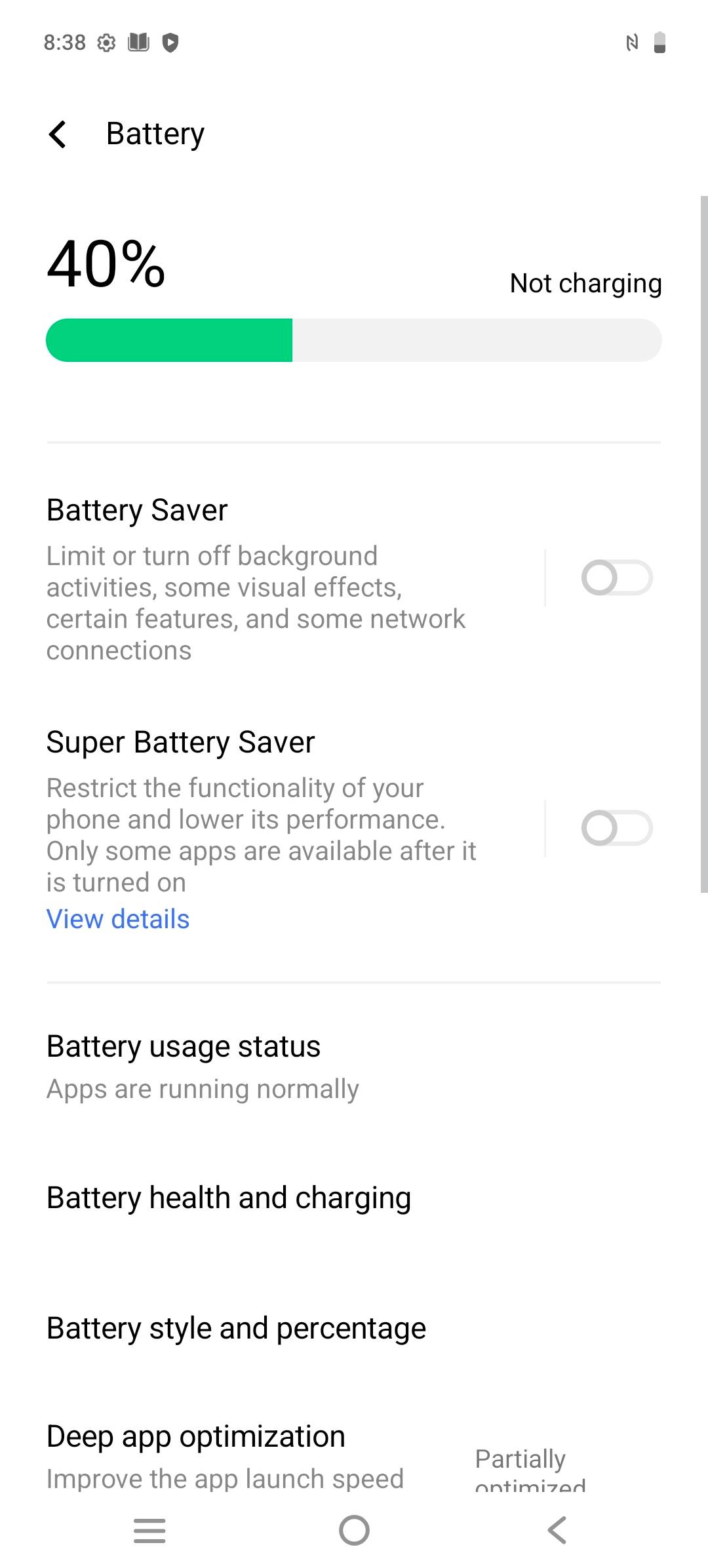
To power these features, the Vivo V60e is equipped with a substantial 6500mAh battery. It should provide more than a full day of heavy usage. When the battery does run low, it can be quickly topped up with the 90W fast wired charging brick, which comes in the box. The battery is a definite improvement over its predecessor, the V50e’s 5600mAh cell, and that should reflect in real-world usage.
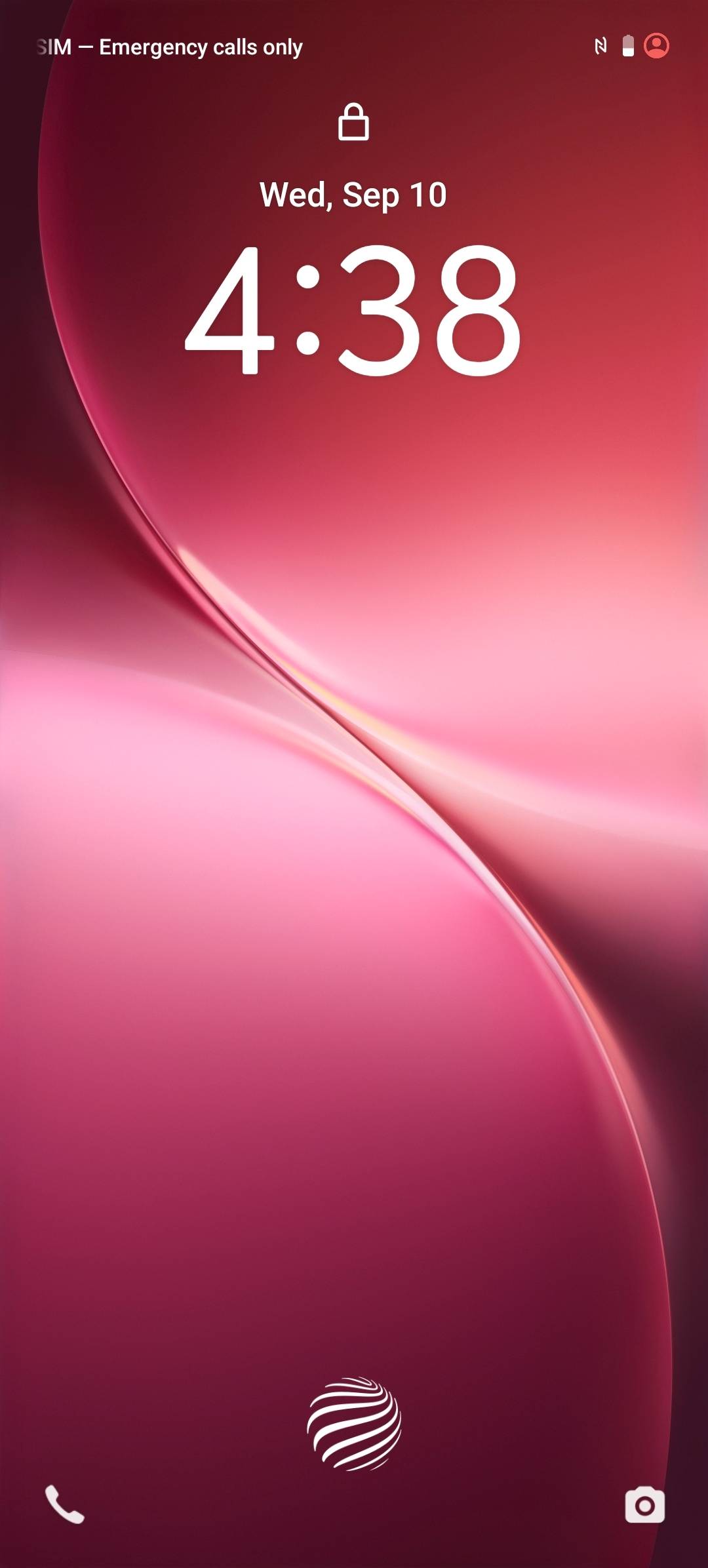
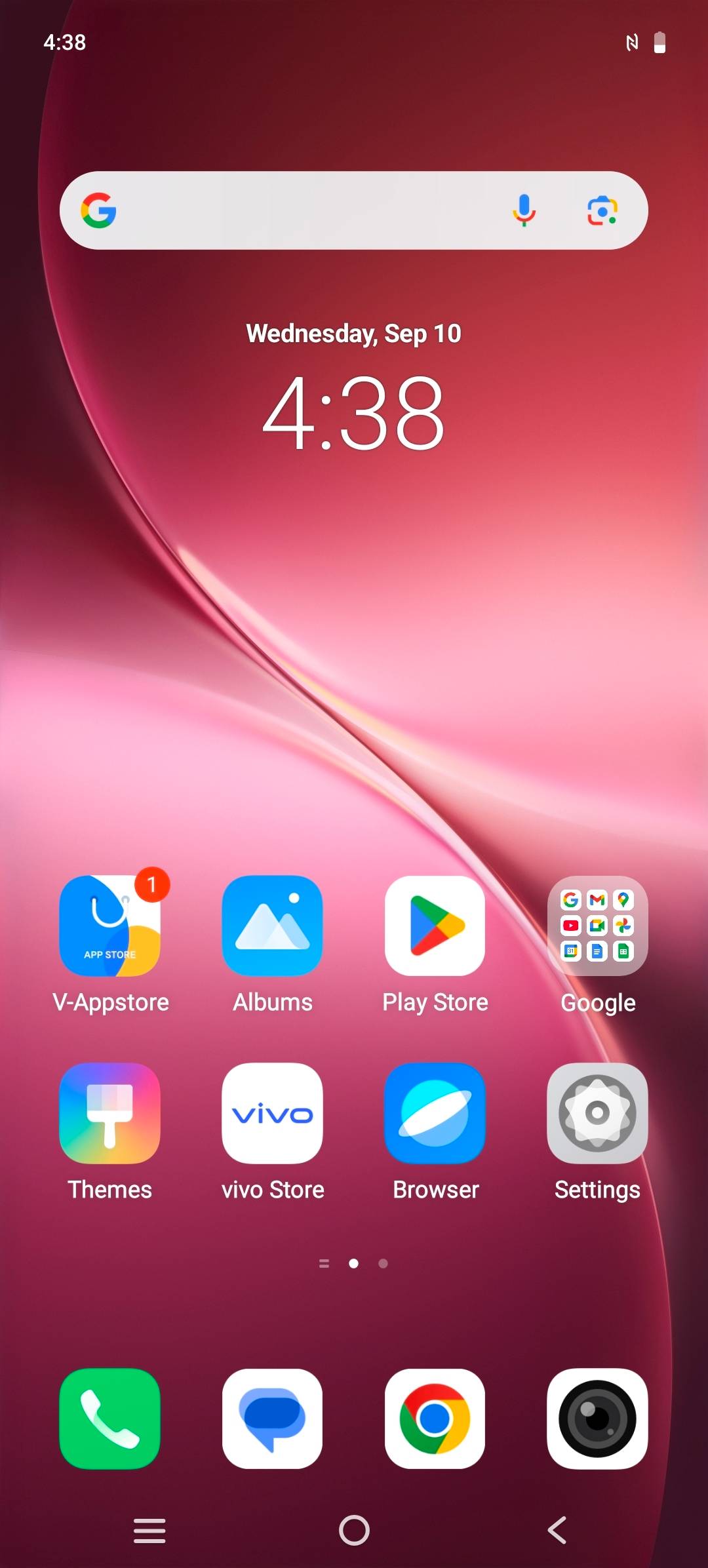
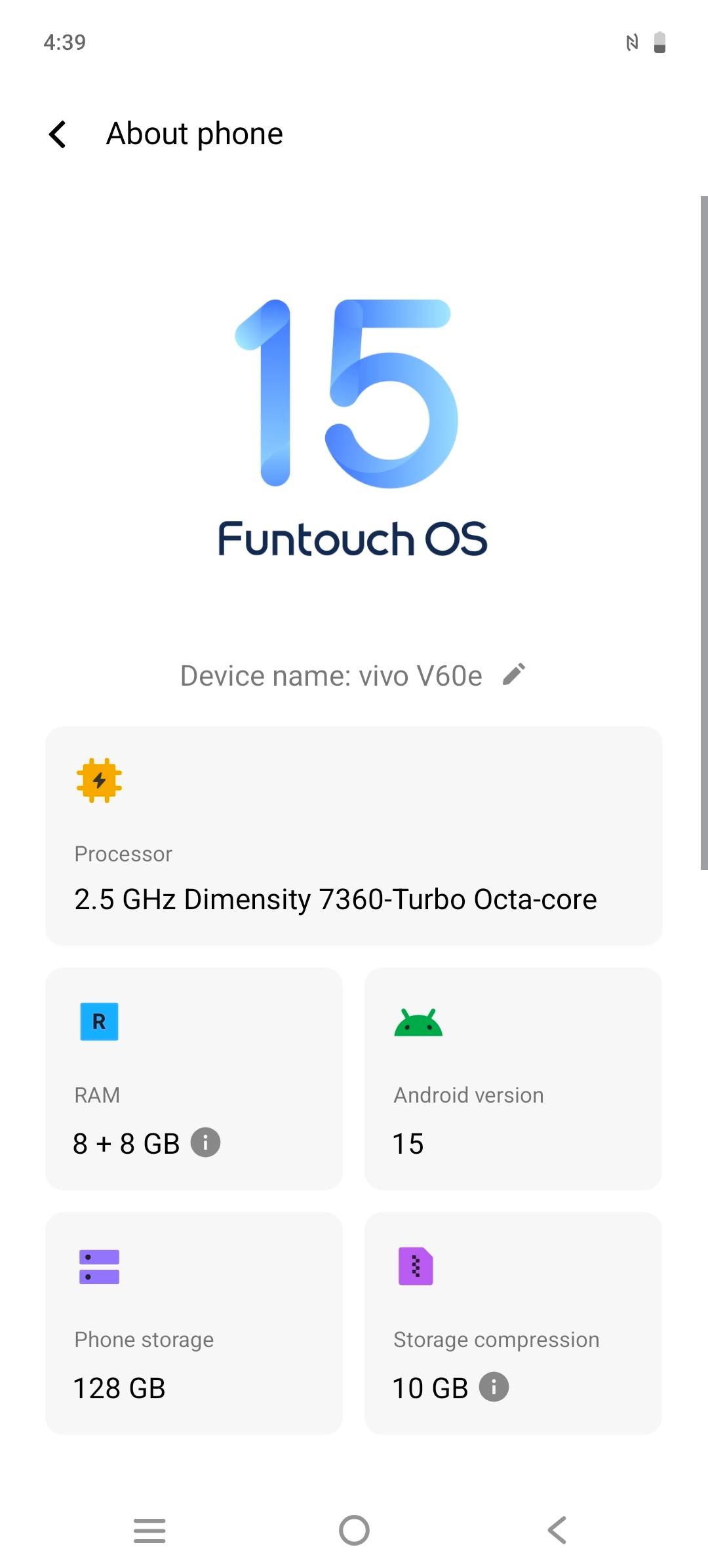
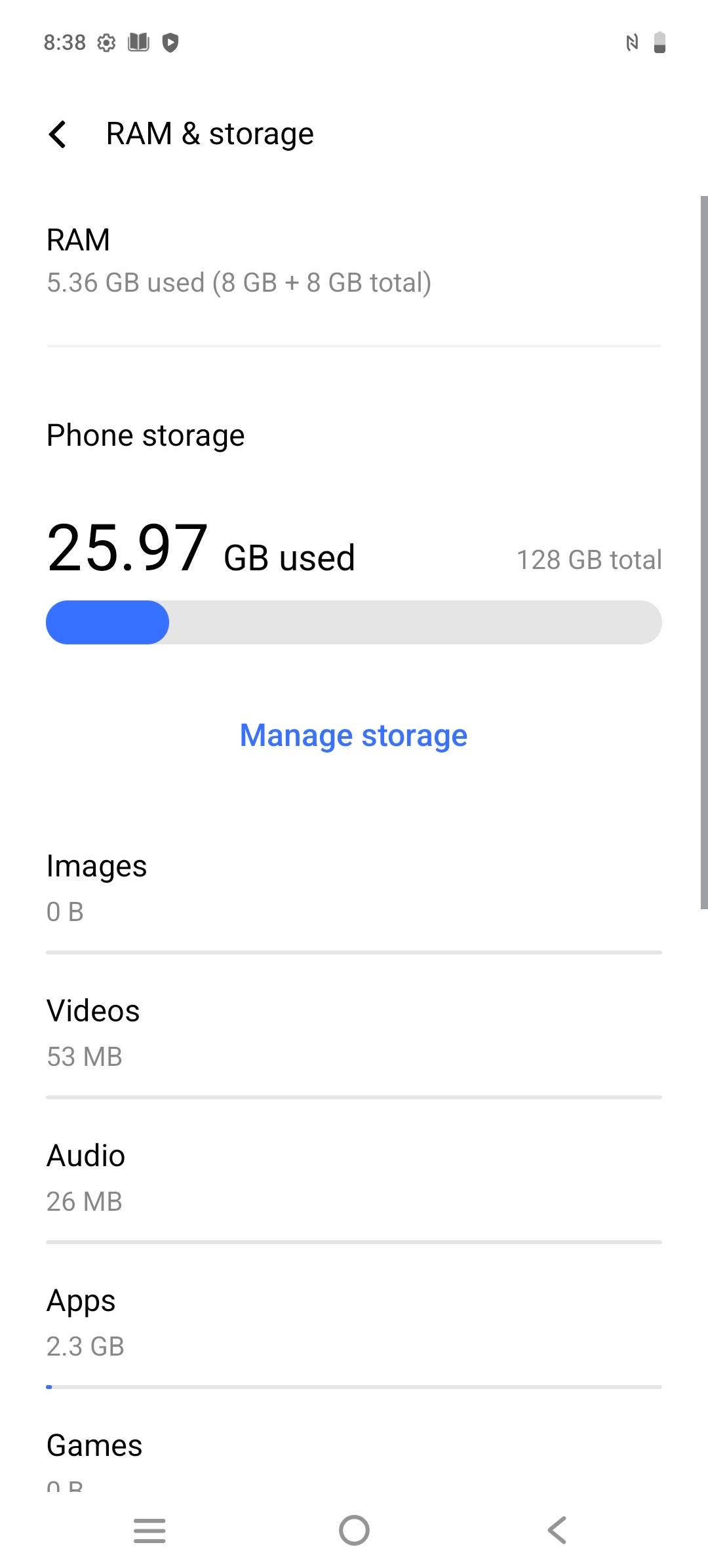
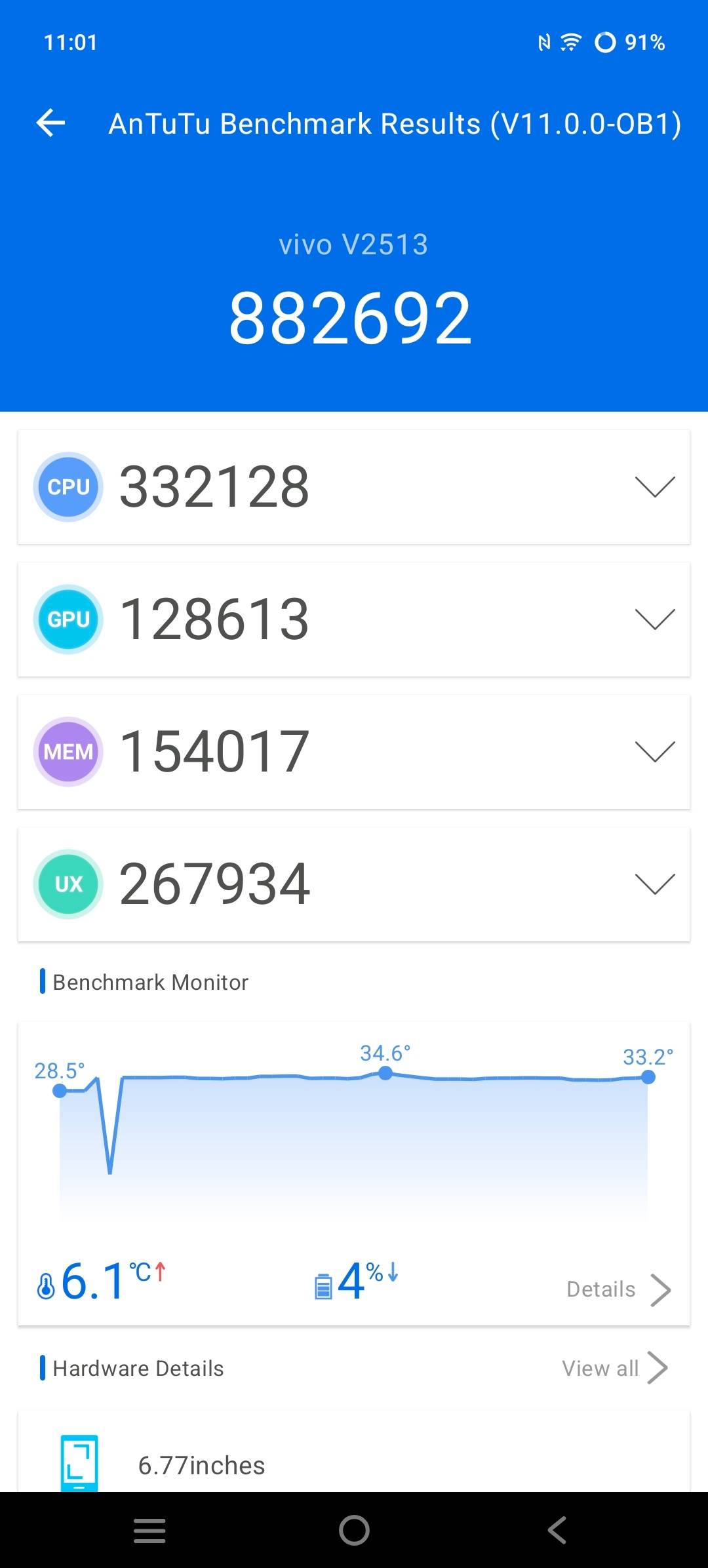
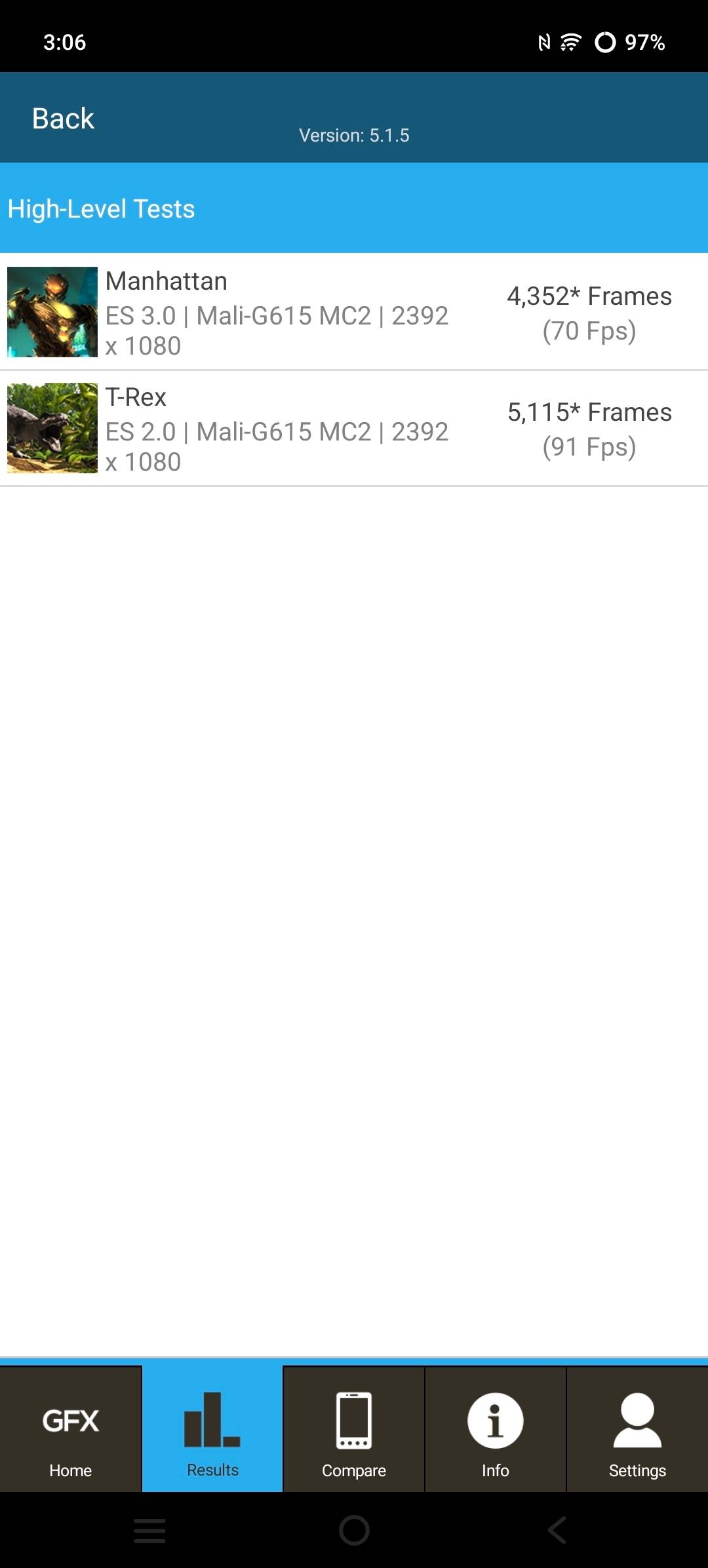
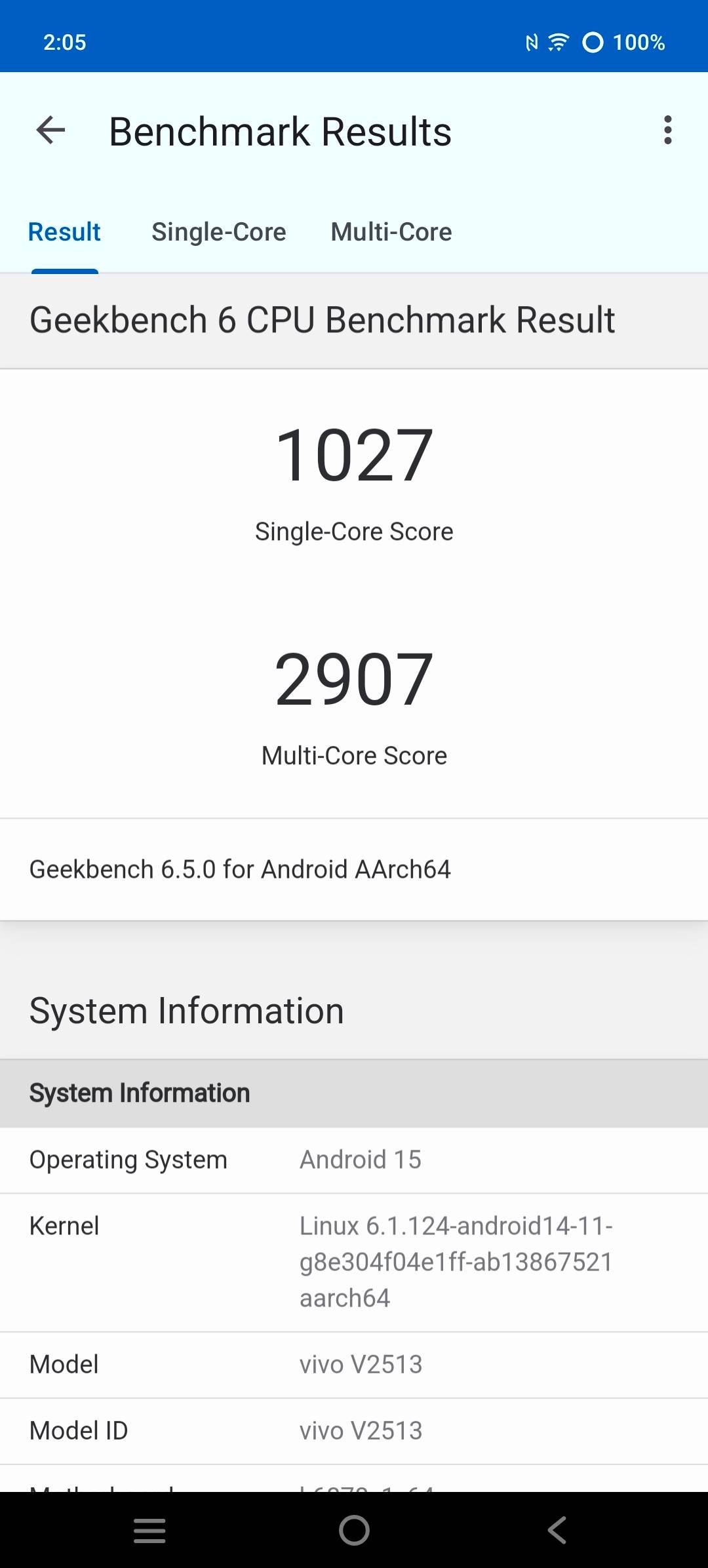
The MediaTek Dimensity 7360 Turbo chipset powers the Vivo V60e. The processor is paired with up to 12GB of LPDDR4X RAM and up to 256GB of UFS 2.2 internal storage. It will run on Funtouch OS 15, which is based on Android 15, and Vivo has promised three major OS updates and five years of security updates, which is pretty decent.
Though the inclusion of “Turbo” in its name suggests a performance uplift, the chip is similar to the Dimensity 7300. The latter is a common chipset in the sub-Rs 20,000 segment. The Dimensity 7360 Turbo will likely struggle against competitors like the Dimensity 8350 (Motorola Edge 60 Pro) and Snapdragon 8s Gen 3 (iQOO Neo10R) found in this price segment. However, this isn’t new for the “e” series, which tends to prioritise lifestyle features over raw power, and it should still prove adequate for day-to-day use, especially those who prioritise content creation instead of power-hungry use cases like gaming.
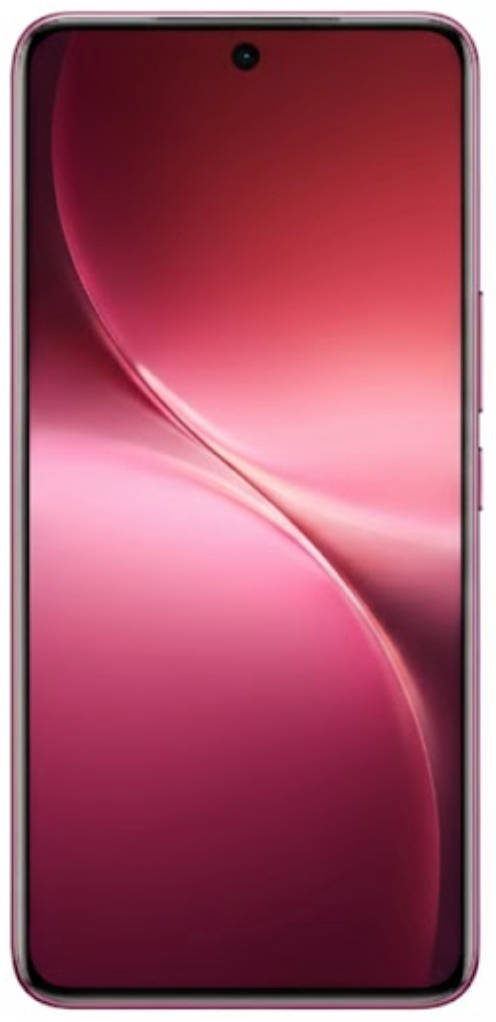
For visuals, it offers a 6.77-inch quad-curved AMOLED display with a 120Hz refresh rate, which should provide a smooth experience for both regular use and media consumption. The panel also supports HDR10+, so OTT content on platforms like Netflix and Amazon Prime should look great. The peak brightness sits at 1600nits and while not very high, it should still offer clear visuals under harsh lighting.
Perhaps an understated but significant advantage is its design and durability. Despite its large battery, the phone is very sleek at just 7.49mm thick and weighs only 190 grams, making it surprisingly easy to handle. It is also secure against high-pressure, hot water jets with both IP68 and IP69 resistance.
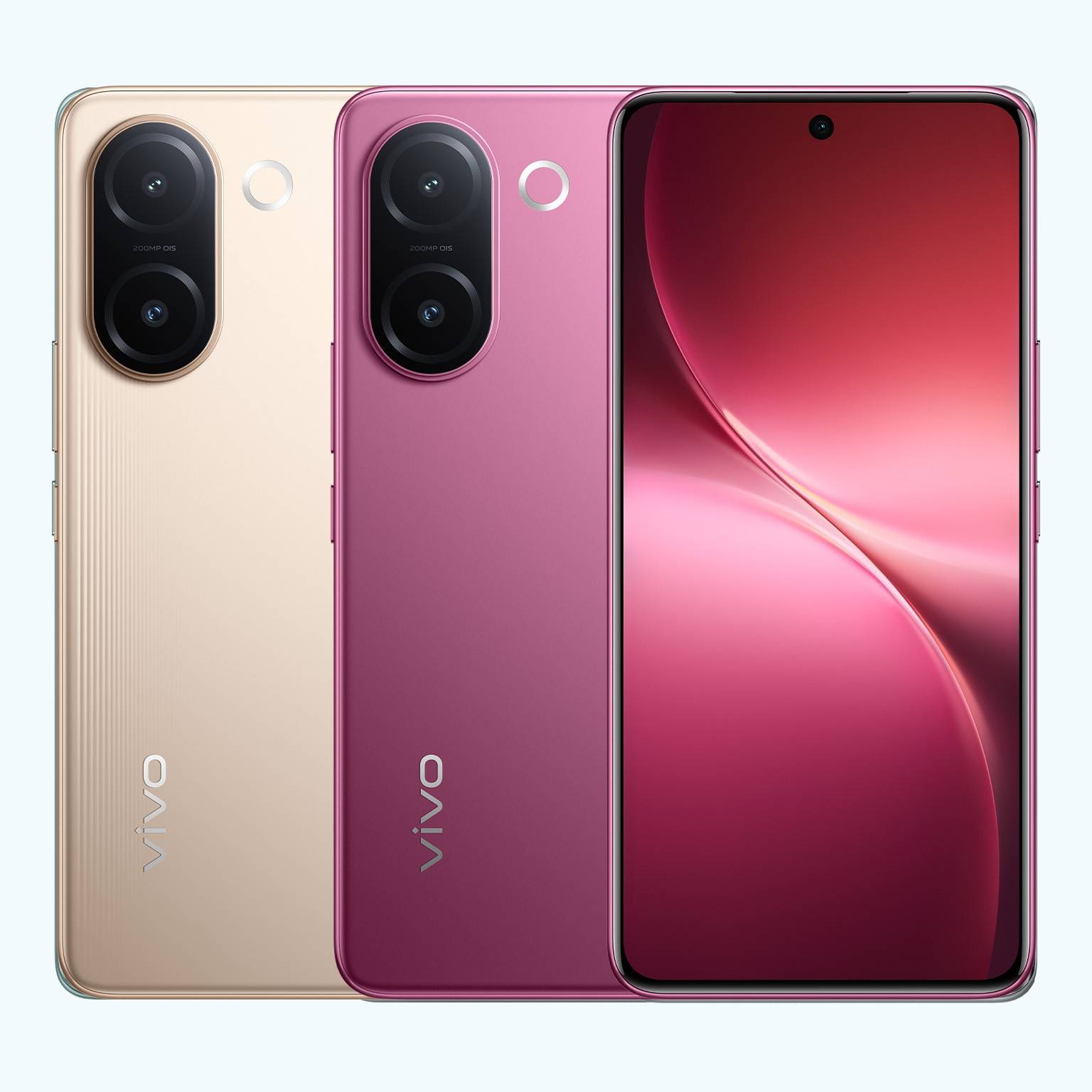
So, who is the Vivo V60e for? If you’re someone who values a capable camera system, long battery life, and a design that stands out, this phone fits the bill. Vivo is clearly aiming this one at festive-season shoppers and social media creators who prioritise style and dependability over raw speed. The 200MP camera and large 6,500mAh battery give it an edge for all-day photography and vlogging, while the slim, durable build adds premium appeal. That said, its chipset may leave power users wanting more.
At Rs 29,999, the V60e makes sense if your priorities lean toward design and camera experience. However, if performance is your top concern, you might want to consider alternatives like the iQOO Neo 10R or wait for seasonal offers to bring better value.
vivo V60e Images