Vivo has pushed its V-series into a new bracket this year, with a higher price point, a refreshed design, and Snapdragon chipsets. The Vivo V70, which is the more affordable of the two models, now starts at Rs 45,999, up from the V60‘s launch price of Rs 36,999. This places the V70 firmly in the premium mid-range and sub-flagship space, alongside newer rivals like the OPPO Reno 15 and Realme 16 Pro+.
To put this shift into perspective, we compare the Vivo V70 with the Reno 15 to better understand what this category now offers. Interestingly, both phones offer near-identical specs. Let’s find them out in detail.
Table of Contents
Pricing
Both the Vivo V70 and OPPO Reno 15 have the same starting price of Rs 45,999 for the same 8GB + 256GB variant. One advantage that OPPO has here is another memory variant with 12GB RAM and 512GB storage. Check out the table below for a breakdown of their prices and variants.
| Variant | Vivo V70 price | OPPO Reno 15 price |
| 8GB + 256GB | Rs 45,999 | Rs 45,999 |
| 12GB + 256GB | Rs 49,999 | Rs 48,999 |
| 12GB + 512GB | NA | Rs 53,999 |
Design, display
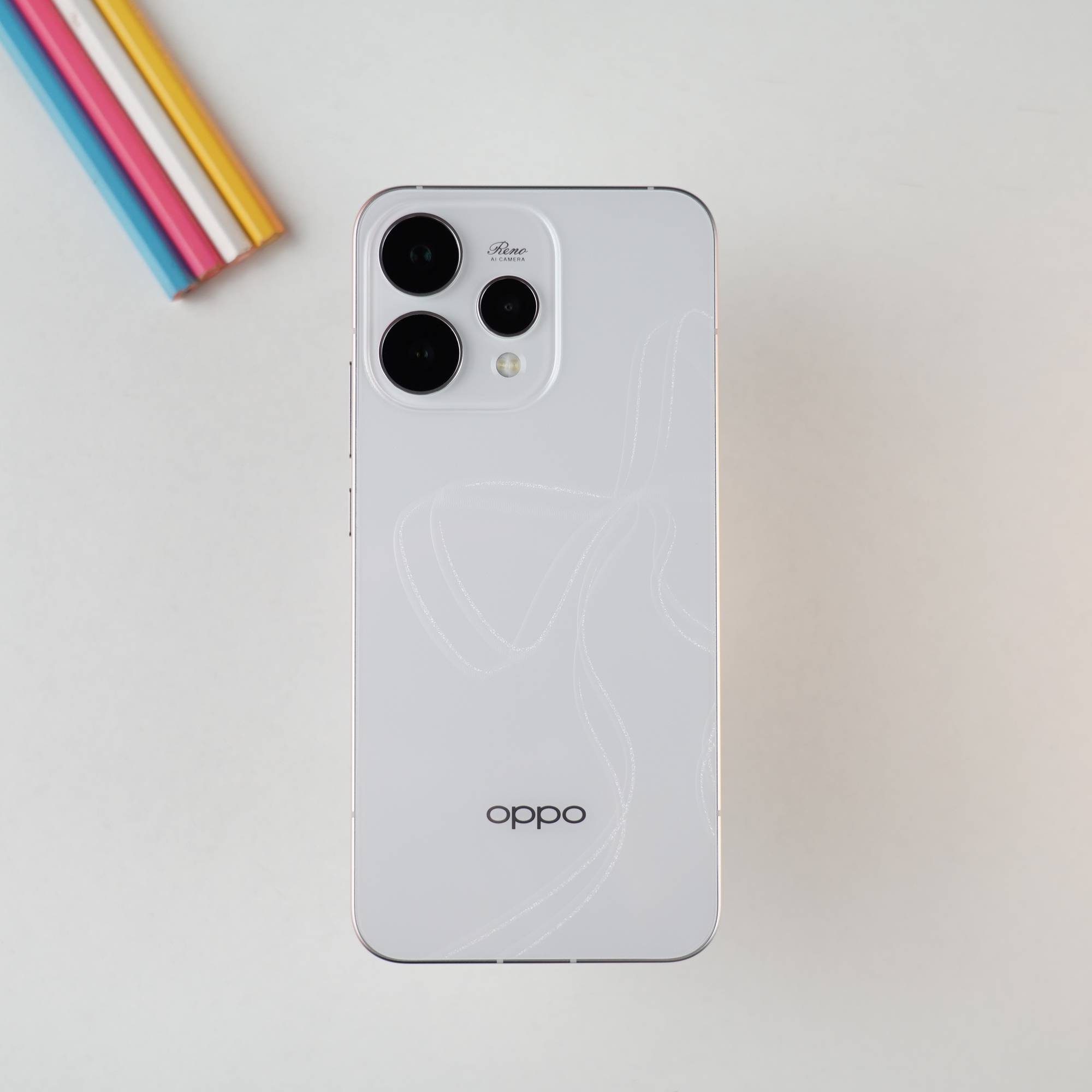
Interestingly, the Vivo V70 looks quite similar to the Reno 15. This is based on the same flat display and metal frame. Even the square-shaped camera island is strikingly similar on both phones. One difference would be that OPPO has paid very close attention to detail, especially in the camera island and the back panel, with HoloFusion technology that renders 3D visual effects of the pattern on the background. Overall, it has a very premium, pretty design. That’s not to say the Vivo V70 isn’t pretty, but if you’re more into aesthetics, then the Reno 15 might be the better choice.

It also has three IP ratings (IP66, 68, 69) as opposed to the Vivo V70, which has IP68 and 69 protection against dust and water.
Both phones are quite compact, though with the same 6.59-inch display and very thin bezels. Specs are also similar to a 1.5K resolution and 120Hz refresh rate. Peak brightness might make a difference, as the V70 is claimed reach 5,000 nits, while the Reno 15 caps at 1,200 nits.
Overall, both phones offer a similar design and display specs, so the ultimate decision might come down to preference.
Performance
The Vivo V70 uses the Qualcomm Snapdragon 7 Gen 4, which is the same as the V60. So there’s no generational leap in performance here, but the phone should be good enough for regular to moderate usage. We’ll get a better idea once we review the device. You get up to 12GB of RAM with the V70, which is good for running multiple apps, AI features, and gaming.
Interestingly, the OPPO Reno 15 also uses the same Snapdragon 7 Gen 4 chipset. This means that you should get a similar performance on both phones. Based on our review, the Reno 15 can easily handle regular usage, but extensive tasks may put it under pressure.
While it’s still premature to draw a direct comparison between the two, you shouldn’t find a big difference in terms of performance. Any of the phones should be fine as a daily driver.
Cameras
For optics, the Vivo V70 features a Zeiss triple-camera setup with a 50MP Zeiss telephoto lens with 3x optical zoom, a 50MP OIS main camera, and an 8MP ultra-wide lens. For selfies, you get a 50MP front camera on the V70.
The Reno 15 also has a triple-camera setup featuring a 50MP primary sensor, an 8MP ultra-wide lens, and a 50MP telephoto lens with 3.5x optical zoom. The selfie camera is also a 50MP on the Reno 15. You’re getting an identical camera setup on both phones, but the Reno 15 has a tiny advantage of .5x optical zoom for better details in zoom shots and portraits. It could be a negligible difference though.
Vivo also offers several AI-powered features such as AI Floral for petal shower effects, AI Weather Magic for stylised environmental portrait effects, and AI Holi Portrait for creative colour-themed imagery. So you’d have a lot of features to play around with the V70.
Battery
Again, the Vivo V70 and Reno 15 offer the same 6,500mAh battery. In terms of battery capacity, this is a pretty good number and should easily last through an entire day. Fast charging is also almost the same with the V70 getting a slightl head start with 90W over the Reno 15’s 80W speed. Here too, the battery life should be almost the same on both phones but you may want to choose the V70 for a slightly faster charging support.
Software
Both phones run the latest Android 16 version with OriginOS (Vivo) and ColorOS 16 (OPPO) out of the box. The ultimate choice might come down to personal preference but you’re getting a fluid and seamless UI on both phones with multiple customisations and AI features.

OPPO gives five years of OS upgrades and 6 years of security updates. With the V70, it’s 4 years of OS upgrades and six years of security updates. So if you’re planning to use the phone for a very long time then the Reno 15 would be a better option.
Summing up
The Vivo V70 and Reno 15 are like identical twins at this point. There isn’t much to differ between the two other than their minor differences in design, cameras, display, and charging speed. Both phones also cost the same so the decision might seem quite confusing. Since we haven’t reviewed the V70 yet, we can’t give a proper verdict yet but choosing either of the phones might boil down to those tiny differences but the overall experience seems to be very similar.
If you prioritise long-term software support, the Reno 15 offers a confirmed advantage. If faster charging is your main concern, the V70’s specs suggest it could be a strong contender, but waiting for reviews is advisable.