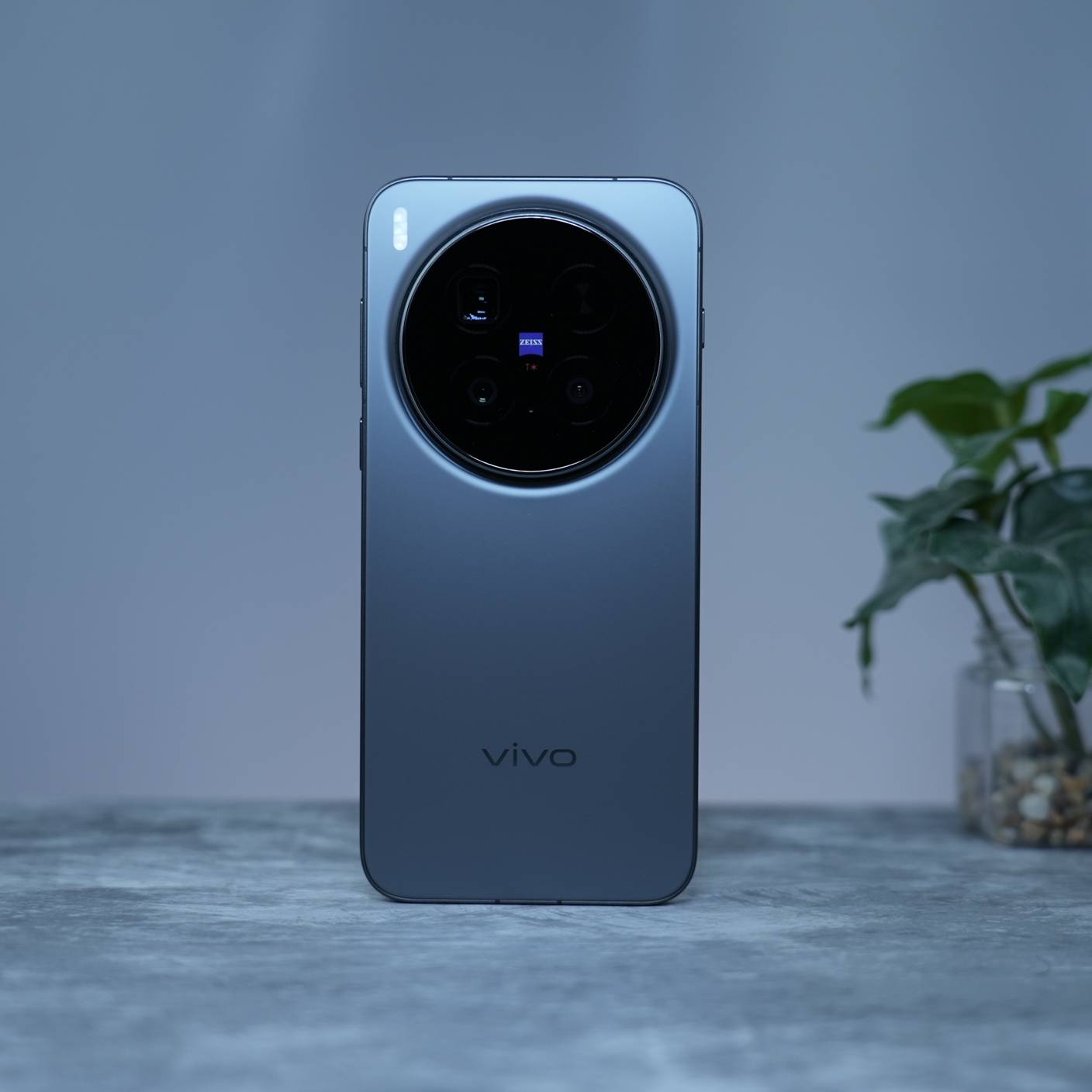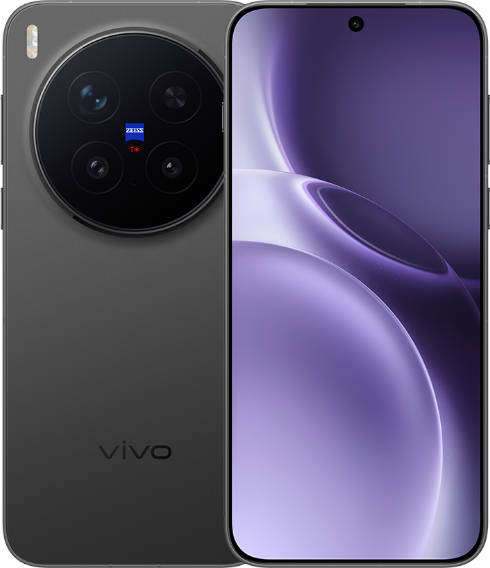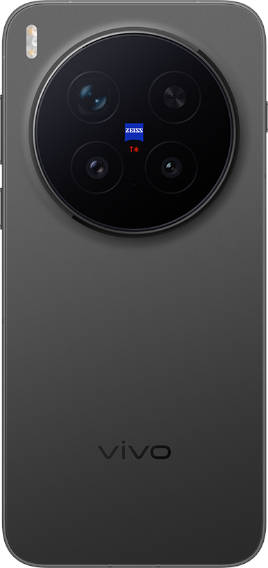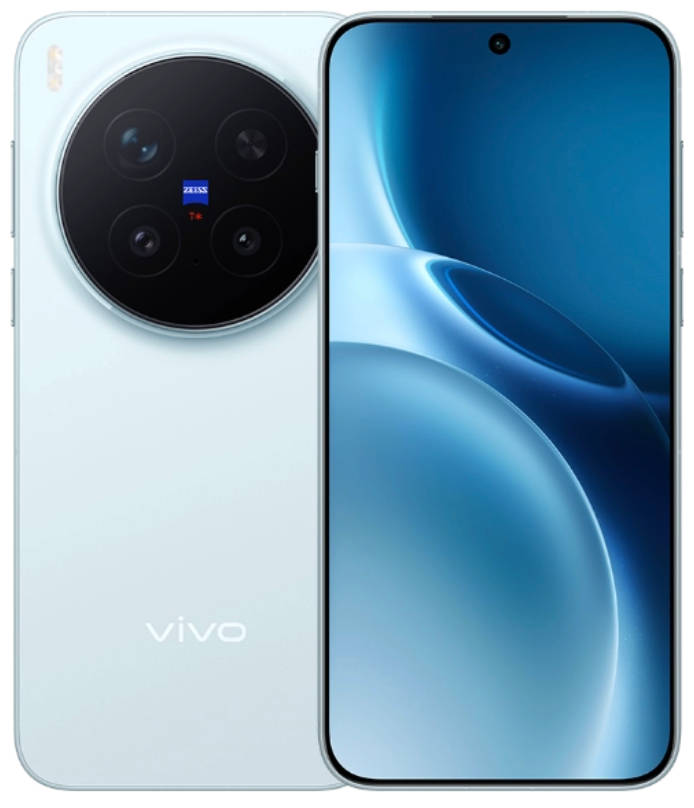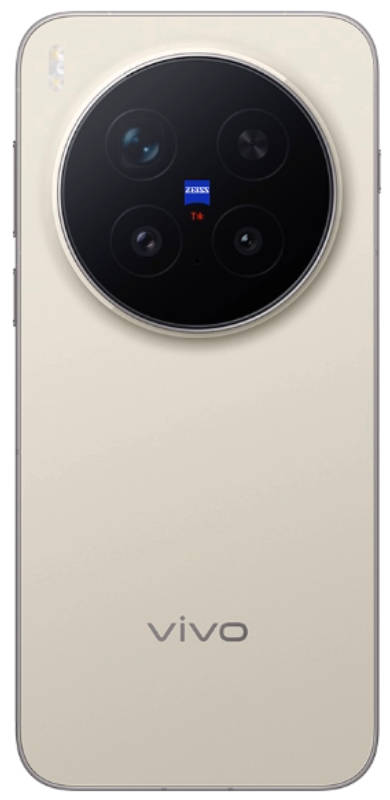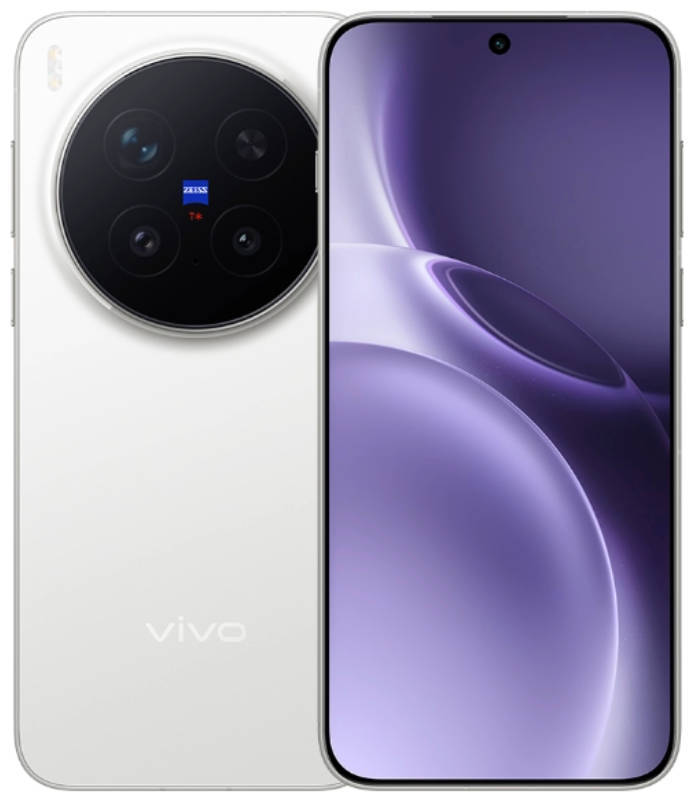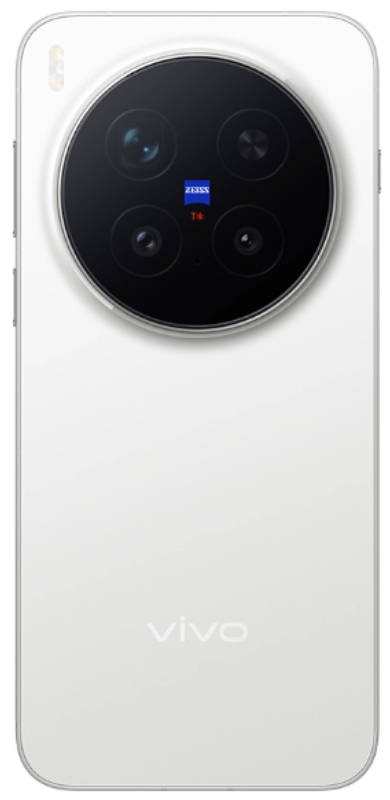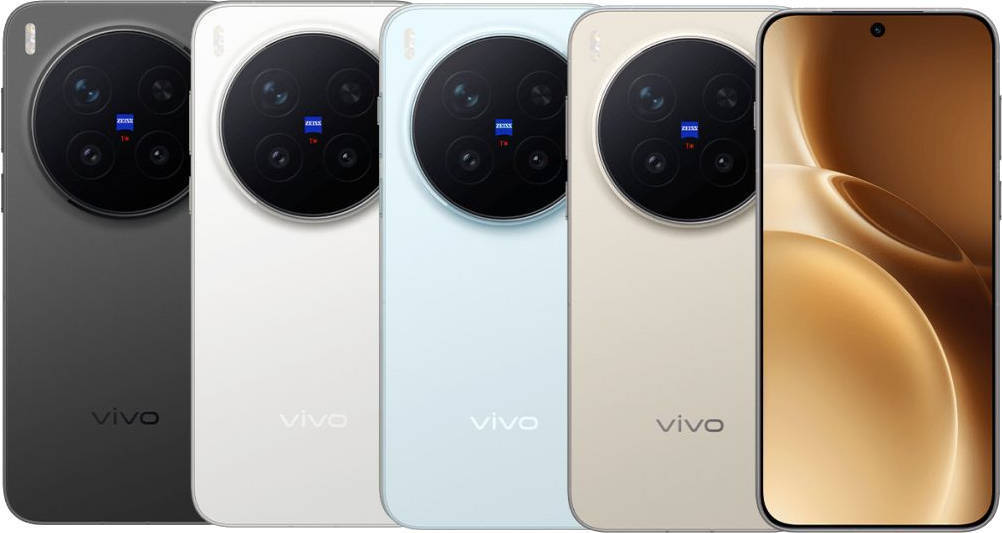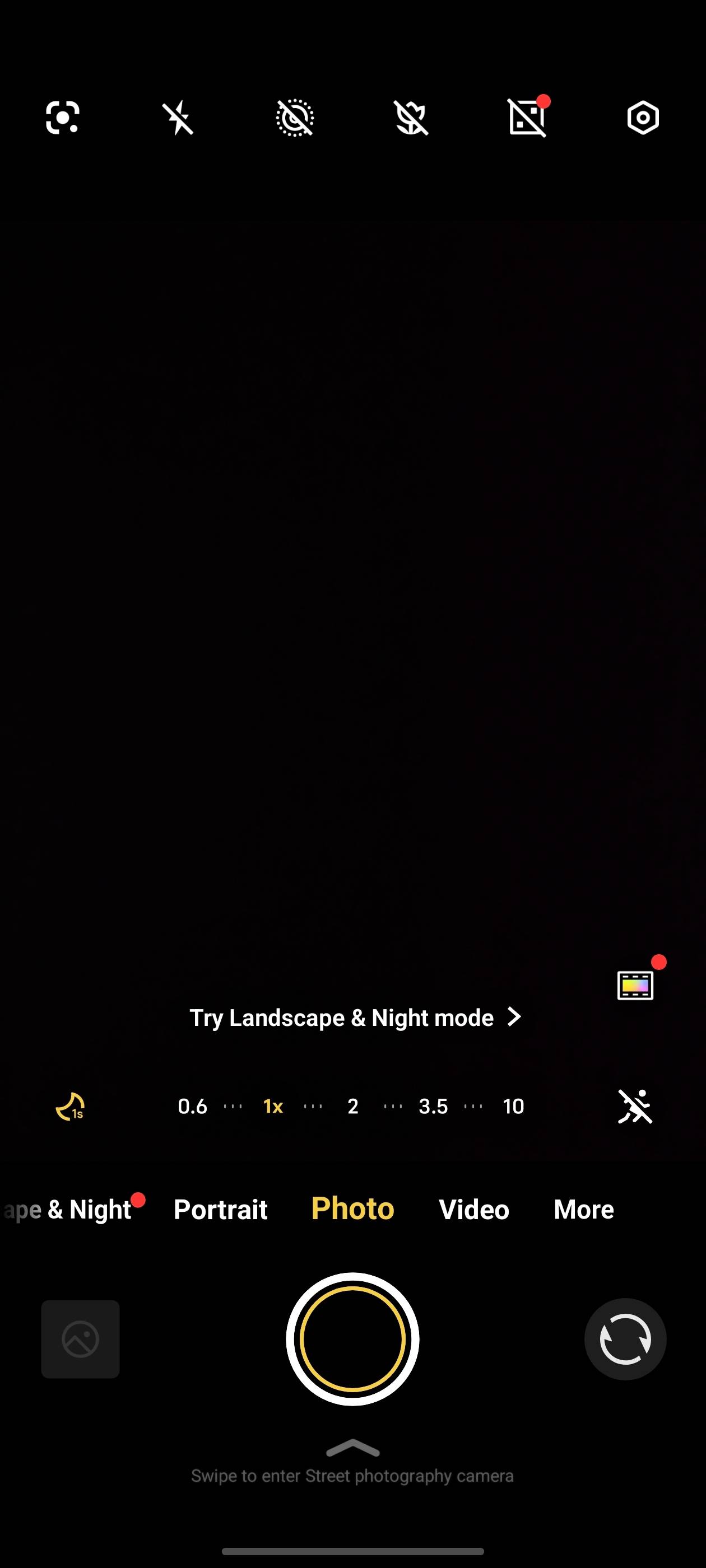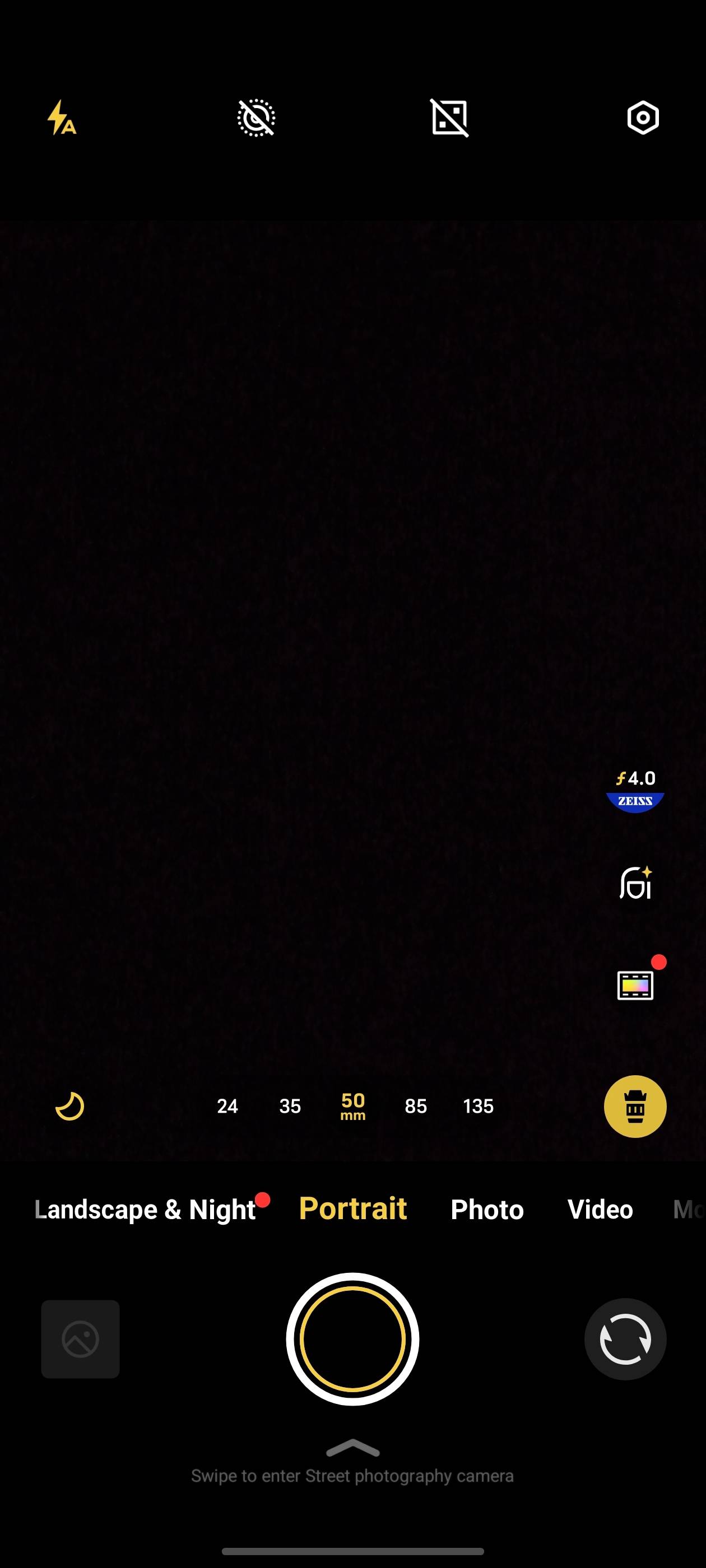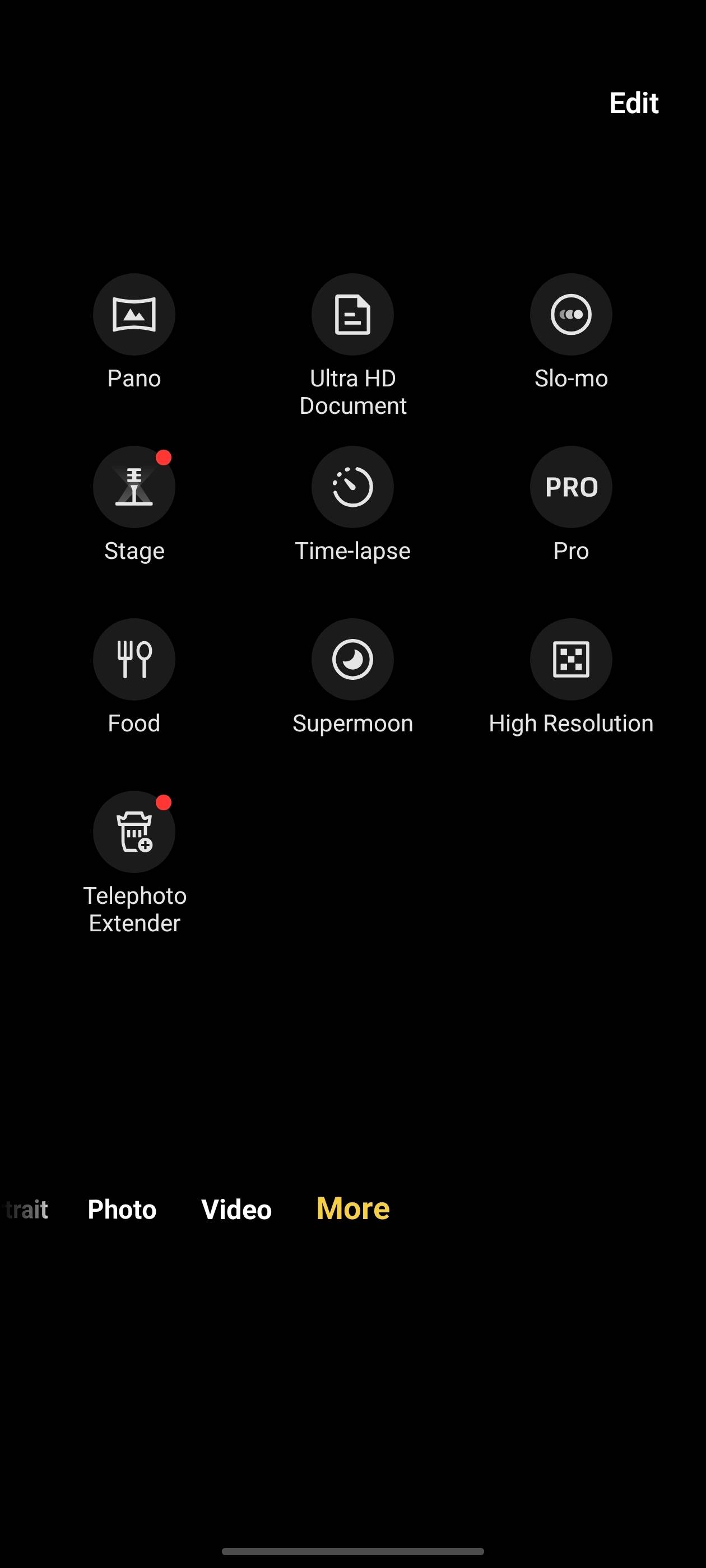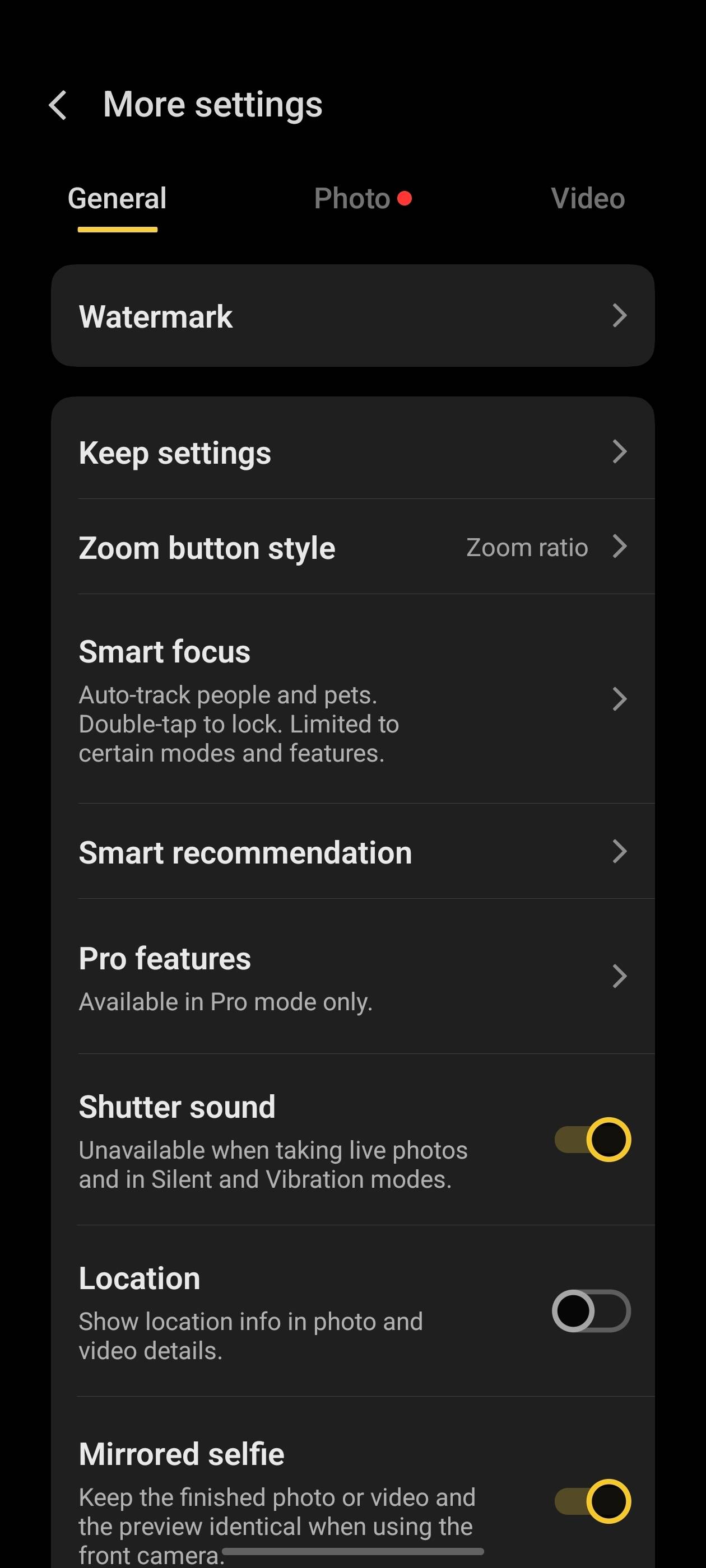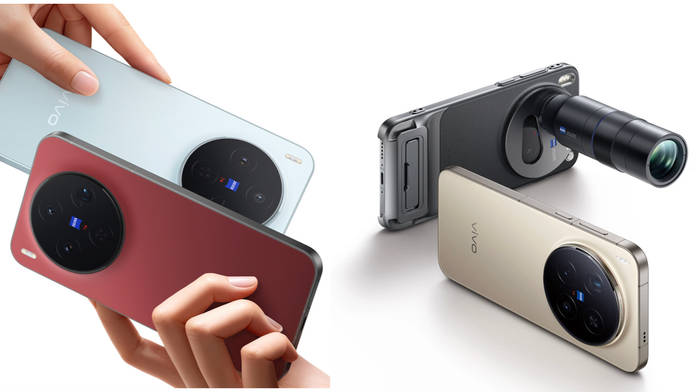
Vivo has launched its flagship X300 and X300 Pro smartphones in India, bringing with them the former China-exclusive OriginOS software skin to the country for the first time. The phones were announced last month in China, and the Indian variants have retained the spec sheet. Vivo is positioning the X300 series as camera-first flagships, supported by accessories and longer software support.
Compared to the X200 lineup, the X300 brings several meaningful upgrades: a more efficient Dimensity 9500 chip, newer camera sensors, faster 40W wireless charging up from 30W, and OriginOS replacing Funtouch OS. This year, the telephoto systems are more ambitious, and Vivo is also offering a Zeiss 2.35x Telephoto Extender Kit.

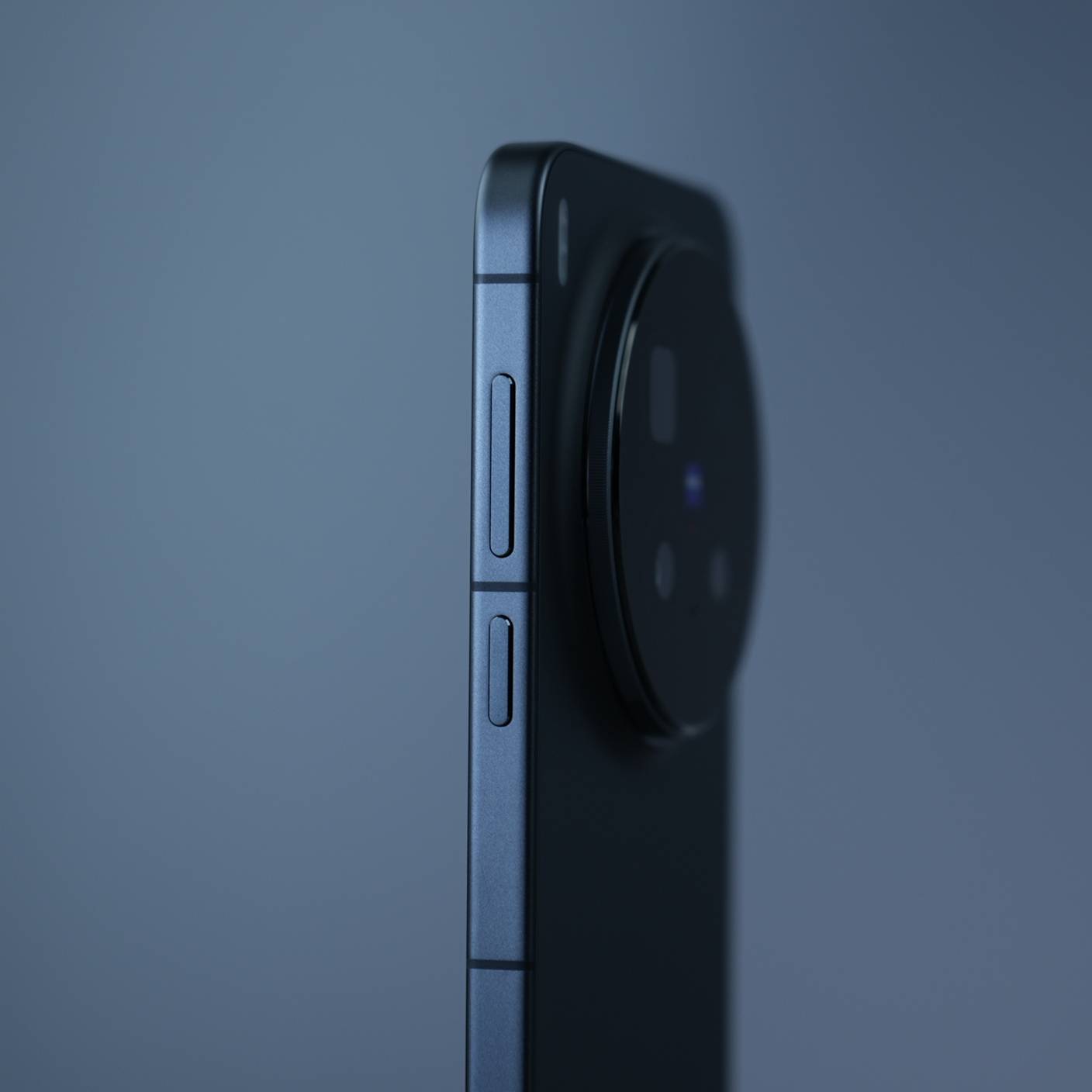
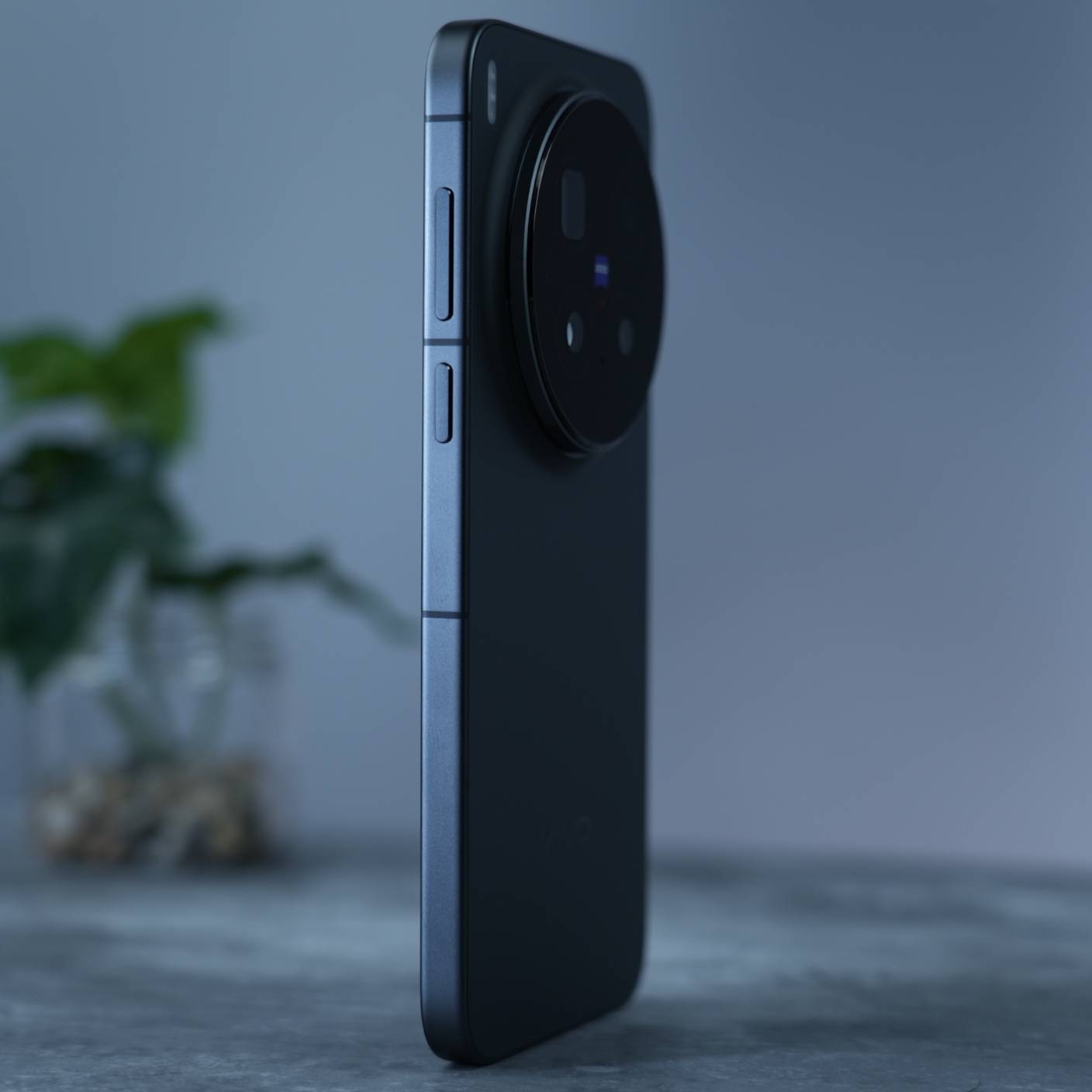
The design of the X300 series feels familiar but more polished. Vivo keeps the circular camera ring at the back but softens the overall shape with smoother edges, slimmer bezels and a matte finish that’s meant to help with grip. The regular X300 now uses a smaller 6.31-inch 8T LTPO AMOLED display, similar to last year’s X200 Pro Mini. This hints that Vivo might not release a Mini model this time, turning the X300 into its compact flagship. The X300 Pro goes bigger with a 6.78-inch display like the X200 Pro’s panel. Both screens support 120Hz adaptive refresh, and Vivo has upgraded to an ultrasonic in-display fingerprint sensor, a clear improvement over the optical scanners used in the X200 series.
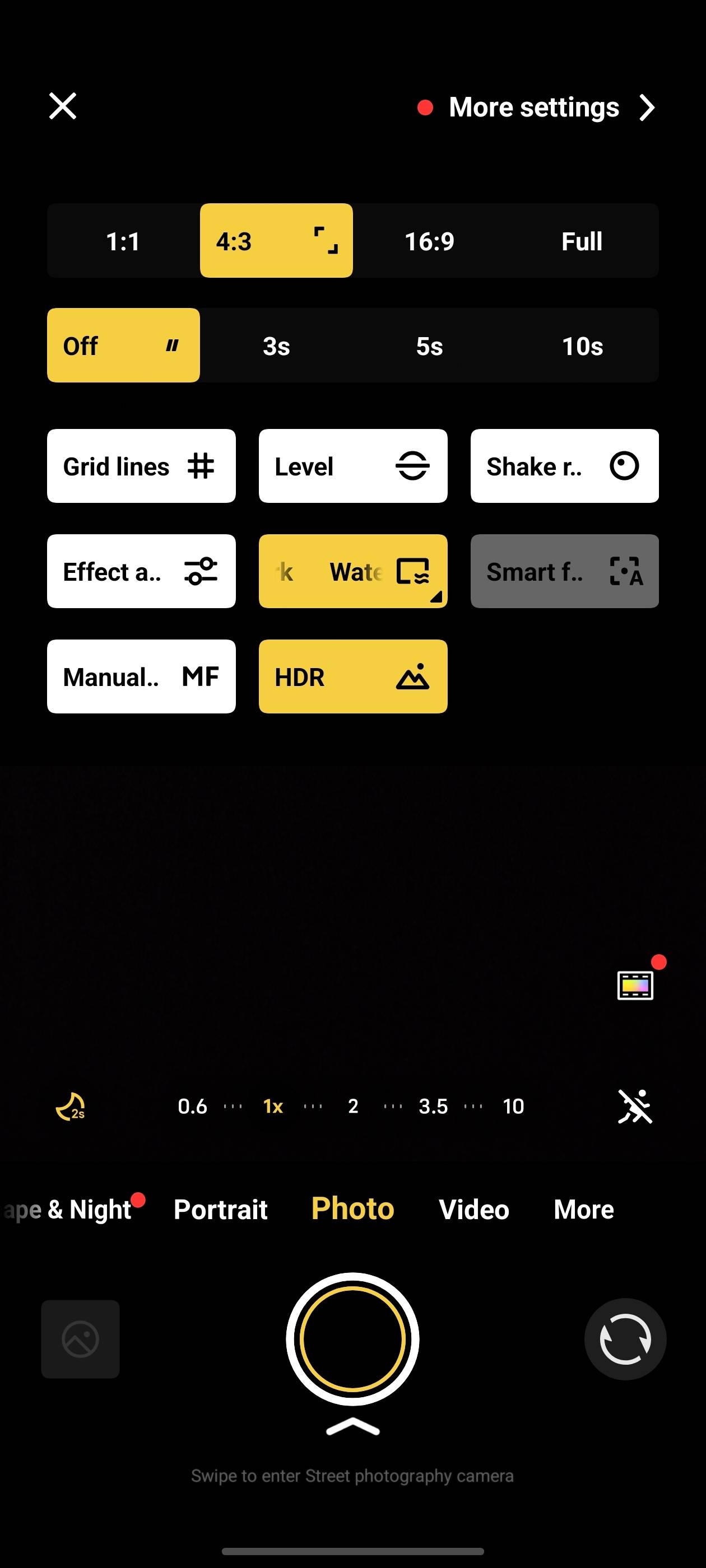
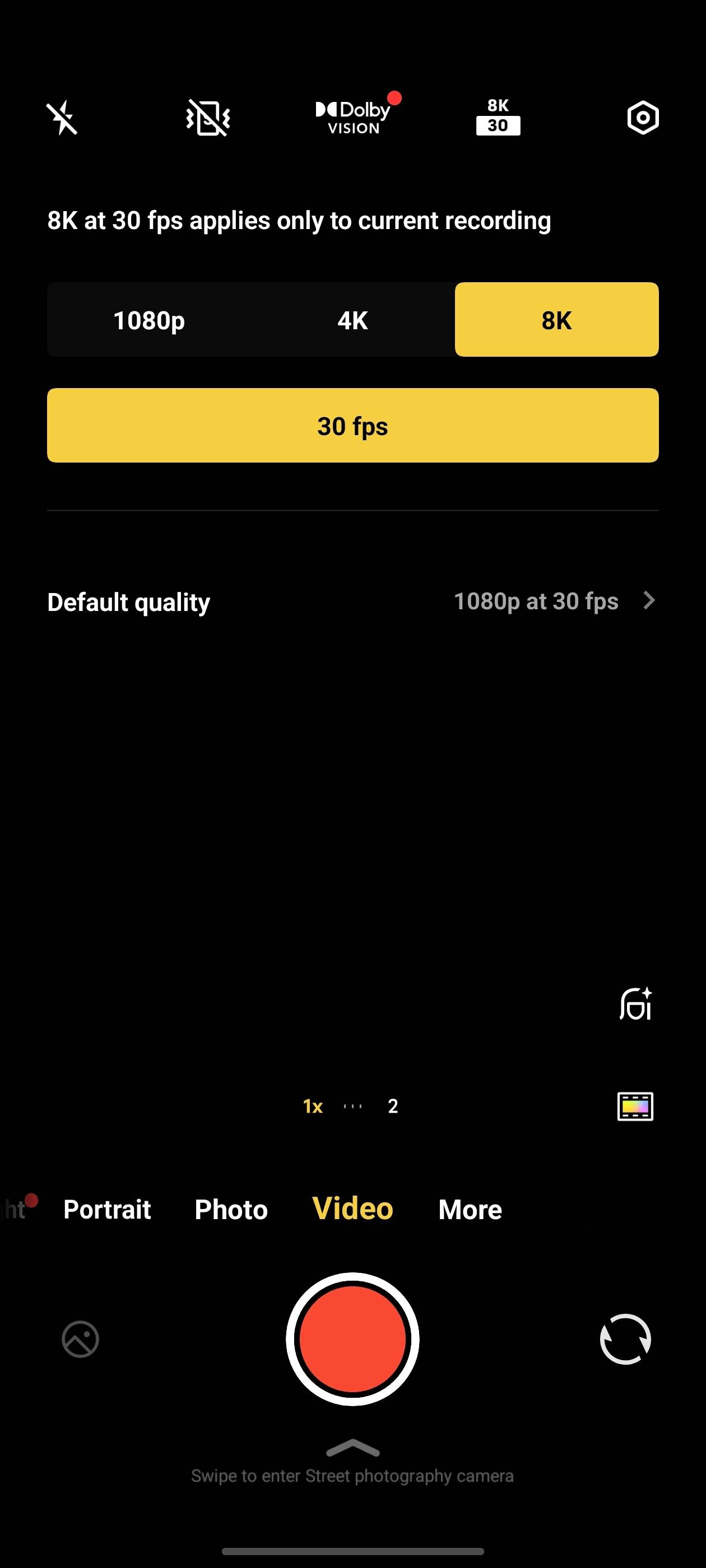
Where Vivo puts the most energy, as always, is its Zeiss camera system. The X300 gets a 200MP Samsung HPB main sensor, paired with a 50MP telephoto and 50MP ultrawide. The X300 Pro flips things around, using the 200MP sensor for telephoto work and relying on a 50MP Sony LYT-828 for main camera duties. Both phones share a 50MP JN1 front camera. This X-series lineup is traditionally built for strong imaging backed by heavy computational photography and the presence of additional hardware in the form of VS1 and VS+ imaging chips on the Pro back that. Other software additions include 4K/120fps Dolby Vision video capture via all three rear cameras, support for 200MP output in more modes, and new video styles.

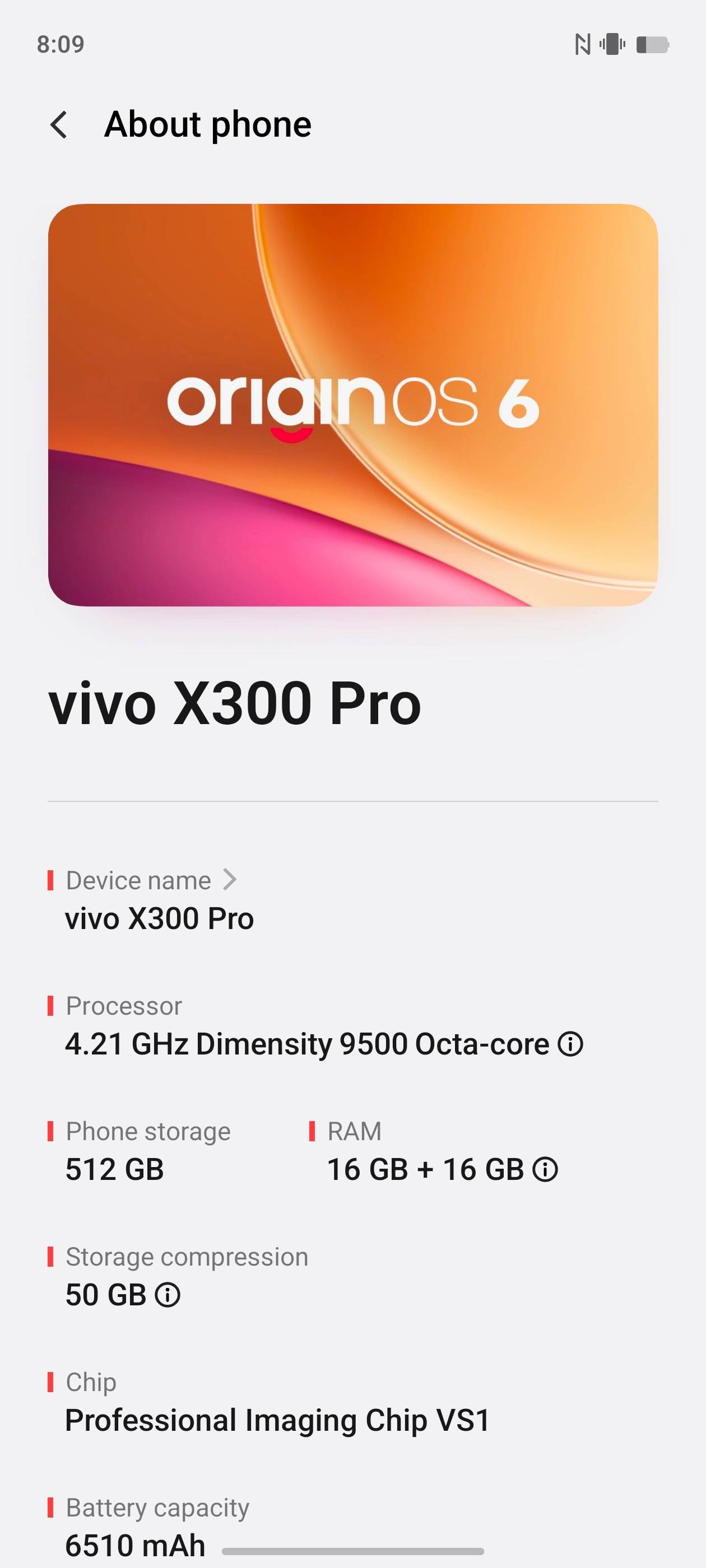
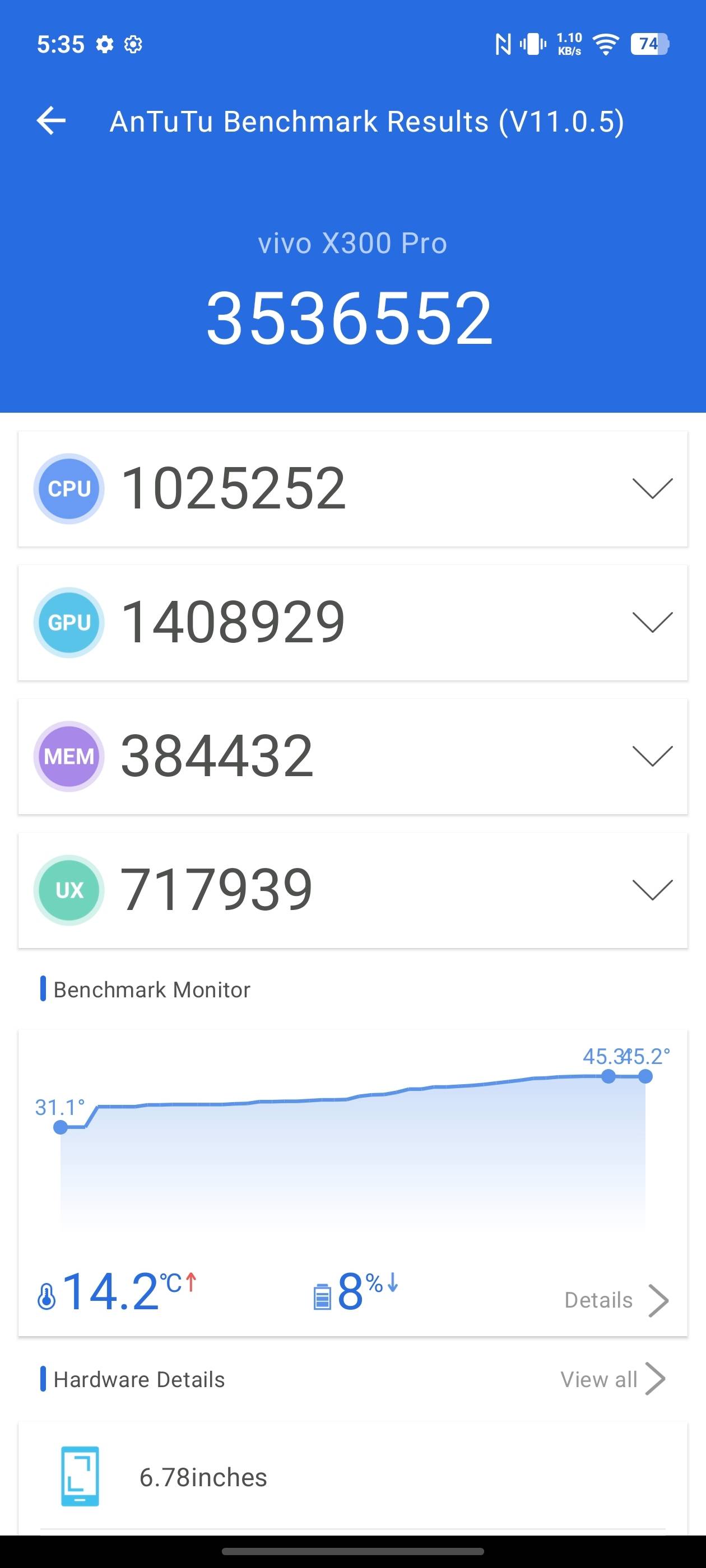
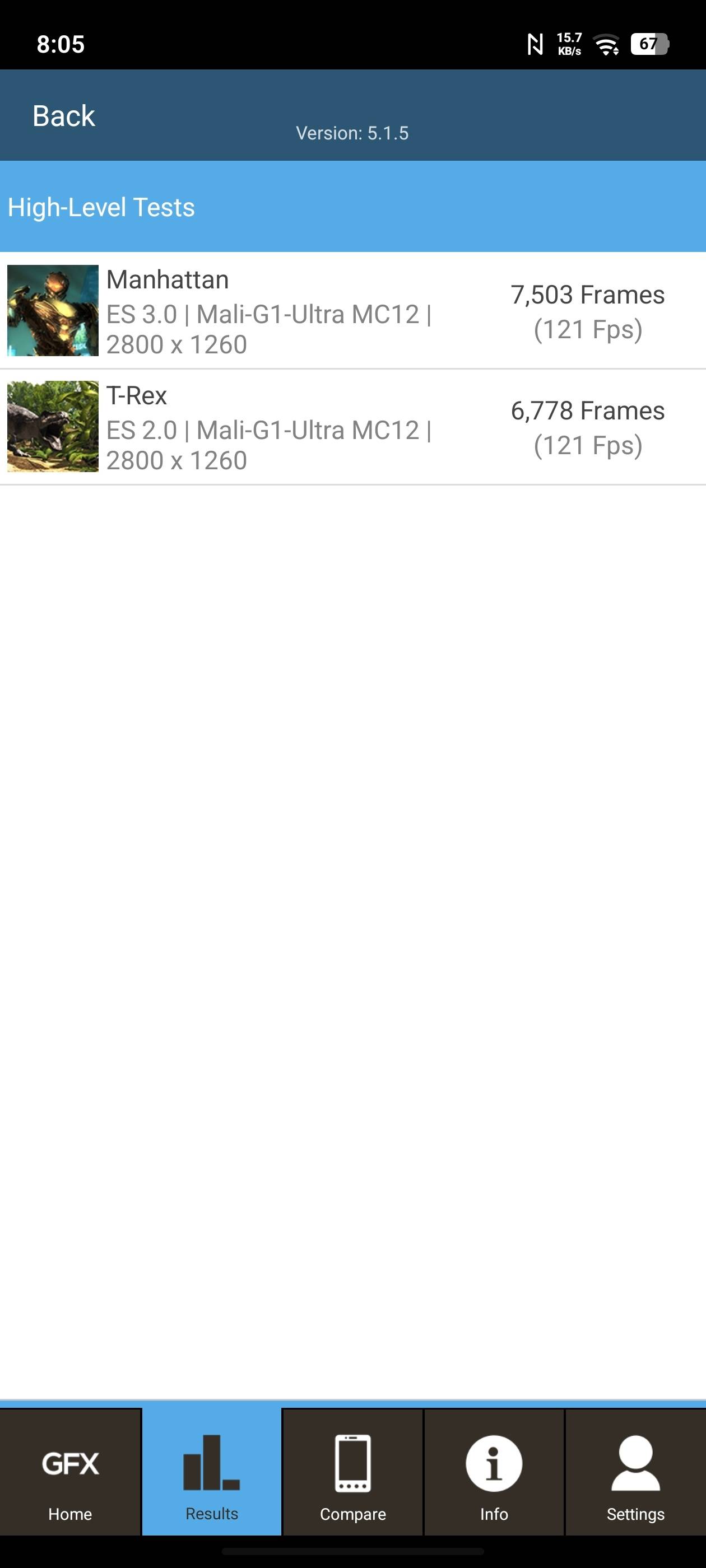
Inside, both the Vivo X300 and X300 Pro run the MediaTek Dimensity 9500 chipset, devised to take on Qualcomm’s Snapdragon 8 Elite Gen 5. We’ve seen the chipset on the OPPO Find X9 series, and how Vivo optimises software to pull maximum gains from the processor is something our review will discuss in detail.
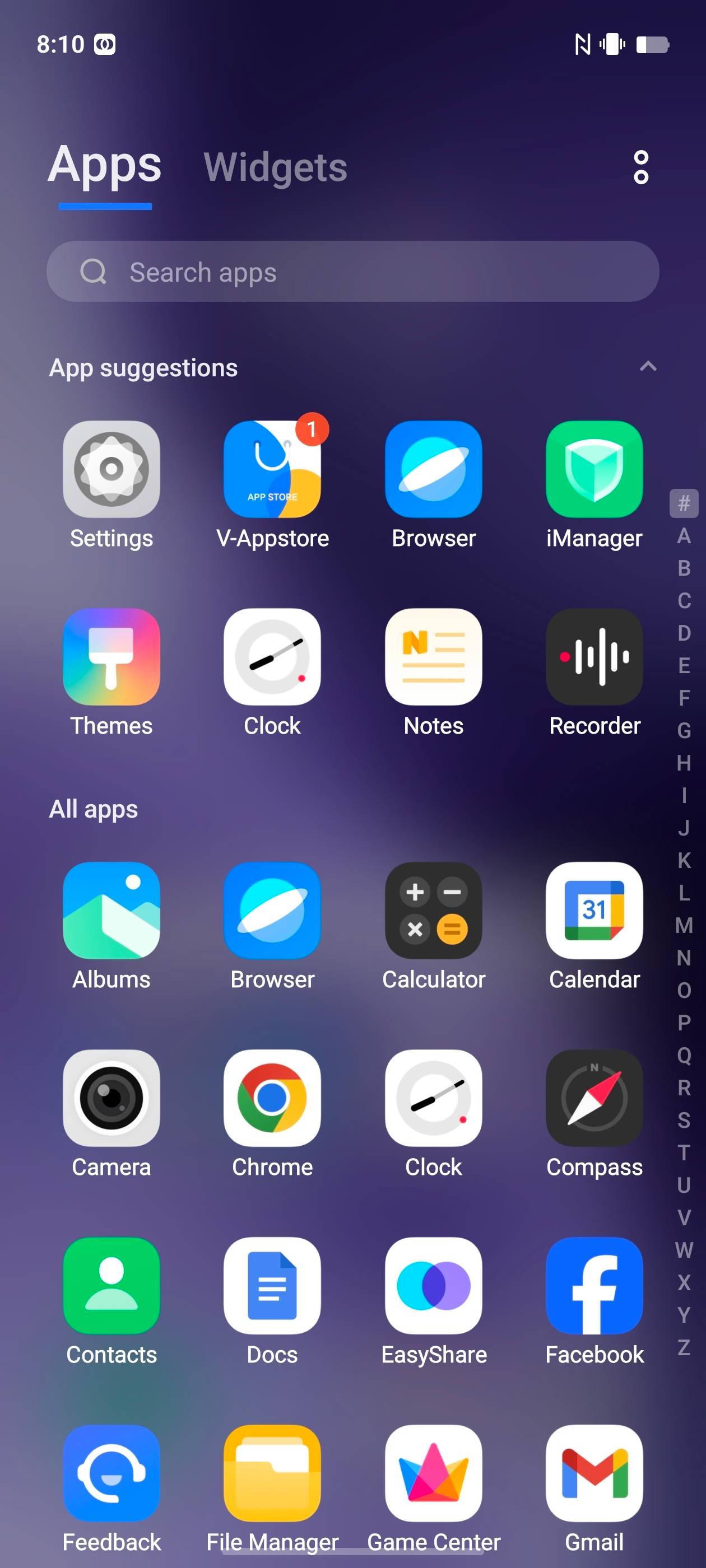
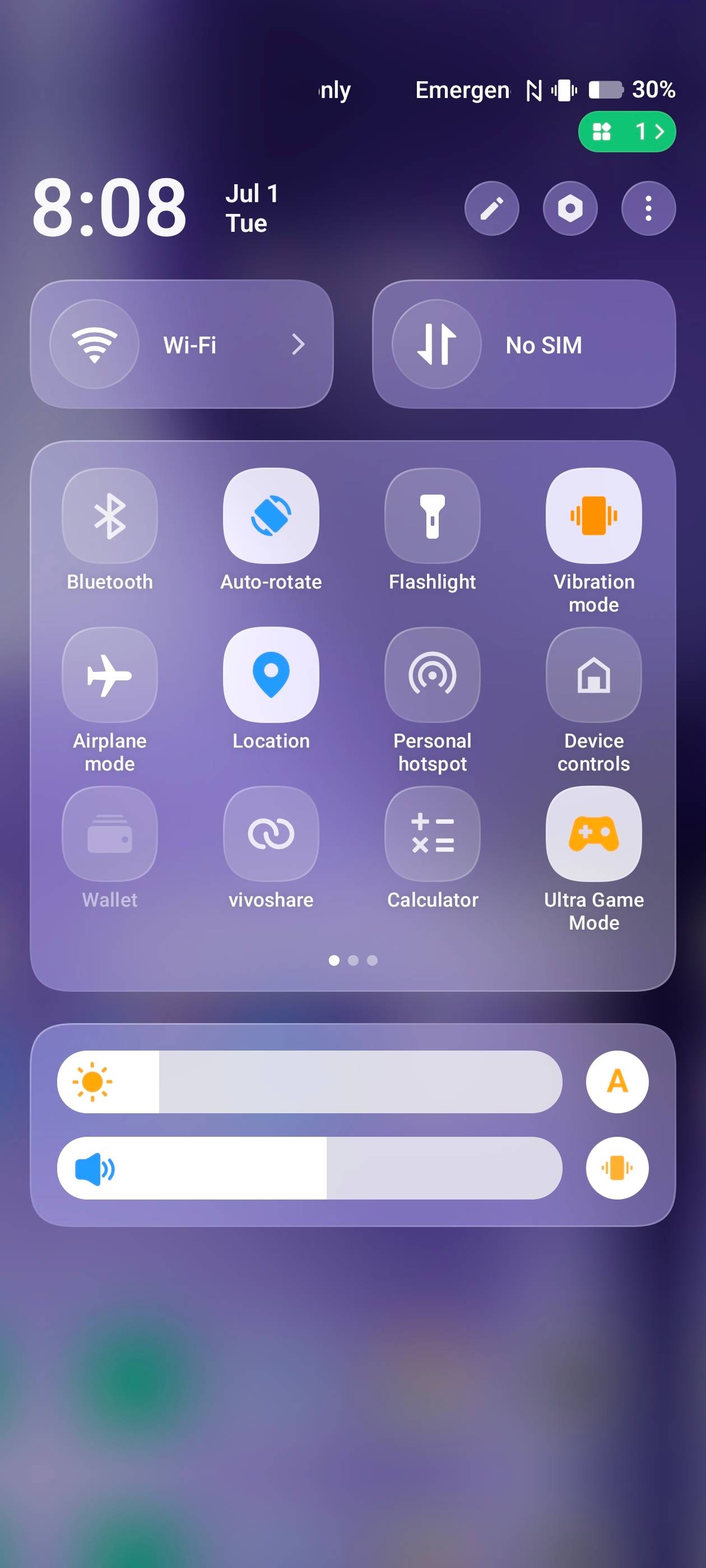
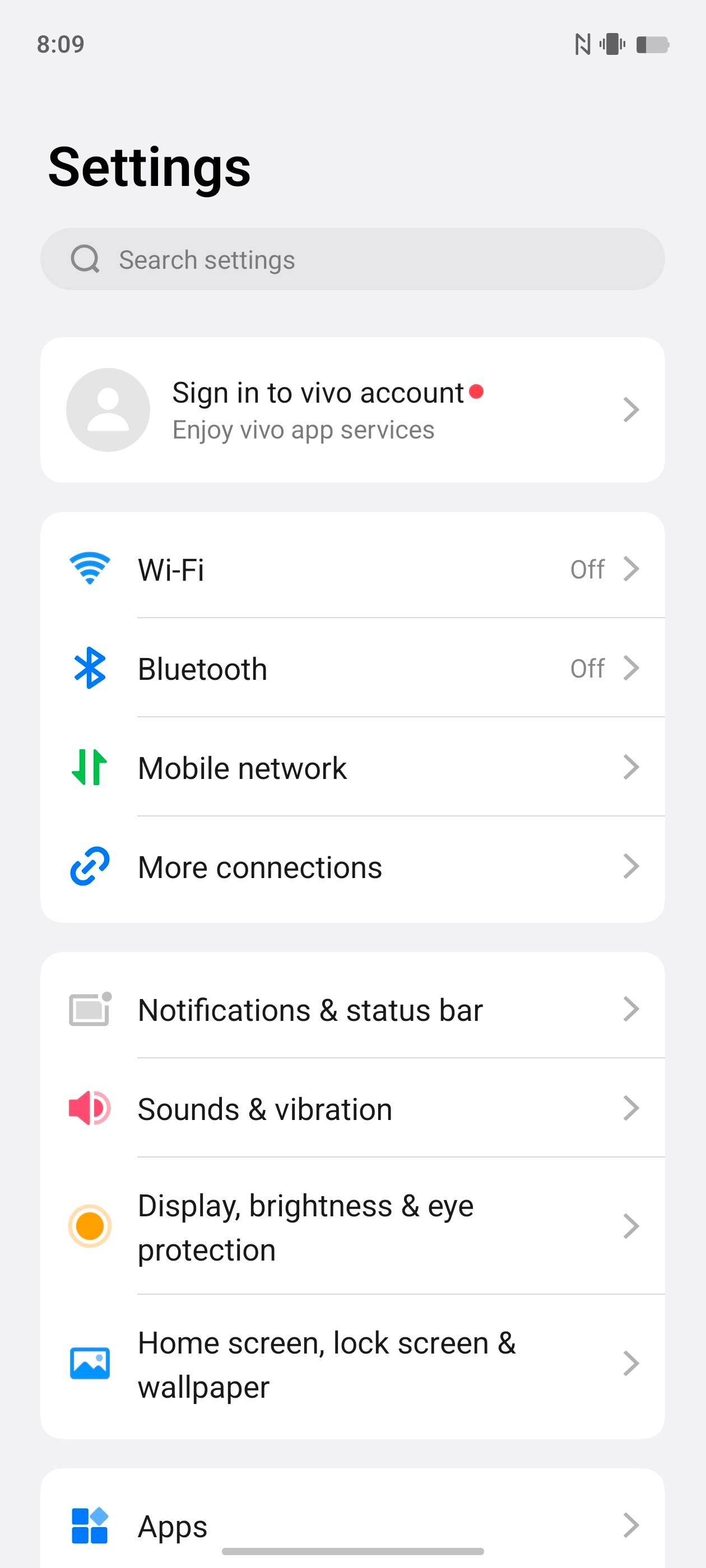
Perhaps the most meaningful upgrade this year doesn’t come from hardware but from software. The X300 series debuts OriginOS 6 globally, replacing Funtouch OS. This is a big shift for Vivo users. OriginOS has a cleaner look, fewer animations, and smoother transitions, something that global buyers have long wanted. Vivo is also extending software support to five years of OS updates and seven years of security patches, matching leaders like Samsung and Google, and something that Chinese OEMs have also started doing with their flagships of late. With that, Vivo signals it wants to be taken seriously not just for hardware but also for long-term reliability.
The X300 series will compete with the OPPO Find X9 series, OnePlus 15, iQOO 15 and Realme GT 8 Pro. The OPPO Find X9 series, which uses the same MediaTek chip as the X300 series, leans heavily on its Hasselblad partnership for colour science. Vivo’s decision to go with Samsung’s HPB sensor suggests the brand is aiming for sharper telephoto results and better low-light output, apart from chasing natural colours.
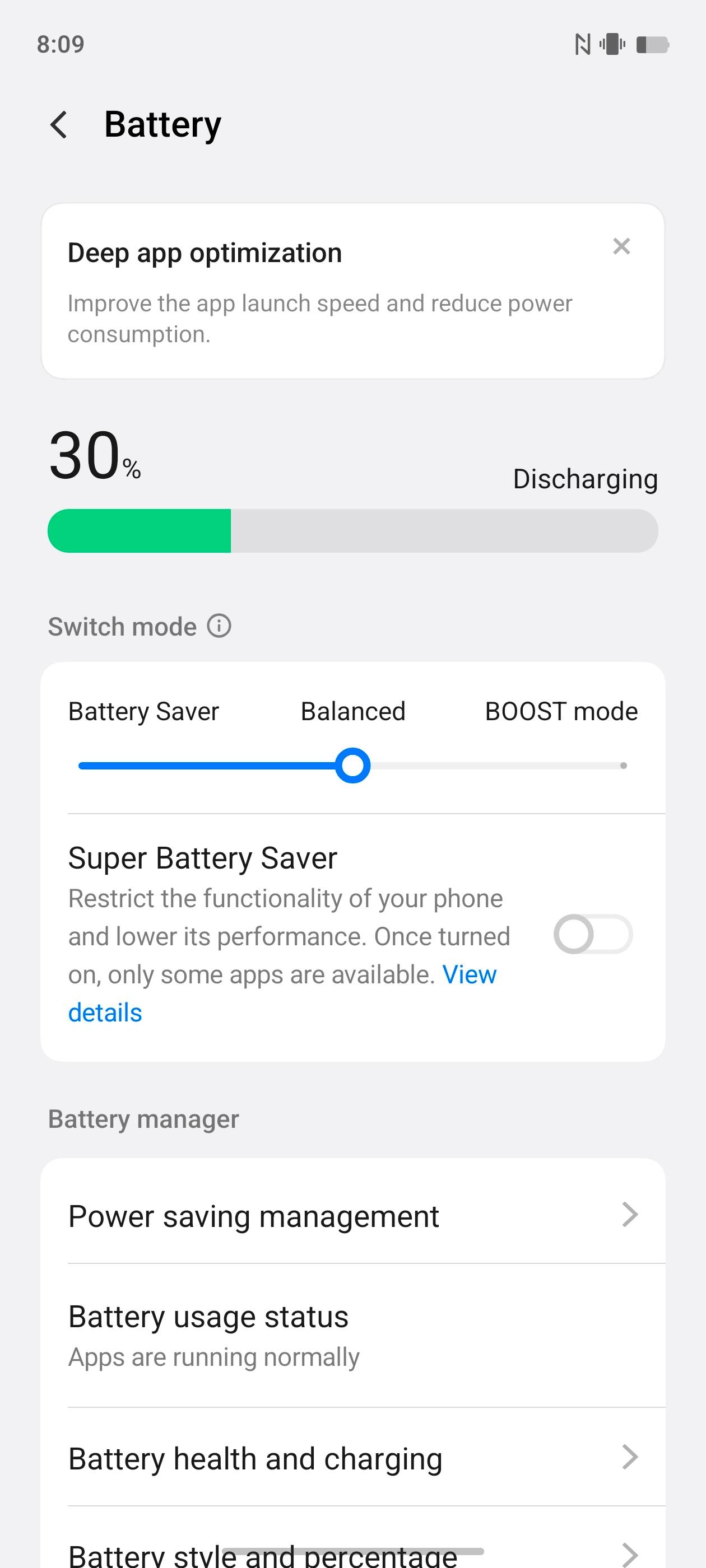
In India and China, Vivo is shipping the X300 with a 6,040mAh battery and the X300 Pro with a 6,510mAh unit with 90W wired and 40W wireless charging on both. However, globally, these dropped to 5,360mAh and 5,440mAh due to certification challenges, but the Indian variants are getting the bigger batteries. However, OPPO pushed battery tech harder this year with the Find X9 series crossing the 7,000mAh mark. OnePlus, Realme and iQOO did the same with the OnePlus 15, Realme GT 8 Pro and iQOO 15. By comparison, Vivo sits a little behind on endurance, at least on paper.
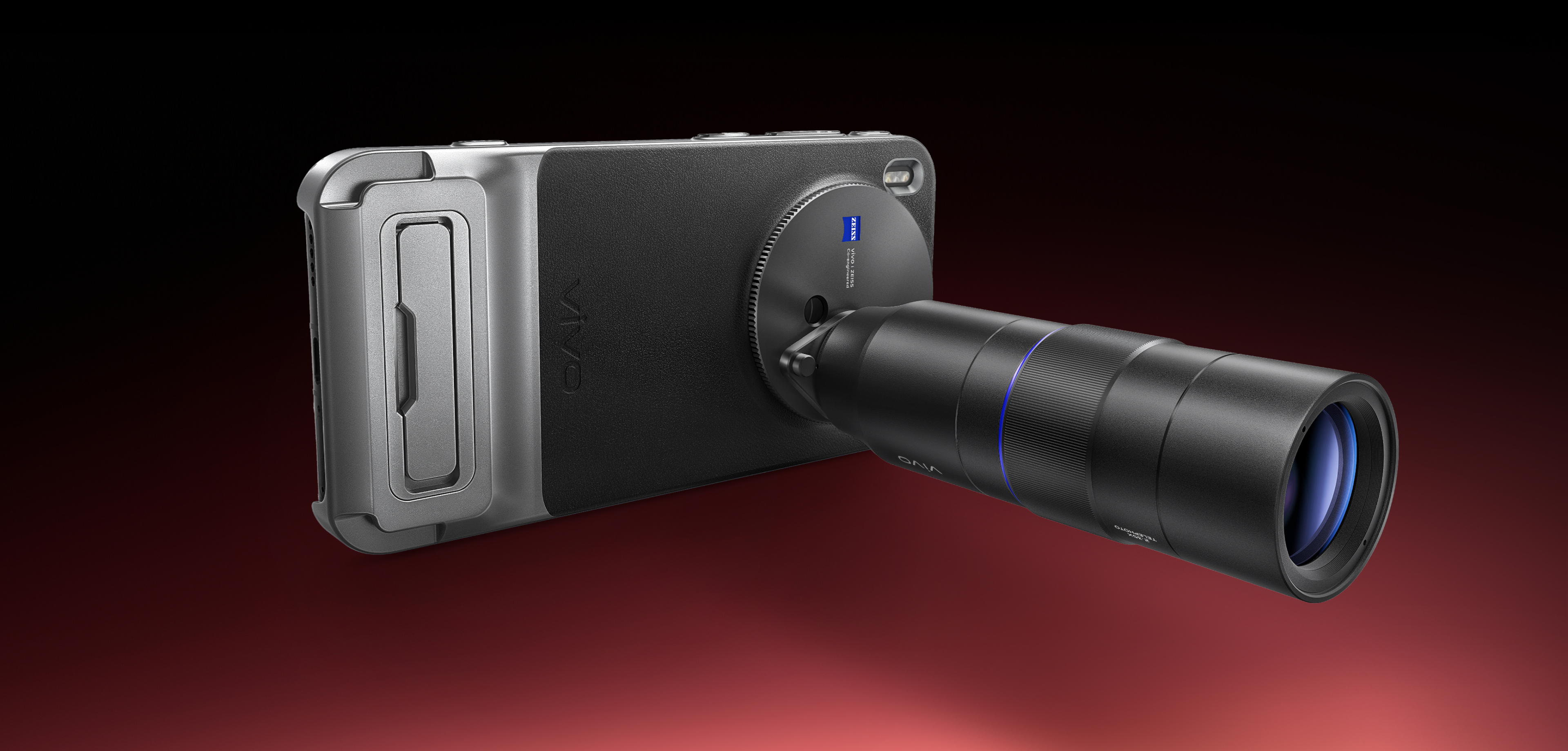
The X300 Pro is quite obviously the choice of buyers between the X300 series who value camera hardware and photography tools the most. The compact route is taken by the X300 with strong performance and imaging. Pitted against rivals, the Vivo X300 lineup seems to be a good fit for users who want to balance design, software experience, and quality cameras.
vivo X300 Pro Images