IFA 2026: Xiaomi India talks ecosystem strategy, Mijia’s takeover, and why the 18 Fold isn’t coming yet



On the sidelines of Xiaomi’s massive IFA 2026 showcase in Berlin, I caught up with Sandeep Sarma, Associate Director, Marketing and PR at Xiaomi India, and Gautam Batra, Associate Director, Product Marketing at Xiaomi India, to talk about what the ecosystem push actually means for Indian consumers, and how much of what was on display in Berlin is realistically headed this way.
A showcase of intent, not just a product launch
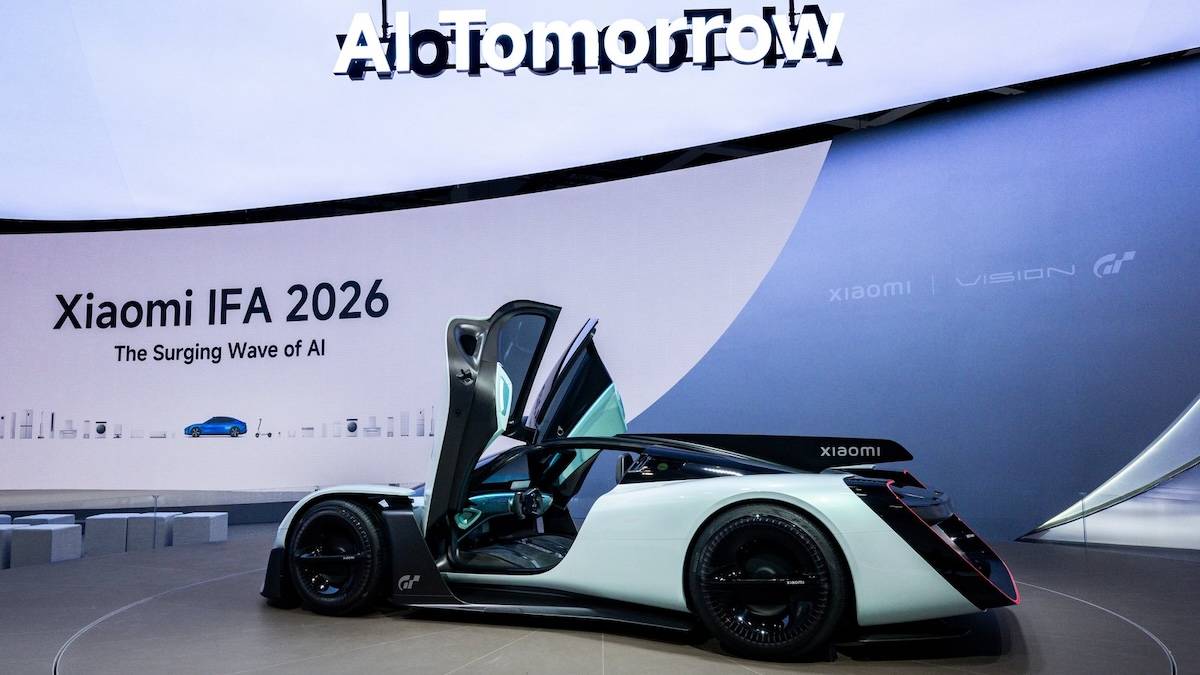
I asked what Xiaomi hopes to get out of such a large presence at IFA. Sarma didn’t frame it as a typical product showcase. “The biggest change is a showcase of intent, and this is pretty much that,” he said. “We are probably in a unique position to be the only brand that has such a wide portfolio of products, whether it’s smartphone, TV, tablet, or now car and home. No other brand in the world still has that potential or ability, and I don’t think that’s going to change for the next ten years or more.”
He pointed to Xiaomi’s expansion of large appliances into Southeast Asia last year as a template, one that’s now extending toward India and Europe, alongside the EV business heading to Europe in 2027. With roughly 2,000 to 3,000 products across 130 categories already in Xiaomi’s portfolio, Sarma described the long-term goal as making sure every device works seamlessly with every other one, citing China as an example of what that looks like today, where leaving the office can trigger continuity of music and entertainment through to the car, followed by lights, curtains, and the air conditioner adjusting automatically once you’re home.

“We are probably in a unique position to be the only brand that has such a wide portfolio of products, whether it’s smartphone, TV, tablet, or now car and home.” HyperOS is the actual foundation, not the smartphone
A recurring point through the conversation was that HyperOS, not the phone, is meant to be the hub. Sarma explained that HyperOS was designed from the outset as a Human x Car x Home operating system, meaning any device, not just a smartphone, can act as the control point. “Other brands usually need a smartphone to interact with anything else. Here, the hub can be anything,” he said, adding that the system stays fully functional even if a user doesn’t own every category, whether that’s no car, no smart home devices, or neither.

What this means for India
On India specifically, Sarma was clear that large appliances are the immediate priority, with broader category expansion positioned as a longer-term goal rather than something with a fixed date. He said there’s no difference in intent between regions, though some products may not make sense everywhere.
The more concrete India update came around Mijia. Previously, Xiaomi’s India smart home lineup was a mix of products from companies Xiaomi had invested in, sold under the Xiaomi brand name. That’s changing. “Because we are growing so fast, we are basically moving everything under Mijia, so that it has a separate focus and is operated in a separate way,” Batra explained, pointing out that phones, TVs, and tablets operate very differently from home appliances as a business. This means products like air purifiers and vacuum cleaners will be sold under Mijia going forward, which we have already started seeing with the launch of the Mijia Smart Air Purifier 6 and 4 models.
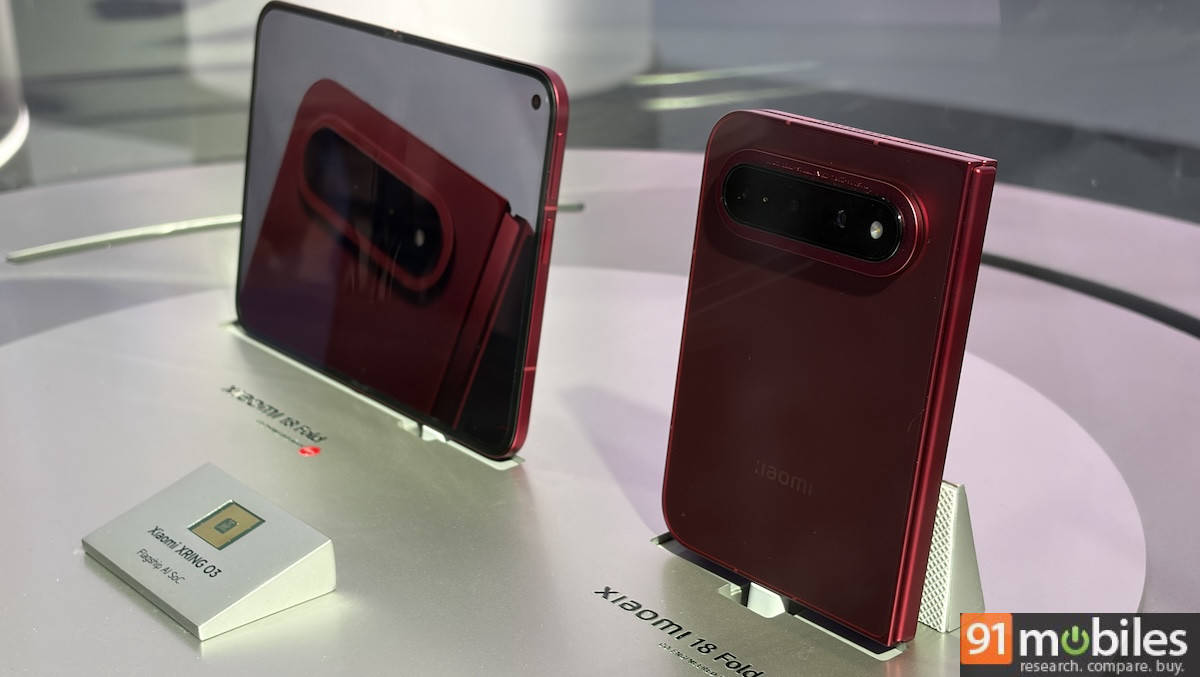
Xiaomi 18 Fold with XRING O3 looks impressive, but not India-bound yet
On the Xiaomi 18 Fold, Batra was candid that it’s less about India right now and more a showcase of everything Xiaomi is capable of, from the XRING O3 chip’s benchmark performance to the phone’s form factor and the manufacturing complexity behind it. Both confirmed there are no current plans to bring this particular foldable to India, but future iterations could make their way to the country.

My conversation with Sarma and Batra made one thing fairly clear: Xiaomi’s IFA showcase was clearly a showcase of intent and the company’s ambitions for Europe, especially with the launch of Mijia there and the imminent launch of its EVs in 2027. Mijia’s entry in India this year shows that Xiaomi is also signalling an equal intent to expand its footprint in the country. Meanwhile, the foldable, the XRING chip, and the EV business remain firmly in “China first, prove it, then maybe expand” territory. For now, Indian buyers get the ecosystem vision in spirit and large appliances under a newly unified Mijia brand, while the more ambitious parts of Xiaomi’s Human x Car x Home pitch remain a few years out at best.
Disclosure: The writer is attending Xiaomi’s debut IFA 2026 showcase in Berlin on Xiaomi India’s invitation.