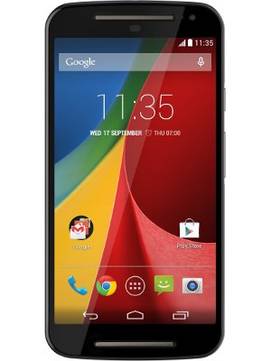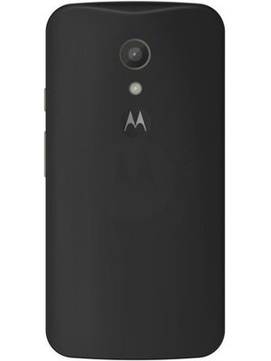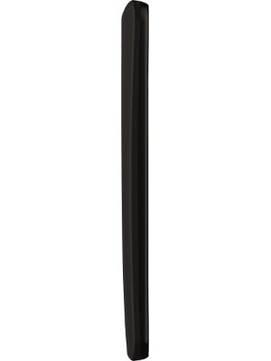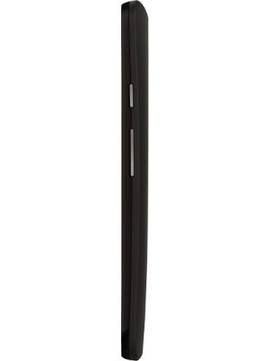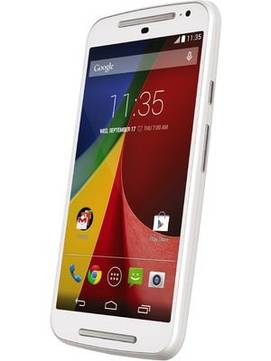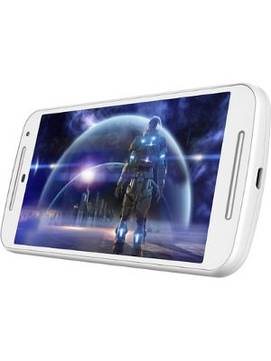
Motorola Moto G (2nd Gen) 8GB
+ CompareKey Specs
Performance
-
Qualcomm Snapdragon 400 -
Quad Core, 1.2 GHz -
1 GB RAM
Display
-
5.0 inches (12.7 cm); IPS LCD -
720x1280 px (HD) -
Gorilla Glass 3 Protection
Rear Camera
-
Single Camera Setup - 8 MP (upto 4x Digital Zoom) Primary Camera
-
LED Flash -
HD @30fps Video Recording
Front Camera
-
2 MP
Battery
-
2070 mAh
General
-
SIM1: Micro -
5G Not Supported -
16 GB Storage, Expandable upto 32 GB
Motorola Moto G (2nd Gen) 8GB Expert Review Summary
Expert Rating:
8.0/5
Verdict
The original Moto G was hailed as a game changer, and was responsible for shaping an entire market around the budget segment with its specs and features. However, we doubt that the new Moto G can carry forward that title, even though it’s being sold at a slightly lower price than the original, at Rs 12,999. That`s not to say that Motorola`s new offering isn`t up to the mark, but there are plenty of rivals which boast far better specs.The Xiaomi Mi 3 can be considered as a new benchmark in
Pros
- Sturdy build and ergonomic handling
- Larger display than before
- Stock Android and promised Android L update
- 3G support on both SIMs
- Good battery life
Cons
- Buggy camera interface
- Specs can`t match the competition
Specs at a glance
+
5-inch display with a resolution of 1,280 x 720 pixels, 294ppi
Read More
Simplicity is the best policy
+
When it comes to looks and design, the original Moto G didn't win any awards, but was applauded for its sturdy build. Its successor also follows the same ethics, which is commendable, considering that the new Moto G houses a bigger display, and yet manages to be 0.6mm thinner. Even in terms of weight, it tips the scale at 148g – just 5 grams heavier than the first-gen Moto G. As noted in our first impressions, we also felt that the weight is uniformly distributed across the whole device, and doesn’t feel bulky, which was a common complaint with its previous iteration.
Read More
The display gets bigger, but not brighter
+
As mentioned earlier, one of the major changes in the second-gen Moto G is in the display department. The handset sports a 5-inch display, which has pretty much become a standard for most Android smartphones these days. While the size has increased, the display resolution of 1,280 x 720 pixels remains the same, resulting in a lower pixel density as compared to the original Moto G. But in real-life usage, the pixel density of 294ppi is sufficient, with no visible pixelation. The display looks sharp and vibrant in all situations, and viewing angles are also great. However, we felt that brightness levels weren't adequate, especially outdoors where the screen turns extremely reflective.
Read More
The allure of pure Android
+
Motorola was one of the first manufacturers which went ahead with stock Android as a differentiating factor, instead of the various customisations being added by other manufacturers. Not only do the offerings from Motorola featured stock Android, but the brand also promises quick updates for future Android releases. In fact, in some cases, the company's smartphones receive Android updates even earlier than Nexus devices.
Read More
The shooter is better than before, but suffers because of a buggy software
+
The original Moto G was a near-perfect smartphone, but the one thing which went against it was its camera. The new Moto G aims to improve that aspect with its 8-megapixel primary snapper, instead of the 5-meg sensor in the original. However, the camera app's interface remains extremely minimal as before, with the main screen only giving you the option to switch to video, change cameras or flash. If you want to change settings, you have to swipe from left direction to right. This allows you to change to different modes like HDR and panorama. The camera autofocusses on a subject on its own, and you can tap on the screen to shoot. If you want to focus on a different part of the scene, you'll need to drag the focus circle accordingly. To zoom in on the scene, you simply need to drag your finger upwards. To capture images in burst mode, all you need to do is long-tap on the interface or long-press the volume rocker, which doubles up as a shutter button.
Read More
Churns out decent performance
+
While the new offering sports a bigger display and better camera, it's exactly same as its predecessor as far as the core hardware is concerned. Performance muscle is provided by a quad-core Qualcomm Snapdragon 400 processor clocked at 1.2GHz. The processor is complemented by an Adreno 305 GPU for handling graphics. The amount of RAM is also the same at 1GB. When the original Moto G was launched, this kind of hardware combo was considered a benchmark, but now things have changed drastically. Xiaomi's Mi 3 offers top-of-the-line specs with a quad-core Snapdragon 800 SoC and 2GB RAM (but isn't available to buy currently), while the ASUS Zenfone 5 offers a dual-core Intel chipset with 2GB of RAM. Several Indian vendors also offer octa-core devices in this price bracket.
Read More
Delivers on its promise of an all-day battery life
+
The Moto G (2nd gen) packs in 2,070mAh battery – the same as its predecessor. During day-to-day usage, the smartphone lasted an entire day and then some. Even with the sparing use of navigation, data and playing a few games, it comfortably ran for the whole day. When it comes to a proper battery test, it ran a 720p video continuously with brightness and volume set to 50 percent for seven hours and 45 minutes, which is a tad better than average.
Read More
Read full Review
8.0/5
Verdict
The original Moto G was hailed as a game changer, and was responsible for shaping an entire market around the budget segment with its specs and features. However, we doubt that the new Moto G can carry forward that title, even though it’s being sold at a slightly lower price than the original, at Rs 12,999. That`s not to say that Motorola`s new offering isn`t up to the mark, but there are plenty of rivals which boast far better specs.The Xiaomi Mi 3 can be considered as a new benchmark in
- Sturdy build and ergonomic handling
- Larger display than before
- Stock Android and promised Android L update
- 3G support on both SIMs
- Good battery life
Pros
- Buggy camera interface
- Specs can`t match the competition
Cons
5-inch display with a resolution of 1,280 x 720 pixels, 294ppi
Read MoreWhen it comes to looks and design, the original Moto G didn't win any awards, but was applauded for its sturdy build. Its successor also follows the same ethics, which is commendable, considering that the new Moto G houses a bigger display, and yet manages to be 0.6mm thinner. Even in terms of weight, it tips the scale at 148g – just 5 grams heavier than the first-gen Moto G. As noted in our first impressions, we also felt that the weight is uniformly distributed across the whole device, and doesn’t feel bulky, which was a common complaint with its previous iteration.
Read MoreAs mentioned earlier, one of the major changes in the second-gen Moto G is in the display department. The handset sports a 5-inch display, which has pretty much become a standard for most Android smartphones these days. While the size has increased, the display resolution of 1,280 x 720 pixels remains the same, resulting in a lower pixel density as compared to the original Moto G. But in real-life usage, the pixel density of 294ppi is sufficient, with no visible pixelation. The display looks sharp and vibrant in all situations, and viewing angles are also great. However, we felt that brightness levels weren't adequate, especially outdoors where the screen turns extremely reflective.
Read MoreMotorola was one of the first manufacturers which went ahead with stock Android as a differentiating factor, instead of the various customisations being added by other manufacturers. Not only do the offerings from Motorola featured stock Android, but the brand also promises quick updates for future Android releases. In fact, in some cases, the company's smartphones receive Android updates even earlier than Nexus devices.
Read MoreThe original Moto G was a near-perfect smartphone, but the one thing which went against it was its camera. The new Moto G aims to improve that aspect with its 8-megapixel primary snapper, instead of the 5-meg sensor in the original. However, the camera app's interface remains extremely minimal as before, with the main screen only giving you the option to switch to video, change cameras or flash. If you want to change settings, you have to swipe from left direction to right. This allows you to change to different modes like HDR and panorama. The camera autofocusses on a subject on its own, and you can tap on the screen to shoot. If you want to focus on a different part of the scene, you'll need to drag the focus circle accordingly. To zoom in on the scene, you simply need to drag your finger upwards. To capture images in burst mode, all you need to do is long-tap on the interface or long-press the volume rocker, which doubles up as a shutter button.
Read MoreWhile the new offering sports a bigger display and better camera, it's exactly same as its predecessor as far as the core hardware is concerned. Performance muscle is provided by a quad-core Qualcomm Snapdragon 400 processor clocked at 1.2GHz. The processor is complemented by an Adreno 305 GPU for handling graphics. The amount of RAM is also the same at 1GB. When the original Moto G was launched, this kind of hardware combo was considered a benchmark, but now things have changed drastically. Xiaomi's Mi 3 offers top-of-the-line specs with a quad-core Snapdragon 800 SoC and 2GB RAM (but isn't available to buy currently), while the ASUS Zenfone 5 offers a dual-core Intel chipset with 2GB of RAM. Several Indian vendors also offer octa-core devices in this price bracket.
Read MoreThe Moto G (2nd gen) packs in 2,070mAh battery – the same as its predecessor. During day-to-day usage, the smartphone lasted an entire day and then some. Even with the sparing use of navigation, data and playing a few games, it comfortably ran for the whole day. When it comes to a proper battery test, it ran a 720p video continuously with brightness and volume set to 50 percent for seven hours and 45 minutes, which is a tad better than average.
Read MoreCompetitors For Motorola Moto G2 8GB
View Alternatives
Motorola Moto G (2nd Gen) 8GB Specifications
General |
|
|---|---|
| Operating System | Android v4.4.4 (Kitkat) |
Performance |
|
|---|---|
| Chipset | Qualcomm Snapdragon 400 MSM8226 |
| Processor | Quad core, 1.2 GHz, Cortex A7 |
| Graphics (GPU) | Adreno 305 |
| RAM | 1 GB |
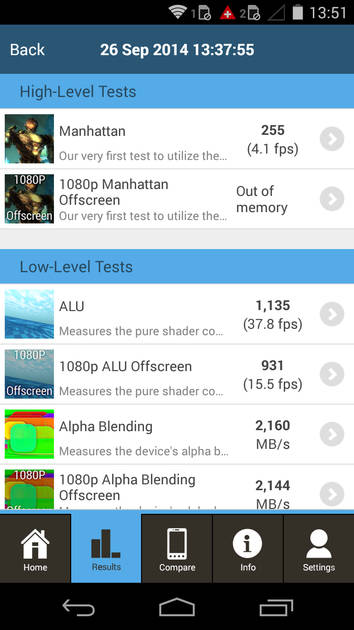
Benchmark Screenshots
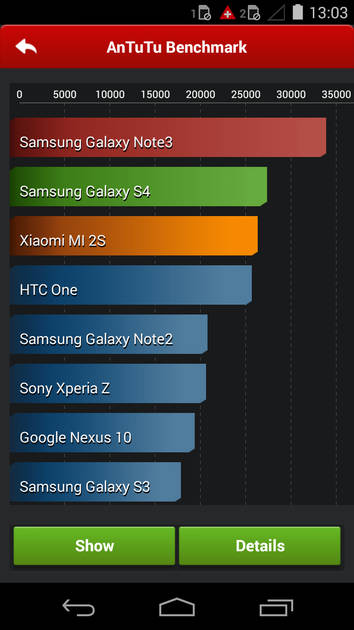
Graphics Benchmark
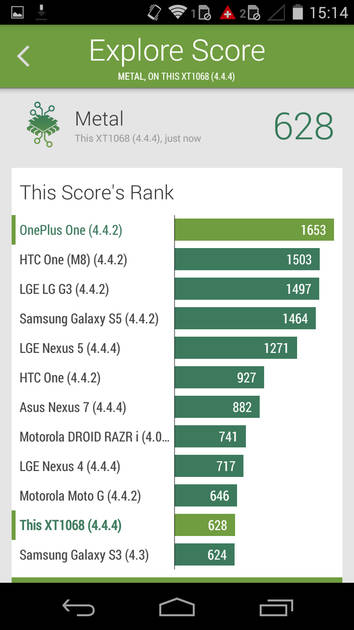
Vellamo Metal Benchmark
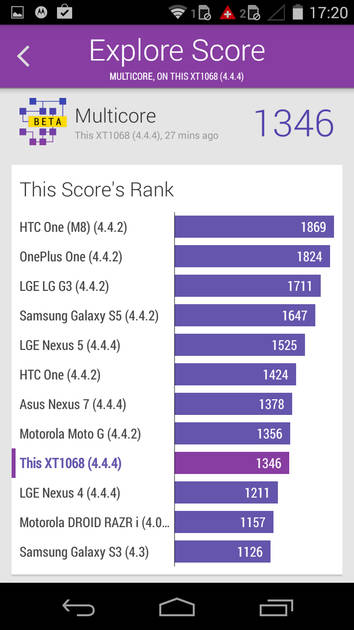
Vellamo Multicore Benchmark
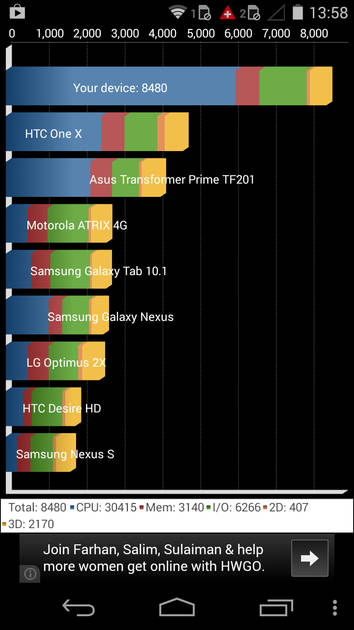
Quadrant Benchmark
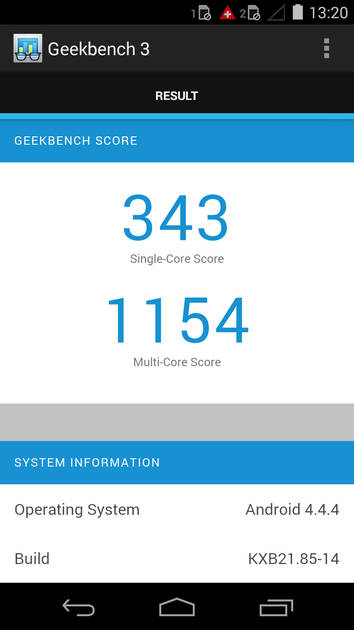
Geekbench3 Benchmark
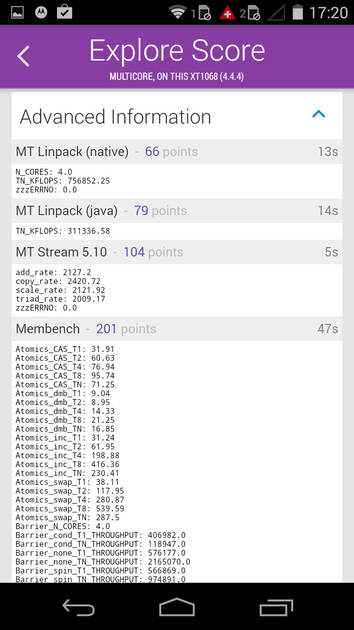
Linpack Benchmark
|
Display |
|
|---|---|
| Display Type | IPS LCD |
| Screen Size | 5.0 inches (12.7 cm) |
| Resolution | 720x1280 px (HD) |
| Pixel Density | 294 ppi |
| Screen to Body Ratio (calculated) | 68.73 % |
| Screen Protection | Corning Gorilla Glass v3 |
UI Screenshots
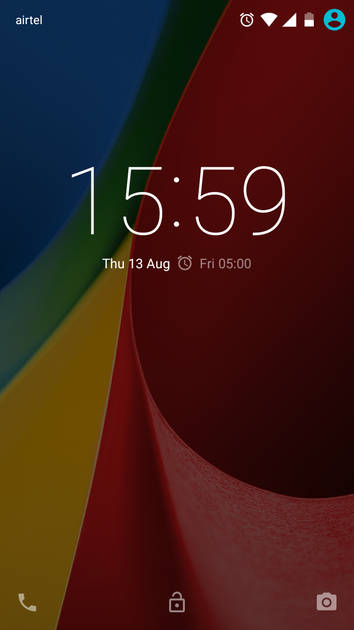
Lock Screen
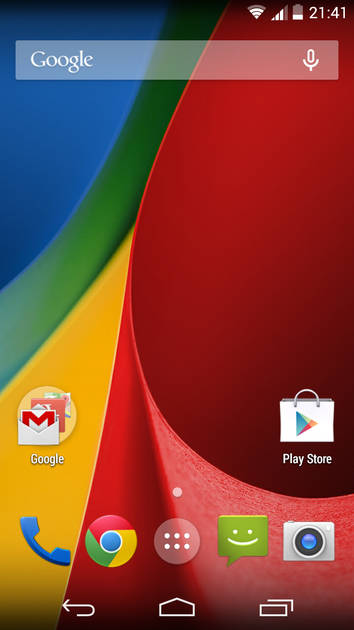
Home Screen
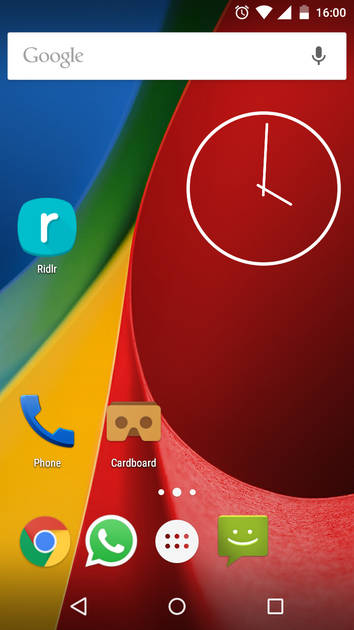
Screen With Widgets
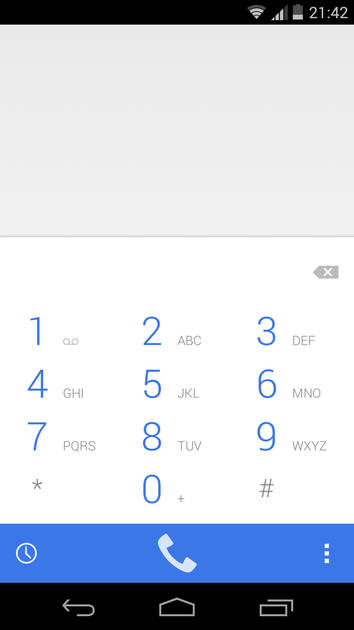
Dialer Screen
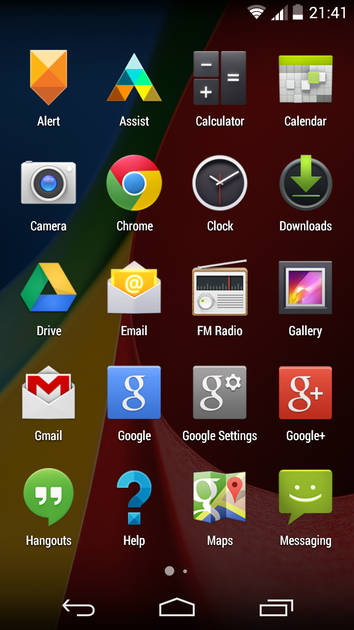
App Drawer
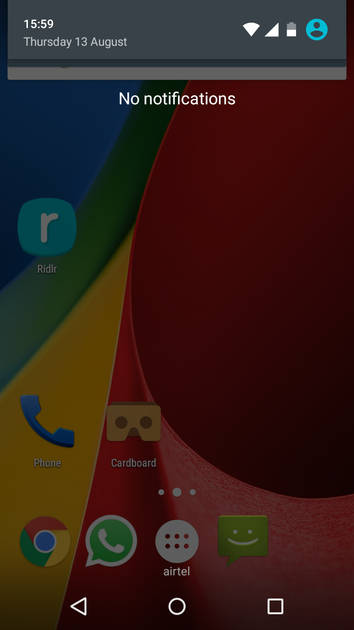
Notification Panel
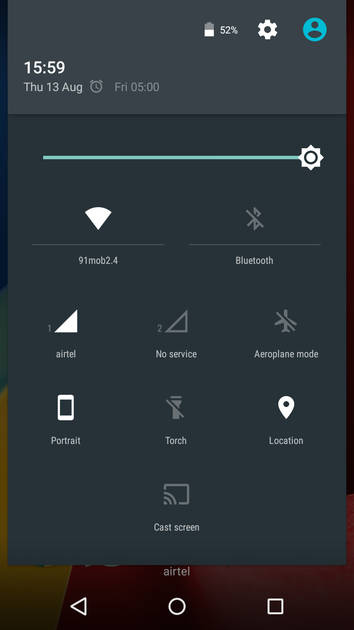
Quick Settings Panel
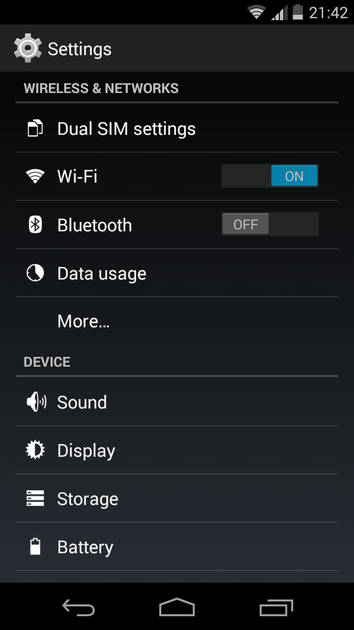
Settings Screen
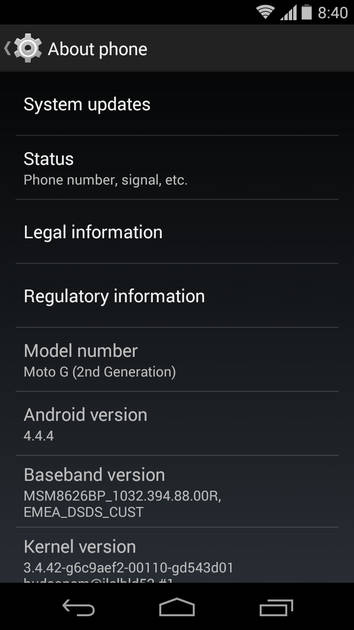
OS Version
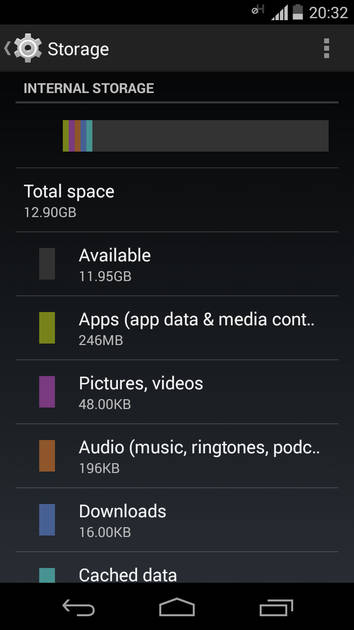
Storage
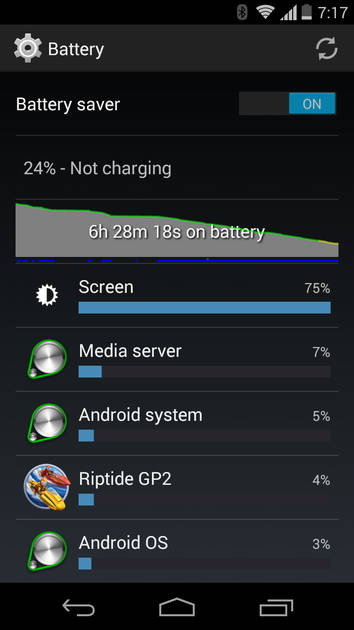
Battery
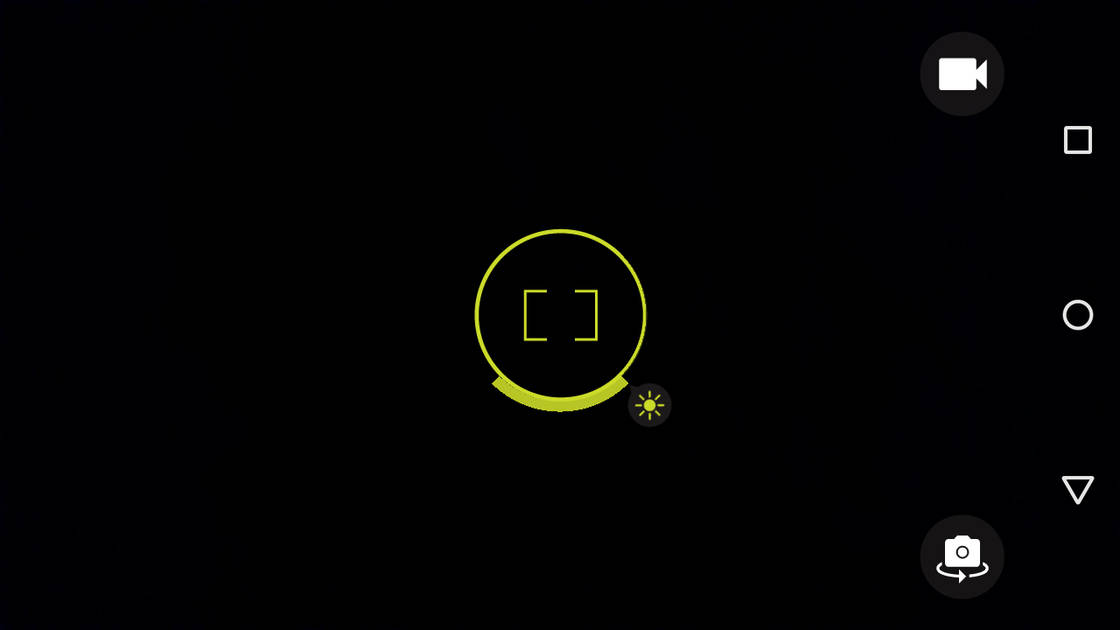
Camera On
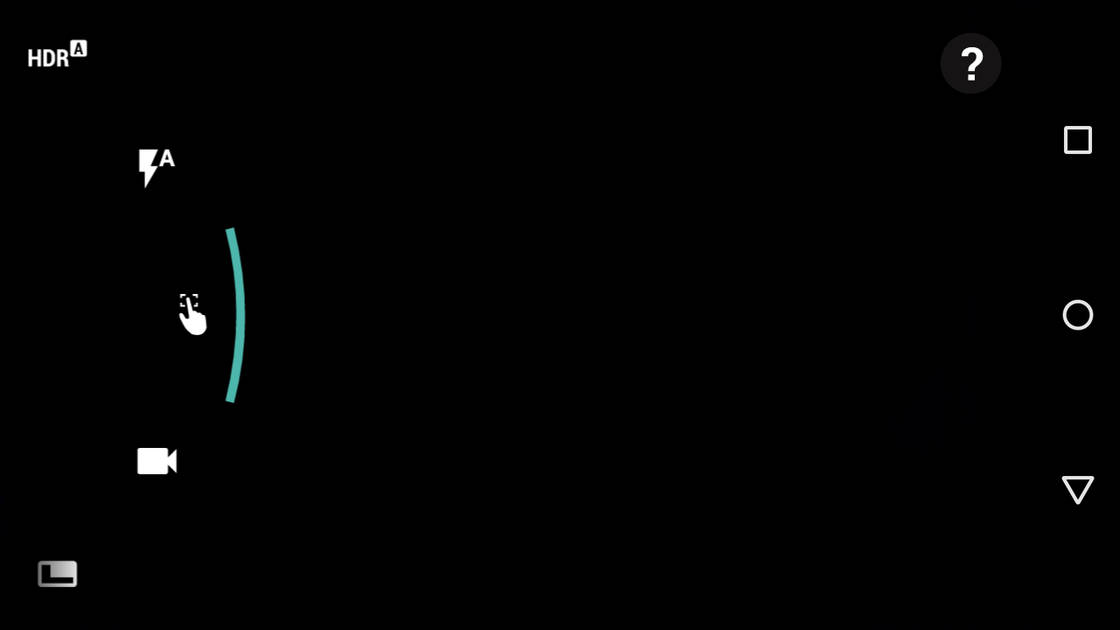
Camera Options
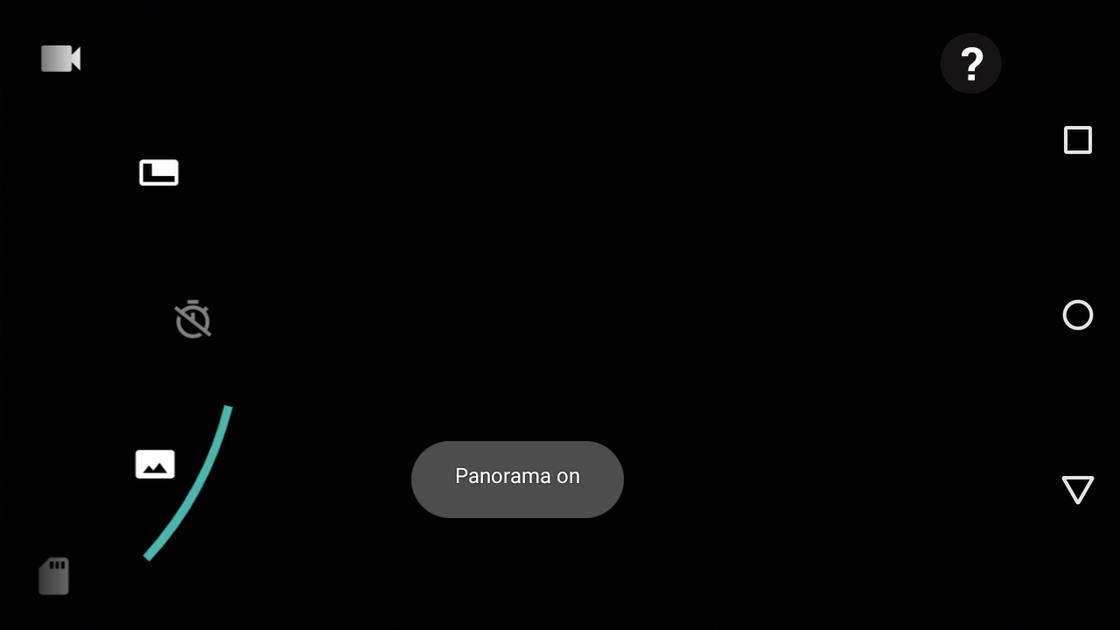
Camera Modes
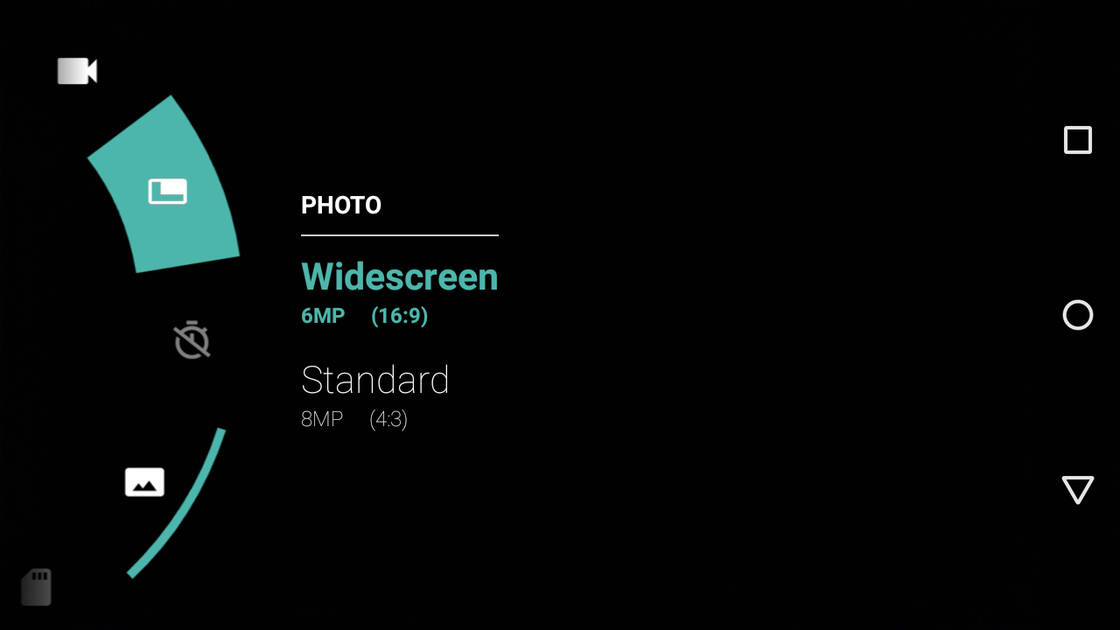
Picture Size Options
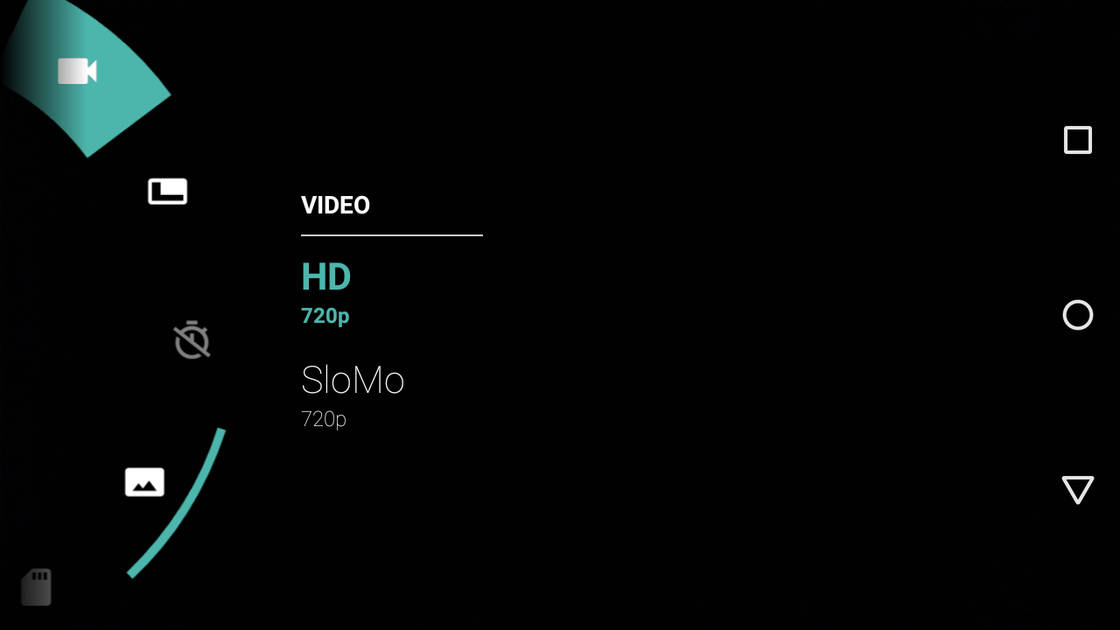
Video Size Options
|
Design |
|
|---|---|
| Height | 141.5 mm |
| Width | 70.7 mm |
| Thickness | 10.9 mm |
| Weight | 149 grams |
|
Click to View
|
Rear Camera |
||||||
|---|---|---|---|---|---|---|
| Resolution | ||||||
|
||||||
| Autofocus | Yes | |||||
| Flash | Yes, LED Flash | |||||
| Image Resolution | 3264 x 2448 Pixels | |||||
| Shooting Modes | High Dynamic Range mode (HDR) | |||||
| Camera Features |
4 x Digital Zoom Face detection Touch to focus |
|||||
| Video Recording | 1280x720 @ 30 fps | |||||
| Video Recording Features |
Video HDR Stereo recording |
|||||
Rear Camera Samples
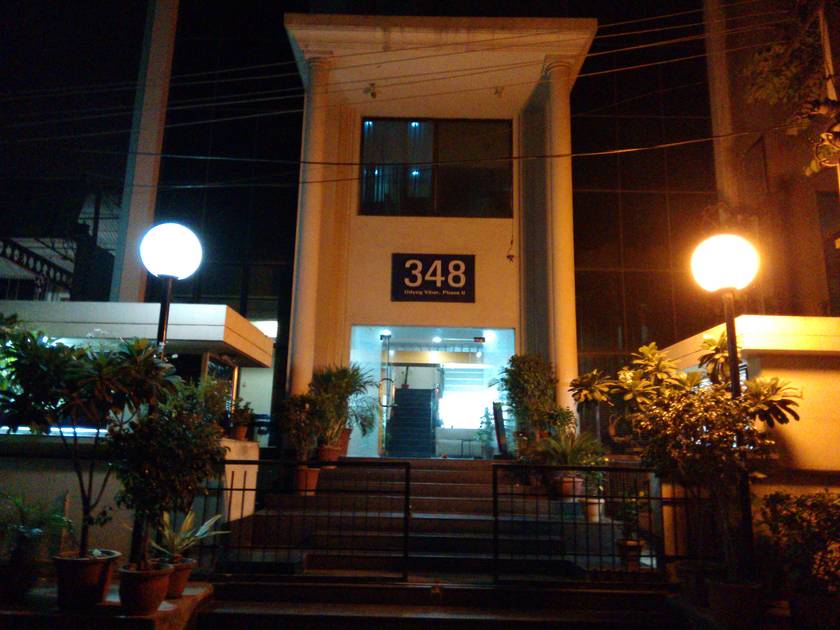
Night Mode OFF

Close Up

Low Light

Low Light With Flash
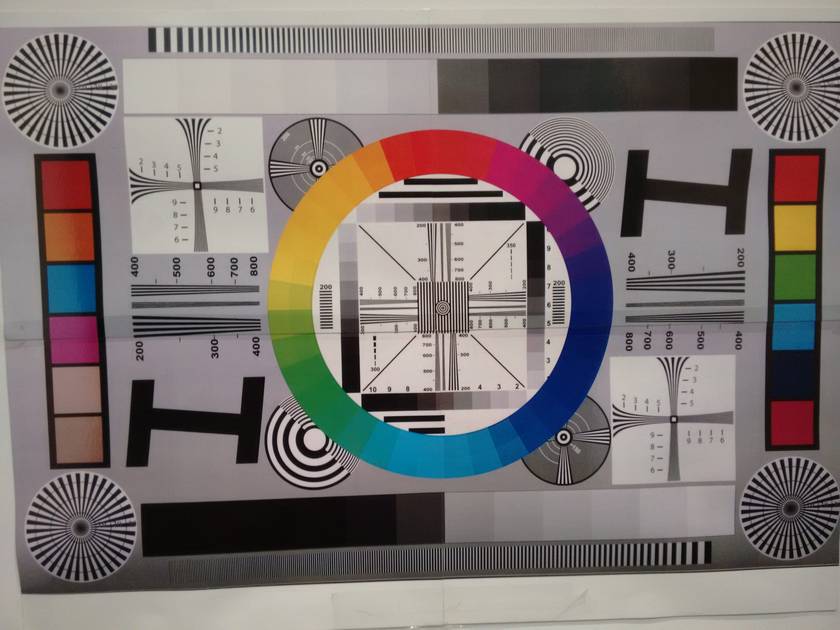
Colour Variance
|
Front Camera |
||||
|---|---|---|---|---|
| Resolution | ||||
|
Battery |
|
|---|---|
| Capacity | 2070 mAh |
| Battery Type | Li-ion |
Storage |
|
|---|---|
| Internal Storage | 16 GB |
| Expandable Storage | Yes, Up to 32 GB |
Network & Connectivity |
|
|---|---|
| SIM Slot(s) | Single SIM |
| SIM Type | SIM1: Micro |
| Network Support | 5G Not Supported |
| Wi-Fi | Yes, Wi-Fi 4 (802.11 b/g/n) |
| Wi-Fi Features | Mobile Hotspot |
| Bluetooth | Yes, v4.0 |
| GPS | Yes with A-GPS, Glonass |
Multimedia |
|
|---|---|
| Audio Jack | 3.5 mm |
Sensors |
|
|---|---|
| Other Sensors | Light sensor, Proximity sensor, Accelerometer, Compass, Gyroscope |
Motorola Moto G (2nd Gen) 8GB User Reviews
Motorola Moto G (2nd Gen) 8GB Key Highlights
| Processor | Qualcomm Snapdragon 400 MSM8226 |
| RAM & Storage | 1 GB RAM + 16 GB |
| Display | 5.0", 720 x 1280 Resolution |
| Rear Camera | 8 MP |
| Front Camera | 2 MP |
| Battery | 2070 mAh |
Popular Links
- All Upcoming Phones
- Motorola phones under 20k
- vivo X300 FE
- OnePlus Nord CE 6 Lite 5G
- OPPO Find X9 Ultra
- vivo X300 Ultra
- realme 16T 5G
- Best Phones Under 10,000
- Best Phones Under 15,000
- Best Phones Under 20,000
- Best phones in any price range
- vivo Mobiles
- Samsung Mobiles
- OnePlus Mobiles
- Motorola Mobiles
- OPPO Mobiles
- realme Mobiles
- iQOO Mobiles