Best phones under Rs 25,000: top picks for performance, battery life, cameras, multimedia, and more


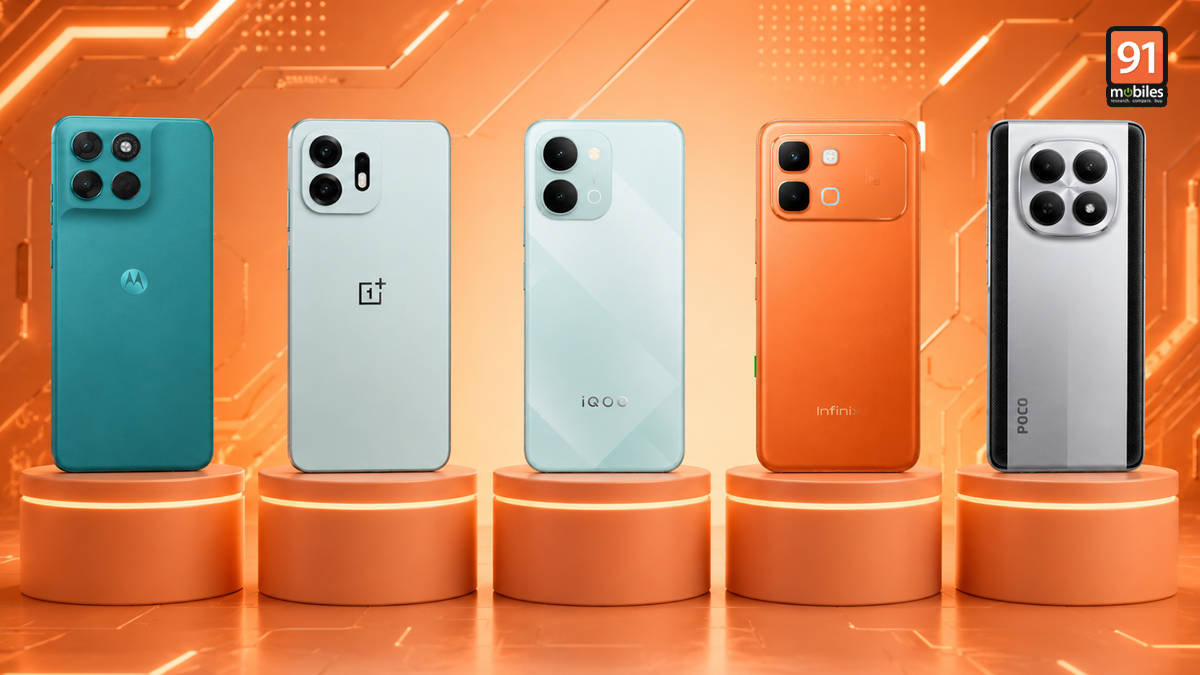
Believe it or not, the sub-Rs 25,000 segment is now the budget category for smartphones. A major reason is the sharp rise in RAM and storage costs, which have more than doubled since late 2025. After reviewing a wide range of devices and carefully weighing their strengths and compromises, we’ve put together a list of the best smartphones you can buy under Rs 25,000 as of July 2026. While the smartphones may not pack flagship-grade hardware, they still deliver excellent value for money.
All the smartphones were put through our testing methodology, which included evaluating their performance using AnTuTu, Geekbench, and the PCMark Battery tests, while also testing them with graphically demanding games such as BGMI and Call of Duty: Mobile. Additionally, the handsets’ cameras were analysed across scenarios and compared against their closest rivals to determine which one delivered the better overall experience. Apart from that, each smartphone was also used as a daily driver by our in-house reviewers to understand its real-world strengths, weaknesses, and the kind of user it is best suited for.
The POCO M8 is the best choice for buyers seeking long-term value, while the POCO M8 Power is the ideal pick for entertainment, thanks to its FHD+ AMOLED display. Users who prioritise battery life will appreciate the OnePlus N6, which delivers exceptional endurance with its massive 8,000mAh battery. Meanwhile, the Moto G57 Power stands out for photography with its impressive image processing and the inclusion of an ultrawide camera. However, if you want a phone that does a bit of everything well, the iQOO Z11x remains the safest recommendation, offering a balanced, jack-of-all-trades experience with very few compromises.
Winners at a glance
| Category | Smartphone | Price |
| Best overall | iQOO Z11x | Rs 22,999 |
| Best cameras | Moto G57 Power | Rs 21,999 |
| Best for multimedia | POCO M8 Power | Rs 24,999 |
| Best battery | OnePlus N6 | Rs 22,999 |
| Best software | POCO M8 | Rs 20,999 |
*Prices and models as of August 31st, 2026
iQOO Z11x – Best overall phone
Price: Rs 22,999 (6GB + 128GB) | Rs 24,999 (8GB + 128GB) | Rs 26,999 (8GB + 256GB)
Why we chose it


The iQOO Z11x (review) earns the best overall smartphone tag in our list for its balanced performance, battery life, reliable cameras, and everyday usability. The handset is powered by the MediaTek Dimensity 7400 Turbo chipset, which is amongst the most powerful in the segment, ensuring smooth performance for gaming and multitasking. Furthermore, its 7,200mAh battery easily lasts close to two days on moderate use.
AnTuTu score


iQOO Z11x
MediaTek Dimensity 7400 Turbo
960,651

POCO M8
Qualcomm Snapdragon 6 Gen 3
862,268

Moto G57 Power
Qualcomm Snapdragon 6s Gen 4
817,331

Infinix Note Edge
MediaTek Dimensity 7100
782,313

OnePlus N6 5G
MediaTek Dimensity 6360 Apex
588,319
AnTuTu assesses a smartphone's CPU, GPU, memory, and overall user experience (higher is better)
The phone also gets the basics right with a fluid software experience, a capable 50MP primary camera and 44W fast charging. While the LCD display doesn’t offer the deep blacks of an AMOLED panel and the cameras aren’t class-leading, neither feels like a dealbreaker considering the overall package.
| Pros | Cons |
| Excellent battery life | Hefty design |
| Superb performance | Lacks camera versatility |
| Fluid software | |
| Workable primary camera |
If you’re looking for a smartphone that performs well across the board without any major compromises, the iQOO Z11x is the safest buy in this segment.
Key specs
- 6.76-inch FHD+ LCD display, 120Hz
- MediaTek Dimensity 7400 Turbo SoC
- 50MP + 2MP dual cameras
- 32MP front camera
- 7,200mAh battery, 44W
Moto G57 Power – Best cameras
Price: Rs 20,999 (8GB + 128GB)
Why we chose it


The Moto G57 Power (review) is getting the recommendation for its cameras, which include a 50MP Sony LYT-600 primary sensor and an 8MP ultrawide lens. The ultrawide lens makes the Moto’s setup more versatile than many other smartphones in the segment. The cameras consistently capture detailed images with near-accurate colours, skin tones and excellent dynamic range, avoiding the overly saturated look that many rivals tend to produce.
The phone’s cameras also hold their own in low light, producing cleaner images with better exposure control than several competing smartphones. Beyond photography, the Moto G57 Power delivers a dependable everyday experience with its MediaTek Dimensity 7400 SoC, near-stock Android interface and a massive 7,000mAh battery. The only notable drawback is its software support, with just one guaranteed Android OS upgrade. While three years of security updates will keep the phone secure until 2028, it will miss out on newer Android features sooner than many of its rivals.
| Pros | Cons |
| Natural camera output | Minimal OS upgrades |
| Discrete leather design | Heavy build |
| Dependable performance | Noticeably thick bezels |
| Excellent battery life |
Nevertheless, the Moto G57 Power remains an easy recommendation for users who prioritise the camera without sacrificing the overall experience.
Key specs
- 6.78-inch FHD+ LCD display, 120Hz
- Snapdragon 6s Gen 4 SoC
- 50MP + 8MP dual cameras
- 8MP front camera
- 7,000mAh battery, 33W
POCO M8 Power – Best for multimedia experience
Price: Rs 24,999 (6GB + 128GB) | Rs 27,999 (8GB + 128GB)
Why we chose it


The POCO M8 Power makes a case for itself with its large, vibrant 6.9-inch FHD+ AMOLED display. The panel delivers sharp visuals, rich colours and excellent contrast, making movies, TV shows and YouTube videos a delight to watch. The experience is backed by a loud mono speaker; however, investing on a good quality earphones/ buds could make the experience more enjoyable.
| Smartphone | Display | Peak Brightness |
| Infinix Note Edge | 6.78 inches - LTPS AMOLED | 4500 nits |
| POCO M8 | 6.77 inches - Flow AMOLED | 3200 nits |
| Moto G57 Power | 6.72 inches - LCD | 1050 nits |
| OnePlus N6 5G | 6.8 inches - LCD | 1000 nits |
| iQOO Z11x | 6.76 inches - LCD | NA |
Apart from the viewing experience, the POCO M8 Power offers excellent battery life, easily lasting up to two days between charges. The 8,000mAh battery is backed by 45W fast charging gets you back up and running quickly. At its core lies the Qualcomm Snapdragon 4 Gen 4 SoC, which is capable enough for casual gaming and everyday tasks, although power users may notice occasional slowdowns under heavy workloads.
| Pros | Cons |
| Sharp AMOLED display | Mono speaker |
| Battery can last up to 2 days | Non-expandable storage |
| Excellent software support | |
| Satisfactory performance for basic tasks |
Key specs
- 6.78-inch FHD+ AMOLED display, 120Hz refresh rate
- Snapdragon 4 Gen 4 SoC
- 50MP + 2MP dual cameras
- 8MP front camera
- 8,000mAh battery, 45W charging
OnePlus N6 – Best battery phone
Price: Rs 22,999 (4GB + 128GB) | Rs 24,999 (6GB + 128GB)
Why we chose it


The OnePlus N6 (review) is the clear choice for users who prioritise battery life above everything else. Its massive 8,000mAh Silicon-Carbon battery comfortably delivers up to two days of usage on a single charge with regular use, while standby drain remains impressively low. Even in our PCMark battery test, the handset emerged among the top performers in the segment, reinforcing its endurance credentials.
PCMark Battery score (in hours)
iQOO Z11x
7200 mAh
20.0
OnePlus N6 5G
8000 mAh
18.3
POCO M8
5520 mAh
18.0
Moto G57 Power
7000 mAh
15.3
Infinix Note Edge
6500 mAh
15.2
PCMark battery test measures phone battery life from 100% to 20% (higher is better)
The trade-off, however, is its bulky design and relatively slow 45W charging, which takes around 90 minutes for a full charge. But with a little bit of planning, like overnight charging, you can make the most of the OnePlus N6. The smartphone also offers a relatively clean OxygenOS experience and dependable everyday performance powered by the MediaTek Dimensity 6360 Apex chipset. The cameras also produce natural-looking images, making it a reliable all-rounder for casual users.
| Pros | Cons |
| Outstanding battery life | Bulky and heavy design |
| Reliable everyday performance | Slow charging speeds |
| Natural-looking photos |
The OnePlus N6 is the easiest recommendation for anyone who wants to spend less time charging and more time using their phone.
Key specs
- 6.8-inch HD+ LCD display, 120Hz
- MediaTek Dimensity 6360 Apex SoC
- 50MP + 2MP dual cameras
- 8MP front camera
- 8,000mAh battery, 45W charging
POCO M8 – Best software
Price: Rs 20,999 (6GB + 128GB) | Rs 22,999 (8GB + 128GB) | Rs 24,999 (8GB + 256GB)
Why we chose it

The POCO M8 (review) sets the benchmark for software support in the sub-Rs 25,000 segment. Although it launched with Android 15 earlier this year, the phone is built to stay relevant for much longer than most of its rivals. POCO has committed to four major Android OS upgrades, one of which has already rolled out, and six years of security updates, making it one of the strongest software support policies in its class and roughly double the current industry standard.
| Smartphone | Pre-Installed Apps | Software Support |
| POCO M8 | 64 | 4 Years OS Updates + 6 Years Security Updates |
| Infinix Note Edge | 58 | 3 Years OS Updates + 5 Year Security Updates |
| iQOO Z11x | 51 | 2 Year OS Updates + 4 Year Security Updates |
| OnePlus N6 5G | 51 | 2 Year OS Updates + 3 Year Security Updates |
| Moto G57 Power | 38 | 1 Year OS Updates + 3 Year Security Updates |
This extended update commitment makes the POCO M8 a sensible choice for buyers planning to use their phone for four to five years. Regular security patches also help keep banking apps, digital payment services and personal data secure long after many competing devices stop receiving updates. However, you’ll have to put up with a handful of pre-installed apps out of the box.
| Pros | Cons |
| Long-term software support | Average cameras |
| Bright, smooth AMOLED display | Pre-installed apps |
| Strong battery life |
While continuing to benefit from the latest Android features and security enhancements, the POCO M8 also offers a dependable everyday experience with a capable processor, a smooth high-refresh-rate display, solid battery life and reliable cameras for its price.
Key specs
- 6.67-inch AMOLED display, 120Hz
- Snapdragon 6 Gen 3 SoC
- 50MP + 2MP dual cameras
- 20MP front camera
- 5,520mAh battery, 45W charging
FAQs
Which is the best smartphone under Rs 25,000 overall?
iQOO Z11x is the safest recommendation for most buyers, thanks to its well-rounded experience with very few compromises.
Which phone has the best camera under Rs 25,000?
The Moto G57 Power stands out if photography is your top priority. Besides its excellent processing capabilities and detail retention, the handset is also the only offering in the list to offer an ultrawide lens.
Which phone offers the longest battery life?
The OnePlus N6 is ideal for heavy users who want dependable battery life and fast charging. The handset boasts a massive 8,000mAh battery, which is quite a task to drain with regular usage.
Which phone has the best display for watching movies and OTT content?
The POCO M8 Power is the better pick for entertainment, offering an immersive display and multimedia experience. The handset may not have a stereo speaker output, but features a loud bottom-firing speaker.
Which smartphone is good for longevity?
The POCO M8 outshines its competitors with its industry-leading software support, offering four years of major Android OS upgrades and six years of security updates. Backing this up is a capable hardware package, including the Snapdragon 6 Gen 3 chipset and an AMOLED display, ensuring the phone remains responsive and enjoyable to use throughout its extended software lifecycle.
Is it worth buying a phone under Rs 25,000 in 2026?
In the current scenario, yes. This segment now offers the most well-rounded smartphones for casual users. Unlike more affordable options, these devices come with 5G connectivity, FHD+ displays (with some featuring AMOLED panels), and large-capacity batteries.
Should I wait for festive sales?
Given the rate at which smartphone prices are increasing, I’m reminded of a quote from Nothing co-founder Carl Pei: “The best time to buy a smartphone was yesterday, and the second-best time is today.” This isn’t meant to create a sense of urgency, but if you’re planning to buy a new smartphone, it may be worth doing so now rather than waiting for the festive sales.