XPS Comeback, Alienware Shake-Up, UltraSharp Flex: First Impressions From Dell’s CES 2026


Dell had a lot to show at CES 2026. From refreshed laptops to some truly wild monitor tech, the company rolled out a wide portfolio that spans premium productivity, gaming, and niche professional setups. Interestingly, I got to check out most of these devices a little earlier, during a pre-briefing session in December. Having spent hands-on time with the laptops and monitors, here are my first impressions. Just to be clear, there are no benchmarks, no long-term verdicts; but instead, just how these products felt in the real world.
Table of Contents
XPS Is Back! And Honestly, It Feels Right!
I’ll start with the obvious: XPS is back. And personally, I couldn’t be happier about it. The XPS lineup has always been one of my favourites in the premium laptop space, so seeing Dell bring it back properly feels like a return to form.

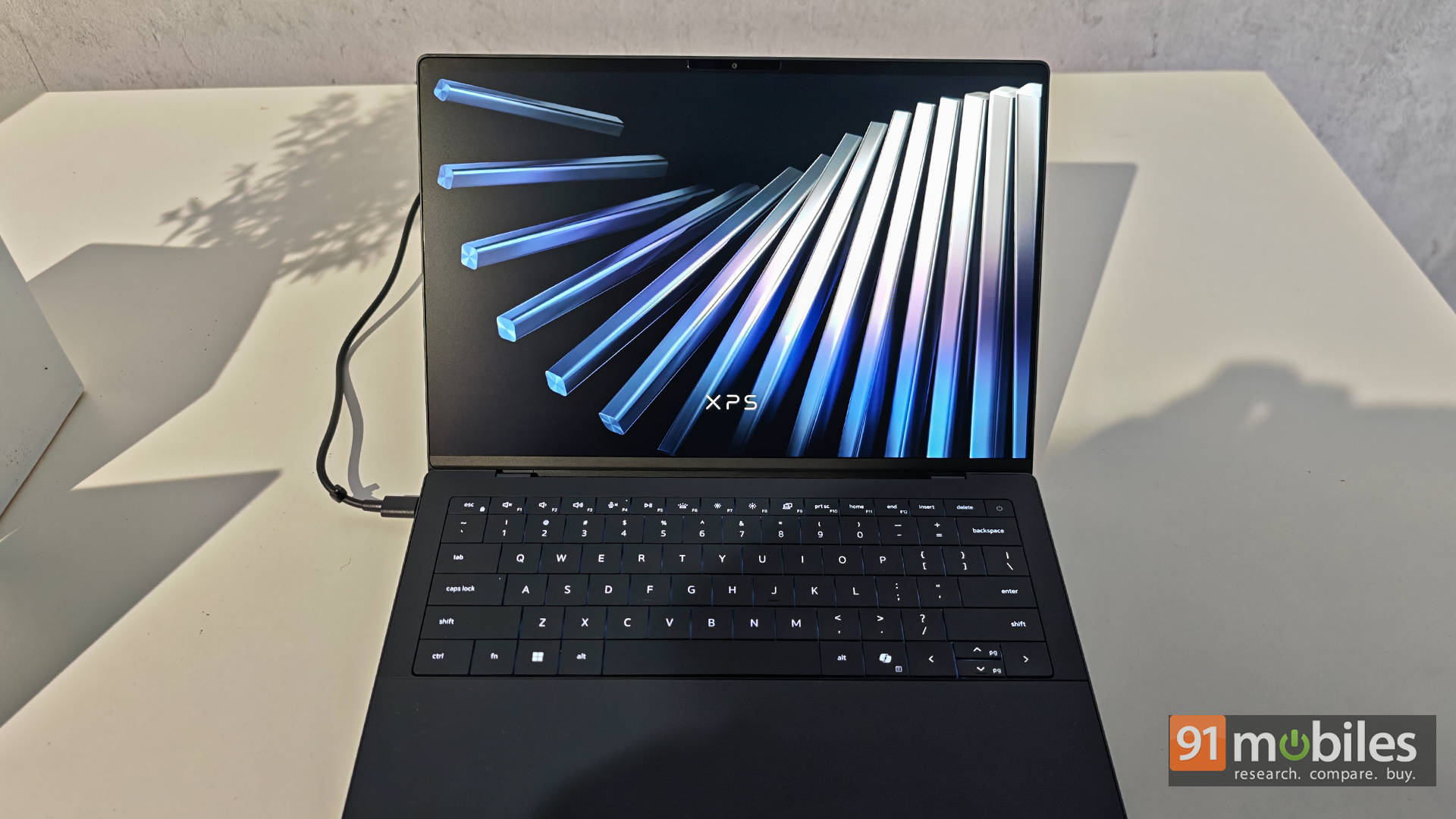
During the briefing sessions, we actually asked Dell a very direct question: why bring back XPS when the company had moved away from it just a year ago? The answer was refreshingly honest. Dell admitted that the actual consumer base actively shopping for an XPS isn’t as large as tech media sometimes makes it out to be. But it does exist, and more importantly, XPS is far easier for people to recognise and understand than the naming convention Dell experimented with last year. That clarity alone makes this move make sense.

Speaking of clarity, Dell’s updated naming structure finally feels logical. You now have the base Dell lineup for everyday users, Dell Plus for slightly more premium offerings, XPS for high-end productivity laptops, and Alienware for gaming. Meanwhile, Dell Pro is now reserved strictly for commercial laptops and workstations. On paper, and frankly, in practice too, that’s much easier to explain to a general buyer walking into a store or browsing online.

Design-wise, XPS continues to be… well, XPS. The moment you see the new laptops, the premium intent is obvious. The finish looks and feels top-tier, and the bold XPS logo on the lid makes a strong statement that this is Dell’s flagship consumer laptop again. The familiar sleek profile, vibrant display, and that excellent touchpad. All of it is still one of the best in the business. The whole package just oozes premiumness.
One particularly interesting part of the session was a live teardown Dell showcased, comparing the older generation with the new XPS 14. The focus was squarely on thermals, and the difference was genuinely noticeable. Dell highlighted around a five-degree Celsius improvement in peak temperatures under stress. That may not sound dramatic on paper, but from a human touch perspective, it’s massive. Long story short, your lap won’t feel like it’s being slow-cooked when you’re pushing the XPS hard.
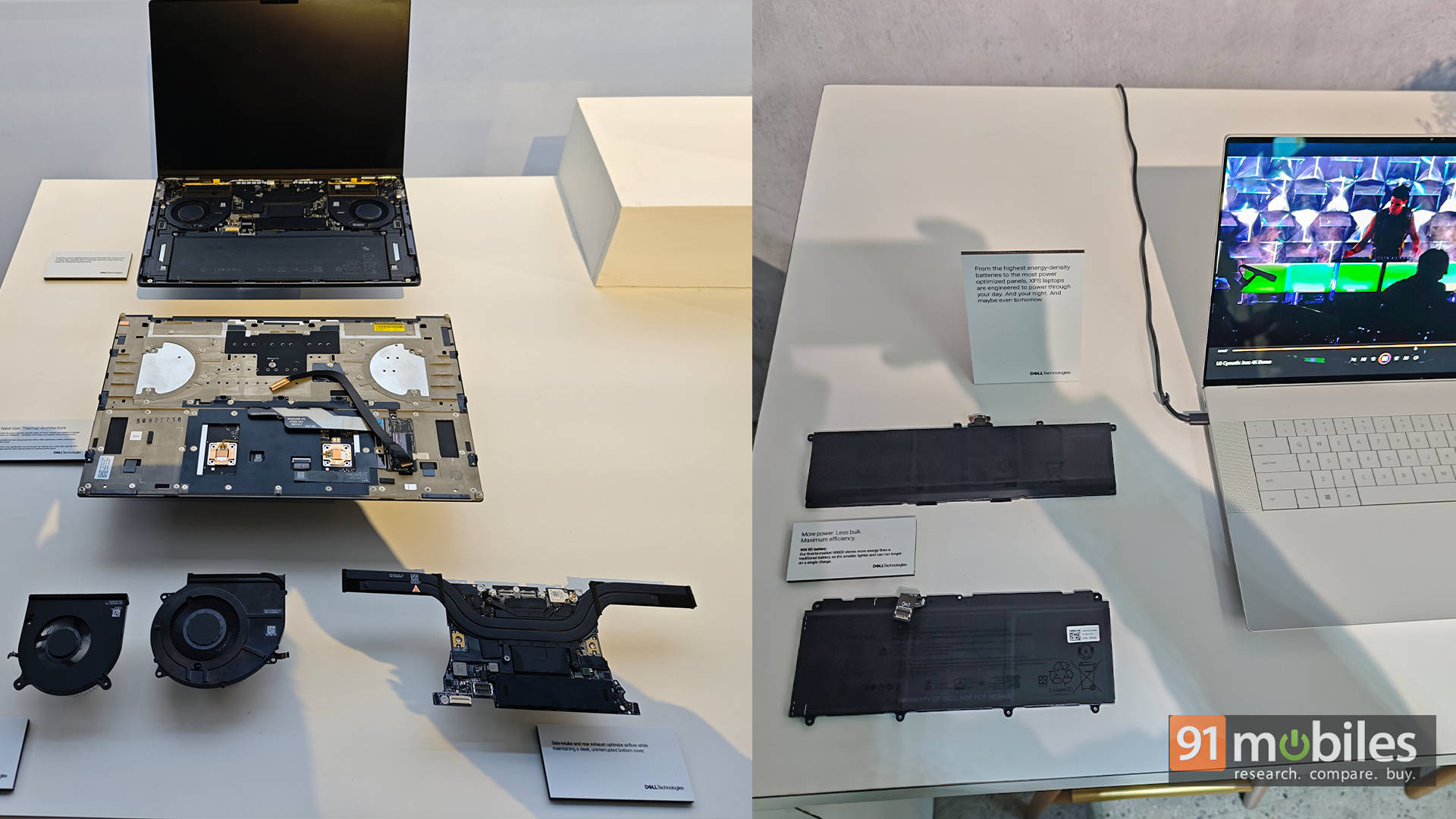
Despite all that internal engineering, the XPS lineup itself remains impressively lightweight. Seeing it on stage gives you an idea of how slim it is, but actually holding and using it drives the point home. Dell is clearly serious about XPS reclaiming its role as the flagbearer of its premium laptop lineup.
The XPS 13 was also on display, though details remain under wraps. I’ve always been fond of the 13-inch form factor, and I’m genuinely curious to see how Dell manages to bring it in at what it’s calling a more “accessible” price point. In today’s PC market, “affordable” is a vague term at best, but if it means more people can finally buy into the XPS ecosystem, that’s a win, for sure.
Alienware: Premium DNA, Broader Reach
The idea of making a premium badge accessible carries over even more strongly into Alienware’s 2026 strategy. Last year, we saw the Alienware 16 and 16X Aurora step in as more budget-friendly gaming options with RTX 5050 and 5060 configurations. This year’s lineup continues that approach, with refreshed CPUs and incremental upgrades rather than a complete overhaul.
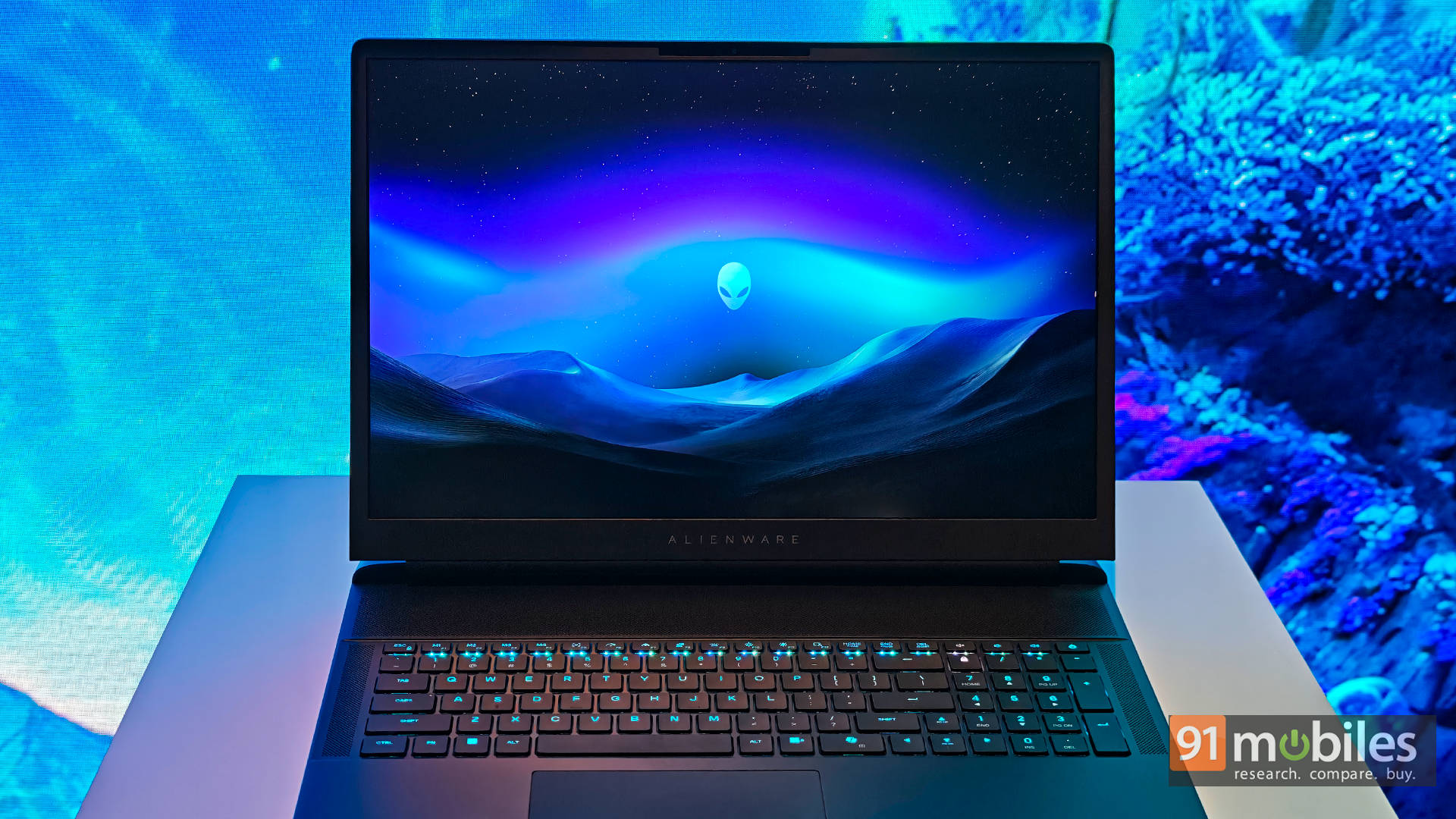
To be clear, these “budget” Alienware laptops effectively mark the end of Dell’s G-series gaming laptops. Everything gaming-related now falls under the Alienware umbrella. As someone who’s always associated Alienware with the absolute top end of gaming laptops, this shift does feel a little strange at first. The more affordable Alienware models use more plastic and have a noticeably simpler build compared to the flagship Area-51 machines.
That said, it’s important to clarify that these laptops aren’t bad by any stretch. They’re actually quite good. They just don’t immediately align with what many people imagine when they hear the Alienware name. But from Dell’s perspective, the strategy makes sense. It simplifies the lineup, gives first-time buyers a taste of the Alienware brand, and potentially nudges them toward higher-end models down the line.
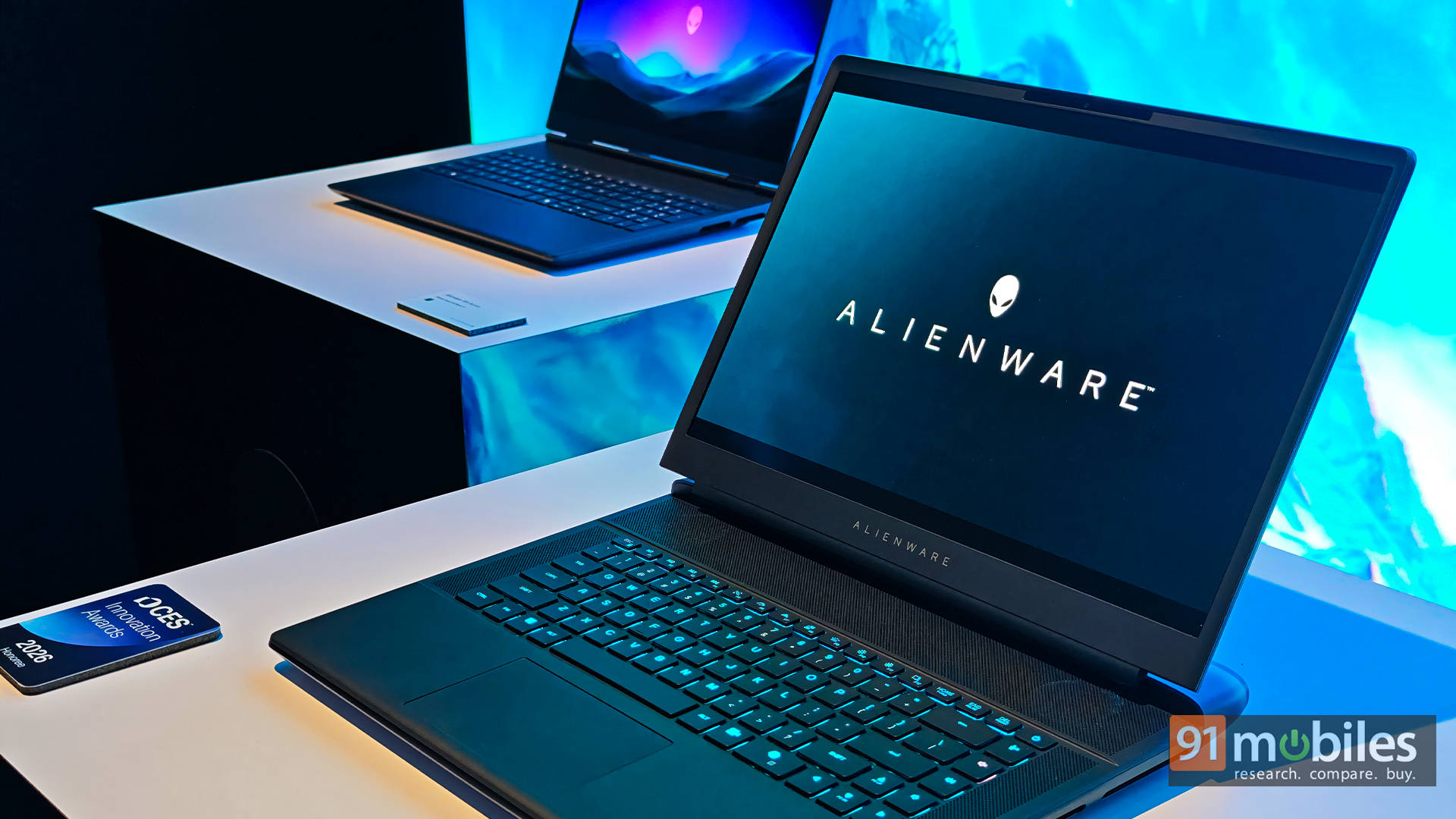
There’s also talk of an even more affordable Alienware laptop coming later this year, possibly aimed at competing with machines like the Lenovo LOQ, HP Victus, and ASUS Gaming V series. Whether Alienware officially sees those as competitors is another story, but this is a brutally price-sensitive segment. How Dell prices its most affordable Alienware could make or break its appeal in that space.
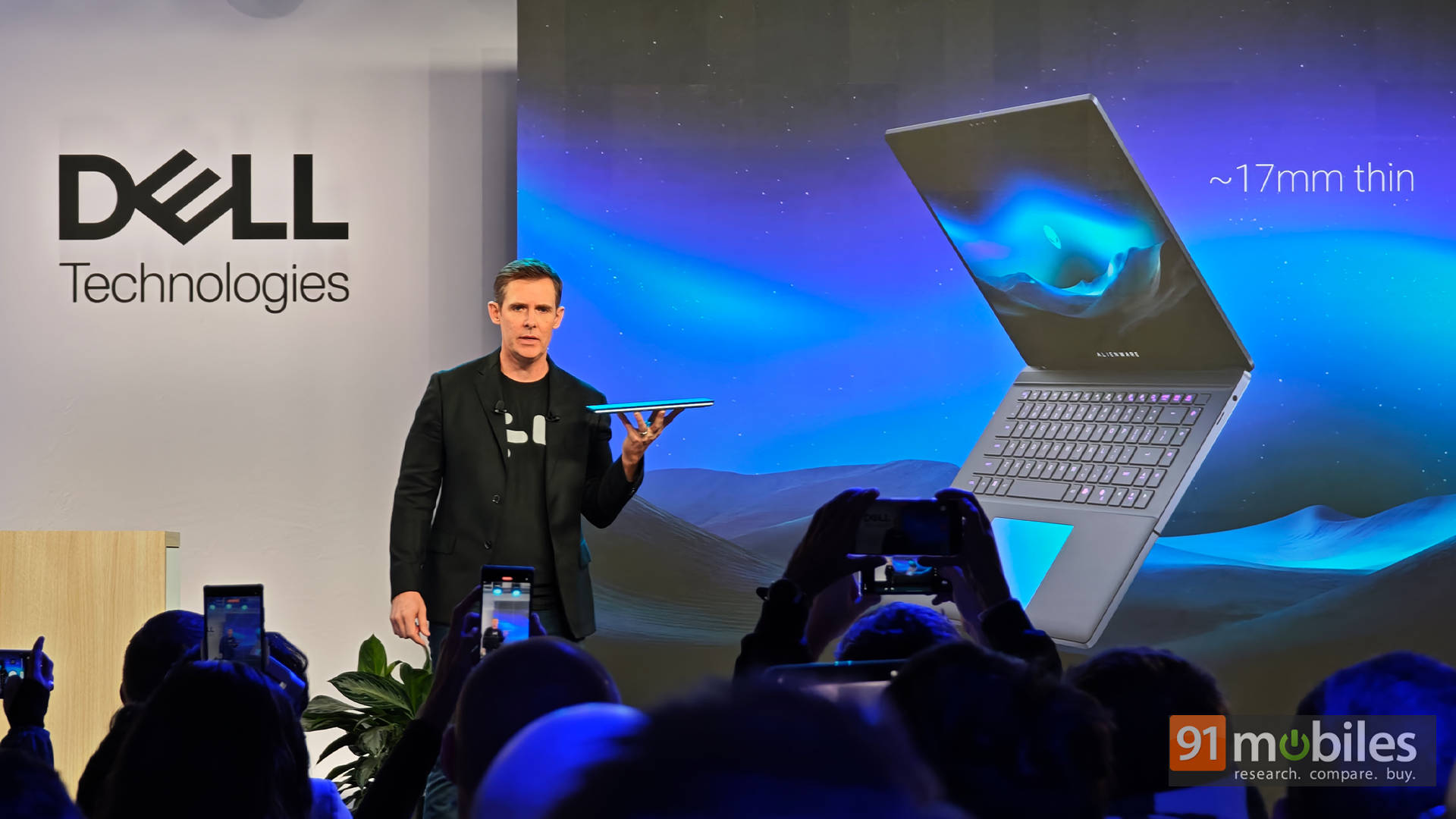
What I’m personally far more excited about, though, is Alienware’s upcoming thin-and-light gaming laptop. While details are still under wraps, the brief hands-on time we had left a strong impression. In today’s market, ASUS’s ROG Zephyrus lineup has very little real competition in the thin-and-light gaming category. Seeing Alienware step into that arena with a premium alternative is genuinely exciting.

Now, if only Alienware also decided to make a handheld gaming device, too, that’d be awesome. And no, this isn’t a teaser, just a suggestion I casually floated to the folks at the demo zone. Fingers crossed someone took a note.
Monitors: Dell’s Quietly Dominant Category
Dell’s monitor lineup has always been a strong suit, but one stat shared during the briefing genuinely surprised me. The UltraSharp series alone accounts for most of Dell’s monitor revenue, with the rest split between Alienware and more budget-focused Dell displays. That says a lot about how trusted UltraSharp monitors are in professional circles.

The new monitors announced at CES are clearly targeted at users with deep pockets and very specific needs. The 52-inch UltraSharp is an absolute monstrosity, and I mean that in the best way possible. Conceptually, it replaces a 32-inch monitor flanked by two vertical 27-inch displays, all with a single seamless 52-inch panel. Dell demonstrated this visually, and the idea works far better than it sounds.

Beyond sheer size, the monitor packs some of the best tech Dell currently offers, including a high-resolution 6K panel, excellent contrast, strong brightness, and thoughtful productivity features that make managing multiple inputs feel natural rather than overwhelming.

The 32-inch QD-OLED UltraSharp is equally impressive, especially for serious creators and filmmakers. The colour accuracy, depth, clarity, and brightness are all top-tier, making it an excellent tool for colour-critical work.

But my favourite feature by far is the anti-reflective coating. Even when I pointed my phone’s flash directly at the panel, reflections were practically nonexistent. That’s huge. It means editors and creators don’t need to lock themselves in dark rooms just to work accurately. With consistent lighting, fewer distractions, and a more comfortable workspace, this one feature alone makes a meaningful difference in real-world use.
Wrapping Up
And that’s pretty much it for my first impressions. If you’re interested in the full specs and configurations, alongside pricing and availability, feel free to check out our launch stories for the XPS & Alienware laptops as well as the UltraSharp monitors. Of course, full reviews will follow once these devices make their way to India and eventually land on our test bench. Until then, stay tuned, because there’s a lot here worth keeping an eye on.