Review Summary
Expert Rating
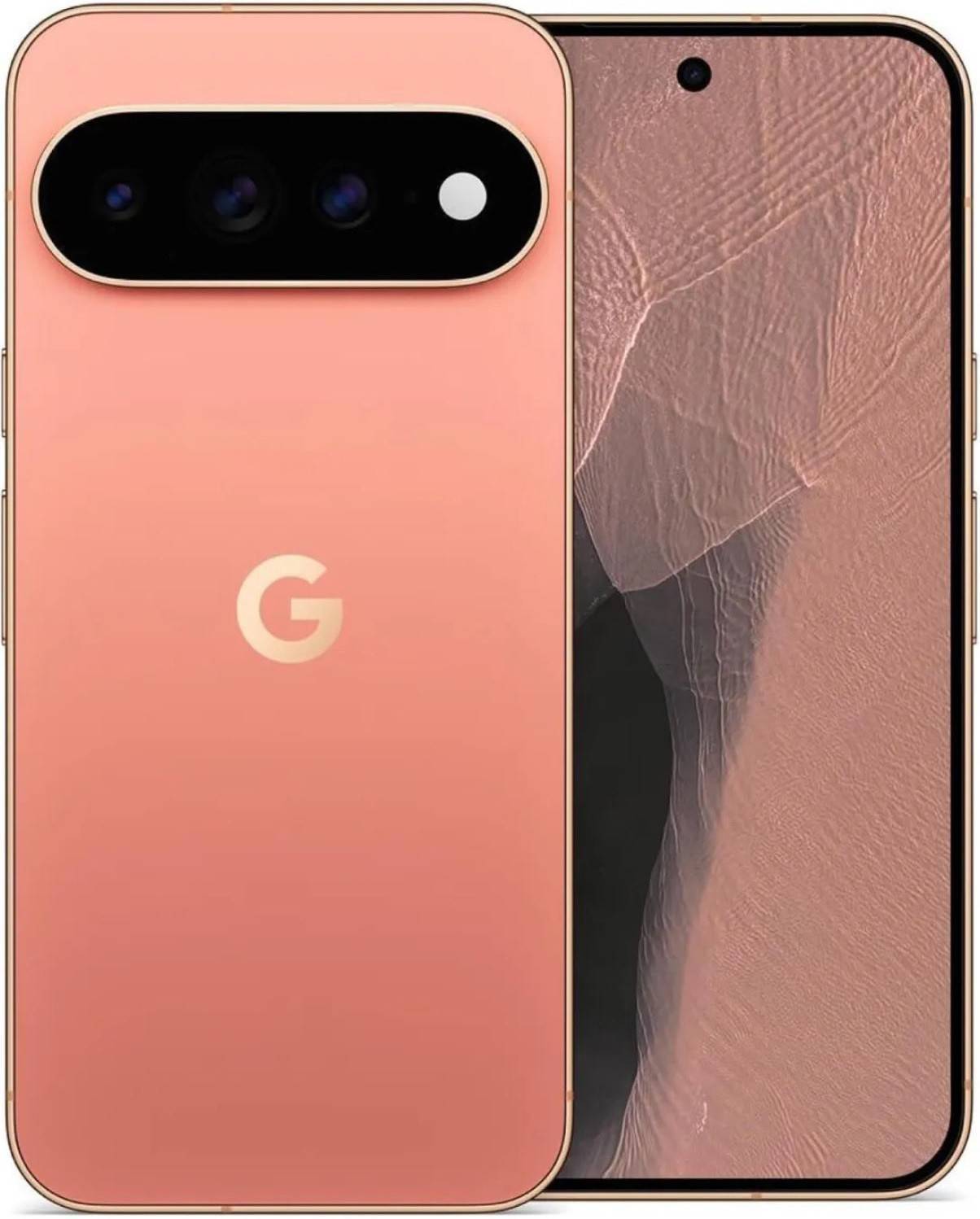
The Google Pixel 11 Pro offers capabilities nearly identical to those of the Pixel 11 Pro XL, but in a compact form factor similar to the vanilla Pixel 11 (review). For a full, in-depth analysis of what Google’s Pro models bring to the table this year, check out our Pixel 11 Pro XL review. Here, the focus is on the Pixel 11 Pro’s battery life. How long can it last with its Pro-level use cases? Keep reading this Google Pixel 11 Pro review to find out.
Table of Contents
Verdict
The Google Pixel 11 Pro has been further refined with more dependable hardware and software. While it still doesn’t offer enough to justify an upgrade from the Google Pixel 10 Pro, it could convince many buyers considering a Pixel. The AI and camera additions, such as Rambler and Magic Capture, are genuinely useful upgrades that improve everyday use. Furthermore, the cameras show plenty of promise, while performance and battery life feel dependable if not class-leading.
Battery: good, not best
The Google Pixel 11 Pro packs a 4,850mAh battery, which is smaller than even the vanilla Pixel 11 and trails behind the competition. It’s backed by 30W wired charging, which can take close to 90 minutes to fully charge the device with a separately purchased PD charger. The smartphone also supports a Qi 2.2 25W magnetic wireless charger, which must be purchased separately.
Regarding the phone’s endurance, the synthetic PCMark battery test shows a runtime of nearly 18 hours, which is remarkable. However, battery drain during our internal 60-minute YouTube video streaming and gaming tests remained on the higher side. The Pixel 11 Pro consumed an average of 7 percent battery, which is 3 percentage points higher than the average consumption recorded by other Android Pro models, such as the OPPO Find X9 Pro and Vivo X300 Pro. This makes the device less appealing for hardcore gamers.


Gaming isn’t the core of the smartphone, anyway. The core USPs of the phone are its cameras and AI features. The handset seems to be nicely optimised for both videography and photography, with roughly a 20 percent drop in battery after an hour-long 4K video recording. Using AI features such as Rambler, Camera Coach, Magic Capture and more also didn’t hog too much battery.
I also used the Google Pixel 11 Pro as my daily driver, and the average screen-on time was around six hours, which is okay but falls short of today’s standard of 7-8 hours.
Cameras: dependable for most scenarios
The Google Pixel 11 Pro camera hardware has been upgraded over its predecessor, with a larger 50MP main sensor and a 48MP 5x telephoto lens. The 48MP ultrawide and 42MP front camera remain unchanged. Google has added several built-in filters to capture images with personalised tones, saving you time to edit them later.

The large sensors definitely play a role here, enhancing the overall quality across lighting conditions. I would still say it is not the king of detail, and the colours may not appear accurate, with images maintaining Google’s trademark contrasty and punchy tones. Now, I did try the 50MP raw images from the phone, and they looked far more realistic than the processed ones.
The smartphone is also quicker at capturing shots in low light, with a fractionally faster Night mode. Additionally, Google has upgraded the zoom capabilities from 100x to 120x, but the image quality remains largely the same: overly processed, with AI-heavy details and watercolour-like colours.
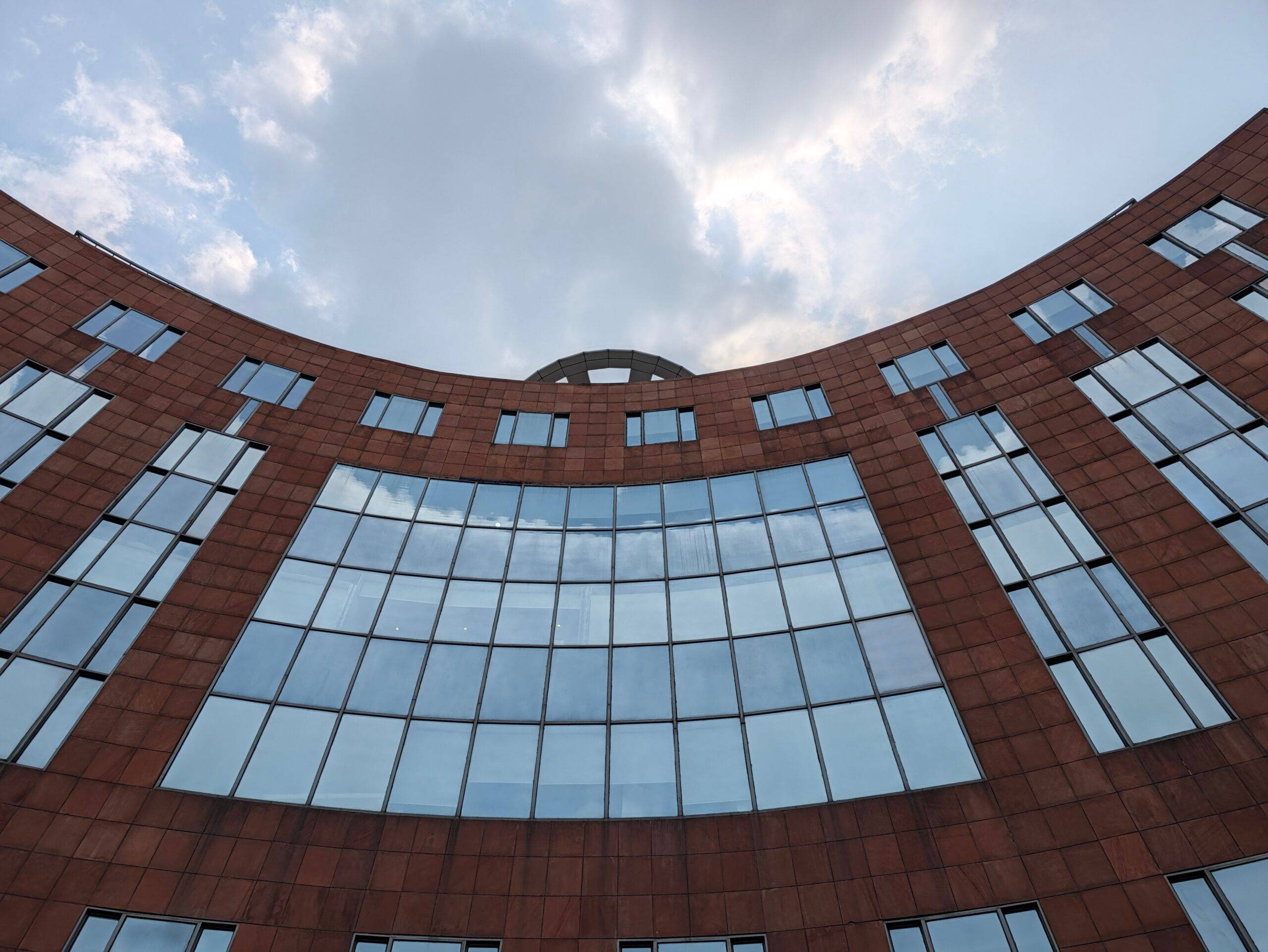
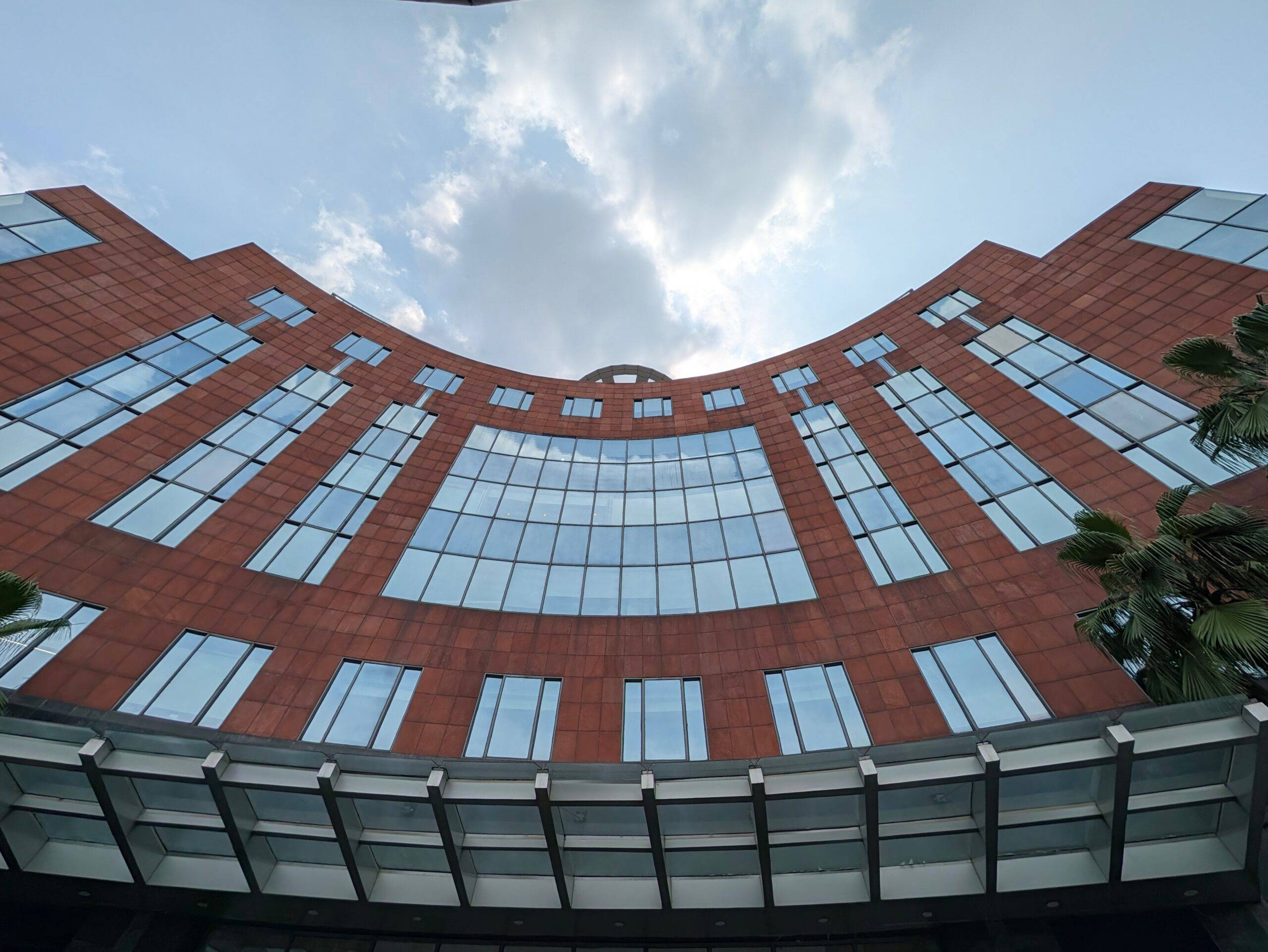

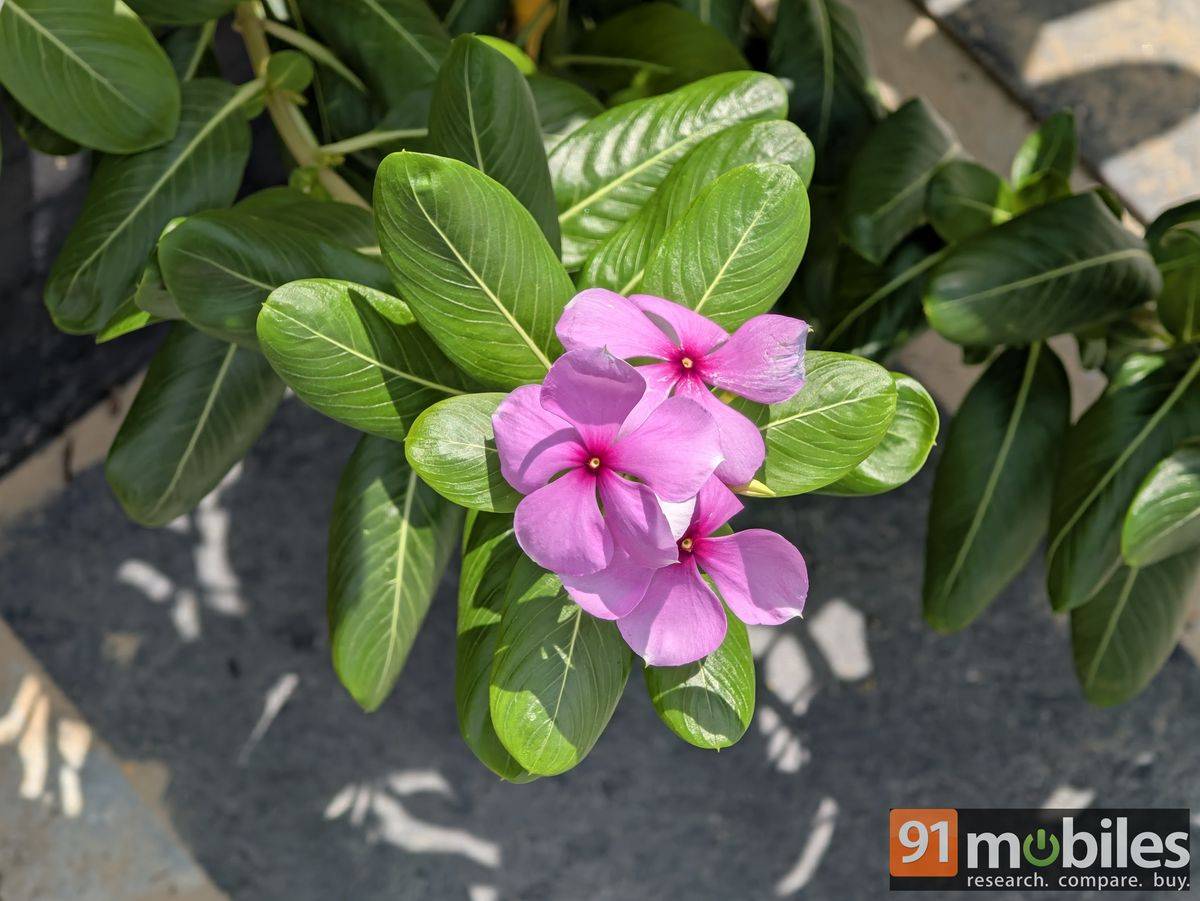


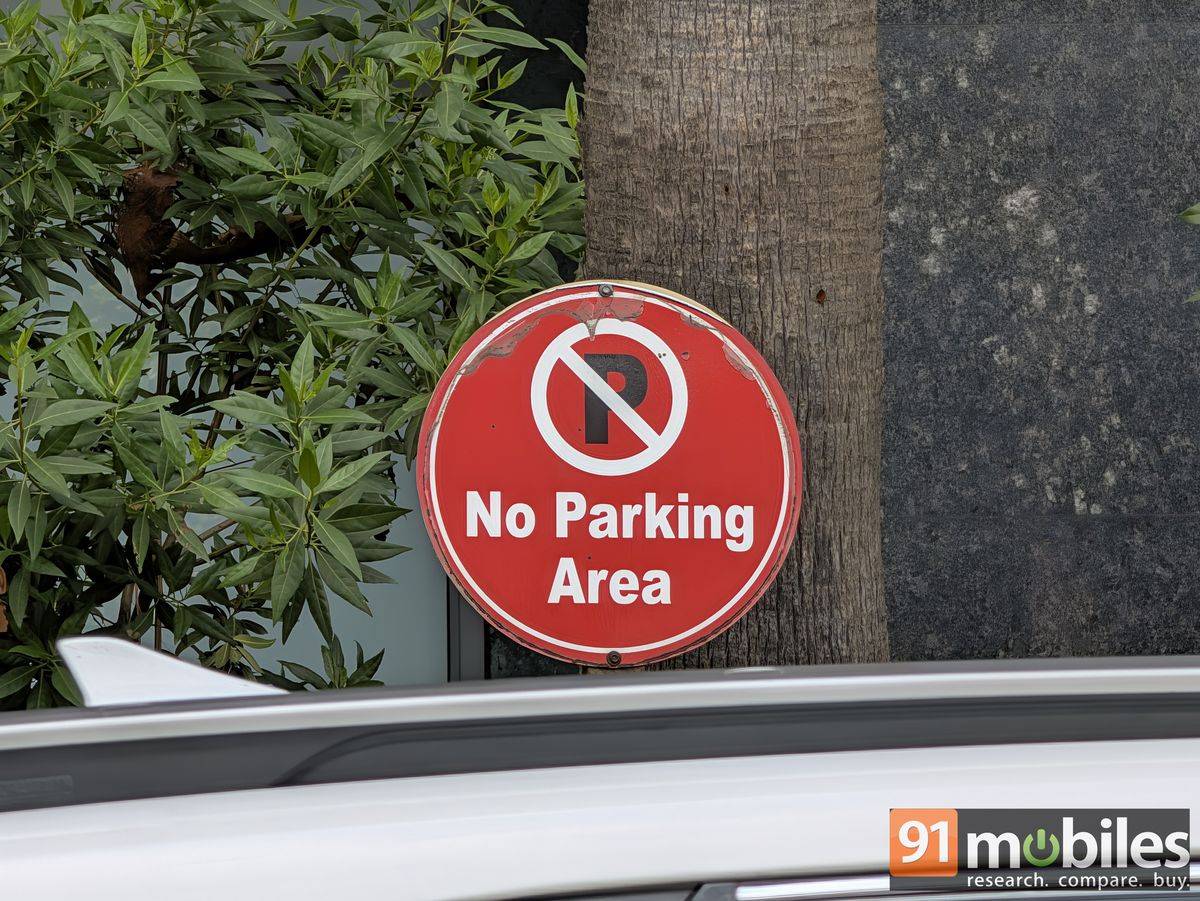


The Google Pixel 11 series, in general, even features several modes aimed at creators. Social Media Grid, for instance, helps you frame subjects so they don’t get cropped out when posting on Instagram and other platforms. Teleprompter lets you read scripts while recording, while Magic Capture is handy for capturing short video clips. It uses AI to pick out the best moments and save them as standalone photos, which can be particularly useful for capturing celebrations or subjects like pets and children who refuse to stay still.
We also compared the Google Pixel 11 Pro with another ‘Pro’ Android smartphone, the Vivo X300 Pro, to provide a better perspective on the former’s camera quality.
Daylight

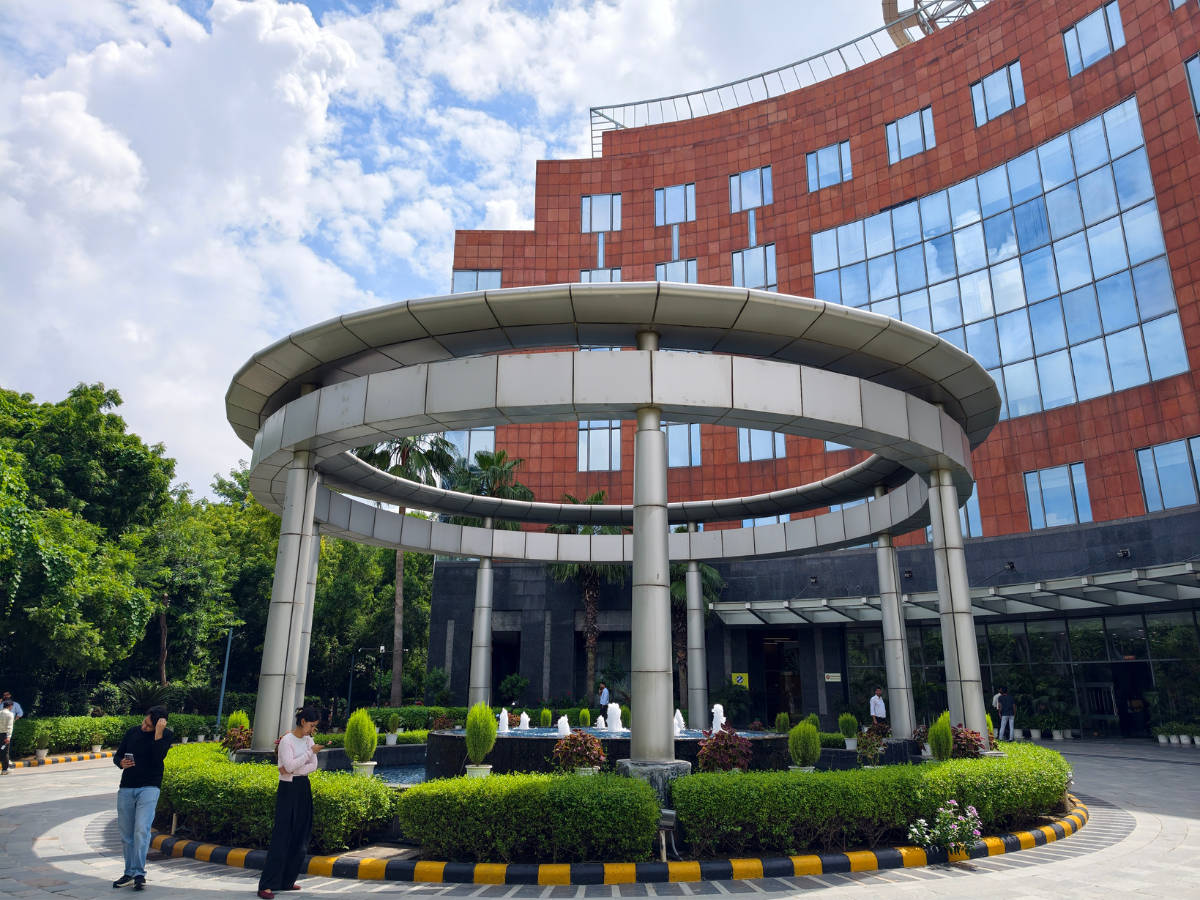
In daylight tests using the primary camera, the Google Pixel 11 Pro captures more realistic-looking shots than the Vivo X300 Pro. While the details may not appear as crisp as those from the Vivo smartphone, the Pixel delivers a more impressive dynamic range and contrast.
Ultrawide
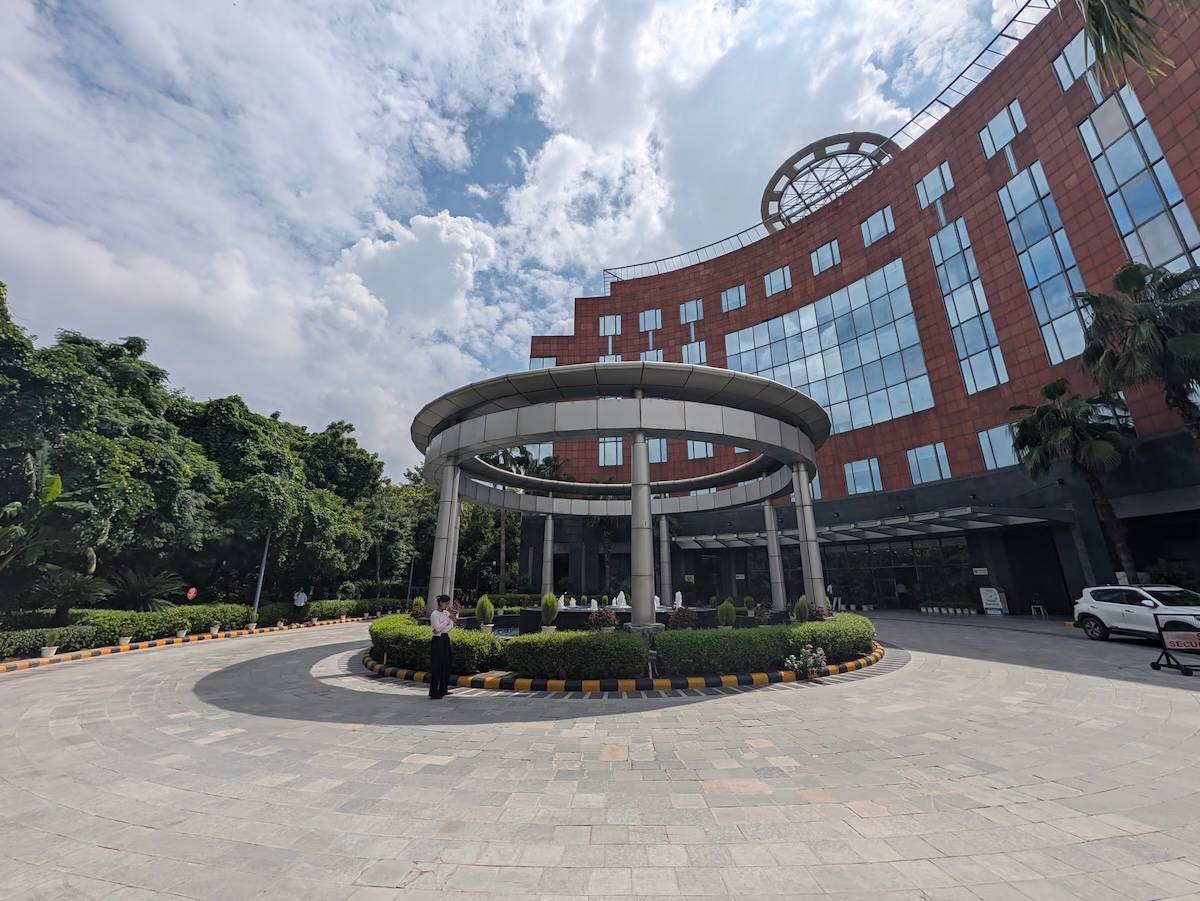
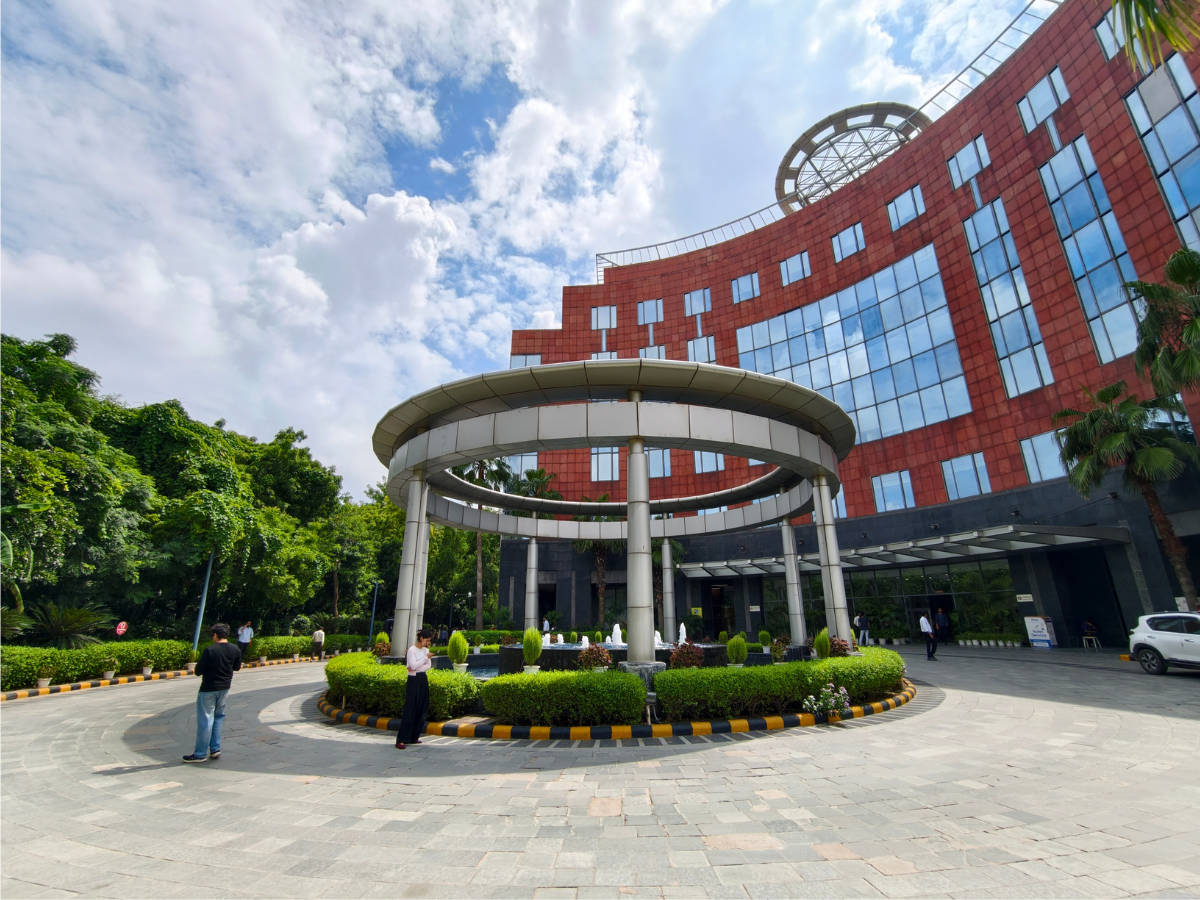
The Google Pixel 11 Pro delivers ultrawide shots with consistency similar to its primary sensor. However, its dynamic range isn’t as strong, while distortion is more noticeable than on the Vivo X300 Pro. The latter also captures finer details.
Portrait


The Google Pixel 11 Pro continues to struggle with portraits, with untidy subject separation and underwhelming details. The colours and skin tones, meanwhile, are closer to reality. The Vivo X300 Pro’s portraits may have oversaturated tones, but have a more natural depth of field and clearer subject separation.
Selfie


Selfies from the Google Pixel 11 Pro appear truer to life. While it can struggle with detail in some areas, the smartphone performs better than the Vivo X300 Pro in dynamic range, skin tones, and facial detail.
Low light (night mode)

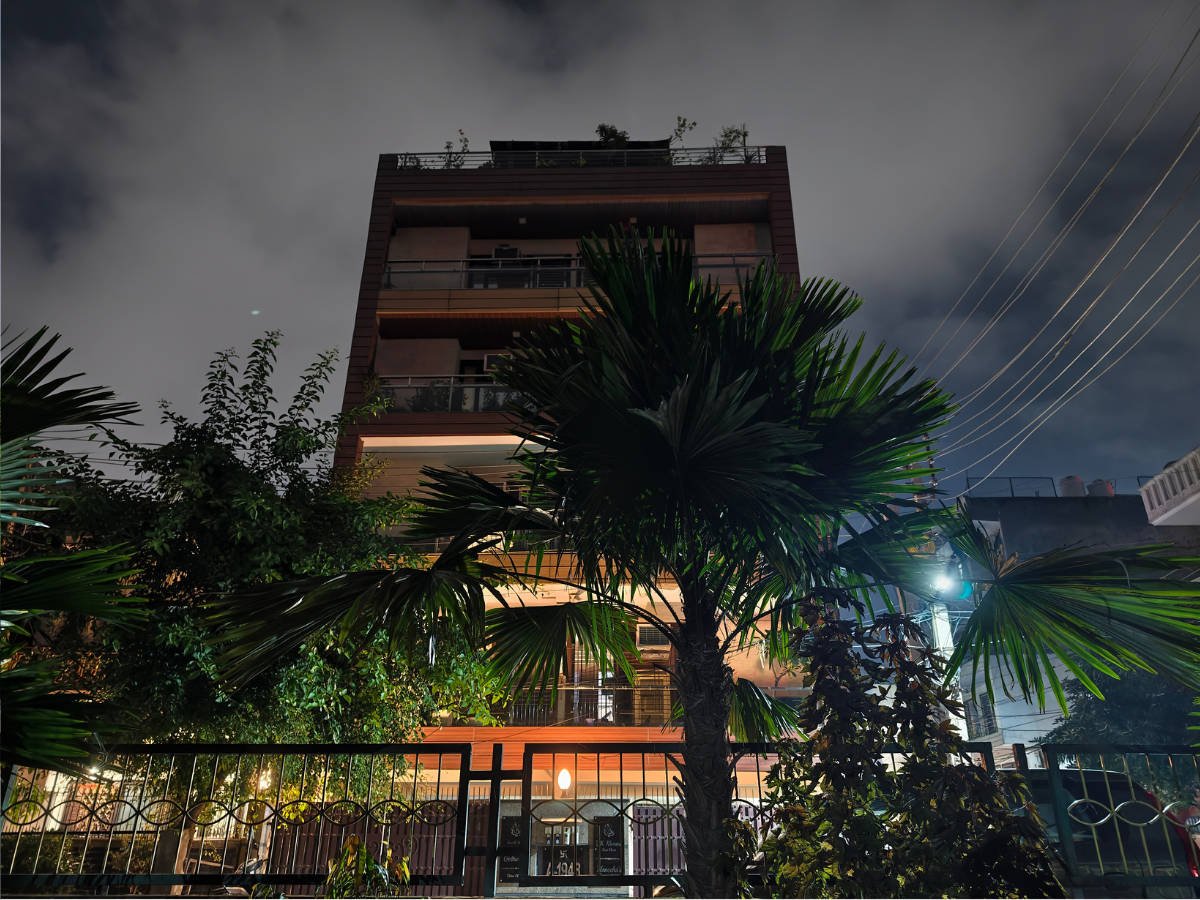
When the sun goes down, the Vivo X300 Pro outshines the Pixel 11 Pro with better exposure and well-controlled light flare. The Vivo smartphone also captures finer details while keeping noise levels in check. The Pixel, however, has an edge in maintaining a more realistic look overall.
Performance and software: useful AI features
At the core of the Google Pixel 11 Pro lies the Tensor G6 chipset, paired with up to 16GB LPDDR5X RAM and 512GB UFS 4.0 storage. The handset runs the latest Android 17 out of the box – the way Google wants it. While there are a bunch of apps (42) pre-installed, none are third-party, making the overall experience raw and clean. The customisation and personalisation options aren’t as dynamic as those on custom ROMs for other Android phones, but there are plenty of ways to make the Pixel 11 Pro match your personality.
We’ve covered an Android 17 roundup, including everything new in the software; check it out. The Pixel 11 Pro does a few things uniquely, making it more interactive, like the little bounce the volume slider does when pushed all the way up or down, tweaking the clock style, widgets’ appearance, and choosing font colours and styles, among other things. Google is also planning to add themes in a future update.
Besides that, there are several AI features, such as the very useful Rambler, which translates natural speech into clean, ready-to-send text. The feature supports up to 11 languages, including Hinglish. The Pixel 11 Pro also comes with Camera Coach to help you take ‘perfect’ images, Magic Capture to snap beautiful moments from a video, Proactive Suggestions for context-based information, and more.
All these features, along with software-backed animations and everyday usage such as multitasking, feel smooth on the Pixel 11 Pro, thanks to the new chipset. Nevertheless, Google’s Tensor G6 chipset isn’t as powerful as the flagship Snapdragon and MediaTek SoCs. Enthusiasts, whether they are gamers or power users, will have to keep their expectations in check.
There are other nice things about the phone too, the most prominent being its haptic feedback. It’s strong yet pleasing, making you want to use the smartphone more for typing, interacting with the UI, and more.
Design and HiLight: needs improvement
Google hasn’t moved away from its design philosophy with the Pixel 11 Pro, and we aren’t complaining, since it still feels unique to the phone and helps it stand out from the crowd. The camera visor has dropped the dual-tone finish and introduced the new HiLight feature on the LED flash, which I’ll get to in a bit. That’s about it. The in-hand feel remains largely the same: solid and premium, with a glossy aluminium frame and matching finish on the camera visor.

We received the Fog colour variant for review; it looks appealing and features a contrasting chrome finish around the edges. That said, I do wish Google had opted for a matte finish on the frame instead of a glossy one, to improve grip and avoid fingerprints and smudges. Many won’t mind it, since they will use the phone with a case.
Compared to the vanilla Pixel 11, which features a camera visor with a relatively thin profile, the Pixel 11 Pro has a protruding one, and it is quite apparent when holding the phone horizontally. For gamers, it could be slightly bothersome. Otherwise, it isn’t a deal-breaker and also keeps the phone stable while resting flat on the surface for easy typing.
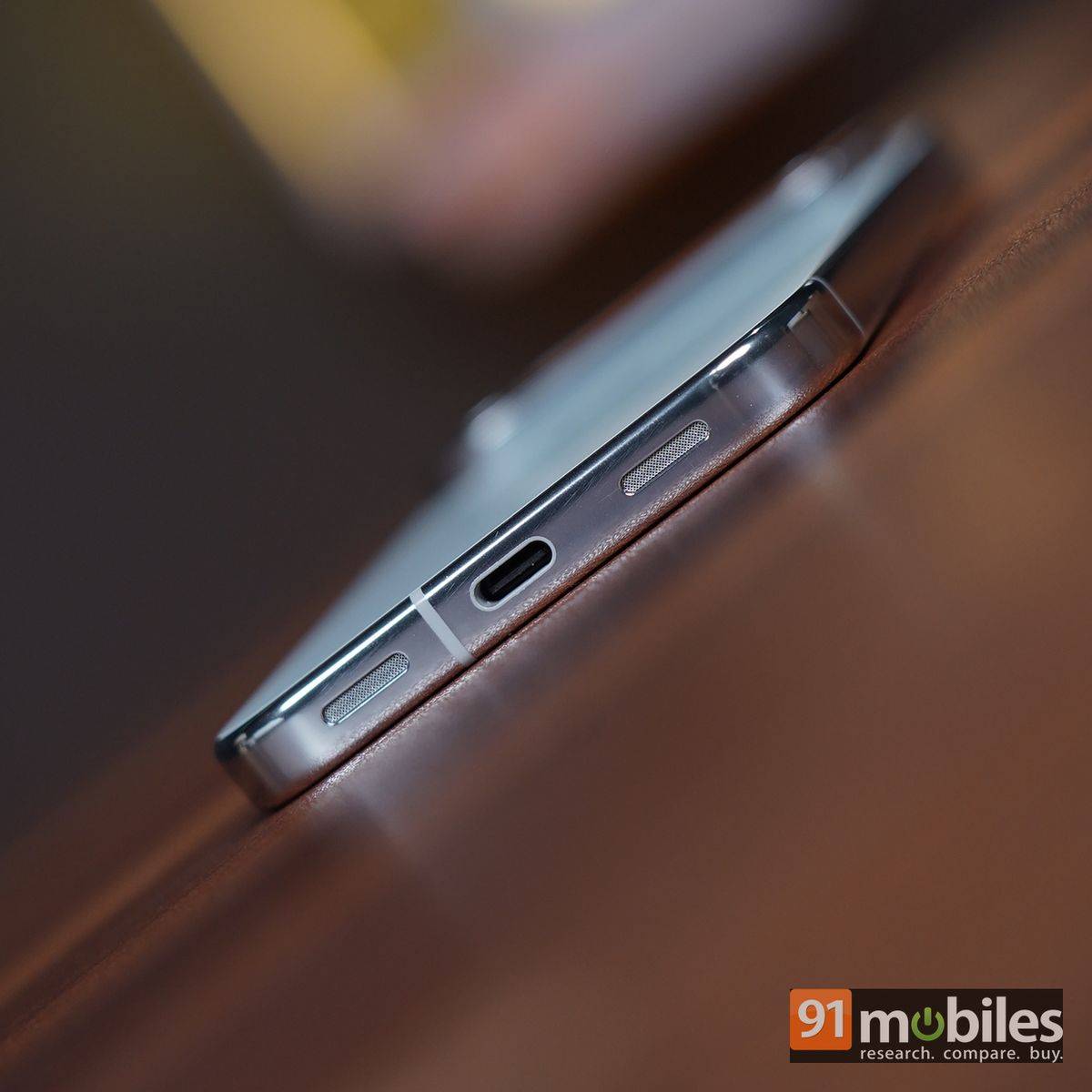
The Pixel 11 Pro weighs 204 grams, making it easy to hold for prolonged use, and with its 152.7 x 71.9 x 8.4 mm dimensions, you can easily pocket and carry it. The phone is IP68 water- and dust-resistant and features Corning Gorilla Glass Victus 2 protection on both the front and back.

As for the HiLight feature, it feels nothing but redundant as of now. We have seen the likes of Nothing and Tecno doing all sorts of things with LED lights on the back panel, but Google limits it to a multicoloured light on the LED flash, reserved only for select contacts and Google Gemini. It seems to be an attempt to make Gemini interactive even when the phone is face down, with the LED light indicating that the tool is listening or thinking. However, it cannot be assigned to other notifications or alerts, rendering the feature useless.
Display and audio: capable
The display on the Pixel 11 Pro is a 6.3-inch Super Aqua LTPO with FHD+ resolution, up to 120Hz refresh rate, and 3,600 nits peak brightness (2,400 nits for HDR content). The bezels are evenly distributed on all four sides and are slimmer than those on the Google Pixel 11. You get marginally bigger screen real estate on the Pro model and a more immersive experience than the standard Google Pixel 11 when compared side by side.

The other aspects of the phone’s display are equally flagship-grade, delivering sharp visuals, saturated colours, and an excellent contrast ratio. The panel remains legible both indoors and outdoors, even when viewing HDR content under direct sunlight. Complementing the display is a set of stereo speakers that get decently loud while retaining impressive clarity, even at maximum volume levels.
The Pixel 11 Pro’s display also features an ultrasonic fingerprint scanner, exactly where the finger would naturally rest. The scanner is not the fastest, but it unlocks the device accurately and in a fraction of a second.
Final verdict
The Pixel 11 Pro feels competent enough, but not exceptional. Its average battery life, slow charging and the Tensor G6’s weaker raw performance prevent it from being a truly complete flagship. The Vivo X300 Pro (review) and OPPO Find X9 Pro (review) offer stronger performance and better battery life at a similar price.
Moreover, the Google smartphone is positioned between the more affordable Pixel 11, which offers nearly the same AI capabilities, and the Pixel 11 Pro XL, which offers better battery life.
Starting at Rs 1,19,999, the Google Pixel 11 Pro remains a compelling choice for users prioritising ‘Pro’-grade cameras and a relatively compact form factor. It also benefits from Google’s clean software experience, long-term software support, regular Pixel Drops and genuinely useful AI features. Add a bright display, smooth performance and premium design, and the Pixel 11 Pro is worth a second look.
Editor’s rating: 8.4/10
Reasons to buy
- The handset is easy to pocket with its compact build and comfortable for prolonged use.
- AI features, such as Rambler and Magic Capture, are genuinely useful.
- The Pixel 11 Pro gets large main and telephoto cameras, improving overall camera performance.
- Dependable enough for a full workday of moderate use.
Reasons not to buy
- HiLight can’t be customised or assigned to any other notifications/ alerts.
- Performance is smooth, but lacks the firepower of flagship Snapdragon and MediaTek SoC-powered phones.
 | vs |  |
| vs |  |