


Review Summary
Expert Rating
The Infinix Note 60 Pro isn’t your typical mid-range smartphone. The handset brings a bold mix of standout design and feature-heavy hardware, with a unique rear “Active Matrix” display, and a look that clearly echoes the iPhone 17 Pro-style camera layout. Paired with a vibrant orange finish, it manages to feel both familiar and distinctive at the same time. Beyond aesthetics, the phone backs up its ambitions with capable hardware. You get a smooth 144Hz AMOLED display, a Snapdragon 7s Gen 4 chipset, and a large 6,500mAh battery with fast charging support.
On paper, the Infinix Note 60 Pro checks a lot of the right boxes, but the real question is how it holds up in a highly competitive mid-range segment. In this review, we take a closer look at its overall performance, features, and whether it truly stands out against its rivals.
Table of Contents
Verdict
The Infinix Note 60 Pro is a feature-packed mid-ranger with dependable performance, decent battery life, and a fun Active Matrix Display. Its cameras are good enough for casual use, but the bulky build and IP64 rating feel like compromises. If you want better cameras, the Nothing Phone (4a) is a stronger choice, while the Vivo T5 Pro offers a bigger battery. Despite its minor shortcomings, the Infinix Note 60 Pro is a solid pick for anyone looking for something different in its segment.
A bold design that’s hard to ignore
I’ve already covered the Infinix Note 60 Pro’s design in detail, but it’s still worth revisiting the overall look, because it’s the first thing you notice, and here, it’s hard to ignore. The phone clearly draws inspiration from the iPhone 17 Pro, especially with its large camera island and the bold orange finish. Whether that’s a downside depends on your perspective.
At this point, design crossovers across brands are hardly surprising. More importantly, the Infinix Note 60 Pro doesn’t look bad as it manages to carve out its own identity. The ‘Solar Orange’ variant is striking and will appeal to those who like bold aesthetics, while the Deep Ocean Blue and Mocha Brown options feel more understated and, frankly, more appealing.
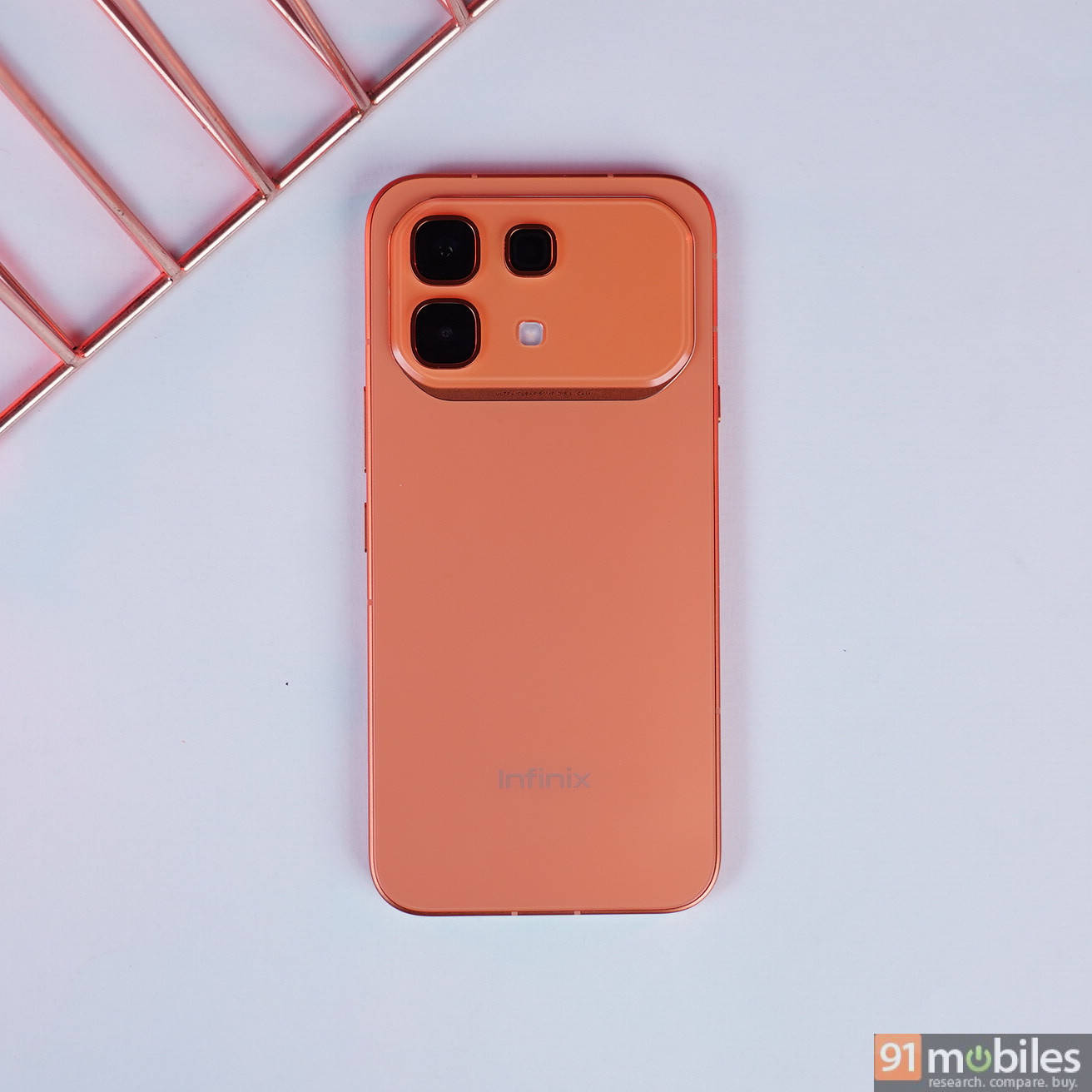
Design preferences aside, usability is where things get a bit more subjective. This is a large phone, and while it isn’t extremely heavy, it doesn’t feel the most ergonomic. Extended use, especially for gaming or streaming, can lead to noticeable hand fatigue. Durability is another area where it falls slightly behind rivals. The IP64 rating means it’s only splash-resistant, whereas many competitors in this segment now offer IP68 or even IP69-level protection.
On the plus side, the aerospace-grade aluminium frame and matte finish do add a premium in-hand feel, helping the phone strike a balance between flashy design and solid build quality.
One-tap button and heart rate sensor
The handset features a customisable one-tap button on the left side and a heart rate sensor on the right. The one-tap button can be assigned to actions like mute, camera launch, DND, flashlight, and more, though it requires a long press to activate.
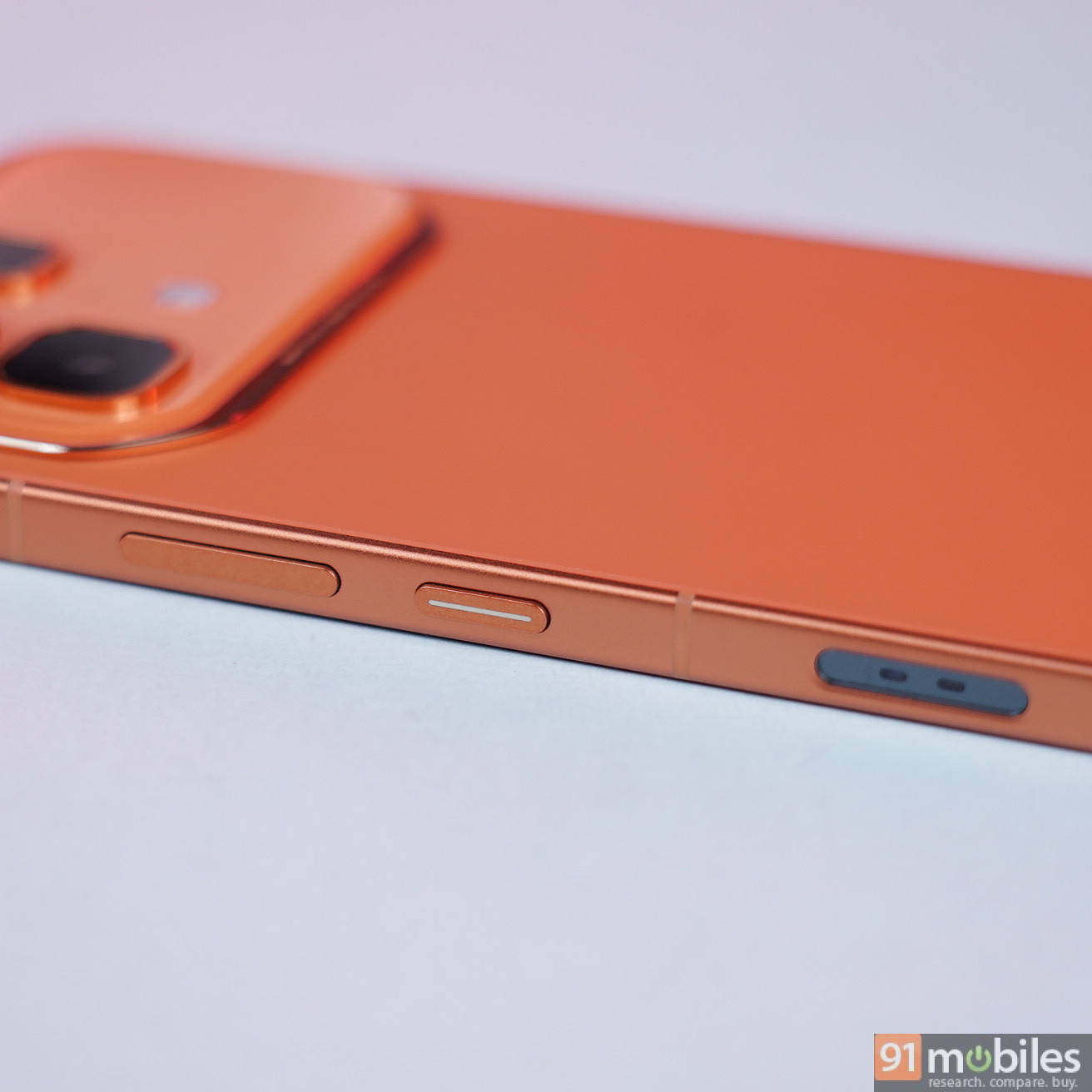
Overall, these additions enhance everyday utility and add a unique touch, even if they lean more towards convenience than serious health tracking.
More than one display to talk about
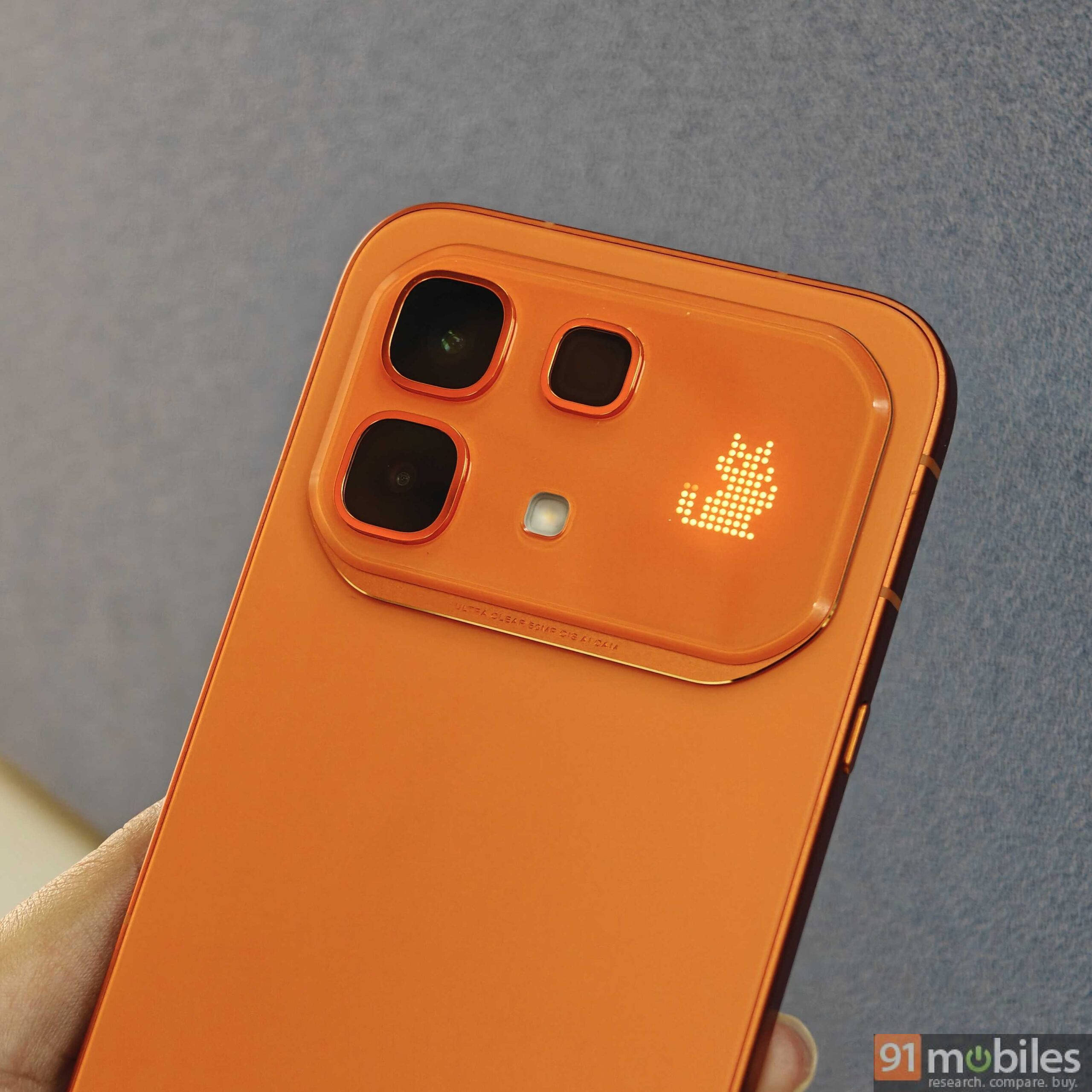
Before getting to the main display, it’s worth talking about the Active Matrix Display on the Infinix Note 60 Pro. Placed within the rear camera island, this panel uses 288 independent LEDs to create dynamic lighting effects. It can show notifications, charging status, battery levels, pixel pets (like a cat or dog), and even custom text or emojis.
You also get a couple of mini-games that run on this tiny display. It’s more than just a visual gimmick as there’s some functional value here, especially for glances, and it adds a playful, interactive layer to the overall experience. (You can dive deeper into it separately here.)
Coming to the main display, the phone features a 6.78-inch 1.5K AMOLED panel with a peak brightness of 4,500 nits, Gorilla Glass 7i protection, HDR10+ support, and a 144Hz refresh rate. On paper, this is an impressive setup for a mid-range device. In practice, while the panel can scale up to 144Hz in supported games, general UI interactions are capped at 120Hz.
The display offers strong contrast and vibrant colours without looking oversaturated, while HDR10+ ensures better highlights and shadow detail in supported content. The high peak brightness ensures good outdoor visibility, while the panel also maintains decent low-brightness uniformity, making it comfortable for nighttime use (although not recommended). Paired with dual stereo speakers tuned by JBL, the phone offers a fairly immersive multimedia experience overall.
Cameras: good for casual photography
For optics, the Infinix Note 60 Pro features a 50MP primary sensor paired with an 8MP ultra-wide lens. The handset supports 4K video recording at 30fps, along with features like Live Photos, Street Mode, and an Ultra HD mode for higher-resolution shots. On the front, you get a 13MP selfie camera with options like wide selfie and dual video recording.
Overall, this is a fairly standard camera setup for the segment. While it covers the basics well, the handset does miss out on added versatility with no dedicated telephoto lens, which some competing phones now offer. That said, for casual photography, social media, and everyday shots, the Infinix Note 60 Pro should get the job done without much fuss.













To put its performance into perspective, we’ve compared the cameras on the Infinix Note 60 Pro with those on the Nothing Phone (4a), which sits in the same price bracket.
Daylight
In daylight, it’s a close contest, but the Nothing Phone (4a) edges ahead by a small margin. The handset delivers slightly better detail and sharpness, though the differences aren’t immediately noticeable unless you look closely. Colour reproduction is also more accurate on the Phone (4a), while the Infinix Note 60 Pro tends to overexpose shots, resulting in mildly blown-out highlights. That said, the Infinix Note 60 Pro holds its ground well in dynamic range and exposure control, where it manages to retain a bit more detail in both highlights and shadows.


Ultra-wide
In ultra-wide shots, the Nothing Phone (4a) continues to lead in detail and sharpness. The Infinix Note 60 Pro also showed some inconsistency with lens flare, as bright sunlight would creep into the frame even after multiple attempts. The Note 60 Pro, on the other hand, does a better job with colour consistency and contrast, giving its images a slightly richer look. However, when it comes to distortion control and dynamic range, the Phone (4a) still comes out ahead as the more reliable option.


Selfies
It’s worth noting that both phones deliver appealing selfies, especially for social media use. In terms of colour science, the Nothing Phone (4a) captures skin tones and overall colours a bit more accurately than the Infinix Note 60 Pro. However, the Note 60 Pro pulls ahead in terms of detail, producing slightly sharper facial textures. Dynamic range is a close contest, but the Phone (4a) has a marginal edge with a more balanced overall output.


Portrait
The Nothing Phone (4a) has a clear hardware advantage for portraits, thanks to its dedicated telephoto lens, while the Infinix Note 60 Pro relies on its primary sensor for depth effects. In practice, this shows. The Phone (4a) delivers more accurate skin tones and colour reproduction, along with noticeably better detail and clarity, capturing finer elements like hair strands and facial textures more naturally. The Note 60 Pro, on the other hand, tends to oversharpen images, which can end up flattening finer details rather than enhancing them.
Edge detection and background blur are also more refined on the Phone (4a), resulting in cleaner subject separation and a more natural-looking bokeh.


Low-light
Low-light is one area where the Infinix Note 60 Pro clearly steps up. It handles light flares and exposure more effectively, resulting in cleaner, more controlled shots. You’ll also notice lower noise levels and better detail retention compared to its rival. When it comes to colour and realism, the Note 60 Pro does a commendable job as well, capturing more natural-looking tones and staying closer to the actual scene.


Night mode
With night mode enabled on both phones, the gap narrows, but some differences remain. The Nothing Phone (4a) shows noticeable improvement in controlling light flares, though the Infinix Note 60 Pro still holds a slight edge here. In terms of detail and noise, the Phone (4a) does a better job, delivering cleaner images with improved sharpness. However, the Infinix Note 60 Pro continues to stand out in colour reproduction and overall realism. Even with night mode, where images can often look overly processed, it manages to retain more natural tones and a less artificial look.


Overall, both phones have clear strengths depending on what you prioritise. The Nothing Phone (4a) leans towards consistency, offering better detail, sharper images, more accurate colours, and the added advantage of a telephoto lens for portraits. The Infinix Note 60 Pro, on the other hand, stands out in low-light photography with better control over flares, more natural colour reproduction, and stronger exposure handling. In short, the Phone (4a) is the more versatile and reliable shooter overall, while the Note 60 Pro proves to be the better pick for nighttime shots and those who prefer a more natural-looking output.
Reliable performance
Powered by the Snapdragon 7s Gen 4, the Infinix Note 60 Pro delivers solid mid-range performance. While its benchmark scores are slightly behind other phones with the same chip, real-world usage remains smooth with no noticeable lag or stutters. The use of UFS 2.2 storage is a downside, as it offers slower data transfer speeds than what some rivals offer.


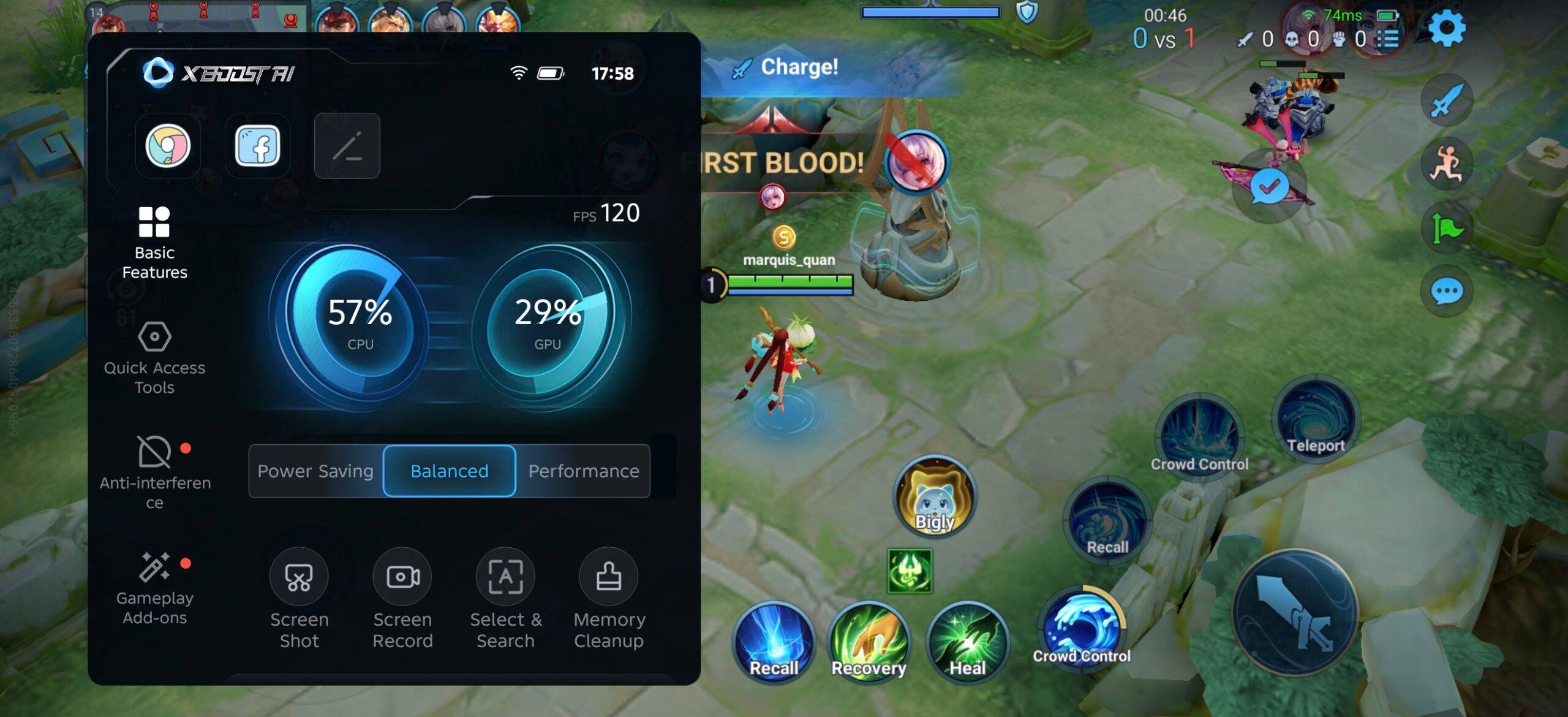
For gaming, Infinix claims 120fps in COD Mobile, though we recorded an average of 56.9fps in our testing. However, titles like Honor of Kings consistently hit 120fps, ensuring a fluid experience. The phone is also equipped with a large 4758mm2 3D IceCore VC cooling chamber with crystal graphite material, which keeps thermals in check, and there’s no noticeable heating even during extended sessions.
All-day battery life and a little bit more
The Infinix Note 60 Pro comes with a 6,500mAh battery, which is still sizeable for the segment, even though some newer rivals are pushing 7,000mAh or even 9,000mAh capacities. In real-world use, the phone holds up well, lasting a little over a day with regular usage that includes the Active Matrix Display and AoD enabled throughout, 5G hotspot usage, streaming, and casual gaming.

Even when pushed harder with more intensive tasks, the device can comfortably get through a full day without needing a recharge, which makes it reliable for most users. On the charging front, the 90W fast charging support ensures quick top-ups, with the phone taking just over an hour to go from 0 to 100 percent. Overall, the Infinix Note 60 Pro has more than enough for daily usage.
Interactive and feature-rich UI
On the software front, the handset runs XOS 16 based on Android 16 out of the box. The handset is promised to receive three major OS upgrades and five years of security updates, fair for the segment, though some rivals offer longer support. XOS 16 (review) feels more refined this time, with a cleaner, more intuitive interface, deeper customisation options, and a host of AI-driven productivity features. While the UI does take clear inspiration from other Android skins and iOS 26, it manages to deliver a smooth and user-friendly experience overall.
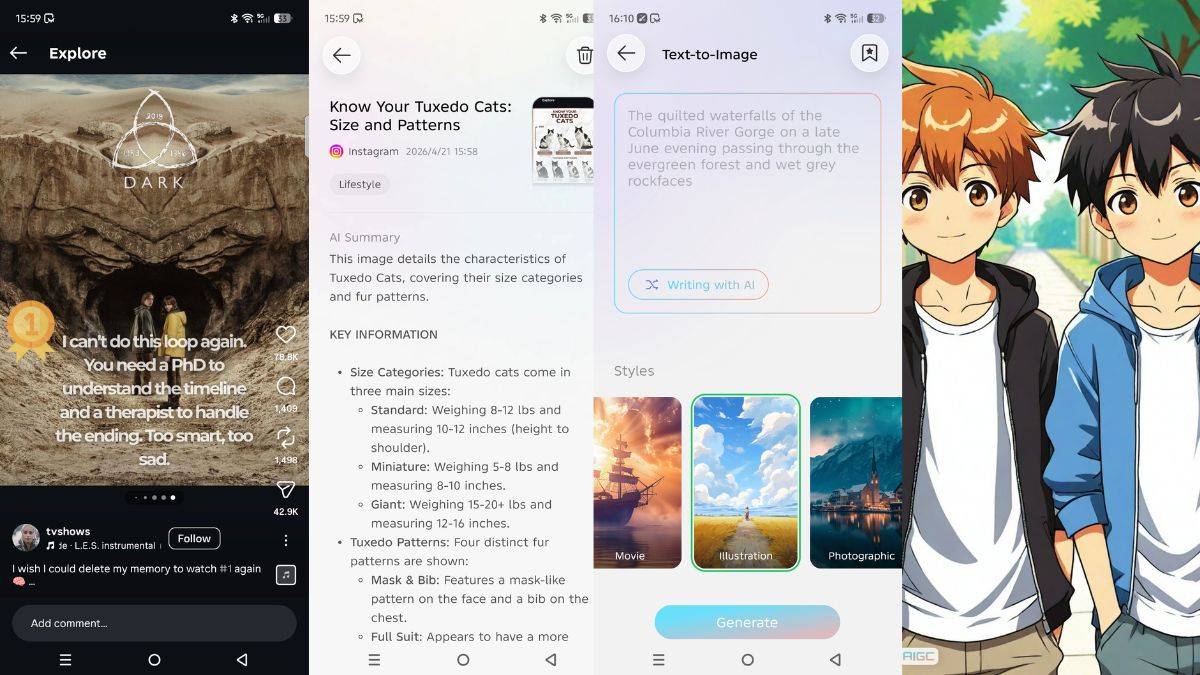
A key addition is the ‘Mind Hub’, an AI-powered space that organises and summarises content. Using the One-Tap FlashMemo shortcut, you can quickly capture notes or ideas, which the system then analyses and condenses into useful summaries. Features like the Dynamic Bar also add to the experience by surfacing contextual updates for music, notifications, and more in a neat, interactive way.
Overall, the software experience feels modern and feature-rich, even if it isn’t the most original.
Final verdict
The Infinix Note 60 Pro shapes up as a feature-packed mid-ranger that gets the basics right, offering dependable performance, decent battery life, and a unique Active Matrix Display that adds a fun twist to the overall experience. Its cameras are reliable enough for casual photography, making it a fairly well-rounded option for everyday use.
However, the phone does feel bulky and heavy, and the IP64 rating falls short compared to some rivals. If camera versatility is a priority, the Nothing Phone (4a) (review) is a better pick, while the Vivo T5 Pro offers stronger battery credentials. Still, for those looking for something a little different in the mid-range segment, the Note 60 Pro remains an easy recommendation.
Editor’s rating: 8.1/10
Reasons to buy
- It has a large and bright display with punchy colours and smooth scrolling, making it a good option for media consumption and gaming.
- The Active Matrix Display is actually useful for quick notifications and creative use cases.
- Handles demanding titles smoothly with stable frame rates.
- Feature-rich UI with smooth animations and handy tools.
Reasons to skip
- Feels heavy and less ergonomic for prolonged use
- IP64 rating offers only basic protection compared to rivals
 | vs |  |
| vs |  |