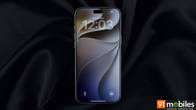
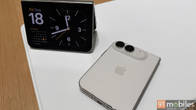
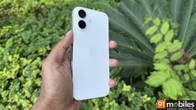
For those living under a rock, Apple’s official iPhone lineup currently looks like this:
- iPhone Duo – right at the top, starting at Rs 2,99,900
- iPhone 18 Pro Max – starting at Rs 1,79,900
- iPhone 18 Pro – starting at Rs 1,64,900
- iPhone Air – starting at Rs 1,49,900
- iPhone 17 – starting at Rs 99,900
- iPhone 16 – starting at Rs 89,900
- iPhone 17e – starting at Rs 79,900
The iPhone Duo (first impressions) and iPhone 18 Pro (review) models hold their own at the premium end, while the iPhone 17 makes a confident case for itself even a year after launch. The iPhone Air (review) may not appeal to the masses, but it clearly has an audience (not sure about you, but I’ve spotted several celebrities using the phone). It’s the iPhone 17e and iPhone 16 that have me curious about their existence in the lineup.
Arguably, the iPhone 17e (review) doesn’t offer much value, but the iPhone 16 (review) still has plenty to offer. I’ve used the smartphone daily for over a year, after a year of use by my colleague, and it still doesn’t feel dated. However, its continued relevance doesn’t necessarily make it an easy recommendation. Despite its strengths, a few major red flags work against the iPhone 16 in today’s market.
Table of Contents
Why does the iPhone 16 make sense in 2026?
Snappy performance
Despite being a two-year-old chipset, Apple’s A18 is no slouch in performance. I’ve tested the iPhone 16 across a variety of tasks, including everyday usage, video recording, gaming, editing, image generation and more, and the handset handled them all with ease. Its thermal management could be better, though, as the phone tends to throttle performance and reduce display brightness under sustained loads. Even so, it handled workloads well.
All-day battery life
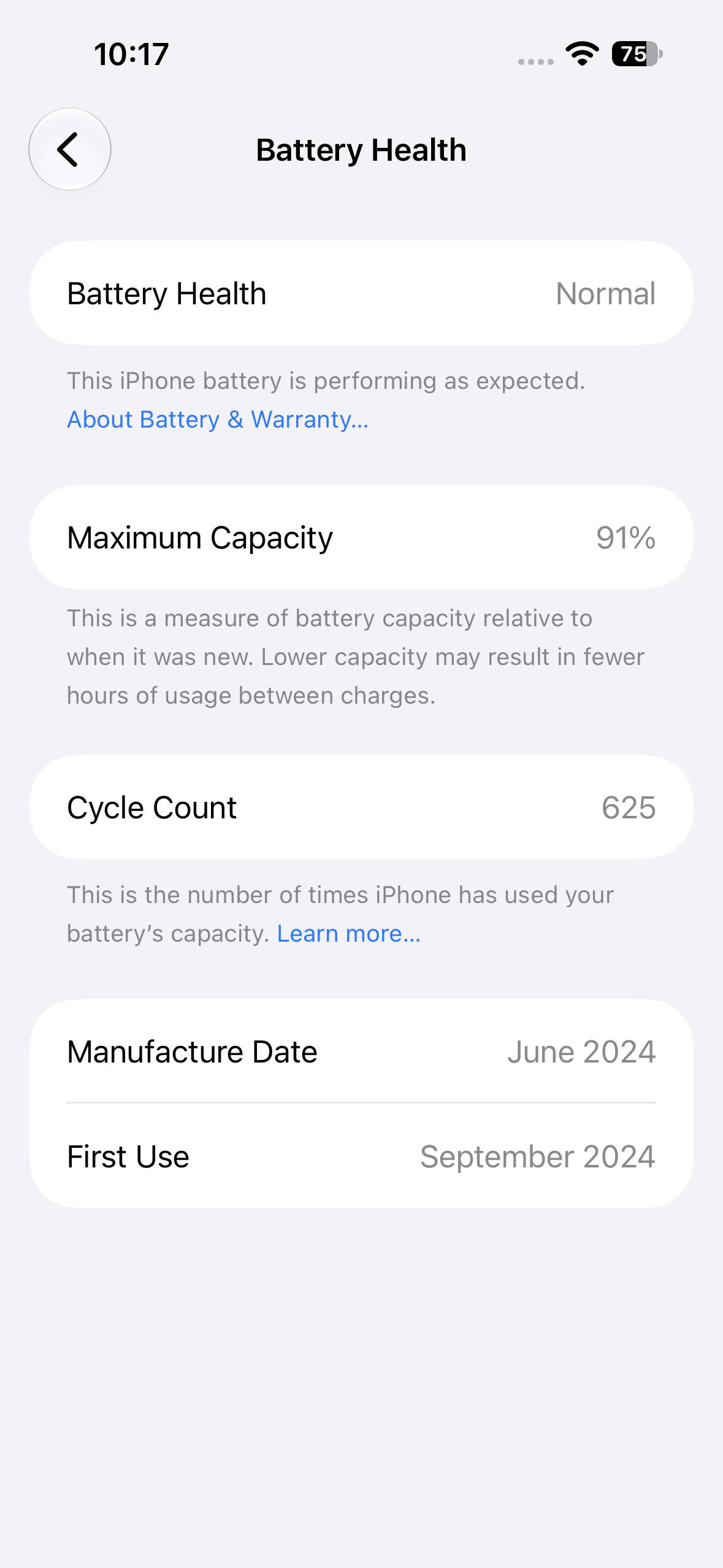
The iPhone 16 doesn’t have the biggest battery or the more power-efficient LTPO display, but it can still easily last around a day on a single charge. This is based on my usage, which includes hour-long video recordings, 5G cellular connectivity, social media scrolling, gaming, streaming TV shows and movies, and other everyday tasks. What’s even more impressive is that my iPhone 16 still retained 91 percent of its battery health after 625 charge cycles.
Speaking of charging, the iPhone 16 supports 20W wired charging, which seems reasonable for its roughly 3,500mAh battery. With a compatible charger, the smartphone takes a little over an hour to charge fully, reaching 80 percent in around 50 minutes.
Reliable cameras

The iPhone 16 may lack the upgraded camera setup of its successor, but its existing hardware still captures crisp, detailed shots, especially in well-lit conditions. The 48MP primary and 12MP ultrawide rear cameras, along with the 12MP front camera, tend to lean toward warmer tones while staying close to reality. The cameras fall short in zoomed-in shots, but if you mainly capture stills of nearby subjects or record a lot of video, the iPhone 16 still holds its own against some recently launched Android phones with more impressive camera hardware.
About five more OS upgrades
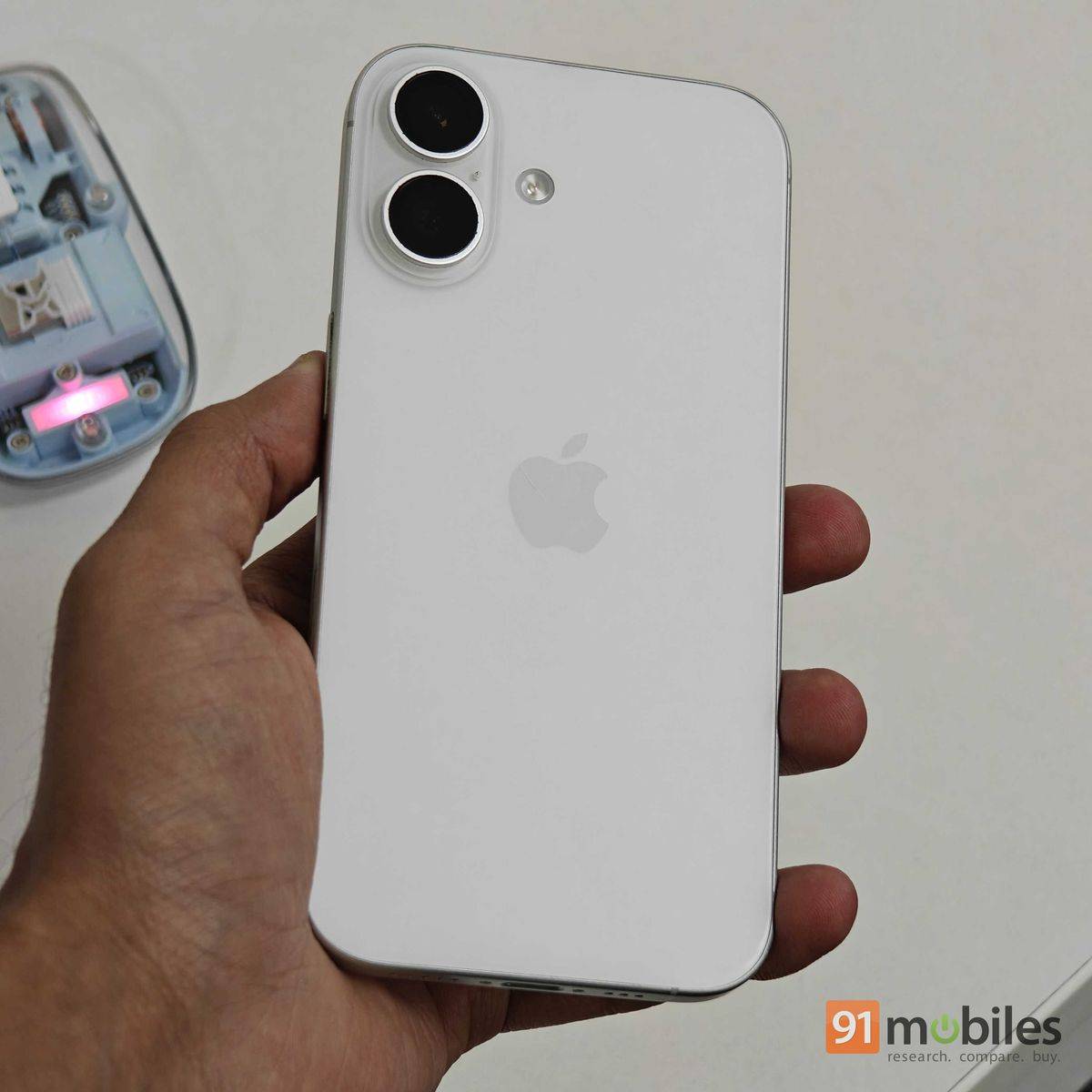
The iPhone 16 has been upgraded to iOS 27 via an OTA update, bringing its software experience largely in line with that of recently launched iPhones. Apple’s long-term software support should also keep the handset relevant for years more, which is still better than some Android phones even in this price range. iPhones typically receive several major iOS updates, with around seven years of support being a reasonable expectation.
While Apple hasn’t officially confirmed its update timeline, the iPhone 16 has already received two major OS upgrades, so it could stay compatible with new iOS versions until around 2031.
If you’re just getting into an iPhone
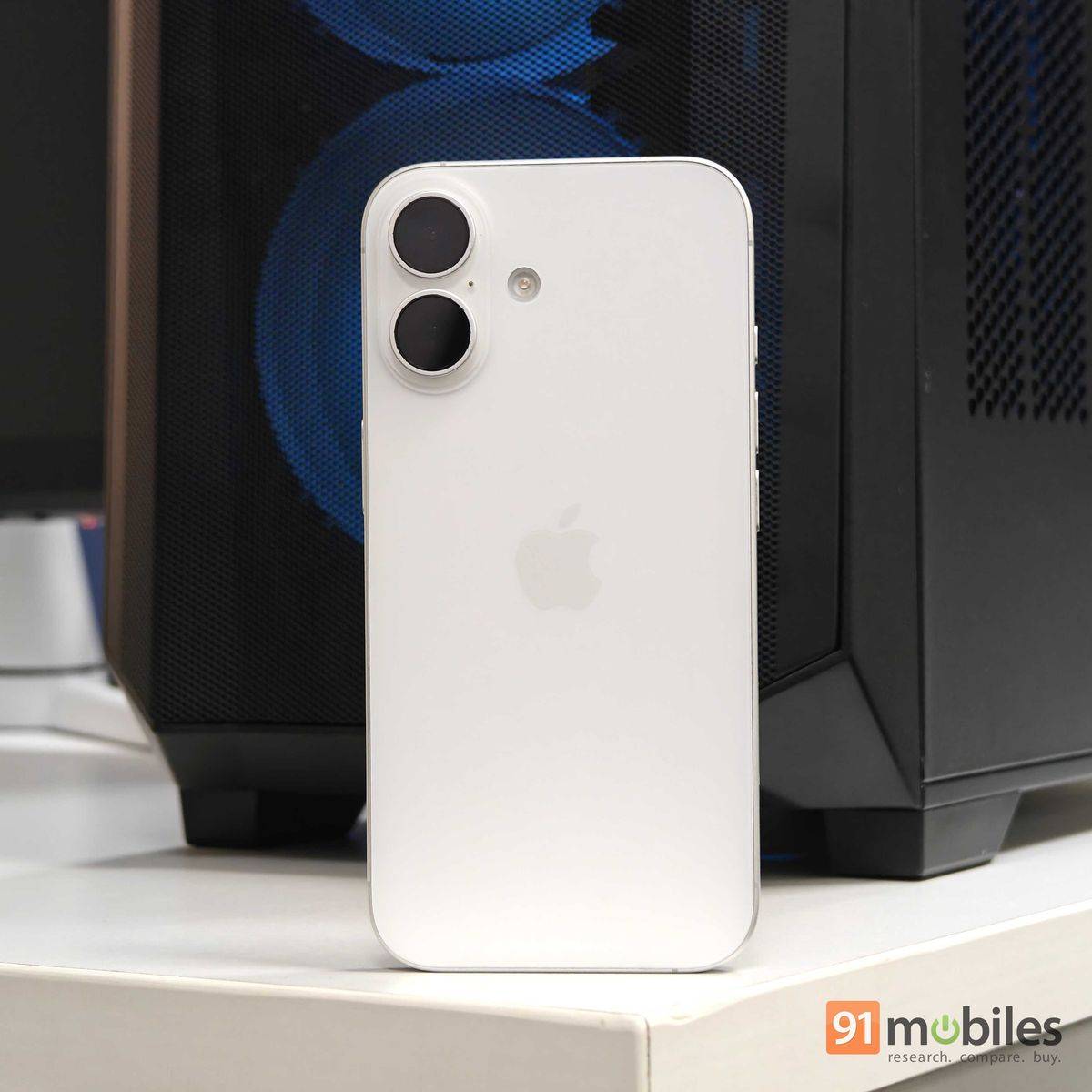
Despite the presence of iPhone 17e, the iPhone 16 makes a compelling case for first-time iPhone buyers. The handset offers a more versatile camera setup than its more affordable counterpart and sports a Dynamic Island instead of the dated bathtub-like notch.
Why iPhone 16 doesn’t make sense to buy today
Despite all its positives, the iPhone 16, mostly through no fault of its own, offers a few reasons to skip it today.
Two years later, and an iPhone 18 around the corner
Normally, Apple discontinues its base flagship iPhone after a couple of years. However, the iPhone 16 is an exception, owing to the company’s revised launch strategy. Instead of launching its entire flagship lineup at the September event, Apple has seemingly split its launch cycle, reserving the September event for the Pro models and, now, the foldable iPhone.
The vanilla iPhone 18 and the second-generation iPhone Air are rumoured to launch next March. This leaves the iPhone 16 to fill the gap in Apple’s lineup for the next five months. Once the iPhone 18 launches, Apple will most likely replace the iPhone 16 with its current base flagship, the iPhone 17.
Price hike makes it less appealing
The biggest downside to buying the iPhone 16 today is its current price. The handset is officially listed at Rs 89,900 after a recent price hike, though you can find it cheaper on platforms like Amazon, where it’s currently listed at Rs 76,999. However, it still isn’t a particularly lucrative buy. The iPhone 17 costs just Rs 10,000 more, and during major sales such as Flipkart’s recent Big Billion Days Sale 2026, its price dropped to under Rs 80,000.
Worse, the iPhone 16 comes with just 128GB of onboard storage, which can fill up quickly in this digital age. Apple has discontinued the other storage variants, leaving buyers with no alternatives. In contrast, the iPhone 17 starts with 256GB of storage, making the price difference even harder to justify.
AI efficiency has its limits
While it may not be a deal-breaker for many, AI has influenced smartphone buying. The iPhone 16 has you covered, but only partially. The handset supports Apple Intelligence features, including Image Playground, Genmoji, Live Translation, Visual Intelligence and more.
That said, its A18 chip, despite its 16-core Neural Engine, may not handle every AI request locally. While tasks like proofreading and rewriting text can run on-device, more complex requests that require larger AI models may rely on Apple’s Private Cloud Compute. These requests can take longer to process and may throttle performance and increase battery consumption.
Lacks ProMotion and a 120Hz display
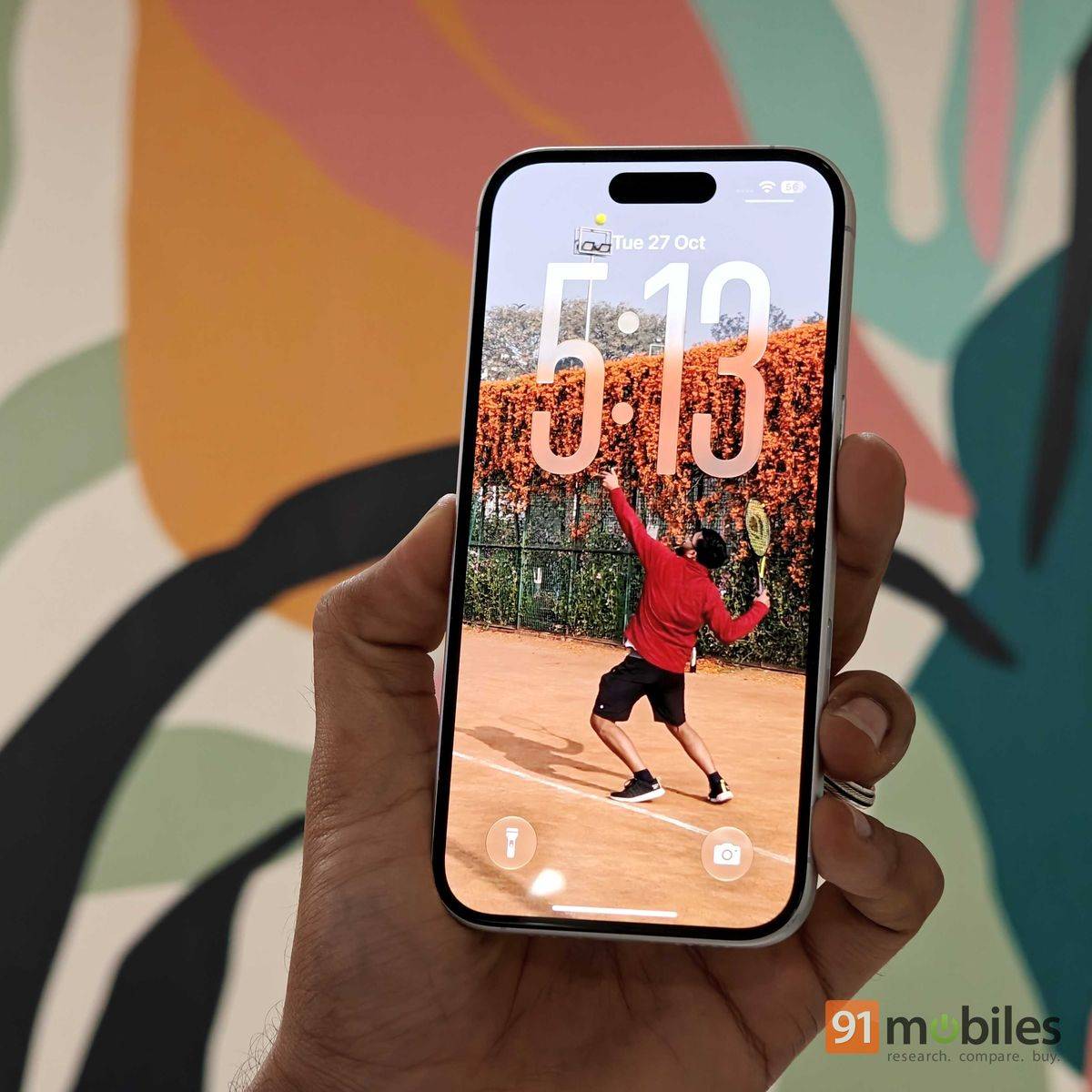
The iPhone 16 features a compact 6.1-inch Super Retina XDR OLED display that delivers bright, punchy colours and sharp visuals. Its near-bezel-less design keeps the phone compact, making it easier to reach the far corners of the screen with one hand. However, the phone lacks both a high 120Hz refresh rate and dynamic adjustment based on content (marketed as ProMotion by Apple). This is a major deal-breaker for a flagship in 2026.
Instead, the iPhone 16 supports a standard 60Hz refresh rate, which is fine for everyday use, but graphics and animations, especially in games, may not look as smooth as on higher-refresh-rate phones.
Final thoughts
Time has been reasonably kind to the iPhone 16 – the performance holds up, the cameras still deliver, and iOS 27 keeps it feeling current in ways most two-year-old Android phones cannot claim. But “still good” and “worth buying right now” are two different things. At Rs 89,900, it sits uncomfortably close to the iPhone 17, which gives you more storage, a better display, and a newer chip for just Rs 10,000 more. If you can find it closer to Rs 70,000 during a sale, you can still consider it as an entry point into the Apple ecosystem. At full price, in late 2026, and with an iPhone 18 a few months away, it is hard to make a strong case for the iPhone 16. Buy it at the right price, or wait; those are really the only two sensible options here.