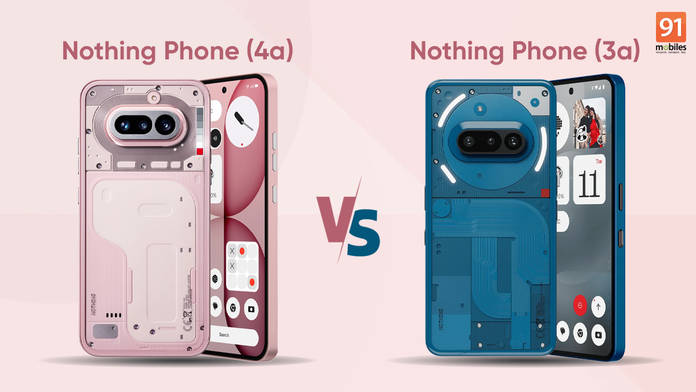
Nothing launched the Nothing Phone (4a) series yesterday, introducing two models, including a Pro variant. The Nothing Phone (4a) serves as the standard model in the lineup, but it shares many of its specifications with the Pro version. The phone brings several notable upgrades, including a redesigned Glyph Bar, the first-ever periscope camera on the A series, and the most colourful palette yet from the brand.
On paper, the Phone (4a) appears to be a clear step up from its predecessor, the Nothing Phone (3a). But does that automatically make it the better choice, especially for users considering an upgrade? Let’s take a closer look.
Table of Contents
Design: Glyph Interface evolves into Glyph Bar
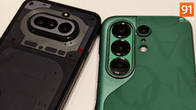
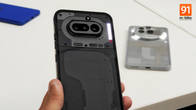
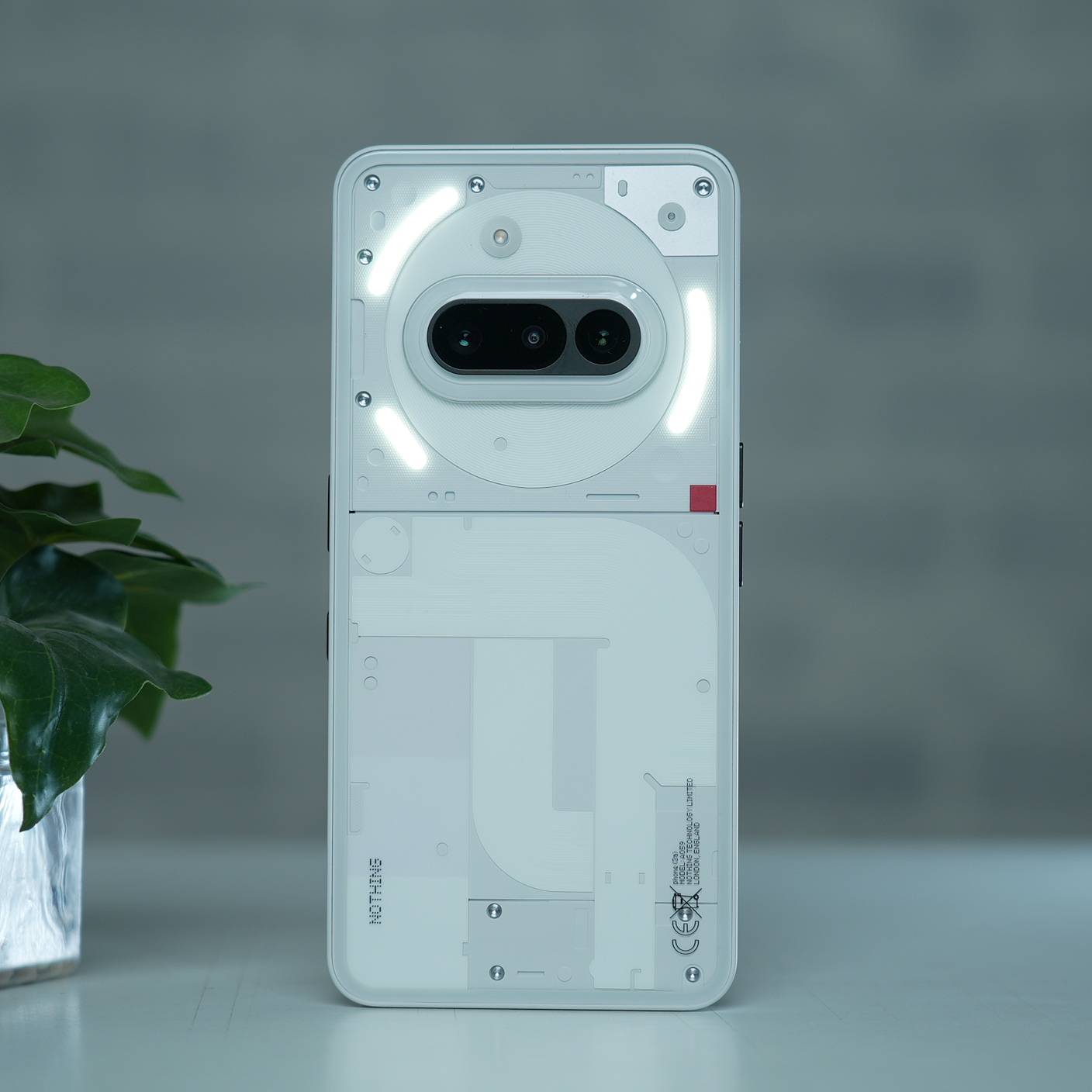
The Nothing Phone (4a) (review) continues the brand’s signature transparent design but introduces a few noticeable refinements compared to the Phone (3a). The transparent back stays intact, but Nothing has redesigned the internal elements to appear more minimalistic and cleaner than before.
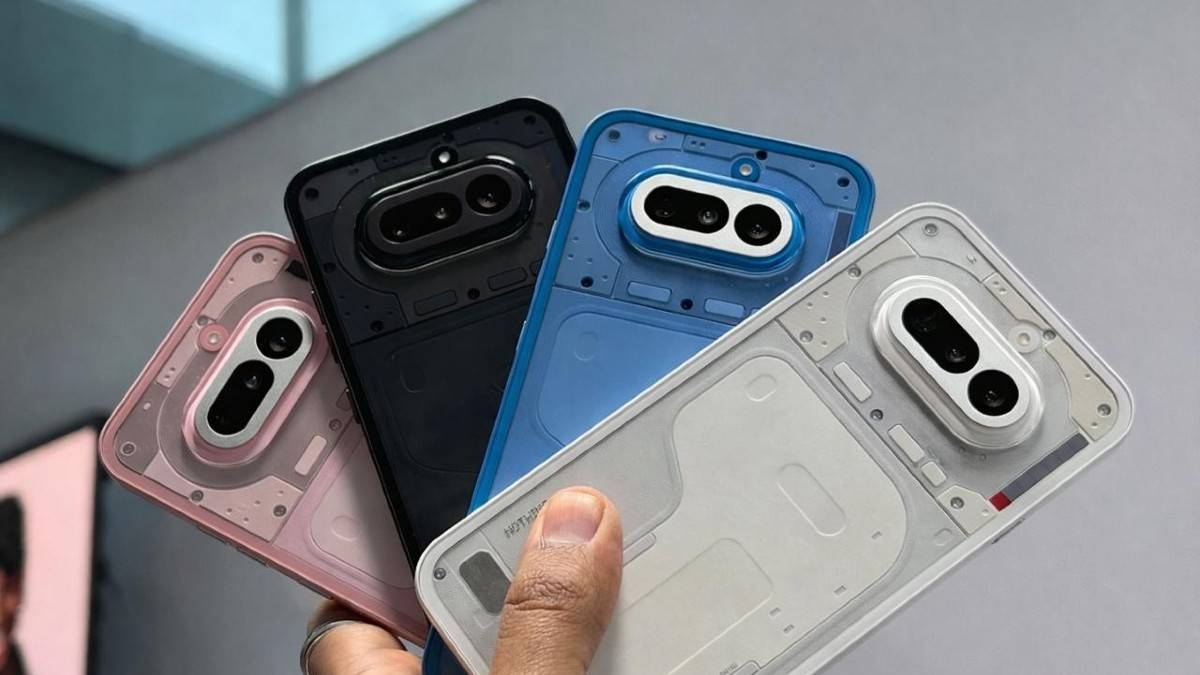
The pill-shaped camera module looks slightly similar to the Phone (3a), but the surrounding area has been redesigned with an oval, coil-shaped plate, replacing the traditional Glyph Lights with the new Glyph Bar system. It’s a vertical stack of six LED lights with the red recording button, showing different lighting animations for notifications, apps, and other features.
The Phone (4a) features a plastic frame sandwiched between glass panels, which pushes its weight to 204.5 grams. This makes it slightly heavier than its predecessor, which weighs around 201 grams. While the added weight may not be ideal for prolonged one-handed use, the flat edges help provide a secure grip.
In terms of colours, the Phone (4a) comes in Pink, Black, White, and Blue, making it the most colourful A-series model yet.
By comparison, the Nothing Phone (3a) (review) retains the earlier Glyph Interface lighting system, which remains one of the phone’s most distinctive features and helps it stand out in its segment. Its pill-shaped camera module houses a telephoto camera, which results in a noticeable camera bump. This can cause the phone to wobble slightly on flat surfaces, though it’s generally not a major inconvenience in everyday use.
The Phone (3a) is available in Black, White, and Blue colour options and is slightly lighter overall.
Overall, the choice might lie with personal preference when it comes to design. The Phone (4a) has more colour options but is on the heavier side. The Phone (3a) is lighter but has a protruding camera bump.
Display: almost the same
The Nothing Phone (4a) features a 6.78-inch 1.5K AMOLED display with 120Hz refresh rate, HDR10+ support, and a peak brightness of up to 4,500 nits. It remains a flat panel with relatively thick bezels, which is fairly common in the mid-range segment. In everyday use, however, the bezels don’t significantly affect the viewing experience. Compared to its predecessor, the biggest improvement here is the higher peak brightness, which should make the screen easier to read outdoors under direct sunlight.
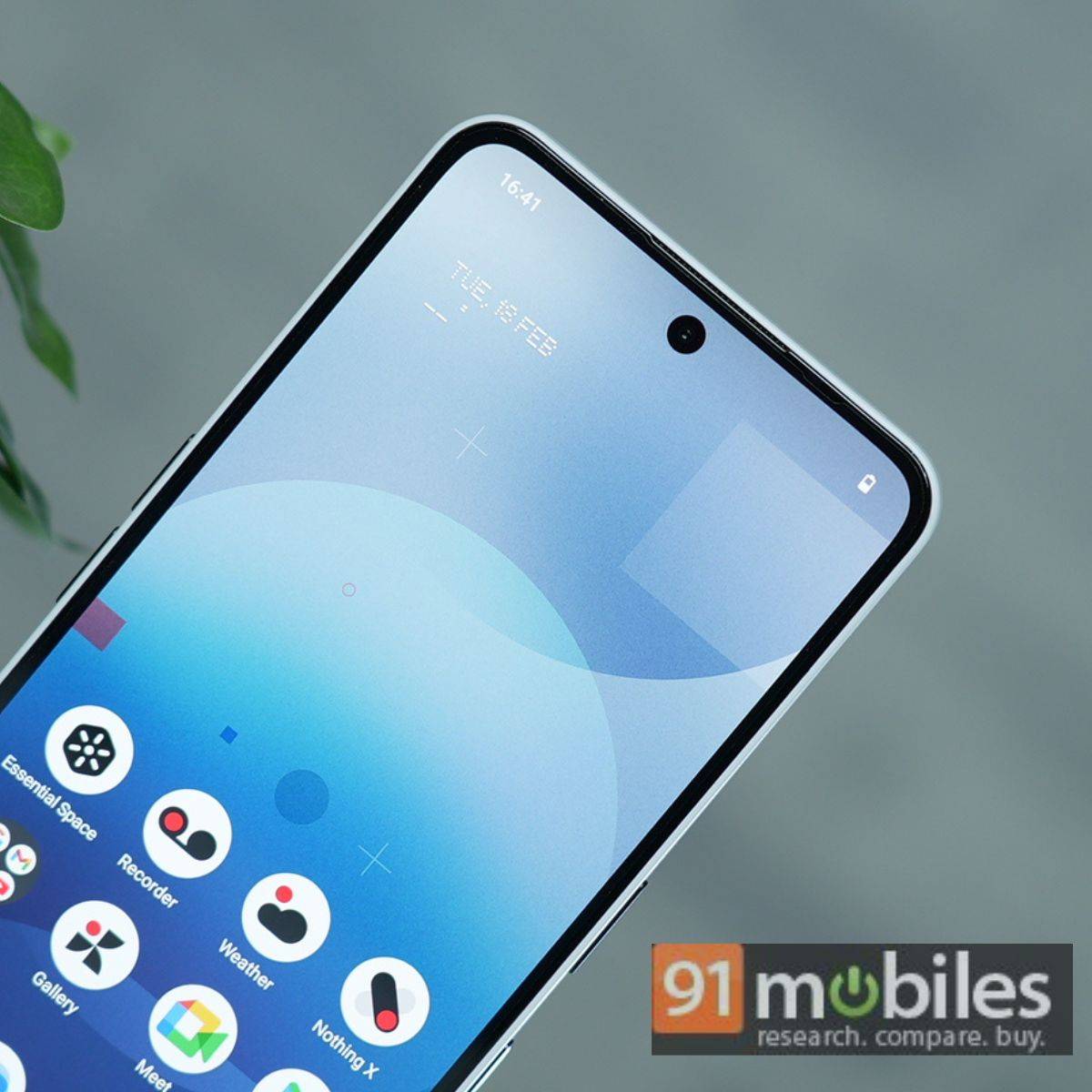
The Nothing Phone (3a), on the other hand, comes with a 6.77-inch FHD+ AMOLED display with a 120Hz refresh rate and 3,000 nits peak brightness. The panel is still perfectly adequate for activities like reading, browsing, and watching videos across different platforms. Its evenly spaced bezels also give the phone a balanced and slightly more premium look.
Overall, the viewing experience between the two phones remains quite similar, with the Phone (4a) mainly improving on brightness and a slightly higher resolution, which could make a noticeable difference in outdoor visibility and display quality.
Performance: generational upgrade
The Nothing Phone (4a) is powered by Qualcomm’s Snapdragon 7s Gen 4 chipset, paired with up to 12GB LPDDR4X RAM and up to 512GB UFS 3.1 storage. This chipset is among Qualcomm’s newer offerings in the segment. In everyday usage, the Phone (4a) handles day-to-day tasks smoothly, including browsing, app switching, and multitasking with several apps running in the background. There were no noticeable glitches or bugs, and the overall experience felt stable.
While the chipset may not make the Phone (4a) the fastest device in its class, it should still be reliable for regular usage. The phone can also handle gaming reasonably well, though it seems better suited for casual gaming sessions rather than intensive, long-duration gameplay.


The Nothing Phone (3a) features the older Snapdragon 7s Gen 3 chipset. Similar to its successor, this handset sits slightly behind some of its immediate competitors in benchmark numbers. However, for daily tasks such as browsing, social media, and light multitasking, the chipset remains capable.
In real-world usage, the Phone (3a) delivers a generally smooth experience, although occasional minor lags can appear during heavier workloads. The device also manages heat fairly well, helping maintain stable performance during extended use.
Both phones should be good enough as your daily driver; the Nothing Phone (4a) should be preferred if you want better performance.
Cameras: major upgrade or incremental?
The Nothing Phone (4a) features a triple-camera setup led by a 50MP OIS primary sensor, paired with an 8MP ultra-wide lens and a 50MP periscope telephoto camera with OIS. The periscope telephoto camera is the biggest upgrade over its predecessor, bringing improved zoom capabilities to the A-series. It supports up to 70x zoom and can also double as a macro sensor, although both features require steady hands, and the results at maximum zoom can lack detail.
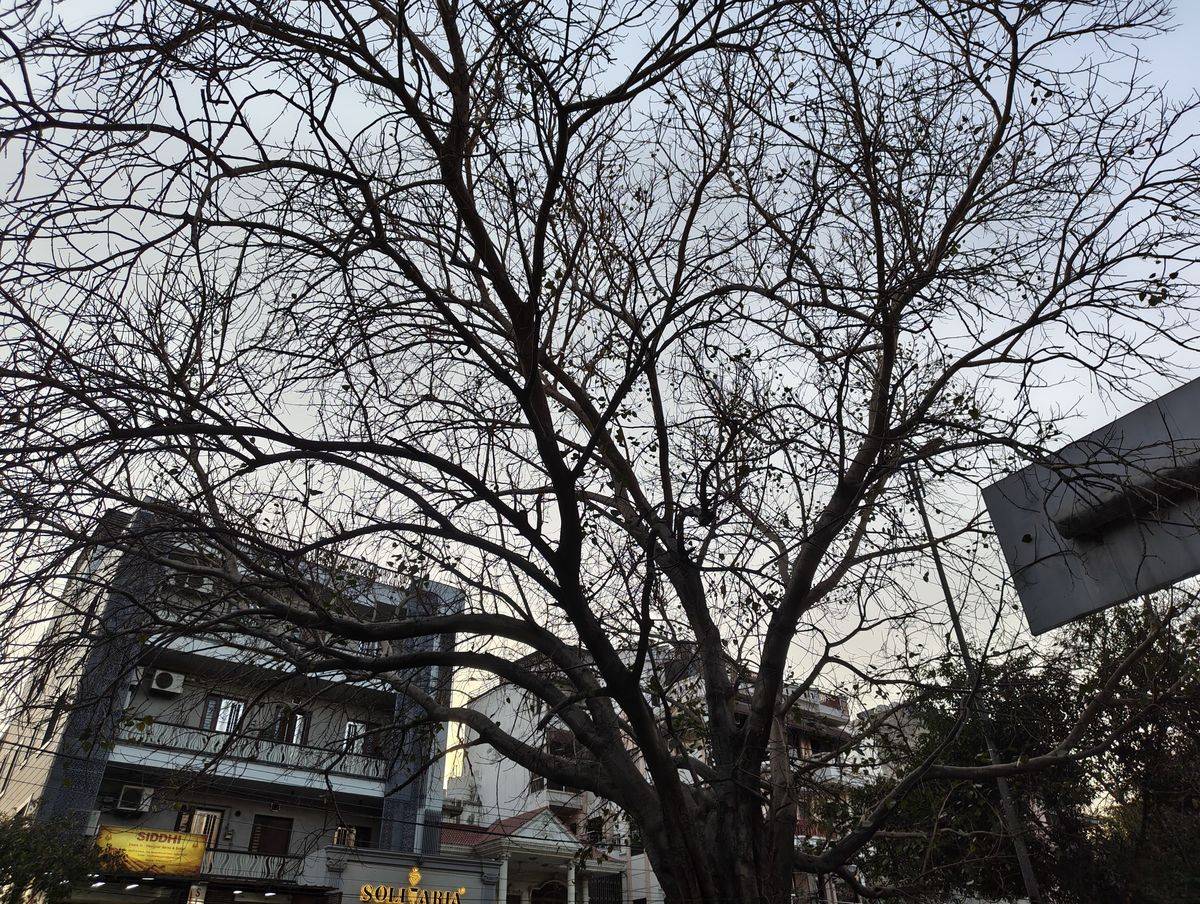
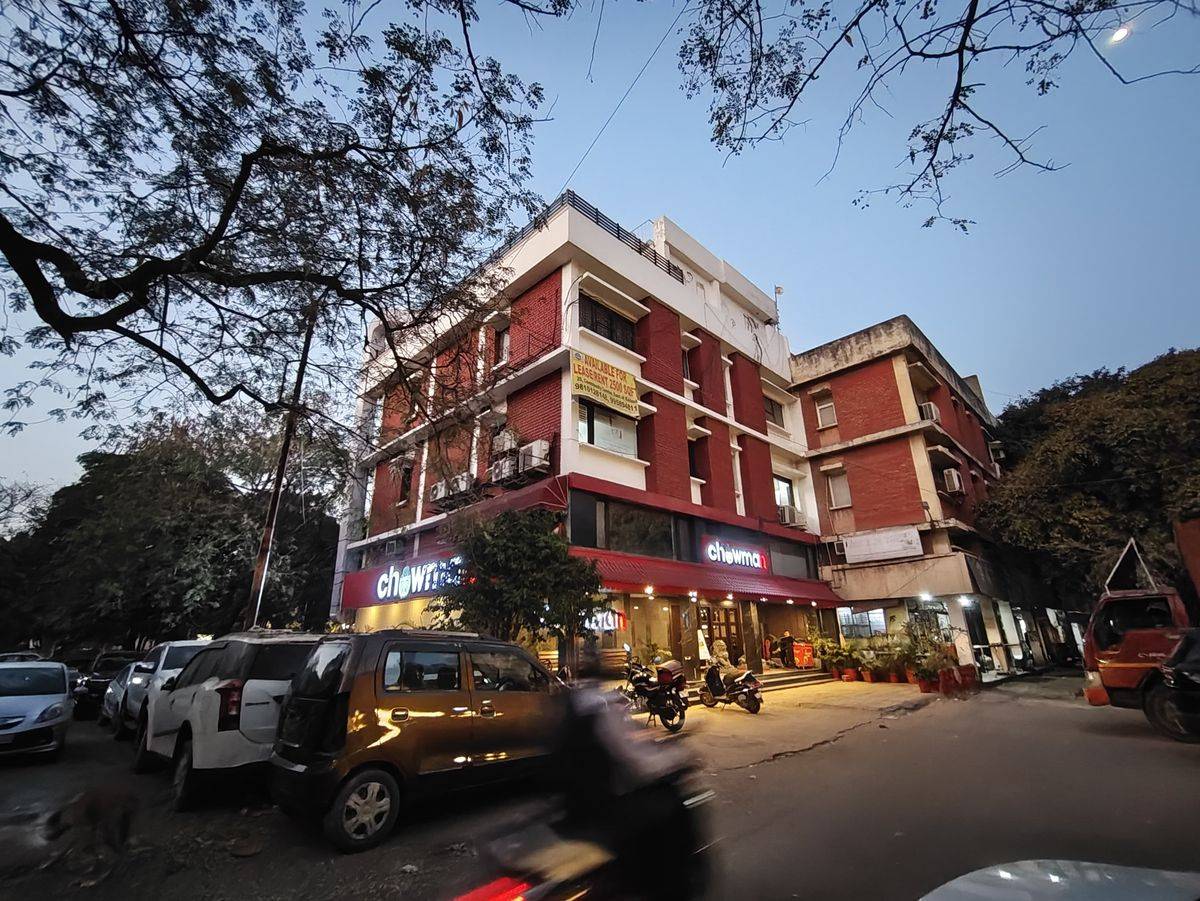
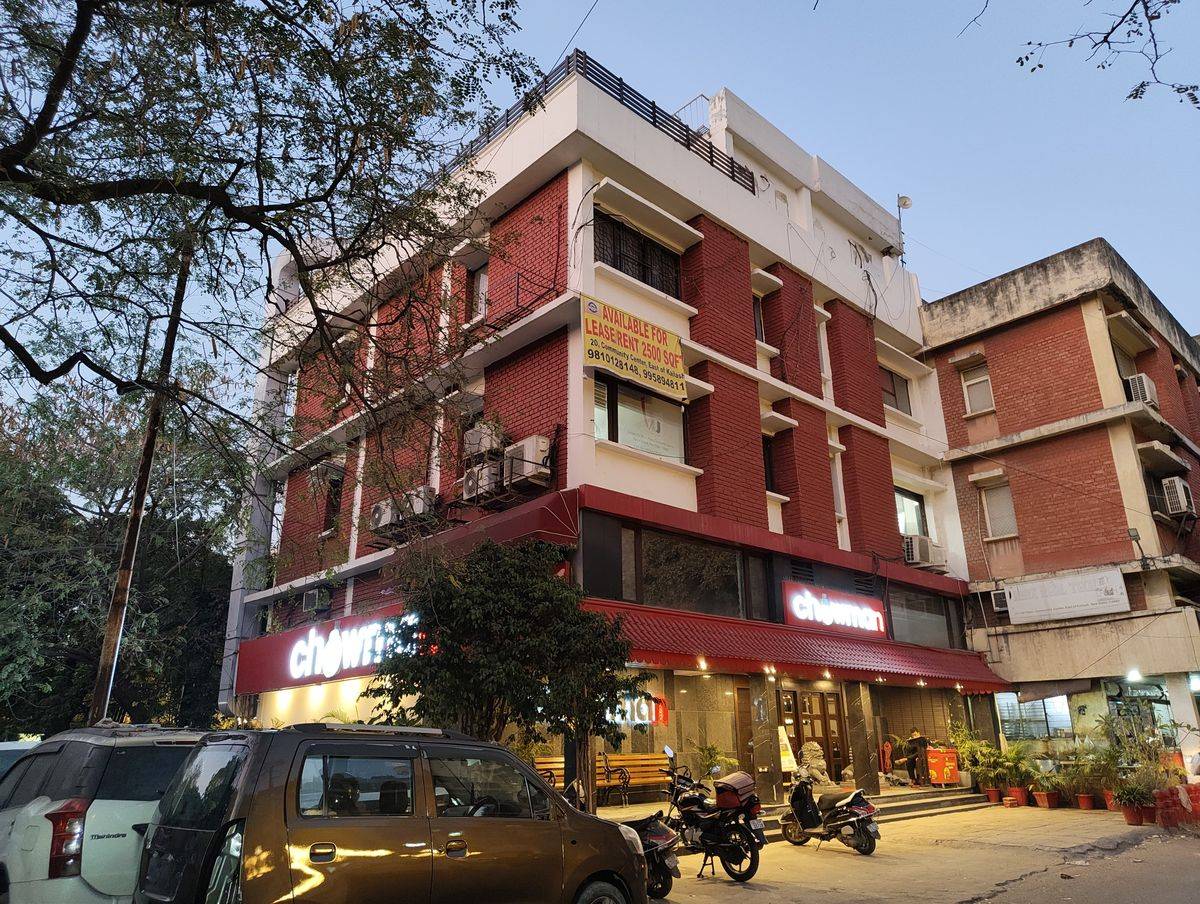
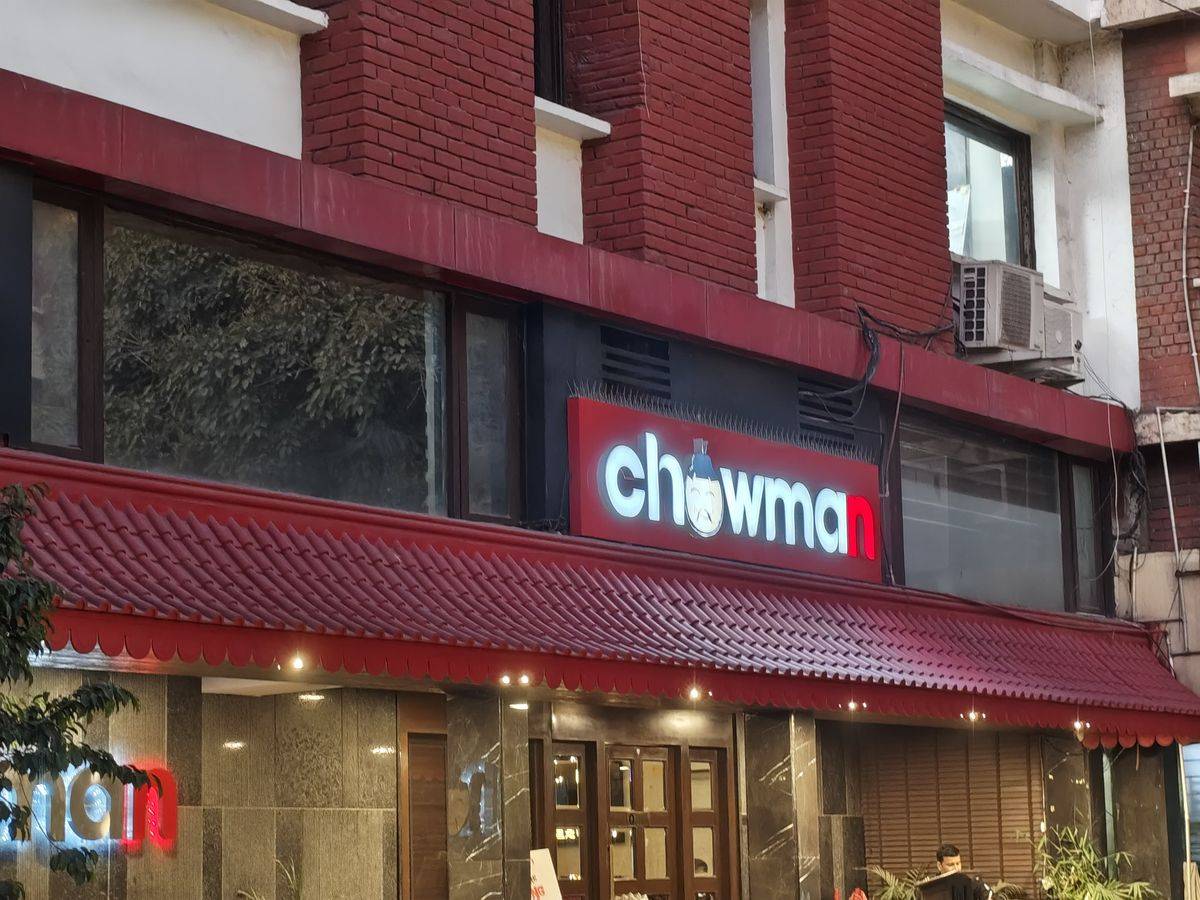
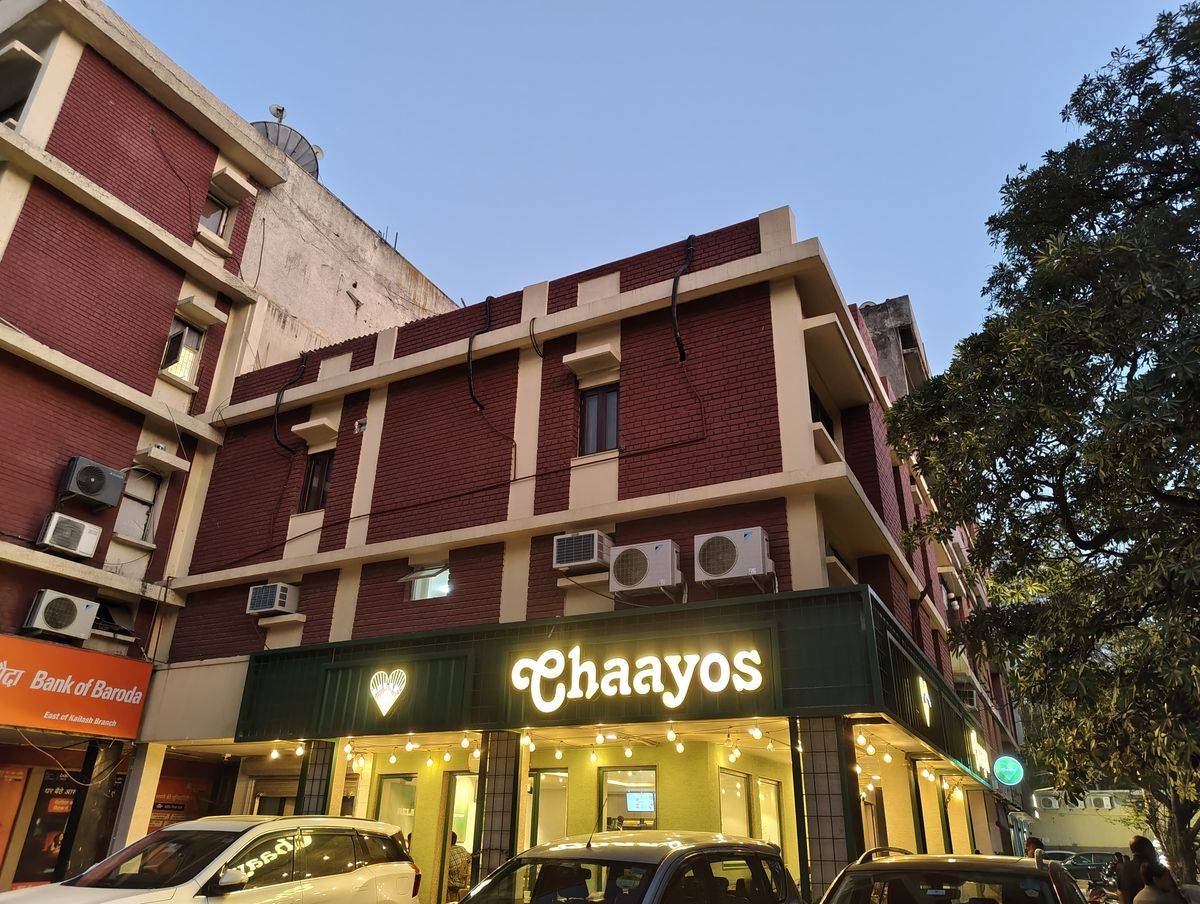
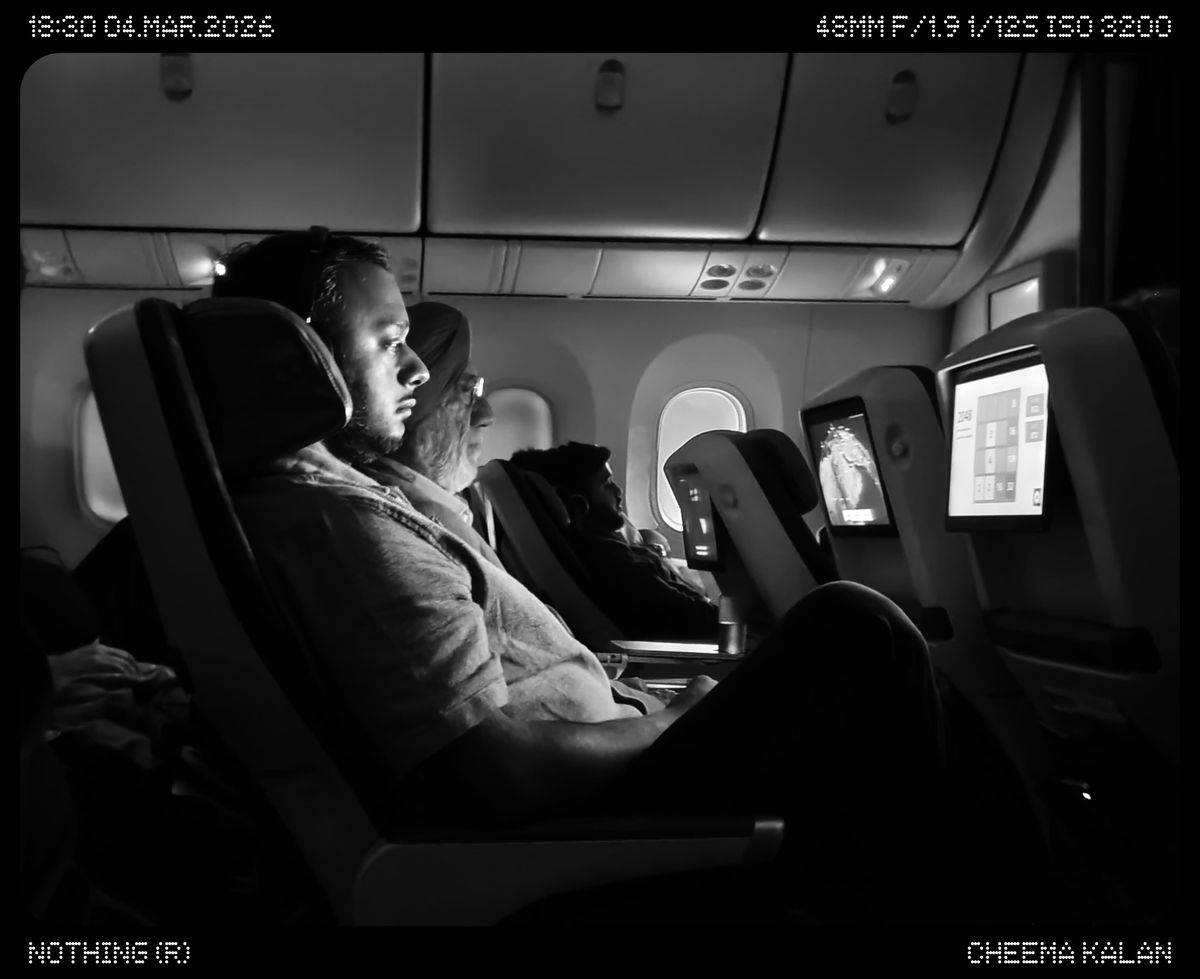

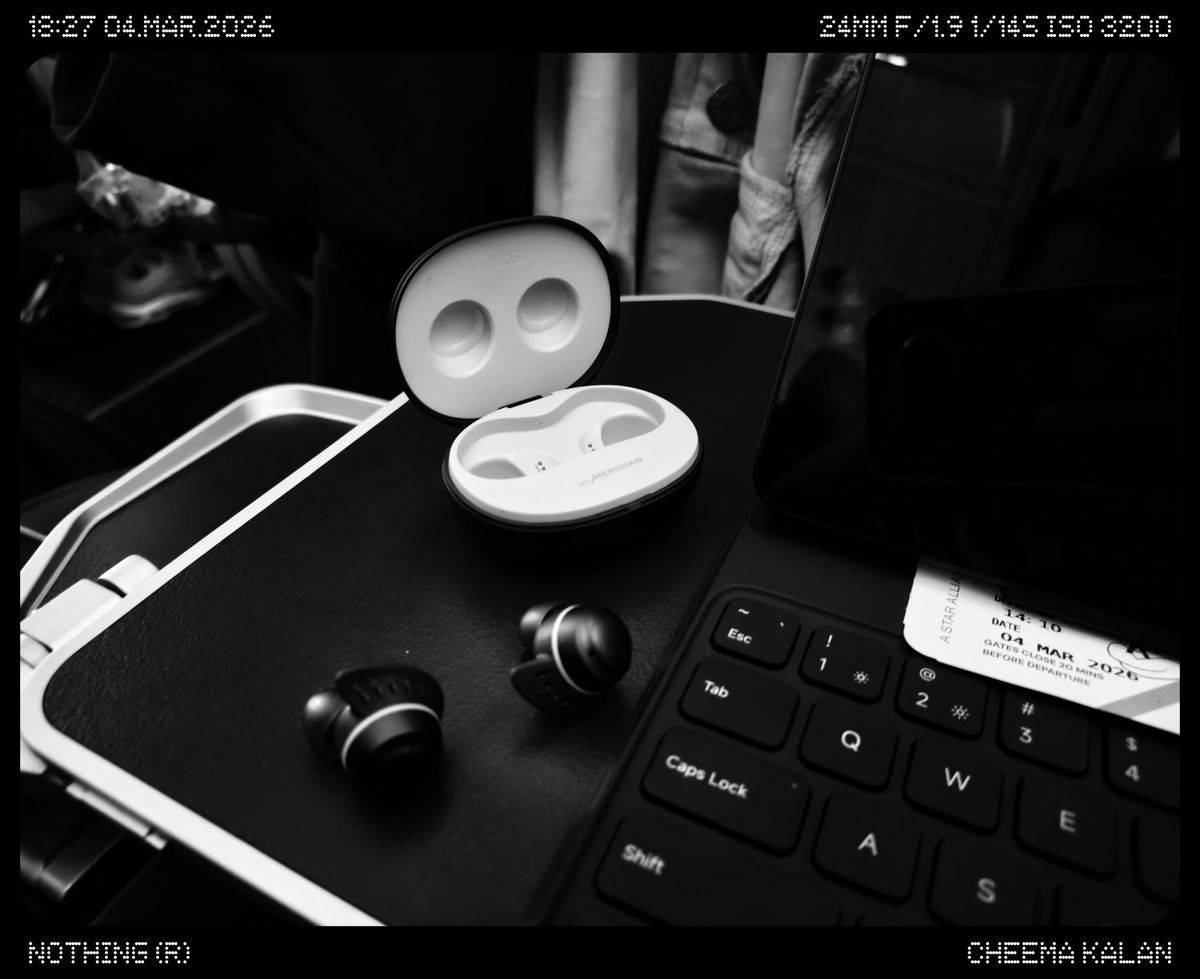
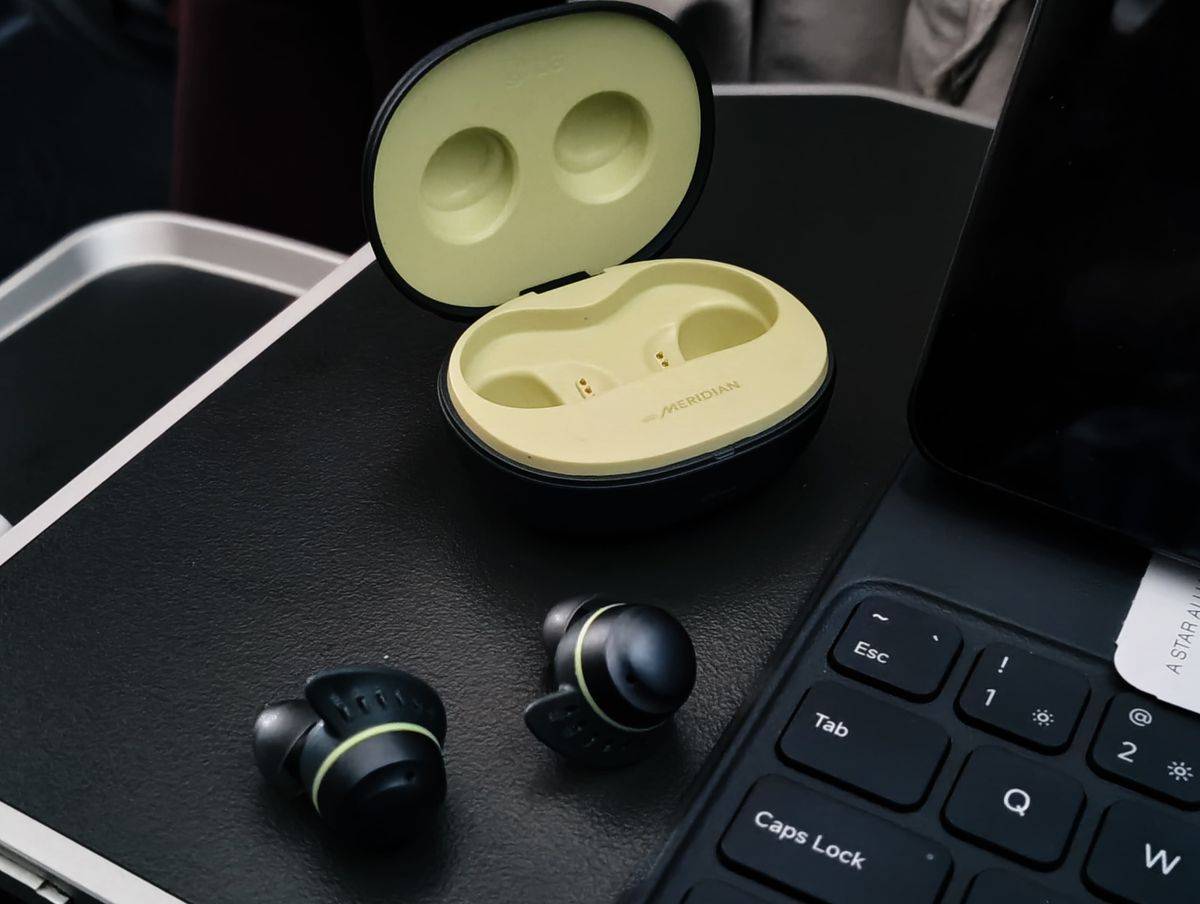
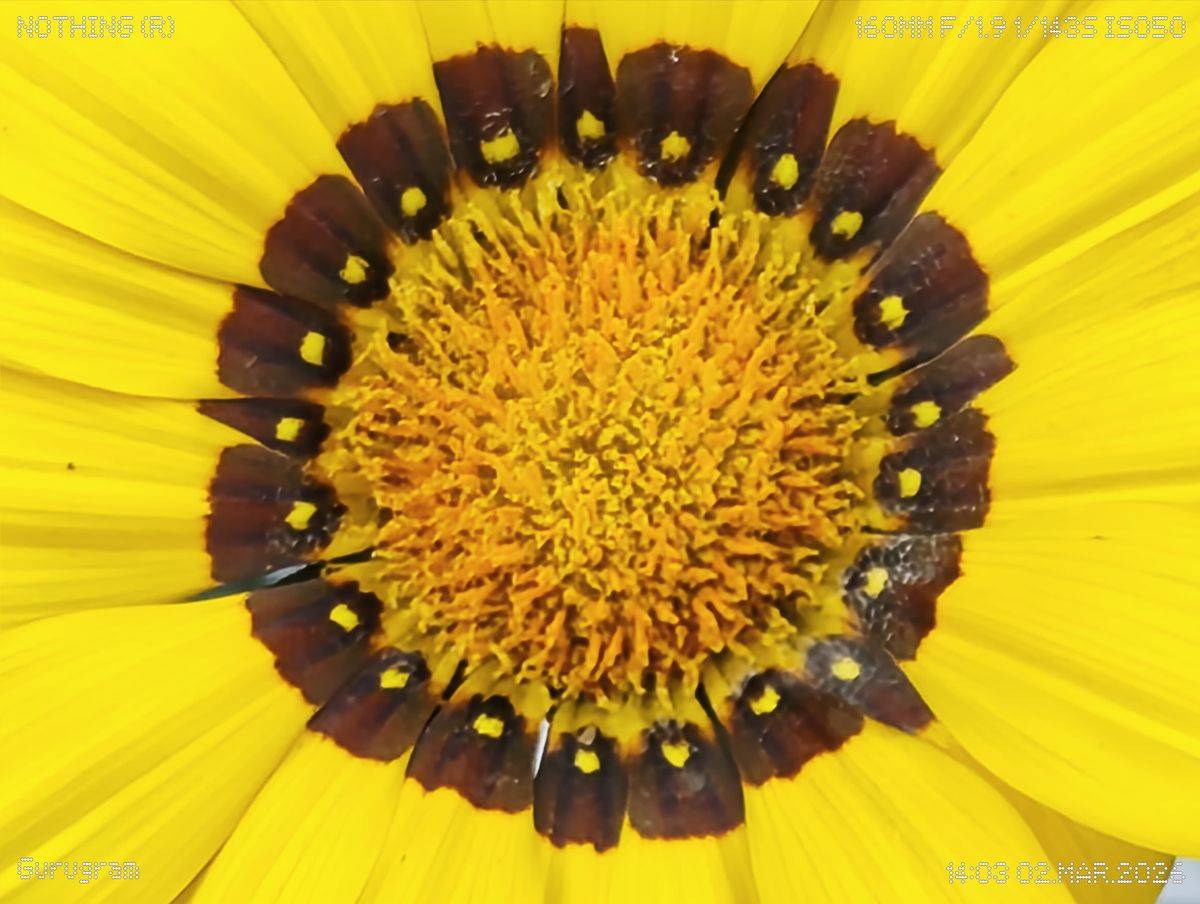
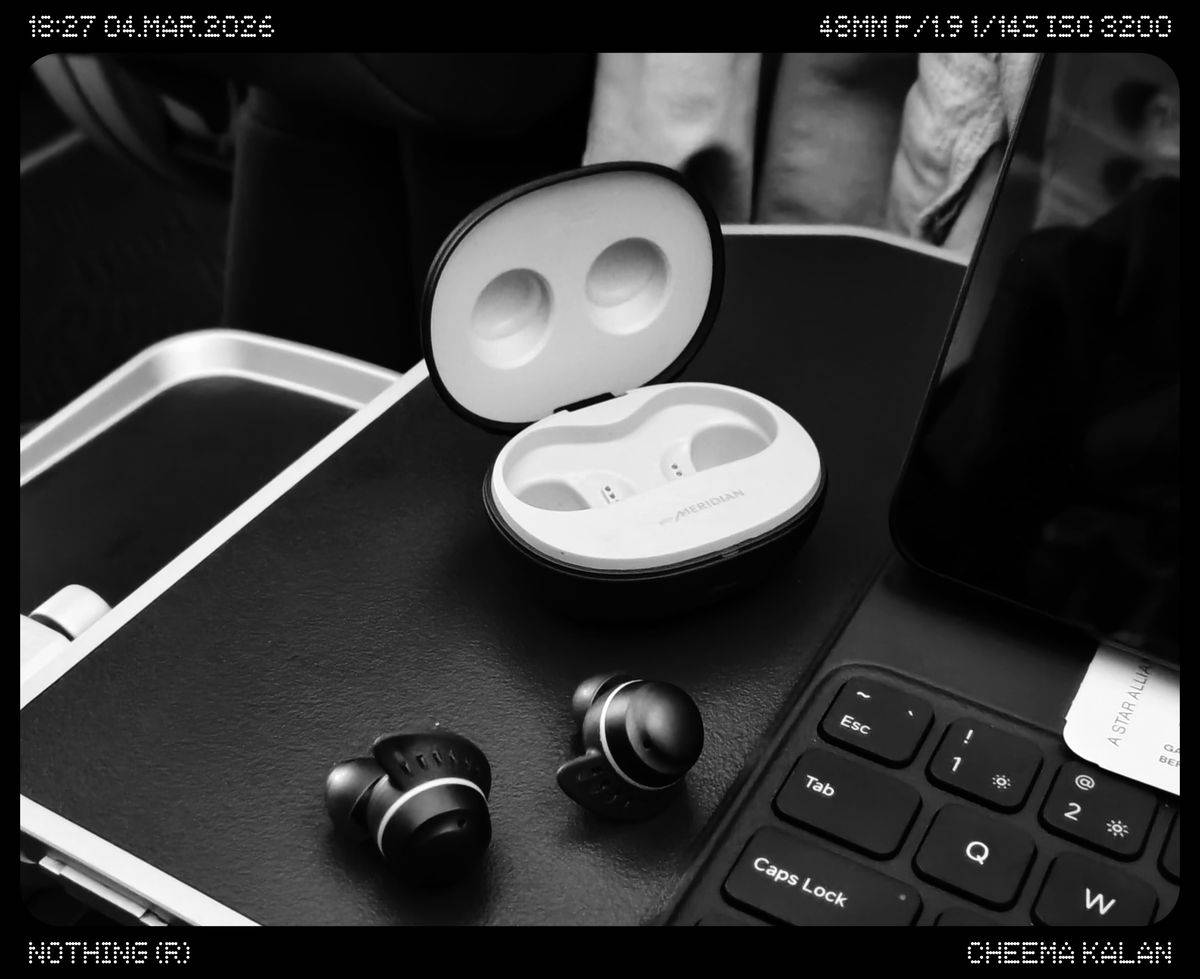

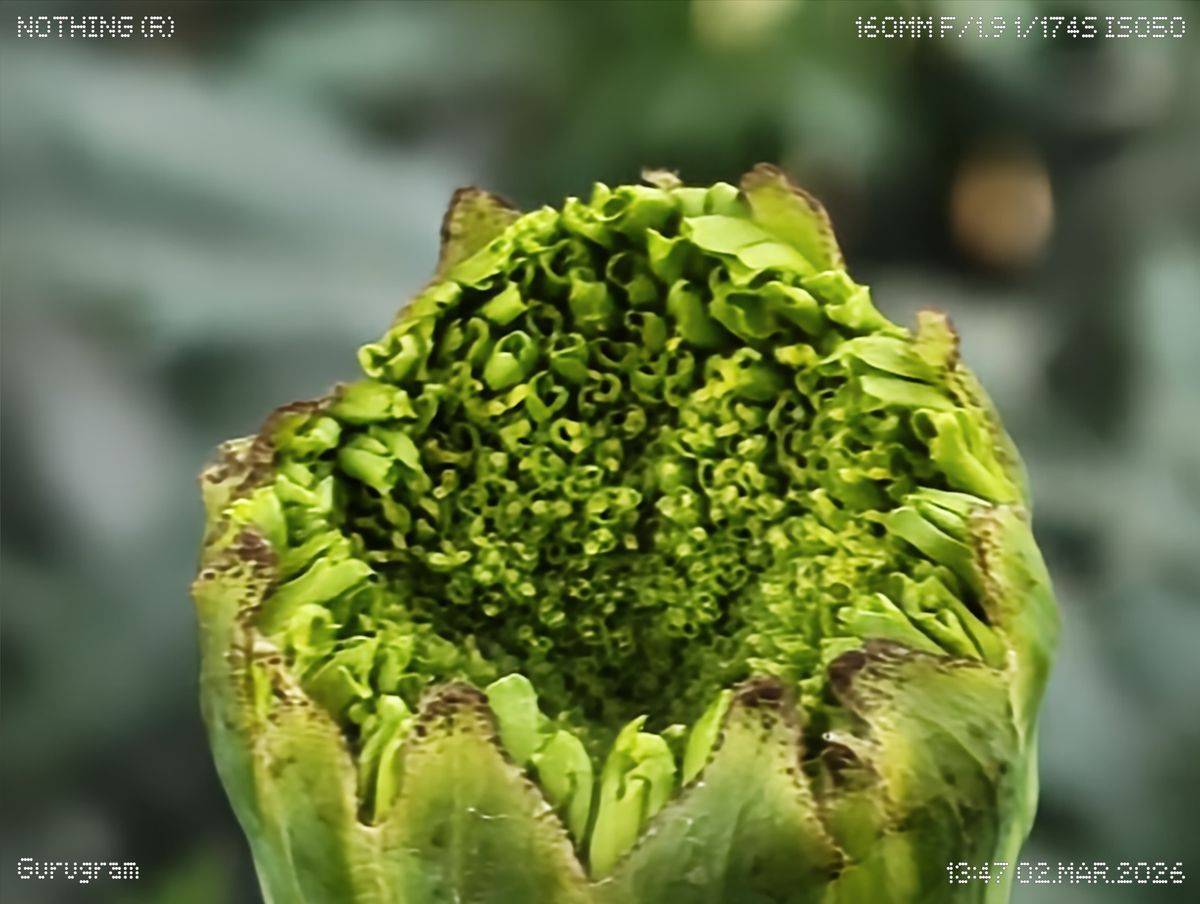
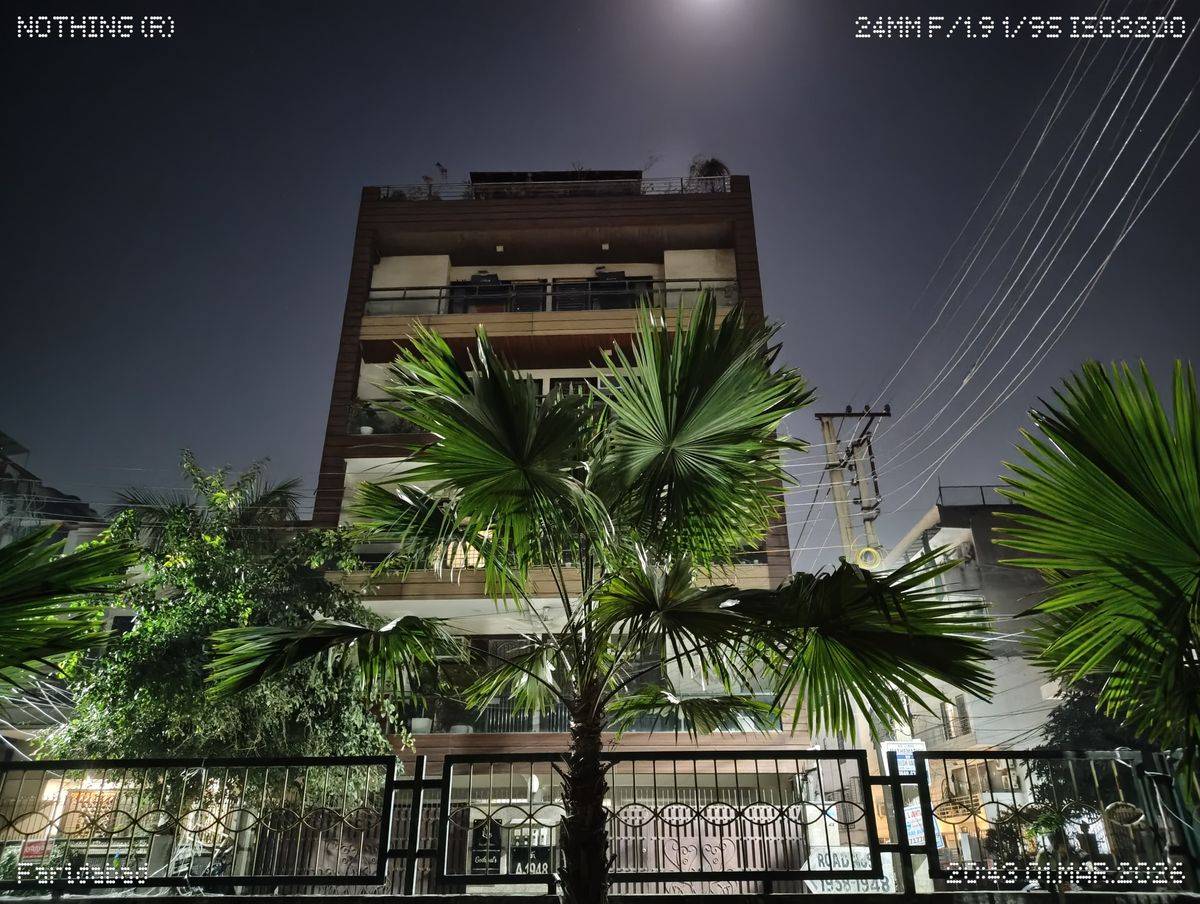


In terms of image quality, the 50MP primary camera produces colours that remain largely true to the scene without excessive saturation. However, finer textures can appear slightly soft when zooming into images, and shadow-heavy areas sometimes show limited dynamic range. The 8MP ultra-wide camera tends to boost contrast and saturation for a more striking look, though detail levels drop towards the edges.
For selfies, the phone uses a 32MP front camera, which can deliver slightly inconsistent skin tones and softer details.
The Nothing Phone (3a) also offers a similar setup with a 50MP primary sensor with OIS, an 8MP ultra-wide lens, a 50MP telephoto camera, and a 32MP selfie shooter. In everyday use, the Phone (3a) handles exposure well in daylight, and its 2x telephoto camera adds flexibility for portrait shots. The selfie camera is also better tuned for Indian skin tones, producing balanced brightness and contrast.


Overall, while the Phone (4a) adds a periscope telephoto camera and extended zoom, the overall camera improvements over the Phone (3a) appear incremental rather than dramatic.
Battery: more capacity, same charging speed
The Nothing Phone (4a) packs a 5,400mAh battery, which is roughly 8 percent larger than the 5,000mAh unit on the Phone (3a). In our synthetic PCMark battery test, the phone delivered close to 15 hours, suggesting respectable endurance. In real-world usage, the Phone (4a) delivered around 5–6 hours of screen-on time, which isn’t class-leading but reliable for regular usage.
With typical tasks such as browsing, social media, streaming, messaging, and calls, you can expect around 20–30 percent battery remaining by the end of the day. However, heavier usage may require a quick top-up during the day.
The Nothing Phone (3a), on the other hand, features a 5,000mAh battery with the same 50W wired charging support as the (4a). In our testing, the Phone (3a) also performed well, delivering around 14 hours in the PCMark battery benchmark. Even with higher settings enabled, the device generally lasts close to a full day for most users.
Overall, while the Phone (4a) offers a slightly larger battery and marginally better endurance, the real-world difference between the two devices isn’t particularly significant.
Software: similar experience
The Nothing Phone (4a) runs Nothing OS 4.1 based on Android 16. Like previous Nothing devices, the software experience remains clean and minimal, with no unnecessary third-party apps or clutter. In our usage, Nothing OS 4.1 remained largely stable, with no major system crashes or app failures. Day-to-day performance felt reliable, although a few minor glitches appeared in certain third-party apps that could benefit from further optimisation. Nothing has also promised three major Android updates and six years of security updates for the Phone (4a).
The Nothing Phone (3a) also delivers a similarly clean Android experience, with no third-party apps pre-installed. Like its successor, the Phone (3a) also comes with a software promise of three Android upgrades and six years of security updates.
The main difference here lies in software longevity, as the Phone (4a) is set to receive one additional Android OS upgrade compared to the Phone (3a). Apart from that, the overall software experience on both phones remains largely similar.
Summing up
The Nothing Phone (4a) brings modest upgrades over the Phone (3a), including a newer chipset, brighter display, slightly larger battery, and the addition of a periscope telephoto camera. However, the improvements are mostly incremental, as the Phone (3a) still delivers a similar display experience, reliable performance, and clean software.
For existing Phone (3a) users, the upgrade may not feel significant. But for new buyers, the Phone (4a) is the better pick overall due to its newer hardware and longer software support.