NVIDIA’s RTX Spark made me believe in ARM gaming


For the longest time, Windows on ARM gaming has carried a reputation that wasn’t exactly flattering. Great battery life? Absolutely. Impressive efficiency? Sure. But gaming? That usually meant crossing your fingers, hoping your favourite title would launch, and then praying the emulation layer wouldn’t throw a tantrum halfway through.

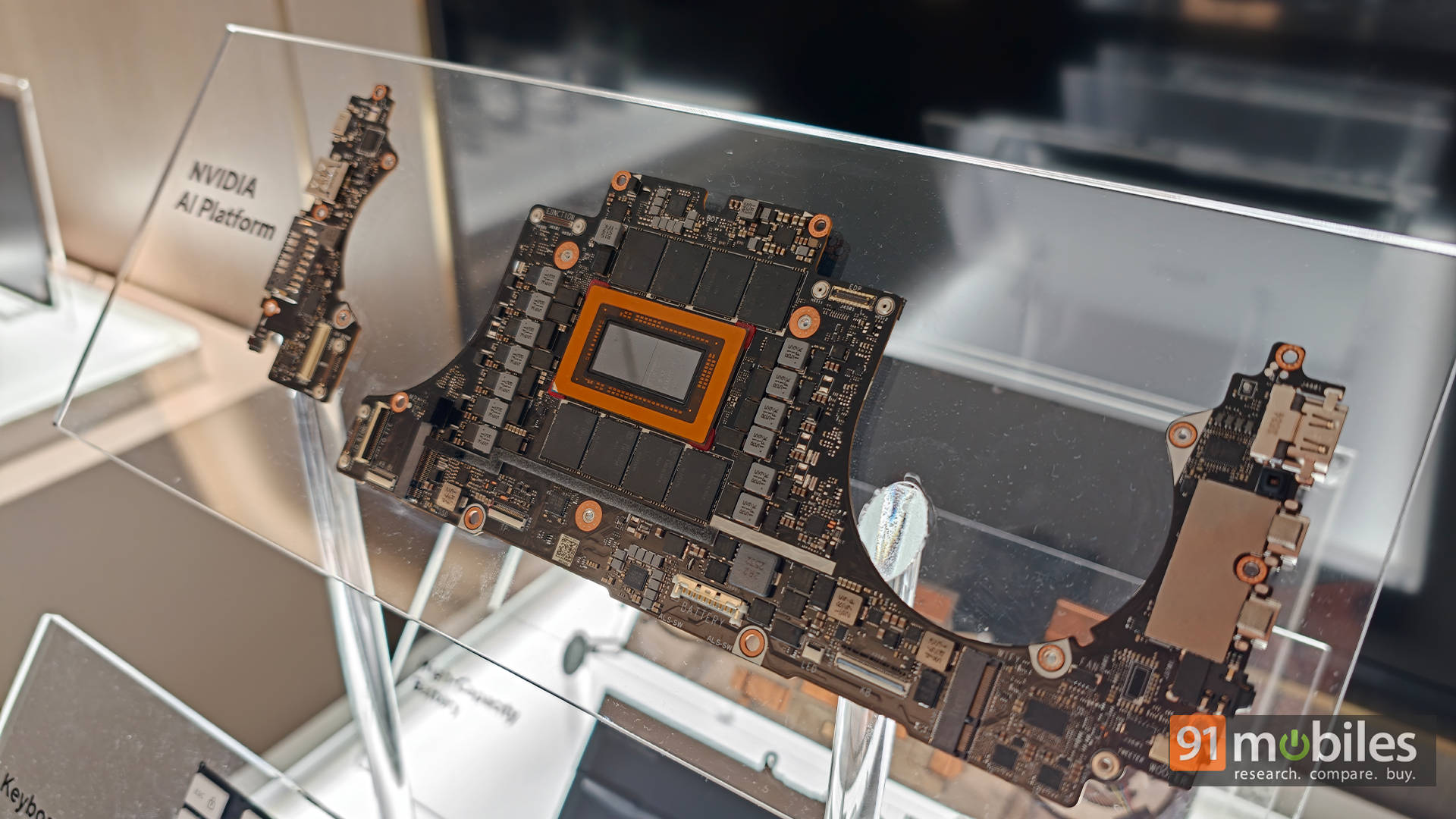
So, when I walked into NVIDIA’s gaming showcase at Computex 2026, I carried a healthy amount of scepticism with me. A few demos later, I walked out thinking something I never expected to say: I had stopped thinking about the processor altogether. And for Windows on ARM, that’s probably the biggest compliment I can give.
Table of Contents
The games looked good, but that’s not what impressed me
NVIDIA’s gaming demos revolved around a handful of blockbuster titles, with Pragmata and Black Myth: Wukong taking centre stage. Neither game is exactly known for being lightweight, making them ideal showcases for RTX Spark’s capabilities. Both demos ran with DLSS and Multi Frame Generation enabled, allowing NVIDIA’s AI-powered rendering technologies to shoulder a significant portion of the workload.

The company understandably kept the performance overlay hidden, so there was no official FPS counter for anyone to scrutinise. But after years of reviewing gaming laptops and monitors, I’d comfortably estimate both titles were running somewhere around the 45 to 50 FPS mark.

More importantly, though, they felt smooth. Camera movement was fluid, combat remained responsive, and I never encountered the kind of hitching or micro-stutters that typically remind you a game is fighting through an emulation layer behind the scenes. NVIDIA’s latest DLSS 4.5 implementation, complete with improved Ray Reconstruction and Multi Frame Generation, was clearly doing a lot of heavy lifting, but that’s precisely the point.

Modern graphics technology isn’t just about pushing raw silicon harder anymore. It’s about making smarter use of the hardware available. Halfway through my Black Myth: Wukong session, I realised I wasn’t wondering whether ARM could handle the game. I was simply playing it.
Fortnite quietly stole the entire show
Ironically, the biggest highlight of NVIDIA’s gaming demo was Fortnite. I’m much more of a VALORANT player myself, but I still enjoyed a few matches on the RTX Spark system. And if your first thought was “Can it run VALORANT?”, hold your horses. Riot Vanguard still doesn’t support Windows on ARM, so Riot’s shooter remains off the table for now. Even so, this demo gave me real hope that the gap is finally starting to close.

On paper, Fortnite running on ARM might not sound like headline material. In reality, it’s a huge deal. For years, Windows on ARM’s biggest hurdle wasn’t graphics performance but anti-cheat compatibility, with kernel-level solutions like Easy Anti-Cheat and BattlEye often refusing to work properly through translation layers.
NVIDIA seems determined to fix that. The company is working alongside Microsoft, game developers, and security providers to improve ARM compatibility, while Microsoft’s Prism translation layer continues to make x86 games feel increasingly seamless. It may not be the flashiest announcement from Computex, but cracking anti-cheat support could be the breakthrough that finally brings mainstream multiplayer gaming to Windows on ARM.
RTX Spark feels like more than just another processor
On paper, RTX Spark is an impressive piece of engineering, combining a 20-core Grace CPU, Blackwell-based RTX graphics, and a unified memory architecture to seamlessly juggle AI workloads, creative applications, and gaming. But after trying it firsthand, I found myself caring less about the specifications and more about how effortlessly everything just worked.

That’s perhaps the biggest achievement here. I never caught myself thinking, “This is good… for ARM.” While I’d still reserve final judgment until retail devices arrive, the combination of DLSS 4.5, Prism, and improving anti-cheat support makes RTX Spark feel less like an experiment and more like a genuinely exciting new direction for portable gaming.
RTX Spark is about far more than gaming
Gaming was only one piece of NVIDIA’s showcase. The company also demonstrated AI-assisted image generation inside Adobe Photoshop, intelligent video editing workflows in Premiere Pro, AI debugging tools for developers, and a range of local AI experiences that highlighted just how versatile RTX Spark can be. Even more impressive was the fact that these laptops maintained virtually identical performance whether plugged in or running on battery power, showcasing the efficiency benefits of the underlying ARM architecture rather than forcing users to choose between speed and endurance.

Even so, the gamer in me walked away most excited about the gaming demos. I’m not suggesting anyone will buy an RTX Spark laptop purely to play Fortnite or Black Myth: Wukong, but NVIDIA has undeniably chipped away at many of the barriers that have held ARM gaming back for years. Better translation, smarter rendering, and meaningful anti-cheat support paint a future that suddenly feels a lot more believable. And if I can spend an entire demo forgetting that I’m gaming on ARM, then perhaps that’s the biggest sign yet that ARM gaming has finally grown up.