Review Summary
Expert Rating

Realme 15T is a new midrange phone starting at Rs 20,999. As a successor to the Realme 14T, the newcomer aims to stand out in the segment with specs that are rare at this price point. The highlight is a massive 7,000mAh battery in a slim 7.79mm body, weighing just 181 grams. The handset also features a 6.59-inch display and a dual 50MP camera setup on both the front and rear, making it the only phone in its segment to offer this combination. Under the hood, you get a MediaTek Dimensity 6400 Max 5G chipset, which is also found in sub-Rs 15,000 phones. But, overall, how’s the phone? Let’s find out.
I used the phone during my recent trip to Karnataka, and I will share my experience with how it performed as a daily companion. To give a clearer picture of how good a performer it is, we have compared it against the Moto G96 (review) and Infinix GT 30 (review), both known for their design and other features within the segment.
Table of Contents
Quick verdict
The Realme 15T impresses with its slim build despite its massive battery, a tall & bright AMOLED display, and decent cameras in daylight. But, its weaker chipset, average low-light shots, lack of ultrawide lens, and missing HDR support on display hold it back from being a complete package. The Realme 15T is best for users who want a practical design, marathon battery life, and cool performance over raw power.
Functional and aesthetic design
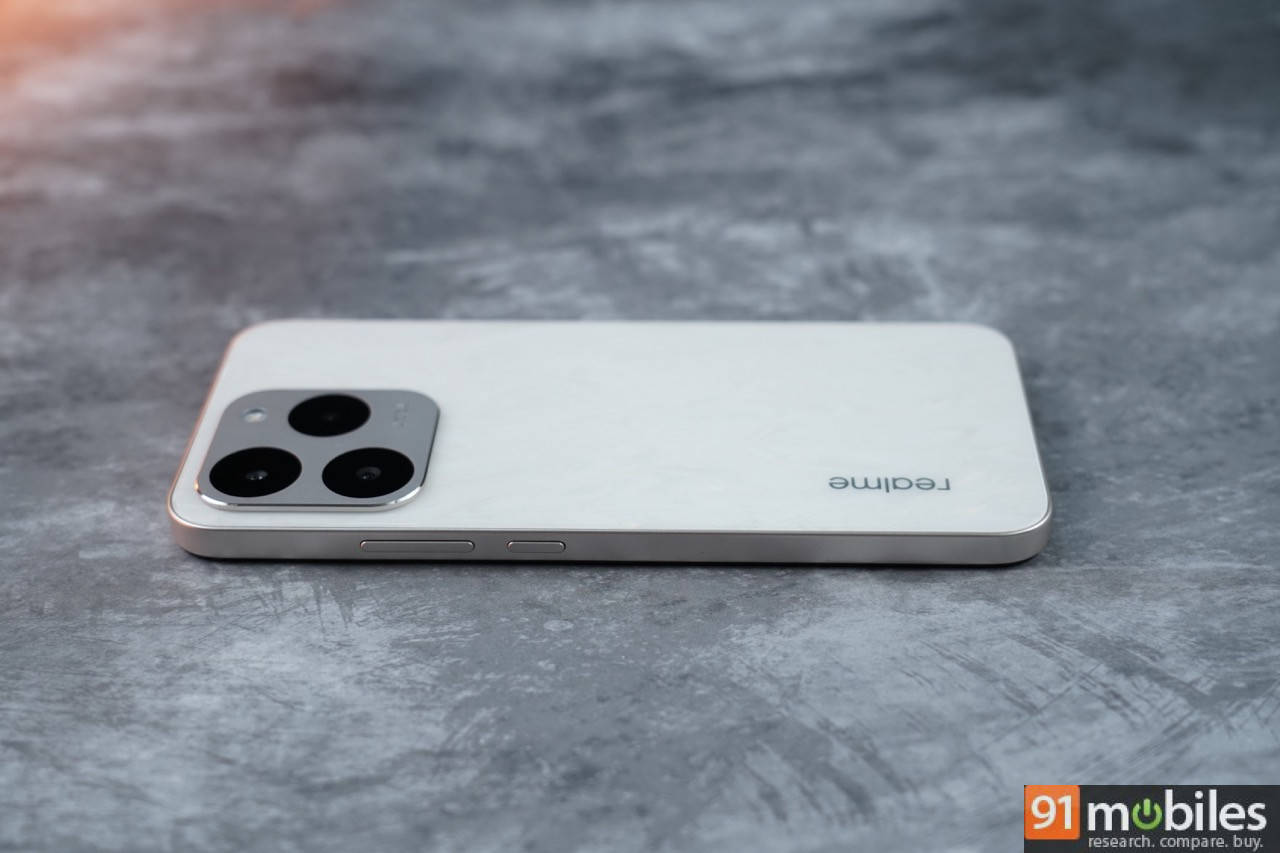
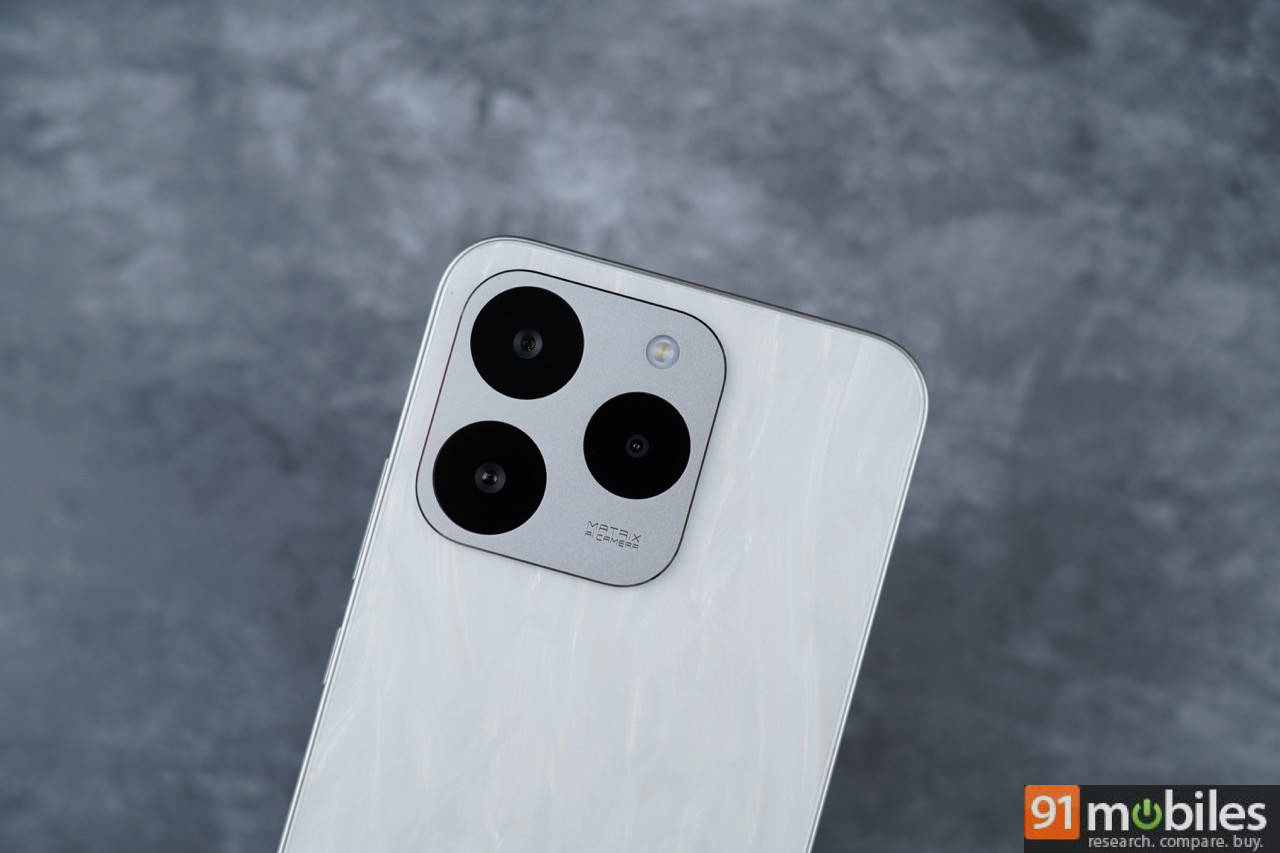
The phone looks pleasing in the Flowing Silver variant that we received. You also have the option to choose from Silk Blue and Suit Titanium (black) colours. In our review unit, the back has a light wood texture, while the frame and camera island have a matte finish. The camera island sits almost flush, so the device doesn’t wobble on a flat surface.
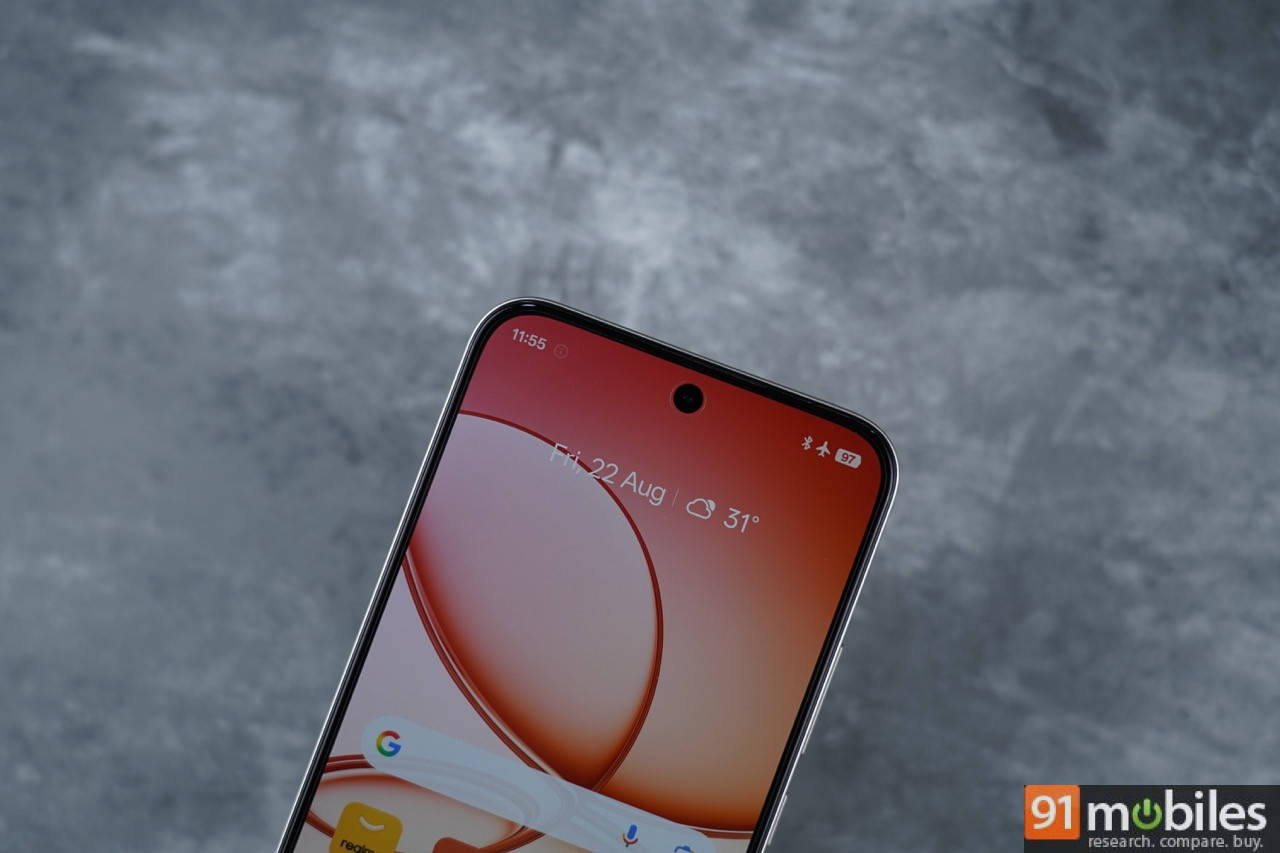
On the front, the Realme 15T has a 6.57-inch flat display with a punch hole, minimal bezels and rounded corners. More on that display quality later. But that size, along with flat edges, 7.79 mm thickness, and a balanced weight of 181 grams, makes the 15T easy to carry around.
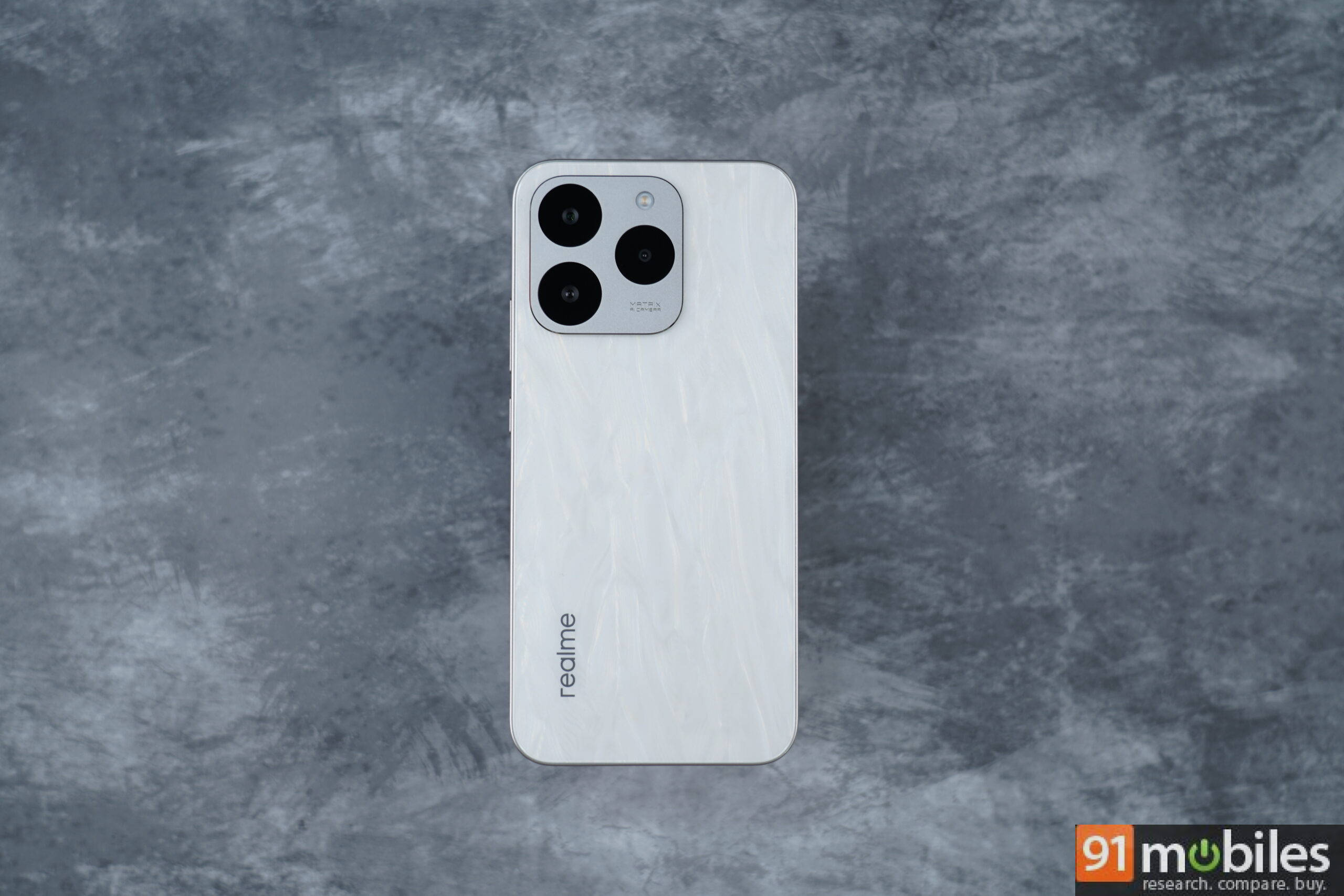
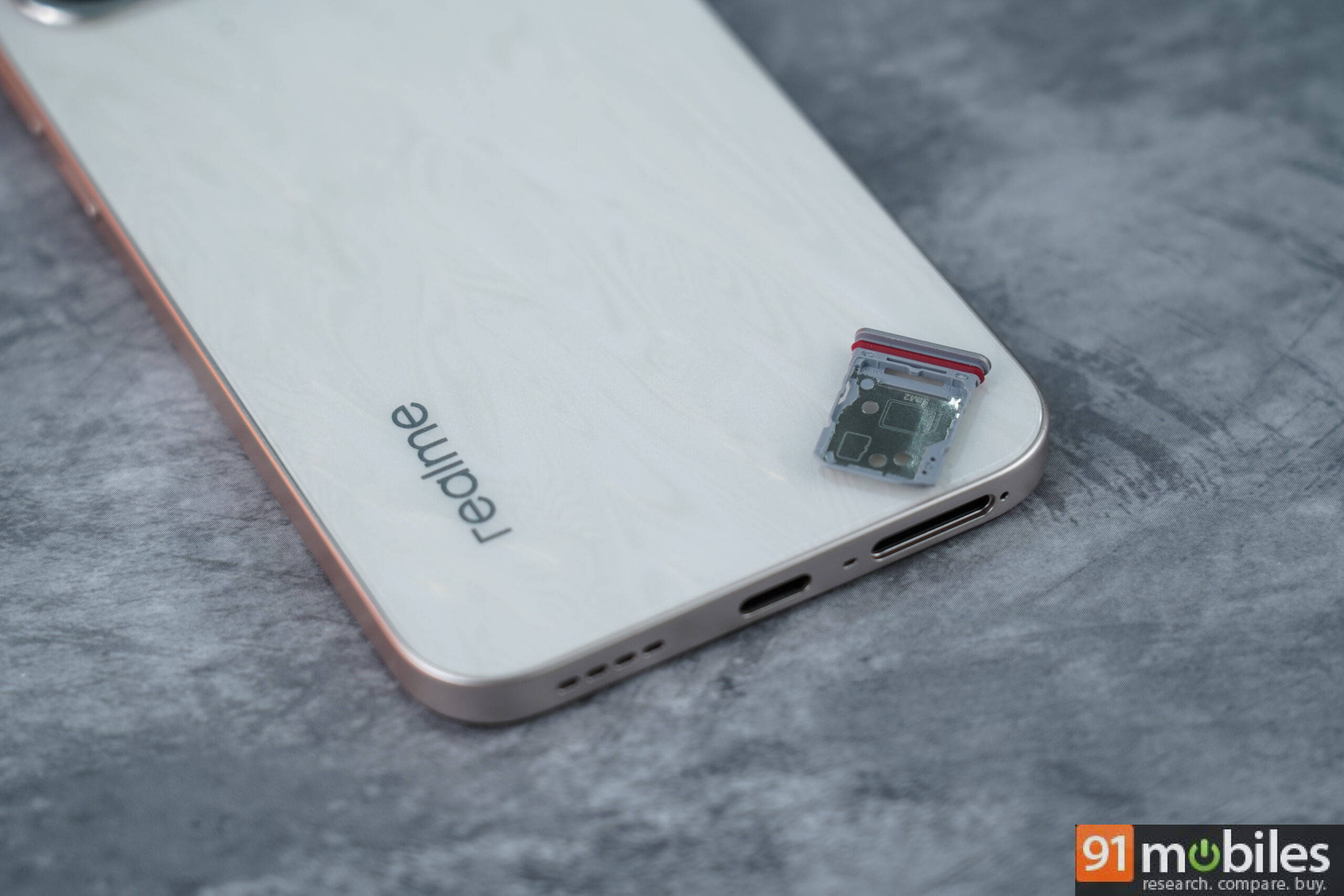
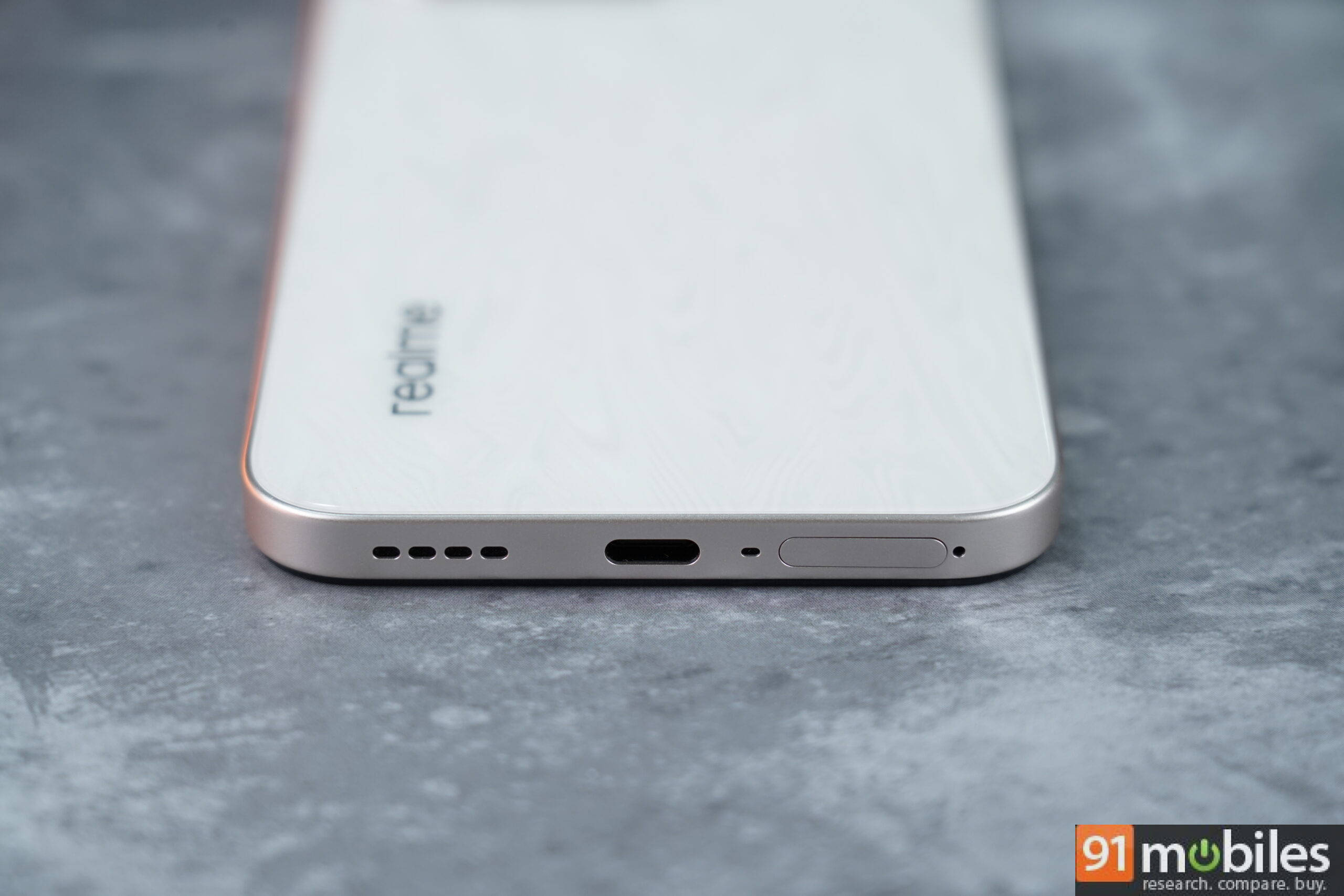
As for buttons and ports placement, on the right side, you get volume rockers and a power button, which are clicky. There is nothing on the left side. On the bottom, there is a SIM tray, which also has a hybrid microSD card slot, a USB Type-C port, a speaker grille, and a microphone hole. You get an additional mic hole on the top. The phone also has an IR blaster, sitting within one of the rear lens cutouts.
And when it comes to durability, the Dragontrail DT Star D+ glass protection and up to IP69 dust and water resistance give some assurance. The IP rating is better than what you get on the Infinix and Motorola phones mentioned above.
So, the Realme phone has a design that’s good on form and function.
Vibrant visuals, wide sound stage
The Realme 15T features a 6.57-inch AMOLED display with FHD+ resolution, 401 PPI pixel density, support for 1 billion colours, HDR, 1,000 nits of typical brightness, 4,000 nits peak brightness, and 120Hz refresh rate. That said, its competitors, Infinix GT 30 and Moto G96, offer smoother 144Hz screens compared to the Realme 15T’s decently smooth 120Hz panel. The Infinix GT 30 also delivers a slightly higher peak brightness of 4,500 nits, though in daily use, the Realme display often looks brighter, particularly with Extra Brightness mode enabled. In terms of resolution, the Infinix leads with a higher resolution 1,224p panel with 440 PPI pixel density.
In our YouTube video test, the Realme panel showed vibrant colours but lacked contrast and dynamic range. The Infinix screen looked more contrasty, while the Moto delivered deeper blacks. Infinix also has better black uniformity than Realme, even if its absolute black level isn’t as deep as Moto’s AMOLED.
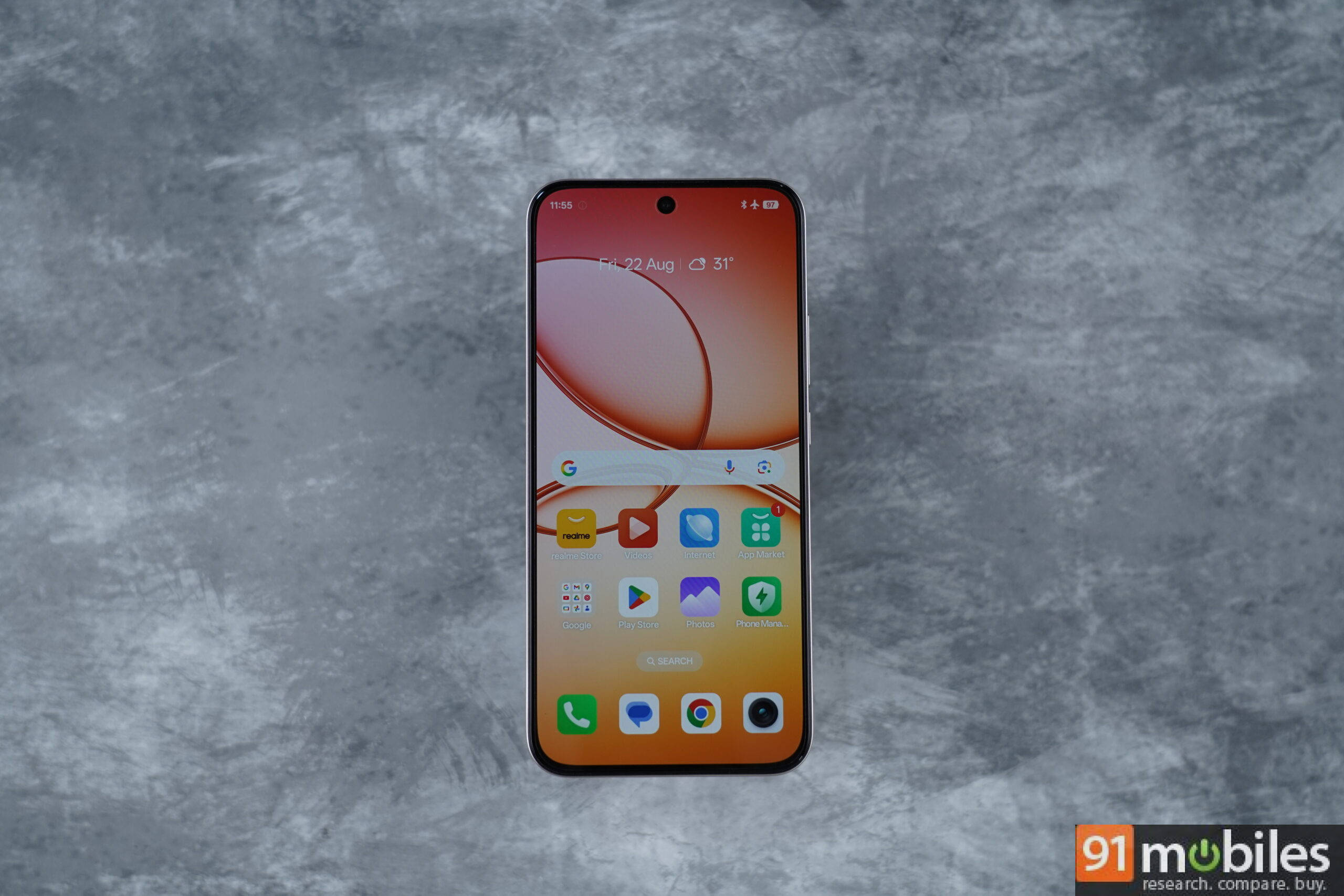
That said, watching a couple of movies on the Realme 15T during a train commute was still a pleasant experience. You can stream YouTube videos at 1440p60 quality and Netflix content in FHD resolution with Widevine L1 support, although HDR is not available on either platform.
In terms of sound, the Realme 15T offers a wider soundstage than its two rivals, but the bass drops are not as precise or thumping as Moto’s. Still, both of these provide better sound from their dual stereo speakers than the solo speaker on the Infinix GT 30.
Overall, aside from some minor nitpicks, the Realme 15T is a suitable device for media consumption.
Decent camera by day, not so at night
On the back, the Realme 15T has the same camera setup as the Realme 14T: a 50MP main camera and a 2MP monochrome sensor. But, on the front, the sensor is upgraded to 50MP resolution, making it the segment’s only phone with a 50MP camera on the back and front.
We compared the camera results of the 15T to the shots from the Moto G96, which has a 50MP main camera, an 8MP ultrawide shooter, and a 32MP selfie snapper.


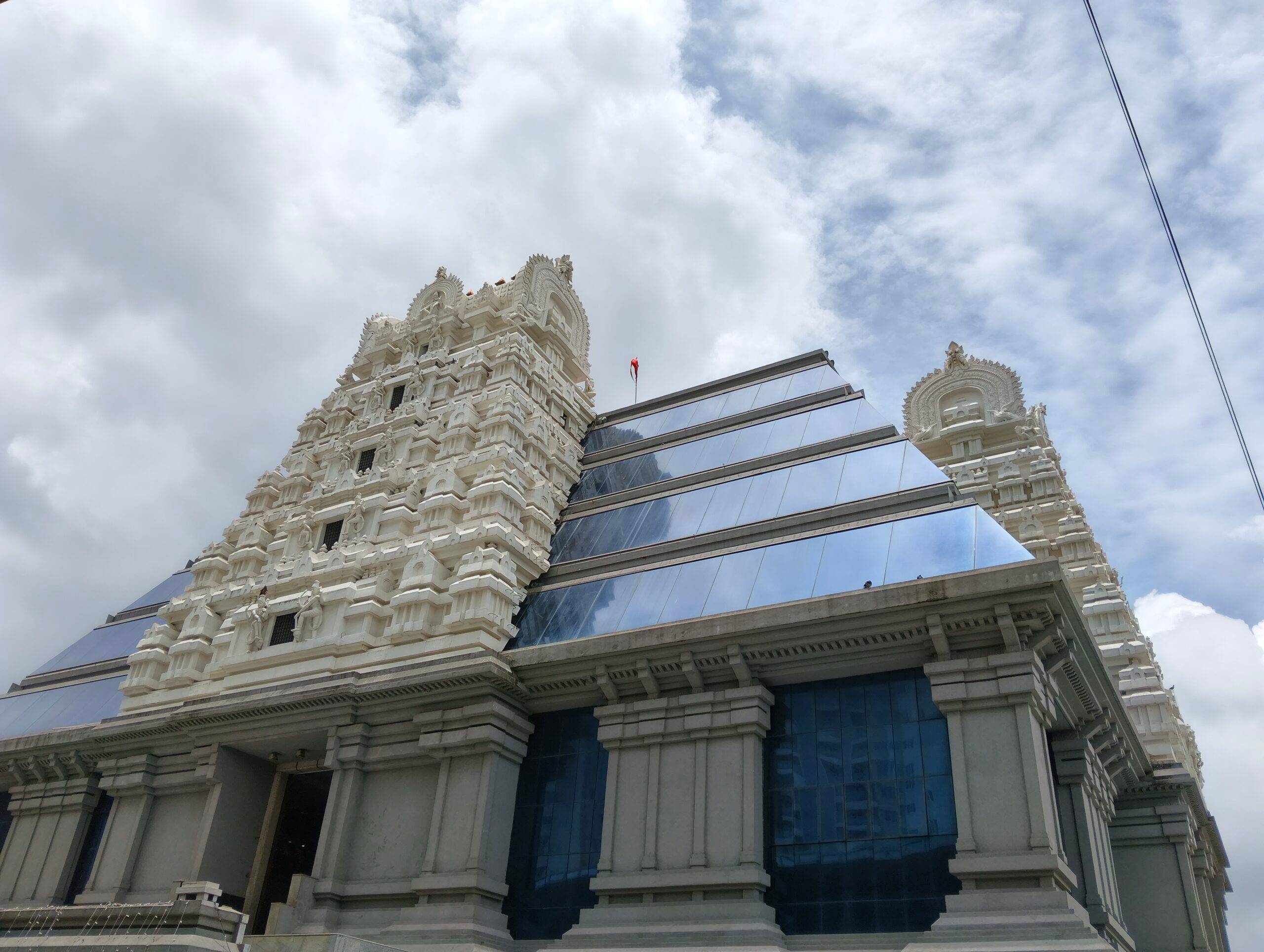











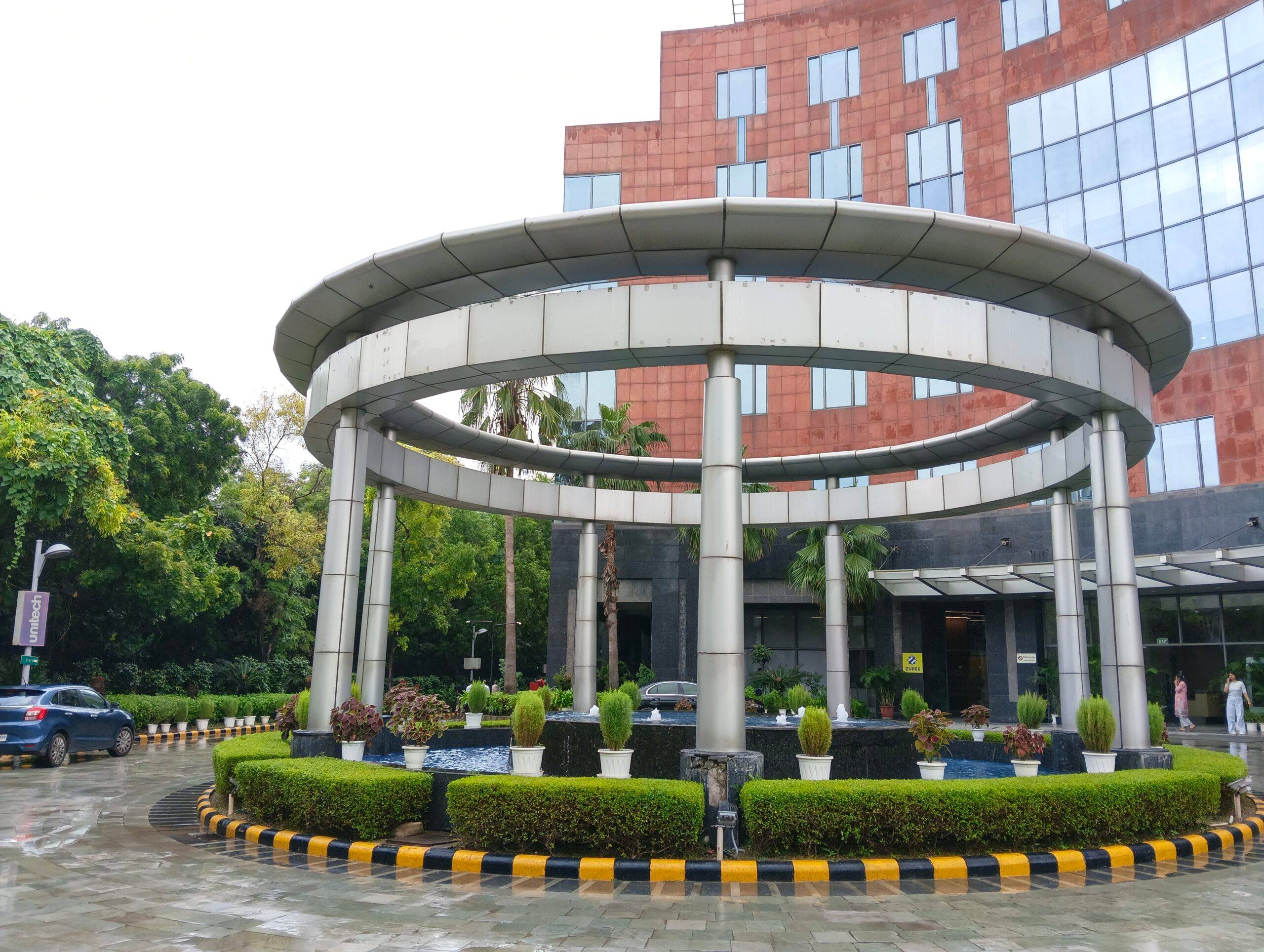
Daylight
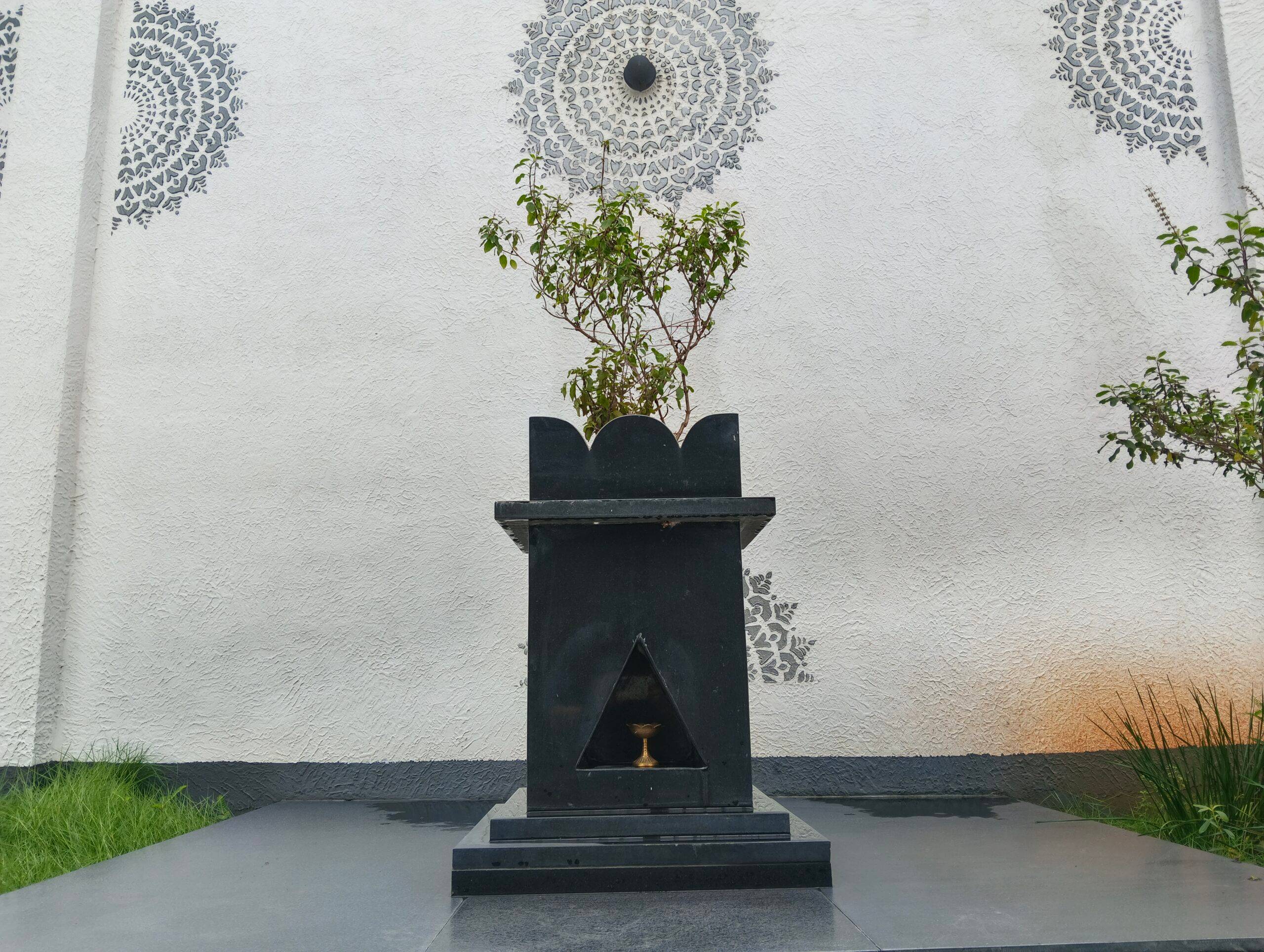
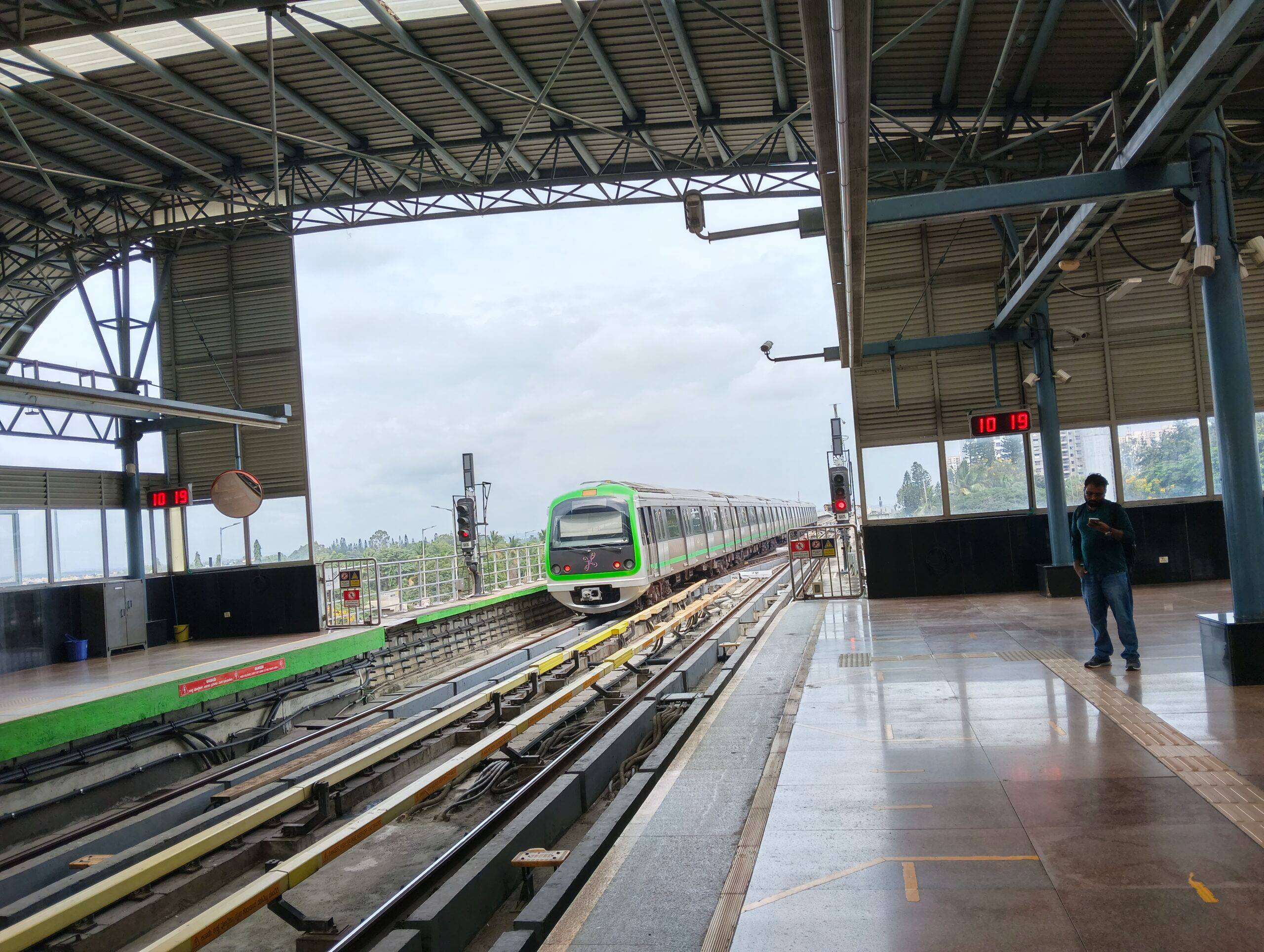
In daylight shots under overcast conditions, the Moto G96 captures slightly sharper details, visible in the grids on the red building and the tiles on the ground. The Realme 15T, however, produces colours that look closer to reality. The Moto tends to push contrast too far. While it retains more detail in highlights, the increased contrast makes shadow areas look darker than they are, and colours also appear less accurate.

Portrait
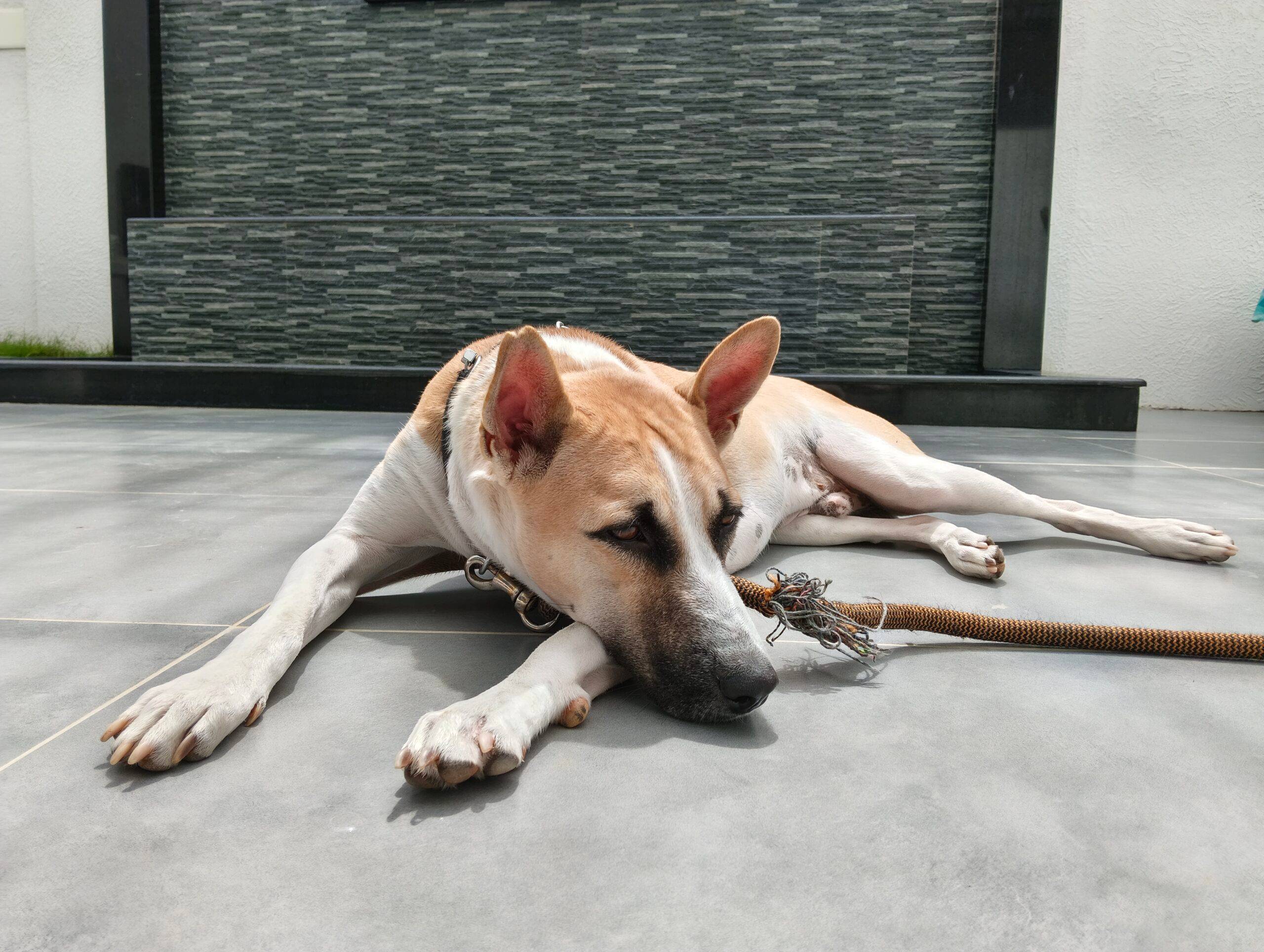
In the case of portraits, the skin tone and colour of the subject’s shirt look more real on the Realme 15T. The Moto G96, however, retains finer details and offers better edge detection, though its bokeh looks artificial. The Realme delivers more natural-looking bokeh.


Selfie
As for selfies, again, the colours, skin tones, and details are better on the Moto G96. The sky also looks better on the Moto. Realme selfie doesn’t look bad though.


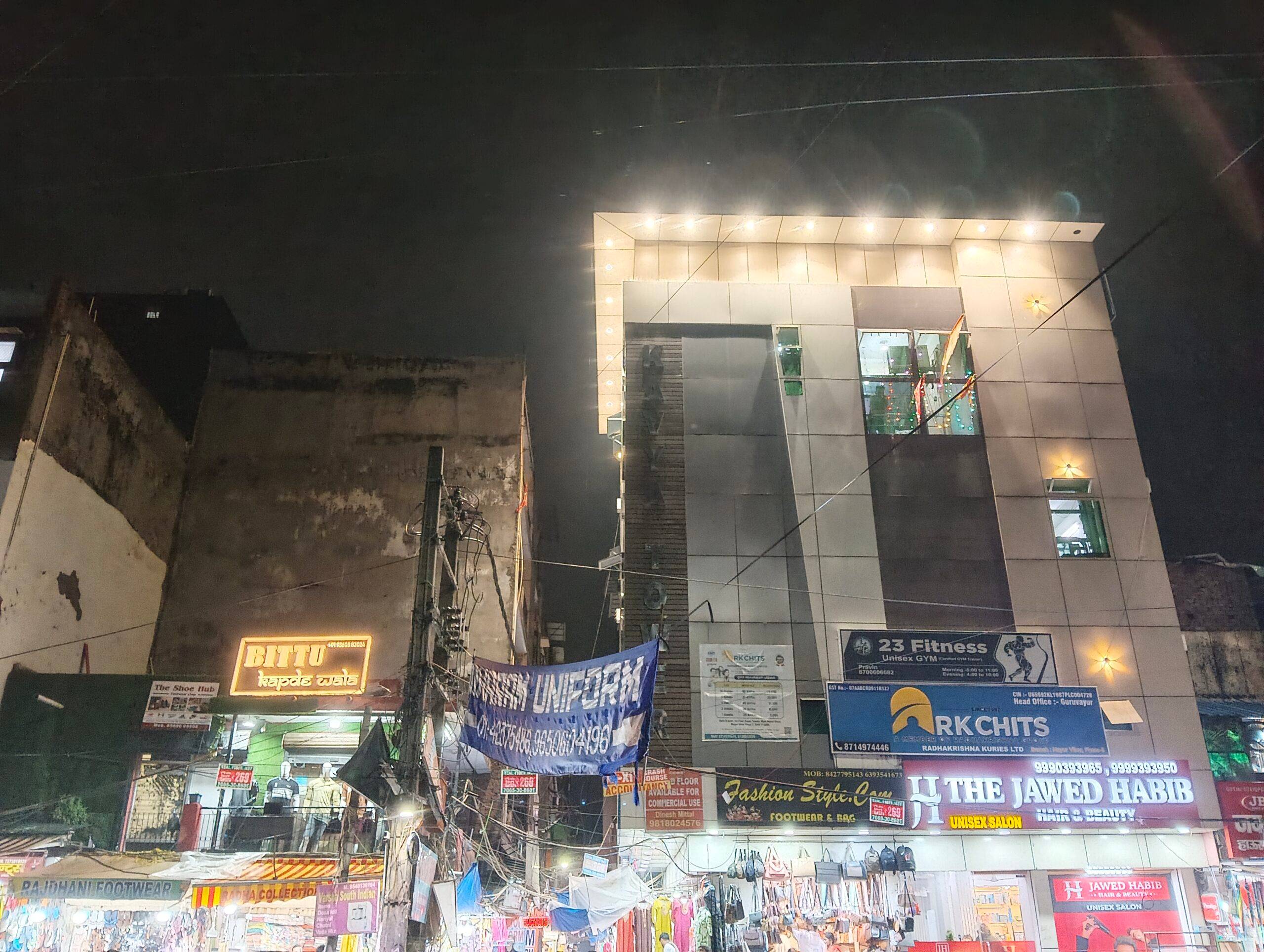
Low-light or Night mode
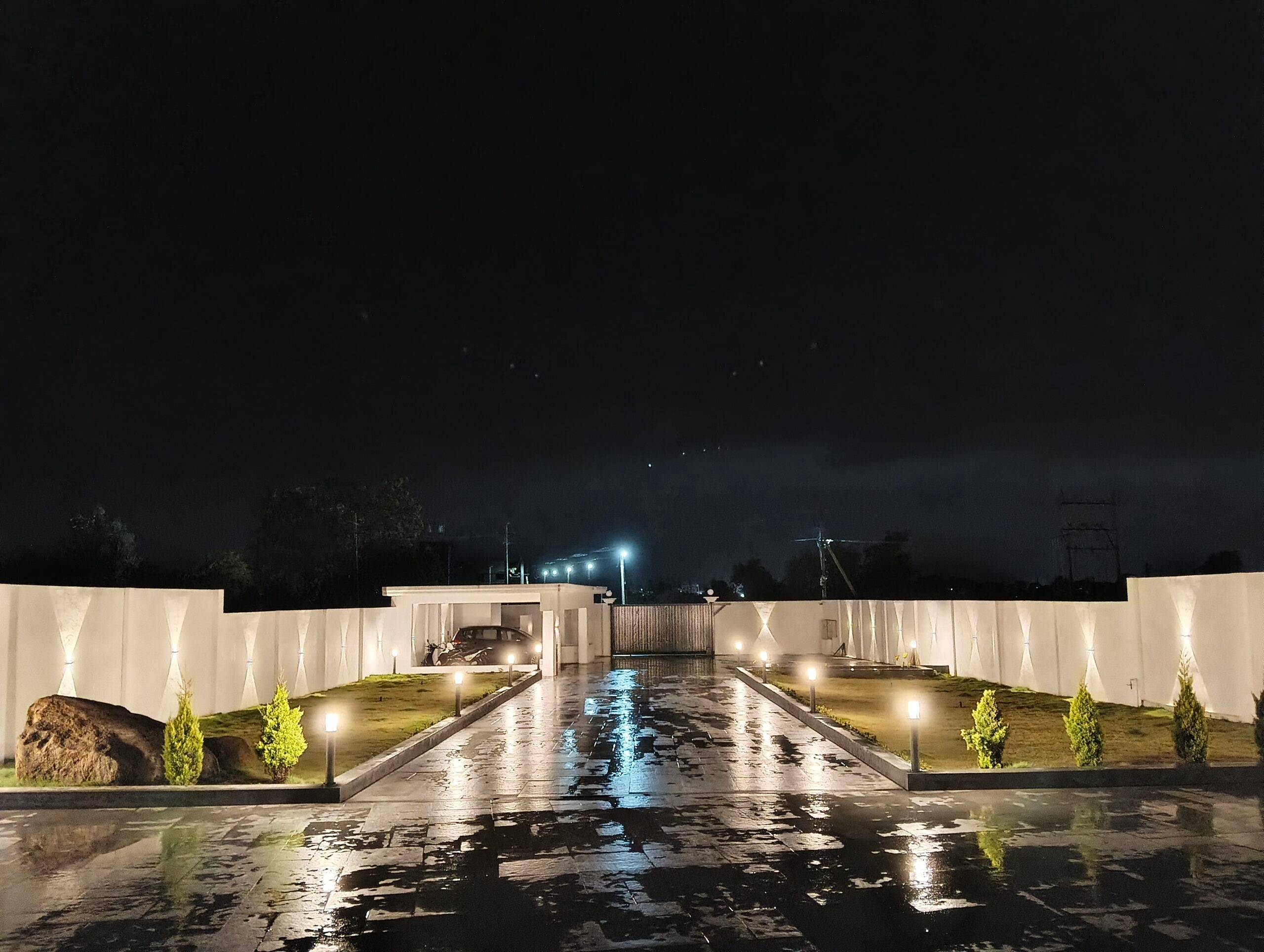
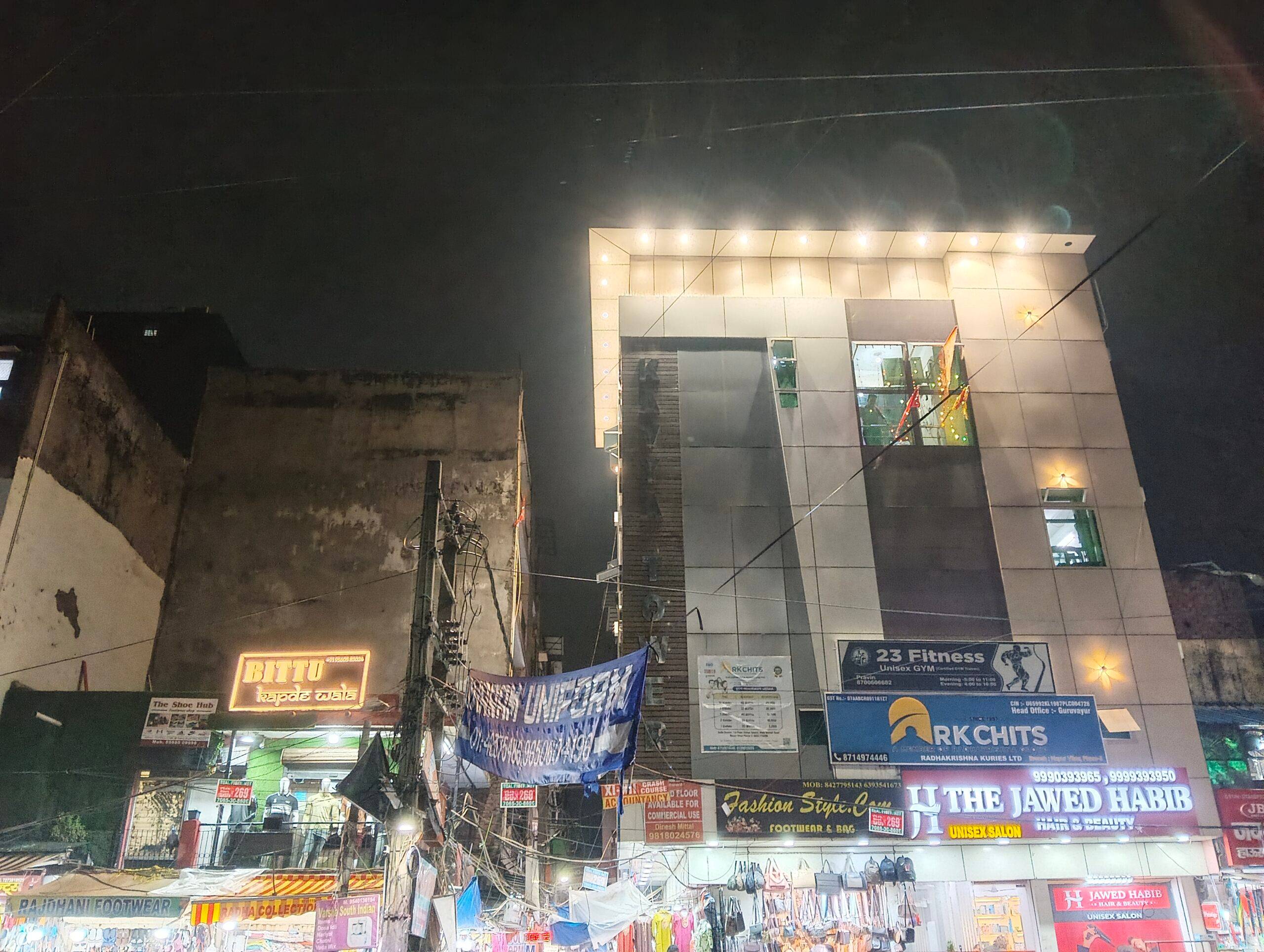
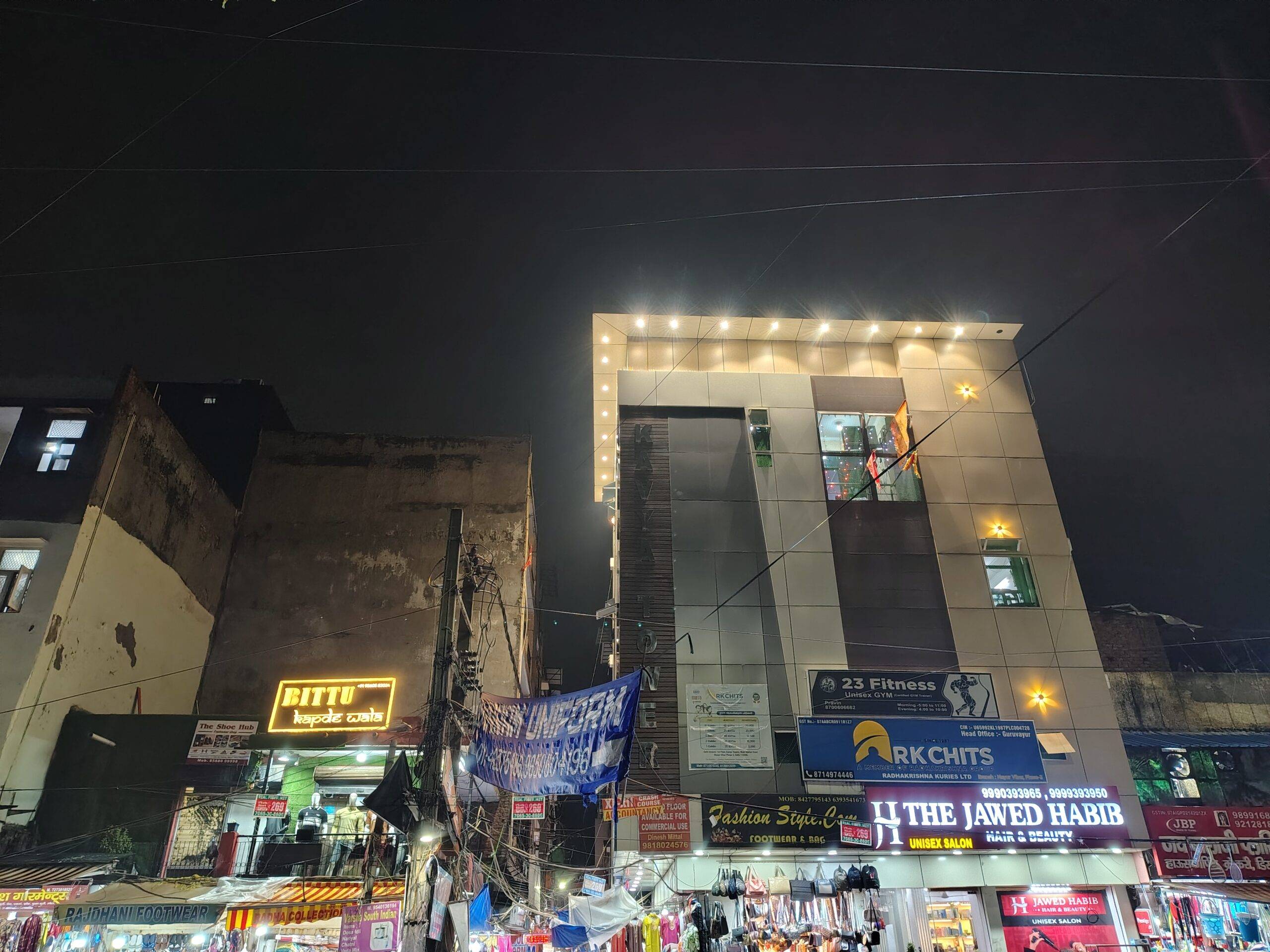
Once the sun sets, the Realme camera struggles. The image appears bright, even overexposed, while the night sky looks noisy with noticeable lens flare. However, the colours are more accurate on the Realme camera.
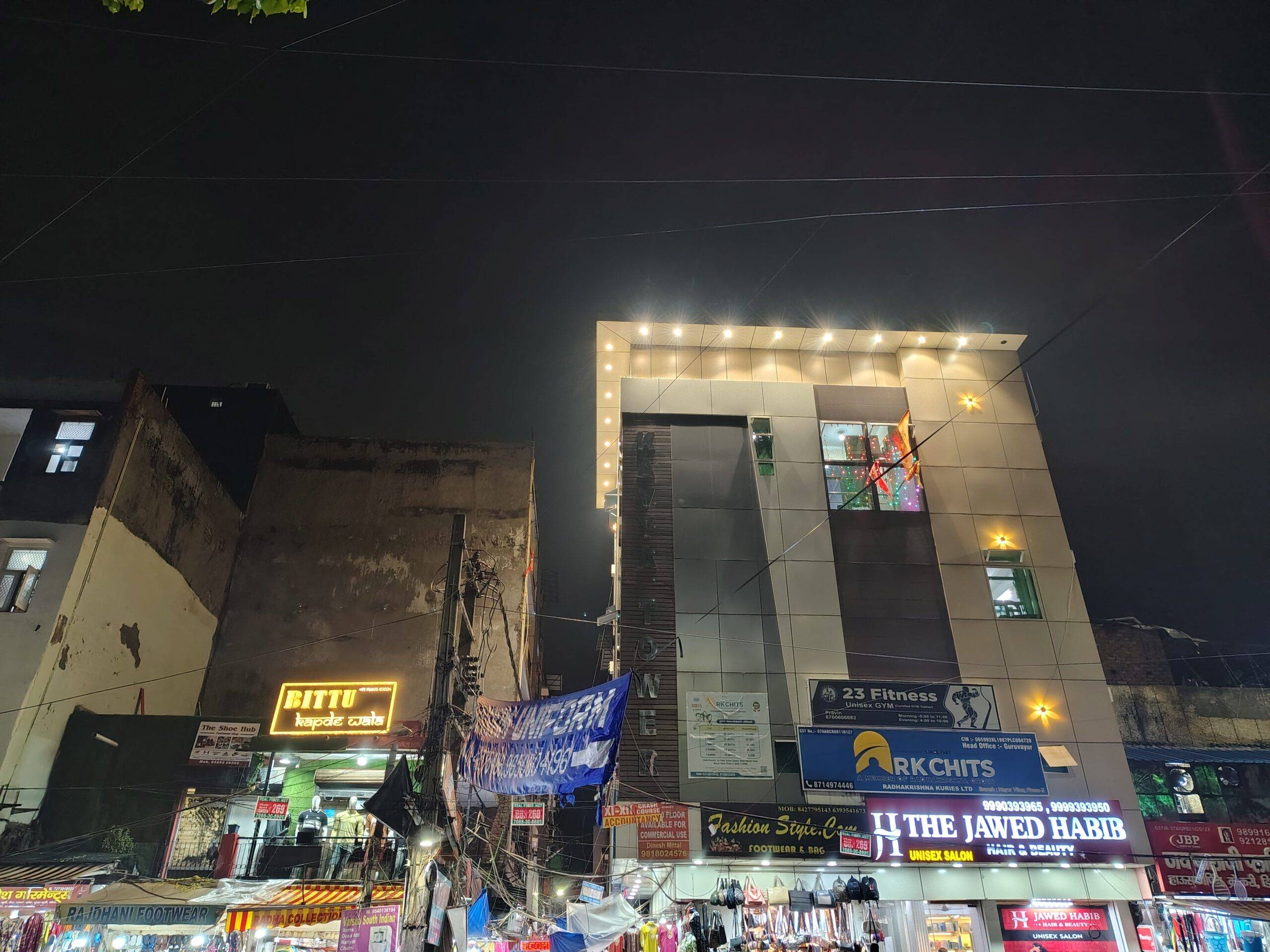
Even when you turn on Night Mode, there isn’t much difference in the image.
Videos
Finally, for videos, the Realme 15T can record at up to FHD resolution at 60FPS on the rear camera. The colours are more accurate than on the Moto G96, but the details look soft.
The Realme 15T stands out for more accurate colours, natural bokeh, and its segment’s first 50MP front and rear camera setup, though it struggles at night and in video detail. The Moto G96 delivers sharper details, better selfies, and stronger low-light shots.
Runs cool, not powerful
Realme 15T’s processor, i.e., MediaTek Dimensity 6400 Max (6nm), is pretty much the same chip as the Dimensity 6300 inside the Realme 14T, but with a 0.1GHz faster prime core (Cortex A76 CPU). It has the same Mali-G57 MC2 GPU, up to 12GB LPDDR4x RAM and 256GB UFS 2.2 storage as the predecessor.
Both the Moto G96’s Snapdragon 7s Gen 2 (4nm) SoC and the Infinix GT 30’s Dimensity 7400 (4nm) are more powerful in specifications. These chips have a better set of four Cortex A78 CPU cores, and here’s how the 15T fare compared to them in leading benchmark tests:



The Realme 15T with Dimensity 6400 falls behind the Infinix GT 30 and Moto G96 in performance tests. Both rivals score higher on AnTuTu and Geekbench, and they also handle sustained performance better in the Burnout test.
While the 15T doesn’t beat the two rivals in raw performance, it notably generates less heat and runs cool during our testing period. For heat dissipation, the phone packs a graphite sheet along with a thin 17721 mm² vapour chamber and conductivity gel.
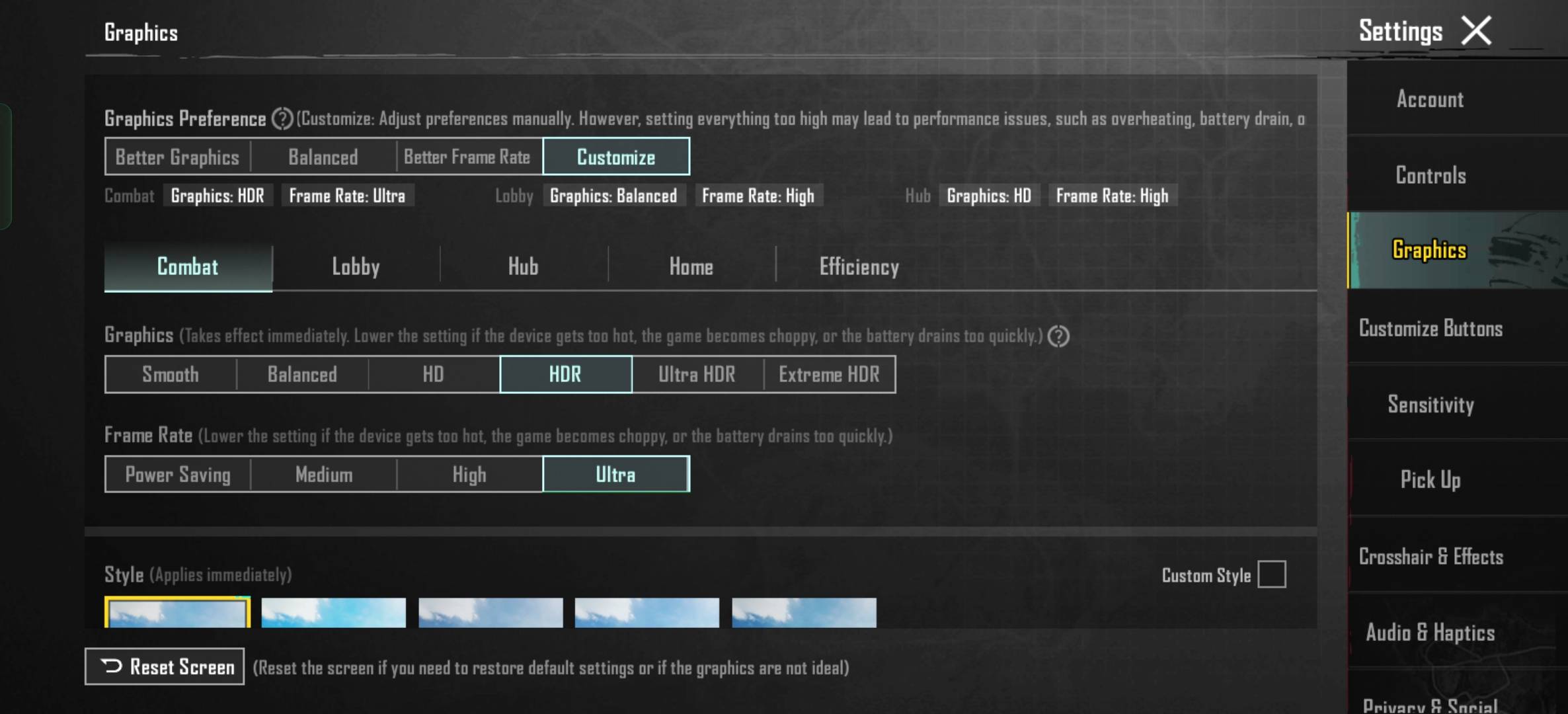
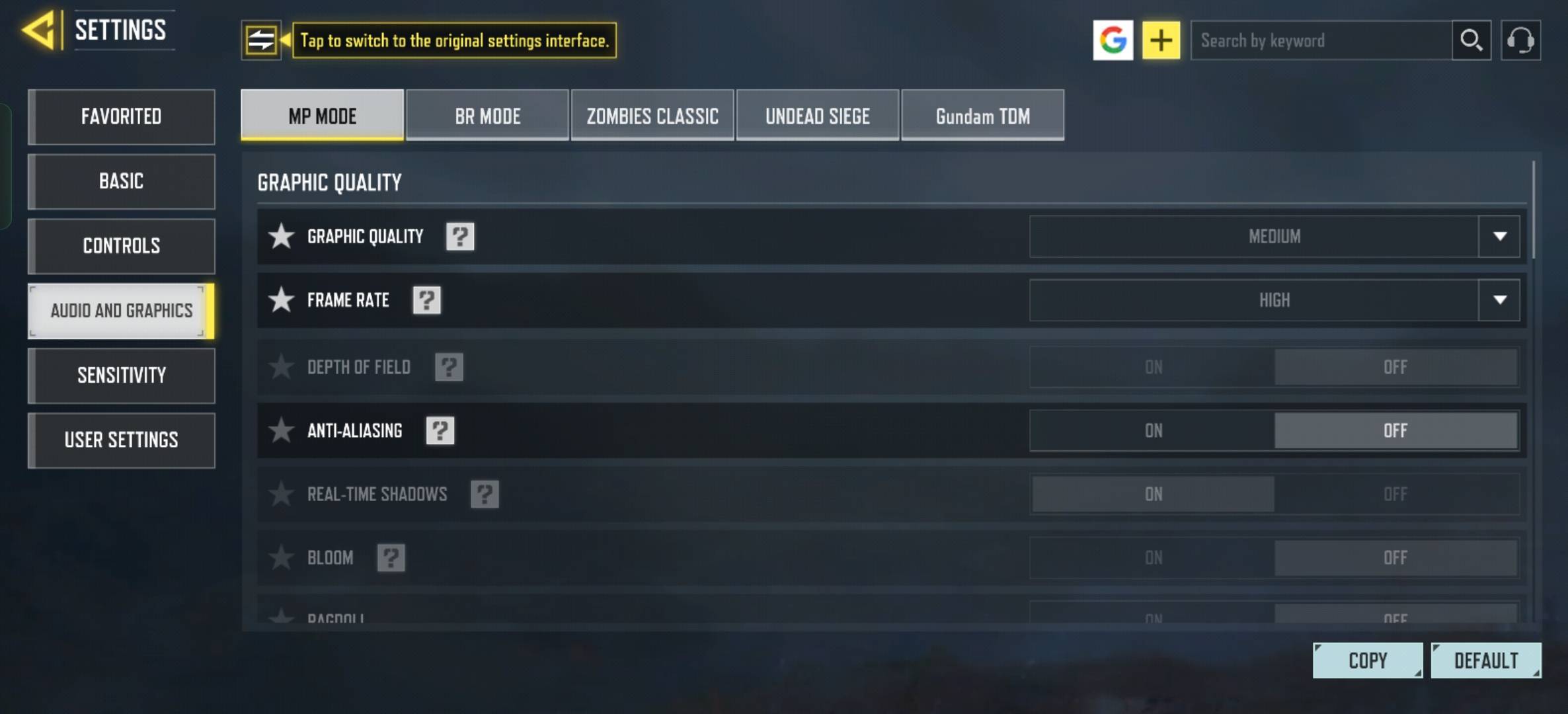
As for gaming, in a title like Call of Duty Mobile, the 15T averages 53.5 FPS, which is close to the 54.8 FPS on the Infinix GT 30 and 54.7 FPS on the Moto G96. Where it does better is efficiency, with a lower temperature rise of just 2.3 degrees C, compared to 3.1 degrees C on the Infinix and 3.9 degrees C on the Moto. This makes it a steadier option for longer sessions.
In the case of Real Racing 3, the 15T trades raw frame rates for cooler, more stable gameplay. And in a heavier game like BGMI, the Realme 15T is far ahead of both rivals with 39.5 FPS, while the Infinix GT 30 gets 29.8 FPS, and the Moto G96 gets only 28.7 FPS.
The Realme 15T with Dimensity 6400 trails the Infinix GT 30 and Moto G96 in benchmarks, showing weaker raw power and sustained performance. But it runs cooler thanks to its vapour chamber setup. In games like COD Mobile and Real Racing 3, it maintains stable performance with lower heat build-up, while in BGMI, it outpaces both rivals.
Decent enough software
The Realme 15T runs on Realme UI 6.0, bringing features like heart rate measurement through the in-display fingerprint scanner and a Dynamic Island-style notification alert system. It also includes a Smart Sidebar for quicker access to apps and an AI Smart Loop that lets you share onscreen content directly to relevant apps and platforms.

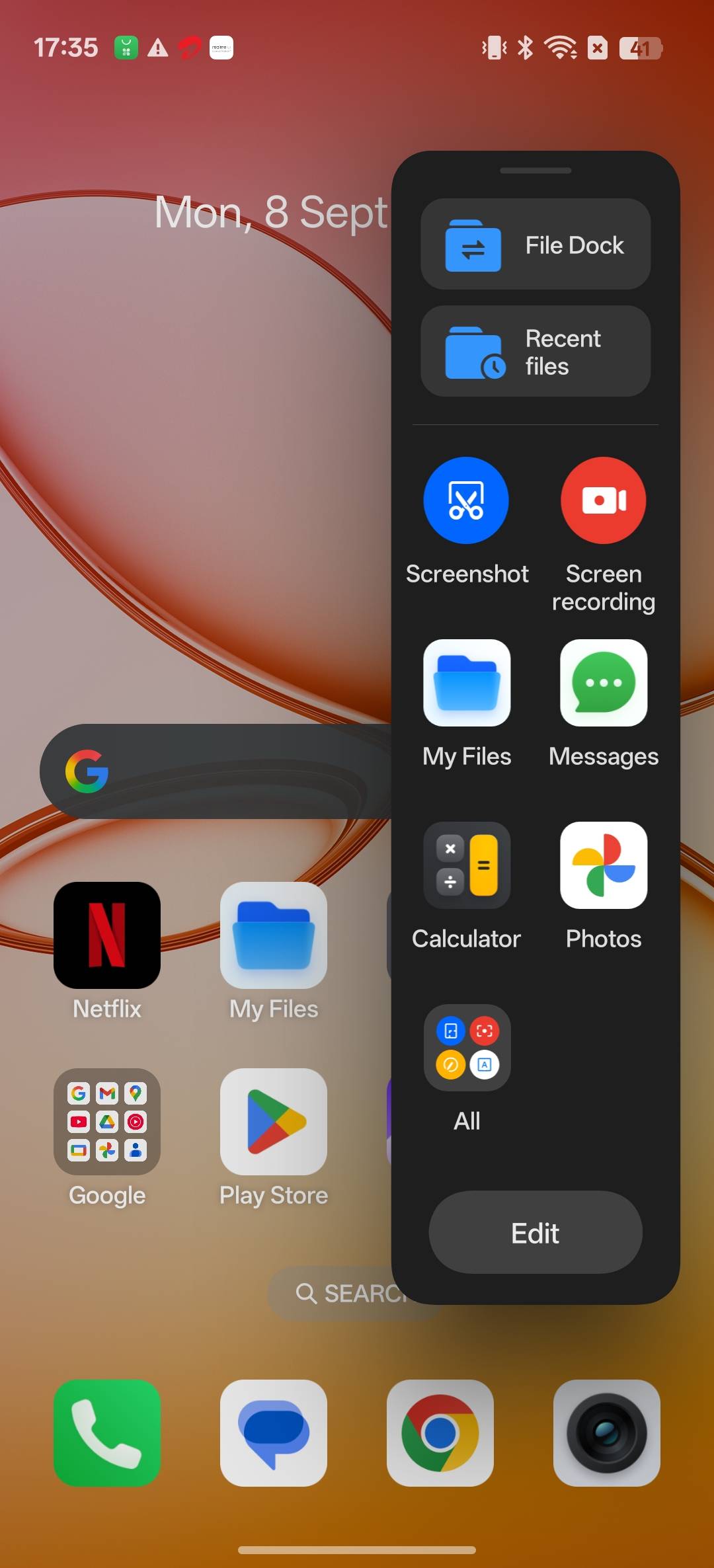
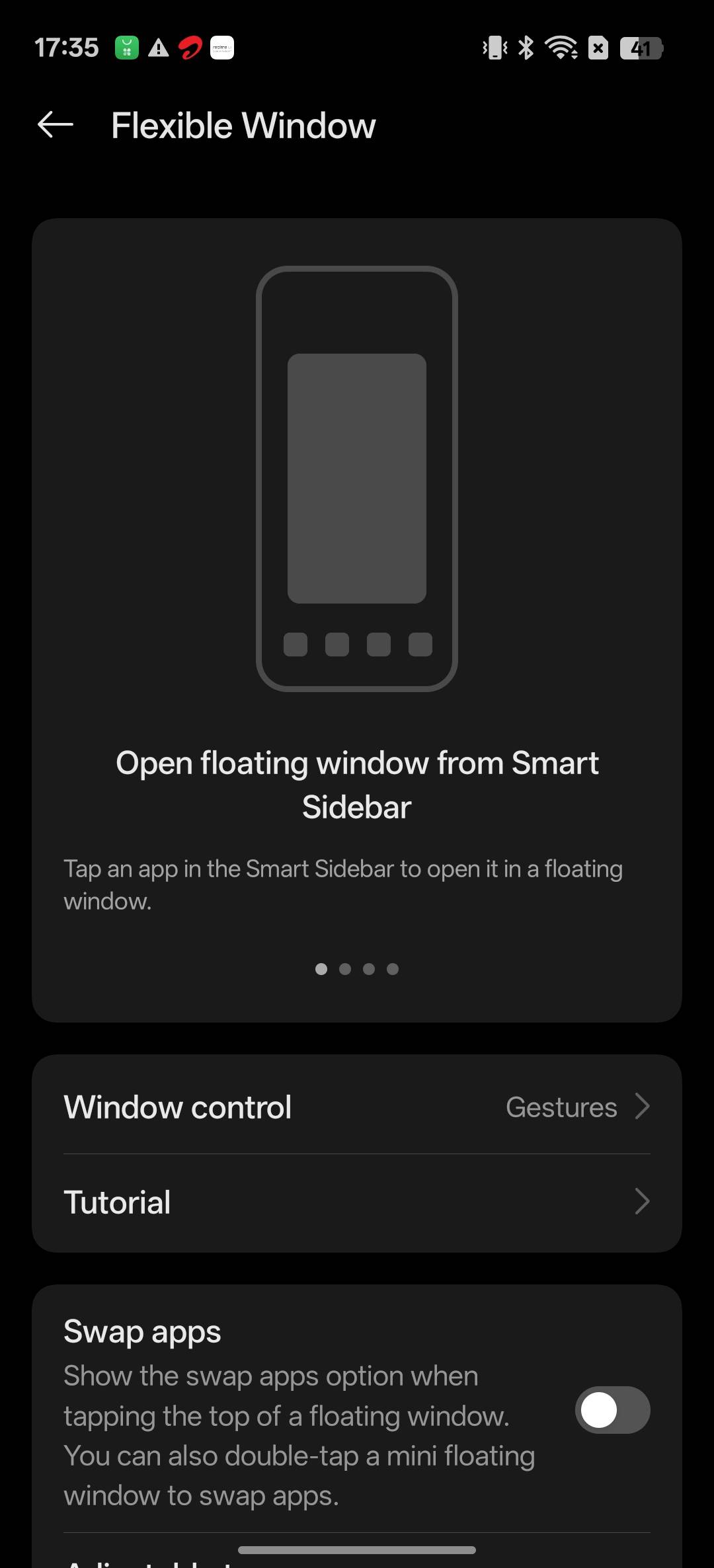
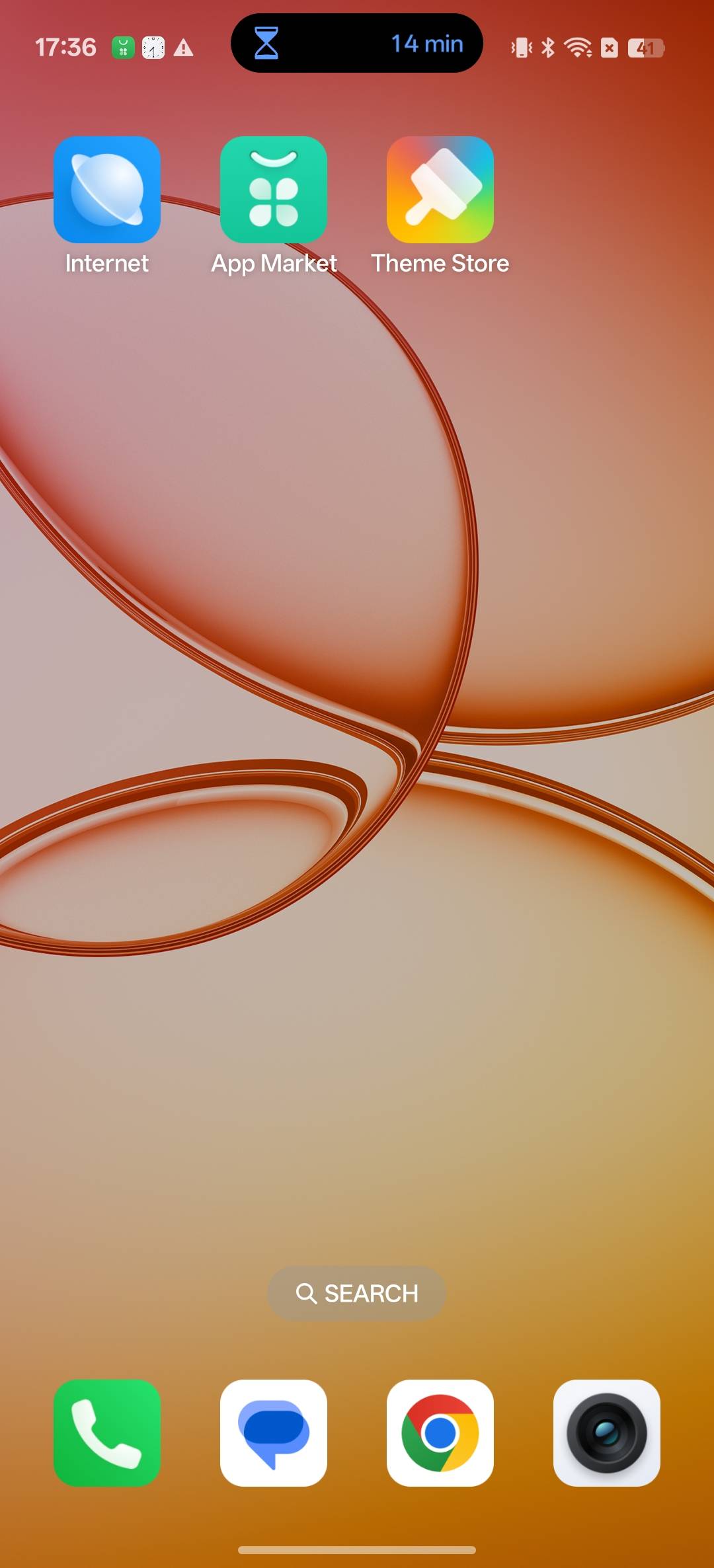
Realme also offers features like Glance and Global Search, which I don’t find particularly useful. Gladly, we can disable them.
| Smartphone | Pre-Installed Apps | Software Support |
| realme 15T | 69 | 3 Years OS Updates + 4 Years Security Updates |
| Moto G96 5G | 44 | 1 Year OS Updates + 3 Year Security Updates |
| Infinix GT 30 | 41 | 2 Year OS Updates + 3 Year Security Updates |
There aren’t many AI features onboard. But, you get the essentials like Gemini assistant and Circle to Search for research and knowledge building. Impressively, the phone is eligible for more software updates than the Moto G96 and Infinix GT 30. However, there are phones in the 20K-25K price range, which come with better support, like Galaxy A26, Realme P4 Pro, and OnePlus Nord CE5.
All in all, you get a decent enough software experience on this phone.
Long battery life, with fast charging
The Realme 15T packs a 7,000mAh battery, the biggest in this segment. That’s even more impressive considering how small the 15T is compared to the Moto G96 and Infinix GT 30. With 60W fast charging, it takes about 1 hour and 4 minutes to go from 20 per cent to 100 per cent. In PCMark’s battery endurance test, it lasted 17.5 hours, showing clear efficiency gains from its large cell and tuned software.
And in our 30-minute battery drop test that included COD Mobile, Real Racing 3, BGMI, and YouTube playback, the Realme 15T recorded an average battery drop of 4.5 per cent. This is lower than the Infinix GT 30’s 5.5 per cent and the Moto G96’s 6 per cent, showing that the 15T is more power efficient and better optimised for mixed usage.
So, overall, the Realme 15T comes across as the better pick when it comes to battery size, battery life, and the charging speed is also plenty fast.
Closing thoughts: how good a performer is the Realme 15T?
The Realme 15T packs features rarely seen in this price range. Despite housing a massive 7,000mAh battery, it’s the lightest and thinnest phone in its segment, lasting longer than rivals in our tests and proving dependable on a week-long trip. Its bright AMOLED display, wide soundstage, and dual 50MP cameras make for enjoyable content viewing and solid daylight photography. Add in long software support, cool and stable gaming, and IP69 durability, and the 15T stands out for practicality.
That said, the Dimensity 6400 Max lags behind competitors in raw performance, low-light photography is weak, and video quality lacks fine detail. There’s also no ultrawide camera or HDR streaming. For stronger selfies and ultrawide shots, the Moto G96 is worth a look, while the Infinix GT 30 offers a sharper, higher-refresh display.
Overall, the Realme 15T is ideal for those who value long-lasting battery life, a slim design, and dependable day-to-day performance over raw power, making it a smart buy through Flipkart, Realme.com, or offline stores across India.
Editor’s rating: 8/10
Reasons to buy
- Slim, lightweight, and portable design for a 7000mAh phone
- Long-lasting battery with efficient optimisation
- Longer software updates are promised compared to the Moto G96 and the Infinix GT 30
- Decent display with a wide sound stage
Reasons not to buy
- Weaker raw performance than the Moto G96 and the Infinix GT 30
- Night photos are overexposed with noise and lens flare
- Lacks an ultrawide camera