


Review Summary
Expert Rating
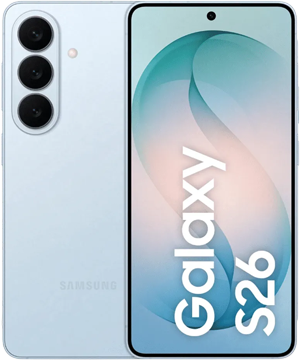
Samsung’s flagship lineup remains one of the most anticipated launches each year. In 2026, the company brings its usual trio — the Galaxy S26, Galaxy S26+ (review) and Galaxy S26 Ultra (review) — all offering a largely consistent experience in terms of design, software, and performance, while catering to different user needs.
The Galaxy S26 sits as the base model, aimed at users who prefer a compact flagship without compromising on core features. While it shares several similarities with its predecessor, the Galaxy S25, the most notable upgrade comes in the form of performance, thanks to the new 2nm Exynos 2600 SoC.
Starting at Rs 87,999, the Galaxy S26 also sees a price bump this year. So, how well does it hold up in an increasingly competitive flagship segment that’s no longer niche in 2026? Let’s find out in this detailed review.
Table of Contents
Verdict
The Samsung Galaxy S26 strikes a strong balance between performance and portability, thanks to its compact design and powerful hardware. Its smooth display and long-term software support make it a reliable choice for everyday use. However, slower charging speeds and average battery life hold it back from being class-leading. While it doesn’t push boundaries in every area, it remains a solid, well-rounded flagship for users who prefer a smaller phone.
Compact design, vibrant display
Samsung has long been one of the few brands consistently offering a compact flagship, and that strategy continues to work well alongside its larger-sized models. With the Galaxy S26, the compact form factor remains intact, but with subtle refinements over the years. This time, Samsung has introduced a pill-shaped camera module instead of individual camera rings. This brings a more uniform look across the entire Galaxy S26 lineup.
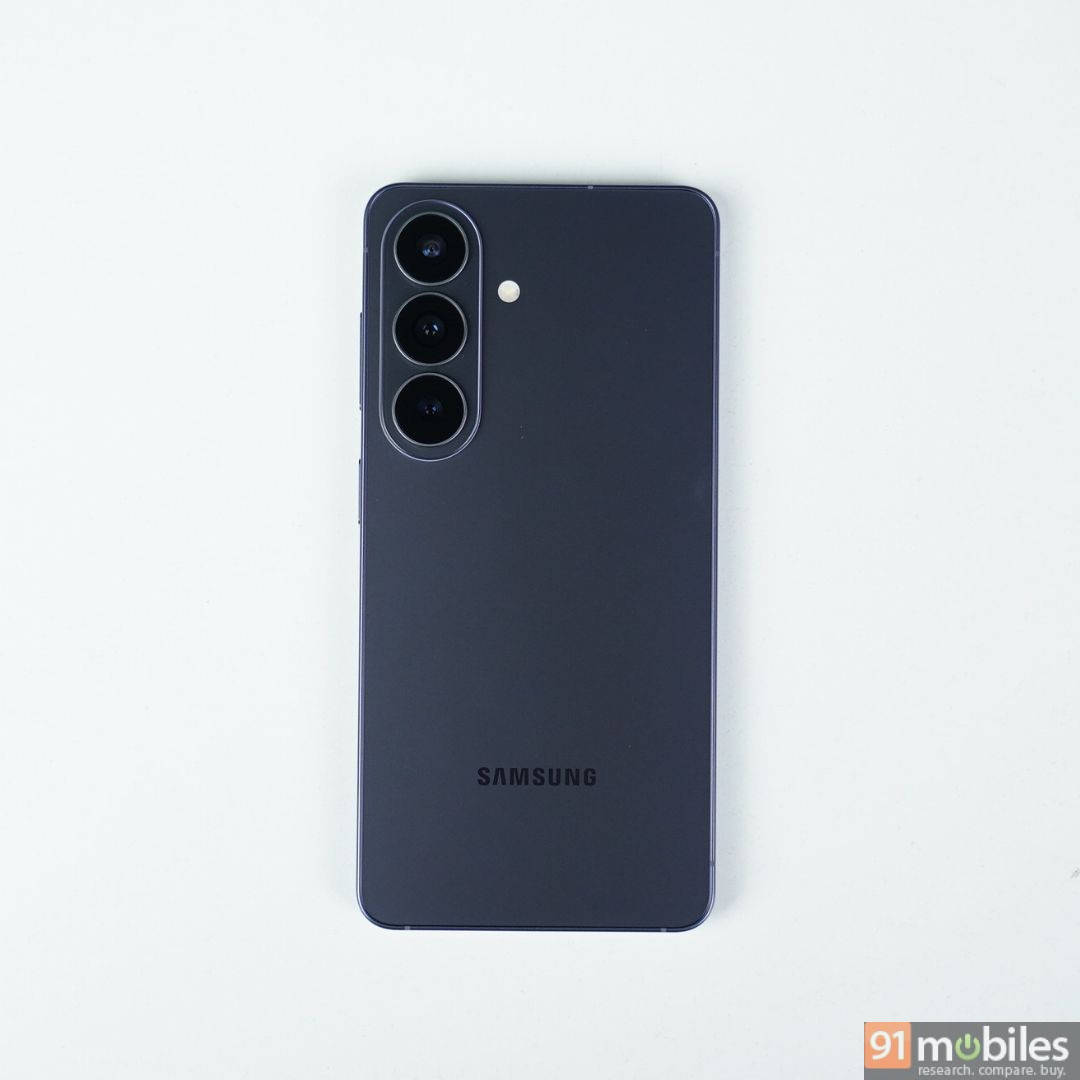
The phone feels impressively light in hand, and its slim, compact build makes it extremely comfortable to use and carry. The handset slips easily into pockets, which is especially noticeable if you’re used to bulkier flagships. The camera module, though, is visibly thicker, and makes the phone wobble if you place it on a flat surface. That can irk some and isn’t something you’d probably want from a flagship.
Samsung also offers a wide range of colours for the Galaxy S26, ensuring there’s something for everyone. Our unit in Cobalt Violet appears more like a deep blue, a bold yet sleek shade that feels premium and understated at the same time. There’s also a classic Black option, along with lighter finishes like Sky Blue and Pink Gold for those who prefer softer tones
As for the display, Samsung continues to deliver one of the best panels you can find on a smartphone. The Galaxy S26 features the same setup as its predecessor, which is a 6.3-inch Dynamic AMOLED 2X LTPO display with a 120Hz adaptive refresh rate, HDR10+, up to 2,600 nits of peak brightness, and Gorilla Glass Victus 2 protection. Even without major upgrades, the viewing experience remains excellent, with vibrant colours, sharp visuals, and smooth responsiveness.
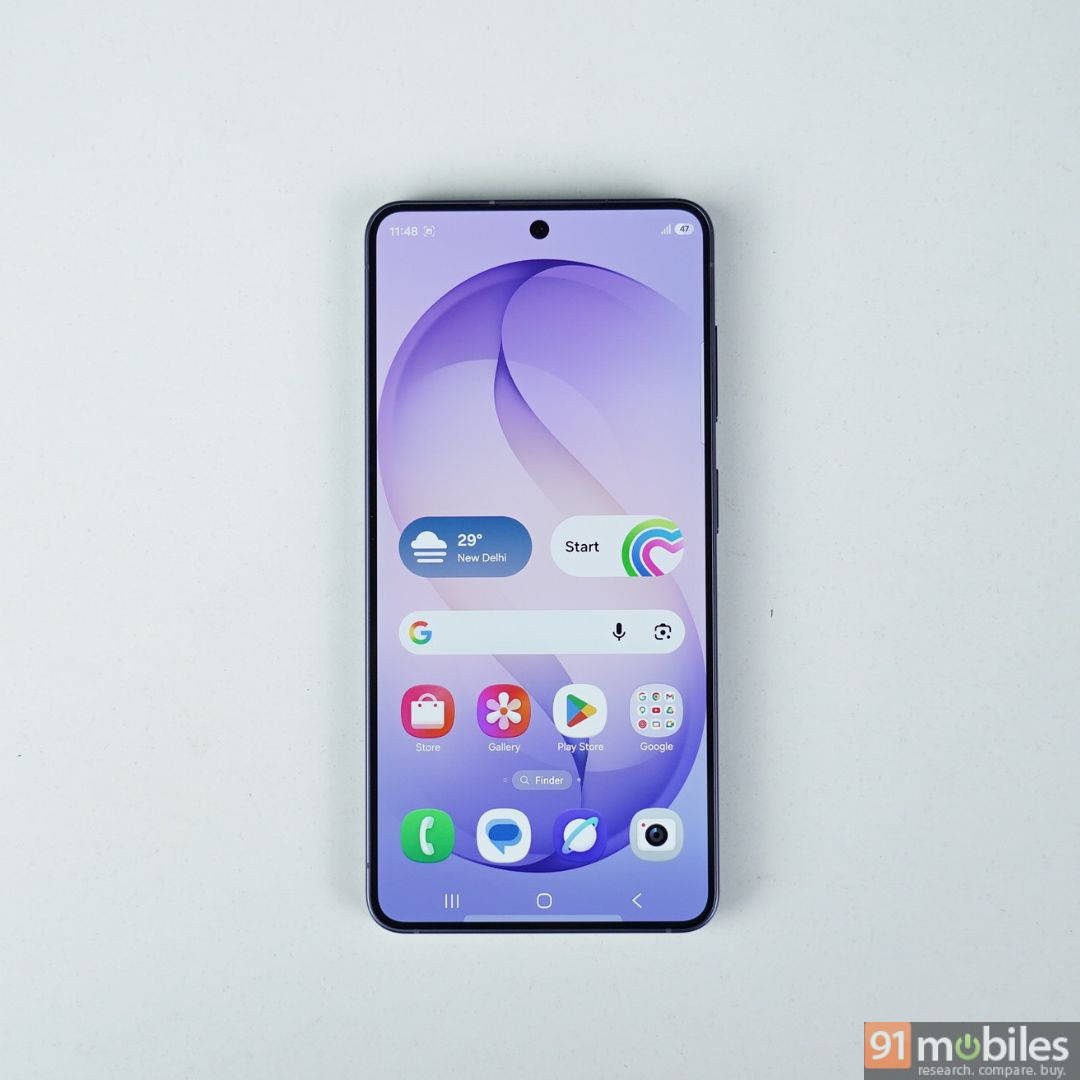
That said, outdoor visibility could have been slightly better. Under harsh sunlight, readability can dip a bit, which is one area where the display leaves some room for improvement.
Everyday cameras that deliver
The Galaxy S26 retains the same camera setup as its predecessor, featuring a 50MP primary sensor, a 12MP ultra-wide lens, a 10MP telephoto lens with 3x optical zoom, and a 12MP front camera for selfies. While this remains a versatile and reliable setup, it does feel a step behind newer flagships like the Vivo X300 and OPPO Find X9, which offer more advanced sensors and imaging hardware.
That said, the Galaxy S26 still delivers a solid camera experience for everyday photography. The primary sensor captures vibrant colours that lean slightly towards saturation, resulting in photos that look appealing and social media-ready. Skin tones may appear subtly smoothed, yet retain a pleasing finish many users will appreciate. Low-light performance is decent, with usable results in most scenarios, although the front camera struggles more noticeably in dim conditions.


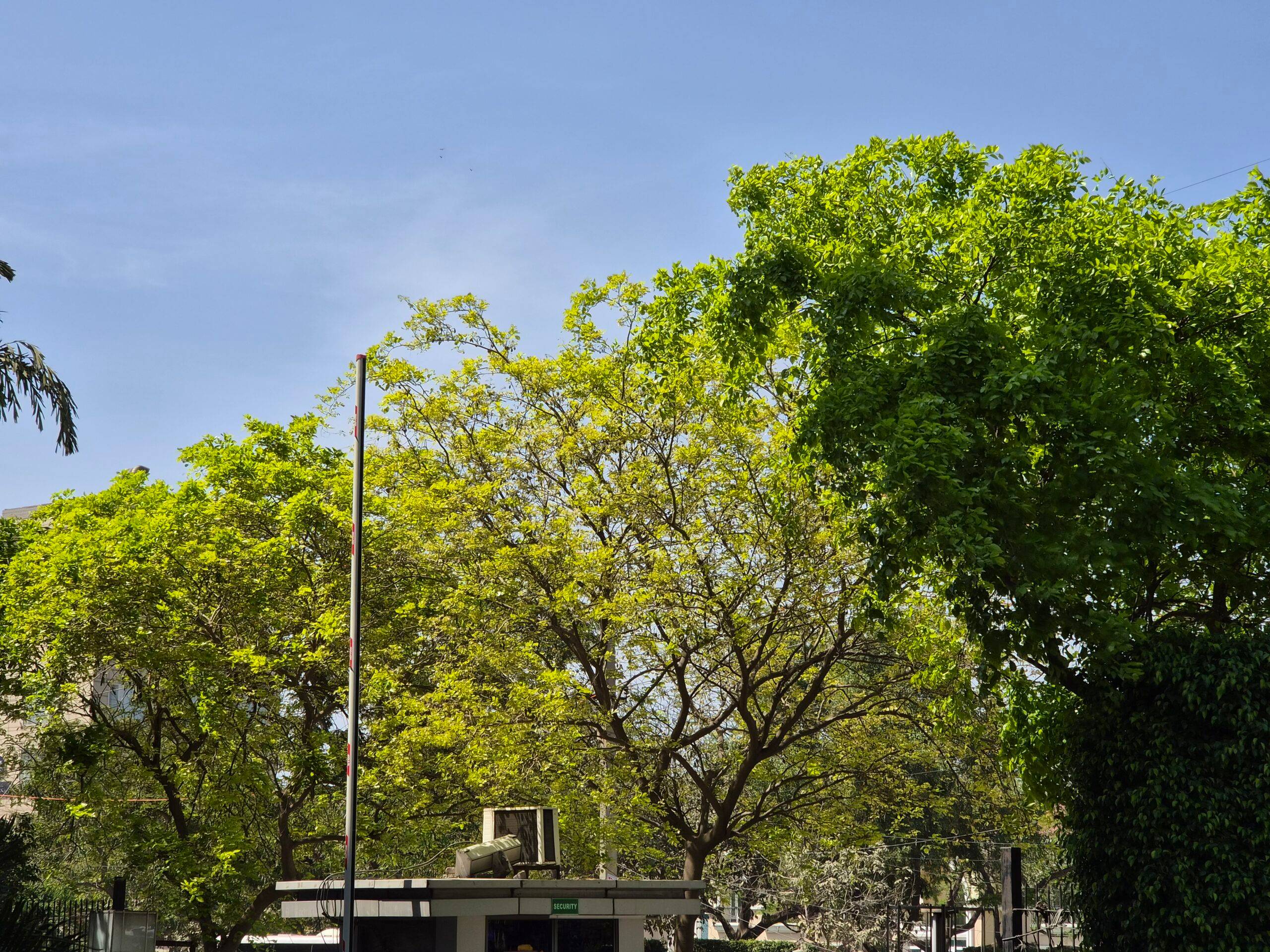
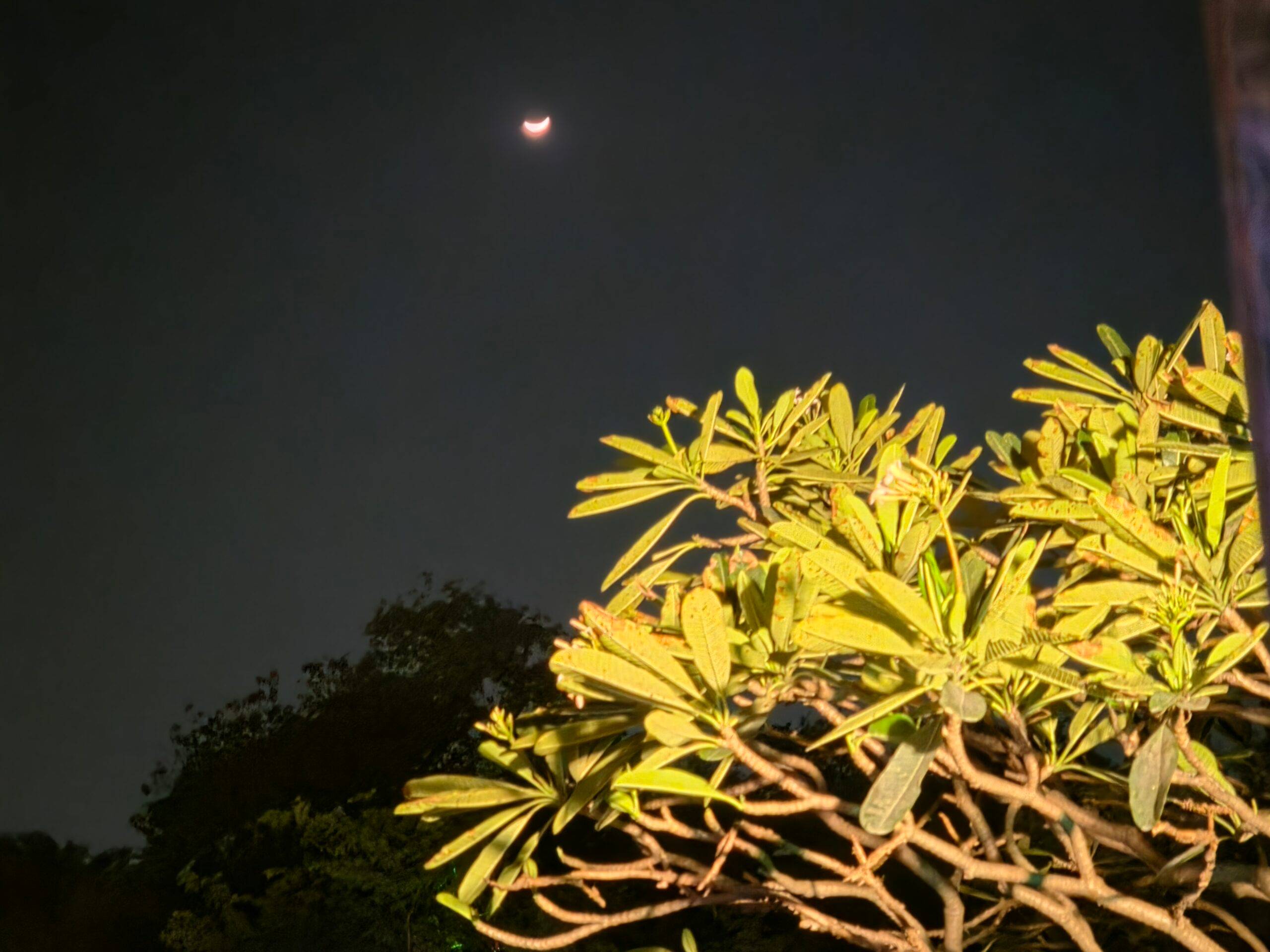

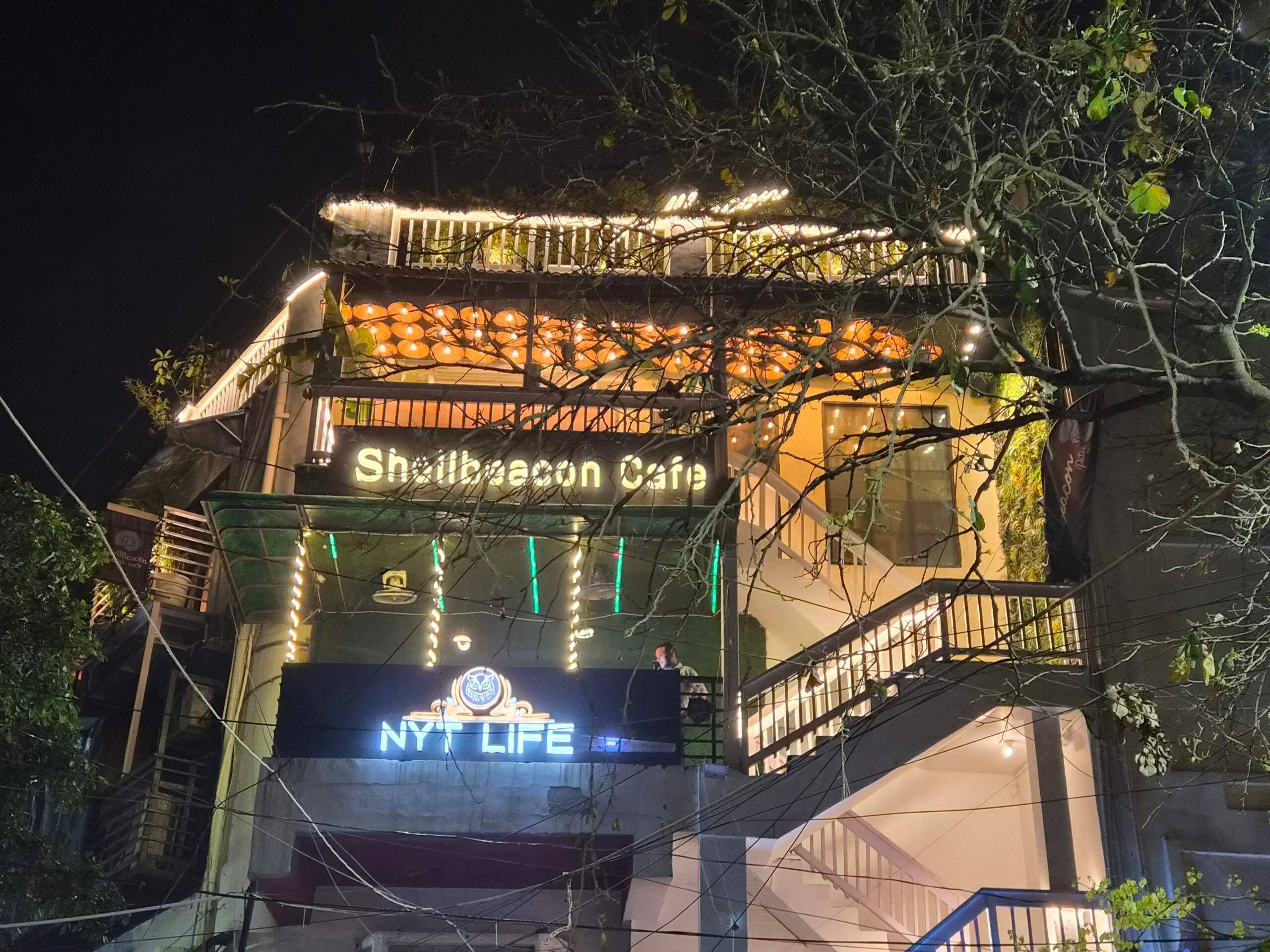









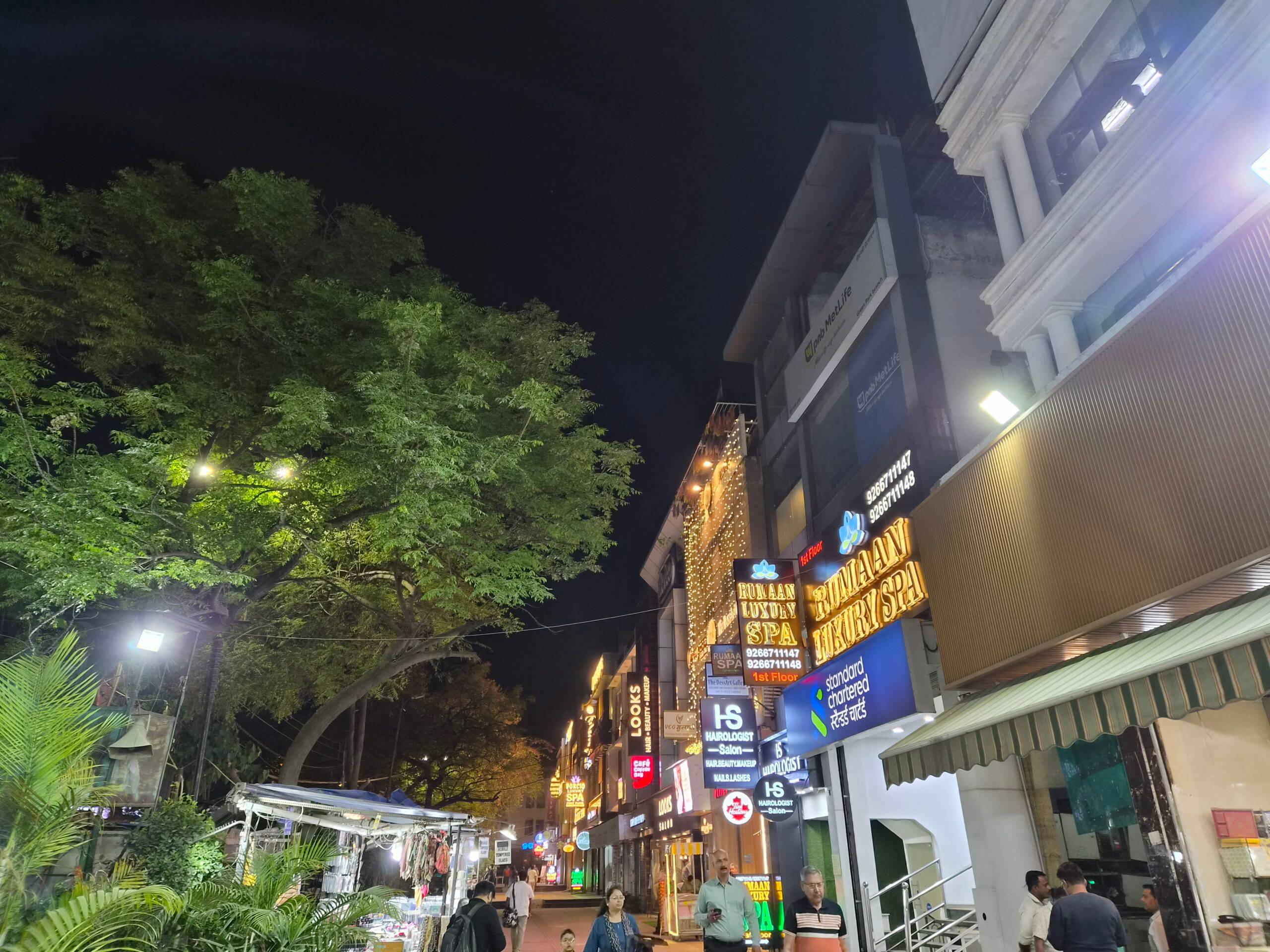
We compared the Galaxy S26’s cameras with those of the iPhone 17, one of the most popular phones in this segment, across a range of scenarios to evaluate performance and see where the S26 stands overall.
Daylight
The Samsung Galaxy S26 delivers more pleasing colours with richer contrast and a vibrant look, making them more appealing than its rival, the iPhone 17. That said, the handset’s images may not be the sharpest and may struggle to preserve fine details, especially in shadowy areas.


Ultra-wide
The iPhone 17 captures slightly sharper images with finer detail, while also maintaining strong colour consistency that closely aligns with the Galaxy S26’s output. The Galaxy S26, on the other hand, holds its own with reliable results, offering good dynamic range and well-controlled distortion in most scenarios.


Portrait
Portrait shots present a fairly balanced comparison between the two. The iPhone 17 relies on its 48MP Fusion camera to deliver 12MP images at an optical-quality 2x zoom, while the Galaxy S26 offers a dedicated 10MP telephoto lens with 3x optical zoom.
In terms of colour science, the iPhone 17 leans towards more natural-looking skin tones, whereas the Galaxy S26 opts for a slightly enhanced approach, making the subject more polished and social-ready. Where the Galaxy S26 stands out is in detail and clarity, aided by its dedicated telephoto lens. It also delivers more consistent edge detection and bokeh, resulting in cleaner subject separation and a more pronounced portrait effect overall.


Selfie
Selfies are a close contest between the two. Both the iPhone 17 and Galaxy S26 deliver natural-looking colours and generally accurate skin tones, making them dependable for everyday use. The iPhone 17 holds a slight advantage in detail, rendering facial features a bit sharper, though the difference isn’t very pronounced. The Galaxy S26, meanwhile, excels in dynamic range, producing more balanced exposures with better control over highlights and shadows.


Low-light
The Galaxy S26 manages light flares more effectively, helping maintain cleaner highlights around bright sources. When it comes to noise control and fine detail, the iPhone 17 has a slight edge, producing marginally cleaner images with better clarity. Colour reproduction is quite similar on both, with the iPhone leaning towards more natural tones, while the Galaxy S26 delivers a balanced and consistent output across the frame.
Powerful performance, efficient and well-optimised
Performance is one area where Samsung fans and others have always had a debate. This has mostly to do with the Exynos-powered models, which are shipped in most markets, including India. All those debates can be laid to rest now, at least with the Galaxy S26. The handset ships with the in-house Exynos 2600, the first 2nm chipset ever on a smartphone. It delivers faster speed and better efficiency with up to 39 percent improved performance over previous generations. The chipset also enables improved on-device AI capabilities and better thermal management.



The Galaxy S26 posts impressive benchmark scores, marginally behind its Snapdragon 8 Elite Gen 5-powered rivals. The handset, in fact, has one of the best Geekbench multi-core scores, suggesting a good hold on handling multitasking.
I was genuinely surprised by how smooth and responsive the Samsung Galaxy S26 feels in everyday use. It speaks volumes about the level of optimisation between the chipset and the software experience. Even apps like Instagram, which are often inconsistent on Android, run noticeably smoother and feel better optimised here.
Day-to-day usage is largely lag-free, delivering a consistently fluid experience. Thermal performance, which has been a concern with past Samsung flagships, also sees a clear improvement. The phone does warm up slightly under sustained stress, such as prolonged 5G hotspot usage, but under typical usage, it behaves like any other flagship. Even after extended gaming sessions on titles like Call of Duty: Mobile and Battlegrounds Mobile India, the Galaxy S26 only showed a marginal rise in temperature, making it a far more stable performer than its predecessors.
Feature-rich software with deep customisation
The Galaxy S26’s software experience deserves a section of its own, thanks to its smooth optimisation and extensive customisation options. The phone ships with One UI 8.5 based on Android 16 out of the box, bringing a host of refinements. This includes deeper Quick Panel customisation, allowing users to resize and rearrange tiles, along with a refreshed visual language featuring floating elements, pill-shaped tabs, and updated app icons with a subtle 3D effect.
The Galaxy S26 also brings a wide range of AI features, including Photo Assist for editing images, such as changing scenes or removing objects; Creative Studio for generating stickers and wallpapers; and tools like real-time call transcription and translation. You can read more about how the AI photo editing tool works on the Galaxy S26 series here.
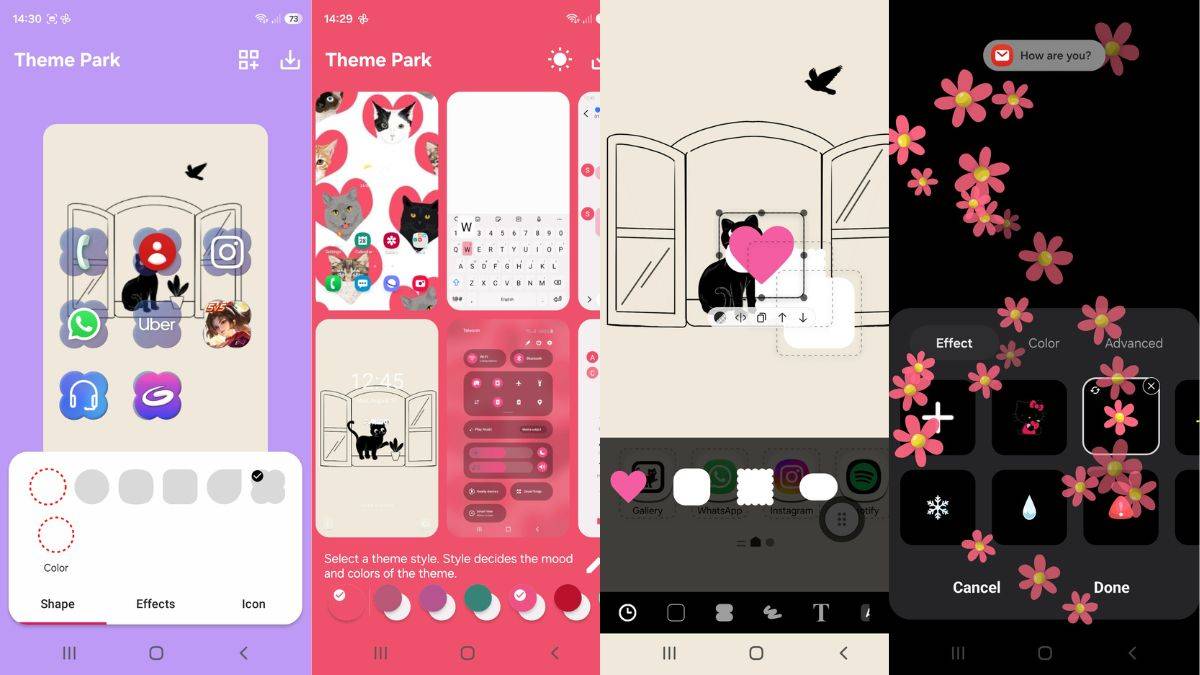
In day-to-day use, One UI remains fluid and highly responsive. Thoughtful touches like the bottom-placed search bar make navigation more intuitive, especially on a compact device. Where One UI truly stands out, though, is customisation. There’s a wide selection of themes available, making it easy to tailor the interface to your liking.
Samsung’s use of its own keyboard and dialer also helps maintain a consistent visual identity across the system, unlike setups that rely heavily on default Google apps. For users who want even more control, tools like Good Lock and Theme Park open up deeper levels of personalisation, from tweaking edge lighting and icons to adjusting the volume panel and overall UI behaviour.
While this level of customisation may not be for everyone, it’s great to have the option to fine-tune the experience, especially on a device you use throughout the day. Adding to its appeal is Samsung’s seven-year software commitment, ensuring long-term updates, security, and overall peace of mind.
Okay battery, slow charging
Battery life is one area where there could have been upgrades, given the current scenario where flagships have upped the ante with batteries as large as 7,000mAh. The Galaxy S26 offers a 4,300mAh battery, which is marginally bigger than the Galaxy S25’s 4,000mAh unit. In the PCMark benchmark test, the phone lasted 11 hours and 22 minutes, which is decent for its capacity.
In real-world usage, the Galaxy S26 can get through a full day with regular to moderate use. This includes mixed usage with 5G, hotspot, navigation on Google Maps, streaming, and social media browsing. For users who don’t mind topping up their phone occasionally, this may not be a dealbreaker. However, if you’re a power user, the battery life may feel limiting.
The Galaxy S26 supports 25W charging, taking a little over an hour to go from 20 to 100 percent, which aligns with the charging speeds on offer. For most users, this should be sufficient for daily use, especially with planned top-ups, though those who prefer faster charging options may find some competitors more convenient.
Final verdict
The Galaxy S26 stays true to Samsung’s formula for a compact flagship, delivering a refined design, one of the best displays in the segment, smooth performance, and a highly customisable software experience backed by long-term updates. It’s a phone that gets the basics right and feels polished in everyday use, especially for those who prefer a smaller, easy-to-handle device without compromising on core flagship features. Battery life is decent for regular usage, but maybe not for power users. The cameras also perform well and offer a balanced experience across scenarios.
If battery life and faster charging are priorities, options like the Xiaomi 17 (review) and Vivo X300 (review) could be considered. That said, the Galaxy S26 still holds its ground as a well-rounded compact flagship. If you value a sleek, lightweight design, a top-tier display, reliable performance, and a clean, feature-rich software experience with long-term support, it remains a compelling choice.
Editor’s rating: 8.3/10
Reasons to buy
- The lightweight build and compact size make it comfortable for one-handed use and convenient to carry around all day.
- The flat panel delivers punchy colours and strong brightness, while slim bezels enhance the overall immersive viewing experience.
- Day-to-day usage feels fluid and smooth, with apps opening quickly and multitasking handled without any lag.
- The smartphone is built for longevity, with 7 years of OS and security updates.
Reasons to skip
- 25W charging support feels much slower, especially when most flagships offer at least 80W.
- The 4,300mAh battery isn’t very reliable when a charger isn’t handy.
 | vs |  |
| vs |  |