
Samsung Galaxy M30
+ Compare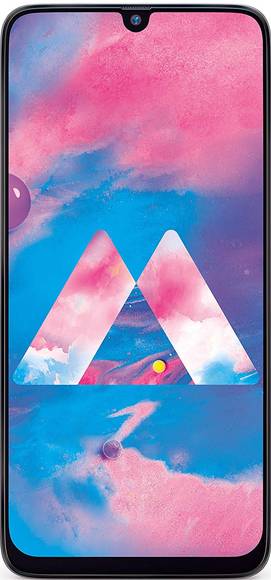


-
Design14

-
Rear Camera8

-
360° View

-
UI Screenshot17
![UI Screenshot]()
-
Benchmarks9
![Benchmarks]()
-
Videos8
![Videos]()



Key Specs
Performance
-
Samsung Exynos 7 Octa 7904 -
Octa core (1.8 GHz, Dual Core + 1.6 GHz, Hexa Core) -
3 GB / 4 GB / 6 GB RAM, LPDDR4X
Display
-
6.4 inches (16.26 cm); Super AMOLED -
1080x2280 px (FHD+) -
Bezel-less with notch
Rear Camera
-
Triple Camera Setup - 13 MP Primary Camera
- 5 MP Depth Camera
- 5 MP Ultra-Wide Angle Camera
-
LED Flash -
Full HD @30 fps Video Recording
Front Camera
-
16 MP -
Full HD @30 fps Video Recording
Battery
-
5000 mAh, Li-Polymer -
15W Fast Charging; USB Type-C port
General
-
SIM1: Nano, SIM2: Nano -
5G Not Supported -
32 GB / 64 GB / 128 GB Storage, Expandable upto 512 GB
Samsung Galaxy M30 Expert Review Summary
Expert Rating:
![Nitansh Rastogi]()
Verdict
To say that Samsung has made a solid comeback in the race would be underplaying the South Korean titan s efforts. Within less than three months into 2019, the company has turned the Indian smartphone market on its head. It s clear that the brand won t let go of the numero uno position out of its sights, and that Chinese brands will have to work harder to grab its market share. The Galaxy M30 continues that stance by bringing never-seen-before features in the sub-Rs 15k segment. With an asking price of Rs 14,999 for its base model, it s a solid all-round offering.Having said that, the price tag...
Read Full Verdict
Pros
- Crisp Super AMOLED display
- Versatile triple rear cameras
- Good selfie shooter
- Great battery life with 15W fast charging
Cons
- Performance isn't best in class
- Not as attractive as glass-back phones
- Ships with older iteration of Android
Specs at a glance
+
Display
Read More
Cameras
+
Primary camera: 13 MPFlash: LED FlashSecondary camera: 16 MPConsidering that the Samsung Galaxy M30 is currently the most affordable smartphone with triple rear cameras, let's start the review by taking a look at the handset's imaging prowess. But before that, here's a look at what the setup includes - a 13-megapixel shooter, an 8MP wide-angle lens and a 5MP sensor for depth-sensing purposes. Of course, you also get an LED flash for shooting in dim settings. At the front, the device ships with a 16-megapixel snapper.In terms of the camera interface, there's no difference from the one on the M20. That means, all the options are nicely laid out, and switching between normal and wide-angle mode also requires just a single tap.But of course, you'd be interested in knowing about the picture quality. Well, I'm glad to tell you that the Samsung Galaxy M30 won't disappoint you with its image quality. Images shot in daylight have a high level of detail, and the colours are also reproduced quite accurately. The close-ups are pleasing as well, though the phone struggles in focusing in close quarters and autofocusing isn't blazingly fast either. Sadly, low light isn't the phone's strongest suit as the sensor overexposes light sources, which takes away from the otherwise decent images (unless of course, you zoom in and see the grains). The wide-angle sensor however, is certainly what makes the M30 stand apart from its peers as not many devices can boast of this feature. It can give you a much wider perspective of the scene in front of you, though you need to compromise on sharpness and autofocusing ability in this mode. The fish-eye effect can be fixed with the use of the ‘Shape Correction' option in the Gallery. Then there's the depth sensor that ensures that you get a better depth-of-field effect with the subject being nicely separated from a blurred-out background. You also get the ability to control the amount of blur to ensure that you don't get an artificial-looking image. I'll now let the pictures do the talking, so without further ado, here's a look at the camera samples of the Galaxy M30.There's no doubt that Samsung's offering will draw most comparisons with Xiaomi's 48-megapixel rear camera-toting Redmi Note 7 Pro, so if you're wondering how these two phones stack up against each other, then I do have an answer for you. In daylight, while the M30 isn't far behind, the shots captured by the Note 7 Pro are simply sharper and more vibrant, and no, you don't need to click in the 48MP resolution to get such a high level of detail. In dim settings, the Sony IMX586 sensor in the Redmi Note 7 Pro does a brilliant job by combining four pixels into one to offer much better sharpness and colour reproduction.The M30 also loses out on the video recording front when compared to the Note 7 Pro, as the former can only capture up to full HD videos, while the latter supports up to 4k. But the footage is surely quite good and smooth, thanks to the inclusion of EIS. The Galaxy M30 also comes out ahead in selfie capabilities thanks to a better sensor, which ensures well-detailed, natural-looking images. The Live Focus mode to get the depth effect for selfies also works surprisingly well.
Read More
Design and display
+
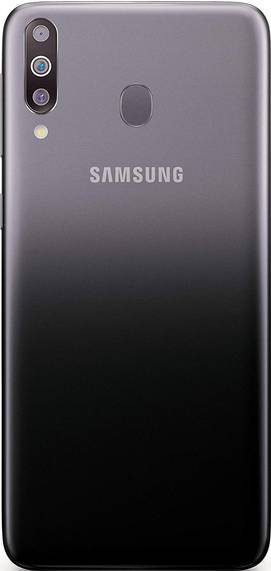
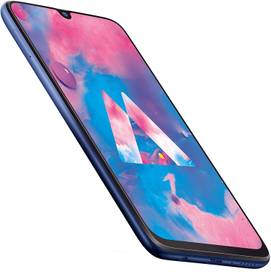
Size: 6.4 InchResolution: 1080 x 2280 pixelsDisplay Type: Super AMOLEDPixel Density: 394 ppiIn terms of the build quality and looks, the Samsung Galaxy M30 isn't much different from its siblings. You get the same, high screen-to-body ratio, thanks to an Infinity-V display panel and plasticky finish on the rear. That said, there are some subtle differences that make the M30 more attractive.First and foremost, the South Korean giant has opted for a two-tone gradient finish on the back of the M30 that gives it a distinct characteristic. While you'll find the blue colour on the upper portion – similar to the M10 and M20 – there's a darker shade towards the bottom. The good thing is that the gradient is present on the sides too. Another interesting thing you'll notice is the ring around the secondary camera of the M30, which is a rather nice touch, if you ask me.Other than that, the M30 has exactly the same design elements as its younger brothers (except for featuring a triple-camera array on the rear). What this also means is that the phone offers good ergonomics, thanks to the slightly curved edges and rounded corners. Along with the fast and accurate fingerprint reader, the device can also be unlocked with your face. While I won't say that the the phone isn't slippery, it certainly offers a better grip than glass-back phones. Not to mention that the Galaxy M30 is also able to keep fingerprints at bay, at least when compared to handsets with glass-sandwich designs.Samsung Galaxy M30's window to the world is a 6.4-inch screen, which uses a Super AMOLED panel unlike its siblings. Now I don't have to tell you the benefits of the tech. Simply put, you get darker blacks and brighter whites, along with better contrast while being battery efficient. The tiny waterdrop-shaped notch up top also helps deliver an immersive multimedia experience. Plus, you even get the Always-on display feature which negates the need to picking up the phone every time to check your notifications.
Read More
Hardware and software
+
CPU: Dual core, 1.8 GHz + Hexa Cor...GPU: Mali-G71 MP2RAM: 4 GBMemory: 64 GB + Up to 512 GBSIM Slots: Dual SIM , GSM+GSMBattery: 5000 mAHThis is yet another area where the M30 doesn't differ much from the M20. The phone draws power from the Exynos 7904 chipset, which works in tandem with 4GB / 6GB of RAM. Like I said in my review of the M20, the octa-core processor is more than capable of handling day-to-day tasks and multitasking is good too on the 4GB RAM model I reviewed. And while games like PUBG run fine, the handset does run into frame drops every now and then, and that too with medium graphics settings. Thankfully, thermals are kept in check and the phone only feels slightly warm after gaming for 30 to 40 minutes.Taking care of your storage needs is 64GB memory onboard, which spares around 50.5GB for the end user. Courtesy a dedicated microSD card slot, you can expand the storage further by up to 512GB.At the time of the launch of the M10 and M20, the phonemaker hadn't launched smartphones with its new and refreshed One UI. But since then, Samsung has introduced the S10 lineup and the A series, both of which boot One UI out of the box. Which is why, it's perplexing to see the M30 continuing with Experience UI 9.5, which is based on the last-gen Android 8.1 Oreo. As far as pre-installed apps go, you get My Galaxy, Samsung Max, and Galaxy Apps, among others. You also get a prompt to install more apps while setting up the device, but thankfully you can choose not to. Of course, the battery continues to be the trump card of the M30. Similar to the M20, it comes with a 5,000mAh cell, which ensures that the phone can last more than a day of use and then some more. This reflected in our battery loop test as well, as the smartphone was able to playback an HD video on a loop non-stop for around 17 hours. And when you need to juice it up, you'll be able to do that in a little more than two hours, thanks to the bundled 15W adapter.
Read More
Read full Review

Verdict
To say that Samsung has made a solid comeback in the race would be underplaying the South Korean titan s efforts. Within less than three months into 2019, the company has turned the Indian smartphone market on its head. It s clear that the brand won t let go of the numero uno position out of its sights, and that Chinese brands will have to work harder to grab its market share. The Galaxy M30 continues that stance by bringing never-seen-before features in the sub-Rs 15k segment. With an asking price of Rs 14,999 for its base model, it s a solid all-round offering.Having said that, the price tag... Read Full Verdict
- Crisp Super AMOLED display
- Versatile triple rear cameras
- Good selfie shooter
- Great battery life with 15W fast charging
Pros
- Performance isn't best in class
- Not as attractive as glass-back phones
- Ships with older iteration of Android
Cons
Specs at a glance
+Display
Read MoreCameras
+Primary camera: 13 MPFlash: LED FlashSecondary camera: 16 MPConsidering that the Samsung Galaxy M30 is currently the most affordable smartphone with triple rear cameras, let's start the review by taking a look at the handset's imaging prowess. But before that, here's a look at what the setup includes - a 13-megapixel shooter, an 8MP wide-angle lens and a 5MP sensor for depth-sensing purposes. Of course, you also get an LED flash for shooting in dim settings. At the front, the device ships with a 16-megapixel snapper.In terms of the camera interface, there's no difference from the one on the M20. That means, all the options are nicely laid out, and switching between normal and wide-angle mode also requires just a single tap.But of course, you'd be interested in knowing about the picture quality. Well, I'm glad to tell you that the Samsung Galaxy M30 won't disappoint you with its image quality. Images shot in daylight have a high level of detail, and the colours are also reproduced quite accurately. The close-ups are pleasing as well, though the phone struggles in focusing in close quarters and autofocusing isn't blazingly fast either. Sadly, low light isn't the phone's strongest suit as the sensor overexposes light sources, which takes away from the otherwise decent images (unless of course, you zoom in and see the grains). The wide-angle sensor however, is certainly what makes the M30 stand apart from its peers as not many devices can boast of this feature. It can give you a much wider perspective of the scene in front of you, though you need to compromise on sharpness and autofocusing ability in this mode. The fish-eye effect can be fixed with the use of the ‘Shape Correction' option in the Gallery. Then there's the depth sensor that ensures that you get a better depth-of-field effect with the subject being nicely separated from a blurred-out background. You also get the ability to control the amount of blur to ensure that you don't get an artificial-looking image. I'll now let the pictures do the talking, so without further ado, here's a look at the camera samples of the Galaxy M30.There's no doubt that Samsung's offering will draw most comparisons with Xiaomi's 48-megapixel rear camera-toting Redmi Note 7 Pro, so if you're wondering how these two phones stack up against each other, then I do have an answer for you. In daylight, while the M30 isn't far behind, the shots captured by the Note 7 Pro are simply sharper and more vibrant, and no, you don't need to click in the 48MP resolution to get such a high level of detail. In dim settings, the Sony IMX586 sensor in the Redmi Note 7 Pro does a brilliant job by combining four pixels into one to offer much better sharpness and colour reproduction.The M30 also loses out on the video recording front when compared to the Note 7 Pro, as the former can only capture up to full HD videos, while the latter supports up to 4k. But the footage is surely quite good and smooth, thanks to the inclusion of EIS. The Galaxy M30 also comes out ahead in selfie capabilities thanks to a better sensor, which ensures well-detailed, natural-looking images. The Live Focus mode to get the depth effect for selfies also works surprisingly well.
Read MoreDesign and display
+Size: 6.4 InchResolution: 1080 x 2280 pixelsDisplay Type: Super AMOLEDPixel Density: 394 ppiIn terms of the build quality and looks, the Samsung Galaxy M30 isn't much different from its siblings. You get the same, high screen-to-body ratio, thanks to an Infinity-V display panel and plasticky finish on the rear. That said, there are some subtle differences that make the M30 more attractive.First and foremost, the South Korean giant has opted for a two-tone gradient finish on the back of the M30 that gives it a distinct characteristic. While you'll find the blue colour on the upper portion – similar to the M10 and M20 – there's a darker shade towards the bottom. The good thing is that the gradient is present on the sides too. Another interesting thing you'll notice is the ring around the secondary camera of the M30, which is a rather nice touch, if you ask me.Other than that, the M30 has exactly the same design elements as its younger brothers (except for featuring a triple-camera array on the rear). What this also means is that the phone offers good ergonomics, thanks to the slightly curved edges and rounded corners. Along with the fast and accurate fingerprint reader, the device can also be unlocked with your face. While I won't say that the the phone isn't slippery, it certainly offers a better grip than glass-back phones. Not to mention that the Galaxy M30 is also able to keep fingerprints at bay, at least when compared to handsets with glass-sandwich designs.Samsung Galaxy M30's window to the world is a 6.4-inch screen, which uses a Super AMOLED panel unlike its siblings. Now I don't have to tell you the benefits of the tech. Simply put, you get darker blacks and brighter whites, along with better contrast while being battery efficient. The tiny waterdrop-shaped notch up top also helps deliver an immersive multimedia experience. Plus, you even get the Always-on display feature which negates the need to picking up the phone every time to check your notifications.
Read MoreHardware and software
+CPU: Dual core, 1.8 GHz + Hexa Cor...GPU: Mali-G71 MP2RAM: 4 GBMemory: 64 GB + Up to 512 GBSIM Slots: Dual SIM , GSM+GSMBattery: 5000 mAHThis is yet another area where the M30 doesn't differ much from the M20. The phone draws power from the Exynos 7904 chipset, which works in tandem with 4GB / 6GB of RAM. Like I said in my review of the M20, the octa-core processor is more than capable of handling day-to-day tasks and multitasking is good too on the 4GB RAM model I reviewed. And while games like PUBG run fine, the handset does run into frame drops every now and then, and that too with medium graphics settings. Thankfully, thermals are kept in check and the phone only feels slightly warm after gaming for 30 to 40 minutes.Taking care of your storage needs is 64GB memory onboard, which spares around 50.5GB for the end user. Courtesy a dedicated microSD card slot, you can expand the storage further by up to 512GB.At the time of the launch of the M10 and M20, the phonemaker hadn't launched smartphones with its new and refreshed One UI. But since then, Samsung has introduced the S10 lineup and the A series, both of which boot One UI out of the box. Which is why, it's perplexing to see the M30 continuing with Experience UI 9.5, which is based on the last-gen Android 8.1 Oreo. As far as pre-installed apps go, you get My Galaxy, Samsung Max, and Galaxy Apps, among others. You also get a prompt to install more apps while setting up the device, but thankfully you can choose not to. Of course, the battery continues to be the trump card of the M30. Similar to the M20, it comes with a 5,000mAh cell, which ensures that the phone can last more than a day of use and then some more. This reflected in our battery loop test as well, as the smartphone was able to playback an HD video on a loop non-stop for around 17 hours. And when you need to juice it up, you'll be able to do that in a little more than two hours, thanks to the bundled 15W adapter.
Read MoreCompetitors For Samsung Galaxy M30
View Alternatives


Popular Comparisons
 Samsung Galaxy M30
 Samsung Galaxy M20
Samsung Galaxy M30
 POCO F1
Samsung Galaxy M30
 Samsung Galaxy A7 2018
Samsung Galaxy M30
 Samsung Galaxy M10
Samsung Galaxy M30
 Xiaomi Redmi Pro 2
Samsung Galaxy M30
 Samsung Galaxy J8 2018

Samsung Galaxy M30 Specifications
General |
|
|---|---|
| Launch Date | March 7, 2019 (Official) |
| Operating System | Android v8.1 (Oreo) |
Performance
(Good)
|
|
|---|---|
| Chipset | Samsung Exynos 7 Octa 7904 |
| Processor | Octa core (1.8 GHz, Dual core, Cortex A73 + 1.6 GHz, Hexa Core, Cortex A53) |
| Architecture | 64 bit |
| Fabrication | 14 nm |
| Graphics (GPU) | Mali-G71 MP2 |
| RAM | 3 GB / 4 GB / 6 GB |
| RAM Type | LPDDR4X |
Benchmark Screenshots
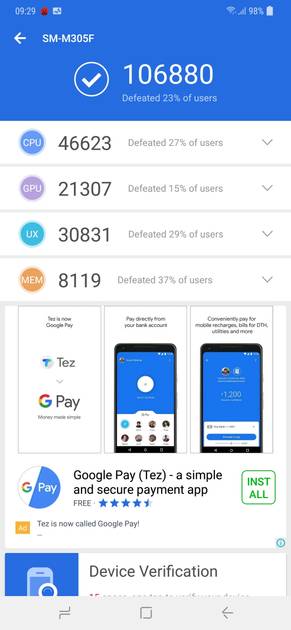
AnTuTu Benchmark
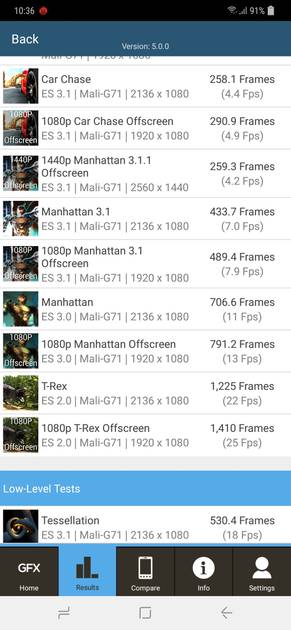
Graphics Benchmark
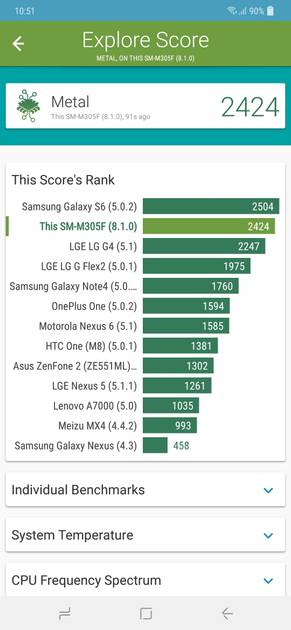
Vellamo Metal Benchmark
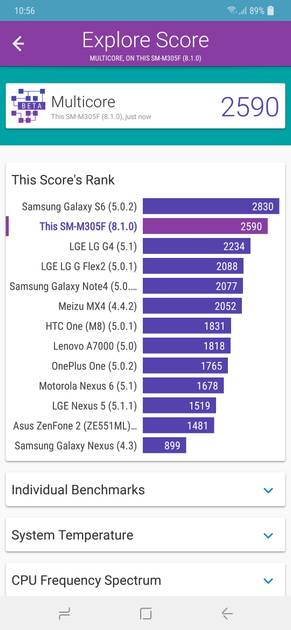
Vellamo Multicore Benchmark
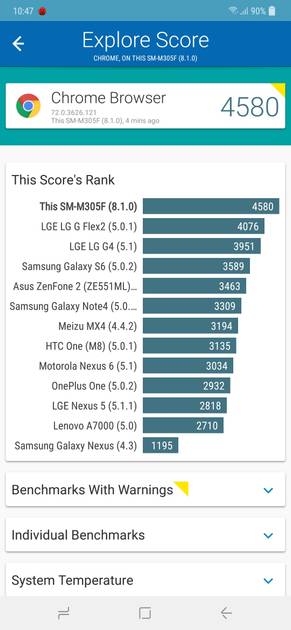
Vellamo Browser Benchmark
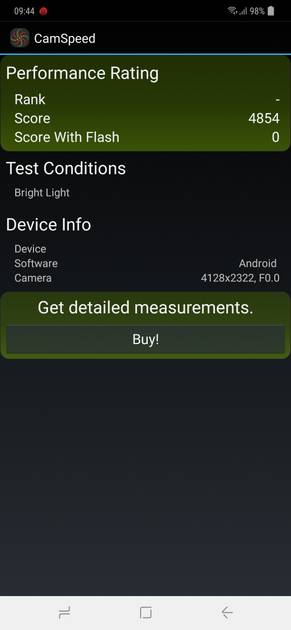
Camera Speed Benchmark
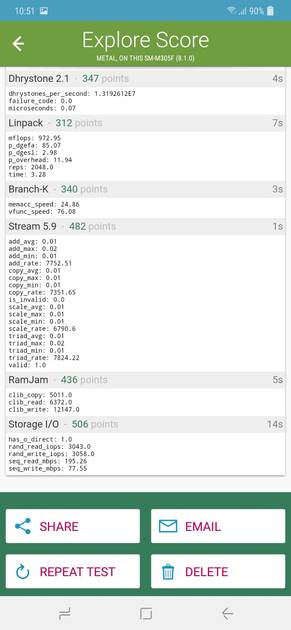
Linpack Benchmark
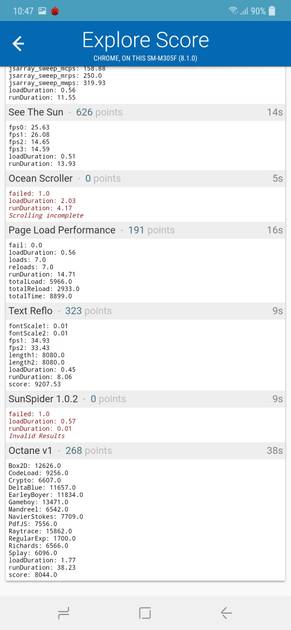
Sunspider Benchmark
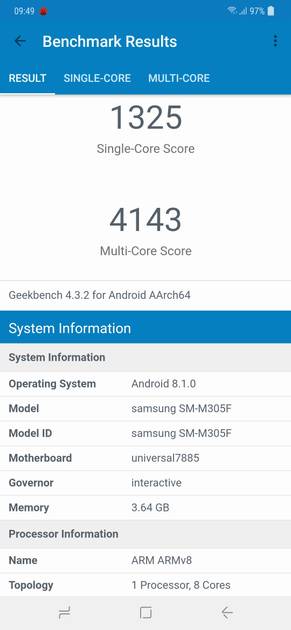
Geekbench4 Benchmark
|

Display
(Best In Class)
|
|
|---|---|
| Display Type | Super AMOLED |
| Screen Size | 6.4 inches (16.26 cm) |
| Resolution | 1080x2280 px (FHD+) |
| Aspect Ratio | 19.5:9 |
| Pixel Density | 394 ppi |
| Screen to Body Ratio (calculated) | 85.19 % |
| Bezel-less Display | Yes with notch |
| Screen to Body Ratio (claimed by the brand) | 90 % |
UI Screenshots
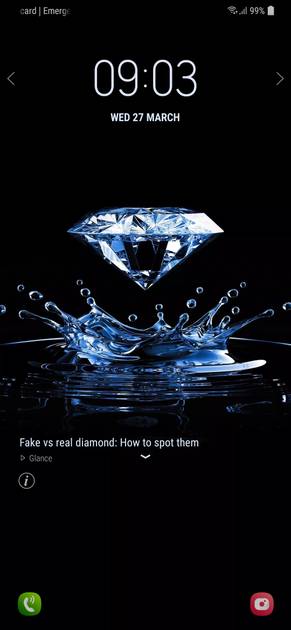
Lock Screen
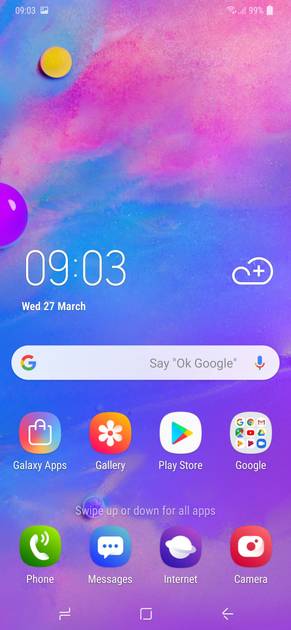
Home Screen
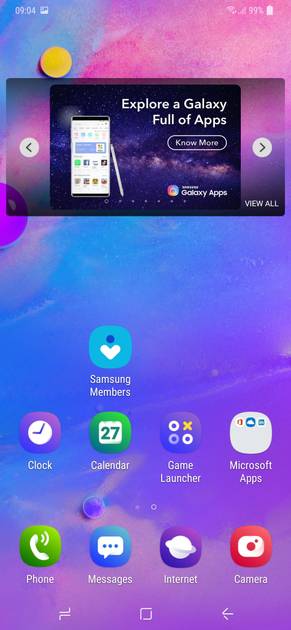
Screen With Widgets
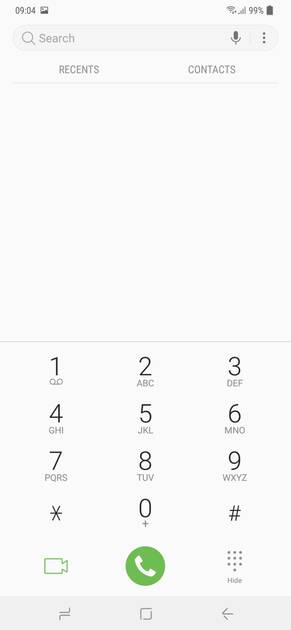
Dialer Screen
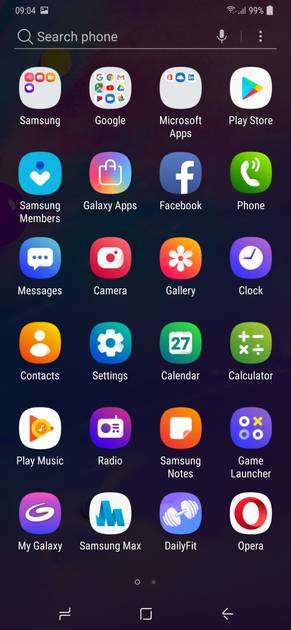
App Drawer
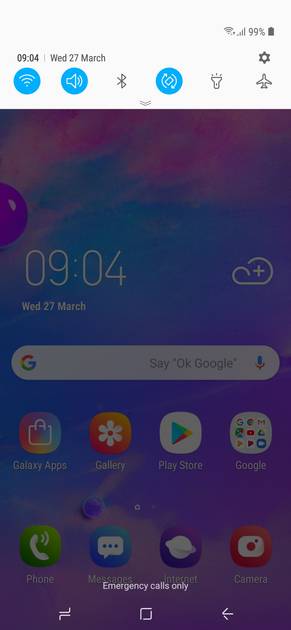
Notification Panel
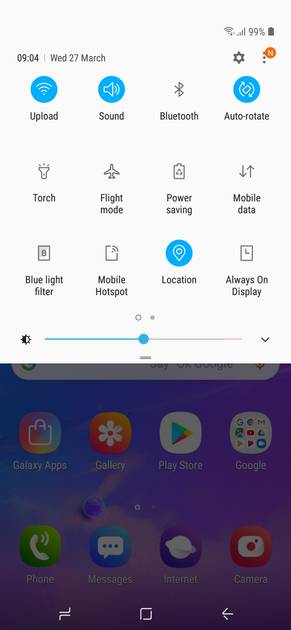
Quick Settings Panel
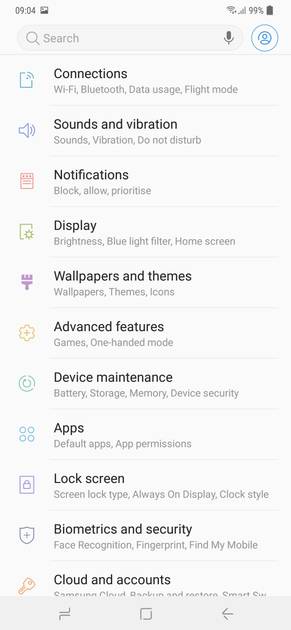
Settings Screen
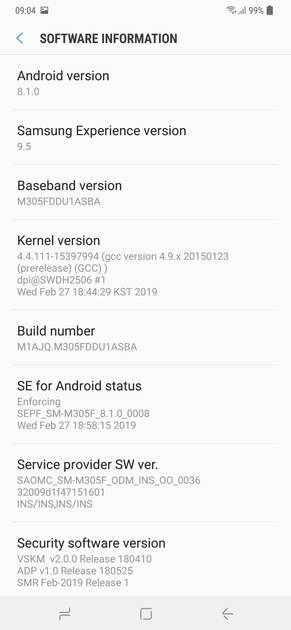
OS Version
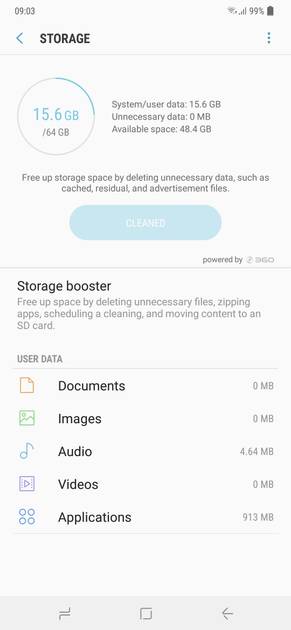
Storage
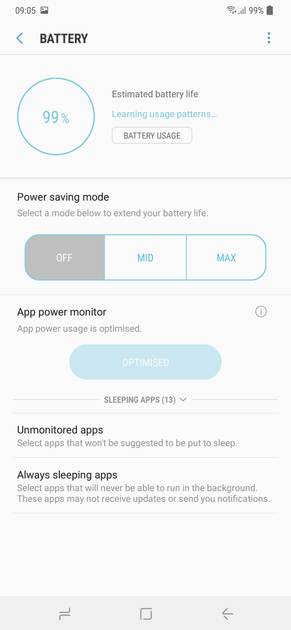
Battery
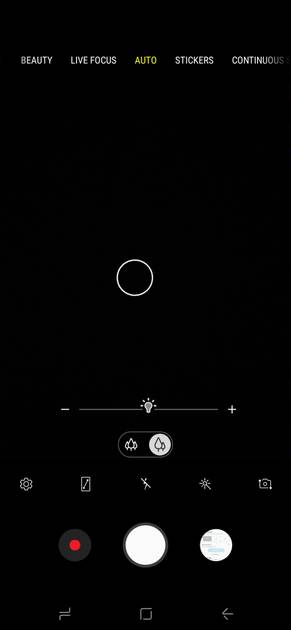
Camera On
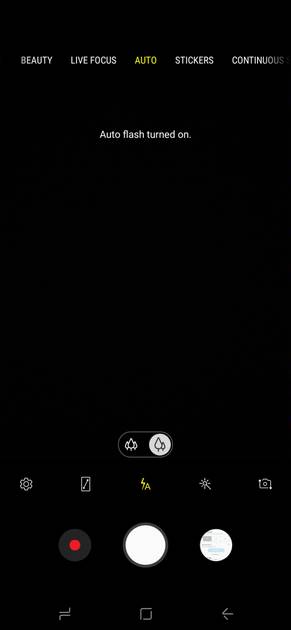
Camera Options
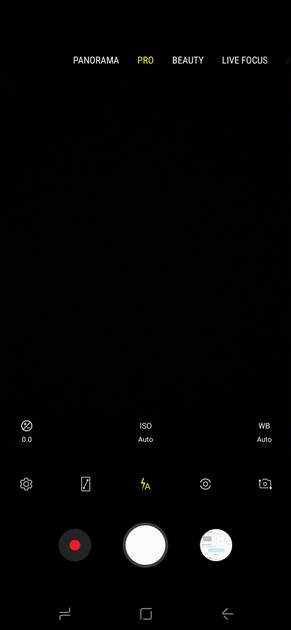
Camera Modes
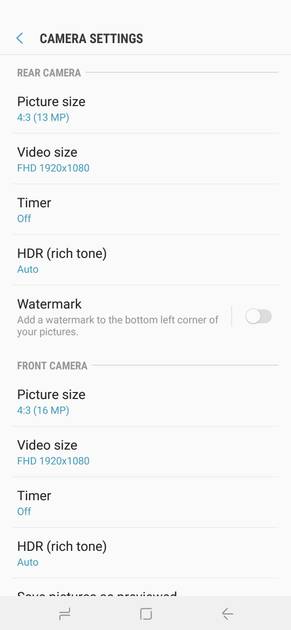
Camera Settings
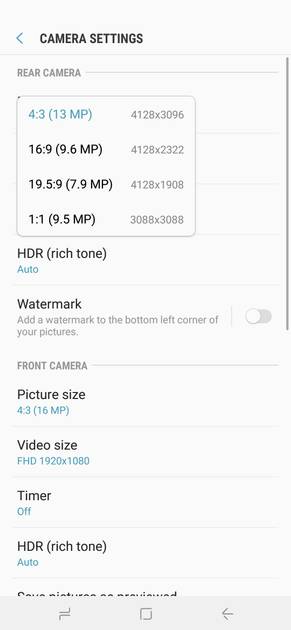
Picture Size Options
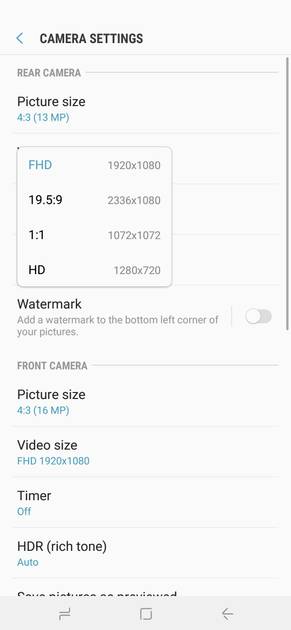
Video Size Options
|
Design |
|
|---|---|
| Height | 159 mm |
| Width | 75.1 mm |
| Thickness | 8.5 mm |
| Weight | 174 grams |
| Build Material | Back: Plastic |
|
Click to View

|
Rear Camera
(Good)
|
||||||||||||||||||||
|---|---|---|---|---|---|---|---|---|---|---|---|---|---|---|---|---|---|---|---|---|
| Resolution | ||||||||||||||||||||
|
||||||||||||||||||||
| Autofocus | Yes, Phase Detection Autofocus | |||||||||||||||||||
| OIS | No | |||||||||||||||||||
| Flash | Yes, LED Flash | |||||||||||||||||||
| Image Resolution | 4128 x 3096 Pixels | |||||||||||||||||||
| Settings | Exposure compensation, ISO control | |||||||||||||||||||
| Shooting Modes |
Continuous Shooting High Dynamic Range mode (HDR) |
|||||||||||||||||||
| Camera Features |
Digital Zoom Auto Flash Face detection Touch to focus |
|||||||||||||||||||
| Video Recording | Full HD @30 fps | |||||||||||||||||||
Rear Camera Samples

Close Up
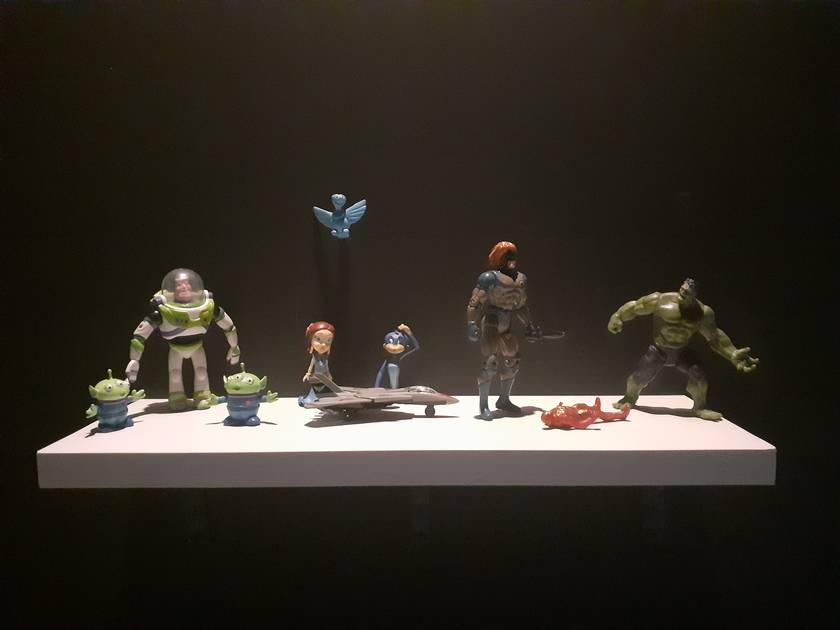
Low Light

Low Light With Flash
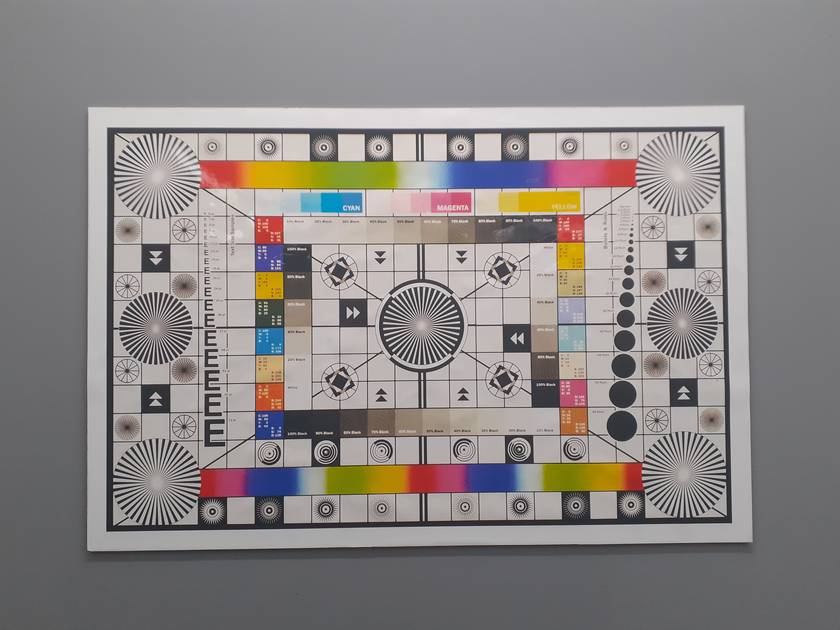
Colour Variance
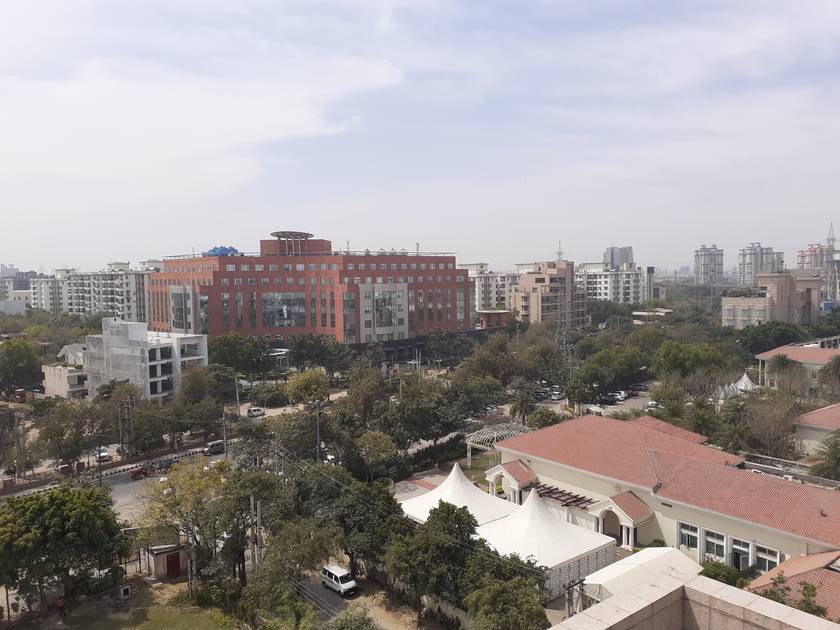
Long Shot
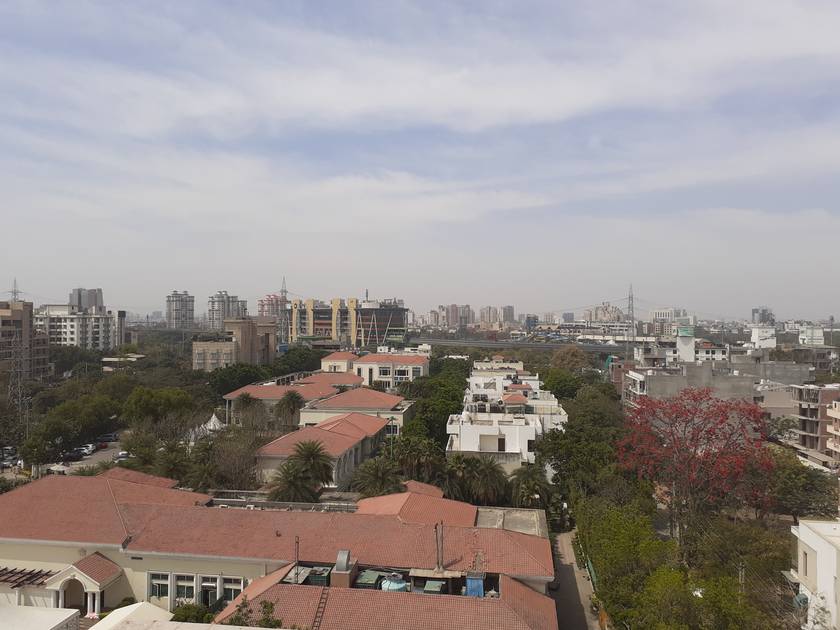
HDR Off
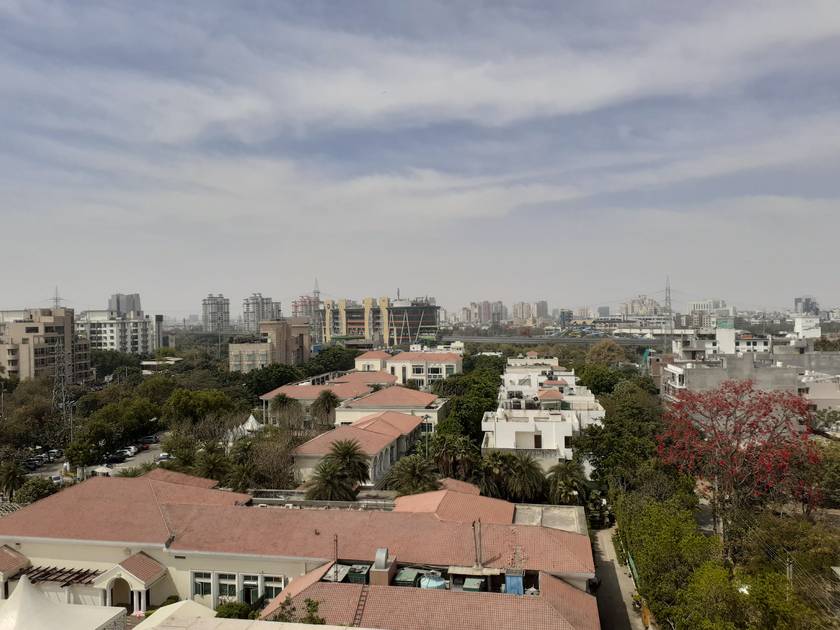
HDR On
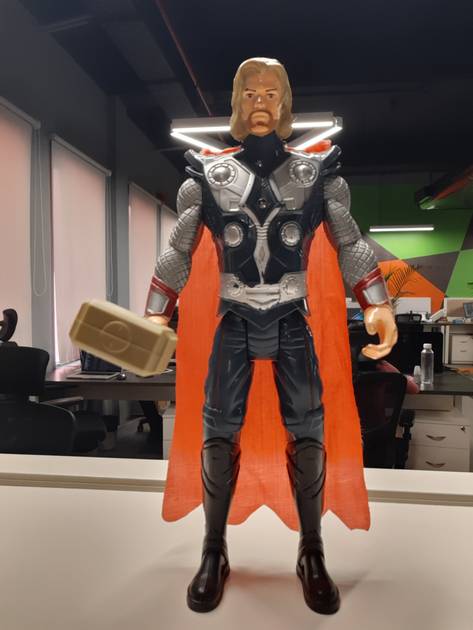
Front Shot
|
Front Camera
(Very Good)
|
||||||||
|---|---|---|---|---|---|---|---|---|
| Resolution | ||||||||
|
||||||||
| Autofocus | No | |||||||
| Flash | No | |||||||
| Video Recording | Full HD @30 fps |
Battery
(Very Good)
|
|
|---|---|
| Capacity | 5000 mAh |
| Battery Type | Li-Polymer |
| TalkTime | Up to 31 Hours(3G) |
| Quick Charging | Yes, 15W Fast Charging |
Storage |
|
|---|---|
| Internal Storage | 32 GB / 64 GB / 128 GB |
| Storage Type | eMMC 5.1 |
| Expandable Storage | Yes, Up to 512 GB |
Network & Connectivity |
|
|---|---|
| SIM Slot(s) | Dual SIM |
| SIM Type | SIM1: Nano, SIM2: Nano |
| Network Support | 5G Not Supported, 4G |
| VoLTE | Yes |
| SIM 1 |
4G bands
Expand
|
| SIM 2 |
4G bands
Expand
|
| SAR Value | Head: 0.409 W/kg |
| Wi-Fi | Yes, Wi-Fi 5 (802.11 a/b/g/n/ac) 5GHz |
| Wi-Fi Features | Wi-Fi Direct, Mobile Hotspot |
| Bluetooth | Yes, v5.0 |
| GPS | Yes with A-GPS, Glonass |
| NFC | No |
Multimedia |
|
|---|---|
| Audio Jack | 3.5 mm |
| Audio Features | Dolby Atmos |
Sensors |
|
|---|---|
| Fingerprint Sensor | Yes |
| Fingerprint Sensor Position | Rear |
| Other Sensors | Light sensor, Proximity sensor, Accelerometer, Compass, Gyroscope |
Samsung Galaxy M30 User Reviews
Samsung Galaxy M30 Key Highlights
| Processor | Samsung Exynos 7 Octa 7904 |
| RAM & Storage | 3 GB RAM + 32 GB 4 GB RAM + 64 GB 6 GB RAM + 128 GB |
| Display | 6.4", 1080 x 2280 Resolution |
| Rear Camera | 13 MP + 5 MP + 5 MP |
| Front Camera | 16 MP |
| Battery | 5000 mAh |






Popular Links
- All Upcoming Phones
- Upcoming Samsung Phones
- Samsung phones under 10k
- Samsung phones under 20k
- vivo V80 5G
- OPPO F35 Pro
- vivo S2 FE 5G
- Xiaomi Redmi Note 17 Pro Max 5G
- OPPO F35
- Samsung Mobiles
- Motorola Mobiles
- vivo Mobiles
- OPPO Mobiles
- Tecno Mobiles
- realme Mobiles
- Xiaomi Mobiles