Despite slow sales of iPhone Air, there could be an Air 2 and Air 3: report


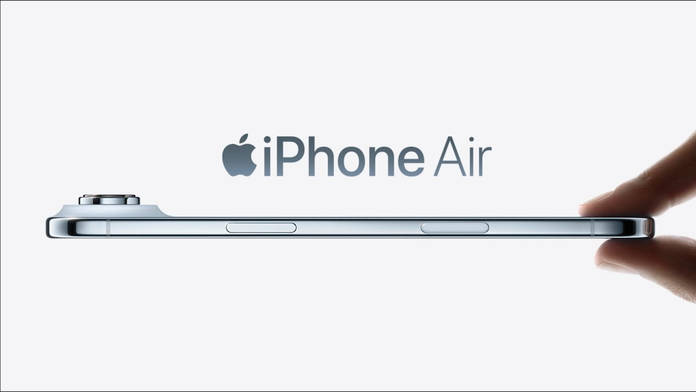
Apple’s launch of the iPhone Air this year alongside the iPhone 17 series this September generated quite a buzz, with the ultra-slim profile and lightweight design becoming a huge talking point. However, post the launch, interest in the iPhone Air started waning, with multiple reports on low sales and low consumer demand in key global markets.
Following these reports, Apple apparently cut production of the iPhone Air, as much as 90 percent in some cases as reported by Nikkei Asia. Consumers were favouring the iPhone 17 base and Pro models, which bring a wider set of features and value to the table. Even though the iPhone Air was sleek and stylish, practical consumers were skeptical due to its trade-offs: one rear camera and a smaller battery. In contrast, the standard iPhone 17 and iPhone 17 Pro models brought better cameras, battery life, and durability.
Despite weak numbers, industry analysts tracking Apple’s supply chain say the company is forging ahead with plans for the iPhone Air 2 and iPhone Air 3. Research reports by JP Morgan, posted on X by analyst Max Weinbach, suggest both models are lined up for respective launches in the second halves of 2026 and 2027. According to the report, both devices are expected to feature significant camera upgrades in the form of 24MP front cameras. The same timeline also cites the launch of Apple’s foldables, which, according to the report, would also come with a 24MP camera on the cover and an 24MP under-display camera on the main display.
JP Morgan believes the iPhone Air 2 is very much planned
— Max Weinbach (@MaxWinebach) November 5, 2025
JP Morgan and most bank analysts are VERY good at getting information like this from supply chain https://t.co/JoZfrhG1tr pic.twitter.com/5YHLHQL5jF
Samsung reportedly canceled the Galaxy S26 Edge due to disappointing sales, but new reports suggest it may return under a different name. This reflects an industry-wide uncertainty over the long-term appeal of ultra-thin, ultra-light flagship smartphones to mainstream users.
Ultimately, while the iPhone Air hasn’t had the impact Apple might have hoped for, the company’s continued investment in new Air models shows that Apple is not quite ready to give up on the slim flagship concept. The next generation of these light and thin phones may prove whether the form factor is truly what consumers want, or if substance still matters more than style.