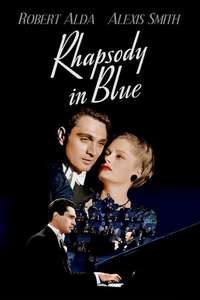

Movie |
Gershwin | Composer
Disclaimer: All content and media belong to original content streaming platforms/owners like Netflix, Disney+ Hotstar, Amazon Prime Videos, JioCinema, SonyLIV etc. 91mobiles entertainment does not claim any rights to the content and only aggregate the content along with the service providers links.

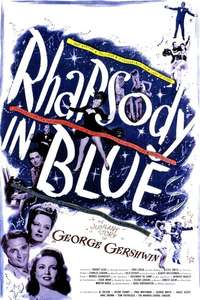
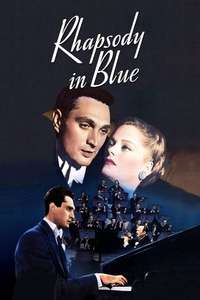
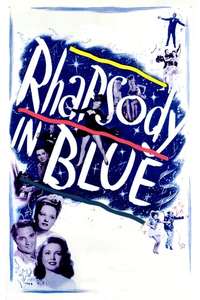
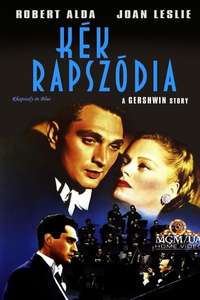
Feature Film | 1946
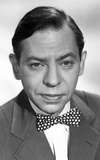
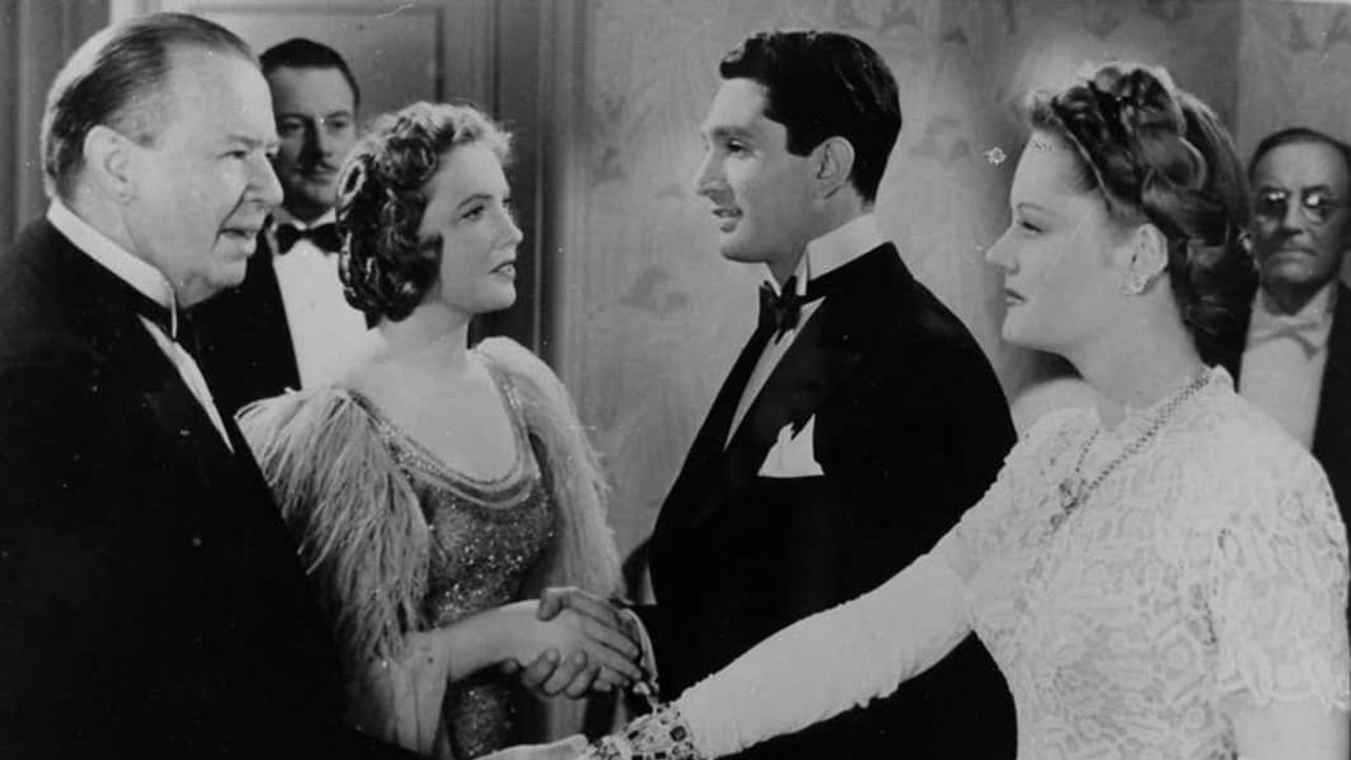
Oscar Levant had three functions in this film: he provided George Gershwin's piano playing as Robert Alda's double, he portrayed himself on screen and he was heard playing piano on the soundtrack as himself in the commemorative performance of "Rhapsody in Blue" which ends the film.
Chico Marx sued Warner Bros for $200,000 for damages and "payment owed for services rendered." Marx alleged that the filmmakers used his name many times in the film. Studio officials admitted that Marx's name had been used in the film, but were unclear about what services the comedian had rendered. The disposition of the suit is not known.
Gershwin's tumor was diagnosed as glioblastoma multiforme at the time, but as he complained of "smelling rubber" date back to 1934, most specialists these days agree that he in fact suffered from pilocytic astrocytoma, which would have caused that symptom so early.
Film historians have long believed that Rhapsody in Blue (1945) set the mold for the songwriter biopic, as it threw open the floodgates that immediately led to Night and Day (1946), Till the Clouds Roll By (1946) and Words and Music (1948), among many others. In fact, Rhapsody in Blue (1945) was filmed two years earlier - in direct response to Yankee Doodle Dandy (1942), which was truly the first biography to feature 20-plus songs from a composer's catalog.
Maurice Ravel really rejected Gershwin as a student because he was afraid that classical training would interfere with Gershwin's unique style.
"Oscar Levant: Tell me something, George... if you had it to do all over again, would you still fall in love with yourself?"
"Oscar Levant: I've got a date with my insomnia."