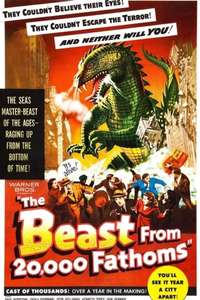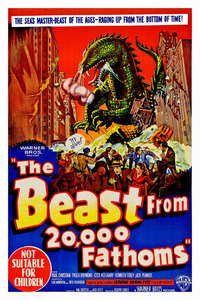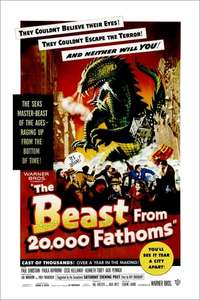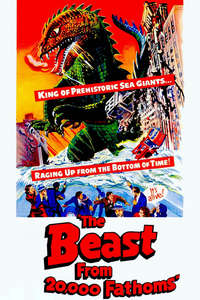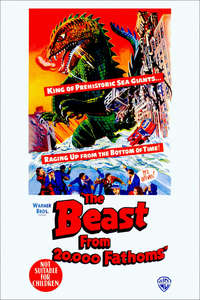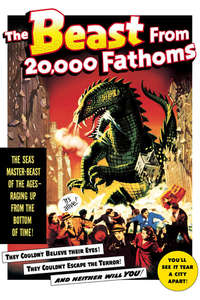

Movie |
Based On Short Story | New York City
Disclaimer: All content and media belong to original content streaming platforms/owners like Netflix, Disney+ Hotstar, Amazon Prime Videos, JioCinema, SonyLIV etc. 91mobiles entertainment does not claim any rights to the content and only aggregate the content along with the service providers links.



Best Dramatic Presentation | 1954
Budget 210,000 USD
Box Office Collection 5,000,000 USD
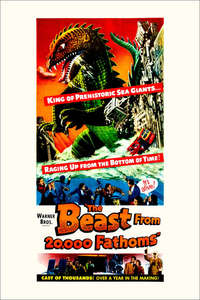
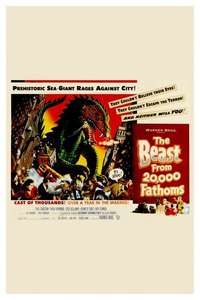
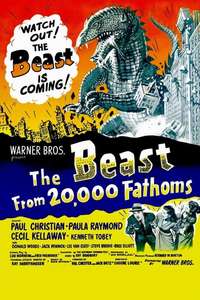
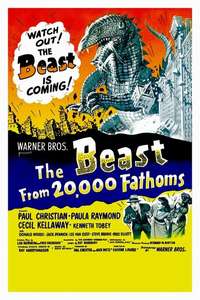
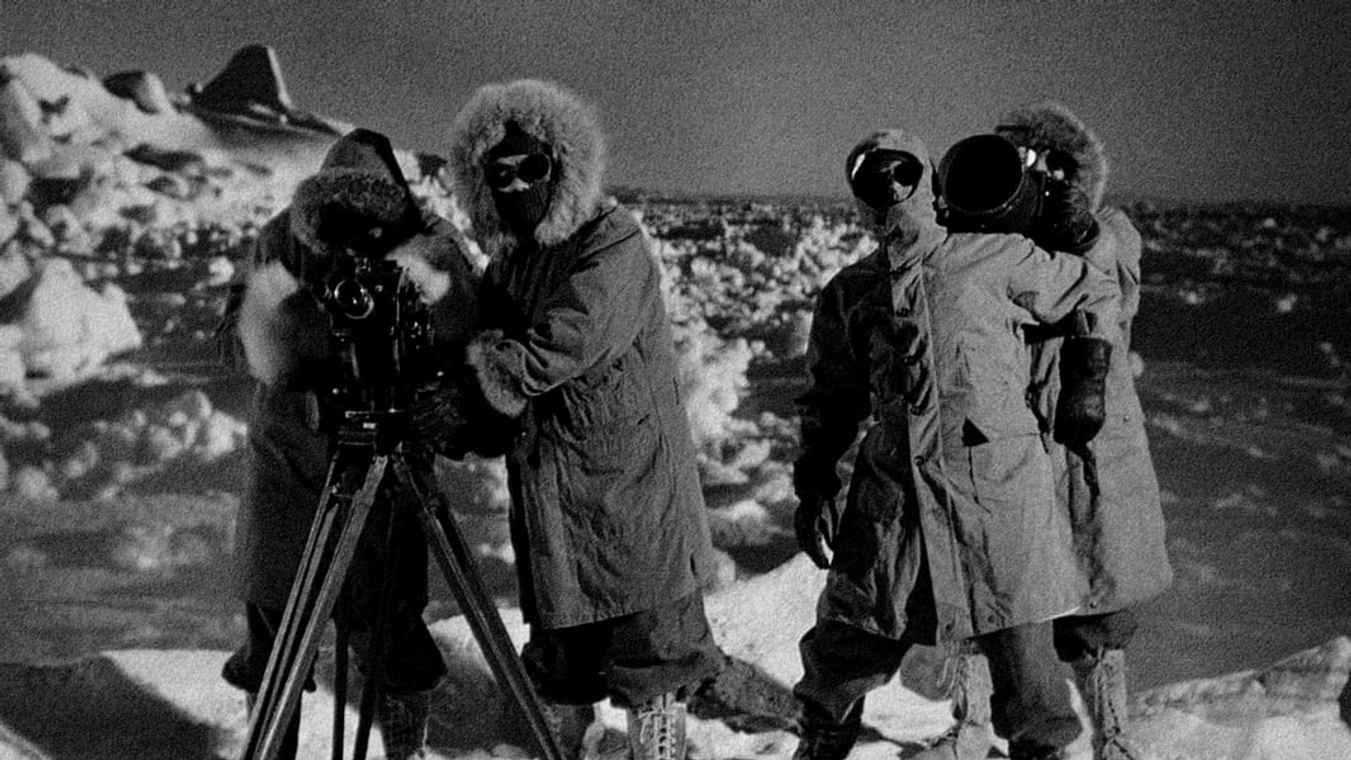
This was said to have been one of the inspirations for Tomoyuki Tanaka to go ahead and film Godzilla (1954).
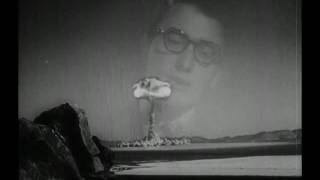
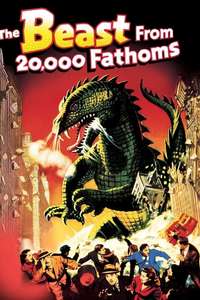
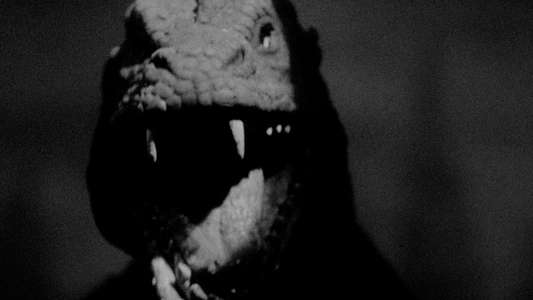
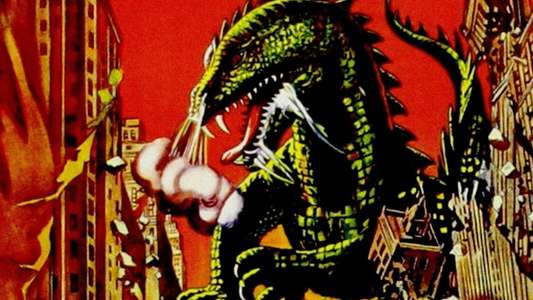
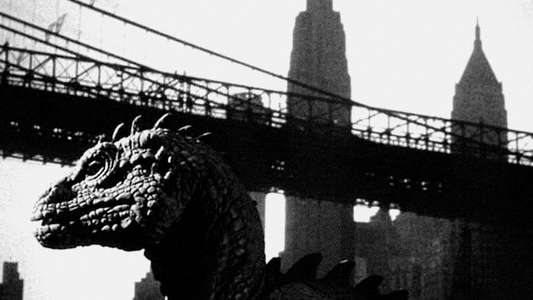
This film (which was inspired by the successful 1952 re-release of King Kong (1933)) was the first to feature a giant creature awakened or mutated by an atomic bomb.
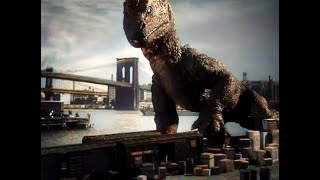
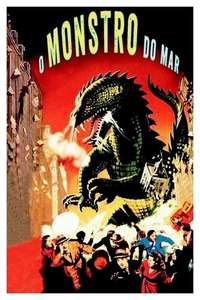
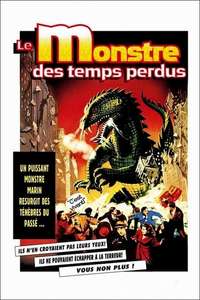
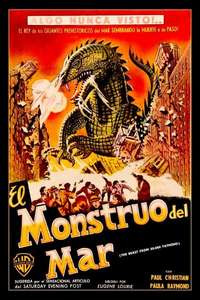
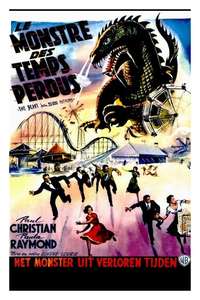
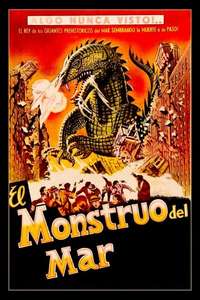
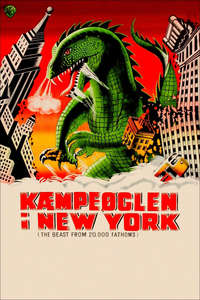
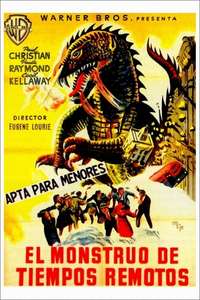
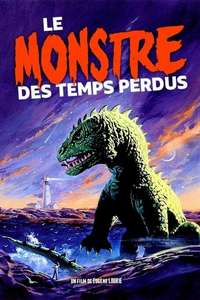
While visiting his friend Ray Harryhausen on the set, Ray Bradbury was given a copy of the script (which was going under the working title "Monster From the Sea") and was asked if he could possibly do some rewriting on it. After reading the script, he remarked about a scene in the story (which featured the monster destroying a lighthouse) that seemed very similar to a short story that he had published in "The Saturday Evening Post" several years earlier called "The Beast from 20,000 Fathoms". Bradbury's story was about a dinosaur that destroys a lighthouse. The next day he received a telegram offering to buy the film rights to the story for $2,000. After the sale, the film's title was changed to "The Beast from 20,000 Fathoms". When Bradbury's story was reprinted years later, he changed its title to "The Fog Horn".
The "Coney Island Amusement Park" in the film is actually The Long Beach Amusement Park in Long Beach, CA. The production was able to film at the park from 10 p.m. to 3 a.m.
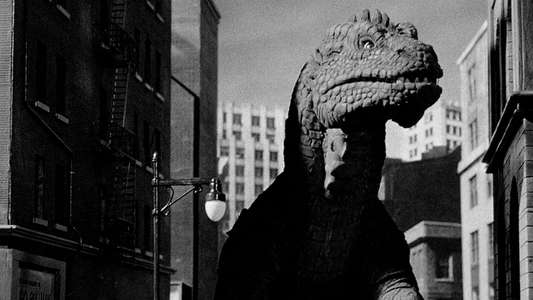
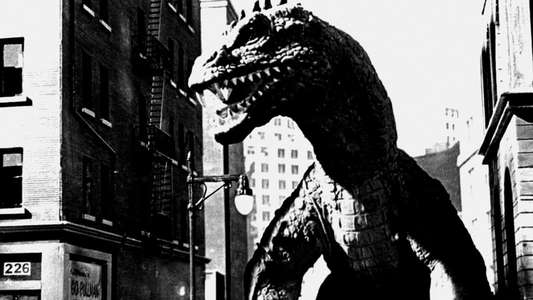
The dinosaur skeleton in the museum sequence is artificial. It was bought from RKO, which had it in storage ever since it had been used in Bringing Up Baby (1938).
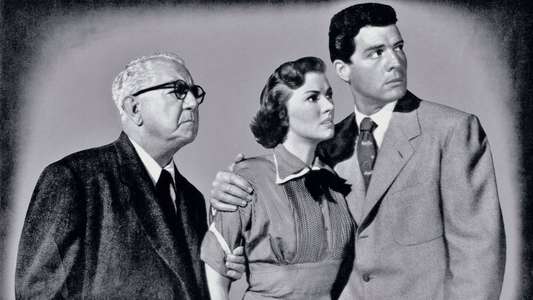
"Prof. Thurgood Elson: [in the diving bell, to view the monster] This is such a strange feeling, I feel as though I'm leaving a world of untold tomorrows for a world of countless yesterdays."
"Professor Tom Nesbitt: The world's been here for millions of years. Man's been walking upright for a comparatively short time. Mentally we're still crawling."