
Movie |
Skepticism | Christianity
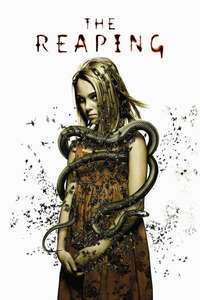
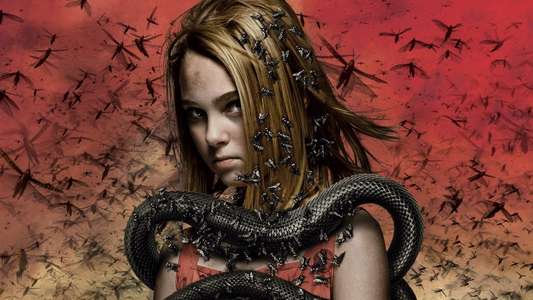
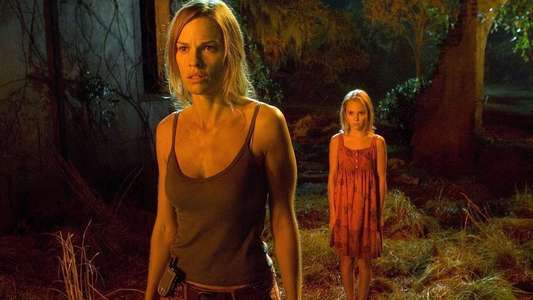
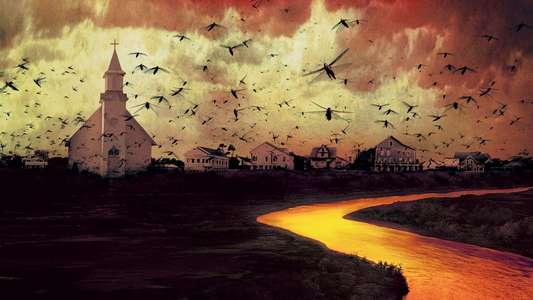
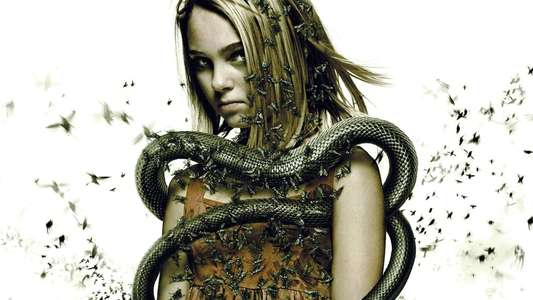
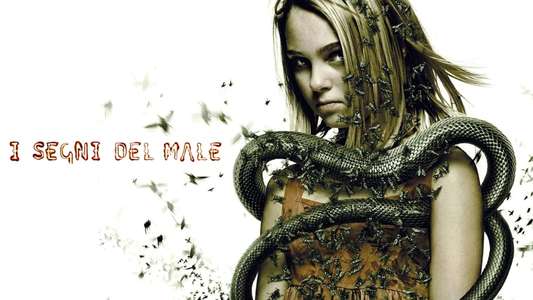
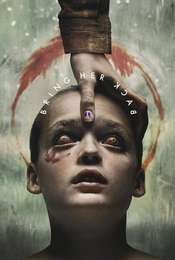
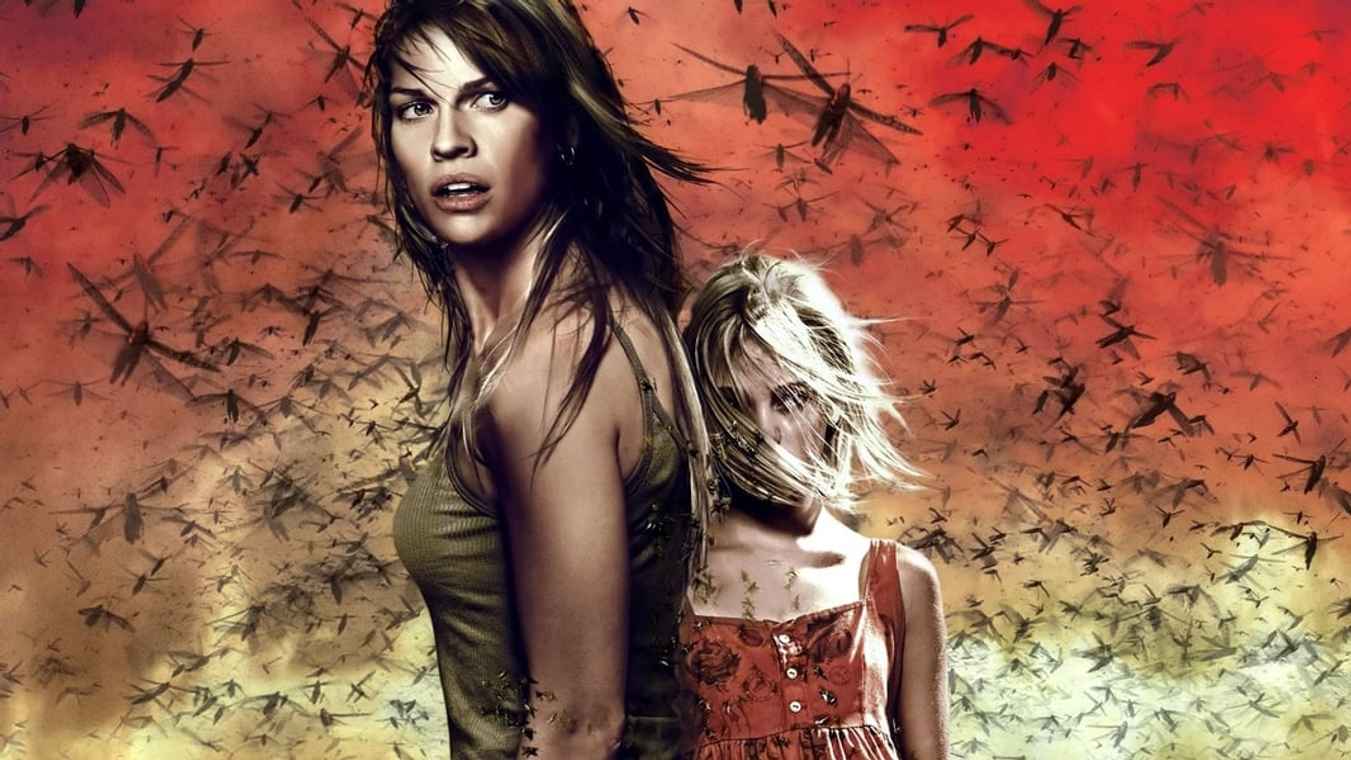
Katherine Morrissey, a former Christian missionary, lost her faith after the tragic deaths of her family. Now she applies her expertise to debunking religious phenomena. When a series of biblical plagues overrun a small town, Katherine arrives to prove that a supernatural force is not behind the occurrences, but soon finds that science cannot explain what is happening. Instead, she must regain her faith to combat the evil that waits in a Louisiana swamp.
Disclaimer: All content and media belong to original content streaming platforms/owners like Netflix, Disney+ Hotstar, Amazon Prime Videos, JioCinema, SonyLIV etc. 91mobiles entertainment does not claim any rights to the content and only aggregate the content along with the service providers links.




Katherine Morrissey, a former Christian missionary, lost her faith after the tragic deaths of her family. Now she applies her expertise to debunking religious phenomena. When a series of biblical plagues overrun a small town, Katherine arrives to prove that a supernatural force is not behind the occurrences, but soon finds that science cannot explain what is happening. Instead, she must regain her faith to combat the evil that waits in a Louisiana swamp.
Best Performance in a Feature Film Young Actor Age Ten or Younger | 2008 | Samuel
Budget 40,000,000 USD
Box Office Collection 62,771,059 USD
The film portrays the city of Concepción, Chile, as a warm, tropical, Third World small town. This caused a furor in Concepción, with people walking out of the theaters and others calling for authorities to ban the movies.
Filming in Louisiana was interrupted by Hurricane Katrina.
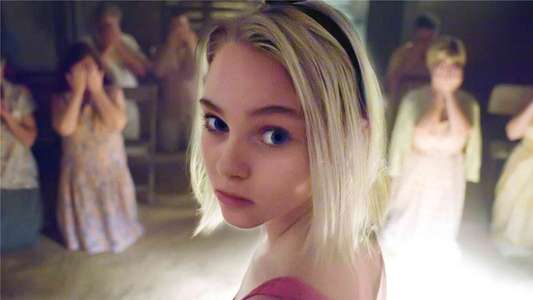
AnnaSophia Robb does not speak a single line of dialogue in the film until 1 hour and 25 minutes into the run-time.
Philip Glass was the film's original composer. His score had been written and recorded before he was replaced by John Frizzell.
When Isabelle walks Katherine and Ben to the Haven Church, she calls the baby in the stroller "Pud", after sound mixer Pud Cusack.
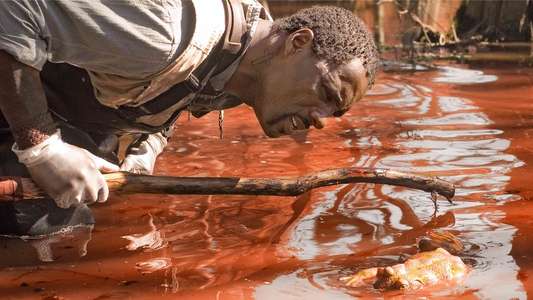
"Katherine Winter: In 1400 B.C., a group of nervous Egyptians saw the Nile turn red. But what they thought was blood was actually an algae bloom which killed the fish, which prior to that had been living off the eggs of frogs. Those uneaten eggs turned into record numbers of baby frogs who subsequently fled to the land and died. Their little rotting frog bodies attracted lice and flies. The lice carried the bluetongue virus, which killed 70% of Egypt's livestock. The flies carried glanders, a bacterial infection which in humans causes boils. Soon afterwards, the Nile River Valley was hit with a three-day sandstorm otherwise known as the plague of darkness. During the sandstorm, intense heat can combine with an approaching cold front to create not only hail, but also electrical storms which would have looked to the ancient Egyptians like fire from the sky. The subsequent wind would have blown the Ethiopian locust population off course and right into downtown Cairo. Hail is wet, locusts leave droppings, spread both on grain, and you have got mycotoxins. Dinnertime in ancient Egypt meant the first-born child got the biggest portion, which in this case, meant he ate the most toxins, so he died. Ten plagues. Ten scientific explanations."
"Doug Blackwell: [about dead fish] When did this start? Sheriff Cade: This morning. Bubbled up like farts in a bathtub."