
Movie |
France | Biography
Disclaimer: All content and media belong to original content streaming platforms/owners like Netflix, Disney+ Hotstar, Amazon Prime Videos, JioCinema, SonyLIV etc. 91mobiles entertainment does not claim any rights to the content and only aggregate the content along with the service providers links.

Best Writing Screenplay | 1937
Best Writing Original Story | 1937
Best Actor in a Leading Role | 1937
Best Actor | 1936
Top Ten Films | 1936
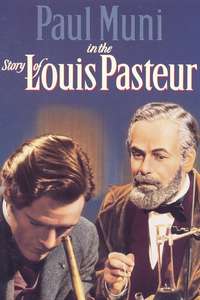
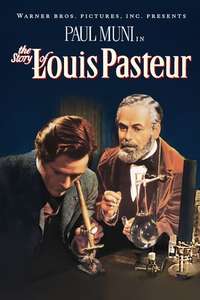
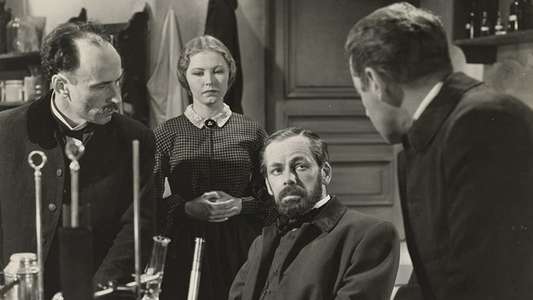
An electrician for Warner Bros. came up to Paul Muni after an advanced screening of the film and told him that his nine-year-old son asked him to buy him a microscope because of Muni's performance. Even though he went on to win the Oscar for it, Muni said that this was the greatest compliment he had ever received and that all other accolades meant nothing compared to that one.
Hal B. Wallis originally rejected Sheridan Gibney's script. He wanted the movie to be a college romance. Paul Muni had script control in his contract, so he wrote across the top of the screenplay, "I approve this script as written." Warner Bros. had to film Gibney's original script, which went on to win an Oscar.
After playing a series of hard-bitten roles in films like Scarface (1932) and Black Fury (1935), Paul Muni lobbied hard for a change of pace. Jack L. Warner, head of Warner Brothers, wasn't keen on his star taking such a change of direction but eventually relented, effectively opening up a tidal wave of biopics that became the mainstay of Warner Brothers' output in the late 1930s and early 1940s.
Won three of the four awards it was nominated for at the Academy Awards, but lost Best Picture to The Great Ziegfeld (1936).
This film propelled William Dieterle to the top rank of directors at Warner Brothers, meaning he was given the plum assignments. Fellow European émigré Michael Curtiz (Dieterle was German, Curtiz was Hungarian) was also in this exclusive club.
"[last lines] [addressing The Academy of Medicine - directing his remarks to the young men in the balcony] Dr. Louis Pasteur: You young men - doctors and scientists of the future - do not let yourselves be tainted by apparent skepticism; nor discouraged by the sadness of certain hours that creep over nations. Do not become angry at your opponents, for no scientific theory has ever been accepted without opposition. Live in the serene peace of libraries and laboratories. Say to yourselves, first, "What have I done for my instruction?" And as you gradually advance, "What am I accomplishing?" Until the time comes when you may have the immense happiness of thinking that you have contributed in some way to the welfare and progress of mankind."
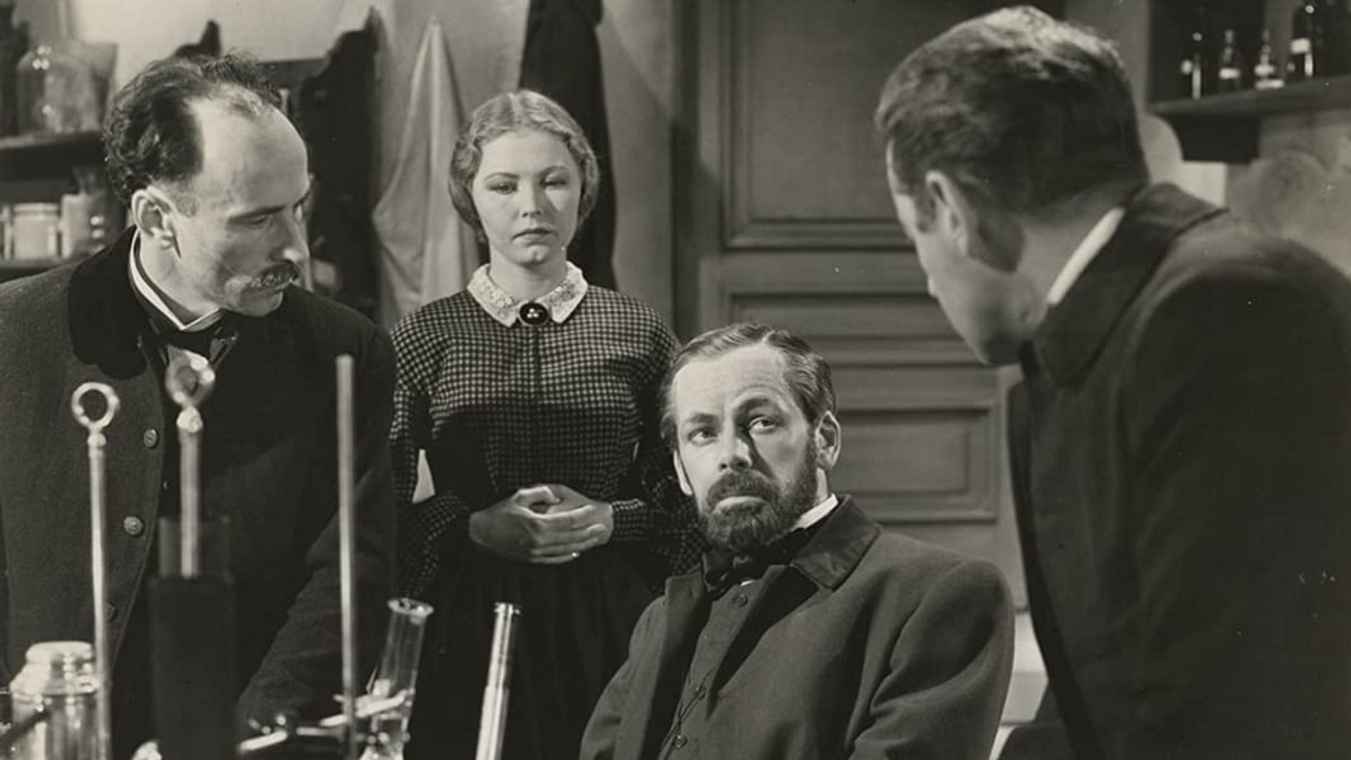
"Dr. Louis Pasteur: [speaking to the Emperor] Sire, the hospitals of Paris are pesthouses. There's scarcely a doctor in the city who's not carrying death on his hands and instruments. Dr. Charbonnet: Because of microbes, Monsieur? Your private menagerie of invisible beasts? Dr. Louis Pasteur: Exactly. Doctor Charbonnet could see them for himself if he took the trouble to use his microscope. He could watch them multiply into murderous millions. They breed in filth. They may start from the gutters of Paris tonight and by tomorrow claim some mother from this very court. Dr. Charbonnet: Preposterous! To think that a human being could be destroyed by an animal ten thousand times smaller than a flea. It's as though an army of ants were to overthrow your Majesty's empire."