HP unveiled a portfolio refresh of its consumer PC lineup at CES 2026. The refresh includes updated Omnibook laptops, new OmniStudio AiO desktops and refreshed Chromebooks. HP says the new lineup reflects how personal computing has shifted. The lineup is aimed at users whose computing needs now span work, creativity, entertainment and side projects.
HP says the new OmniBook and OmniStudio devices will roll out globally through early 2026. This will start with the OmniBook Ultra 14 and OmniStudio X 27. That will be followed by the OmniBook 5, OmniBook 3 and Chromebook models in February. The OmniBook X and OmniBook 7 are expected to arrive later in the spring. India-specific pricing and availability are expected to be announced closer to the local launch.
OmniBook Ultra 14 leads with high AI performance and slim design
At the top of HP’s consumer range is the new OmniBook Ultra 14, which HP calls its most premium consumer notebook to date. It is offered with either Qualcomm’s Snapdragon X2 Elite platform, delivering up to 85 TOPS of NPU. Meanwhile, there are also Intel’s next-generation Core Ultra processors for more graphics-heavy workloads.
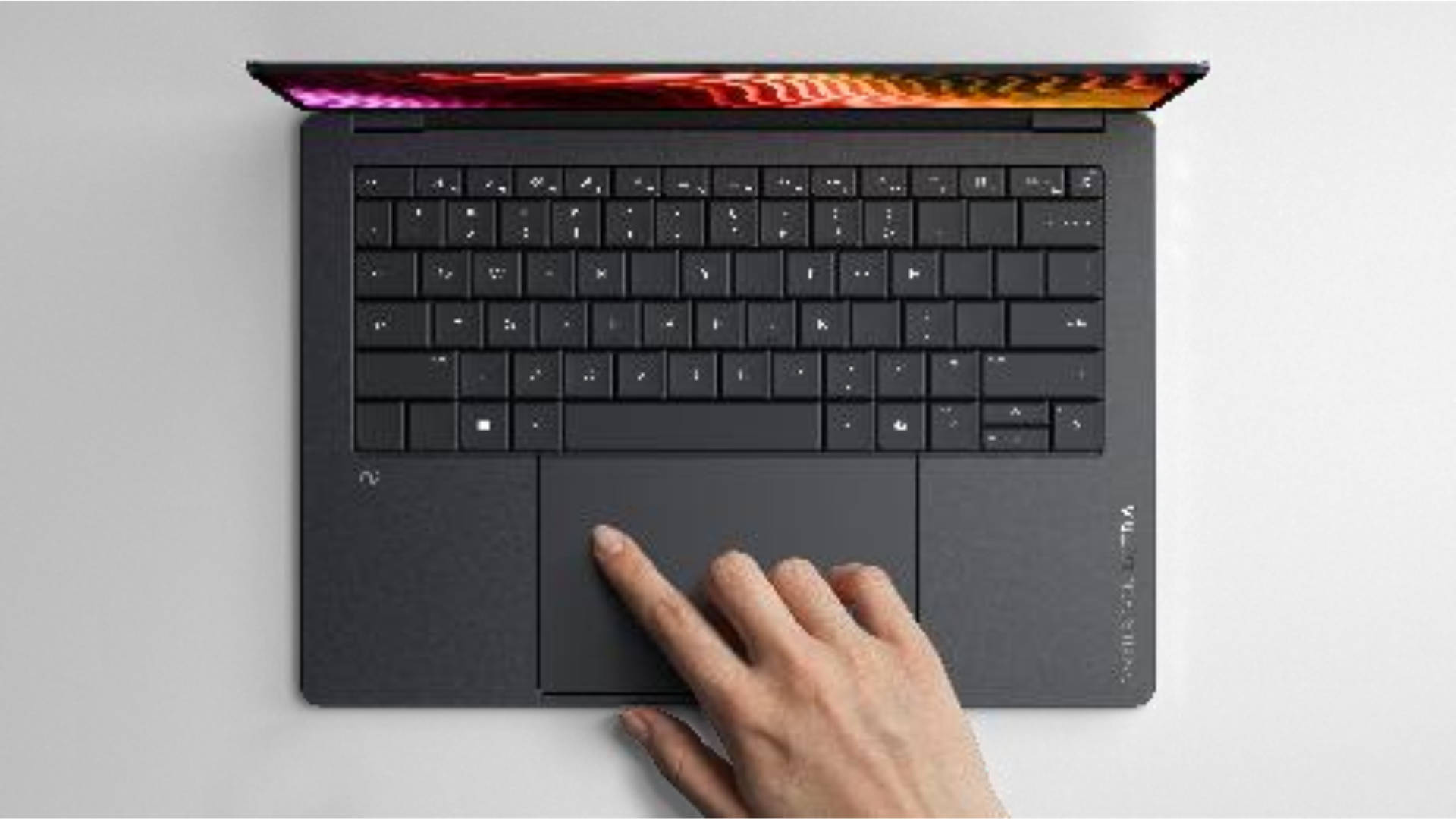
HP claims the OmniBook Ultra 14 combines high AI performance with extreme portability, offering a slimmer and lighter chassis than its previous generation. It boasts up to a 3K OLED display. Battery life is positioned as an all-day experience, particularly on Snapdragon-based models.
The device also introduces new posture detection features. The brand says it is aimed at improving ergonomics during long working sessions. HP also highlights its durability testing as part of its pitch for users who travel or work across multiple environments.
OmniStudio X 27 targets creators and home professionals
For users who work primarily from a desk or home office, HP introduced the OmniStudio X 27 all-in-one PC. It features a new Neo: LED display with dual 100% colour coverage, positioning it as a colour-accurate solution for creative professionals.
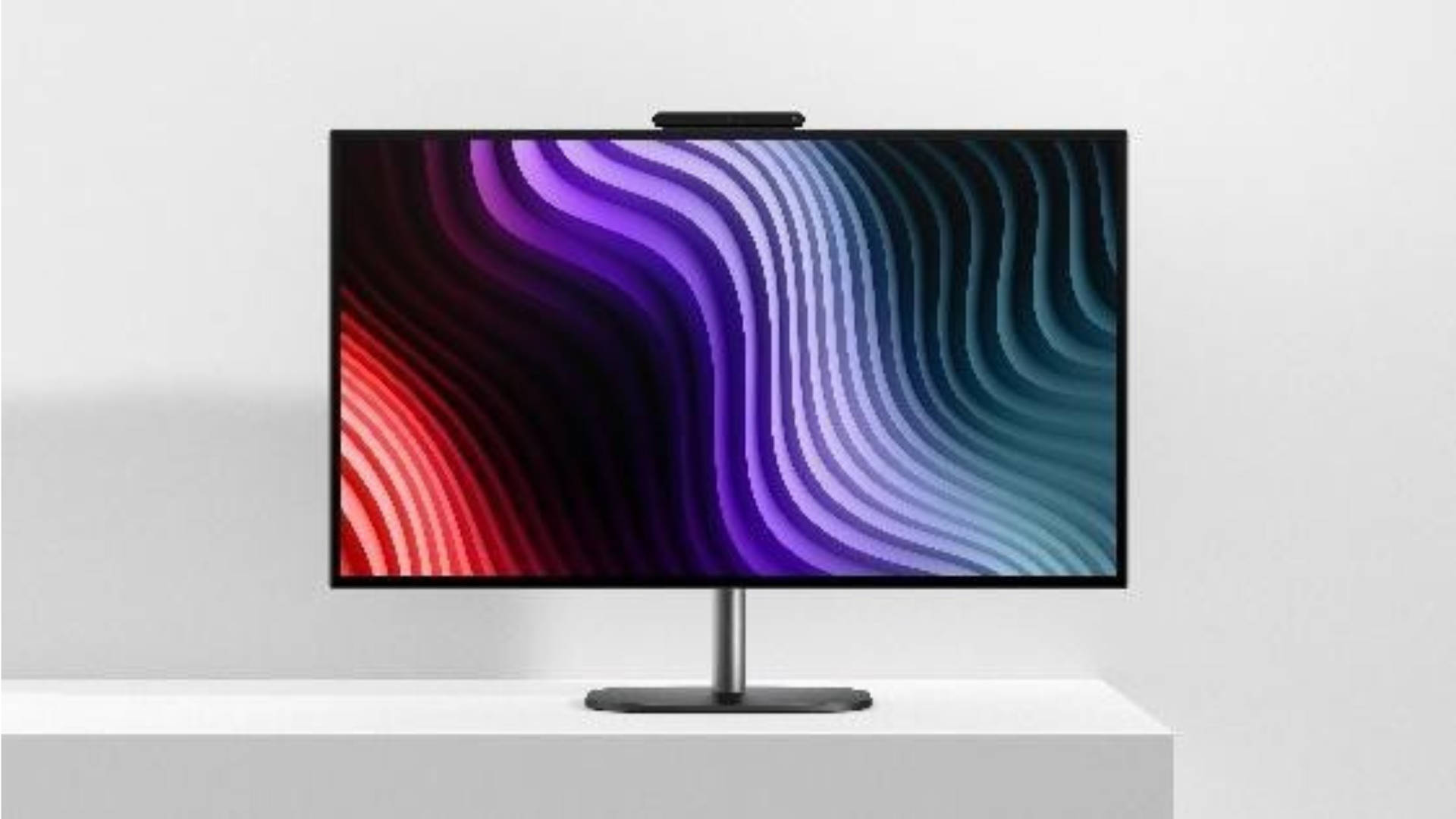
The OmniStudio X 27 runs on Intel Core Ultra processors and can be configured with NVIDIA GeForce RTX graphics. HP is emphasising features that support hybrid workflows, such as Thunderbolt Share for seamless laptop-to-desktop connectivity. Furthermore, there is also a tilt-enabled camera for sharing sketches or physical work during video calls.
OmniBook lineup expands across price tiers
Beyond the flagship devices, HP is refreshing its entire OmniBook portfolio across multiple price and performance tiers.
The OmniBook X series is positioned for professionals who want a balance of performance and portability. The OmniBook 7 targets productivity users with enhanced video calling and audio features. The OmniBook 5 is aimed at families and students, offering OLED displays and responsive performance in thinner designs. The OmniBook 3 serves as the entry point, designed for everyday users who want AI-capable performance at lower price points.
HP is also updating its Chromebook lineup, including new Chromebook Plus models and refreshed x360 convertibles. It is targeted towards users who rely on cloud workflows and Google’s ecosystem.
HP’s broader strategy: AI everywhere, across form factors
Taken together, HP’s CES announcements point to a strategy centred on distributing AI capabilities across its entire consumer lineup rather than reserving them for high-end devices. By offering AI acceleration on Snapdragon, Intel and AMD platforms, HP is hedging more across architectures. While also giving consumers flexibility in performance, battery life and software compatibility.
The company is also pushing more deeply into lifestyle features. This includes tools like HP Omni+ for cross-platform password management and HP TV+ as a built-in entertainment hub. This suggests a shift toward treating the PC as a broader digital lifestyle device. Rather than just a productivity machine.
HP’s refreshed lineup arrives in a market where nearly every major PC maker is racing to define what an “AI PC” should be. Competitors like Lenovo, ASUS and Dell are also rolling out AI-accelerated laptops, premium OLED displays, and longer-lasting ARM-based systems.
HP’s approach stands out in its breadth. Rather than focusing on a single flagship category, the company is taking a much wider view. It is trying to bring AI features, better displays, and longer battery life across nearly every segment. That includes everything from premium notebooks to entry-level Chromebooks.
Whether this strategy resonates will depend on how meaningful these AI features prove in daily use. It will also depend on how well performance, thermals, and battery life translate outside controlled demos. But the direction is clear. HP is betting that the next phase of personal computing will be defined less by raw specs. And more by how seamlessly devices adapt to the many roles users now expect them to play.