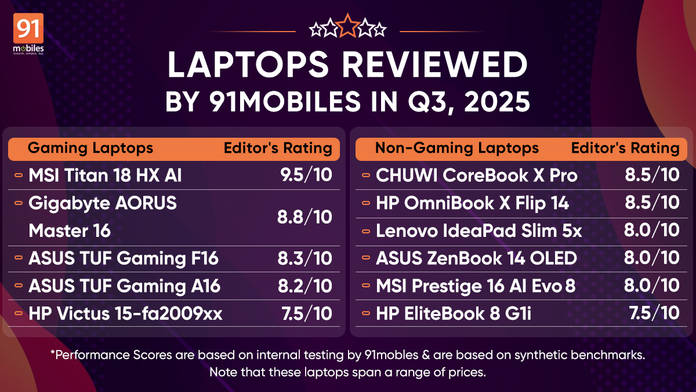
The laptop scene in Q3 2025 was buzzing, with brands trying to balance power, portability, and pricing in increasingly creative ways. From budget-friendly options that punch above their weight to monster machines that push the definition of “portable”, the quarter had a little something for everyone. Non-gaming laptops got sleeker, smarter, and in some cases braver (hello, ARM-powered experiments), while gaming laptops doubled down on raw horsepower, with RTX 50-series GPUs continuing to make their presence felt.
We put these machines through their paces, and here’s a roundup of every laptop we reviewed this quarter.
Table of Contents
Non-Gaming Laptops
CHUWI CoreBook X Pro
The CHUWI CoreBook X Pro is the kind of surprise package that makes you do a double-take. At around ₹30,000, it delivers performance levels usually reserved for much pricier laptops. With a capable CPU, upgradeable RAM and SSD, and a sturdy aluminium lid, this machine is all about giving maximum performance per rupee. It even sneaks in niceties like a backlit keyboard and solid I/O ports, which you don’t expect at this price.
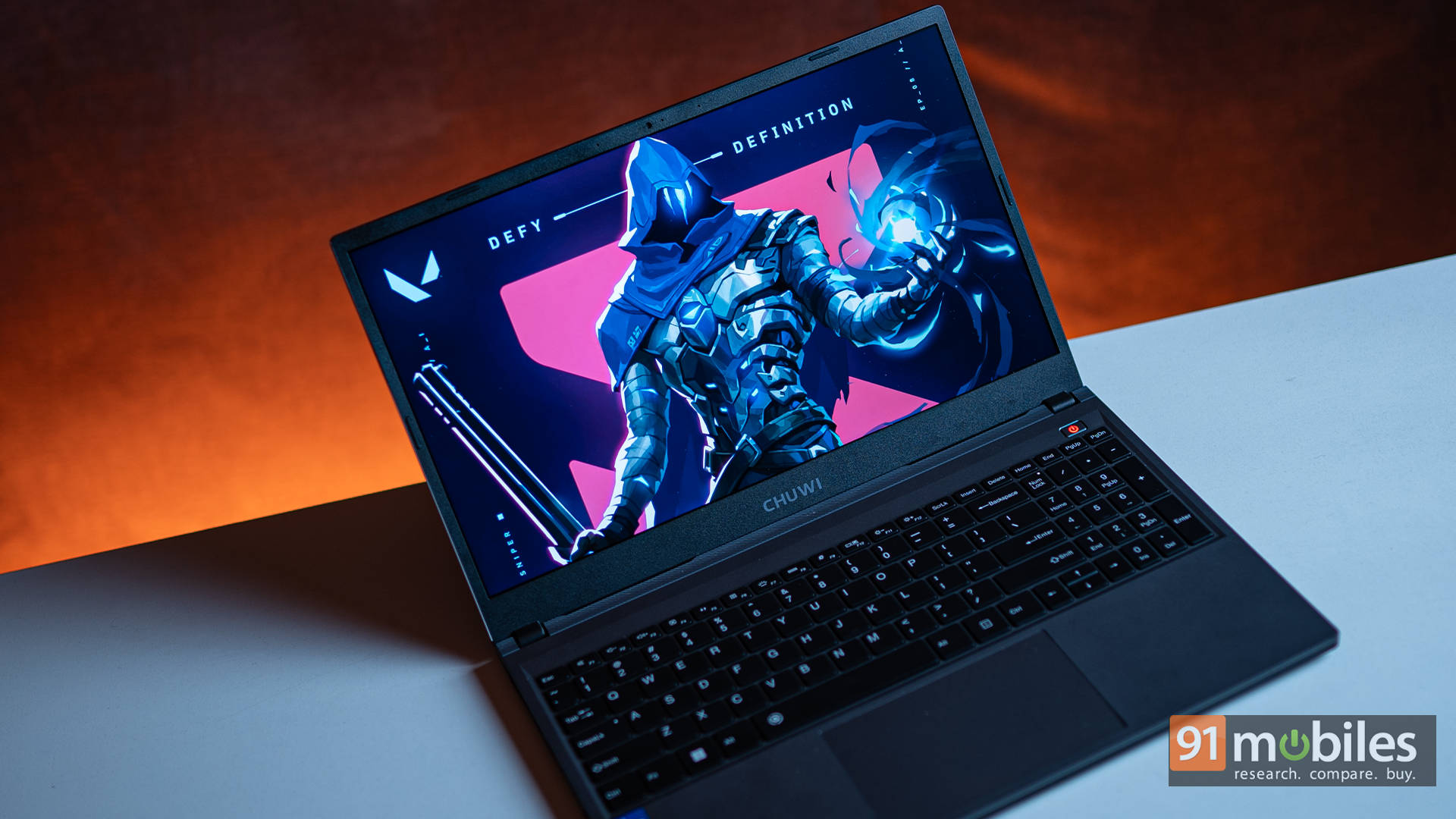
Of course, the trade-offs are there. The display is only a 6-bit panel, and the webcam doesn’t flatter. The bigger question mark is the brand itself. While CHUWI is known in China, its presence and service backup in India are still unproven. But for buyers who don’t mind taking a chance, this laptop feels less like a gamble and more like a calculated win.
Editor’s Rating: 8.5 / 10
Pros:
- Excellent performance
- Upgradeable RAM and SSD
- Backlit keyboard and solid I/O selection
- Good build quality with an aluminium lid
Cons:
- Average 6-bit display
- After-sales support and long-term reliability remain unclear
HP OmniBook X Flip 14
The HP OmniBook X Flip 14 is a laptop that knows it’s premium and doesn’t shy away from it. With a 3K OLED foldable touchscreen, lightweight body, and one of the comfiest keyboards around, it nails the “flagship thin-and-light” vibe. Using it feels polished, whether for work, browsing, or just binge-watching.
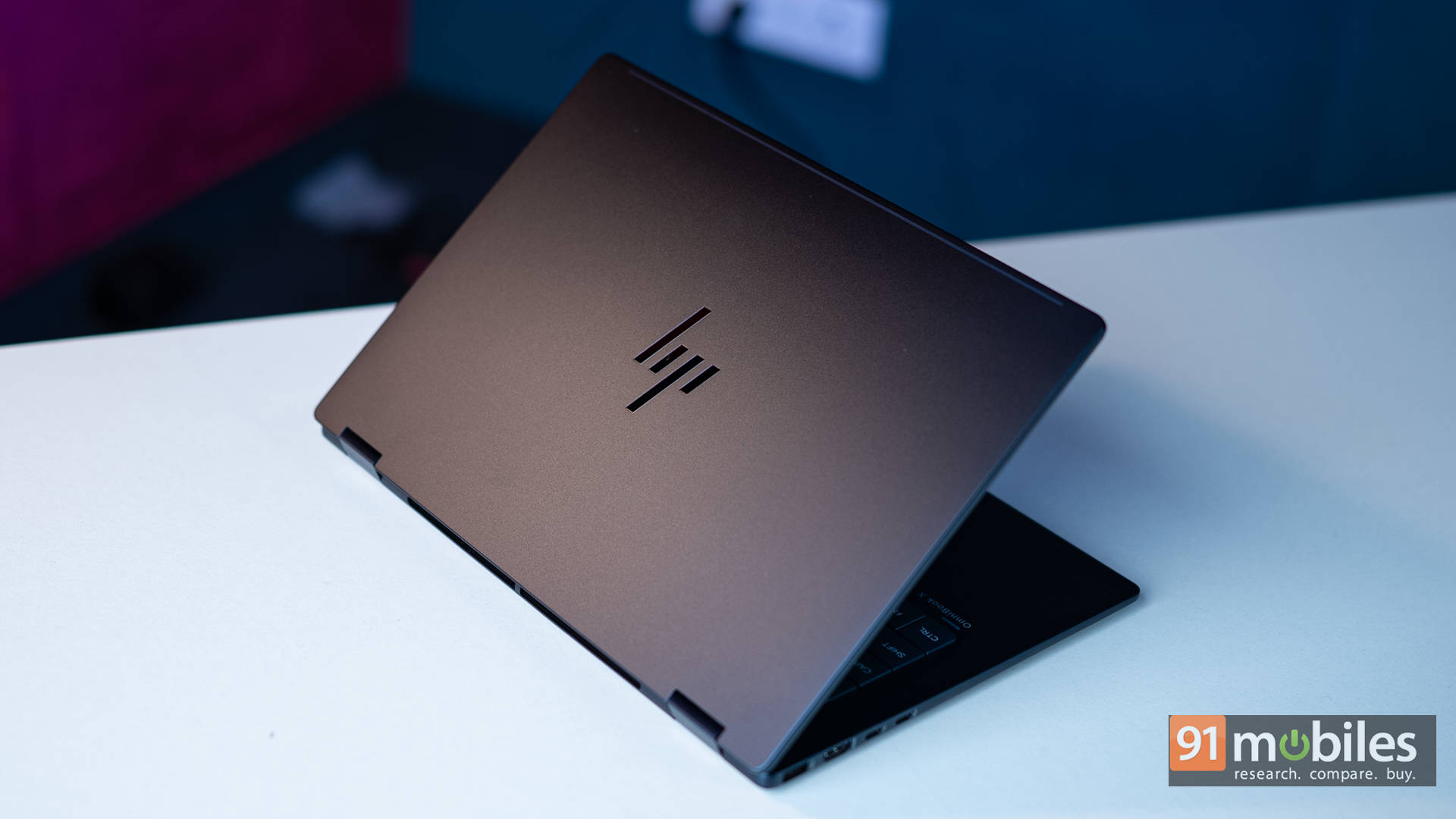
It’s not flawless, though. Windows is still awkward as a touch-first OS, the speakers don’t impress, and a fingerprint reader is missing. But these are nitpicks in an otherwise stellar package. If you’re willing to spend close to ₹1.5 lakh, this OmniBook delivers an experience that feels both modern and complete.
Editor’s Rating: 8.5 / 10
Pros:
- Smooth performance
- Comfortable keyboard
- Stunning OLED display
Cons:
- Weak audio
- Windows still isn’t touch-friendly
Lenovo IdeaPad Slim 5x Gen 9
The Lenovo IdeaPad Slim 5x Gen 9 takes a bold step into the Windows-on-ARM territory. For under ₹70,000, it delivers smooth everyday performance, a sturdy all-metal build, and battery life that puts many Intel rivals to shame. Add a comfortable keyboard and reliable audio, and it feels like a laptop designed to keep you productive without fuss.
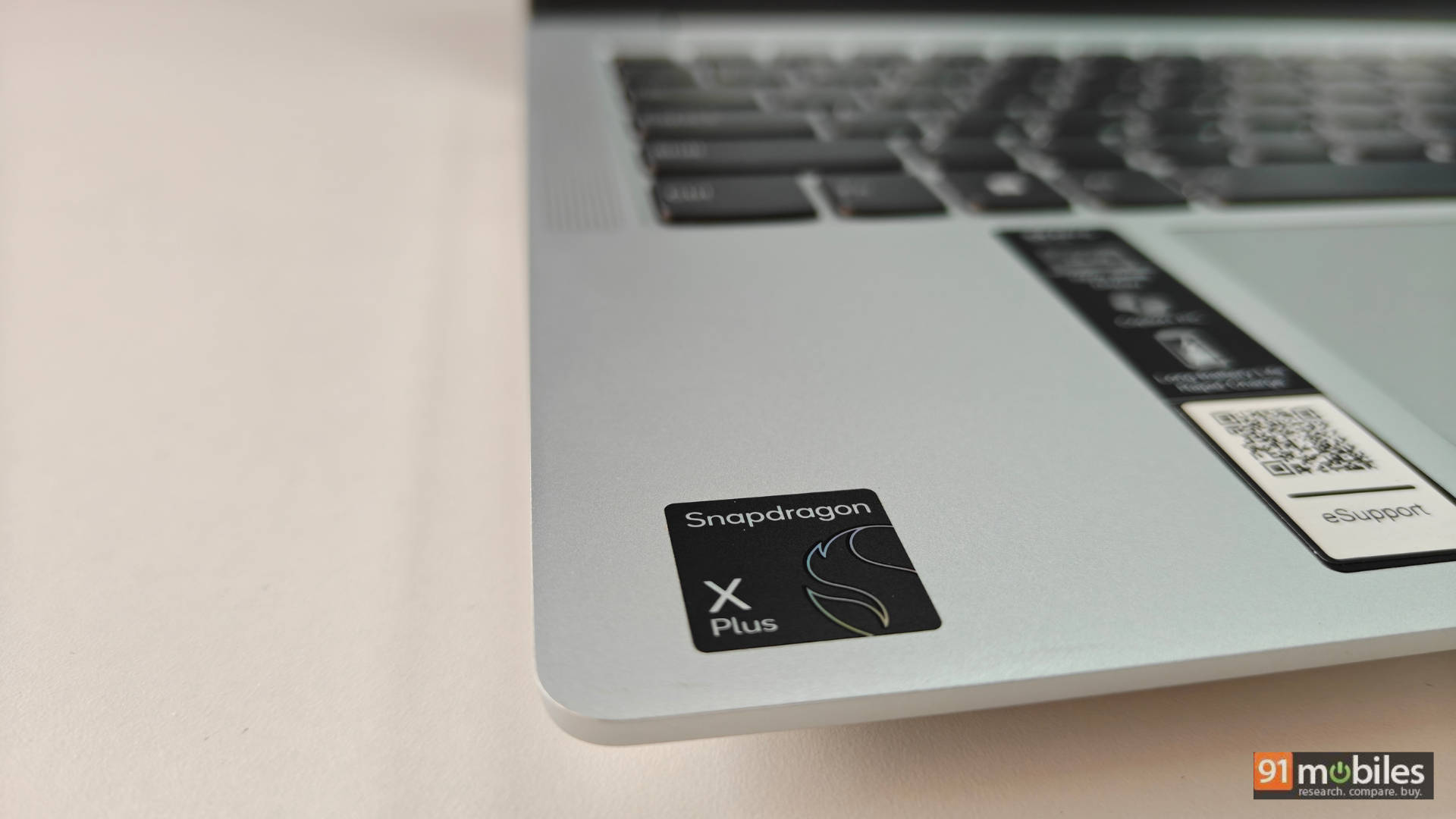
That said, Windows on ARM still has quirks. Gaming isn’t its strong suit, and the IPS display is just average unless you go for the OLED variant. But for those who prioritise efficiency, portability, and strong endurance over raw horsepower, the Slim 5x Gen 9 is a compelling pick.
Editor’s Rating: 8 / 10
Pros:
- Strong battery life for work
- Comfortable, backlit keyboard
- Sturdy all-metal build
- Smooth performance for the price
Cons:
- Windows on ARM still isn’t perfect
- Average IPS display
ASUS ZenBook 14 OLED (AMD)
The ASUS ZenBook 14 OLED is built for those who want a premium everyday laptop without the premium price tag. It’s sleek, lightweight, and houses a gorgeous 3K 120Hz OLED panel that makes everything from documents to Netflix pop. The Ryzen AI 5 processor keeps things running smoothly, and the all-metal Jade Black chassis feels refined and durable.
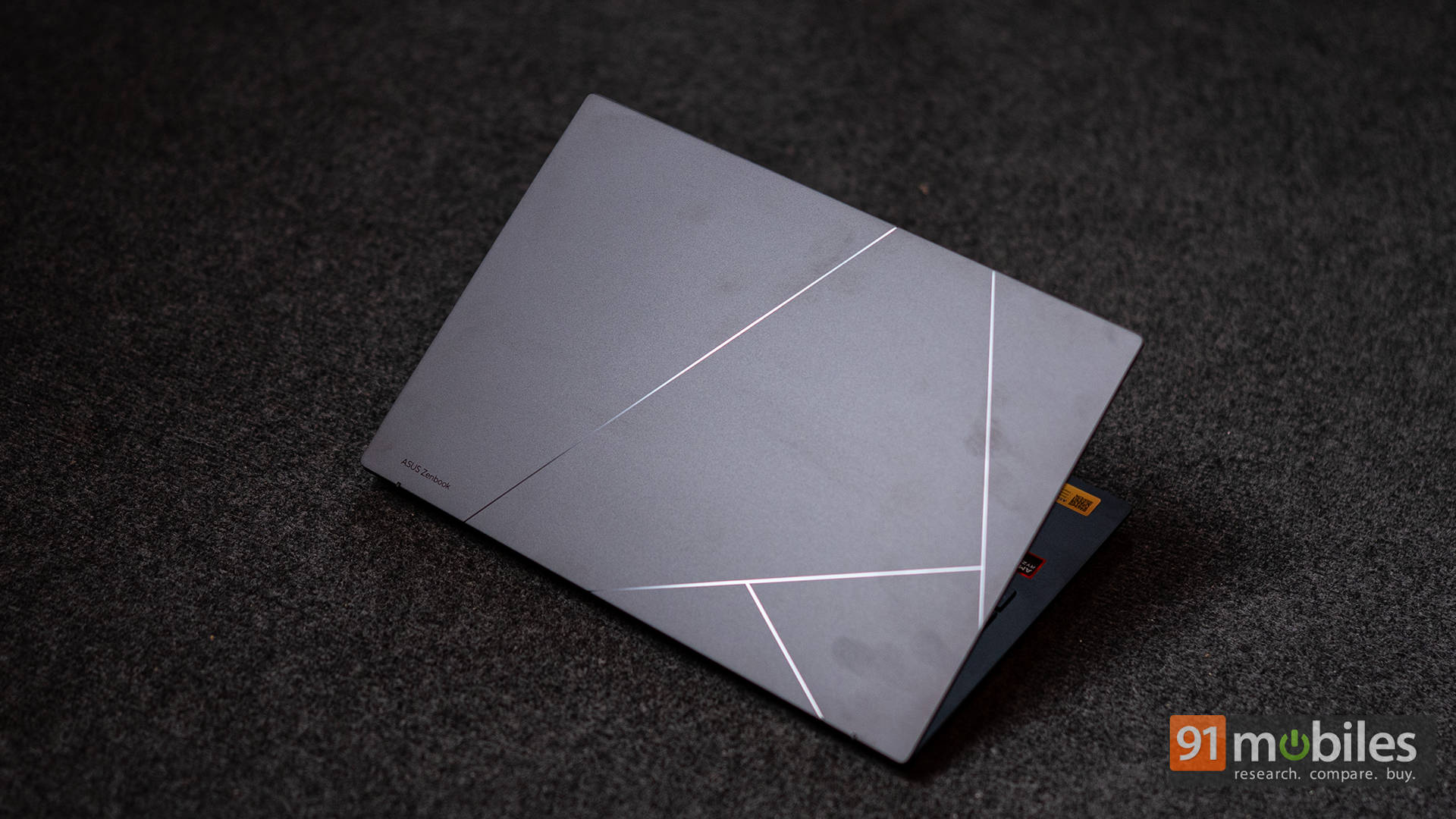
Its main limitations are the non-upgradeable RAM and weaker integrated GPU, which means heavy creative workloads aren’t its forte. Still, for professionals, students, or anyone who values a balance of style, portability, and visual brilliance, this ZenBook hits the sweet spot.
Editor’s Rating: 8 / 10
Pros:
- Light, premium all-metal build with Jade Black finish
- Gorgeous 3K 120Hz OLED display
- Strong Ryzen AI 5 CPU performance
- Good port selection
Cons:
- Weaker integrated GPU
- Non-upgradeable RAM
MSI Prestige 16 AI Evo
The MSI Prestige 16 AI Evo blends serious performance with sleek ultrabook appeal. Powered by Intel’s Core Ultra 9 285H, it delivers smooth multitasking, AI-powered efficiency, and battery life that keeps pace with long days. Its 16-inch QHD+ display and versatile connectivity, including dual Thunderbolt 4 and an SD card slot, make it ideal for hybrid professionals.
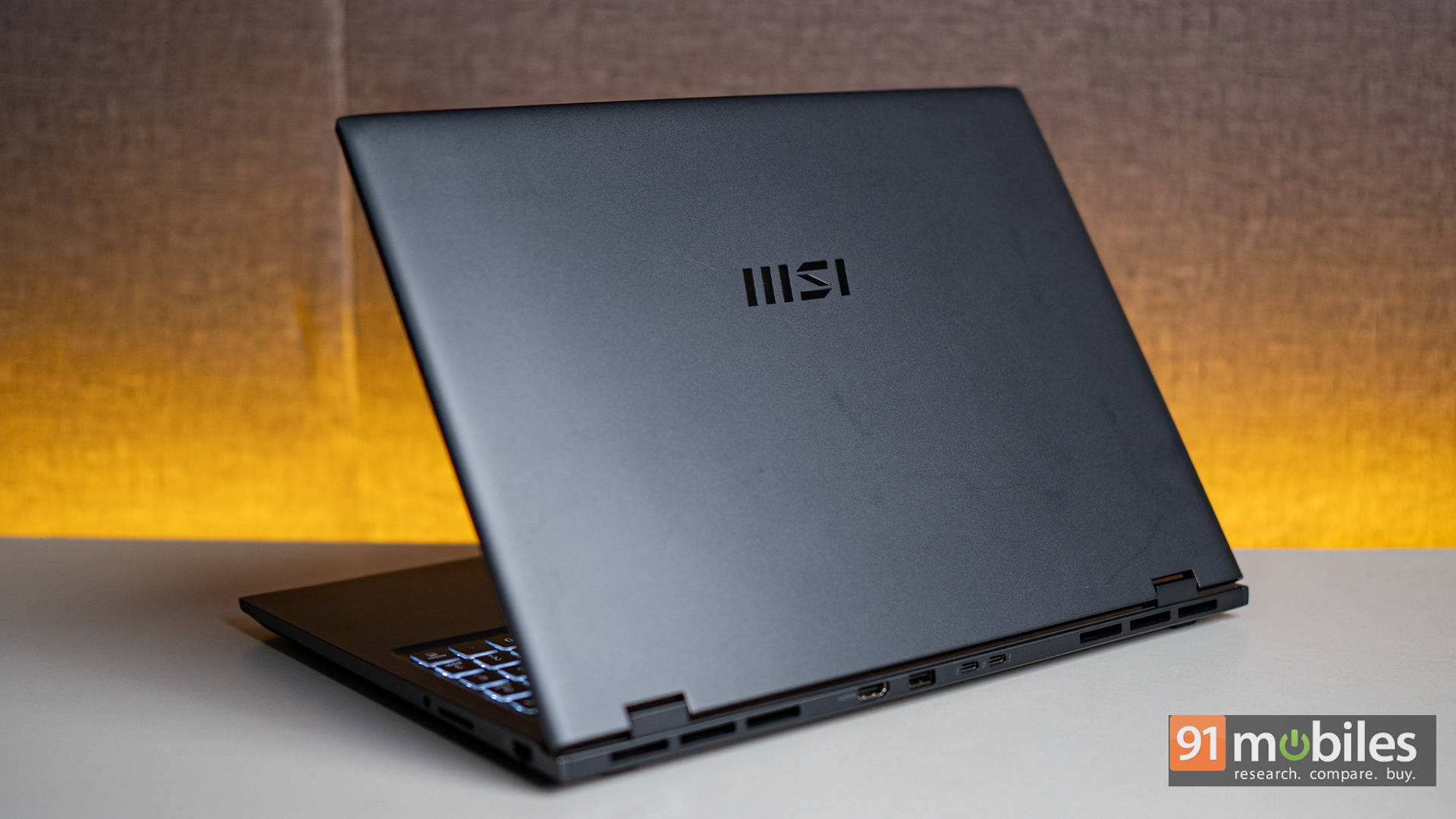
It’s not without quirks, though. The rear-facing ports can be inconvenient, and the speakers are underwhelming. Plus, gamers may miss a higher refresh rate. Still, for creators and power users who want muscle in a refined package, the Prestige 16 AI Evo is a top-tier choice.
Editor’s Rating: 8 / 10
Pros:
- Excellent performance from the Intel Core Ultra 9 285H
- Impressive battery life with smart efficiency tuning
- Sharp 16-inch QHD+ display
- Versatile port selection, including dual Thunderbolt 4 and SD card reader
Cons:
- Rear ports aren’t easy to access
- Keyboard feedback could be better
- 60Hz refresh rate only
HP EliteBook 8 G1i
The HP EliteBook 8 G1i is pitched squarely at professionals who want more than just a work laptop. It’s sleek, secure, and comes loaded with AI-driven features that make hybrid workflows seamless. The keyboard, touchpad, and webcam setup are all excellent, and the design feels both premium and travel-friendly.
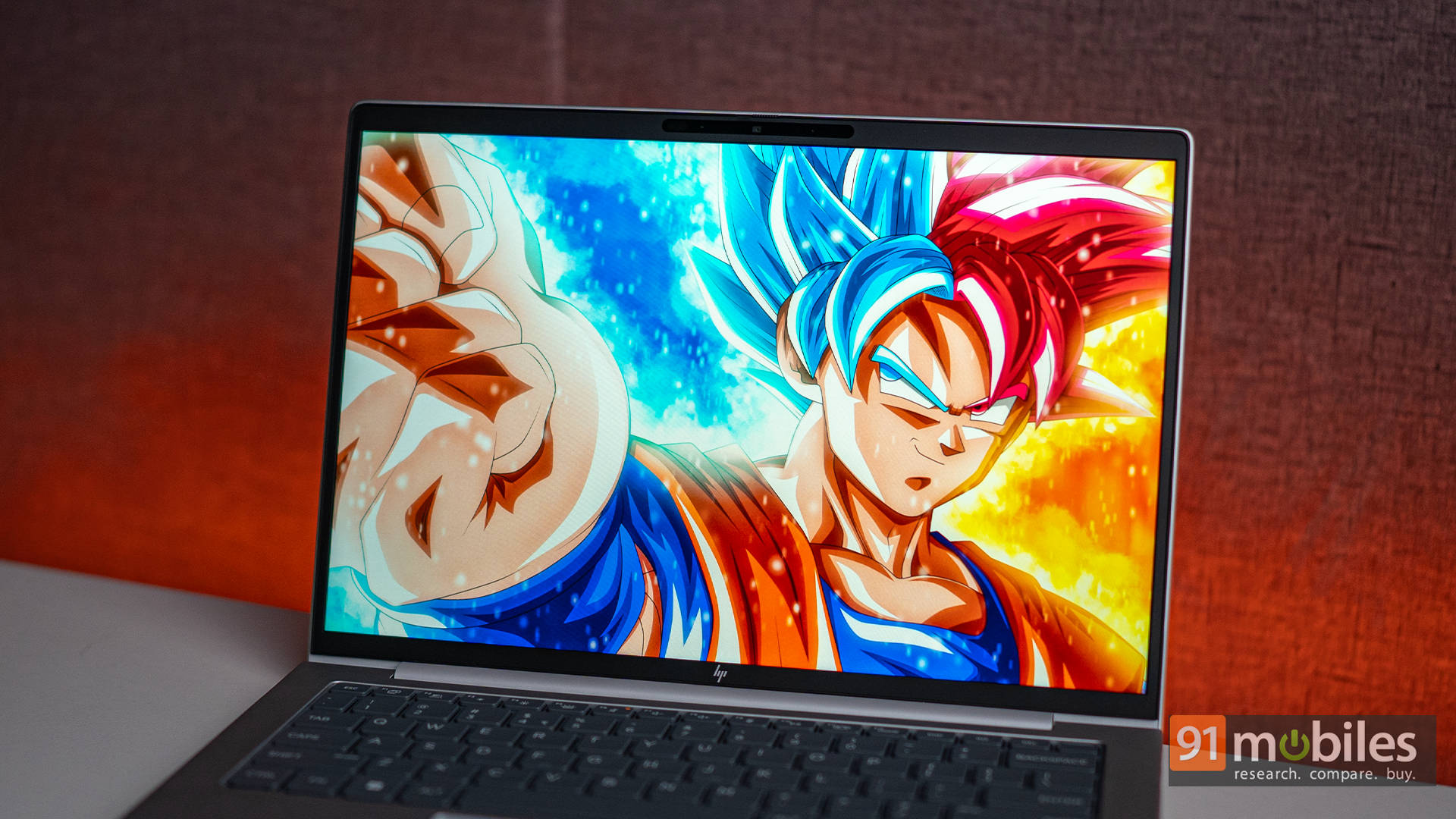
But its steep price makes it harder to recommend widely. The 1200p display feels modest for the money, and it’s not ideal for demanding creative work. Still, if you want a business machine that blends futuristic flair with practical reliability, the EliteBook 8 G1i won’t disappoint.
Editor’s Rating: 7.5 / 10
Pros:
- Sleek, lightweight design with premium build quality
- Touchscreen display with privacy features
- Smooth everyday performance with on-device AI features
- Excellent keyboard, touchpad, and webcam setup
Cons:
- Expensive
- 1200p display only
- Not ideal for heavy creative workloads
You can read our review here.
Acer Aspire Go 14 AG14-71M
The Acer Aspire Go 14 keeps things simple, and that’s its strength. Designed for students, it strikes a balance between portability, decent performance, and affordability, making day-to-day campus life easier. From lectures and group projects to Netflix binges and light gaming, this laptop handles it all without making a fuss. The 16:10 display is convenient for productivity, and the lightweight build makes it a bag-friendly choice for long commutes.
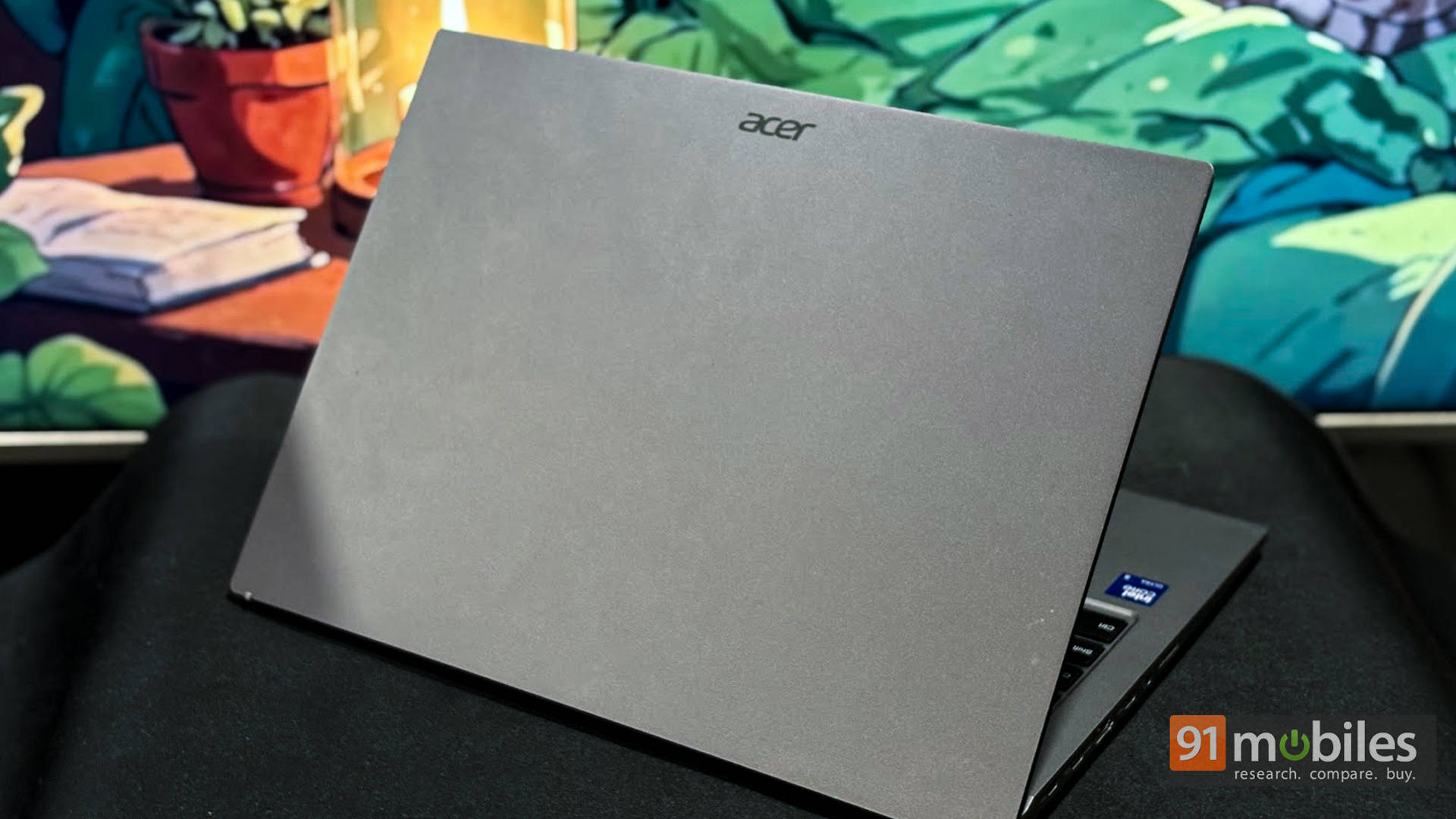
Of course, it’s not flawless. The display could use more brightness and colour punch, and the absence of USB-C charging feels like a missed opportunity in 2025. Still, at around ₹60,000, with Acer sweetening the deal by bundling a free keyboard + mouse or backpack, the Aspire Go 14 hits the sweet spot for students and young professionals who want a safe, reliable pick that can comfortably survive (and thrive in) everyday use.
Editor’s Rating: 7.5 / 10
Pros:
- Lightweight and portable design
- Solid performance
- 16:10 IPS display is great for productivity
- Good battery backup
Cons:
- No USB-C charging support
- Display brightness and colour accuracy could be better
You can read our review here.
Lenovo ThinkPad E14
The Lenovo ThinkPad E14 doesn’t try to be flashy; instead, it simply gets the job done. At around ₹50,000, it offers classic ThinkPad qualities: a durable chassis, a stellar keyboard with TrackPoint, and plenty of ports. Add in USB-C charging, privacy shutter, and expandable RAM, and you’ve got a dependable partner for work or study. With a simple RAM bump, multitasking becomes smoother, making it feel even more versatile.
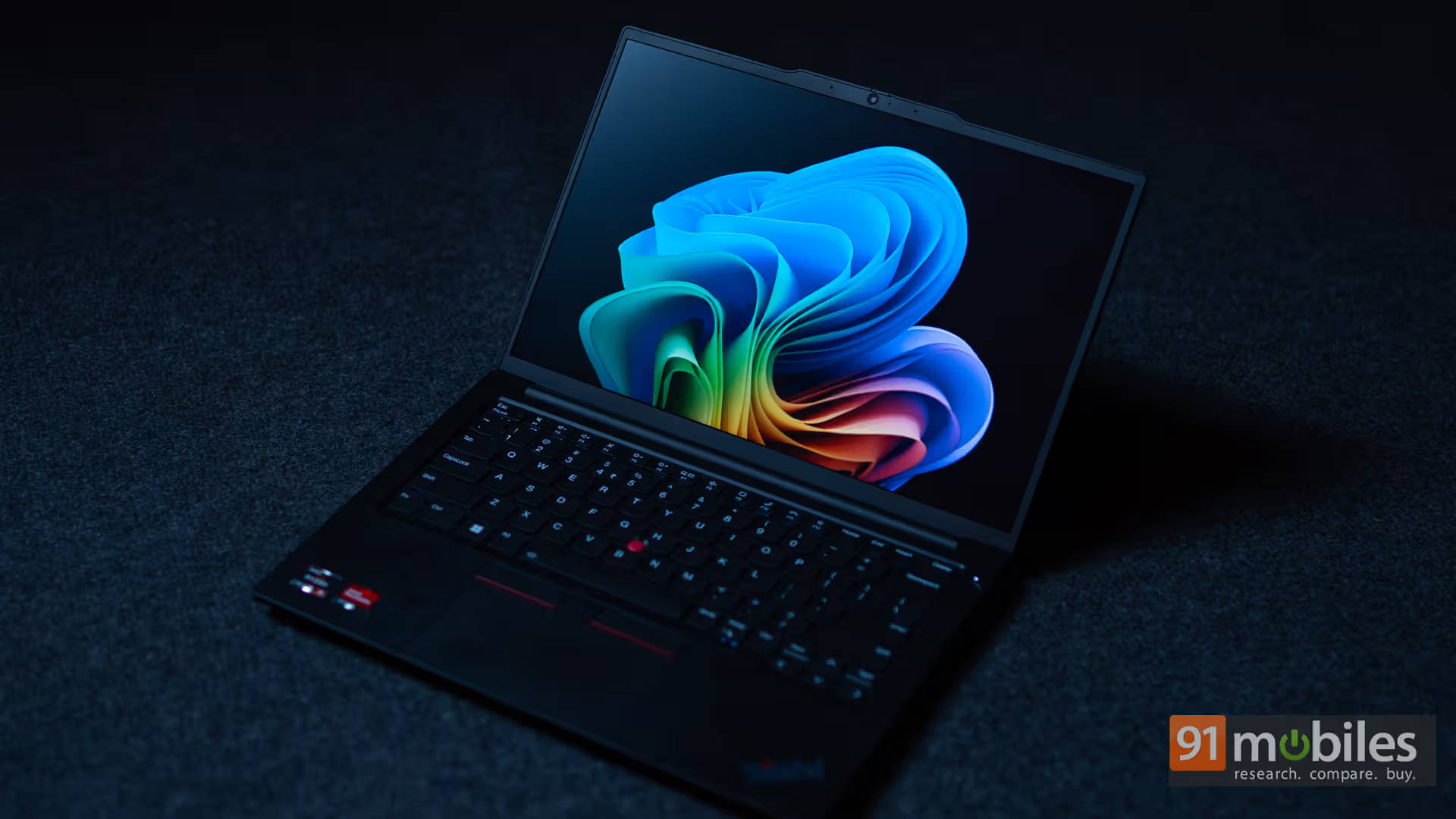
It does have its limits. The display could use more brightness, the webcam is stuck in the past, and only 8GB RAM comes by default. But these don’t overshadow its identity as a no-nonsense productivity tool. If reliability is what you’re after, the E14 is built to last and built to work.
Editor’s Rating: 7 / 10
Pros:
- Solid build quality with plenty of ports
- Excellent keyboard paired with TrackPoint
- Reliable everyday performance
- Decent battery backup with Type-C charging
Cons:
- The display could have been brighter
- Webcam feels a bit dated
- Only 8GB RAM out of the box
HP OmniBook 3
The HP OmniBook 3 slots neatly into the crowded ₹65,000–₹70,000 bracket with a focus on practicality. It handles day-to-day work with ease, backed by a sturdy build, a full-sized keyboard with a number pad, and solid audio-visual chops for online calls and lectures. Its anti-glare screen is handy outdoors, and the laptop doesn’t feel out of place in either work or study environments.
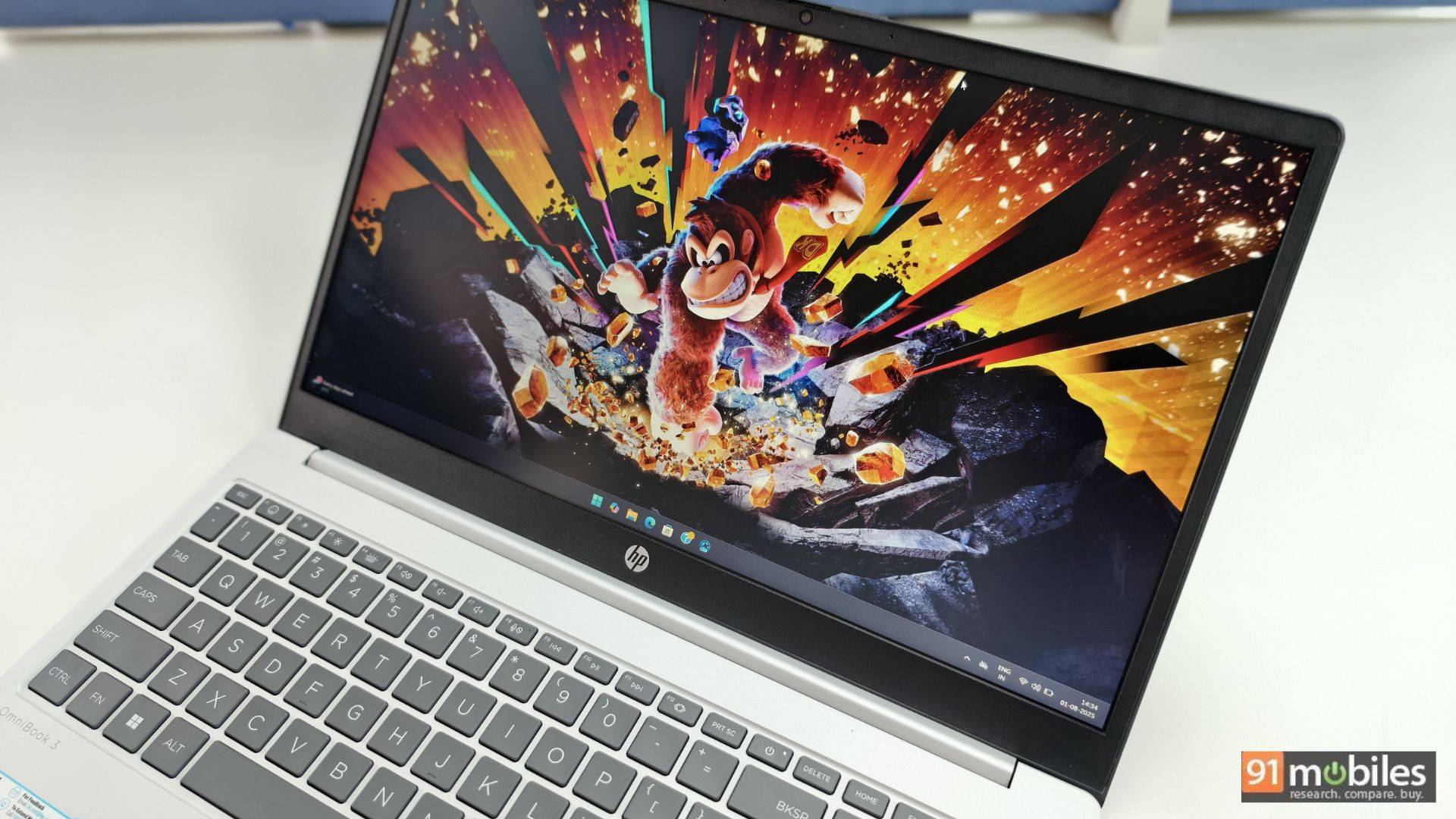
Where it falls short is in the extras. The display doesn’t impress with colour reproduction, and battery life trails rivals. If vivid visuals and longer unplugged hours matter most, other laptops at this price will tempt you. But if you want a straightforward workhorse that won’t let you down, the OmniBook 3 makes sense.
Editor’s Rating: 7 / 10
Pros:
- Good performance for everyday use
- Good speakers and a webcam for meetings/learning
- Nice design and good build quality
- Anti-glare display works well
Cons:
- Colour reproduction could have been better
- Battery life could have been better
Gaming Laptops
MSI Titan 18 HX AI
The MSI Titan 18 HX AI is unapologetically over the top. It pairs Intel’s Core Ultra 9 285HX with an RTX 5090, making it less of a laptop and more of a desktop replacement that can crush any workload or game. Its 18-inch 4K Mini-LED HDR display is a showpiece, and with features like Thunderbolt 5 and 6TB PCIe Gen 5 RAID storage, it’s built for absolute excess.
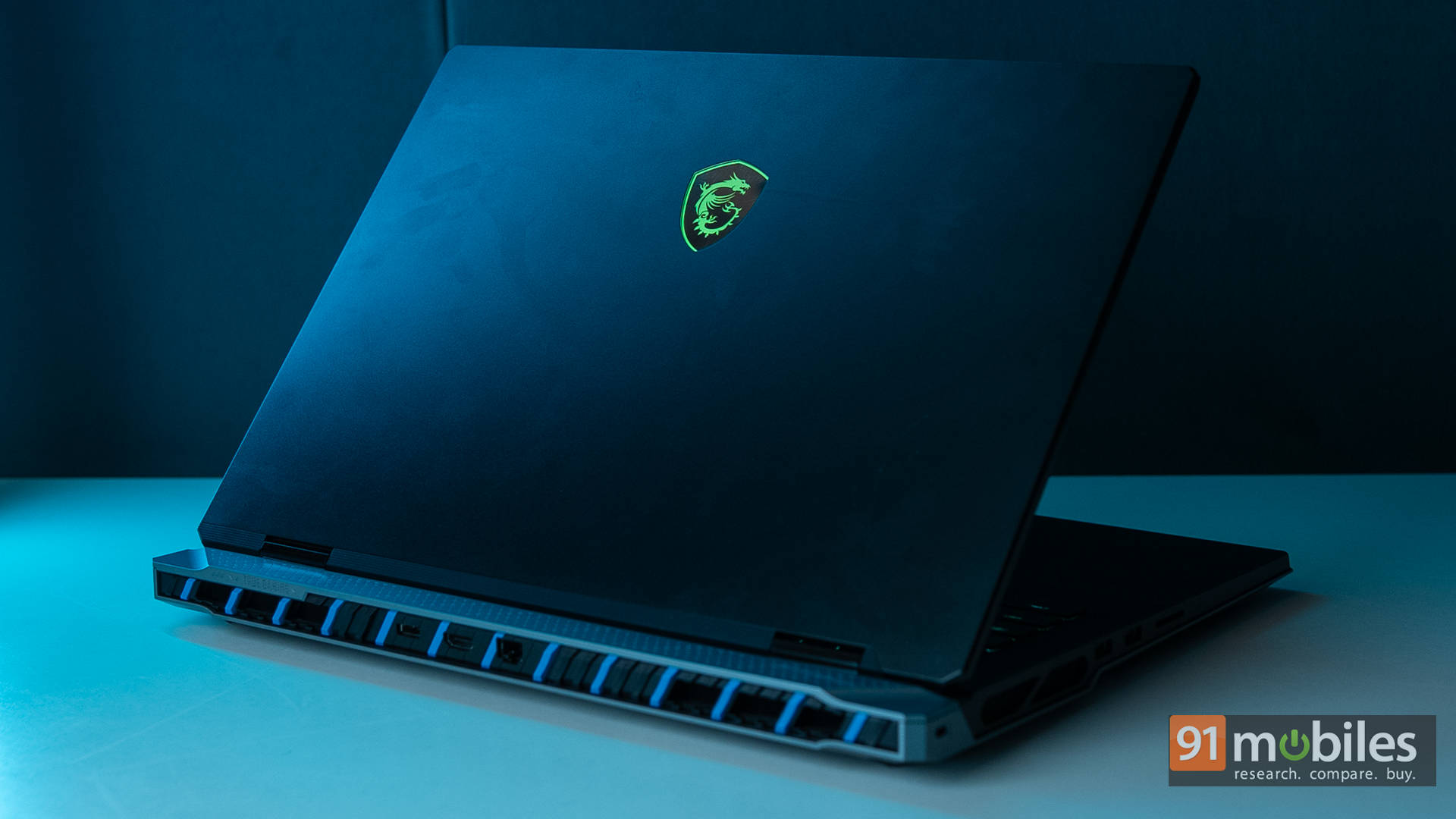
Of course, it’s massive, heavy, and costs a small fortune. But if you’re in the market for the best of the best and don’t mind the size (or the fan noise), the Titan 18 HX AI delivers the ultimate bragging rights in portable performance.
Editor’s Rating: 9.5 / 10
Pros:
- Good performance for everyday use
- Stunning 18″ 4K Mini-LED HDR1000 display
- Blazing-fast 6TB PCIe Gen 5 RAID 0 storage
- Thunderbolt 5 for high-speed accessories
Cons:
- Big and heavy
- Fans get loud under load
- Very expensive
Gigabyte AORUS Master 16
The Gigabyte AORUS Master 16 is a performance-first beast. With an RTX 5080 GPU and Core Ultra 9, it edges close to RTX 5090 territory while staying (relatively) wallet-friendly at around ₹3 lakh. Its 240Hz OLED panel is jaw-dropping, and upgrade options like dual Gen 5 SSD slots make it future-ready.
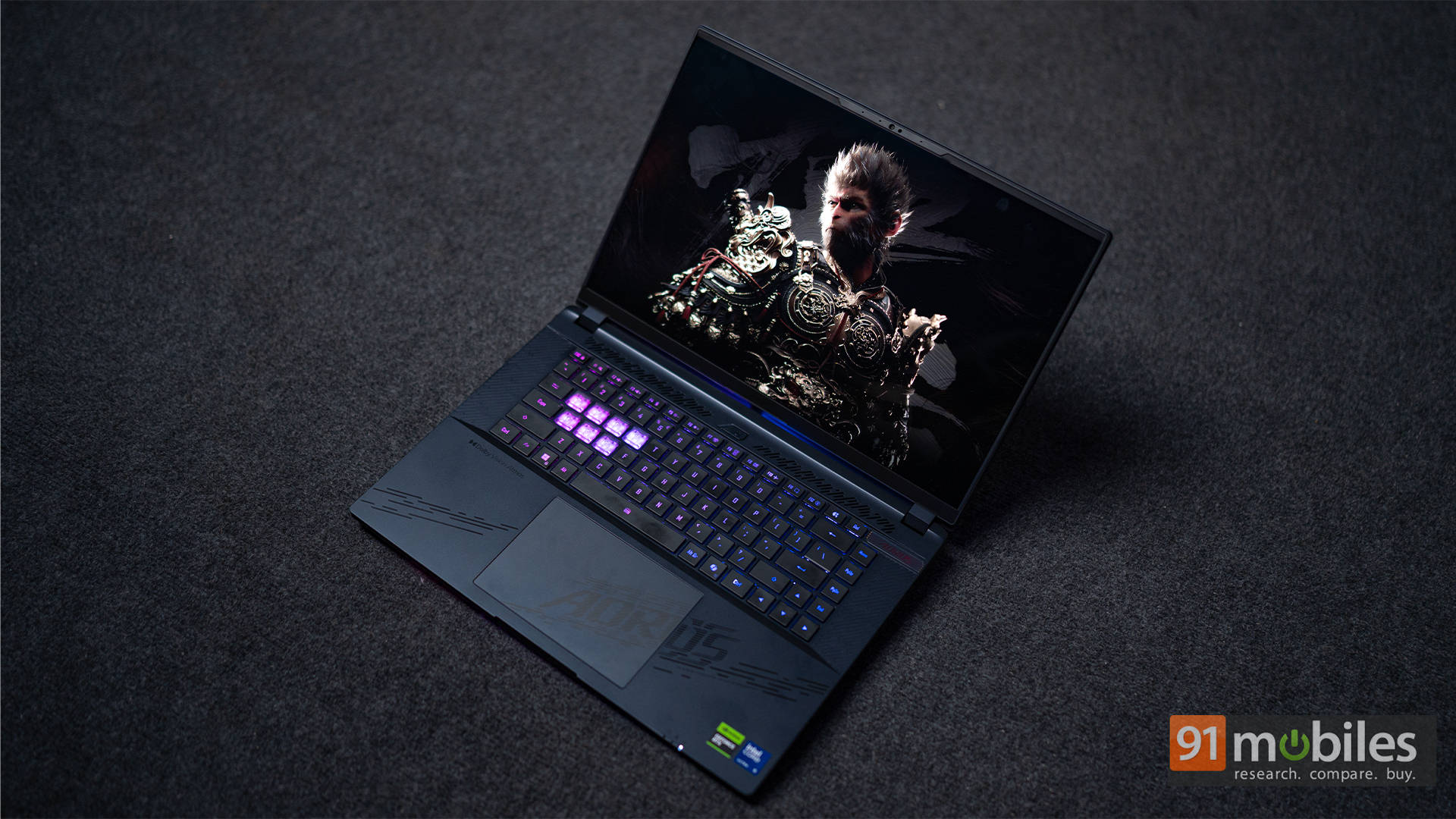
That power comes at a cost: the design is bulky, fans get loud, and the mostly plastic build feels less premium. But for gamers and creators chasing raw horsepower above all else, this is one of the strongest options on the market right now.
Editor’s Rating: 8.8 / 10
Pros:
- Top-tier performance with RTX 5080 & Core Ultra 9
- Stunning 240Hz OLED panel with HDR support
- Dual M.2 slots with Gen 5 SSD support
- Excellent port selection
Cons:
- Bulky design with mostly plastic build
- Loud fans under heavy load
ASUS TUF Gaming F16 FX608
The ASUS TUF Gaming F16 FX608 embodies the no-nonsense DNA of the TUF brand. For ₹1,79,990, it delivers excellent RTX 5070 gaming performance, backed by a colour-accurate 2.5K 165Hz display and robust thermals. It’s built tough, feels reliable, and offers a well-rounded gaming experience without crossing the ₹2 lakh mark.
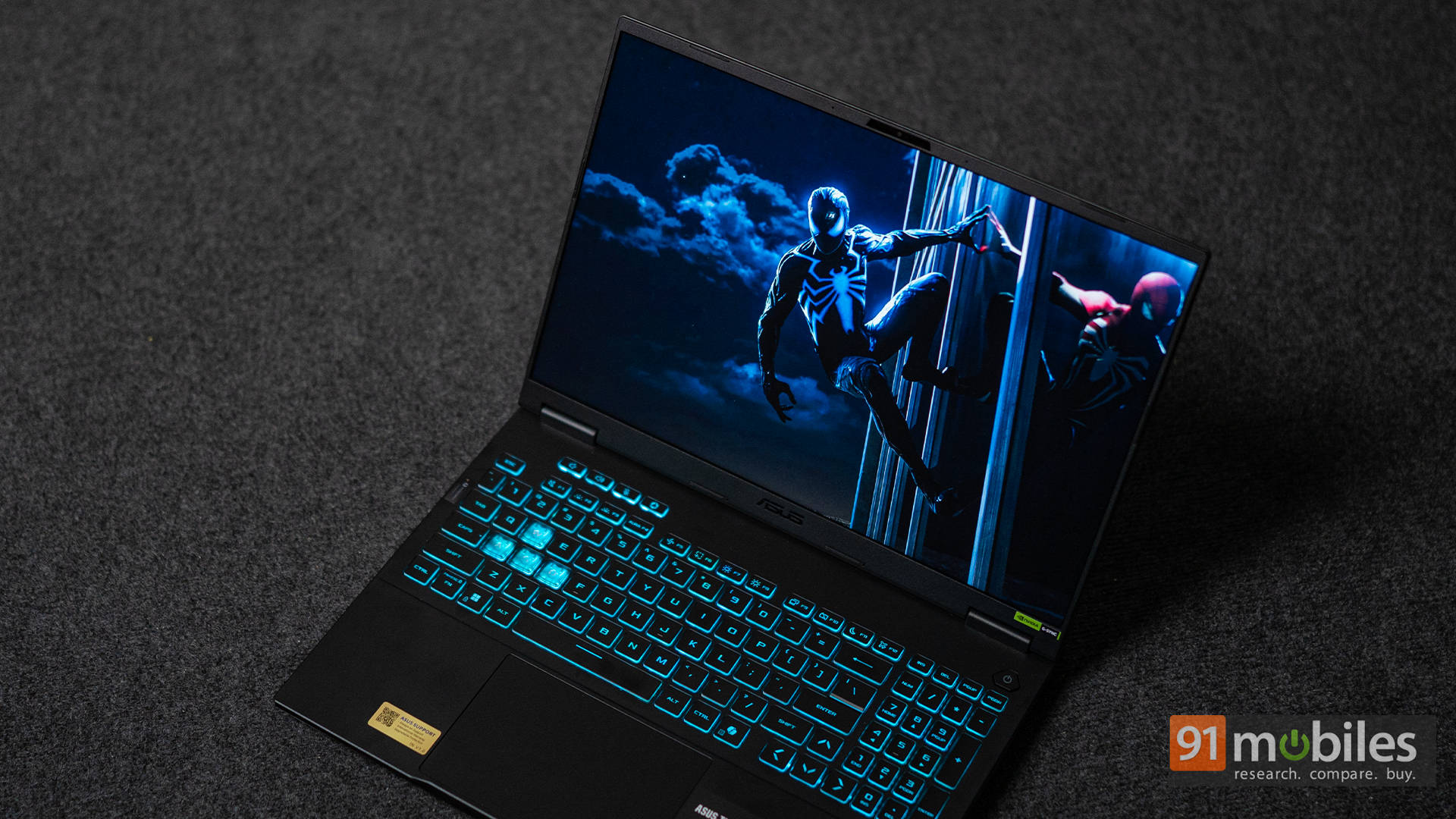
Its weaknesses are mostly peripheral, though. The speakers are mediocre, and the design may feel too utilitarian for some. Also, Intel’s 14th-gen chip, while powerful, isn’t the most efficient. Still, the F16 hits the sweet spot of performance and value in the upper midrange gaming laptop space.
Editor’s Rating: 8.3 / 10
Pros:
- Excellent RTX 5070 performance at a competitive price
- 2.5K 165Hz display is sharp, smooth, and colour-accurate
- Solid thermals with minimal throttling under load
- Plenty of ports, including Thunderbolt 4 and USB-C PD
Cons:
- Average audio quality
- Design may not appeal to those wanting a flashier look
- 14th-gen Intel CPU isn’t as power-efficient as the Core Ultra chips
ASUS TUF Gaming A16 (2025)
The ASUS TUF Gaming A16 shows what value looks like in 2025’s gaming laptop market. Its Ryzen 9 8940HX is a beast, and while it ships with only 16GB RAM, the performance per rupee is excellent. Add a RAM upgrade, and suddenly you’ve unlocked a machine that can rival pricier Intel setups.
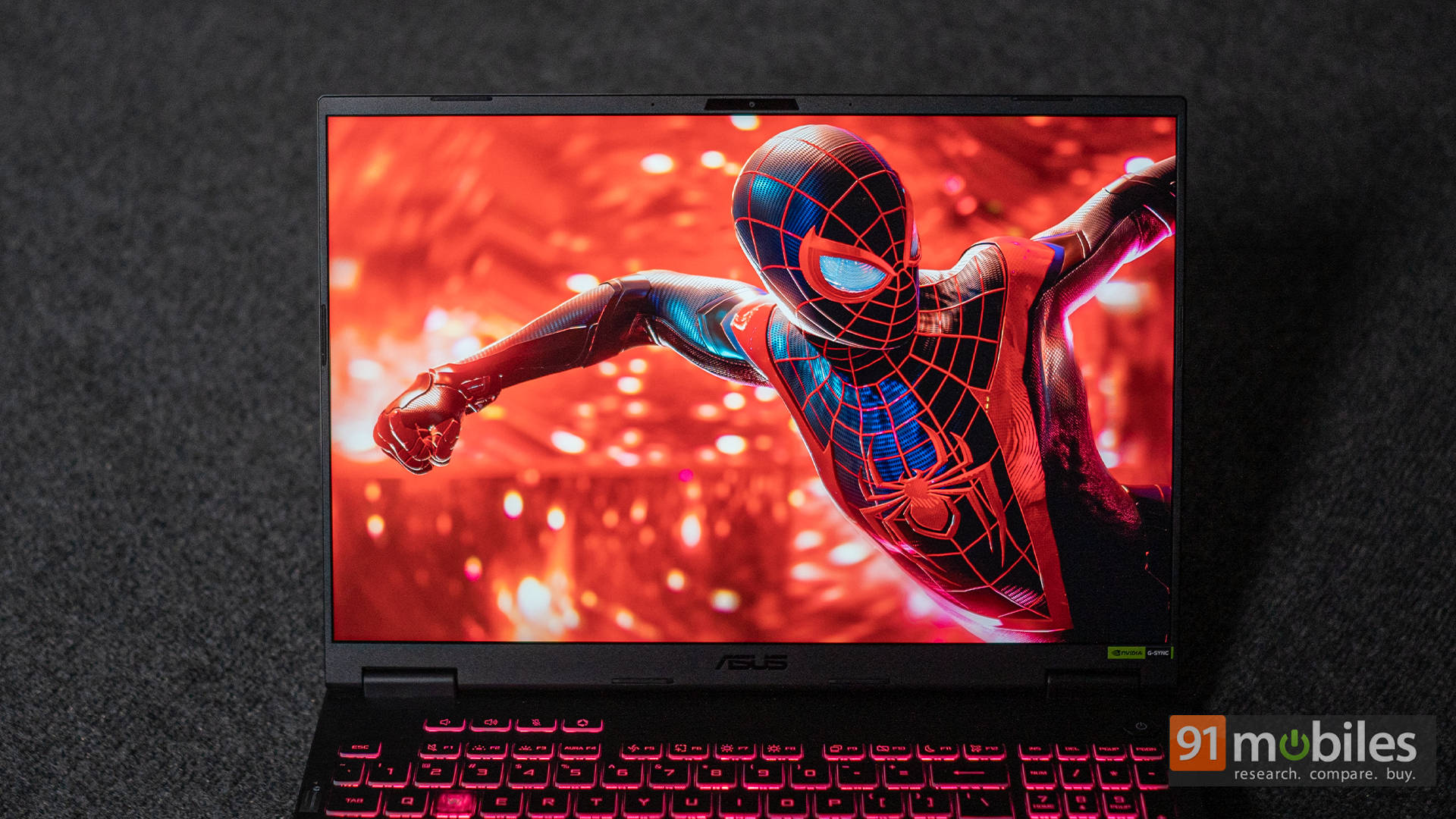
It’s also more efficient on battery compared to its sibling, the F16, making it ideal for longer unplugged sessions. The speakers don’t impress, but everything else, from thermals to gaming chops, makes this a smart pick for gamers who don’t mind tinkering.
Editor’s Rating: 8.2 / 10
Pros:
- A similar package as TUF F16 for ₹10K less
- Comparable gaming performance to F16
- Better performance while on battery
- Upgradeable RAM and storage
Cons:
- Ships with only 16GB RAM
- Average speakers
HP Victus 15-fa2009xx (2025)
The HP Victus 15-fa2009xx is a budget gaming laptop that plays it steady. Armed with an RTX 5060 at 80W, 24GB of RAM, and a 1TB SSD, it offers smooth gaming performance and plenty of multitasking headroom. Its cooling system is restrained yet effective, and the display works fine for both games and content.
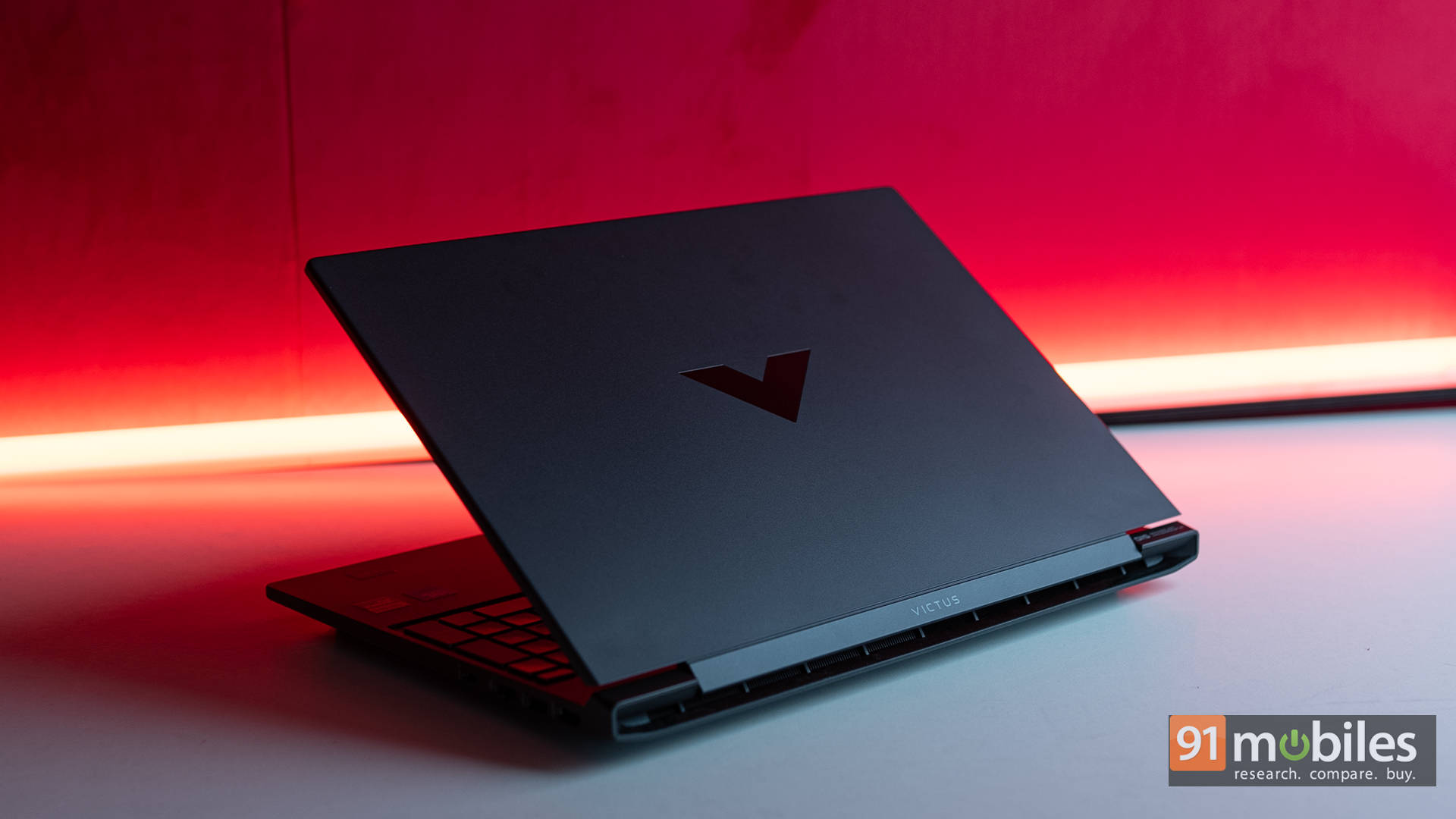
The build, however, raises eyebrows with a wobbly hinge, and the quirky dual-SSD setup feels odd. RGB lighting is minimal, and the lack of a MUX switch limits its competitive edge. Even so, for around ₹1.2 lakh, it’s a solid gaming companion if you’re okay with a few quirks.
Editor’s Rating: 7.5 / 10
Pros:
- Strong RTX 5060 performance
- Runs cool with solid thermals
- 24GB RAM for smoother multitasking
- USB-C charging with DisplayPort support
Cons:
- Wobbly hinge design lacks confidence
- Odd dual 512GB SSD setup
- Limited RGB lighting