Lens shift: How OPPO, Vivo and Xiaomi are moving the zoom game ahead


No flagship phone qualifies for the crown without having “solved” the zoom issue. We’ve come a long way from the days of the Samsung Galaxy S4 Zoom, which was more of a digital camera with a SIM card slot. Periscope lenses, folded lenses, sensor cropping, motorised optics…we’ve witnessed it all, and yet every new flagship smartphone’s keynote uses the camera slides as its zenith moment.
OPPO, Vivo and Xiaomi have all launched their “ultra” models for the year, which by definition are the pinnacle of what each brand’s engineering teams are capable of, cost notwithstanding. All three of them make very different bets on how much reach you’ll pay for and tolerate fiddling with. The OPPO Find X9 Ultra, Vivo X300 Ultra and Xiaomi 17 Ultra are the clearest proof yet that “best camera phone” has stopped being one race and become three separate arguments about what a phone camera is actually for.
Table of Contents
The all-in-one
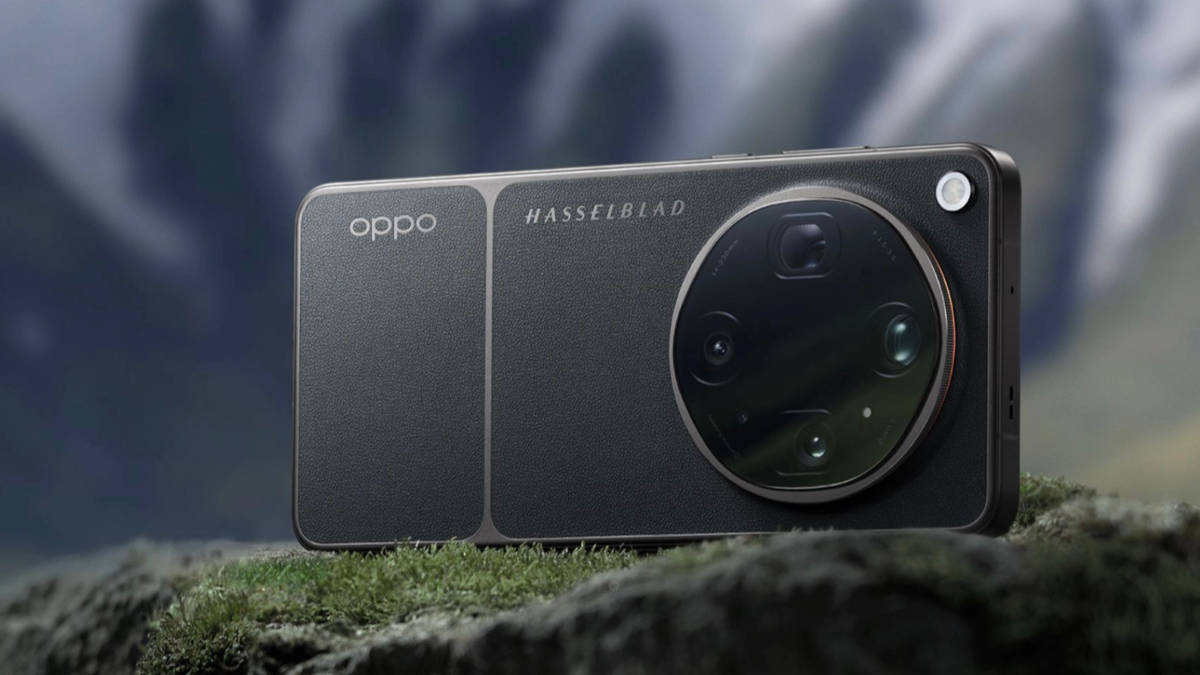
OPPO’s bet is on convenience, and honestly, it is the most practical of the lot. The Find X9 Ultra (review) folds a Quintuple Prism Reflection Periscope (yes, that’s the real name) five times inside the chassis to deliver a native 50MP, f/3.5, 10x optical lens, no accessories, no extra kit. OPPO believes that most buyers will never own a second lens or always have it on them, so build the best zoom you can into the body and stop pretending otherwise.
While the theoretical appeal of an external teleconverter kit is obvious due to its promise of DSLR-like reach from a smartphone, the reality is usually less glamorous. You’re carrying extra glass, adapter mounts, and constantly losing lens caps.


Instead of relying on bolt-on optics, it builds serious zoom capability directly into the device, pairing a large 200MP main sensor with a substantial 3x telephoto and a genuine long-range periscope lens. The Hasselblad collaboration on the Find X9 Ultra isn’t just a filter slapped on top of the image; it’s a hardware-level effort with a 9-channel multispectral colour sensor tied directly to the dual 200MP array and that massive 10x optical periscope. What this really means is you completely bypass the artificial-looking, over-sharpened aesthetic that typically ruins long-range smartphone shots.
When you push the zoom past the usual limits, the phone retains genuine micro-contrast and an organic shadow roll-off rather than turning the frame into a crunchy, digitised mess. Backed by arguably the most ambitious optical glass layout on the market right now, the X9 Ultra ceases to feel like a phone with a great camera. It feels like a dedicated, camera-first imaging tool that just happens to make phone calls.
Modular approach
Vivo’s bet is the opposite: sell a system, not a phone. The X300 Ultra’s (review) native telephoto tops out at a fairly modest 3.5x (an 85mm Zeiss APO prime), but Vivo sells you the rest piece by piece, a 200mm extender, a 400mm extender, even a camera cage with cold-shoe mounts for monitors and mics.


The mount carries over from the X200 Ultra and X300 Pro, meaning Vivo isn’t selling a gimmick bolted to one phone; it’s selling lens compatibility across generations, the same trick Sony and Fujifilm use to keep buyers inside an ecosystem for a decade. If you already think in focal lengths and don’t mind a small camera bag, this is the most honest “phone as camera system” pitch on the market right now.
Aiming for precision
Xiaomi’s bet on ignoring the reach and chasing precision is the strangest of the lot. The 17 Ultra’s (review) Leica telephoto doesn’t jump between fixed focal lengths or crop digitally, it physically moves glass for a continuous 75-100mm zoom, exactly the range that flatters faces without flattening them into a passport photo. No 10x flex, no bolt-on ecosystem. Xiaomi is betting that most people zoom for portraits and street shots, not safaris, and that mechanical precision in a narrow band beats reach in a wide one.


Which is the right philosophy for you?
None of these phones is wrong, which is the uncomfortable part for anyone trying to crown a winner. Oppo suits the buyer who wants the best zoom without ever opening a second box. Vivo suits the one already comfortable spending on glass who wants brand continuity for it. Xiaomi suits the one who shoots people more than landmarks. The spec sheet only tells you who has the bigger number, but the actual decision is based on how far you are willing to go for the perfect shot without actually travelling the distance.