MSI has unveiled a major refresh of its laptop portfolio at CES 2026, introducing a redesigned Prestige series for business and productivity users. Along with next-generation updates to its Raider, Stealth and Crosshair gaming laptops. All the new models are powered by Intel’s latest Core Ultra Series 3 processors, with gaming variants also featuring NVIDIA GeForce RTX graphics.
Table of Contents
Availability
MSI says pre-orders for the new Prestige series will begin on January 6, 2026, with official sales starting on January 27. Availability of gaming models will vary by region and configuration, with further details expected in the coming months.
Overall, MSI’s CES 2026 lineup shows a clear attempt to unify design, performance and AI capability across its product range, responding to a market where users expect one device to handle work, creation, entertainment and gaming rather than buying separate machines for each role.
The announcements reflect MSI’s broader push to modernise its design language across segments while aligning its performance roadmap with the next wave of AI-capable PC platforms.
Prestige series targets professionals and creators
The centrepiece of MSI’s business-focused launch is the all-new Prestige lineup, which includes the Prestige 14, Prestige 16, and their Flip 2-in-1 variants. These models feature slimmer profiles, more rounded chassis designs and full aluminium construction, marking a clear shift toward a more premium and minimalist aesthetic.
MSI says the new Prestige laptops are aimed at professionals who want a balance between portability, performance and design. The Prestige 14 weighs around 1.32 kg, while the larger Prestige 16 comes in at roughly 1.59 kg. Both are built around Intel Core Ultra Series 3 processors and are paired with Intel Arc integrated graphics, large 81Wh batteries, and upgraded thermal systems designed to sustain performance quietly.
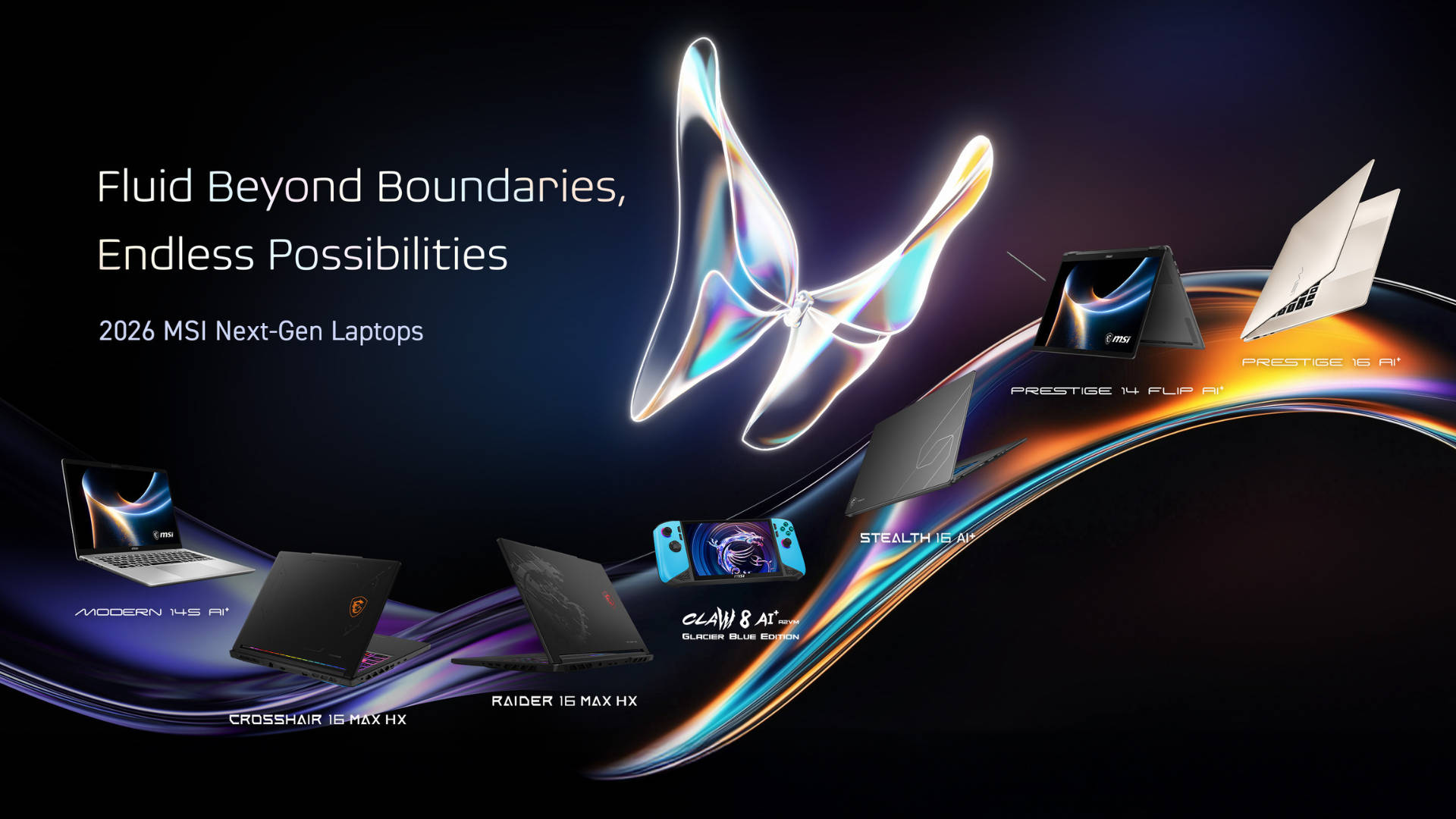
Battery life is rated at over 30 hours of video playback in supported configurations, positioning the Prestige series as long-duration productivity machines rather than performance-first laptops.
The Prestige Flip models add touch-enabled displays and stylus support, bundled with MSI’s Nano Pen. The pen supports fast charging and includes a dedicated Copilot activation function, reflecting MSI’s focus on AI-assisted workflows. Other additions include a larger “Action Touchpad” with customizable gesture zones, OLED display options with high refresh rates, and enterprise-grade security features such as TPM 2.0, biometric login and presence-based auto-lock.
MSI is also expanding the lightweight end of the lineup with the Prestige 13 AI+, which weighs under 900 grams. It is positioned as a highly portable business device with enterprise-grade security and AI-enabled processing in a compact form factor.
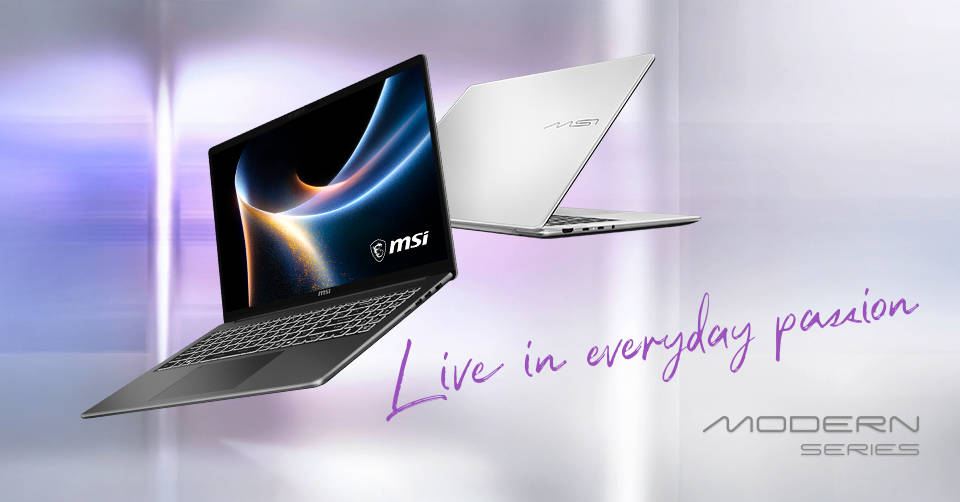
Gaming lineup updated with new designs and higher power budgets
Alongside the Prestige series, MSI introduced refreshed versions of its Raider, Stealth and Crosshair gaming laptops. These models feature redesigned chassis, updated thermal systems and revised I/O layouts based on user feedback, according to the company.
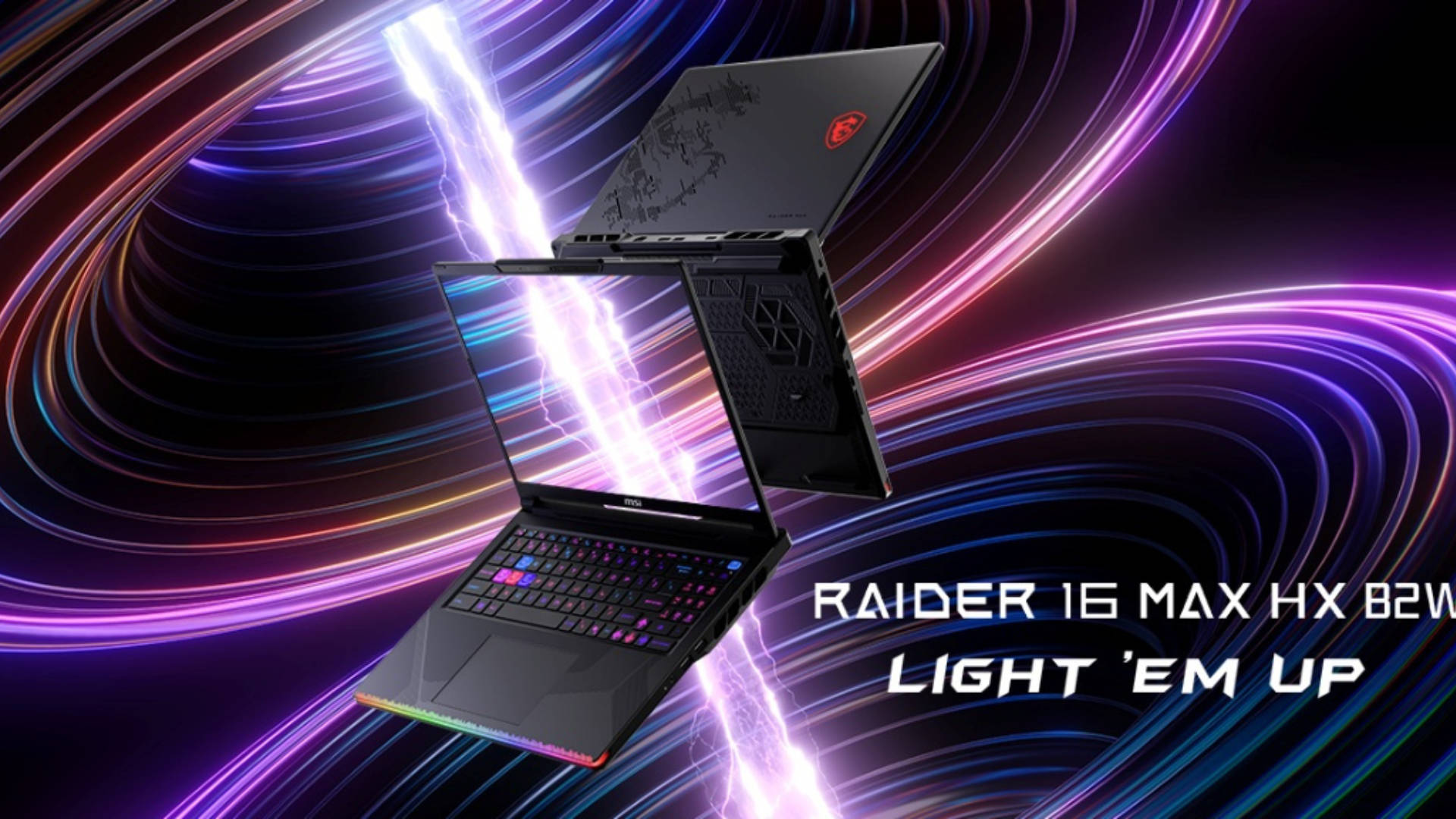
The Raider 16 Max HX is positioned as the flagship gaming model, with MSI claiming up to 300W of total system power in supported configurations. It pairs high-wattage Intel processors with RTX 50-series GPUs and uses a new multi-fan thermal system to manage sustained loads. MSI has also focused on improving upgradability with easier access to memory and storage.
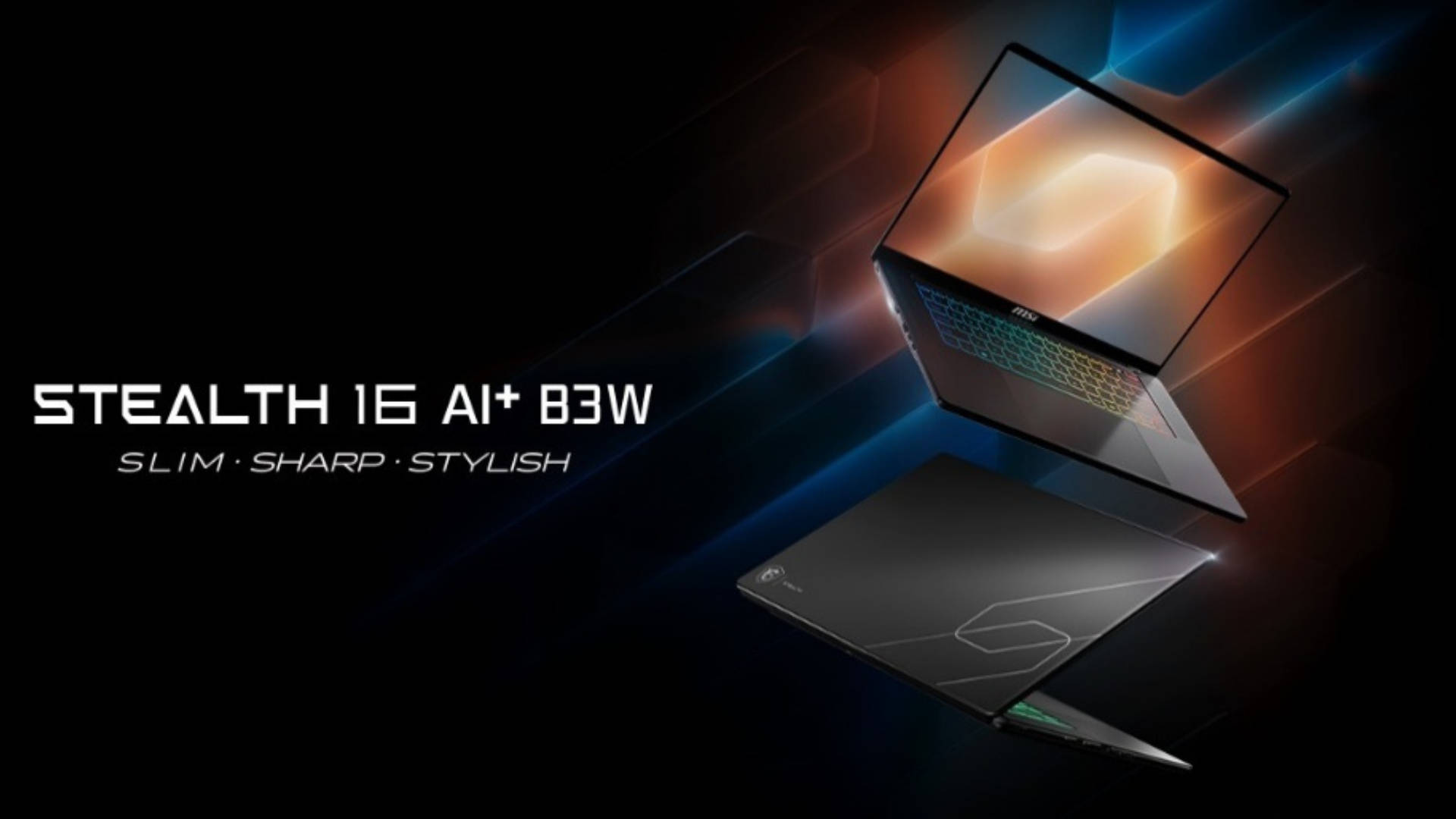
The Stealth 16 AI+ continues MSI’s thin-and-light gaming approach, offering high-end GPU configurations in a slimmer, sub-2 kg body, with an emphasis on balancing portability and performance. The model recently received a CES Innovation Award, reinforcing its positioning as a premium hybrid between gaming and creative workloads.
The Crosshair series, meanwhile, targets mainstream gamers, offering high refresh rate OLED displays, strong CPU and GPU performance, and a bold RGB-focused design at more accessible price points.
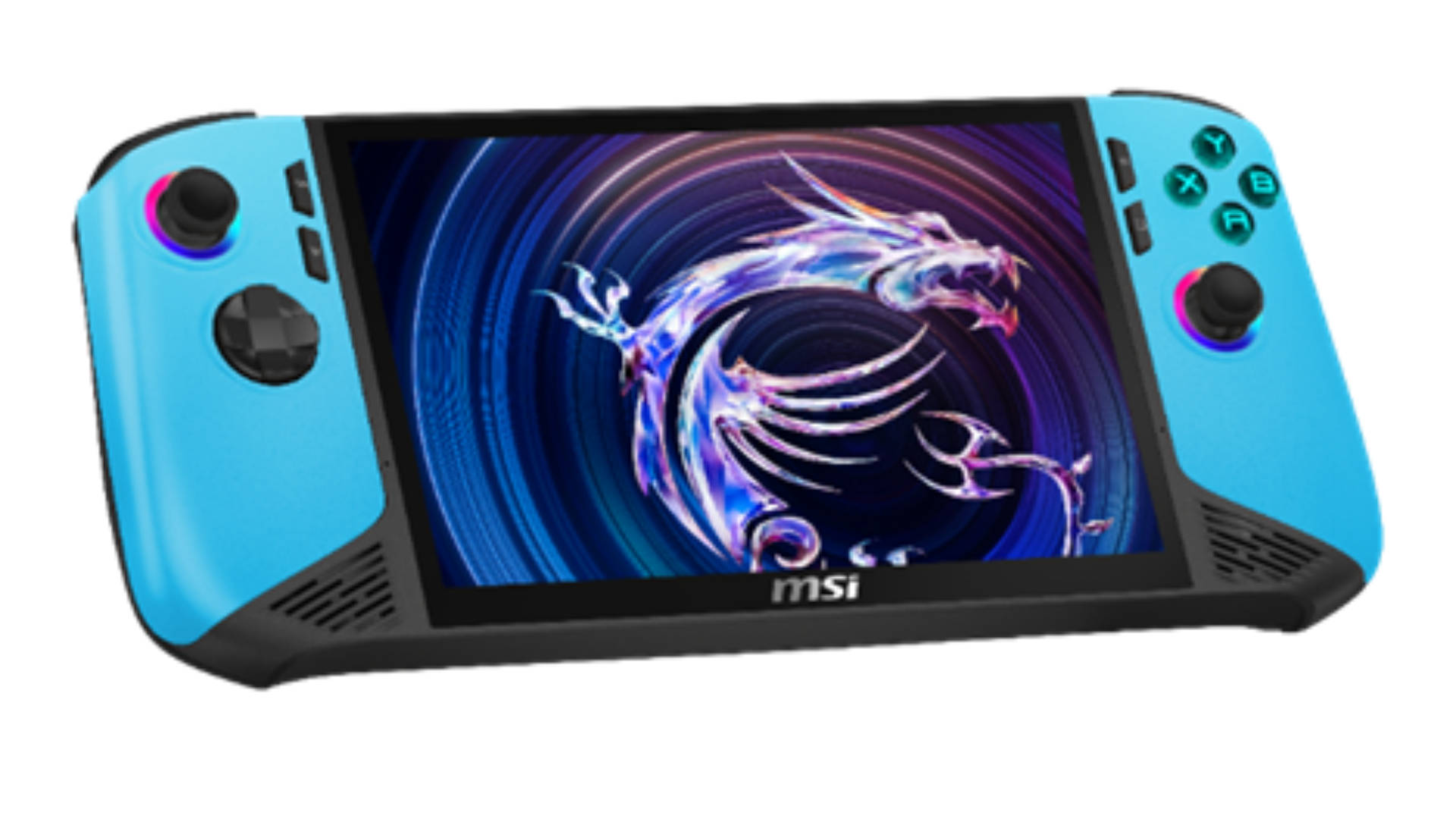
MSI also introduced a special Glacier Blue edition of its Claw 8 AI+ handheld, focusing primarily on design refresh rather than hardware changes.
Market context: convergence of work, AI and gaming
MSI’s CES announcements reflect a broader shift in the PC market, where traditional category boundaries are becoming less rigid. Business laptops are increasingly expected to handle creative and AI workloads, while gaming laptops are being designed to double as portable workstations.
By aligning its entire portfolio around Intel’s Core Ultra Series 3 platform, MSI is signalling its intent to build a consistent hardware and AI experience across segments, rather than maintaining separate architectural paths for business, gaming and everyday users. This puts MSI in direct competition with brands like ASUS, Lenovo and HP, all of whom are chasing a similar “do-everything” laptop vision. The difference will come down to execution thermals, tuning, battery life and real-world usability rather than raw specifications alone.
Who should consider these new MSI laptops?
For buyers, the new lineup makes the most sense if you are upgrading from a three- to four-year-old laptop and want a system that can comfortably handle work, creative tasks, light AI workloads, and even gaming without juggling multiple devices. In that scenario, models like the Prestige 16 or the Stealth 16 AI+ stand out as versatile, future-ready options.
If you already own a 2025-era premium laptop with similar performance and battery life, the upgrade may be less compelling unless you specifically want the newer AI features, lighter designs or improved thermals. The jump will feel more meaningful for users coming from older Intel 11th or 12th Gen systems, or early Ryzen 4000/5000 machines.
For those shopping with longevity in mind, the move to Intel’s Core Ultra Series 3 platform does make these laptops more future-facing than many current models. That said, real-world performance, battery life and thermal behaviour will vary significantly by configuration and chassis, so waiting for independent reviews of specific models remains the sensible approach before making a buying decision.

HP OmniBook 3 / 5 / 7 first impressions: a simplified lineup with something for everyone

Dell UltraSharp at CES 2026: Bigger, Brighter, and Built for Serious Work

HyperX OMEN 15, OMEN 16, and OMEN MAX 16 first impressions: HP takes gaming seriously