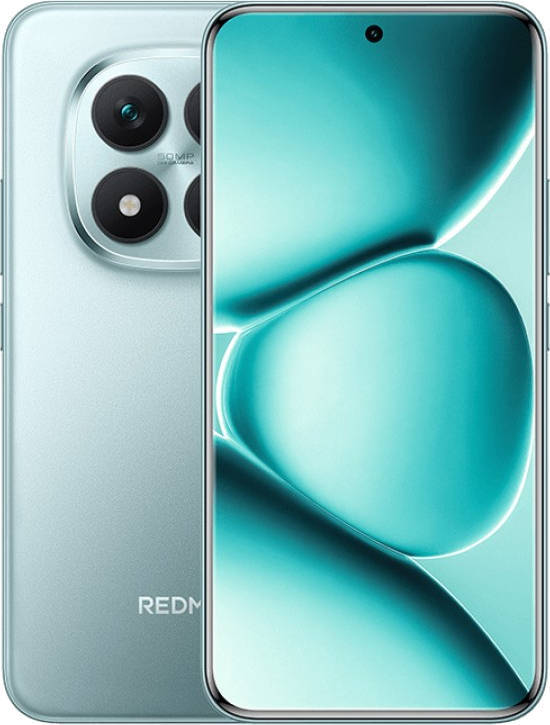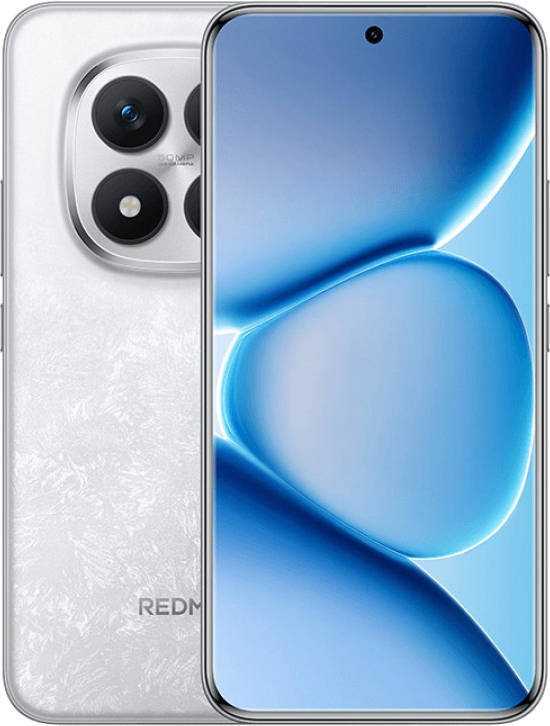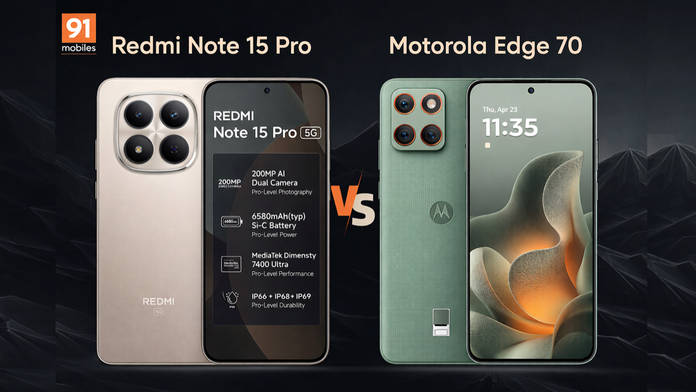
At around Rs 30,000, the Redmi Note 15 Pro and Motorola Edge 70 are aimed at the same buyer: someone who wants a dependable mid-range phone that feels like an upgrade without wandering into flagship territory. Redmi nudges its best-selling Note series upmarket with a bigger battery, a 200MP camera, and a strong focus on durability and media. Motorola, meanwhile, is out to prove that a super-slim phone doesn’t have to be a compromise, pairing a 5.99mm body with genuinely usable hardware, all-day battery life, and clean software. If you have a budget of Rs 30,000 for a smartphone and are confused about what to buy, read on.
Pricing
Both the Redmi Note 15 Pro and Motorola Edge 70 are priced at Rs 29,999, but offer different value. The Redmi Note 15 Pro starts at 8GB + 128GB for Rs 29,999 and goes up to 8GB + 256GB for Rs 31,999, with the Note 15 Pro+ sitting above if you want faster charging or more storage. It’s pretty much the most sought-after Note 15 model for buyers, and the roughly Rs 5,000 jump over the last gen makes it clear Xiaomi establishes this as a slightly more premium mid-range phone.
Motorola takes the opposite approach. The Edge 70 comes in just one 8GB + 256GB version at Rs 29,999. No cheaper base model, and no higher trim to tempt you.
Displays and audio: which one is built for content?
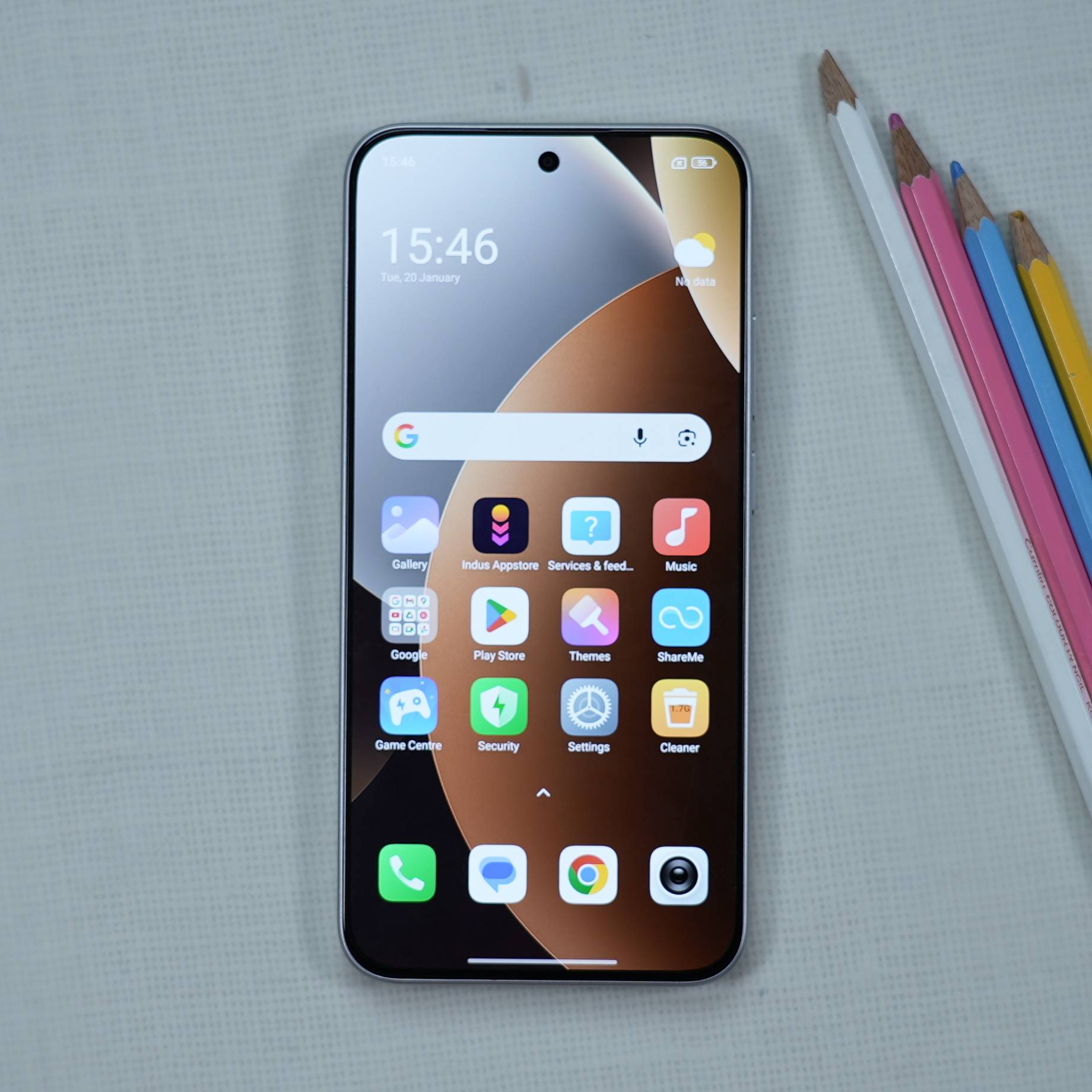
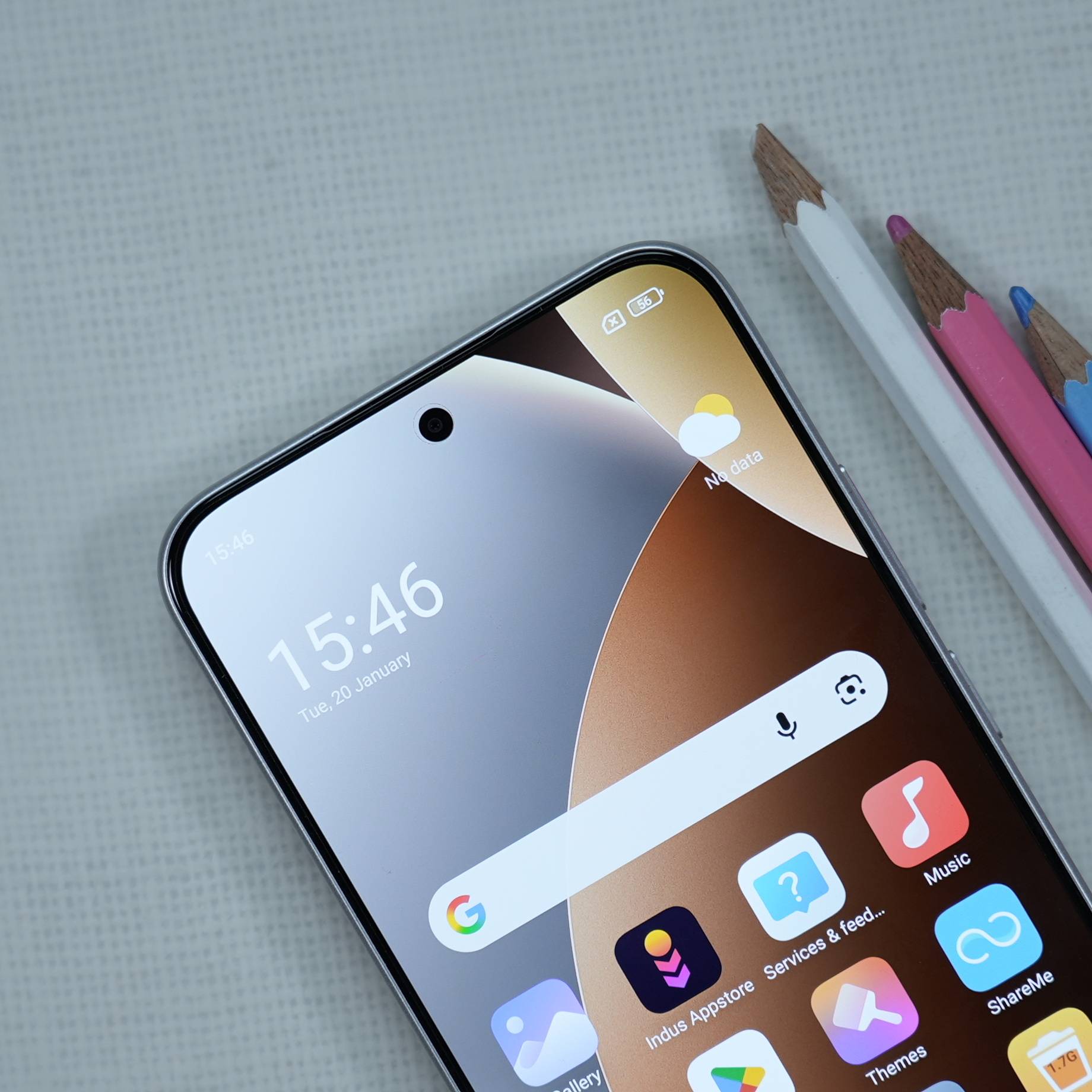
The Note 15 Pro is tuned for people who watch a lot of media on their phones. Its 6.83-inch AMOLED panel is slightly larger and wider than the Note 14 Pro’s, but keeps the same fundamentals: 1.5K resolution, 120Hz refresh, full DCI-P3 coverage, plus HDR10+ and Dolby Vision. The big change is brightness. It now hits 1,600 nits in high-brightness mode and peaks at 3,200 nits, so harsh sunlight is no longer a problem. As per our review, it’s a screen that feels vibrant and immersive, whether you’re streaming, gaming, or just scrolling outside. Speakers help that pitch. With Redmi’s “400 percent audio boost”, they get very loud. Yes, they can distort at absolute full blast, but at around 90–100 percent they’re both loud and surprisingly good for this segment. If you watch a lot on speakers, they’re a genuine reason to pick this phone.
The Motorola Edge 70’s screen looks strong on paper too: a 6.7-inch flat pOLED with 1.5K resolution, 120Hz refresh, full DCI-P3, HDR10+ support, and Pantone-certified colours once you switch to the Natural profile. Colours are punchy, blacks are deep, and despite lower lab brightness numbers, it’s easy enough to use outdoors, as per our review. The issue is audio. The stereo speakers are loud enough and support Dolby Atmos, but the tuning is off. Mids and vocals sound a bit muffled, bass is almost nonexistent, and the volume falls away sharply once you drop to around 50 percent. The result is sound that feels flatter and less engaging than you’d expect at this price.
If you care about speakers as much as the screen, the Note 15 Pro is the clear pick. The Edge 70’s display is solid but its speakers are on edge.
Design and durability: solid or feather-light?
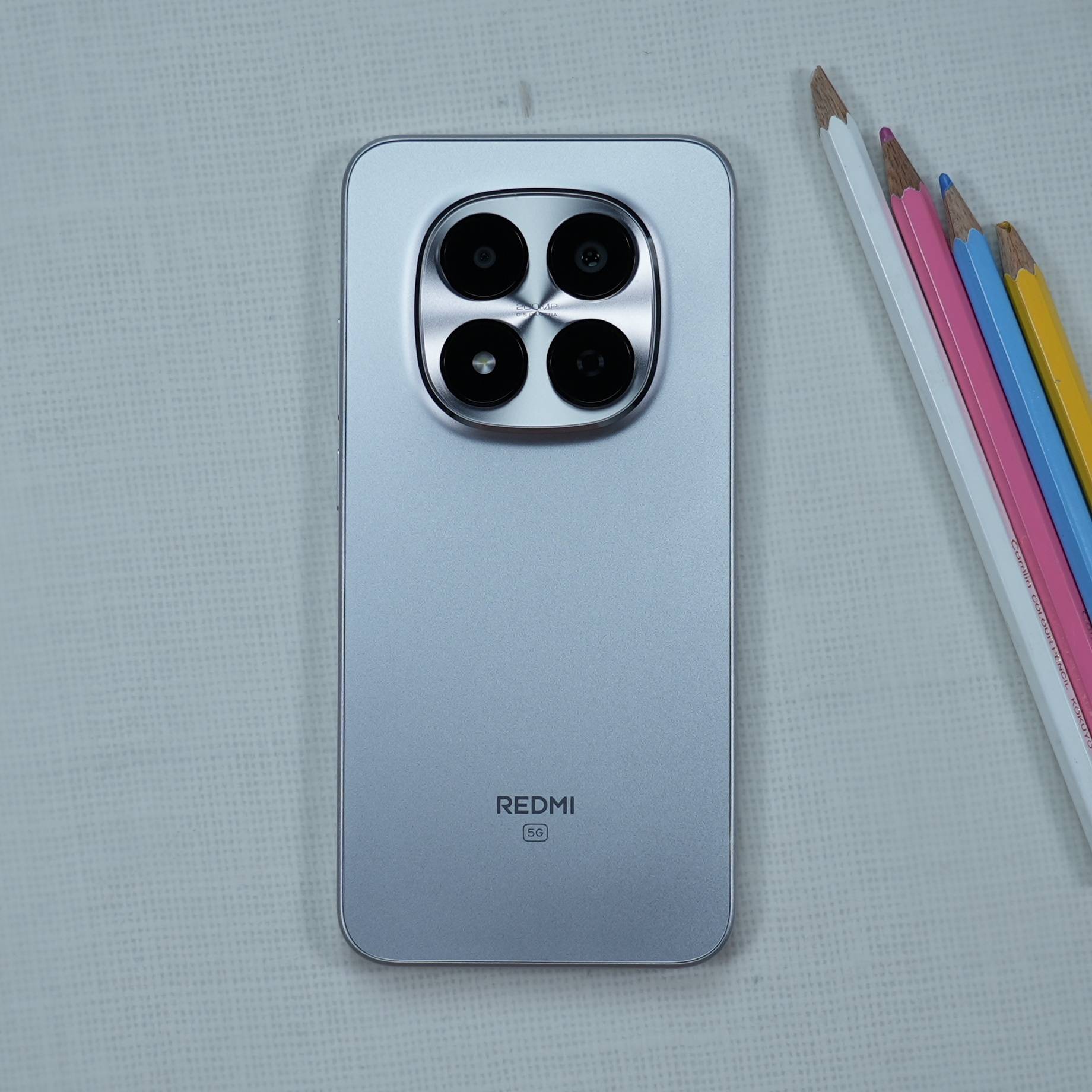
The Redmi Note 15 Pro plays it straight. You get a plastic build that feels sturdy, a matte rear that hides fingerprints well, and a flat front with slim bezels that cleans up the look compared to the previous model. On paper, 210 gms sounds chunky, but the weight is distributed well enough that it doesn’t feel like a brick. Where it really separates itself is durability: IP66, IP68, IP69, and IP69K ratings, plus Gorilla Glass Victus 2 on the display. It’s built to take dust, water, high-pressure sprays, and everyday knocks in stride.
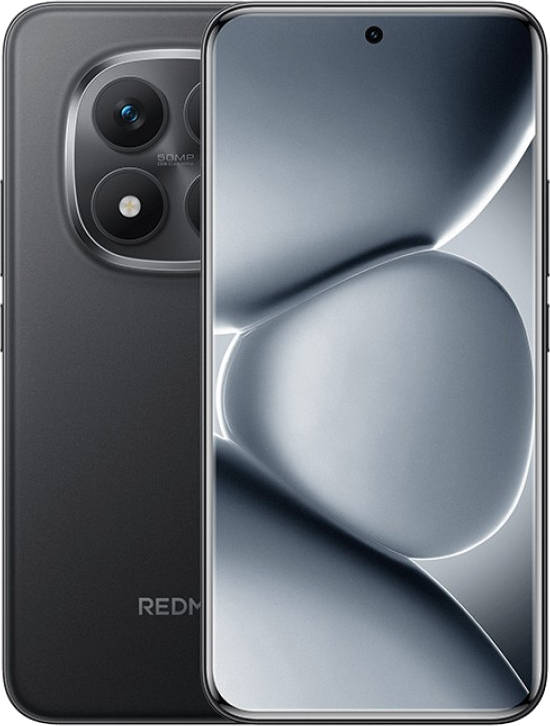
The Motorola Edge 70 is built around the idea of being thin and comfortable first. At 5.99mm and 159g, it’s one of the slimmest and lightest phones in the market currently, and you feel that straight away. There’s an aluminium frame and a silicone back with a fabric-like texture that improves grip and shrugs off smudges. The square camera island, blue rings around the cameras, and matching AI key add a bit of personality. Despite the profile, it still brings IP68 and IP69 ratings and MIL-STD-810H certification, so it’s not a fragile showpiece.
The choice comes down to preferences: the Note 15 Pro is tough, a bit utilitarian, built to last. The Edge 70 is more lifestyle-oriented that hooks you the second you pick it up and realise how light it is.
Performance: not breakthrough, but the Edge is evident
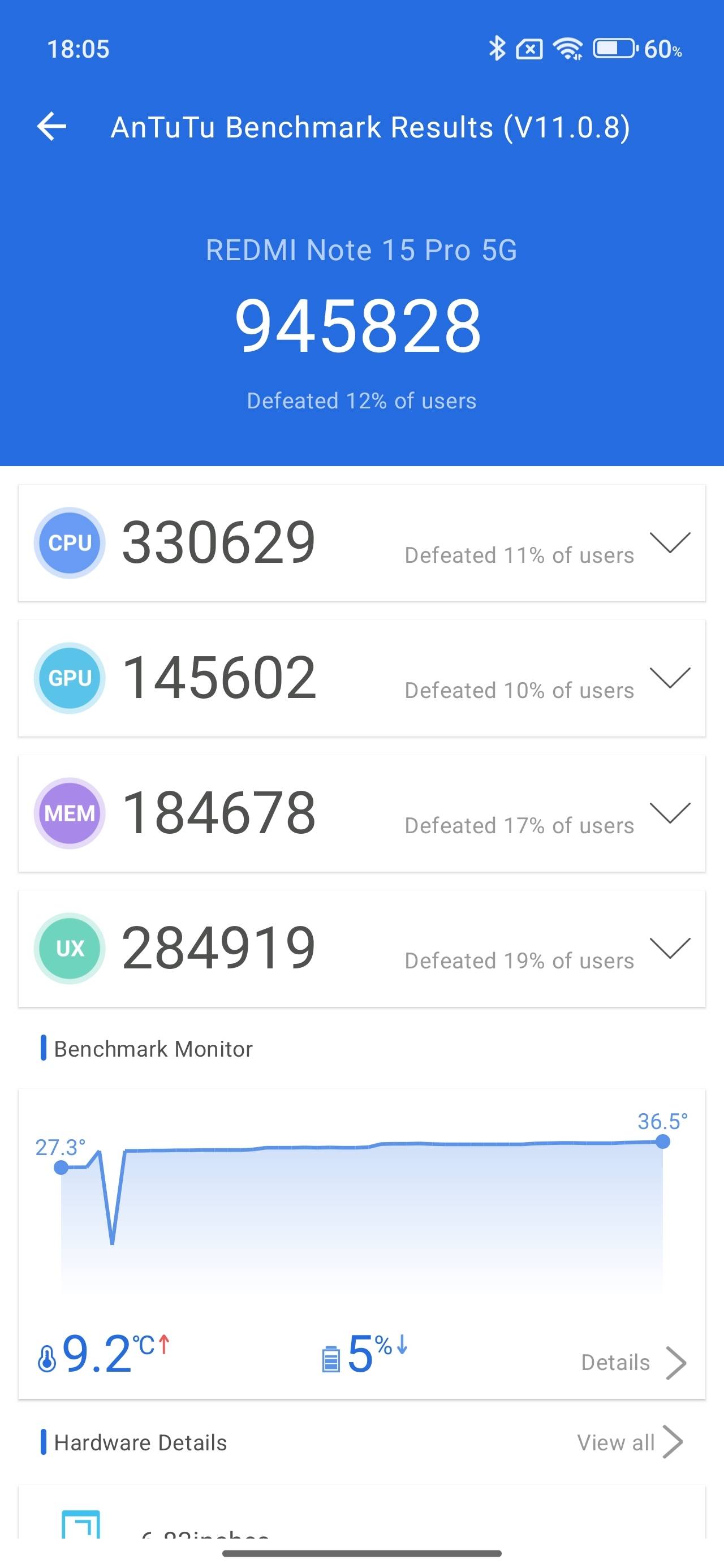
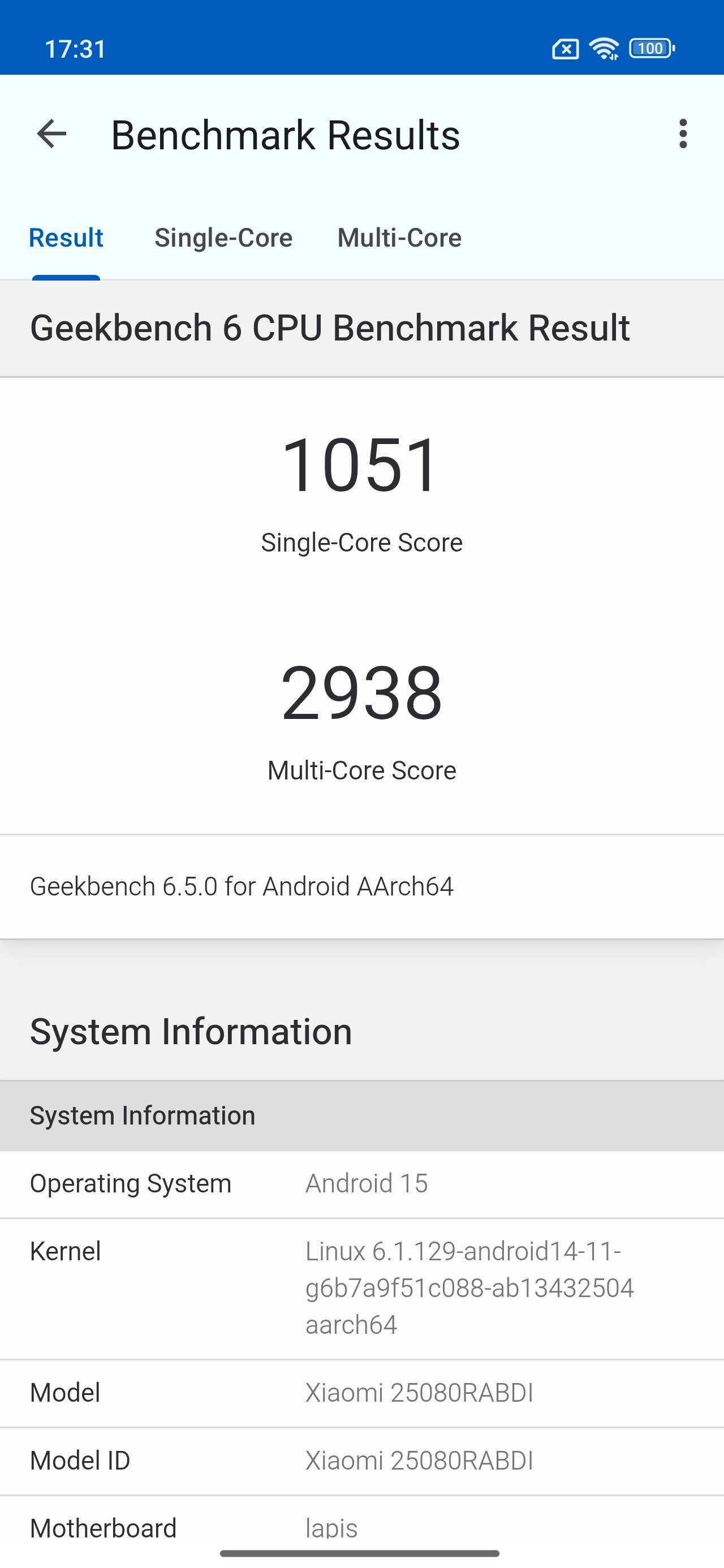
Performance-wise, neither phone is targeting power users. The Redmi Note 15 Pro uses the MediaTek Dimensity 7400-Ultra along with up to 8GB of LPDDR4X RAM and UFS 2.2 storage. It’s a small step up from the last generation and for everyday stuff like social apps, browsing, messaging, light productivity, it behaves exactly as you’d expect. Apps open in decent time, multitasking is fine, and you don’t see major stutters. Once you push it harder, the compromises become obvious. With extended gaming or heavy workloads, it heats up more than you’d like and starts to slow down sooner than you’d hope at this price. The older RAM and storage standards don’t help, and in 2026 they do feel dated on a Rs 30,000 phone if you care about longevity.


The Motorola Edge 70 answers with a Snapdragon 7 Gen 4, 8GB of LPDDR5X RAM, and 256GB of UFS 3.1. It’s still mid-range silicon, but backed by more current memory and storage. Daily performance is reliably smooth, multitasking is handled without fuss, and even more demanding games run well at reasonable settings. Thermals are also better controlled, so it stays comfortable to hold and doesn’t lose steam as quickly over longer sessions.
If your use is light or moderate, both are fine today. If you’re planning to stretch the phone over two or three years, the Edge 70 has a more future-proof setup.
Cameras: numbers vs consistency
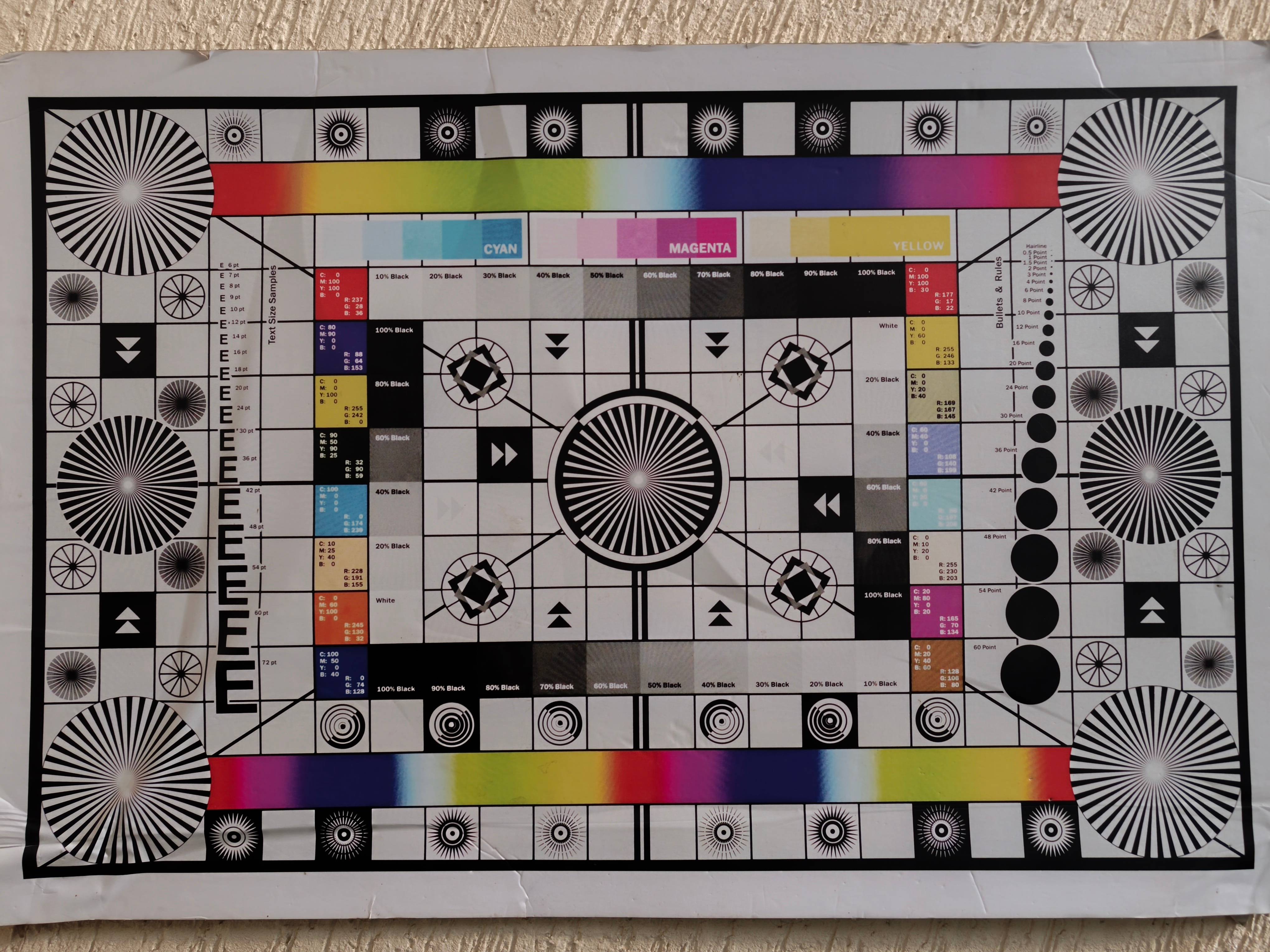
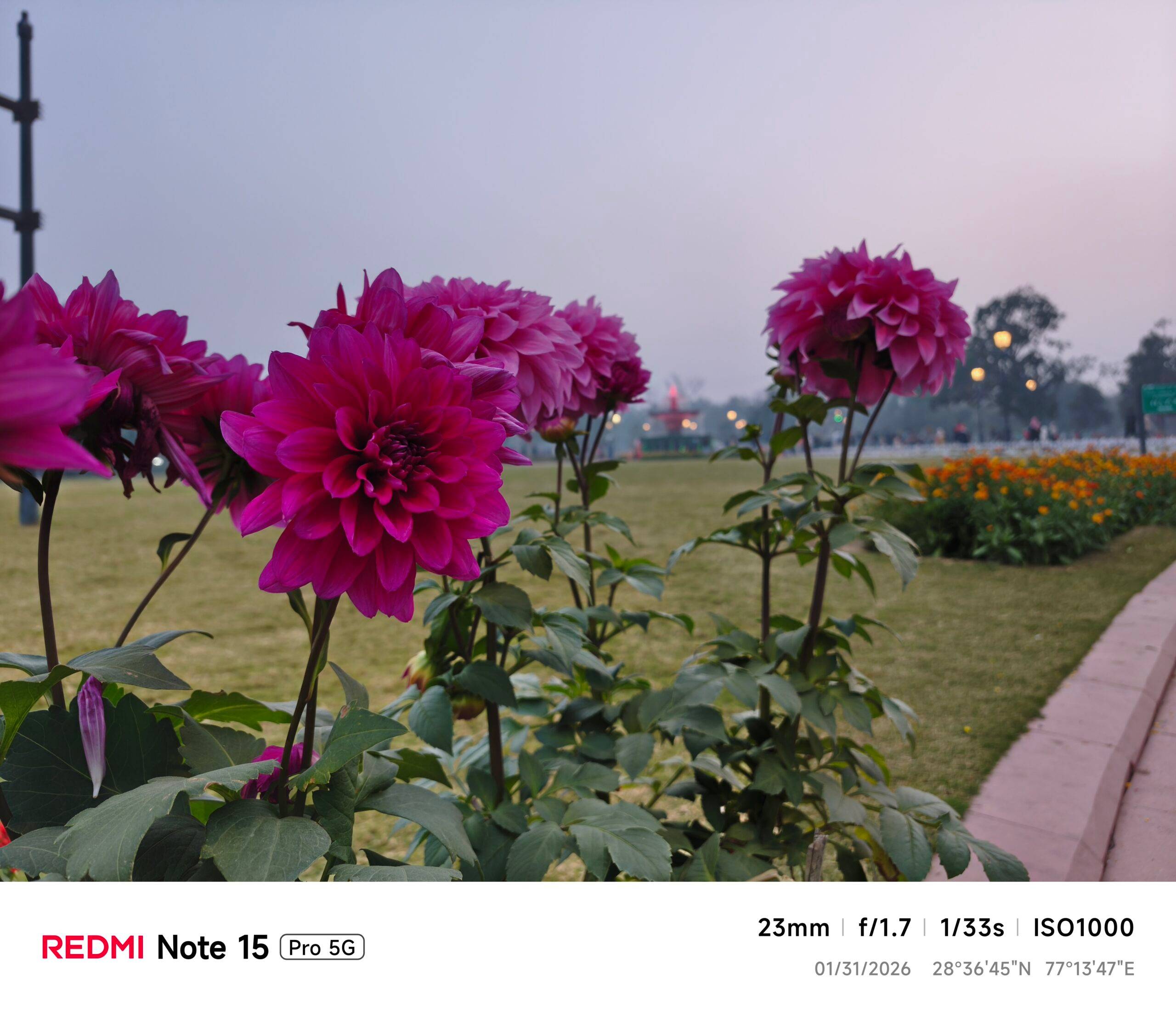
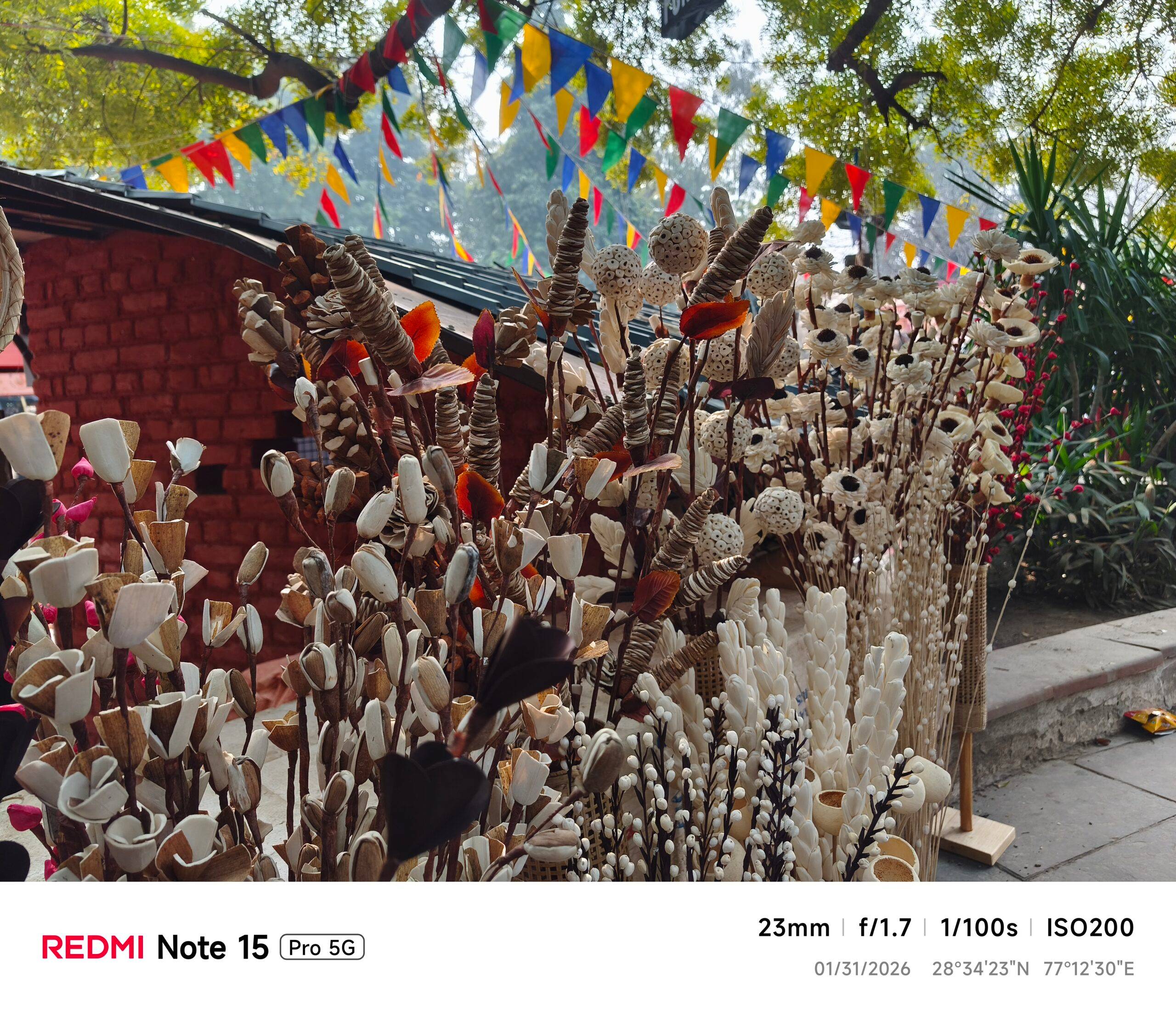
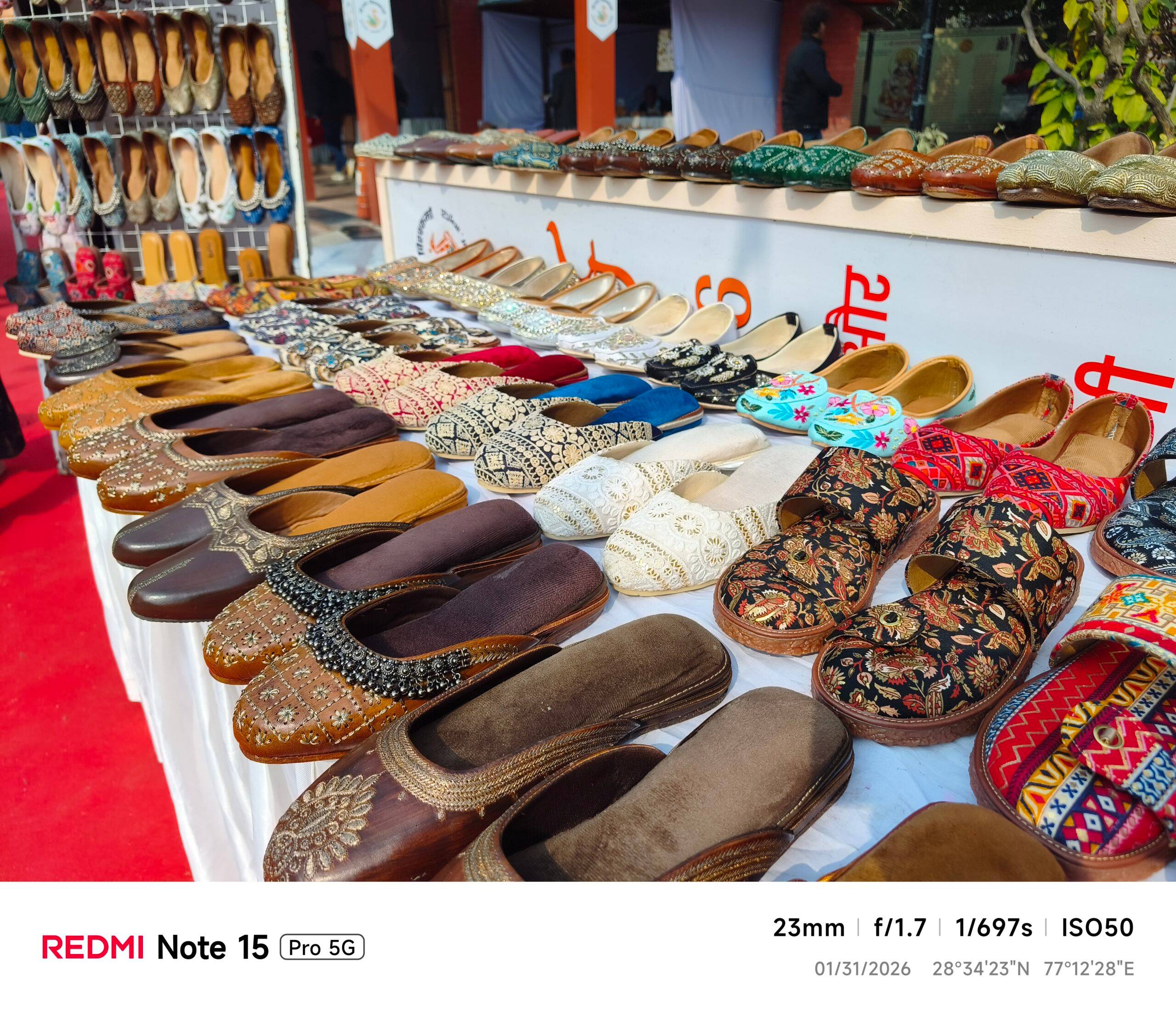
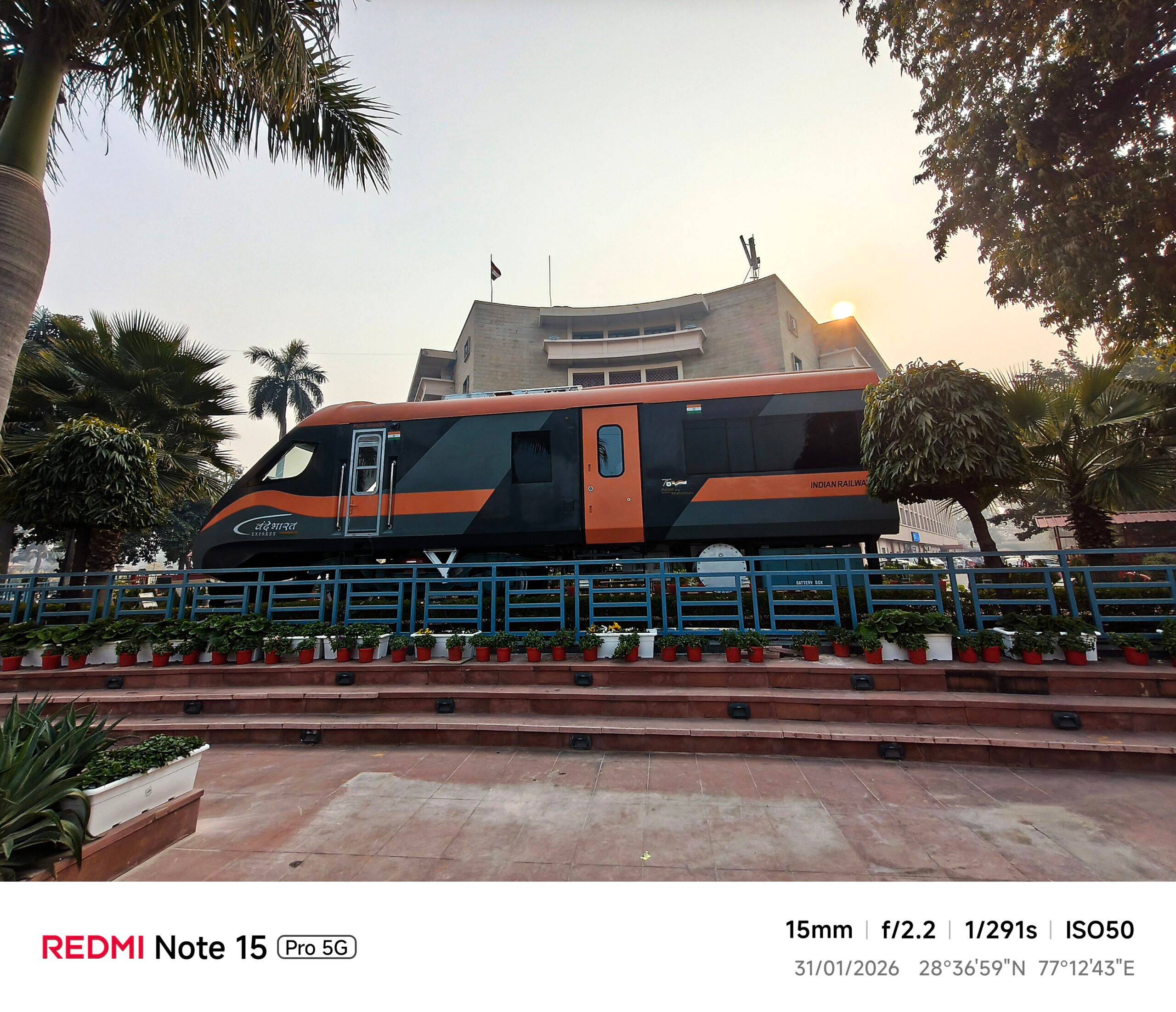
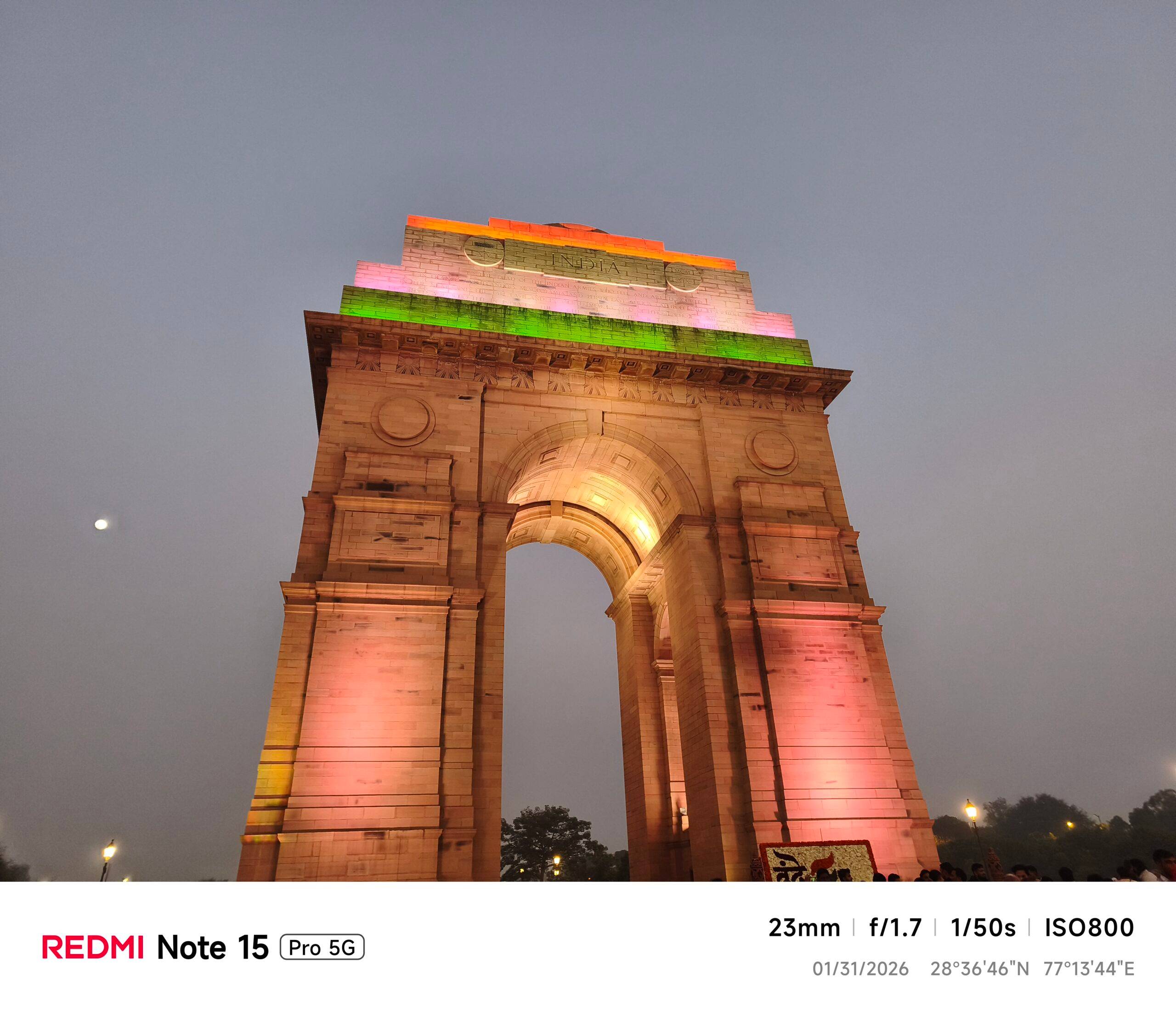
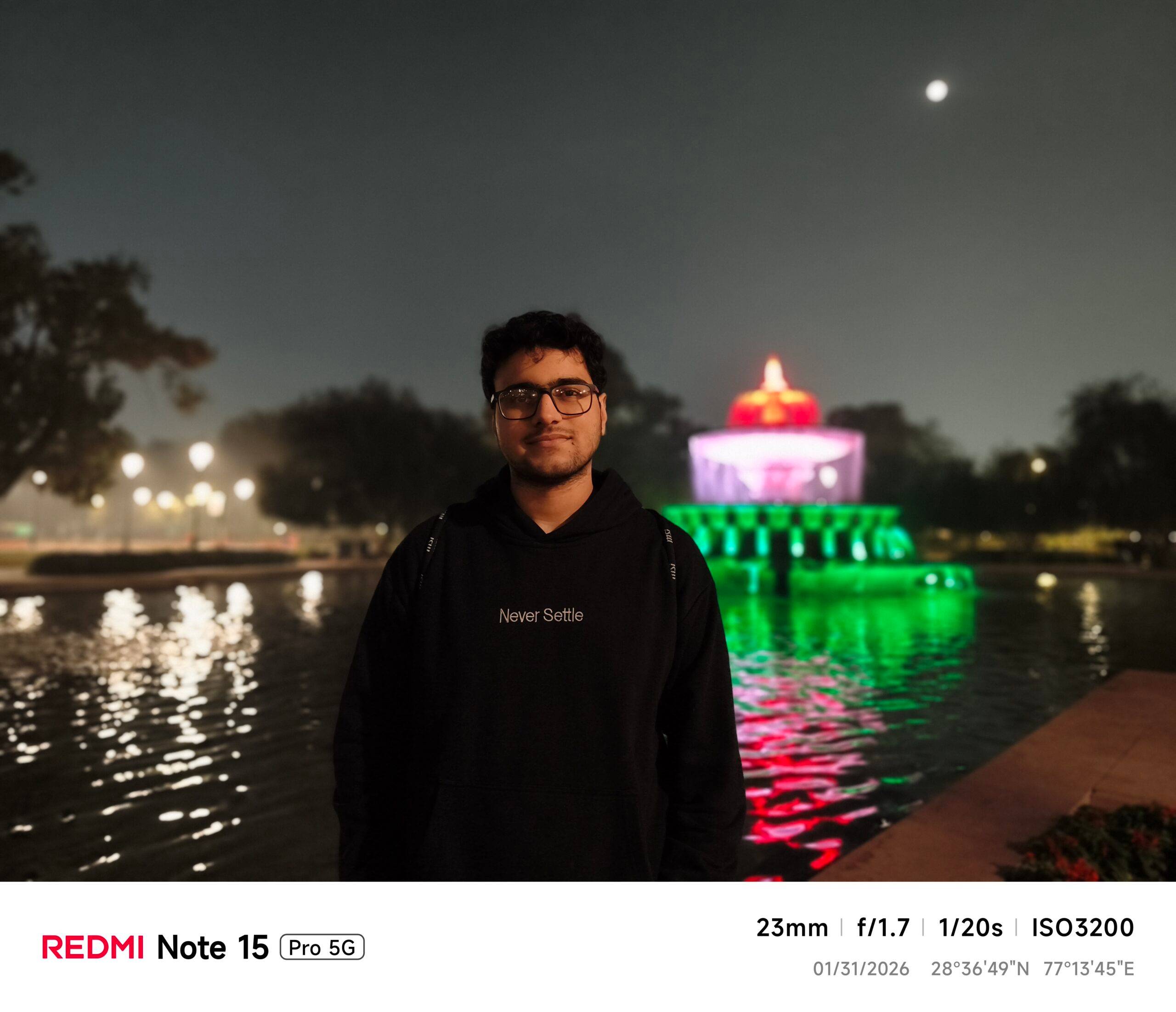
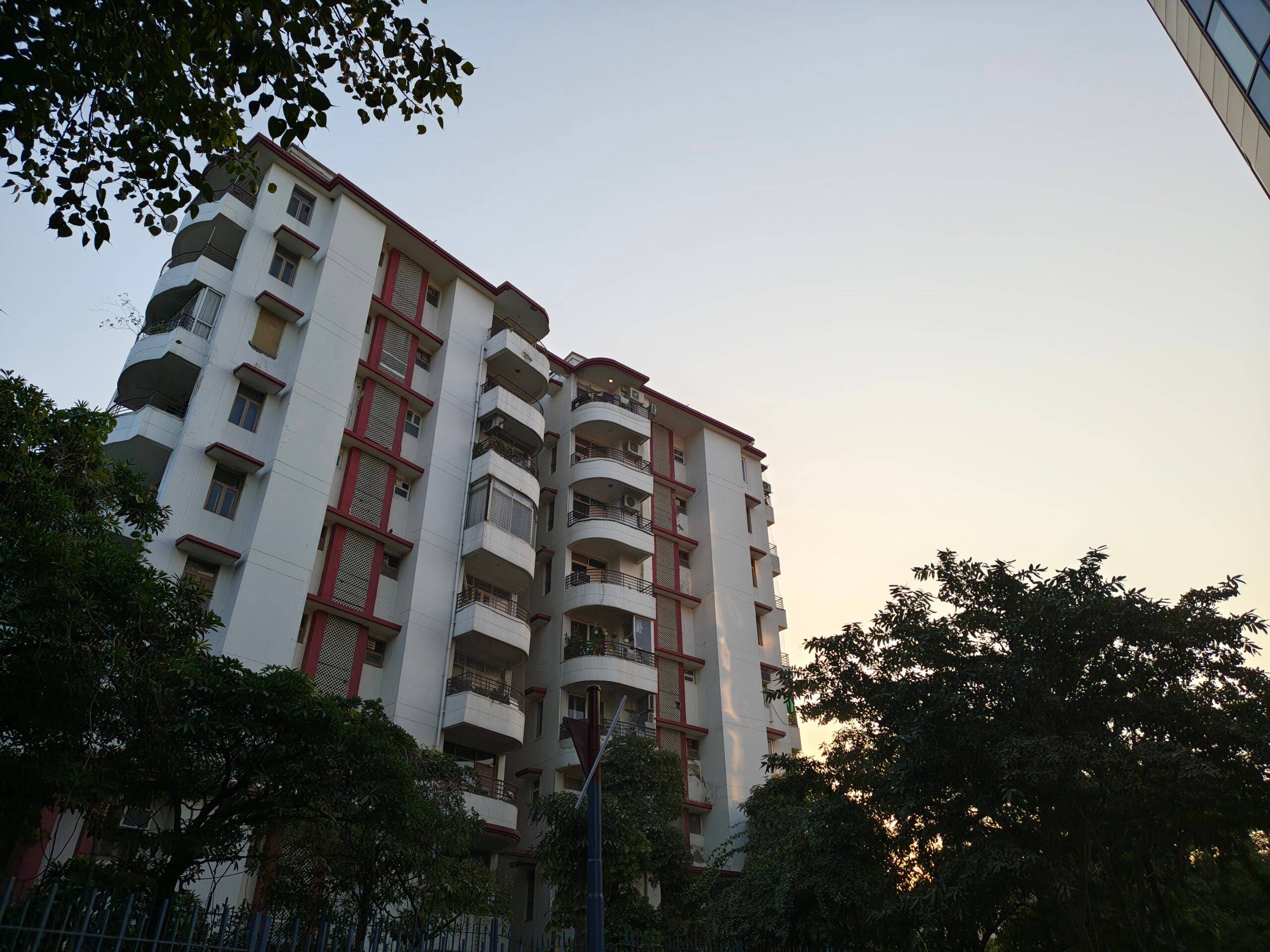
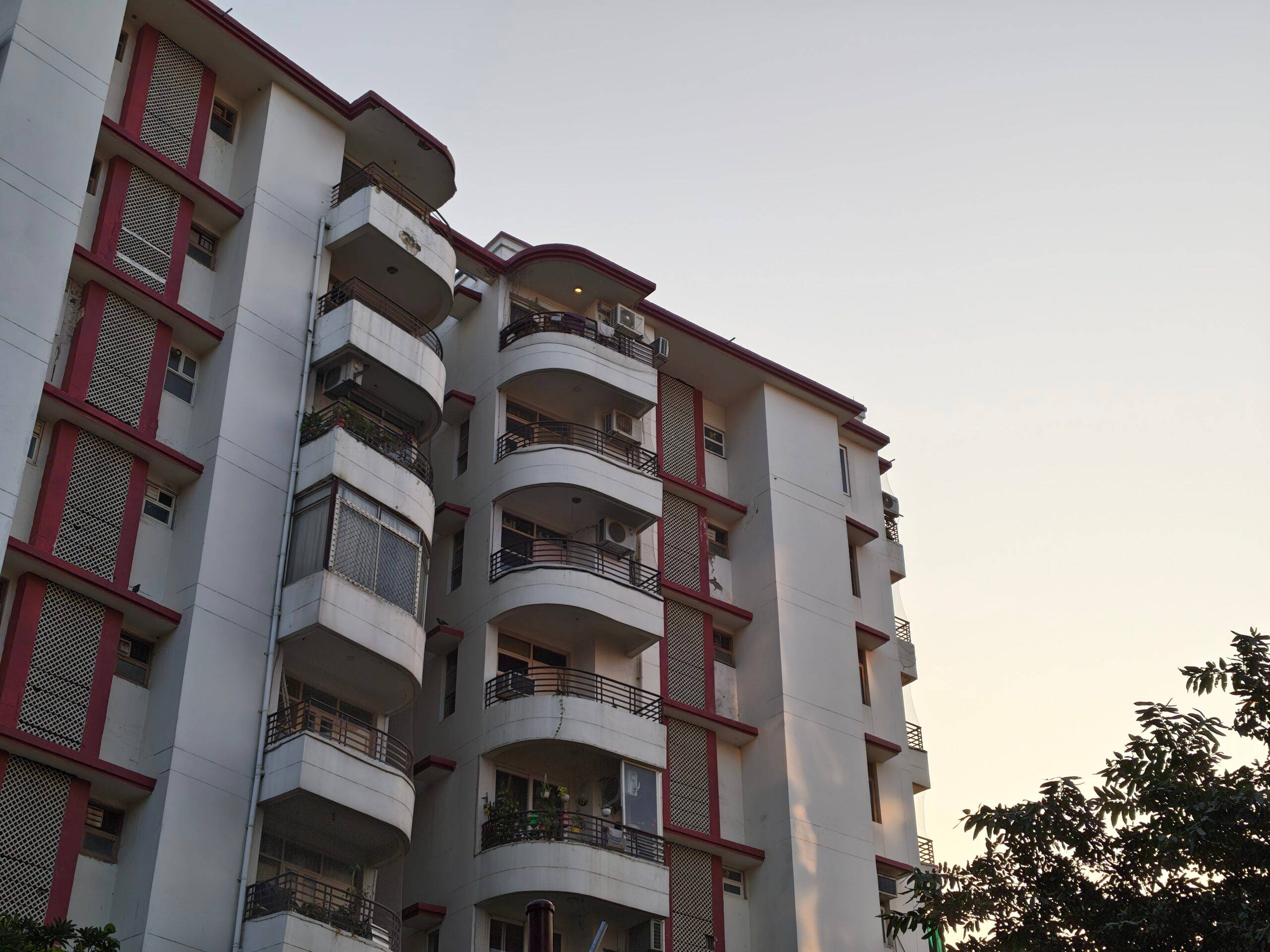
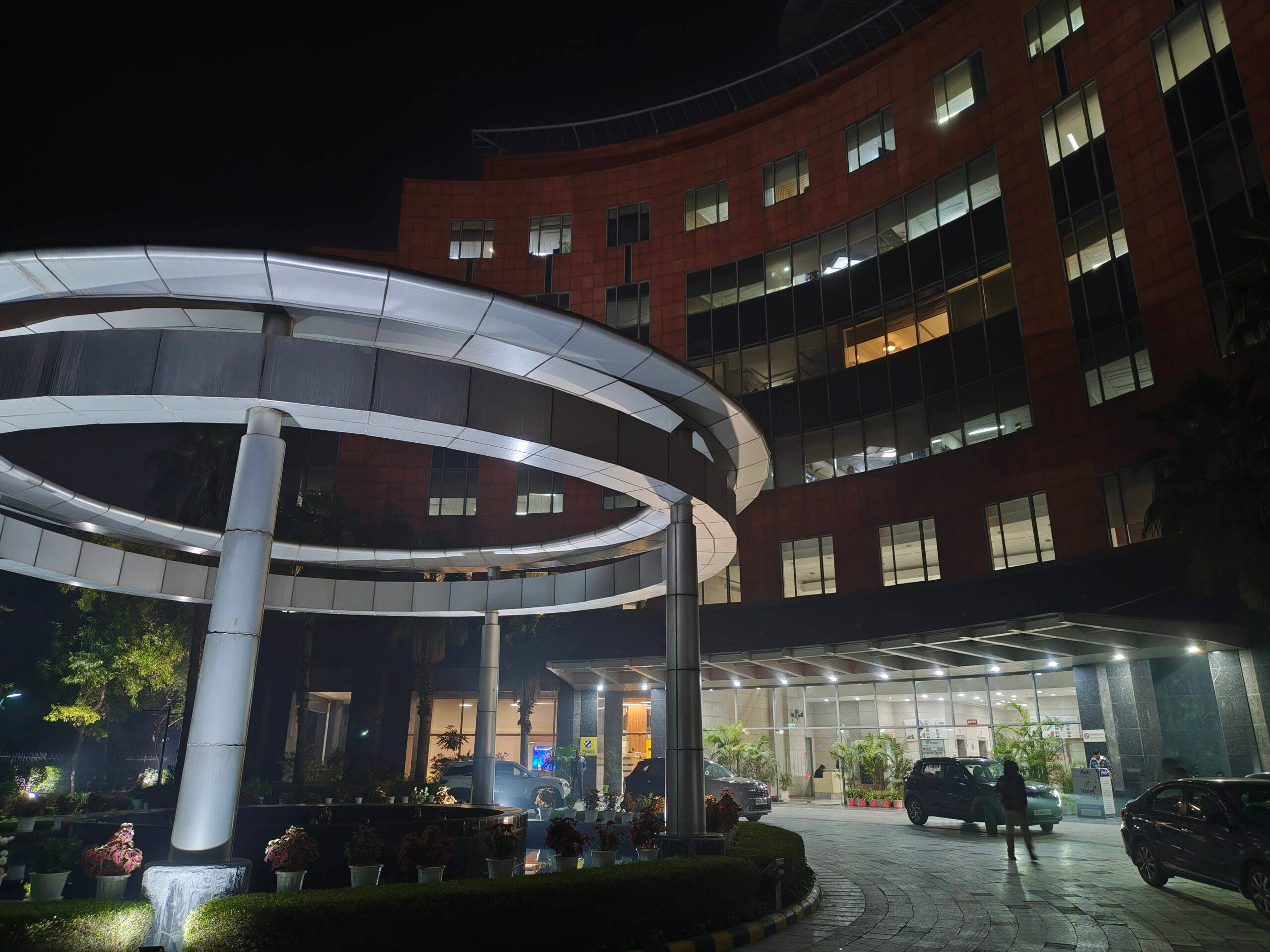
The Note 15 Pro’s camera setup revolves around a 200MP main sensor with OIS, paired with an 8MP ultra-wide. It’s the sort of spec that often reads like pure marketing, but here it’s genuinely useful. In our review, in daylight, especially for landscapes and architecture, photos come out vibrant and detailed, with a quick shutter and decent zoom up to around 4x thanks to that high-res sensor. High-res mode holds on to fine textures even when you crop in, and the ultra-wide keeps colours fairly consistent with the main camera. In low light, the large 1/1.4-inch sensor helps keep noise in check and exposure balanced. Where things fall apart is people. Portraits and selfies look nice at a glance, with mostly accurate colours and a slightly warm tilt that many will like, but facial detail is consistently softer than you’d want. If your feed is full of portraits and selfies, that softness will eventually bug you.






The Motorola Edge 70 takes a more people-friendly route: 50MP main, 50MP ultrawide that doubles as a macro, and a 50MP front camera. The primary shooter delivers pleasing daylight images with slightly punchy colours and sensible contrast, while low-light performance holds up well, keeping detail and handling bright boards and mixed lighting with confidence. The ultrawide stays close to the main camera’s colour profile in the day, though it clearly steps down in sharpness and noise at night.










The 50MP selfie camera is one of Motorola’s trump cards here. In good light, it captures sharp faces, realistic skin tones, and maintains background detail without blowing out skies. In poor light, it loses some crispness and colour accuracy, but it’s still perfectly usable for social posts. The main knock against the Edge 70 is video: both front and rear cameras can do 4K 60fps with decent stabilisation, yet clips sometimes look a bit choppy, likely due to software.
Pick Redmi if you care more about detailed scenery and static shots. Pick Motorola if you mostly shoot people and want more consistent results across all cameras.
Battery and charging: bigger vs quicker
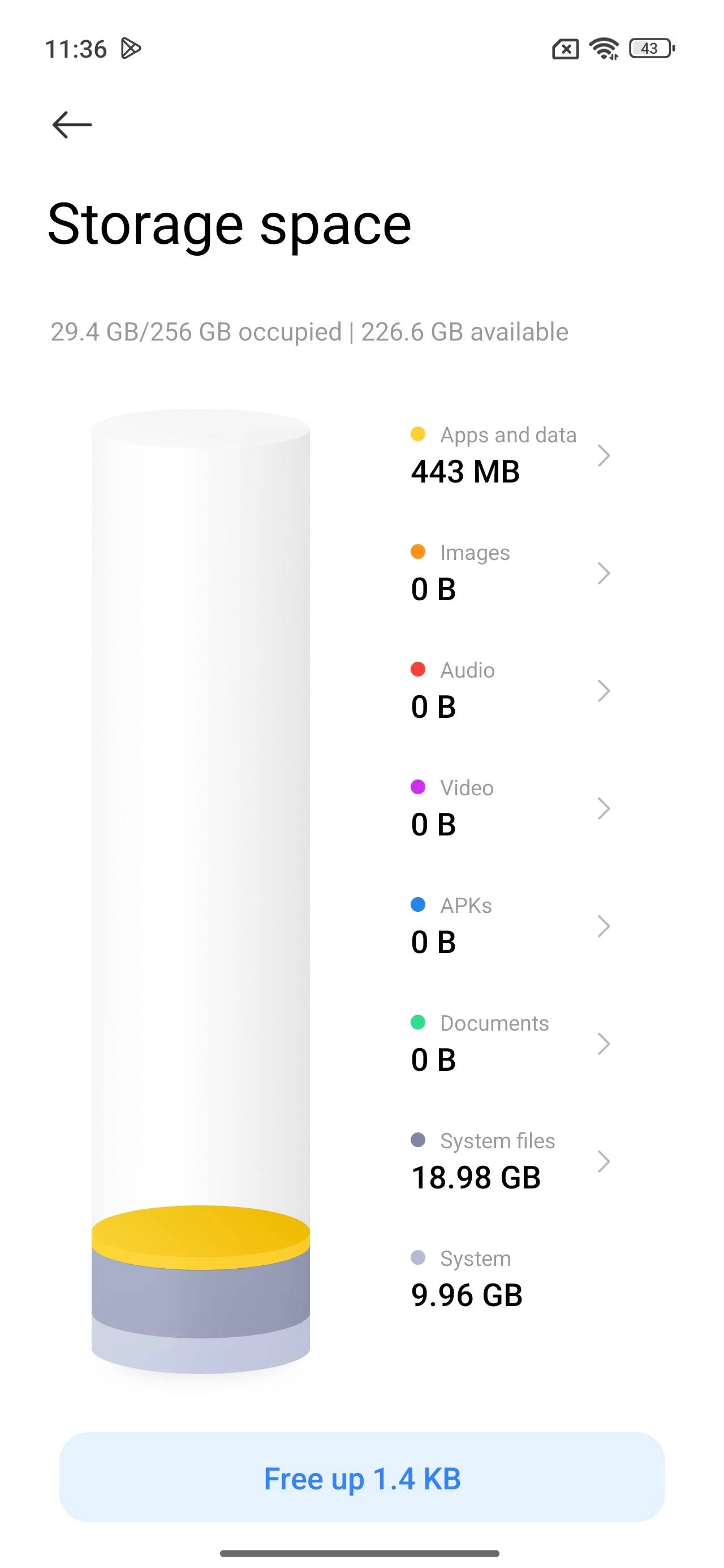
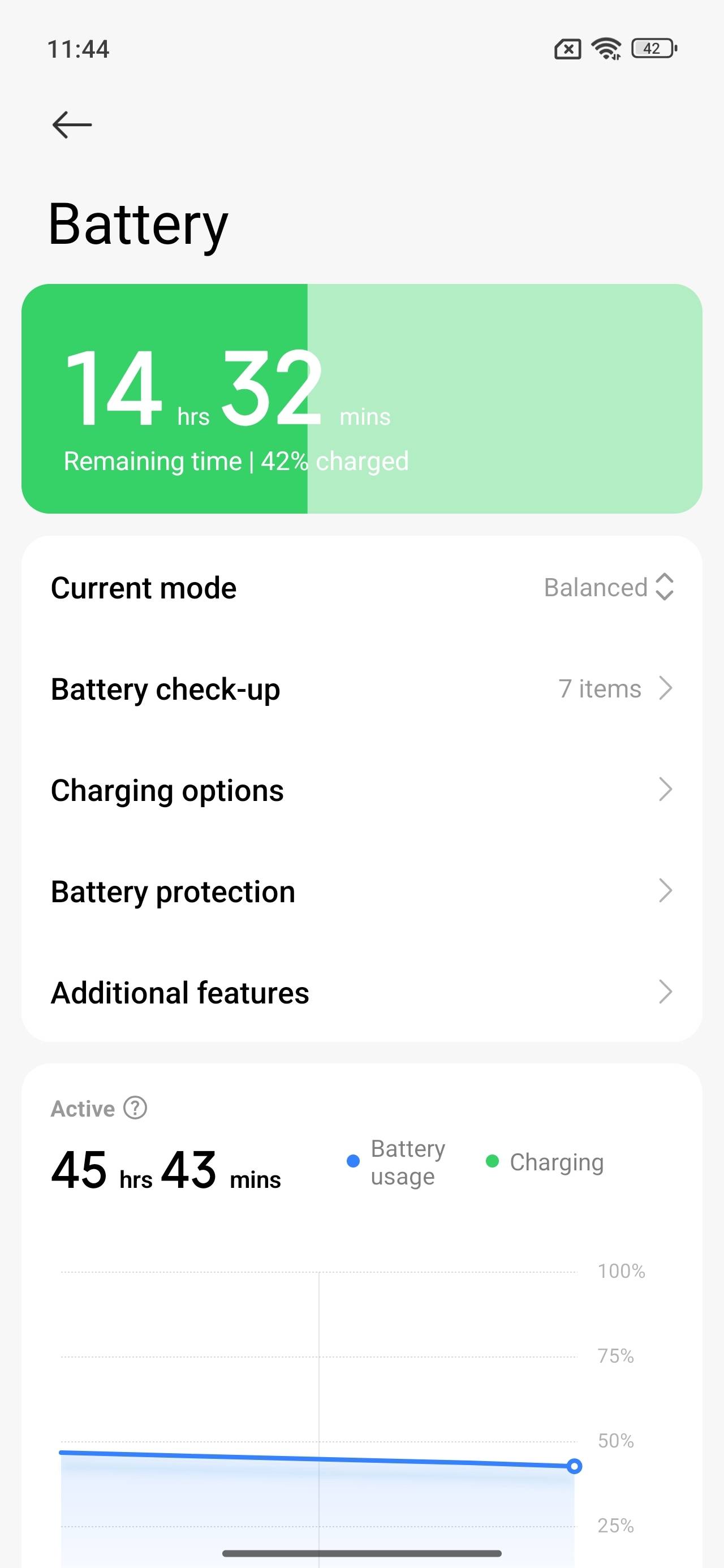
The Redmi Note 15 Pro steps up to a 6,580mAh battery. It doesn’t join the 7,000mAh club, but it feels like a healthy upgrade over the last model. In real life, you’re looking at roughly 7-8 hours of screen-on time with mixed 5G and Wi‑Fi and comfortable full-day endurance, even if you’re fairly heavy-handed. The trade-off is charging speed. Redmi has stuck with 45W, so a 20–100 percent charge takes about an hour. It’s fine if you’re plugging in once a day, but there are definitely faster options in this price band now.
The Motorola Edge 70 fits a 5,000mAh cell into that slim frame. On paper, that sounds modest in 2026, but in practice it’s still enough. It will comfortably last a typical day, with around six hours of screen-on time on 5G and sensible drain even while gaming. When you do need to charge, the 68W charger included in the box takes it from 20 to 100 percent in roughly 44 minutes, and you get 15W wireless charging for more casual top-ups.
Redmi gives you a bigger cell that you fill less often but more slowly. Motorola gives you a slightly smaller tank that still lasts the day and refills faster, with wireless as a nice extra.
Software and long-term support
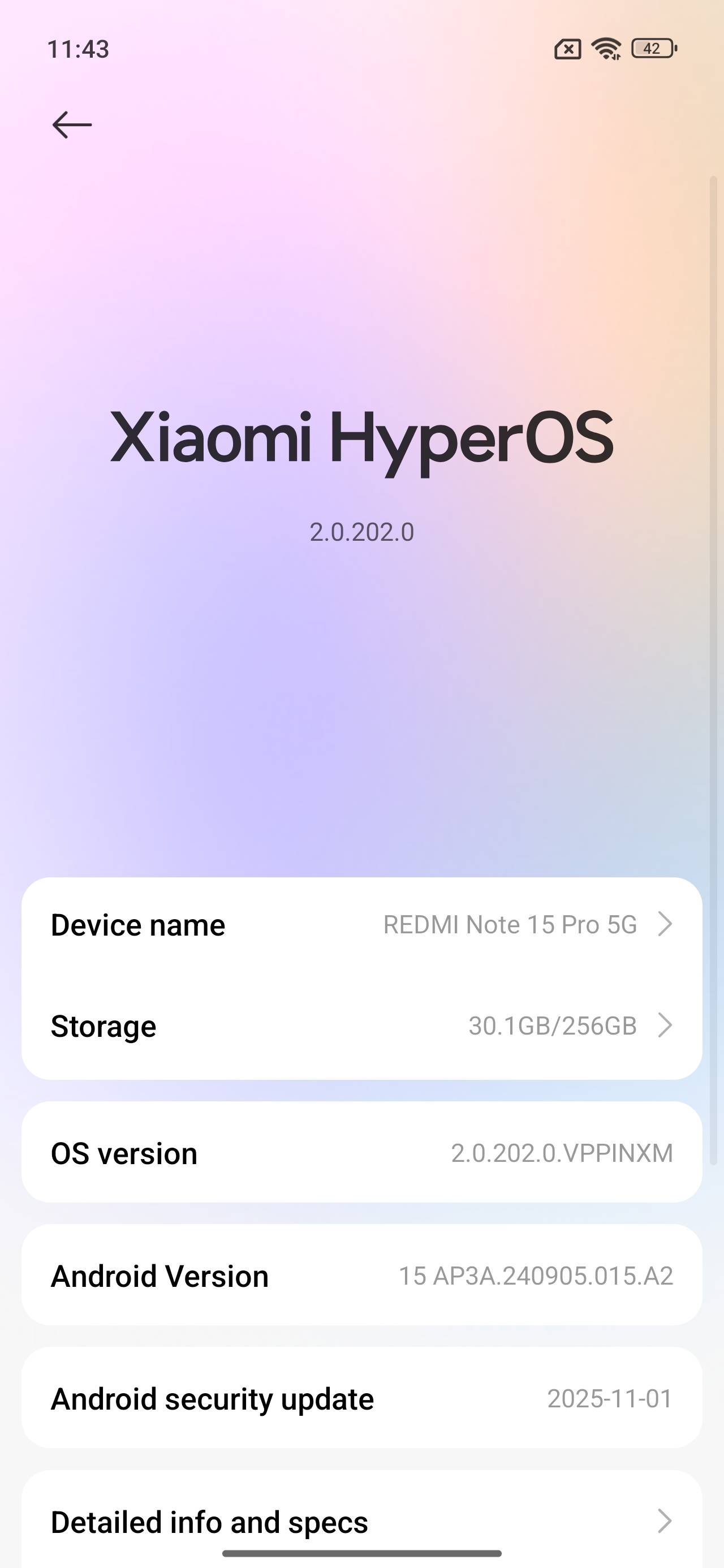
The Redmi Note 15 Pro runs HyperOS 2 based on Android 15. It’s feature-rich and generally smooth, but it does arrive with plenty of pre-installed apps. Spending a bit of time uninstalling what you don’t need and taming notifications makes the experience much nicer. The upside is longevity: Xiaomi promises four OS upgrades and six years of security updates, with Android 16 due later via HyperOS 3. The downside is obvious — you’re paying Rs 30,000 in 2026 and still not getting Android 16 out of the box.
The Motorola Edge 70 ships with Hello UI based on Android 16. It stays close to stock Android visually and in how it behaves, with a clean, responsive interface and sensible customisation options. There are a couple of preloaded games, but overall bloat is low. Moto AI adds some smart touches like notification summaries, live conversation transcription and summaries, contextual suggestions, quick “remember this” notes, plus camera tools like AI Snapshot and Group Shot, all tied to a dedicated AI key on the side. Motorola promises three OS updates and four years of security patches.
Redmi clearly wins on how long it’ll keep your phone updated. Motorola arguably wins on how nice it feels to use on day one, especially if you care about having Android 16 and a cleaner UI right away.
Which one makes more sense for you?
The Redmi Note 15 Pro is the one to get if you want a big, bright display with great HDR and genuinely loud speakers, a rugged build and strong stills for landscapes and architecture. It also suits you if you value a bigger battery and longer software support, even if performance and charging aren’t class-leading.
The Motorola Edge 70 is a better fit if you care most about comfort and weight and want something you can use all day one-handed, take a lot of photos of people and want more consistent cameras and better selfies, and prefer cleaner, newer software with thoughtful AI extras. It also makes sense if you want faster charging and wireless as a bonus and are willing to live with weaker speakers and slightly shorter endurance.
Xiaomi Redmi Note 15 Pro Images