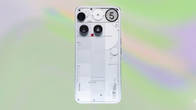
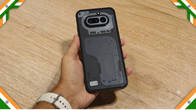
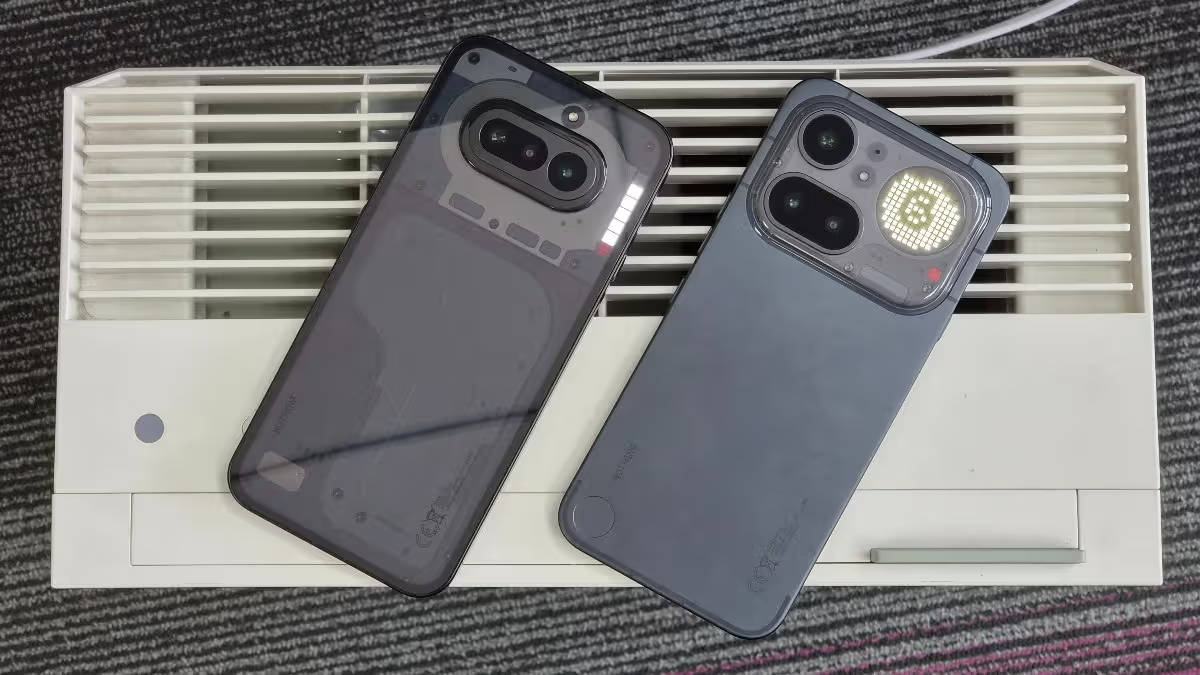
Nothing’s smartphone lineup has quietly become one of the more interesting ones to check out in India. With the Phone (4b) now sitting below the Phone (4a) and Phone (4a) Pro, and last year’s Phone (3) still on sale as the brand’s flagship, there are four distinct phones spanning the budget to premium mid-range segments. Here’s how they compare, and which one actually makes sense for you.
Nothing Phone (4b): the entry point
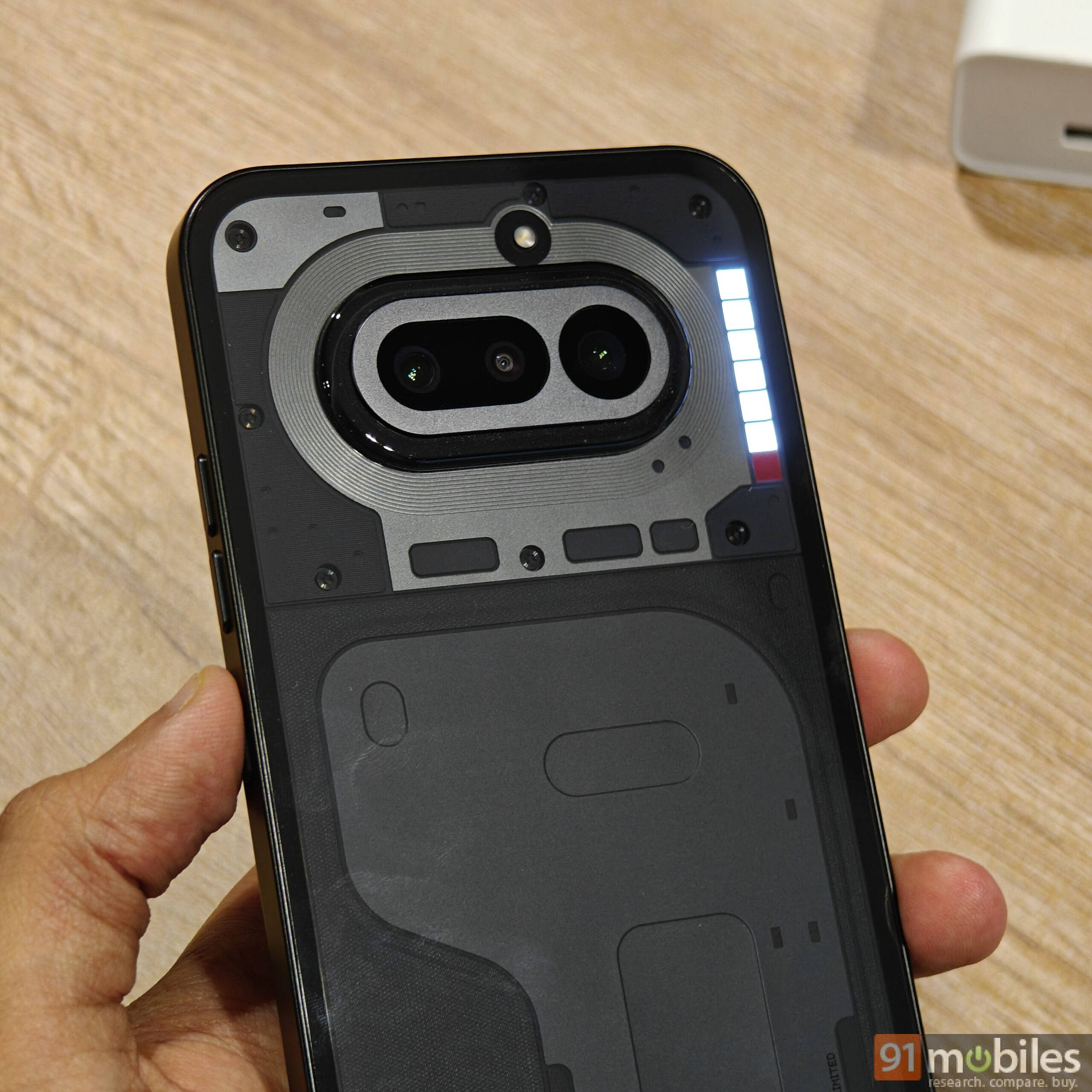
The Phone (4b) is Nothing’s newest and most affordable phone, starting at Rs 34,999 for the 8GB+128GB variant and Rs 38,999 for the 8GB+256GB variant. It runs on the Snapdragon 6 Gen 4, gets a 6.77-inch AMOLED display, a 50MP main camera with OIS, an 8MP ultrawide lens, and Nothing’s brightest Glyph Bar yet. There’s no telephoto lens here, and it’s built to be Nothing’s accessible option rather than a scaled-down flagship. If you want Nothing’s design language and Glyph Interface at the lowest possible price, and don’t need a dedicated zoom camera, this is the one to consider. We haven’t run it through a full review yet, so treat the above as based on Nothing’s own specifications for now.
Buy it for:
- The lowest entry price into Nothing’s design language and Glyph interface
- A clean and stock Android OS with Nothing’s custom OS on top, along with 3 years of guaranteed OS updates.
- Nothing’s brightest Glyph Bar yet, with Live Updates support
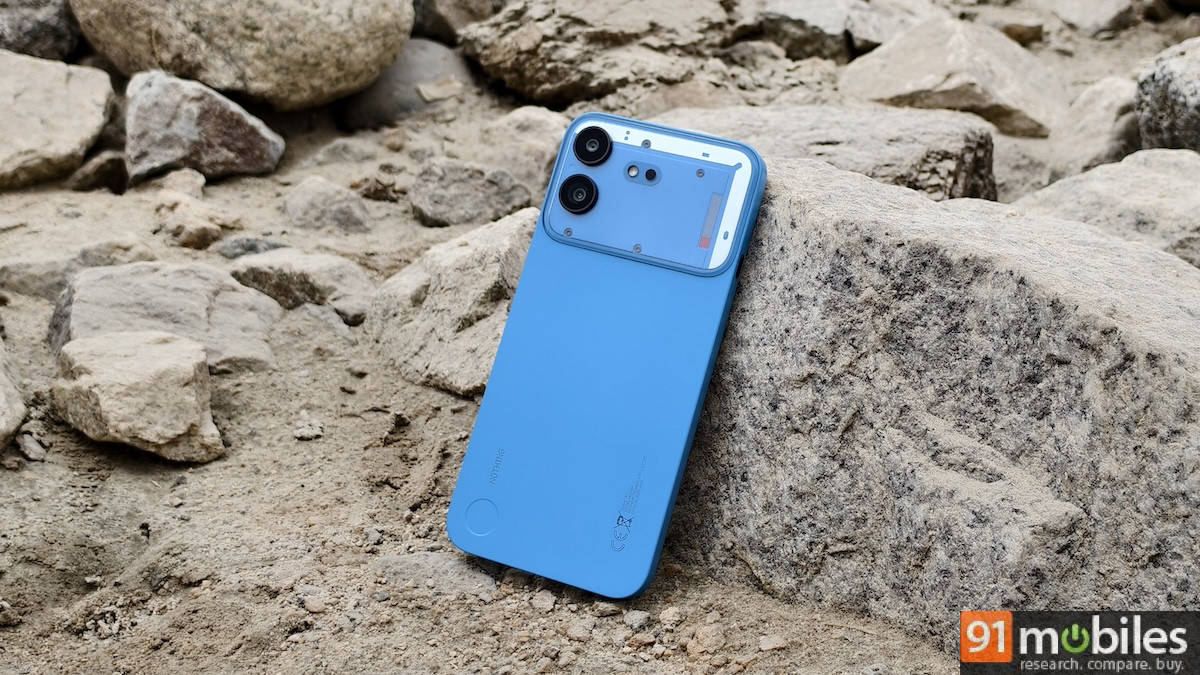
Nothing Phone (4a): the best all-rounder for most people
The Phone (4a) currently costs Rs 39,999, up from its Rs 31,999 launch price. In our original review, the phone stood out mainly for its 50MP periscope telephoto camera, a rare inclusion at this price, offering 3.5x optical zoom and genuinely impressive portrait results. The Snapdragon 7s Gen 4 handles everyday use and casual gaming comfortably, the 5,400mAh battery gets you through a day reliably, and Nothing OS 4.1 remains clean and clutter-free. The trade-offs are a lack of NFC, an underwhelming selfie camera, and a Glyph Bar that feels less engaging than the older Glyph Lights system. If you want the best camera versatility for the price without stepping up to the Pro, this is the pick. You can also check out our more recent long-term review to see how the phone stands today after a few price hikes.
Buy it for:
- A genuinely versatile 3.5x periscope telephoto camera, rare at its price
- Clean, near bloatware-free Nothing OS with reliable everyday performance
- Dependable battery life for a full day of regular use
 Nothing Phone (4a) Pro: the premium mid-ranger
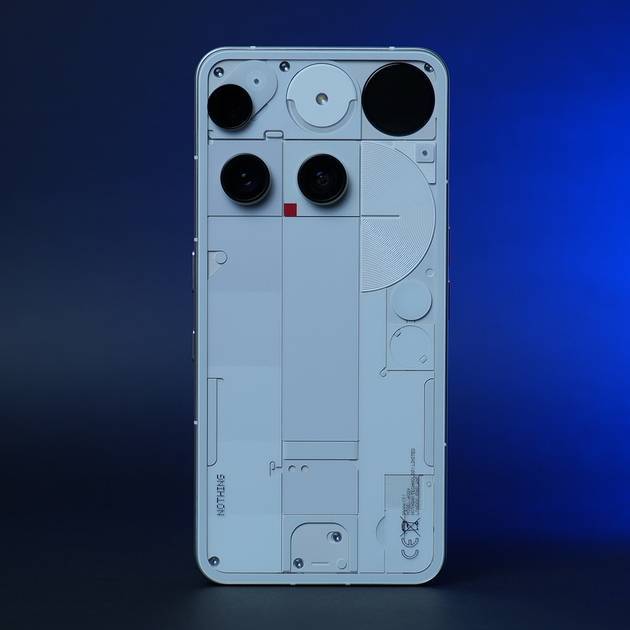
At Rs 49,999 (up from its Rs 39,999 launch price), the Phone (4a) Pro built on the 4a’s foundation with a metal chassis, a larger 50MP Sony sensor on the main camera, and a telephoto lens that stretches to 140x digital zoom, double the 4a’s range. We noted better thermal efficiency during gaming and a more premium in-hand feel as the standout upgrades in our review. Like the 4a, it lacks NFC and eSIM in India, and rivals at the same price offer better battery backup. It’s the right choice if you want Nothing’s most refined design and camera system without going all the way to the Phone (3).
Buy it for:
- A metal chassis and transparent camera module that feel noticeably more premium
- A telephoto lens that stretches to 140x digital zoom, double the standard 4a’s range
- Better thermal efficiency for gaming, thanks to a larger vapour chamber
 Nothing Phone (3): the flagship that’s aged into a bargain
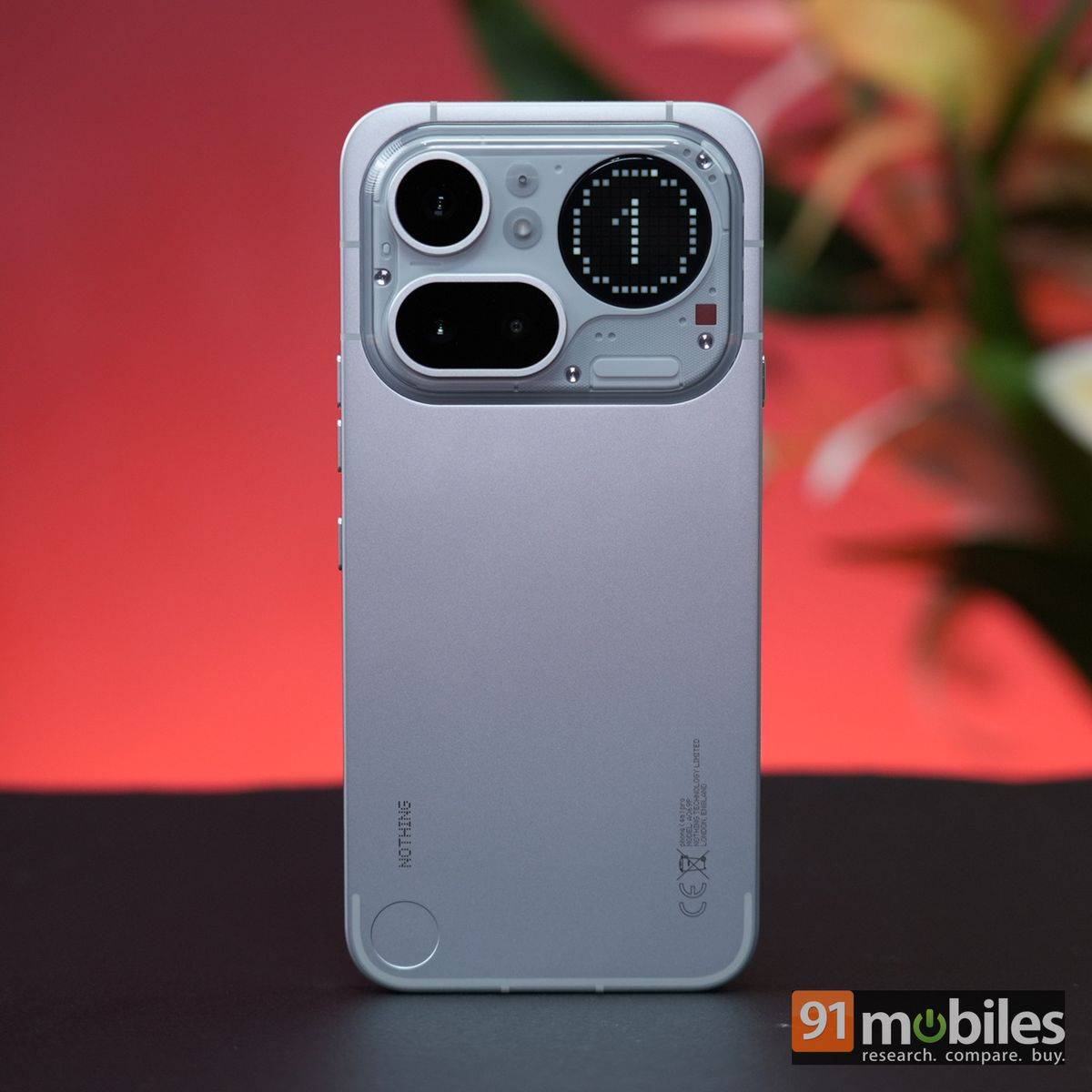
The Phone (3) launched at Rs 79,999 and, in our original review, scored 7.8/10, largely because that price felt hard to justify against the iPhone 16 and Galaxy S25. But after revisiting the phone in May, we found the calculus has changed. With street prices now down to around Rs 45,000, the Phone (3) looks like one of the few phones in that bracket still offering a complete flagship experience, including a genuine telephoto camera, the faster Snapdragon 8s Gen 4 chipset, an aluminium frame, and IP68 protection.
Moreover, with smartphone prices increasing across the board this year due to the memory chip crisis, the Phone (3) starts to look even better than some of the newer mid-range phones, provided, of course, you’re able to purchase the flagship under Rs 50,000. Battery life and thermals under load remain its weaker points, and the polarising Glyph Matrix and asymmetrical camera design are still there. But if you’re able to get it at half its launch price, it undercuts the Phone (4a) Pro while offering a faster chipset and a more premium build.
Buy it for:
- A faster Snapdragon 8s Gen 4 chipset than any other phone in this lineup
- A more complete camera system, including a dedicated periscope telephoto with OIS
- Aluminium build with IP68 protection especially if you can buy it for around Rs 40,000
Specs comparison
Specifications | Phone (4b) | Phone (4a) | Phone (4a) Pro | Phone (3) |
Current price | Rs 34,999 | Rs 39,999 | Rs 49,999 | Actual: Rs 79,999 |
Display | 6.77″ AMOLED, 120Hz | 6.78″ AMOLED, 120Hz | 6.83″ AMOLED, up to 144Hz | 6.67″ AMOLED, 120Hz |
Chipset | Snapdragon 6 Gen 4 | Snapdragon 7s Gen 4 | Snapdragon 7 Gen 4 | Snapdragon 8s Gen 4 |
Main camera | 50MP (OIS) | 50MP (OIS) | 50MP (OIS, larger sensor) | 50MP (OIS) |
Telephoto | None | 50MP, 3.5x optical | 50MP, 3.5x optical, 140x digital | 50MP, 3x optical, 6x digital lossless |
Battery | 6,000mAh | 5,400mAh | 5,400mAh | 5,500mAh |
Editor’s rating | Not yet reviewed | 8.1/10 | 8.3/10 | 7.8/10 (at launch) |
Which Nothing phone should you buy?
If budget is the main constraint and you just want the Nothing look and feel, the Phone (4b) gets you in the door for the least money. If you want the best balance of camera versatility and price without spending too much, the Phone (4a) is the easiest recommendation of the four. If you want the most premium build and camera performance in the mid-range bracket and don’t mind paying more, the Phone (4a) Pro delivers that.
But the most interesting pick right now might be the Phone (3). With discounts and offers, the phone can be bought close to the Phone (4a)’s price and comfortably under the Phone (4a) Pro’s, and brings a faster chipset, a more premium metal-and-glass build, and a genuinely capable telephoto system to the table. It might not be worth buying at its original Rs 79,999 launch price since you can find newer and better flagships here. If the bulkier design and asymmetrical camera don’t bother you, it’s arguably the smartest buy in Nothing’s entire current lineup.