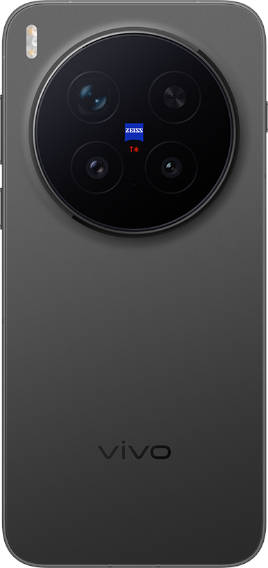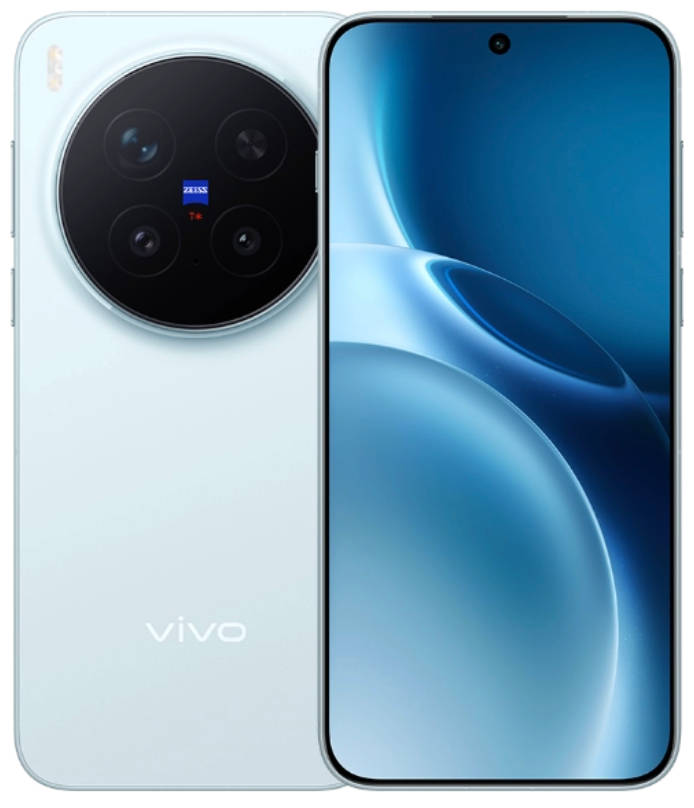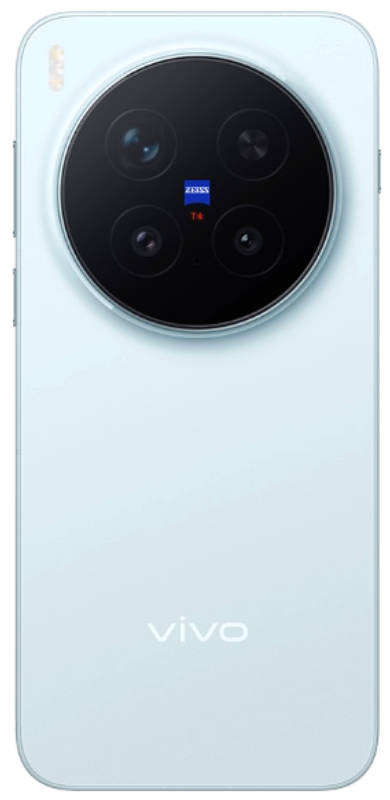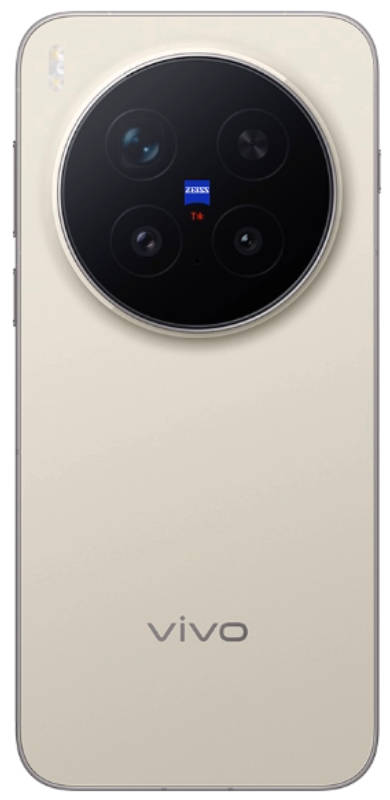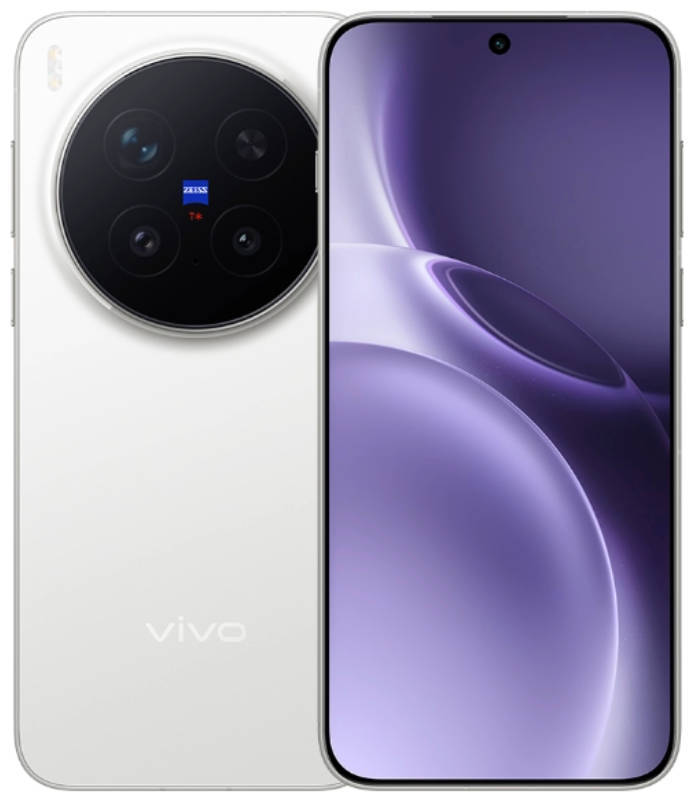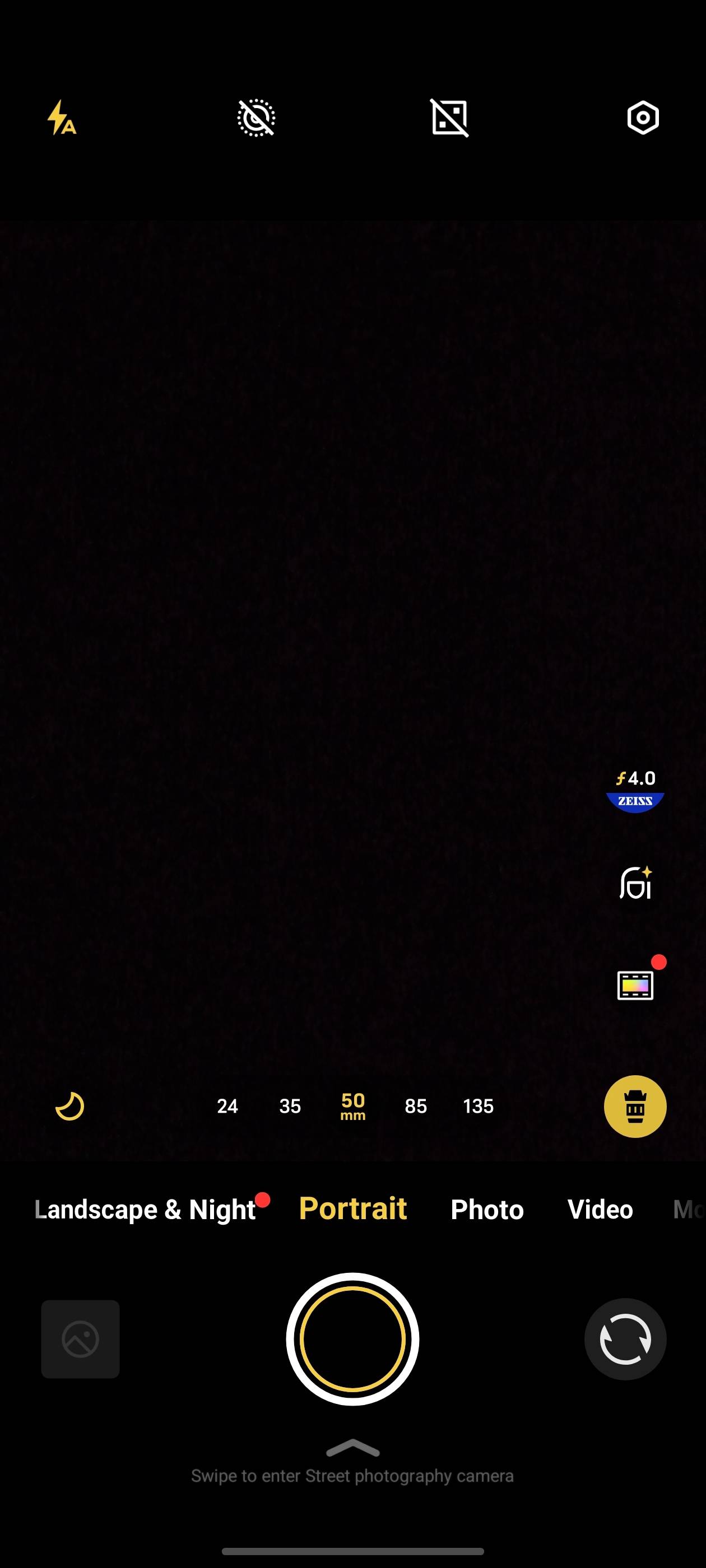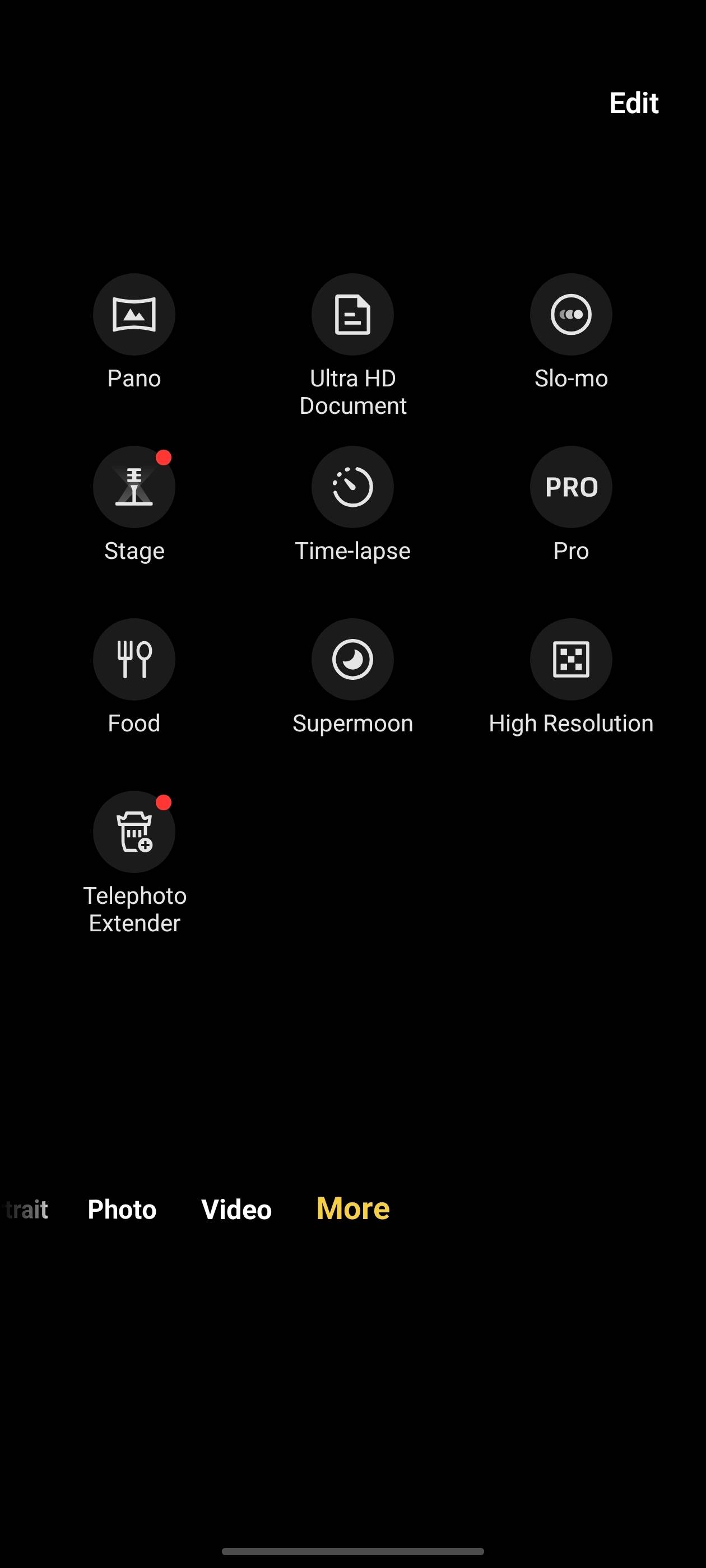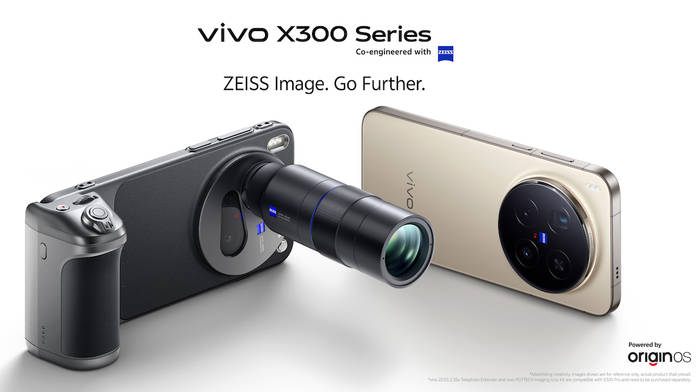
Vivo has launched its flagship X300 series globally, marking the debut of its China-exclusive skin OriginOS on international soil. The Vivo X300 and X300 Pro, which launched in China earlier this month, come with almost the same set of specs globally save for battery downgrades, but at a higher price tag if converted. Vivo has also launched the Zeiss 2.35x Telephoto Extender Kit which only the Pro model supports, and that commands an additional price tag. The launch reemphasises Vivo’s photography-first approach with impressive specs and accessories in the camera department.
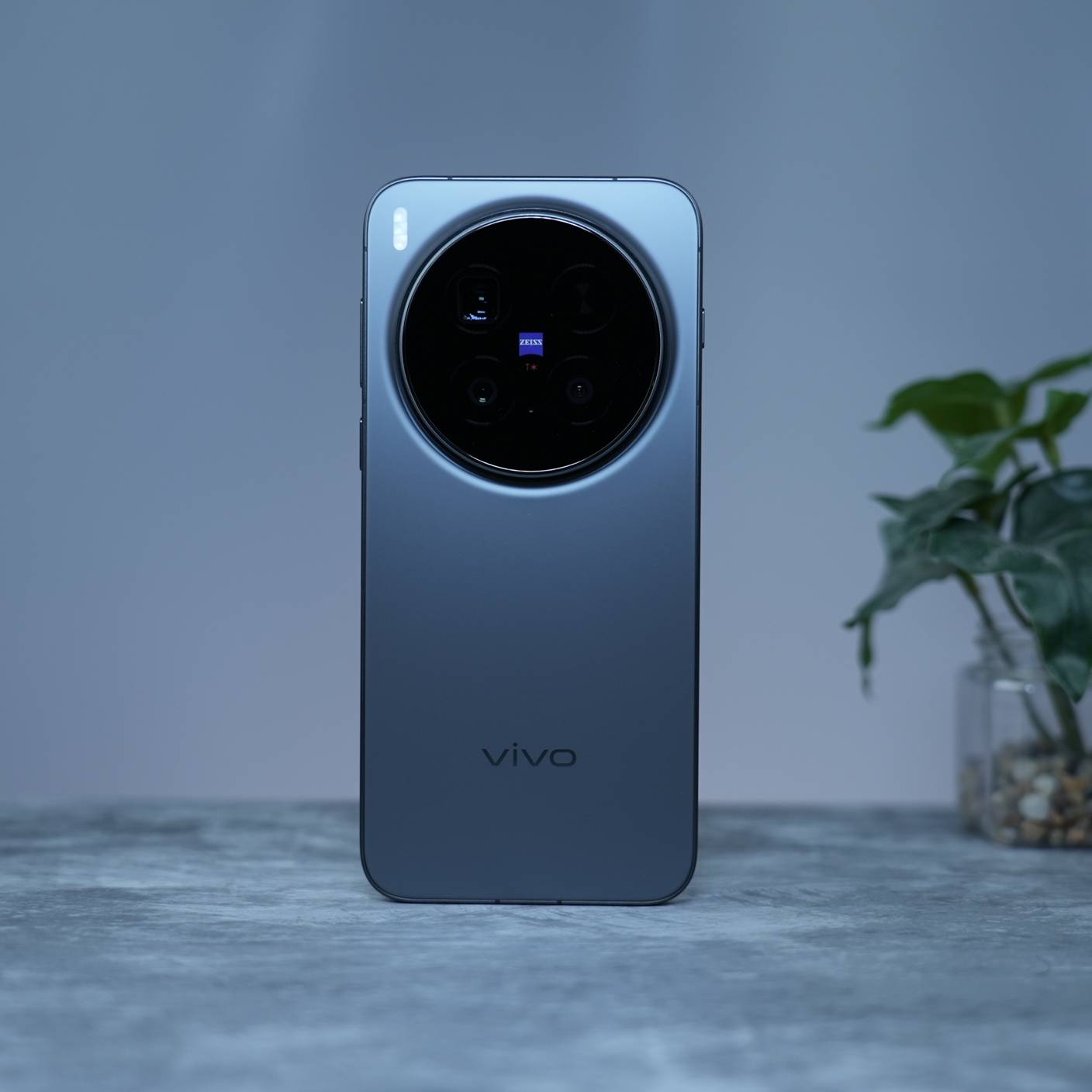
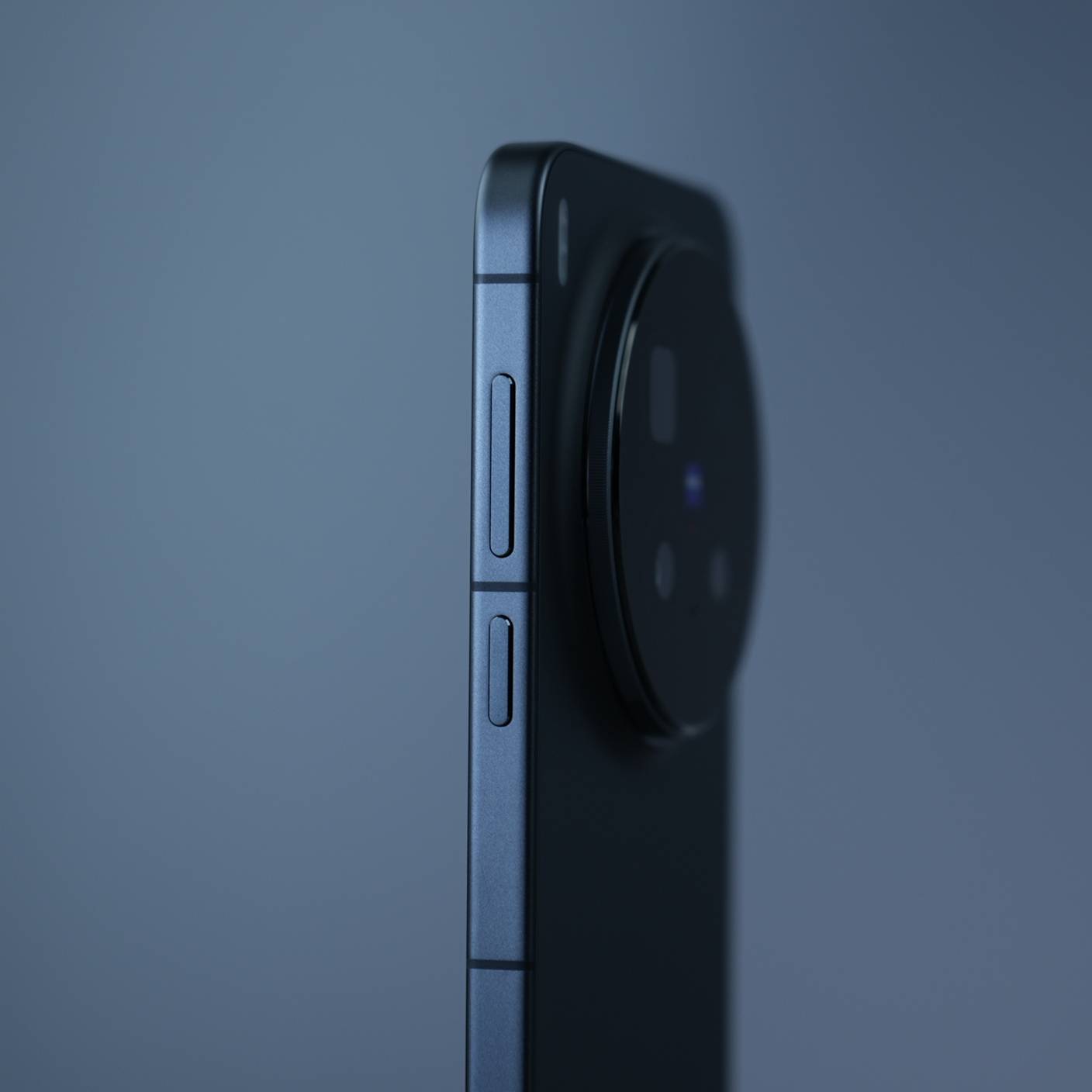
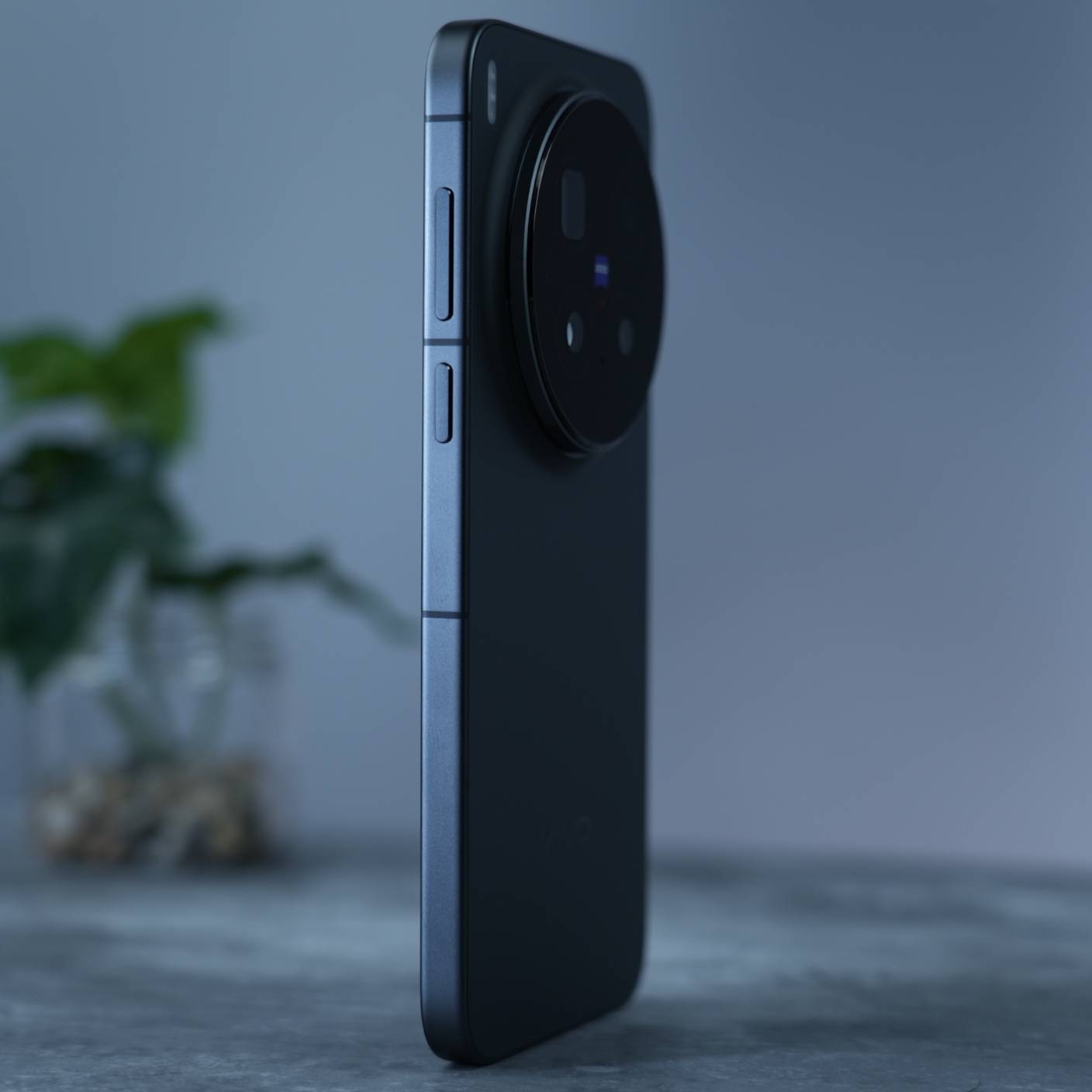
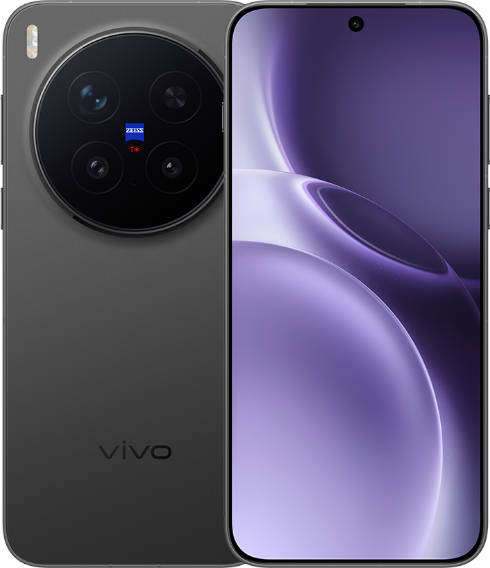
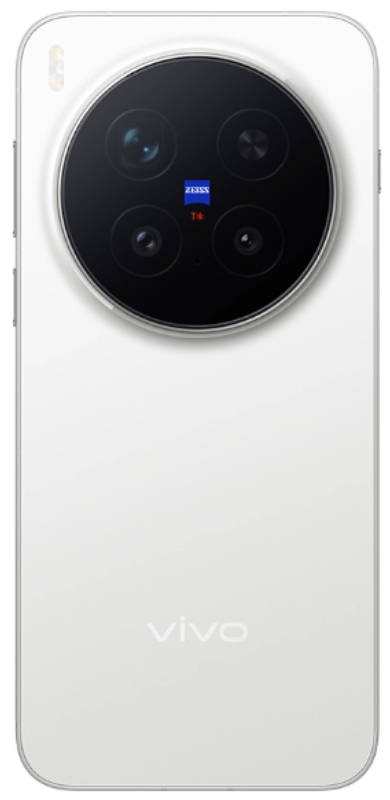
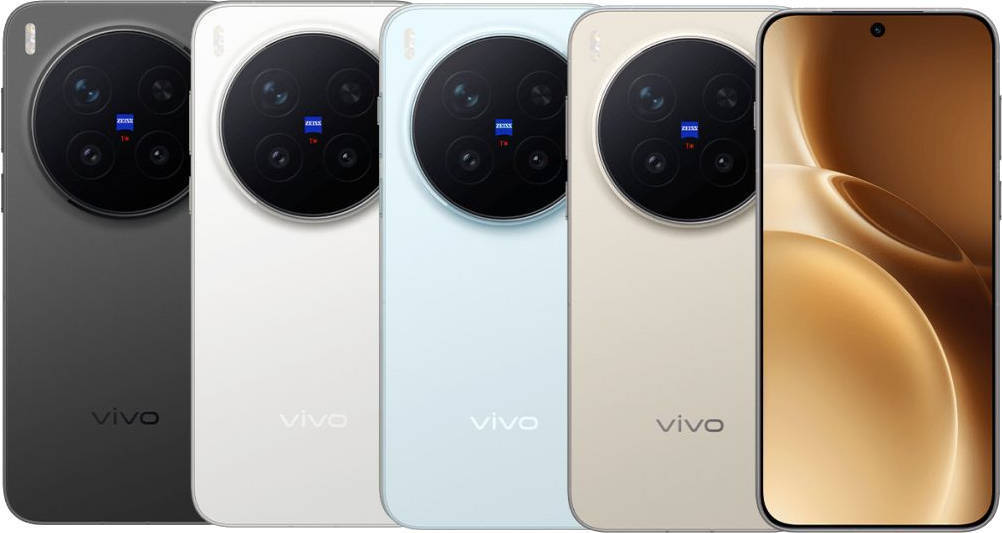
The Vivo X300 series carries on with the brand’s design evolution, striking a fine balance of familiarity and refinement. While retaining the circular rear camera module, the phones feature smoother edges, narrower bezels, and a more tactile matte finish, which is supposed to improve grip while reducing fingerprint smudges. The vanilla X300 uses a 6.31-inch 8T LTPO AMOLED display, which is the same size as last year’s Vivo X200 Pro Mini while the X200 measured 6.67 inches. This suggests Vivo has made the X300 its compact flagship and we won’t see a Pro Mini this year. Meanwhile, the X300 Pro scales up to 6.82 inches, marginally larger than the 6.78-inch screen on the X200 Pro. Both X300 series panels feature a 120Hz adaptive refresh rate for smooth scrolling and power management. Vivo has also thrown in an ultrasonic in-display fingerprint scanner replacing the optical one on the X200, a detail that illustrates its focus on flagship-tier user convenience.
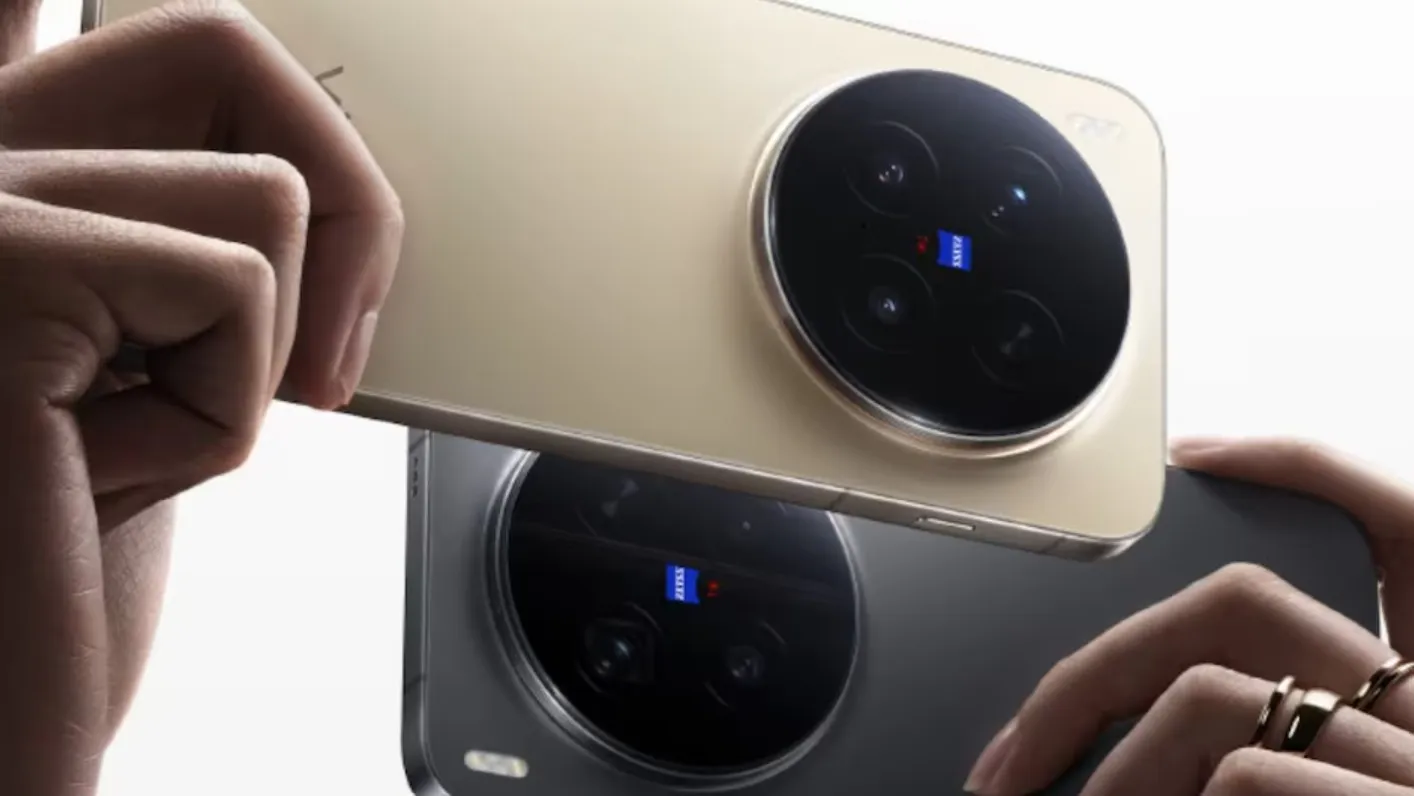
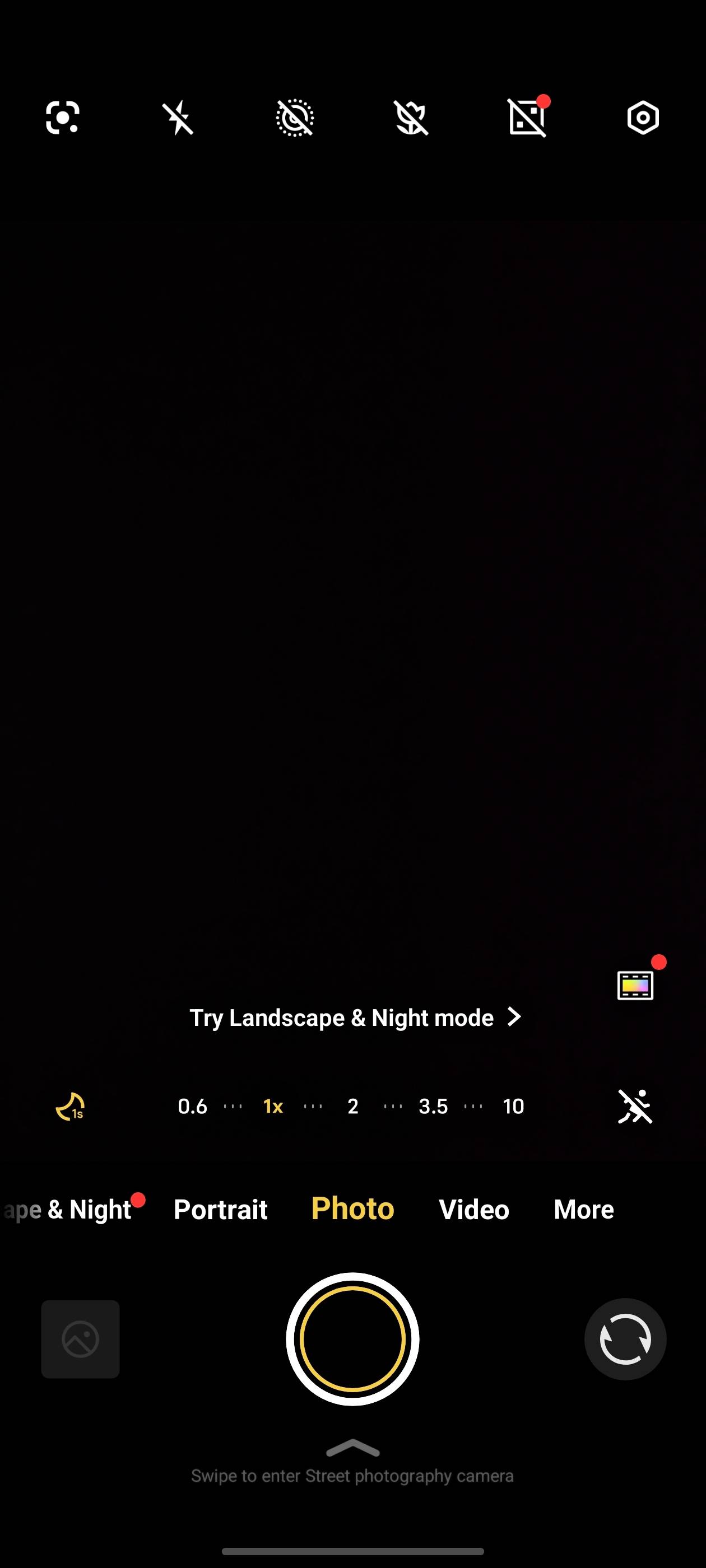
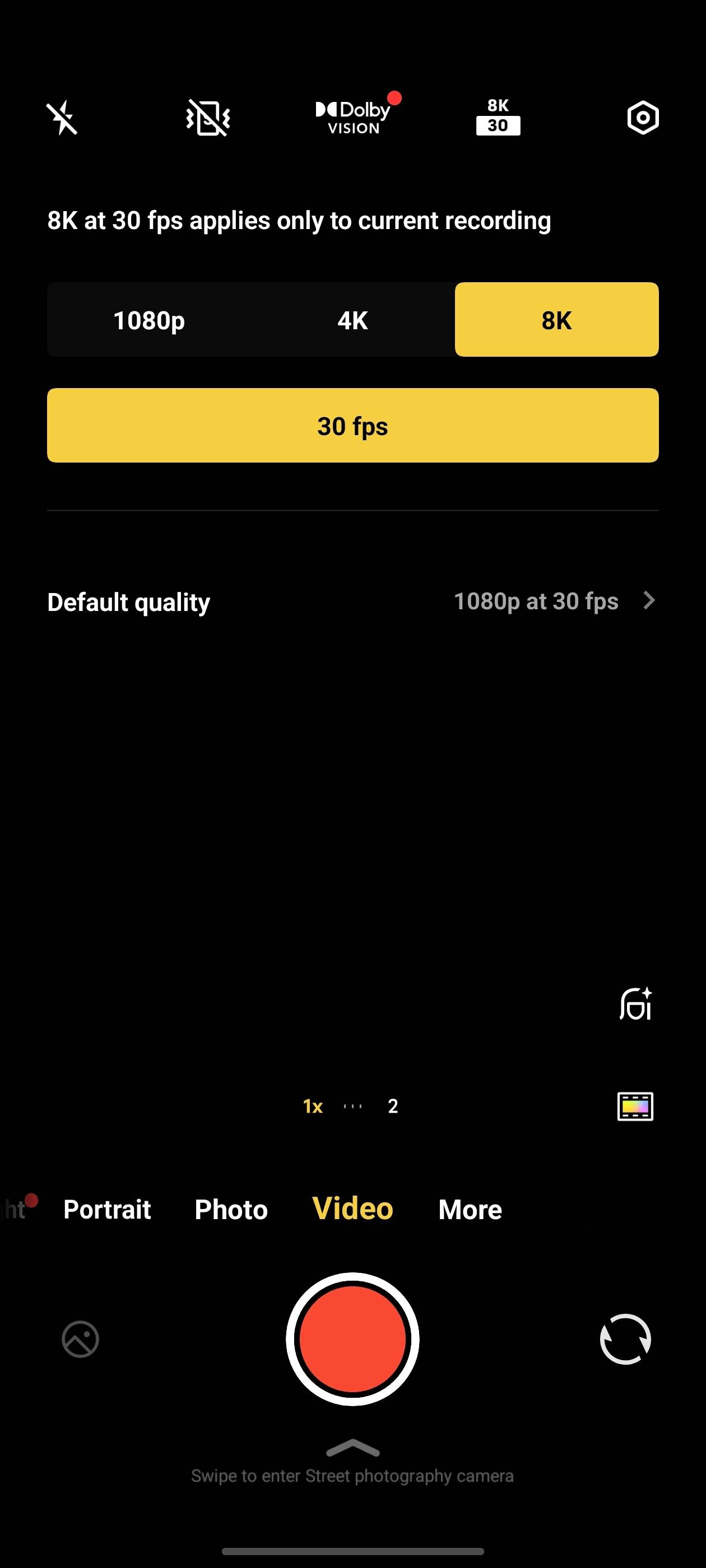
Vivo’s biggest pitch remains its imaging setup. The X300 sports a 200MP Samsung HPB primary sensor, accompanied by a 50MP Sony LYT-602 telephoto and 50MP ultrawide lenses. The X300 Pro, meanwhile, flips the setup, using the 200MP HPB sensor for telephoto duties, a 50MP Sony LYT-828 main sensor, and a 50MP Samsung JN1 ultrawide. Both phones feature a 50MP JN1 front camera for selfies and video calls. While the megapixel counts are attention-grabbing, Vivo puts a more vital focus on consistency and computational photography from its X-series. The Pro model, in particular, is going to square directly against the OPPO Find X9 Pro, which highlights image processing through its partnership with Hasselblad. Vivo’s utilisation of Samsung’s HPB sensor would hint at a push towards sharper telephoto output and low-light clarity.
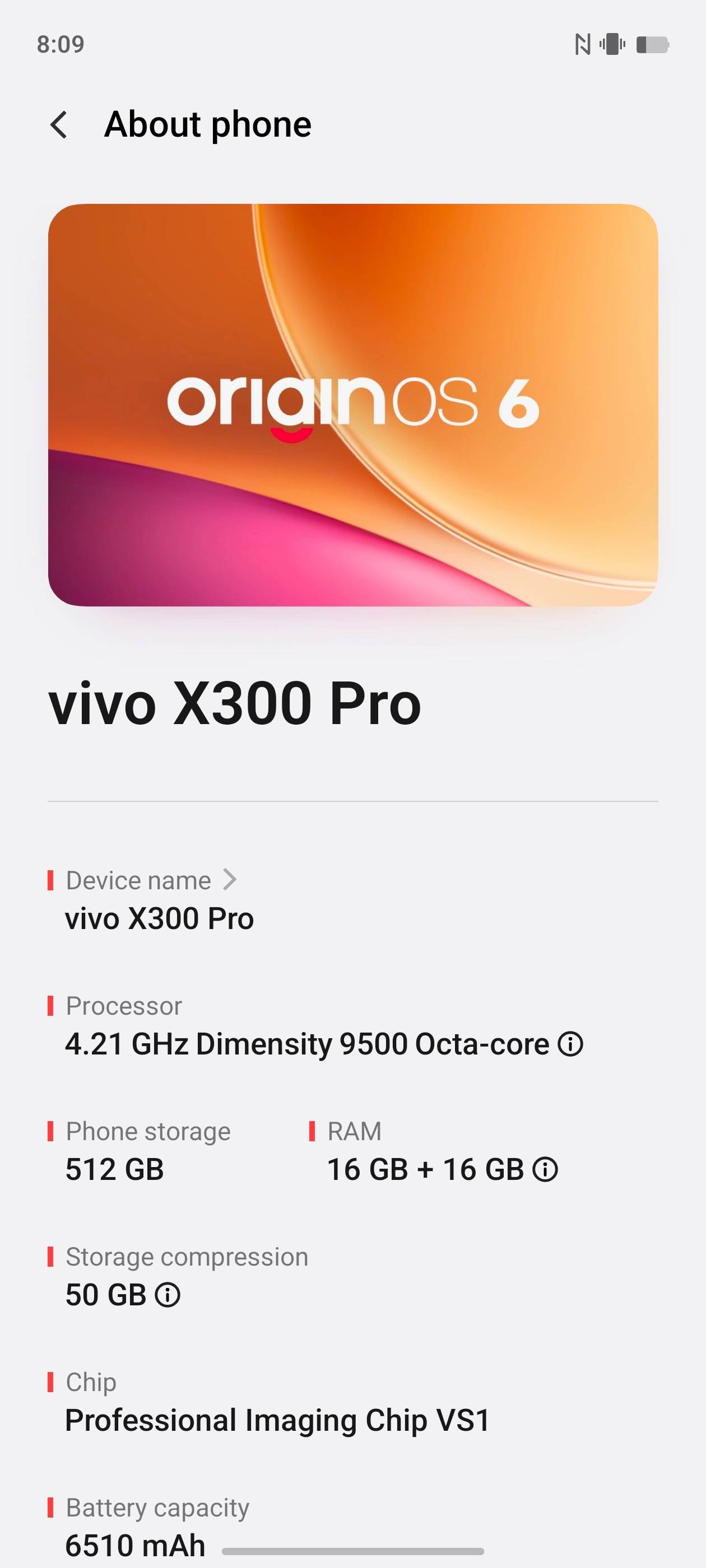
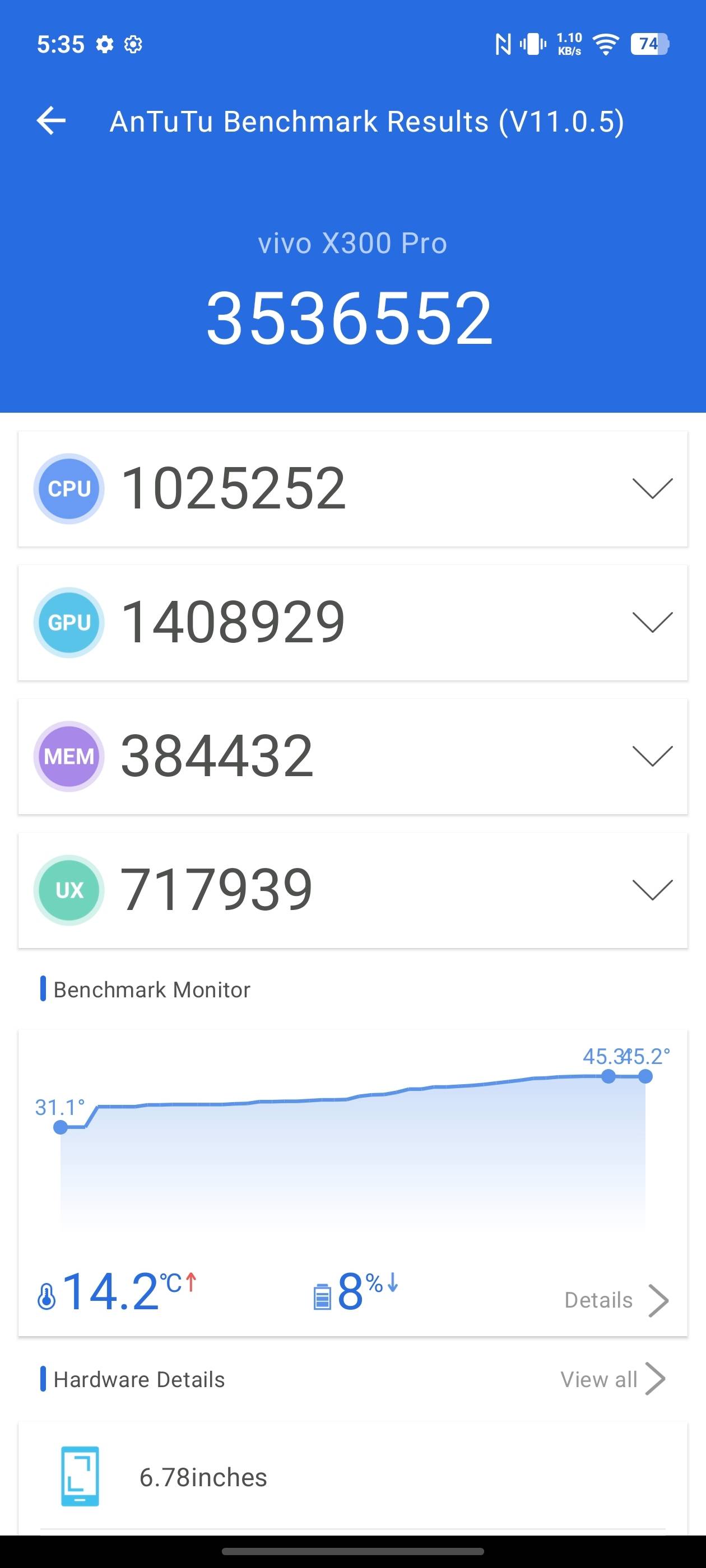
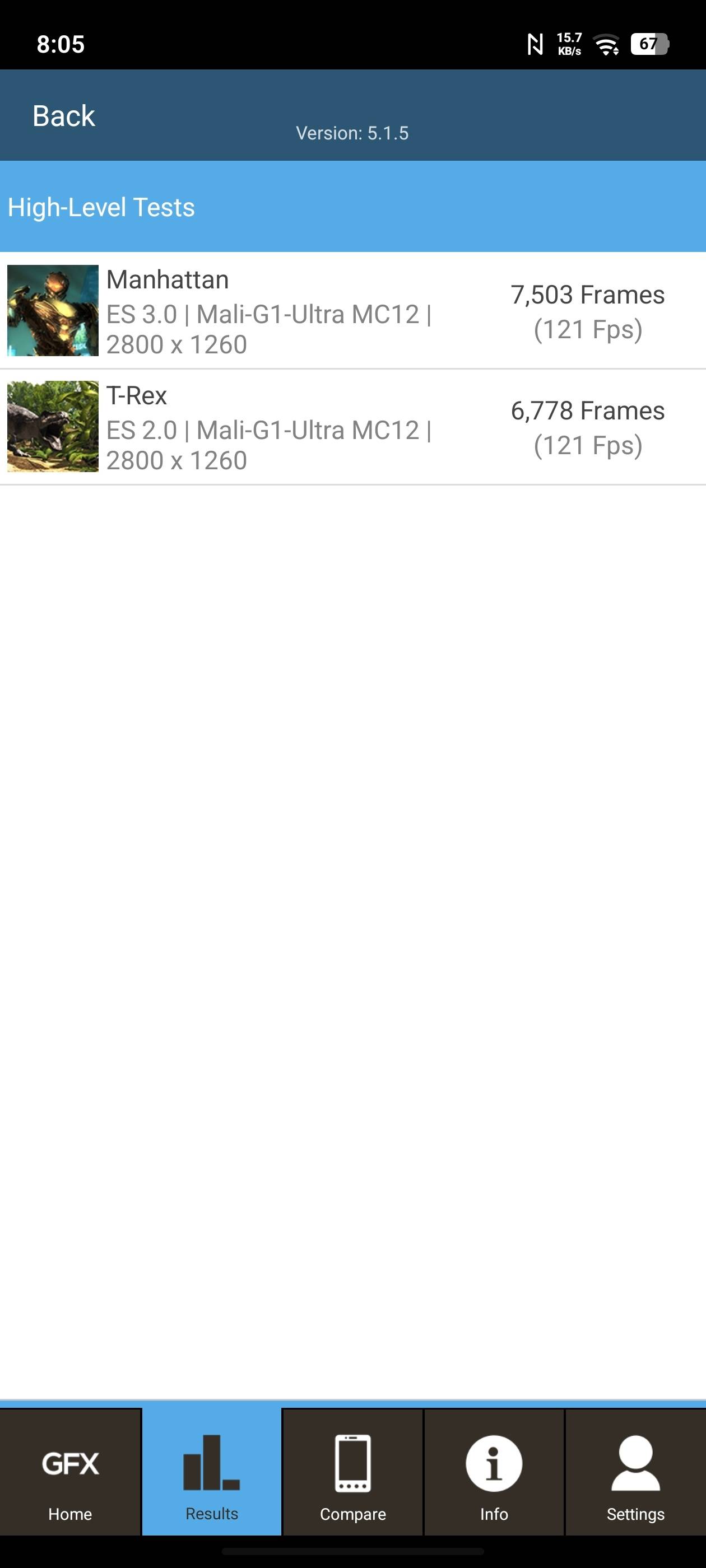
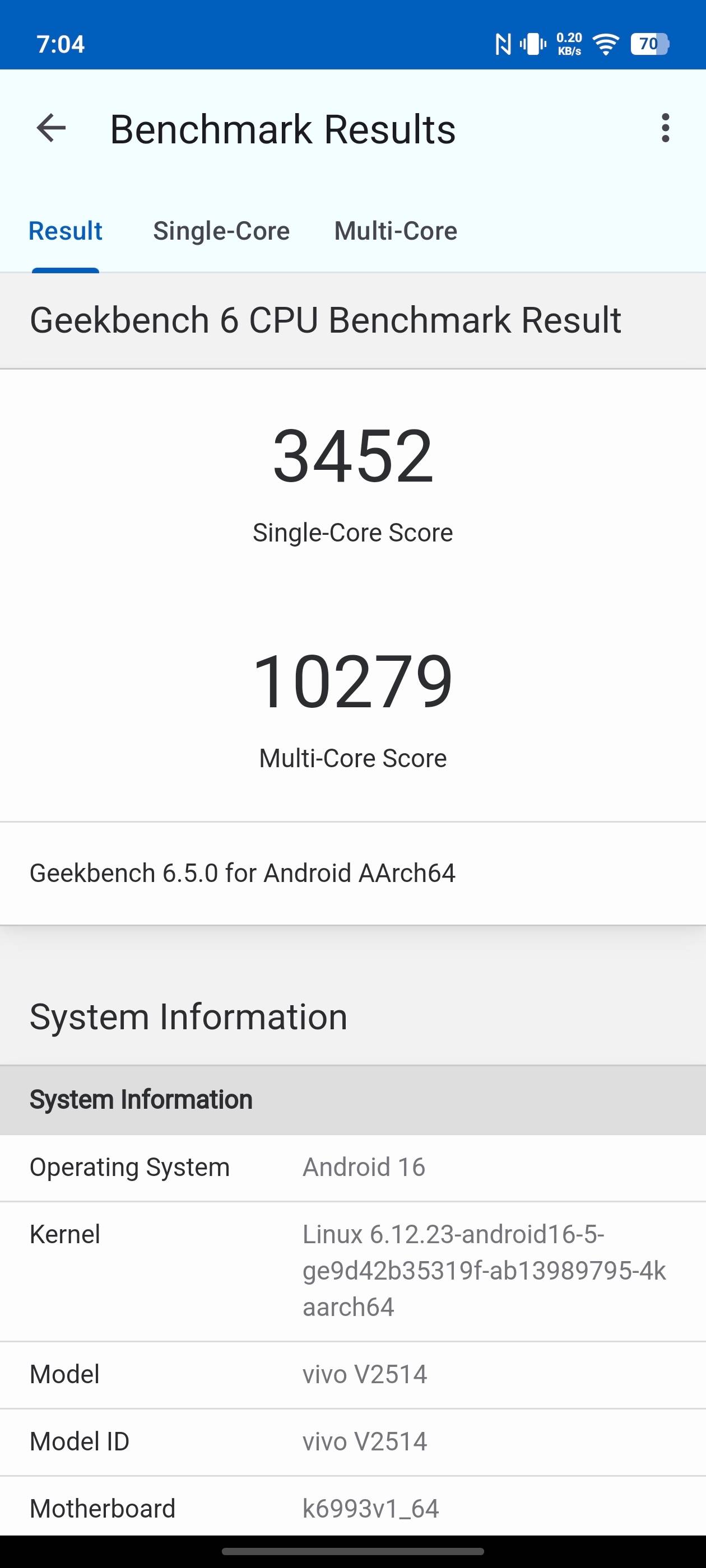
Under the hood, both the Vivo X300 and X300 Pro are powered by MediaTek’s flagship Dimensity 9500 SoC, a chip designed to rival Qualcomm’s Snapdragon 8 Elite Gen 5 in efficiency and AI processing. This will directly pitch the Vivo X300 series against OnePlus 15, iQOO 15, Xiaomi 17 series and the Realme GT8 series. However, its closest rival would remain the OPPO Find X9 series which uses the same MediaTek processor and also focusses on photography as its primary selling point.
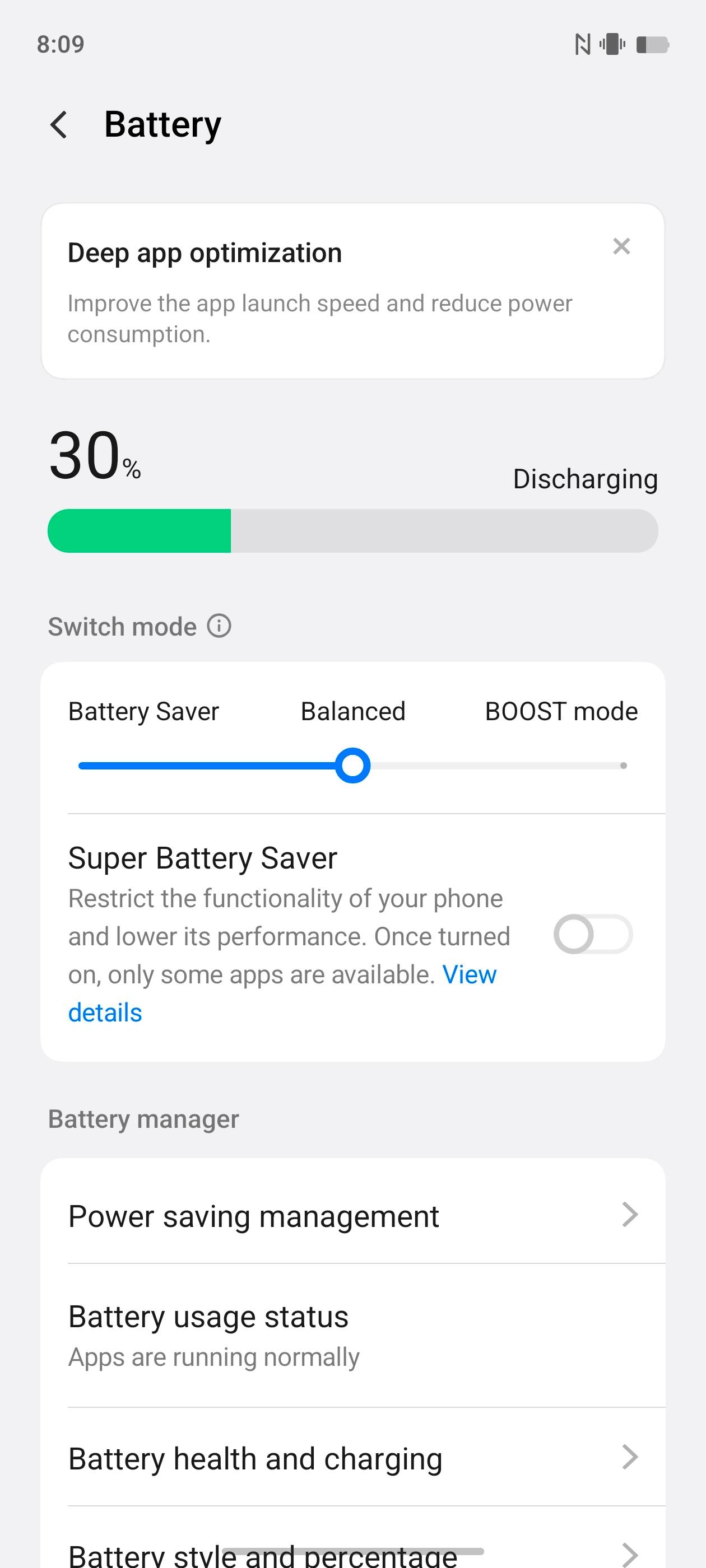
Both Vivo X300 series models feature 90W wired and 40W wireless charging, ensuring top-ups are as fast as possible despite the batteries being slightly smaller than those used in China: the X300 gets a 5,360mAh unit, while the X300 Pro gets a 5,440mAh unit. The Chinese models saw 6,040mAh and 6,510mAh silicon-carbon batteries. The downgrade is being attributed to certification hassles. Meanwhile, OPPO launched its Find X9 series with 7,000mAh+ batteries in Barcelona this week, gaining a competitive advantage over Vivo.
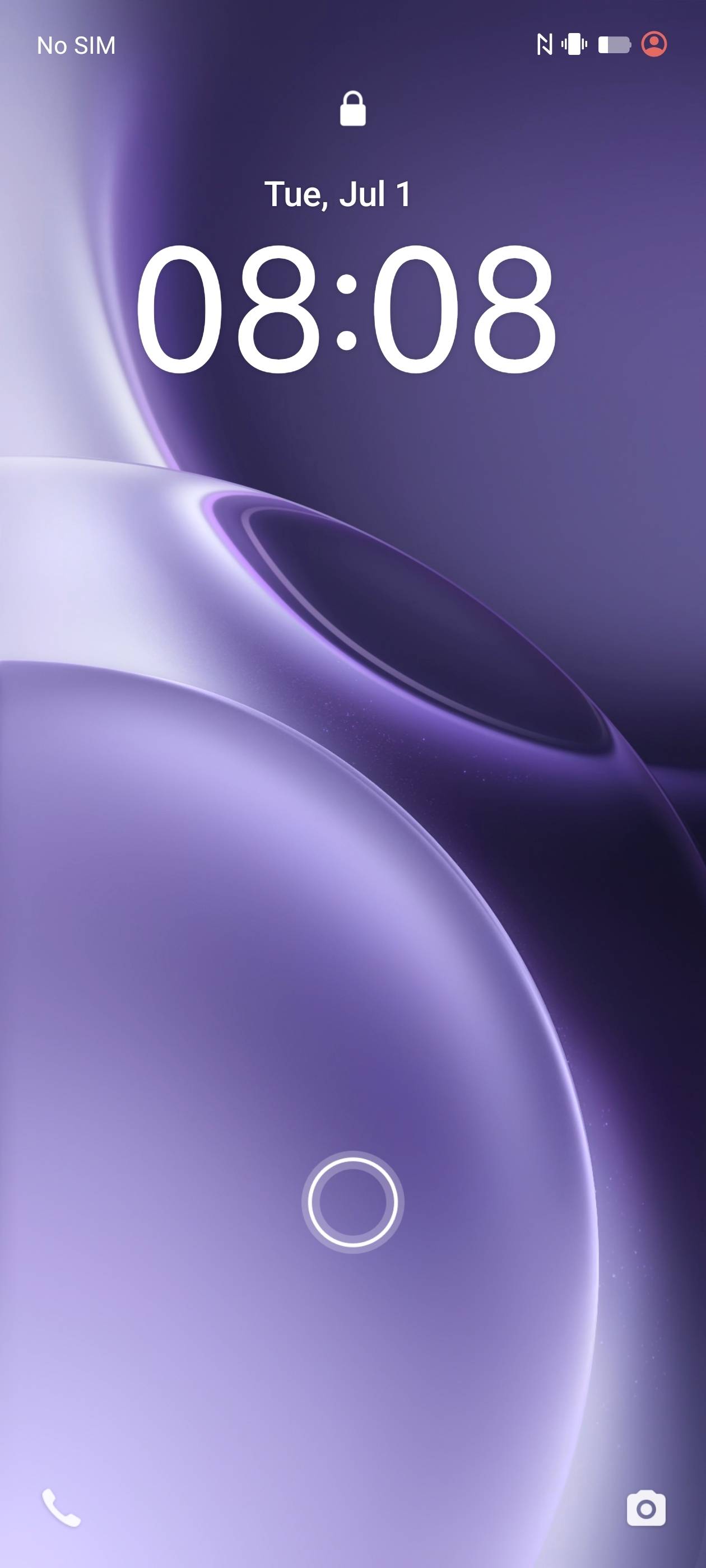
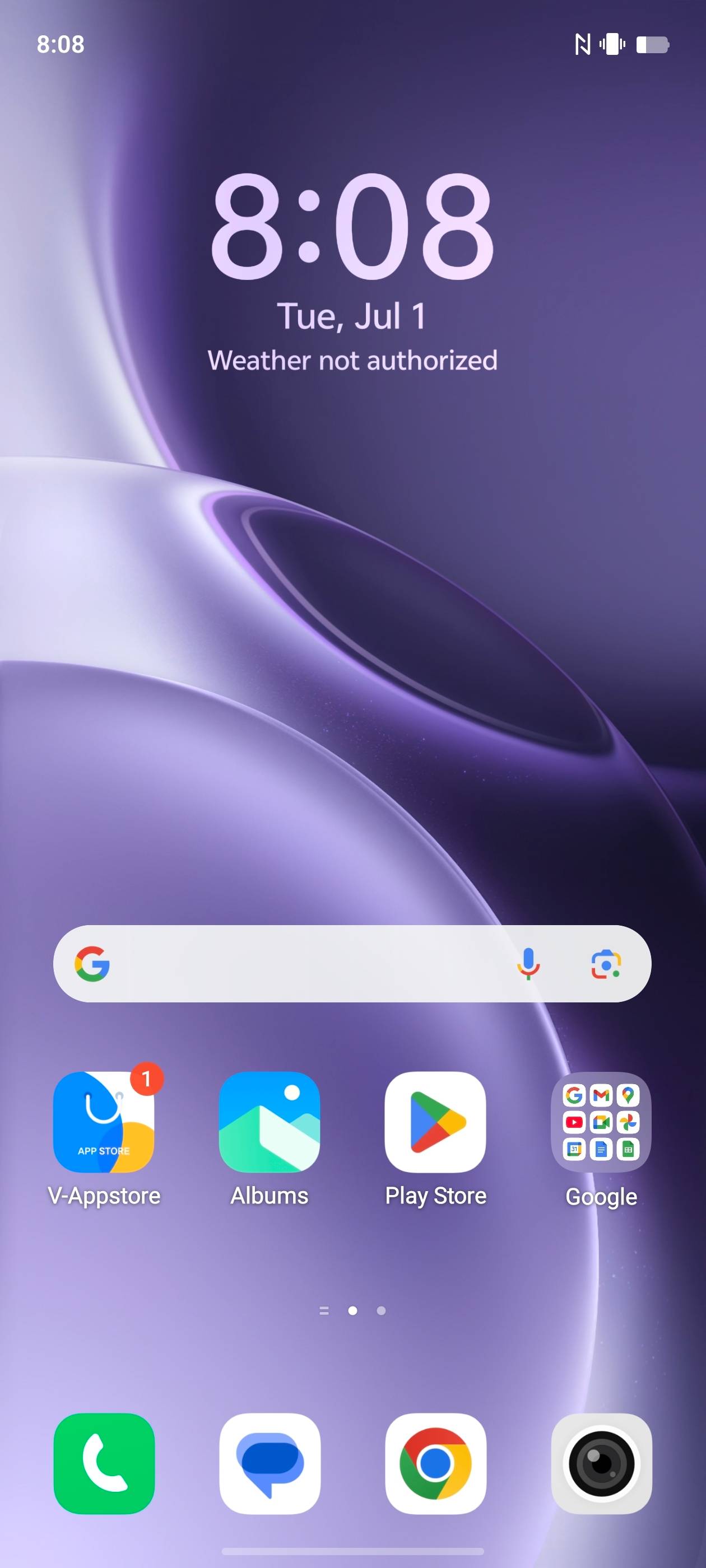
One major pro for global X300 series buyers is the addition of OriginOS 6, running on Android 16, which is now making its international appearance after years of Funtouch OS. Users are sure to be pleased with the smoothness, minimalism and refinements the previously China-exclusive OriginOS 6 is set to bring. Vivo also promises an increased five years of OS updates and seven years of security patches, matching the extended support cycles now provided by Samsung and Google. Funtouch users felt it was heavy on animations and bloatware, and a shift to the new OS shows Vivo’s focus moving from only hardware innovation to offering longer software reliability and refinement, something European users increasingly expect in the flagship segment.

Prices are as follows: the Vivo X300 starts at EUR 1,049 (around Rs 1.07 lakh) for its 12GB/256GB trim and tops out at EUR 1,099 (around Rs 1.13 lakh) for 16GB/512GB, while the X300 Pro costs EUR 1,399 (around Rs 1.43 lakh) in its sole 16GB/512GB variant. To sweeten the deal, Vivo is throwing in a EUR 100 discount coupon, a free charger, and a telephoto extender kit (normally EUR 600 ~Rs 62,000, but half off at launch). It sets up the X300 series as a direct rival to the OPPO Find X9 series, and mostly the OnePlus 15 and Realme GT 8 series, all of which will mostly sit within that EUR 800-EUR 1,300 price bracket.
For anyone shopping for a high-end Android flagship, Vivo’s X300 series offers a familiar formula: high-end cameras, fast charging, and vivid displays. However, with its slightly smaller batteries compared to the Chinese models and OPPO’s flagships, European users can expect marginally reduced endurance. On the flip side, OriginOS 6 brings several personalisation options and smoother multitasking – features that could appeal to users who find the minimalist UIs of OnePlus or Google Pixel too stripped down.
The Vivo X300 Pro is a quite good device for buyers who emphasise advanced camera capabilities and premium design, while the standard X300 offers a more compact form factor and competitive specifications to enthusiasts who still want small phones without serious compromises in camera and performance.
vivo X300 Pro Images