If your home security setup includes a Chinese-made CCTV camera, don’t panic just yet. From April 1st, 2026, India’s new cybersecurity guidelines officially come into play, halting the sale of many Chinese-origin cameras, but not banning the use of those already installed. The government now requires all such cameras to be certified under STQC (Standardisation Testing and Quality Certification), along with disclosure of key components like chipsets and firmware. Devices that fail these checks, or rely on restricted supply chains, will not be allowed to be sold going forward. This has raised a practical question for many households that already use cameras from brands like Hikvision, Dahua, or TP-Link and we answer it here for you.
Existing users: You can still use your CCTV cameras
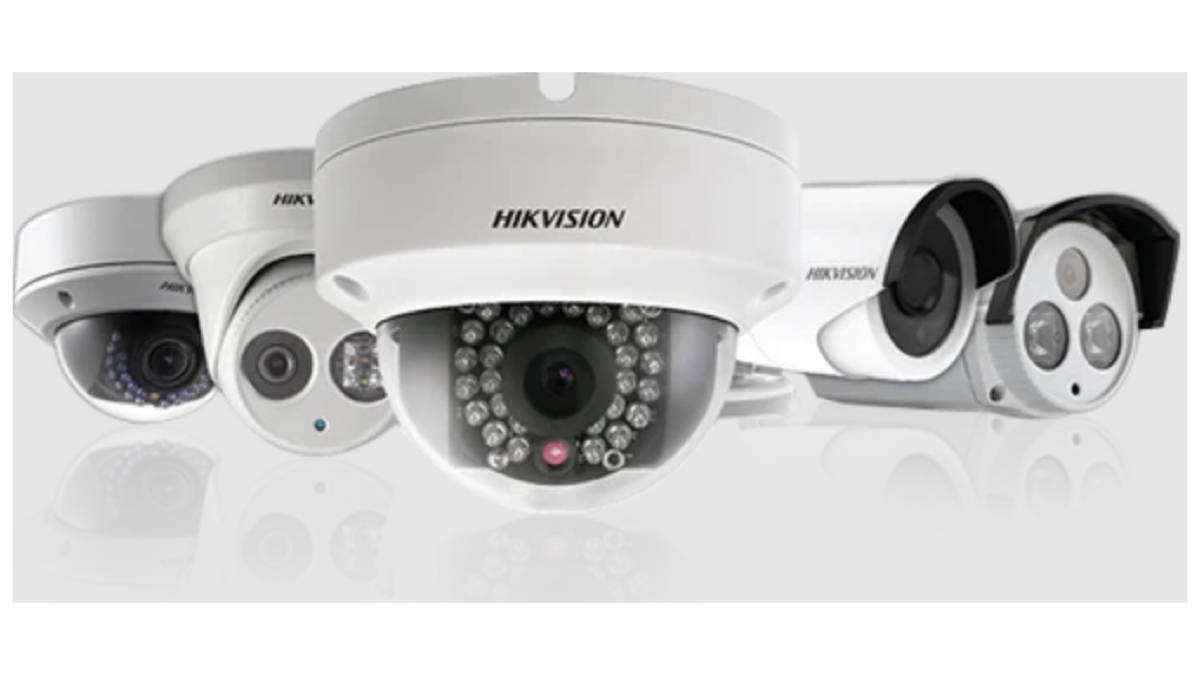
The good news is your current Chinese CCTV system won’t suddenly go dark. The new rules apply to new manufacturing, imports, and sales, not to devices already in use (via). But over time, there could be side effects worth paying attention to. Software and firmware updates may slow down or stop altogether, especially as companies like Hikvision and Dahua shrink their India operations. Without regular security patches, these connected devices could become more vulnerable to cyber threats. With fewer local service networks, getting spare parts or warranty claims processed may start feeling like a maze. The government has also raised concerns about “backdoors” in some imported cameras, which are hidden vulnerabilities that can leave systems open to unauthorised access or data leaks to foreign servers.
TP-Link, which was earlier reported to have been amongst companies affected by the ruling, has clarified it doesn’t have ties to China and is headquartered in the US. Nevertheless, compliance to the regulations will be mandatory, as is for all sellers – local or international.
What the new rule on CCTVs says
The Ministry of Electronics and Information Technology (MeitY) now requires every connected CCTV camera to secure an STQC (Standardisation Testing and Quality Certification) stamp. This certification isn’t just a formality, it’s a thorough cybersecurity check to ensure safer, tamper-proof devices. Manufacturers must also disclose the country of origin for key components like the System-on-Chip (SoC) and firmware. Devices are put through multiple layers of testing for malware resistance, encryption quality, and secure startup processes. Essentially, if a brand can’t prove its cameras meet these standards, or if they rely on restricted Chinese chipsets, they’ll lose their certification and be pulled off shelves in India.
What buyers must know
If you’re shopping for a security upgrade after April 1st, expect a very different catalog. Indian brands such as CP Plus, Qubo, and Matrix are already stepping up, switching to chipsets sourced from Taiwan or the US to meet MeitY’s guidelines. That said, privacy-focused doesn’t mean budget-friendly. Prices are expected to rise by about 15-20 percent, thanks to localisation efforts and stricter compliance testing.
If you just want simple surveillance without the “smart” option, analog cameras remain an affordable option. They don’t depend on internet connectivity and aren’t covered by the new certification rules, so they’re safe from regulation headaches for now.
There is no urgency to replace an existing setup if it is working well. The more relevant consideration is long-term support. A camera that stops receiving updates or becomes difficult to service may still work, but it may not remain as secure or reliable over time. If you’re a new buyer, it makes sense to check whether the device is certified and whether the brand has a stable presence in India.