Based on Android 17, HyperOS 4 builds on HyperOS 3 with design upgrades, seamless transitions, and several performance improvements, among other additions. While Xiaomi unveiled the skin in China in August, it has now released the full HyperOS 4 rollout schedule for Xiaomi, Redmi, and POCO devices in global markets. Per the schedule, several flagship, Redmi Note, and POCO F series devices will receive the update this month, with the rollout set to be completed by the end of December 2026.
Table of Contents
HyperOS 4 update global release schedule is now out
With Xiaomi unveiling the HyperOS 4 update release schedule for global markets, the release doesn’t specify which regions will receive the update first. As for the India-specific rollout, the Xiaomi, Redmi, and POCO smartphones and tablets selling in India should receive the HyperOS 4 update at the same time as their global counterparts:
| Release phase | Devices |
| Early November 2026 |
|
| Mid-November 2026 |
|
| Early December 2026 |
|
While major HyperOS updates are automatically received via OTA, in case you wish to check for the update manually, go ahead and open the Settings app, select the ‘About Phone’ section, and then tap the large HyperOS logo. On the next page, the device will manually fetch the update from the server. Once available, go ahead and install the HyperOS 4 update.
What to expect on HyperOS 4
Here’s a quick rundown of what’s new and what to expect with HyperOS 4:
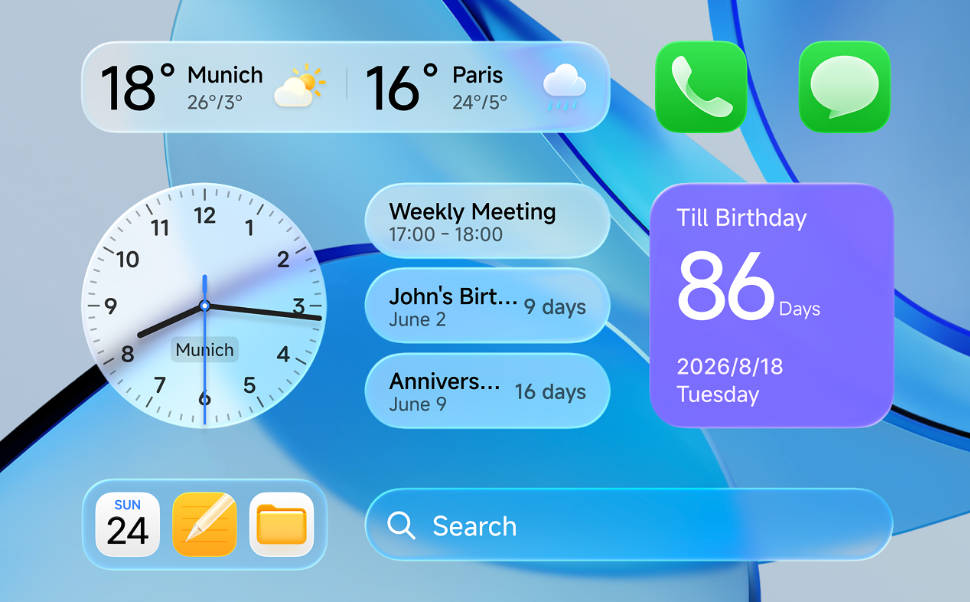
- Soft Light Glass design – HyperOS 4 introduces a new translucent “glass” UI with dynamic light effects, layered cards, and smoother visual depth with hints of lighting effects when pressing and holding on certain elements, such as home screen folders.
- Better customisation – On top of the already vast lockscreen customisation options, HyperOS 4 offers more flexible ways to alter the look of the lock screen by bringing more clock styles and advanced resizable capabilities. On homescreen, stack widgets like ColorOS debut.
- Smoother performance – The improved HyperCore engine reduces instruction load, speeds up app launches, improves memory management, and reduces frame drops.
- Improved multitasking – The update also brings smoother floating windows, better portrait/landscape transitions, and enhanced cross-device features. This should result in a smoother software experience while minimising wait times for transitions to complete.
- AI improvements – In the Recorder app, the system can now create intelligent outlines and summaries, highlight important details, and automatically skip silent sections of a recording, while AI Voice Notes lets users add images to their notes and automatically pull out key conclusions and actionable to-do items. With OriginOS 7 and ColorOS 17 also bringing AI advancements, it’s good to see Xiaomi not holding back.
- Faster system apps – Xiaomi claims there are noticeable speed boosts in Gallery (up to 90% faster photo scanning/scrolling), Camera (quicker HDR processing and cold starts), and overall system responsiveness.
Overall, HyperOS 4 focuses on a more premium look, smoother everyday experience, and deeper AI integration rather than radical new features.