
Nothing Phone 4a
+ Compare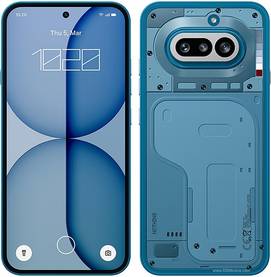
-
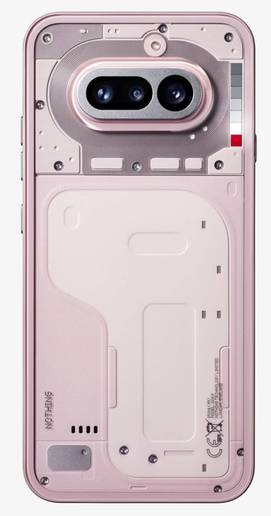
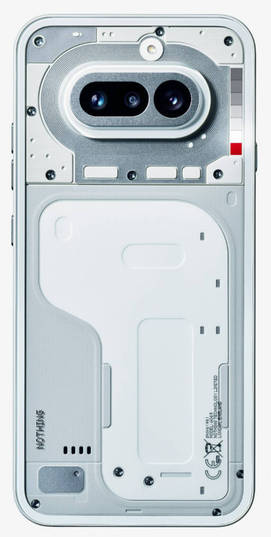
Design14

-
Rear Camera15

-
Front Camera4

-
360° View
![360° View]()
-
UI Screenshot17
![UI Screenshot]()
-
Benchmarks2
![Benchmarks]()


Key Specs
Performance
-
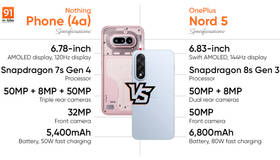
Qualcomm Snapdragon 7s Gen 4 -
Octa core (2.7 GHz, Single Core + 2.4 GHz, Tri core + 1.8 GHz, Quad core) -
8 GB / 12 GB RAM
Display
-
6.78 inches (17.22 cm); Flexible AMOLED -
1224x2720 px (FHD+) -
120 Hz Refresh Rate -
Gorilla Glass Protection -
Bezel-less with punch-hole display
Rear Camera
-
Triple Camera Setup - 50 MP Wide Angle Primary Camera
- 50 MP Periscope (upto 70x Digital Zoom, upto 3.5x Optical Zoom) Camera
- 8 MP Ultra-Wide Angle Camera
-
LED Flash -
4k @30 fps Video Recording
Front Camera
-
32 MP Wide Angle Lens -
Screen flash -
Full HD @30 fps Video Recording
Battery
-
5400 mAh -
50W Quick Charging v4.0; USB Type-C port
General
-
SIM1: Nano, SIM2: Nano -
5G Supported -
128 GB / 256 GB internal storage, Non Expandable -
Dust Resistant, Water Resistant
Nothing Phone 4a Prices in India
Sorry, this product is not available in any store.
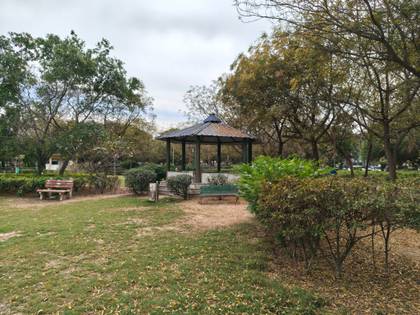
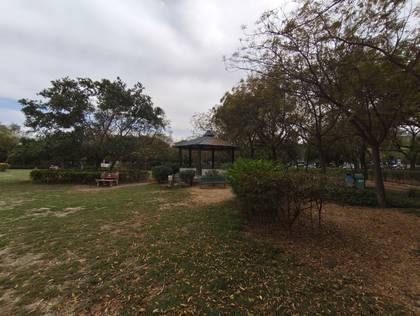
Nothing Phone 4a Compare Camera Samples


























Nothing Phone 4a Expert Review Summary

Expert Rating:
![Ashish Kumar]()
Verdict
The Nothing Phone (4a) stands out with its distinctive design, clean software experience, capable performance, and genuinely useful telephoto camera. The newly-introduced Glyph Bar can be subjective, and the cameras may lean more towards realism than detail and dynamic range. Moreover, the handset may leave power users wanting more.
Pros
- New Glyph Bar is useful & attractive
- Bright, punchy display
- Capable telephoto camera
- Clean, bloatware-free software
Cons
- No NFC support
- Selfie camera needs improvement
Flamboyant design
+
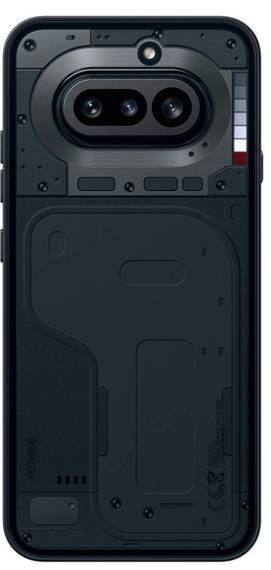
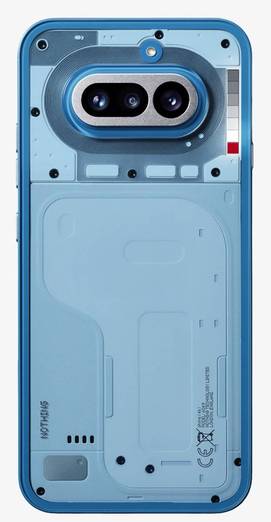
The Phone (4a) carries Nothing's signature flamboyance while ensuring the design doesn't look repetitive. The transparent back panel of the device exposes the device's industrial design, which has been redesigned to look more minimalistic. Furthermore, the pill-shaped camera module may look similar to the Phone (3a), but Nothing has reworked the surrounding area, introducing an oval, coil-shaped plate in place of the Glyph Lights, which have been swapped for the new Glyph Bar. More about the bar in the separate section.
Read More
Ports, buttons, durability, and more
+
The handset carries an IP68 rating for dust and water resistance, a USB Type-C port for charging and data transfer, and aluminium buttons for volume, power, and the Essential Space shortcut, which add a reassuringly solid feel. Nothing has also reworked the button layout. The power button and volume rocker now sit on the right spine, while the Essential Key has been positioned separately, making it easier to distinguish. In daily use, however, the placement feels less than ideal.
Read More
Glyph Bar
+
The Nothing Phone (4a) introduces a new Glyph Bar featuring 63 tiny LEDs, divided into seven small boxes stacked vertically. While Nothing retains its signature white lights for six out of seven boxes, it adds a functional red light for the first time on a Phone (a) series smartphone. The red light is not synced with the rest of the boxes and is limited to video and Essential Space voice recordings. There is an option to turn the light off within the camera app for video recording.
Read More
Punchy screen backed by decent speakers
+
The Nothing Phone (4a) sports a 6.78-inch AMOLED display with 4,500 nits peak brightness, 100 percent DCI-P3 gamut, 120Hz refresh rate, and HDR 10+ support. It's a flat display with relatively chunky bezels, which seems fine for a mid-ranger. The bezels don't come between the viewer and the viewing experience, which remains identical to its predecessor, the Phone (3a). The only thing that has improved here is the brightness, ensuring easy legibility outdoors under direct sunlight.
Read More
Promising telephoto camera
+
In the camera department, the Nothing Phone (4a) features a triple-lens setup headlined by a 50MP Samsung GN9 primary sensor with OIS. It's equipped with an 8MP Sony IMX355 ultrawide lens with an f/2.2 aperture and a 50MP Samsung JN5 periscope telephoto lens with OIS and an f/2.8 aperture. The telephoto camera is the most notable upgrade over its predecessor, and there are some additional presets to shoot images and videos.
Read More
Good performance for everyday use and gaming
+
At the core of the Nothing Phone (4a) lies the Snapdragon 7s Gen 4 SoC, paired with 8GB/12GB of LPDDR4X RAM and 256GB/512GB of UFS 3.1 storage. This is the decent configuration for a lifestyle-oriented smartphone. The SoC, meanwhile, is Qualcomm's latest mid-range offering. It recently debuted in the country on the Redmi Note 15 Pro+. The Nothing Phone (4a) performance remains identical to that of the Redmi smartphone, both in synthetic benchmarks and real-world tests.
Read More
Clean, familiar, and slightly-evolved software
+
The Nothing Phone (4a) ships with Nothing OS 4.1 based on Android 16. As with previous models, the software experience remains refreshingly clean, free from unnecessary third-party apps or intrusive clutter. The brand's distinctive black-and-white aesthetic remains central to the interface, and you can enable it during initial setup or later through the settings menu.
Read More
Reliable battery life for everyday usage
+
The Nothing Phone (4a) comes with a 5,400mAh battery, which is approximately 8 percent larger than its predecessor. However, it still falls short of the 7,000mAh batteries that many contemporary devices offer. That said, the smartphone delivers respectable endurance, at least in our synthetic PCMark benchmark test, where it scored almost 15 hours. Our internal testing, which involved an hour of YouTube streaming and gaming, showed a combined 28 percent battery drop. This appears slightly on the higher side, but real-world usage remains fairly normal.
Read More
Read full Review

Verdict
The Nothing Phone (4a) stands out with its distinctive design, clean software experience, capable performance, and genuinely useful telephoto camera. The newly-introduced Glyph Bar can be subjective, and the cameras may lean more towards realism than detail and dynamic range. Moreover, the handset may leave power users wanting more.
- New Glyph Bar is useful & attractive
- Bright, punchy display
- Capable telephoto camera
- Clean, bloatware-free software
Pros
- No NFC support
- Selfie camera needs improvement
Cons
The Phone (4a) carries Nothing's signature flamboyance while ensuring the design doesn't look repetitive. The transparent back panel of the device exposes the device's industrial design, which has been redesigned to look more minimalistic. Furthermore, the pill-shaped camera module may look similar to the Phone (3a), but Nothing has reworked the surrounding area, introducing an oval, coil-shaped plate in place of the Glyph Lights, which have been swapped for the new Glyph Bar. More about the bar in the separate section.
Read MoreThe handset carries an IP68 rating for dust and water resistance, a USB Type-C port for charging and data transfer, and aluminium buttons for volume, power, and the Essential Space shortcut, which add a reassuringly solid feel. Nothing has also reworked the button layout. The power button and volume rocker now sit on the right spine, while the Essential Key has been positioned separately, making it easier to distinguish. In daily use, however, the placement feels less than ideal.
Read MoreThe Nothing Phone (4a) introduces a new Glyph Bar featuring 63 tiny LEDs, divided into seven small boxes stacked vertically. While Nothing retains its signature white lights for six out of seven boxes, it adds a functional red light for the first time on a Phone (a) series smartphone. The red light is not synced with the rest of the boxes and is limited to video and Essential Space voice recordings. There is an option to turn the light off within the camera app for video recording.
Read MoreThe Nothing Phone (4a) sports a 6.78-inch AMOLED display with 4,500 nits peak brightness, 100 percent DCI-P3 gamut, 120Hz refresh rate, and HDR 10+ support. It's a flat display with relatively chunky bezels, which seems fine for a mid-ranger. The bezels don't come between the viewer and the viewing experience, which remains identical to its predecessor, the Phone (3a). The only thing that has improved here is the brightness, ensuring easy legibility outdoors under direct sunlight.
Read MoreIn the camera department, the Nothing Phone (4a) features a triple-lens setup headlined by a 50MP Samsung GN9 primary sensor with OIS. It's equipped with an 8MP Sony IMX355 ultrawide lens with an f/2.2 aperture and a 50MP Samsung JN5 periscope telephoto lens with OIS and an f/2.8 aperture. The telephoto camera is the most notable upgrade over its predecessor, and there are some additional presets to shoot images and videos.
Read MoreAt the core of the Nothing Phone (4a) lies the Snapdragon 7s Gen 4 SoC, paired with 8GB/12GB of LPDDR4X RAM and 256GB/512GB of UFS 3.1 storage. This is the decent configuration for a lifestyle-oriented smartphone. The SoC, meanwhile, is Qualcomm's latest mid-range offering. It recently debuted in the country on the Redmi Note 15 Pro+. The Nothing Phone (4a) performance remains identical to that of the Redmi smartphone, both in synthetic benchmarks and real-world tests.
Read MoreThe Nothing Phone (4a) ships with Nothing OS 4.1 based on Android 16. As with previous models, the software experience remains refreshingly clean, free from unnecessary third-party apps or intrusive clutter. The brand's distinctive black-and-white aesthetic remains central to the interface, and you can enable it during initial setup or later through the settings menu.
Read MoreThe Nothing Phone (4a) comes with a 5,400mAh battery, which is approximately 8 percent larger than its predecessor. However, it still falls short of the 7,000mAh batteries that many contemporary devices offer. That said, the smartphone delivers respectable endurance, at least in our synthetic PCMark benchmark test, where it scored almost 15 hours. Our internal testing, which involved an hour of YouTube streaming and gaming, showed a combined 28 percent battery drop. This appears slightly on the higher side, but real-world usage remains fairly normal.
Read MoreCompetitors For Nothing Phone 4a
View Alternatives


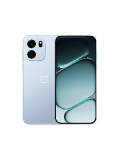
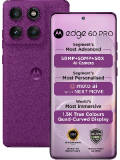

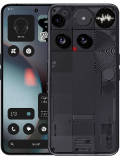

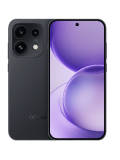
Popular Comparisons
 Nothing Phone 4a
 Nothing Phone 4b
Nothing Phone 4a
Nothing Phone 4b
Nothing Phone 4a
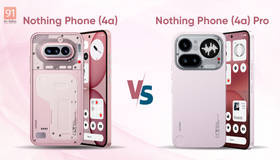
 Nothing Phone 4a Pro
Nothing Phone 4a
Nothing Phone 4a Pro
Nothing Phone 4a
 Nothing Phone 3a
Nothing Phone 4a
Nothing Phone 3a
Nothing Phone 4a
 Motorola Edge 70 Fusion
Nothing Phone 4a
Motorola Edge 70 Fusion
Nothing Phone 4a
 Nothing Phone 3a Pro
Nothing Phone 4a
Nothing Phone 3a Pro
Nothing Phone 4a
 vivo V70 FE
Nothing Phone 4a Specifications
General |
|
|---|---|
| Launch Date | March 5, 2026 (Official) |
| Operating System | Android v16 |
| OS Updates | 3 Year |
| Security Updates | 6 Year |
| Custom UI | Nothing OS |
Performance
(Very Good)
|
||||||
|---|---|---|---|---|---|---|
| Chipset | Qualcomm Snapdragon 7s Gen 4 SM7635-AC | |||||
| Processor | Octa core (2.7 GHz, Single core, Cortex A720 + 2.4 GHz, Tri core, Cortex A720 + 1.8 GHz, Quad core, Cortex A520) | |||||
| Architecture | 64 bit | |||||
| Fabrication | 4 nm | |||||
| Graphics (GPU) | Adreno 810 | |||||
| RAM | 8 GB / 12 GB | |||||
| RAM Type | LPDDR4X | |||||
|
Gaming Test Results

* after 30 mins of gaming
|
||||||
Benchmark Screenshots
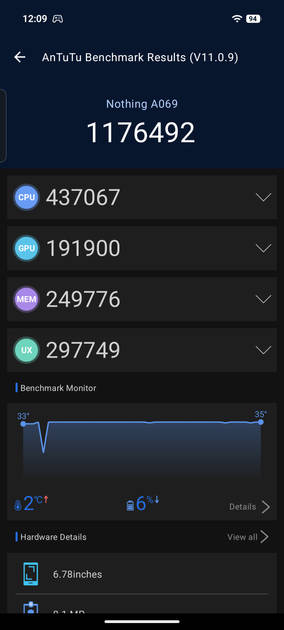
AnTuTu Benchmark
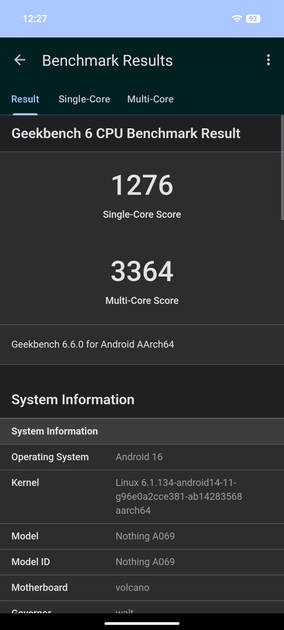
Geekbench6 Benchmark
|

Display
(Excellent)
|
|
|---|---|
| Display Type | Flexible AMOLED |
| Screen Size | 6.78 inches (17.22 cm) |
| Resolution | 1224x2720 px (FHD+) |
| Peak Brightness | 4500 nits |
| HBM Brightness | 1600 nits |
| Refresh Rate | 120 Hz |
| Aspect Ratio | 20:9 |
| Pixel Density | 440 ppi |
| Screen to Body Ratio (calculated) | 87.37 % |
| Screen Protection | Corning Gorilla Glass, Glass 7i |
| Bezel-less Display | Yes with punch-hole display |
| HDR 10 / HDR+ Support | Yes, HDR 10+ |
UI Screenshots

Lock Screen
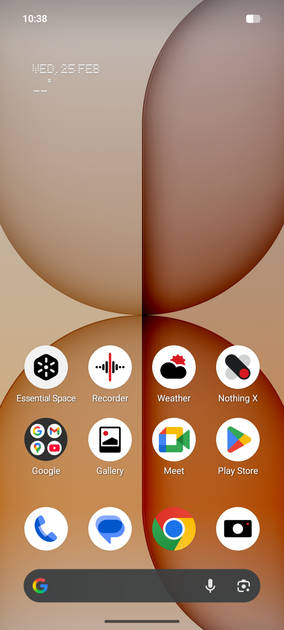
Home Screen
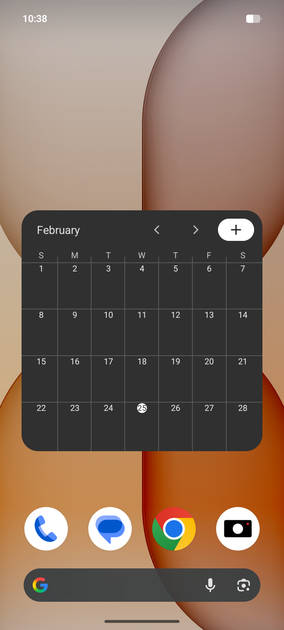
Screen With Widgets
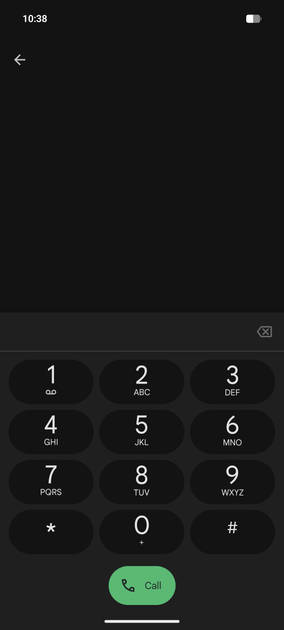
Dialer Screen

App Drawer
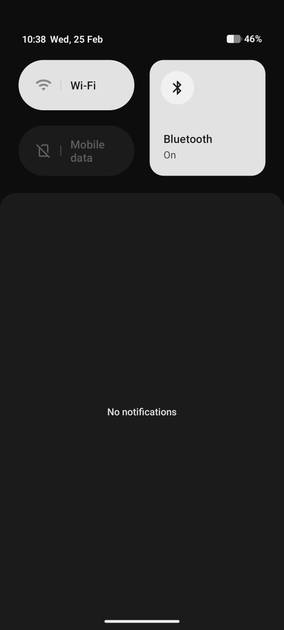
Notification Panel
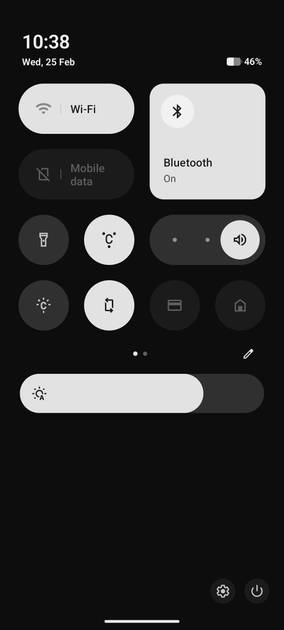
Quick Settings Panel
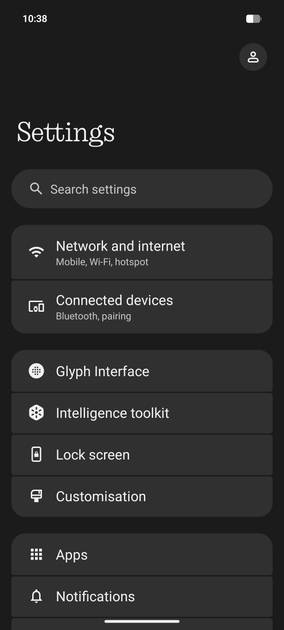
Settings Screen
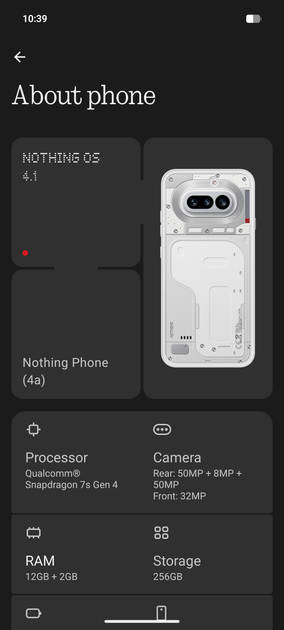
OS Version
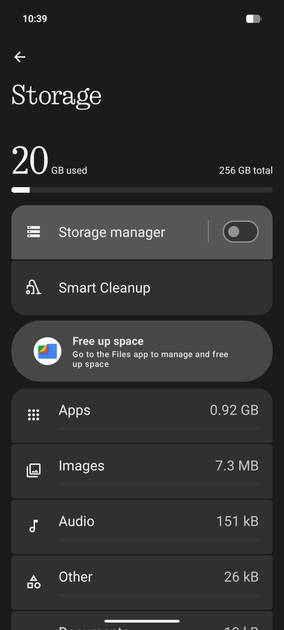
Storage
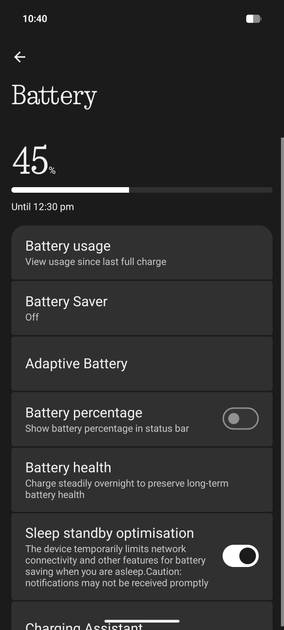
Battery
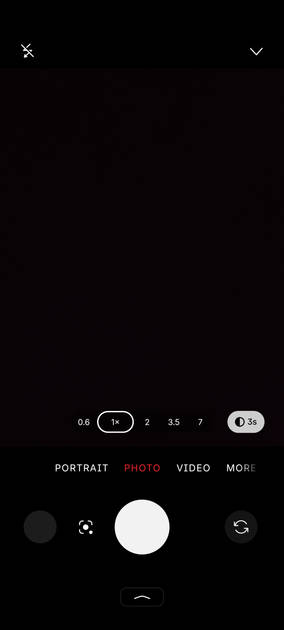
Camera On

Camera Options

Camera Modes
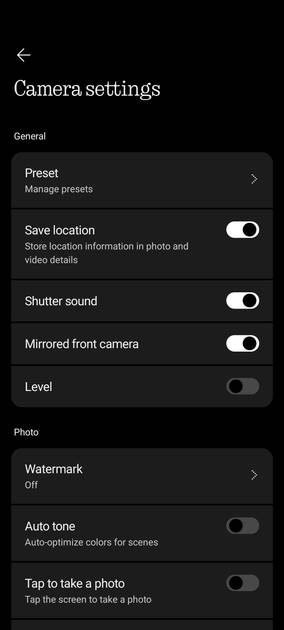
Camera Settings
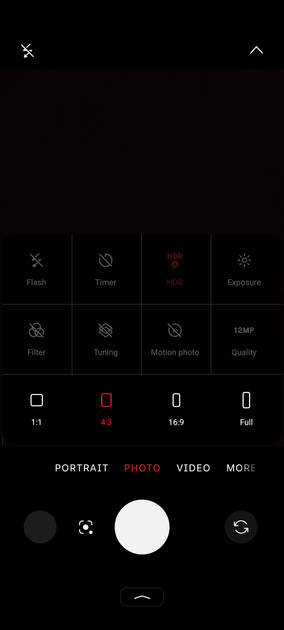
Picture Size Options
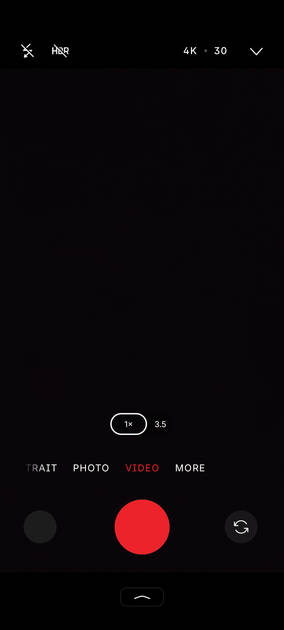
Video Size Options
|
Design |
|
|---|---|
| Height | 163.9 mm |
| Width | 77.5 mm |
| Thickness | 8.5 mm |
| Weight | 205 grams |
| Build Material | Back: Glass |
| Water Resistance | Yes, Splash proof, IP64 |
| Ruggedness | Dust proof |
|
Click to View

|
Rear Camera
(Very Good)
|
||||||||||||||||||||||||||||||||||||
|---|---|---|---|---|---|---|---|---|---|---|---|---|---|---|---|---|---|---|---|---|---|---|---|---|---|---|---|---|---|---|---|---|---|---|---|---|
| Resolution | ||||||||||||||||||||||||||||||||||||
|
||||||||||||||||||||||||||||||||||||
| Autofocus | Yes, Phase Detection Autofocus | |||||||||||||||||||||||||||||||||||
| OIS | Yes | |||||||||||||||||||||||||||||||||||
| Flash | Yes, LED Flash | |||||||||||||||||||||||||||||||||||
| Shooting Modes | High Dynamic Range mode (HDR) | |||||||||||||||||||||||||||||||||||
| Camera Features | Optical Zoom | |||||||||||||||||||||||||||||||||||
| Video Recording |
4k @30 fps Full HD @30/60/120 fps |
|||||||||||||||||||||||||||||||||||
| Video Recording Features |
Optical Image stabilization Slow Motion |
|||||||||||||||||||||||||||||||||||
Rear Camera Samples

Daylight / HDR Auto

Wide Angle

Max Zoom Supported 70x

Long Shot 10X

Long Shot 5X

Long Shot 3X
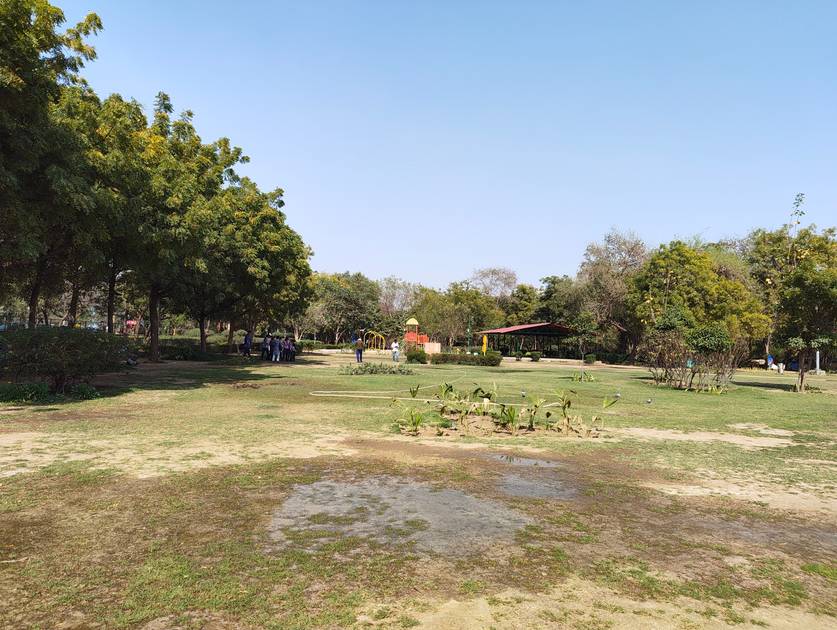
Long Shot 1X

High Res

Portrait Shot
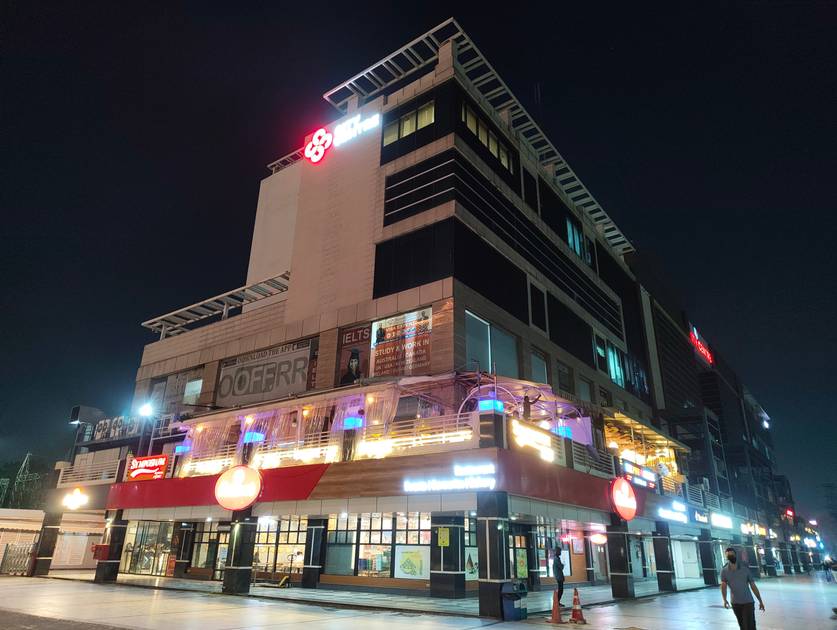
Night Mode OFF

Night Mode ON

Close Up

Low Light

Low Light With Flash
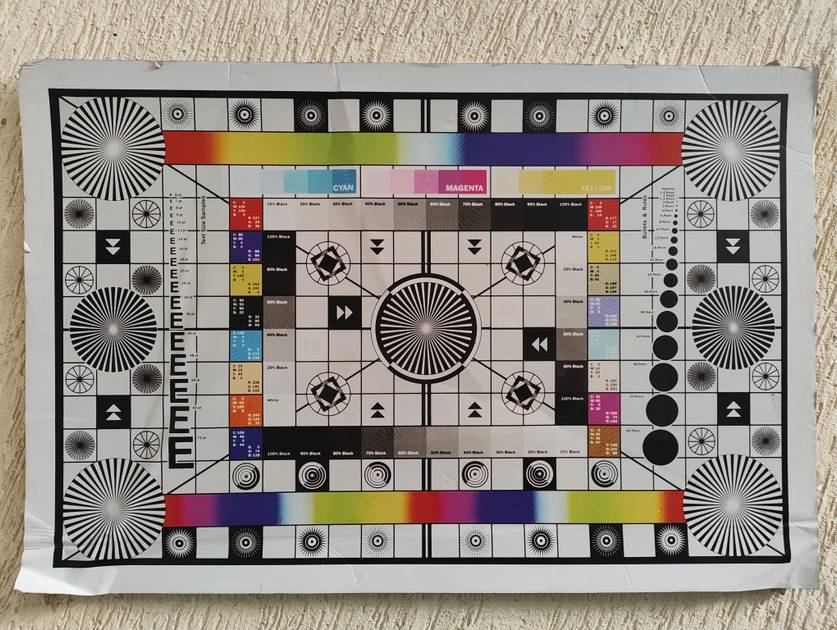
Colour Variance
|
Front Camera
(Very Good)
|
||||||||||
|---|---|---|---|---|---|---|---|---|---|---|
| Resolution | ||||||||||
|
||||||||||
| Flash | Yes, Screen flash | |||||||||
| Video Recording | Full HD @30 fps | |||||||||
Front Camera Samples

Selfie

Selfie Portrait

Selfie Low Light

Selfie Low Light With Flash
|
Battery
(Excellent)
|
||||
|---|---|---|---|---|
| Capacity | 5400 mAh | |||
| Quick Charging | Yes, 50W Quick Charging v4.0, 50% in 19 minutes | |||
|
Battery Test Results
|
Storage |
|
|---|---|
| Internal Storage | 128 GB / 256 GB |
| Storage Type | UFS 3.1 |
| Expandable Storage | No |
Network & Connectivity |
|
|---|---|
| SIM Slot(s) | Dual SIM |
| SIM Type | SIM1: Nano, SIM2: Nano |
| Network Support | 5G, 4G |
| VoLTE | Yes |
| SIM 1 |
5G bands, 4G bands
Expand
|
| SIM 2 |
5G bands, 4G bands
Expand
|
| Wi-Fi | Yes, Wi-Fi 6 (802.11 a/b/g/n/ac/ax), MIMO |
| Wi-Fi Features | Wi-Fi Direct, Mobile Hotspot |
| Bluetooth | Yes, v5.4 |
| GPS | Yes with Glonass |
| NFC | Yes |
Multimedia |
|
|---|---|
| Stereo Speakers | Yes |
| Audio Jack | USB Type-C |
Sensors |
|
|---|---|
| Fingerprint Sensor | Yes |
| Fingerprint Sensor Position | On-screen |
| Fingerprint Sensor Type | Optical |
| Other Sensors | Light sensor, Proximity sensor, Accelerometer, Compass, Gyroscope |
Recent Stories




Nothing Phone 4a User Reviews
Nothing Phone 4a Key Highlights
| Processor | Qualcomm Snapdragon 7s Gen 4 SM7635-AC |
| RAM & Storage | 8 GB RAM + 128 GB 8 GB RAM + 256 GB 12 GB RAM + 256 GB |
| Display | 6.78", 1224 x 2720 Resolution |
| Rear Camera | 50 MP + 50 MP + 8 MP |
| Front Camera | 32 MP |
| Battery | 5400 mAh |






Nothing Phone 4a Price In India
| Product Name | Price |
|---|---|
| Nothing Phone 4a (8 GB + 256 GB) | ₹37,489 |
| Nothing Phone 4a (12 GB + 256 GB) | ₹39,900 |
Popular Links
- All Upcoming Phones
- Samsung Galaxy M47 5G
- OPPO Reno16 5G
- Motorola Edge 70 Max
- OPPO Reno16c 5G
- vivo T5 Lite 5G
- Samsung Mobiles
- Motorola Mobiles
- vivo Mobiles
- OPPO Mobiles
- Tecno Mobiles
- realme Mobiles
- OnePlus Mobiles