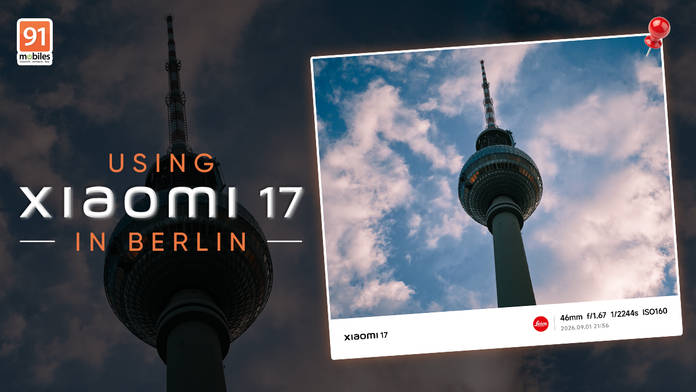
I recently travelled to Berlin to cover Xiaomi’s debut at IFA 2026, where the brand showcased its Human x Car x Home ecosystem and expansion plans in Europe with Mijia and auto. On the days I wasn’t exploring the IFA grounds, I walked around Berlin with the Xiaomi 17 in my pocket, and somewhere between the Brandenburg Gate and an ice cream at the end of a long day, I realised I hadn’t opened a single AI editing tool. Not once. Every photo in this piece came out of the camera app looking exactly the way I wanted it to, because I’d already picked the mood before I pressed the shutter, not after.
That’s what I keep coming back to about Xiaomi’s approach to cameras. I wrote about this back in March after experiencing the Xiaomi 17 Ultra in Vietnam, where Xiaomi argued that better hardware should mean AI barely needs to get involved. The Xiaomi 17 isn’t an Ultra; the main camera drops to 50MP without the 1-inch sensor or continuous telephoto zoom. However, the Leica colour science and the in-camera filters carry over. And in a city as visually layered as Berlin, with glass and concrete, colourful walls and grand domes sitting next to Cold War-era relics, that’s exactly what I wanted. I didn’t want a phone to fix my photos after I took them; I wanted a phone that let me choose how the scene felt right there in the viewfinder.
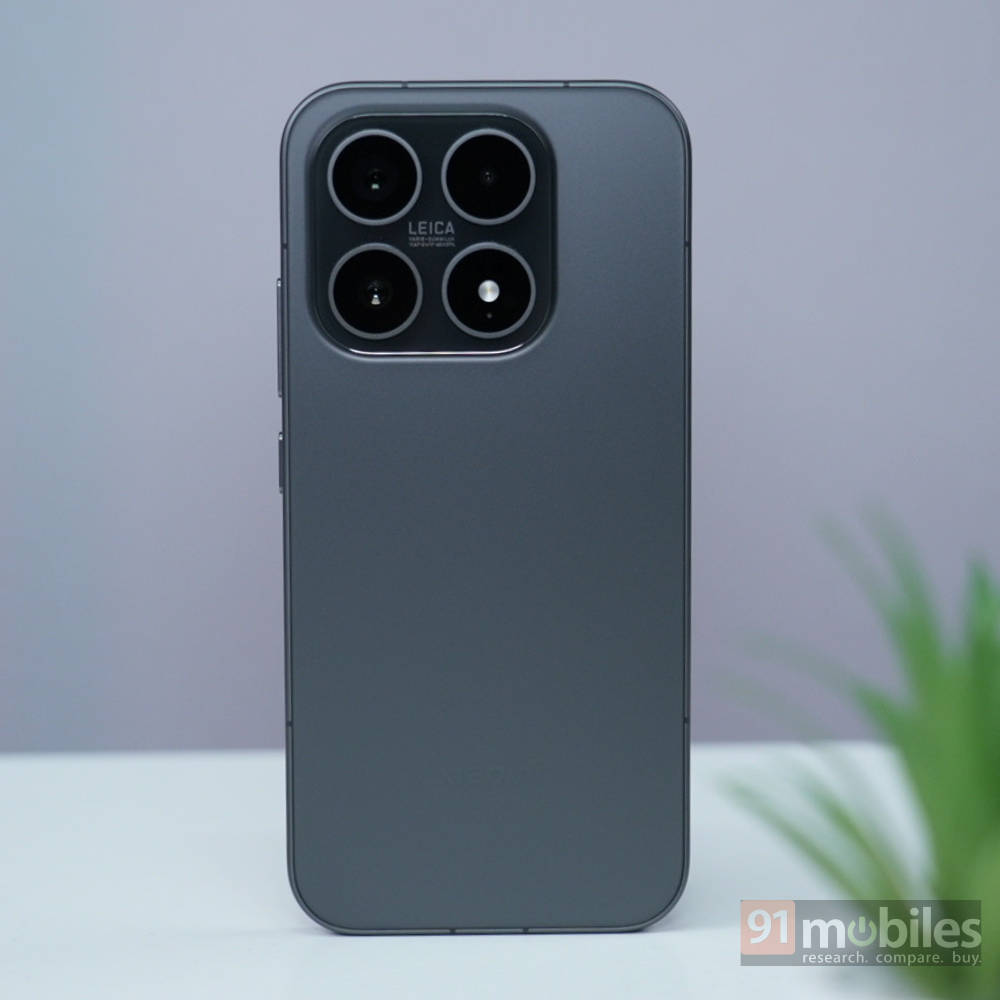
Table of Contents
A Memorial preserved in black and white
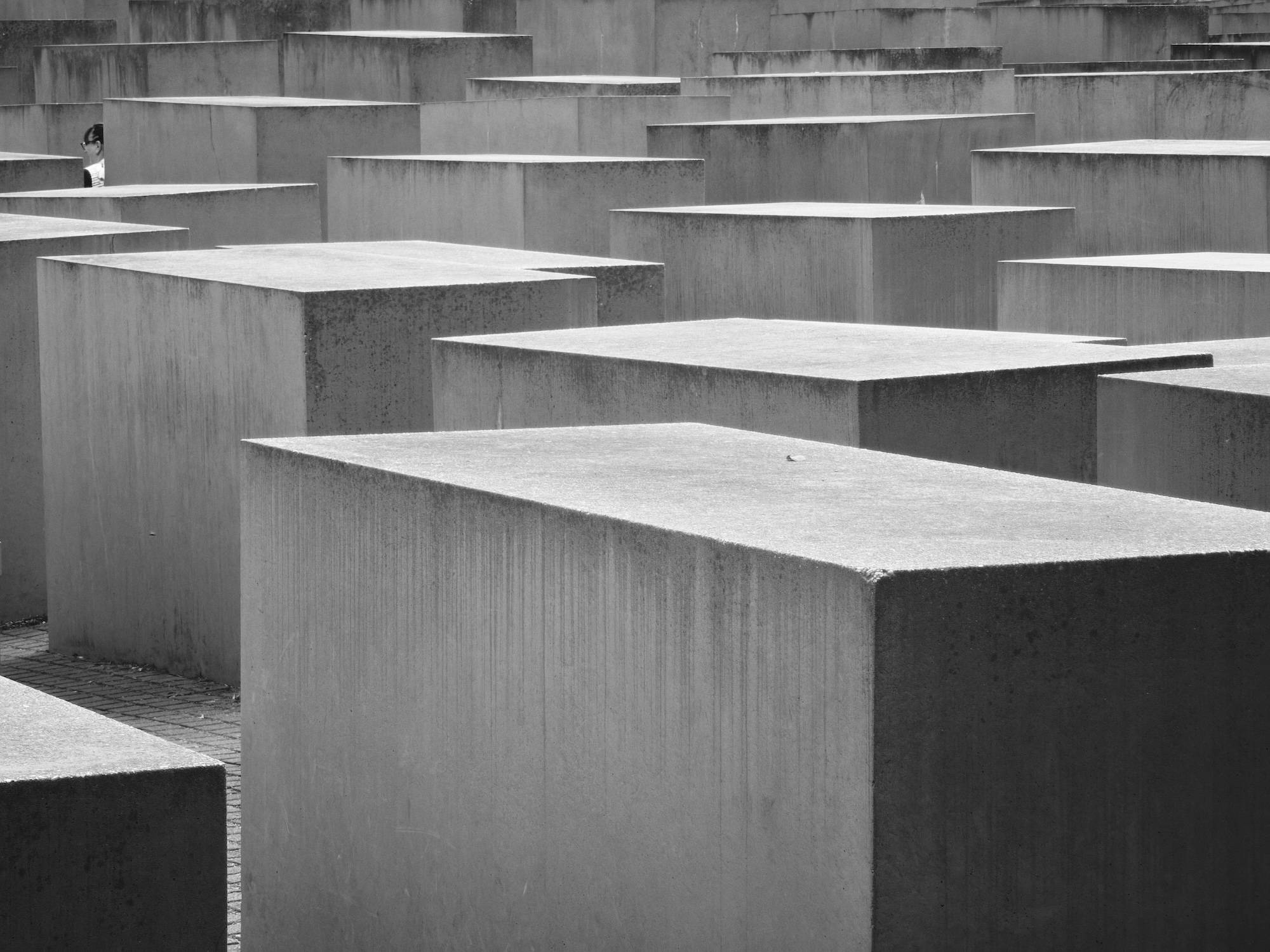
The first stop in our photowalk was the Memorial to the Murdered Jews of Europe, a field of 2,711 grey concrete pillars (stelae) of varying heights. No amount of colour grading would make that scene feel like anything other than what it was: heavy, deliberate, disorienting on purpose. I switched to the Leica BW and BW HC filters before I took a single shot here, and it was the right call. Stripped of colour, the stelae stopped being individual blocks and started appearing as one continuous, uneven grid, the kind of composition that photographs itself once you find an angle where the rows recede into each other.
 Cinematic for everything that wasn’t trying to be a postcard
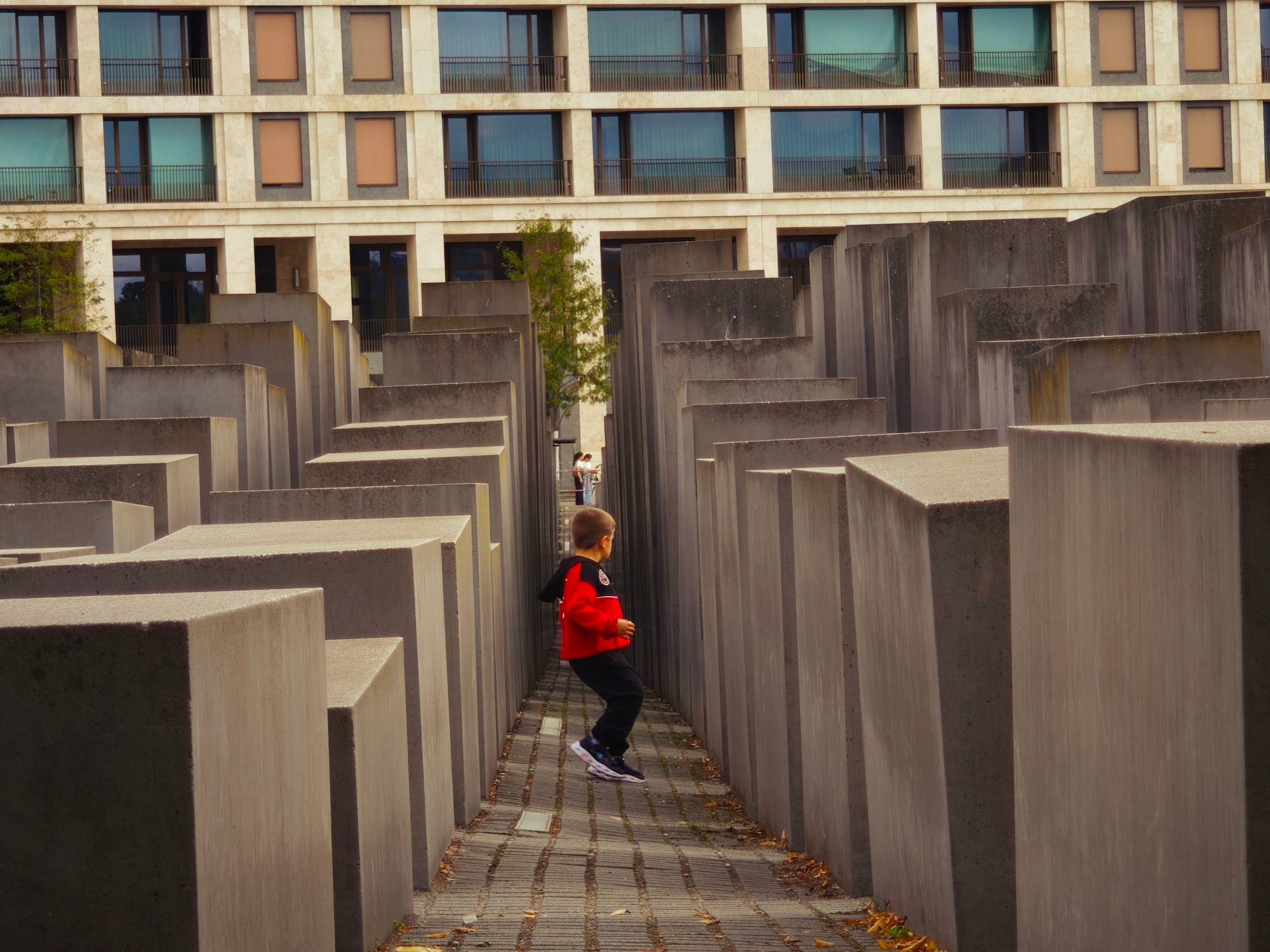
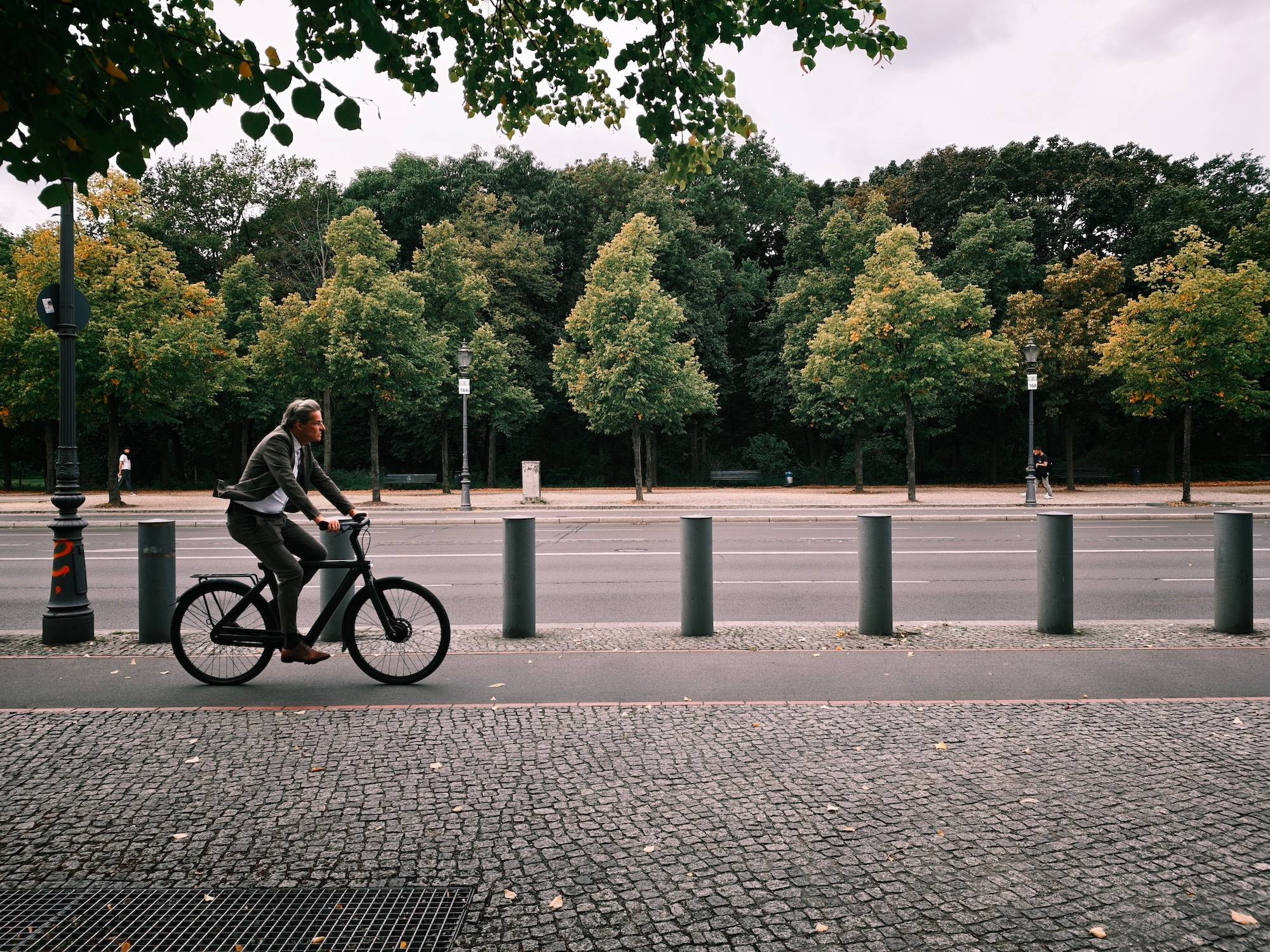
Most of my week in Berlin wasn’t spent at landmarks; it was spent walking between them, and that’s where the Cinematic filter earned its keep. A man in a blazer cycling past the edge of Tiergarten on an overcast afternoon isn’t a dramatic shot on paper, but the desaturated, slightly flattened colour palette Cinematic applies gives it a quiet, observational quality that a straight, punchy colour shot wouldn’t have had. The greens of the trees hold back just enough, the grey sky doesn’t blow out, and the whole frame feels like it belongs to a specific, slightly grey Tuesday rather than a generic sunny day anywhere.
Leaving colour alone when the scene already had it
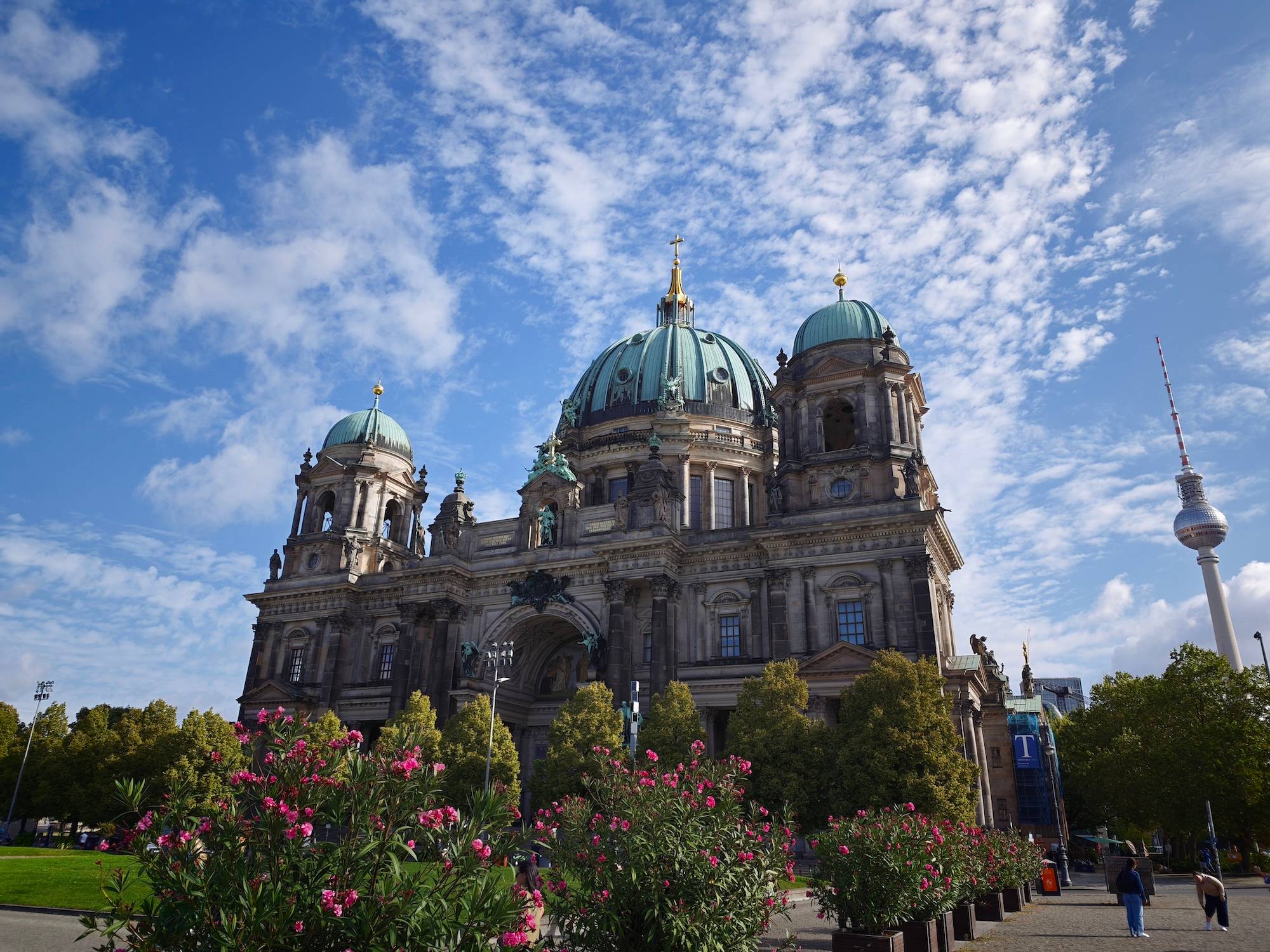
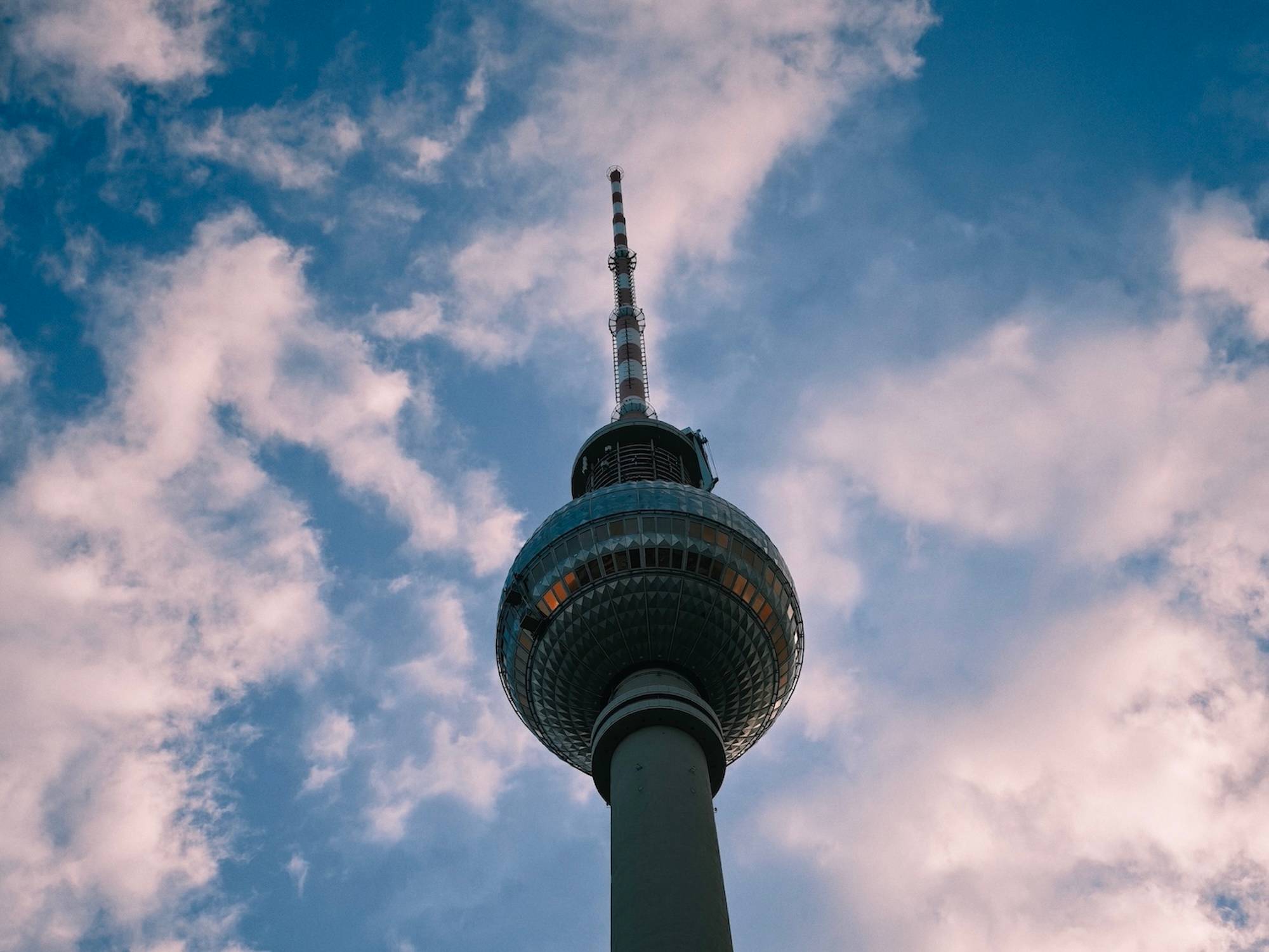
Not every shot needed a mood applied to it. The Berliner Dom on a genuinely clear morning, its green domes against a sky doing all the work already, is a scene where I left the processing close to default and let the primary sensor’s dynamic range do its job. The pink oleander flowers in the foreground hold their saturation without tipping into anything unnatural, and the sky keeps its texture instead of blowing out to a flat blue, which is the kind of restraint I appreciate from a phone camera at this price. The Fernsehturm needle rising in the background of one of these Dom shots is a nice bit of framing I didn’t even plan, just a benefit of shooting wide enough to let the city do its own composition.
 Of dimly lit scenes and ice creams
A phone camera producing a scene like this without stacking five frames together, or asking me to type out what I wanted the shot to look like, is still impressive to me.
Berlin isn’t only memorials and cathedrals, and by the end of most days I was more interested in documenting ice creams and Negronis than another skyline. The picture above was shot indoors, in low light, with the only source coming from a single overhead lamp on the table. The amber warmth in the drink and the orange peel garnish come through without the shot turning muddy or over-sharpened, and the shallow depth of field falls off naturally toward the blurred lamp and the QR code coaster behind it. It’s a small, unglamorous test of a camera: a dim table in a bar. But it’s also the kind of shot most people actually take on holiday, and the Xiaomi 17 handled it without needing a dedicated night mode to save it.

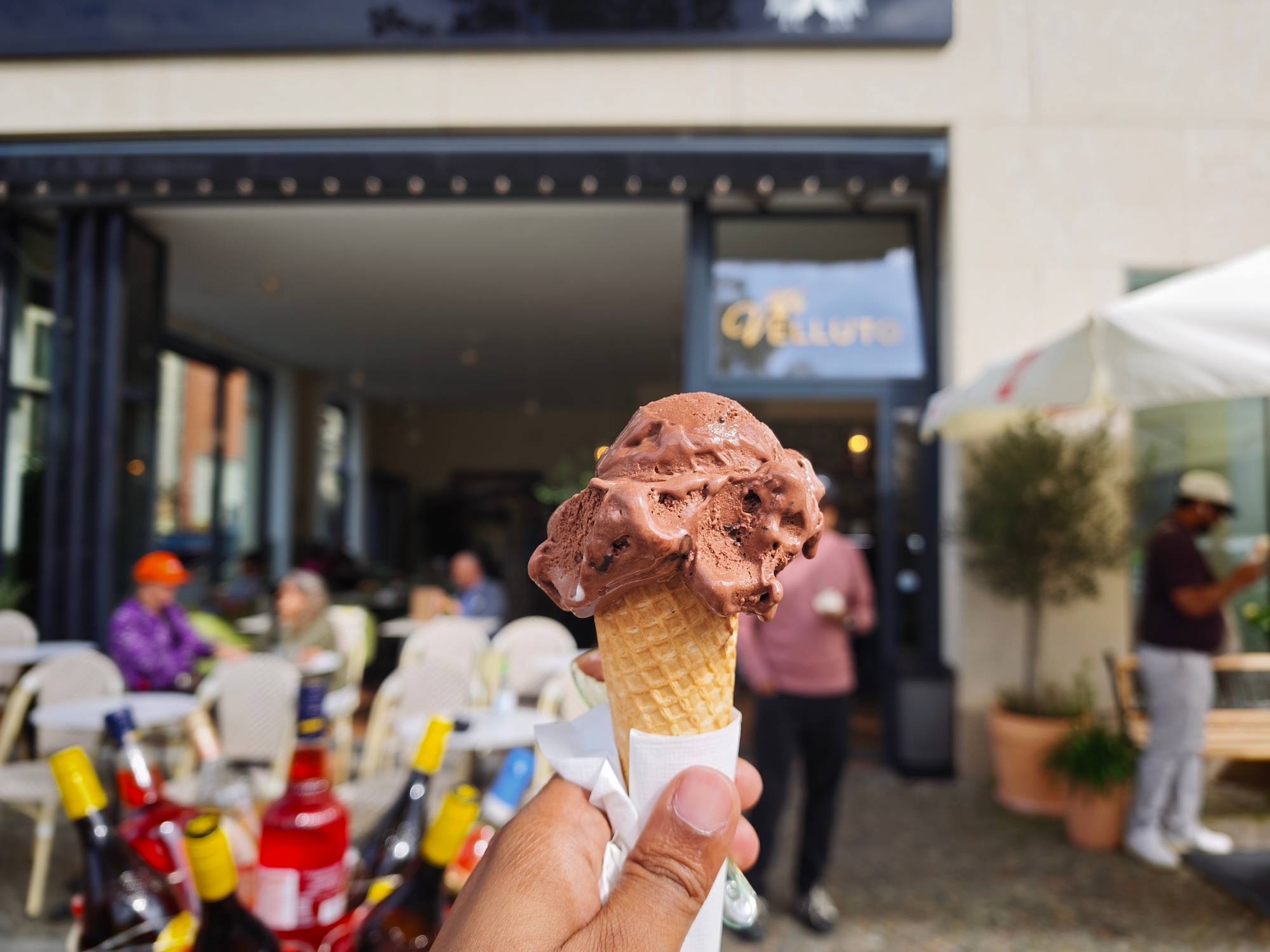
That’s the real case for filters over AI. An AI edit is something you apply to a photo you’ve already lost faith in. A filter, chosen in the moment, is just how you saw the scene in the first place. Berlin gave me plenty of both kinds of moments this week. I only needed the camera to keep up with the second kind.
Disclosure: The writer attended Xiaomi’s debut IFA 2026 showcase in Berlin on Xiaomi India’s invitation.