The iPhone 18 Pro Max has launched recently, and, as expected, it has quickly become the centre of conversation across the smartphone community. With a new generation of iPhones comes the obvious question: how does it compare with its biggest competitors when it comes to cameras?
To find out, we put the iPhone 18 Pro Max against the Samsung Galaxy S26 Ultra (review) and Google Pixel 11 Pro XL (review) in a series of camera tests. We captured identical images across different scenarios, from daylight and zoom to portraits, selfies and low-light conditions, to see how each phone handles different situations.
So, which is the better shooter among these three flagship phones, and how do they compare against each other? Read on to find out.
How we test
Our camera comparison is based on hands-on testing rather than just looking at the specifications. We shot identical images with all three phones across different scenarios and compared the results directly.
For each image, we looked at a few key areas:
- Colour and detail: How accurately the phone reproduces colours, along with sharpness and detail across the frame.
- Portraits and selfies: How well it handles skin tones, facial details and subject separation.
- Low light: How well it manages detail, noise, stray light and lens flares in challenging conditions.
For each scenario, including daylight, ultrawide, portrait, selfie and low light, we compared the phones across these parameters before arriving at an overall result. This gives us a more consistent way to judge their camera performance beyond what the specifications suggest.
Table of Contents
Daylight
Winner: Samsung Galaxy S26 Ultra
On their own, all three phones are excellent daylight shooters, with vibrant colours, good sharpness and plenty of detail across the frame. For comparison, however, it is worth looking more closely at what each phone does better or worse.
The Pixel 11 Pro XL, in our opinion, has the best colour science. It renders the scene most faithfully, with good exposure and a balanced mix of warm and cool tones. The iPhone 18 Pro Max goes for a warmer look, while the Galaxy S26 Ultra has a cooler profile that adds more depth to the scene.
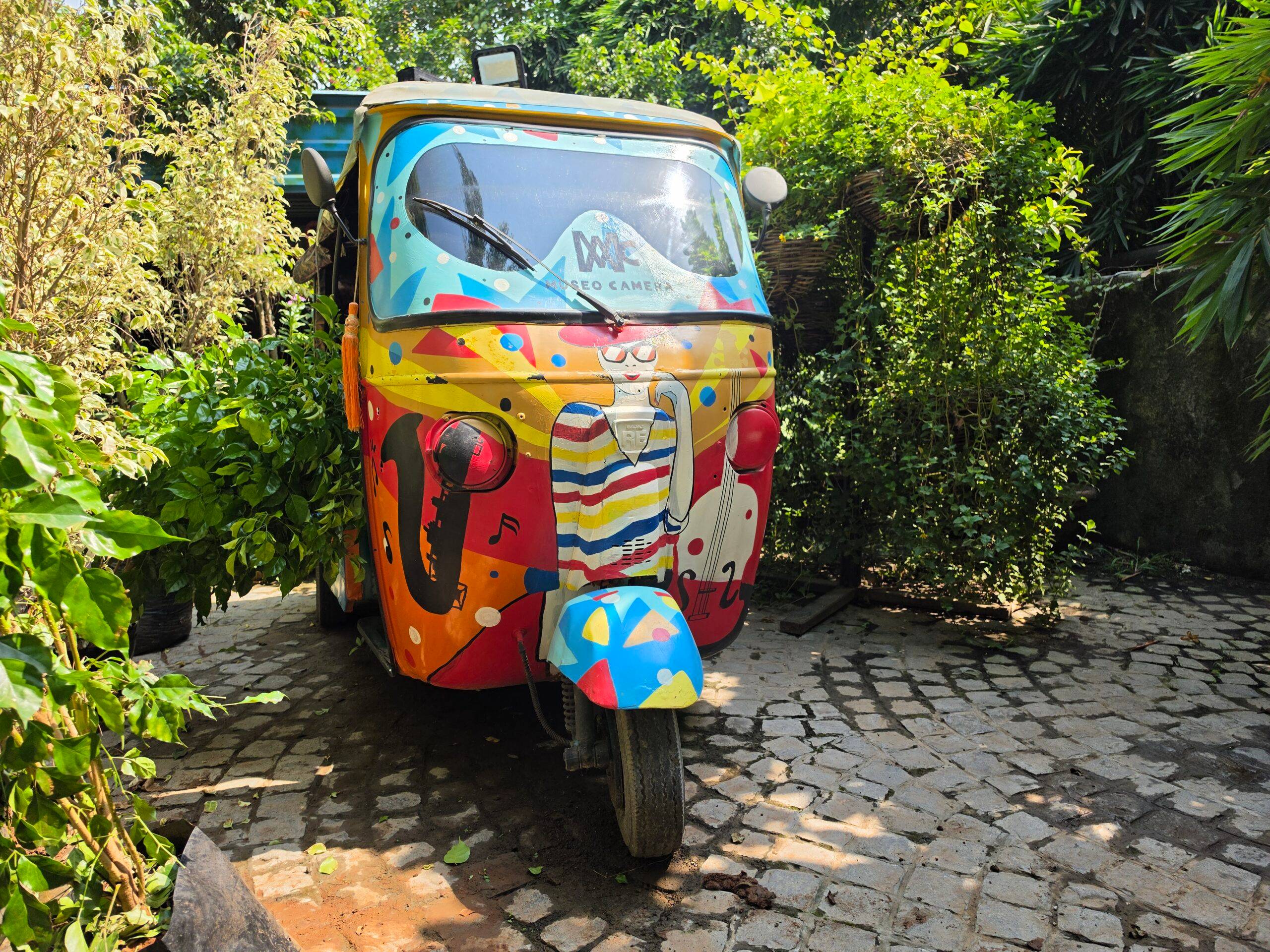
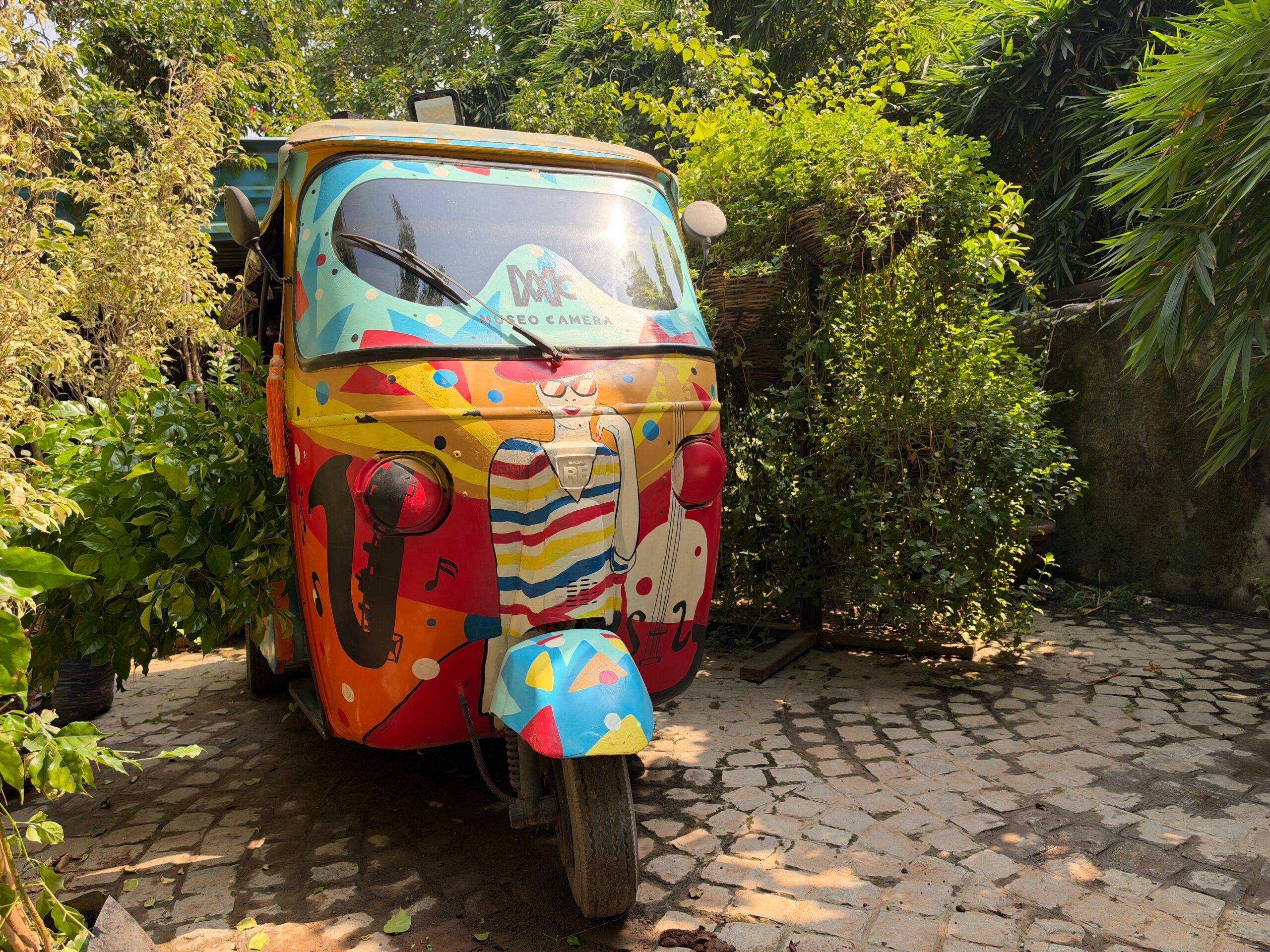
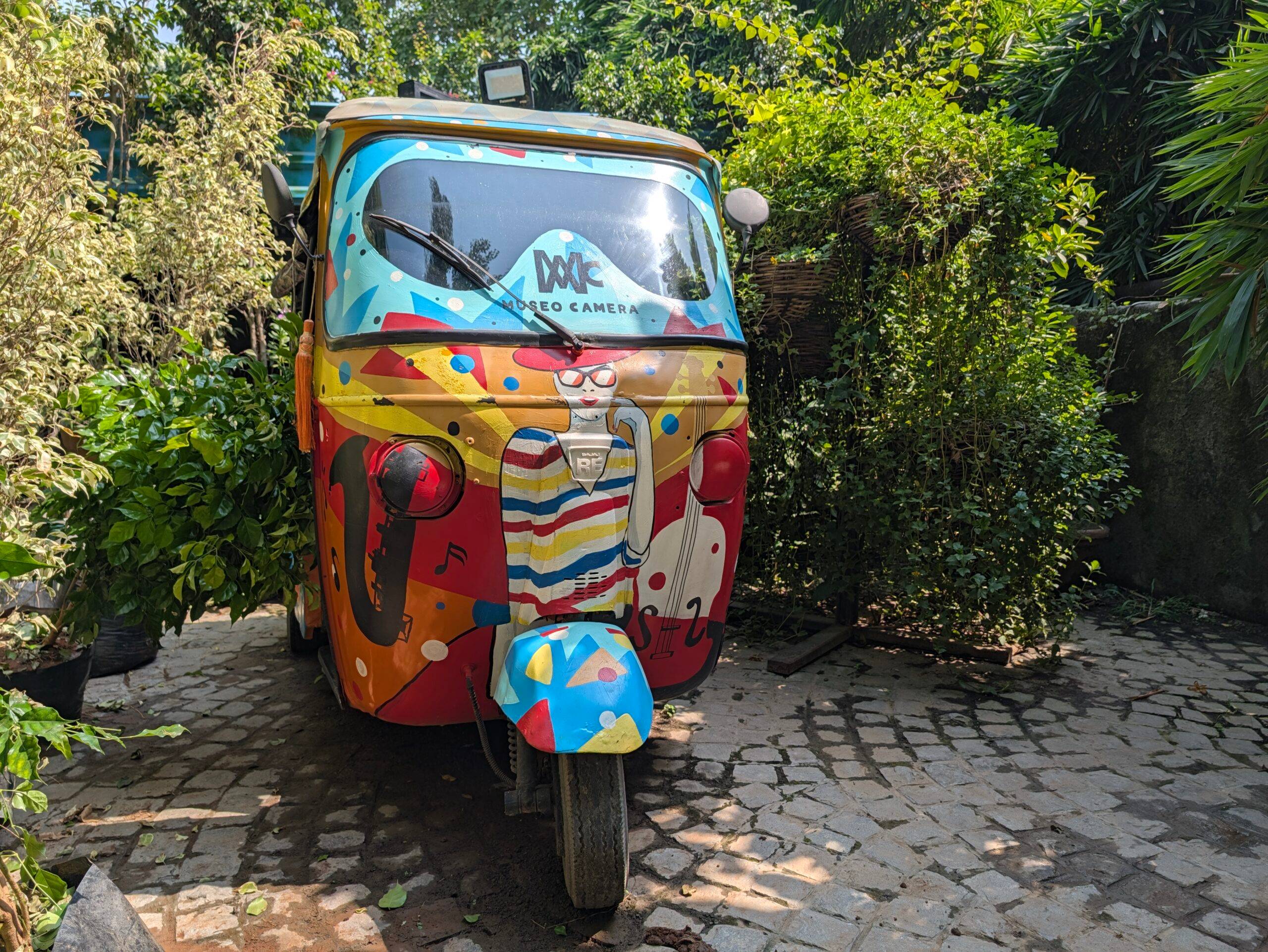
When it comes to detail and sharpness, the Galaxy S26 Ultra comes out on top, with the iPhone close behind and the Pixel at a distant third. The Galaxy also manages to retain more detail at higher zoom levels, while the iPhone loses some definition when you zoom in.
Overall, the Galaxy S26 Ultra delivers the most consistent daylight images, with strong detail and colours that enhance the scene without looking too artificial. The iPhone follows closely, while the Pixel should appeal more to users who prefer realistic colours over outright sharpness.
5x Zoom
Winner: Pixel 11 Pro XL
Since these are flagship offerings, it is only natural to compare their zoom performance, an area each claims to dominate. We chose 5x zoom because it remains usable without introducing some of the problems associated with extreme zoom shots. For reference, you’ll also find images from each phone at 1x. Keep note of how the colours and overall scene change when moving to 5x.
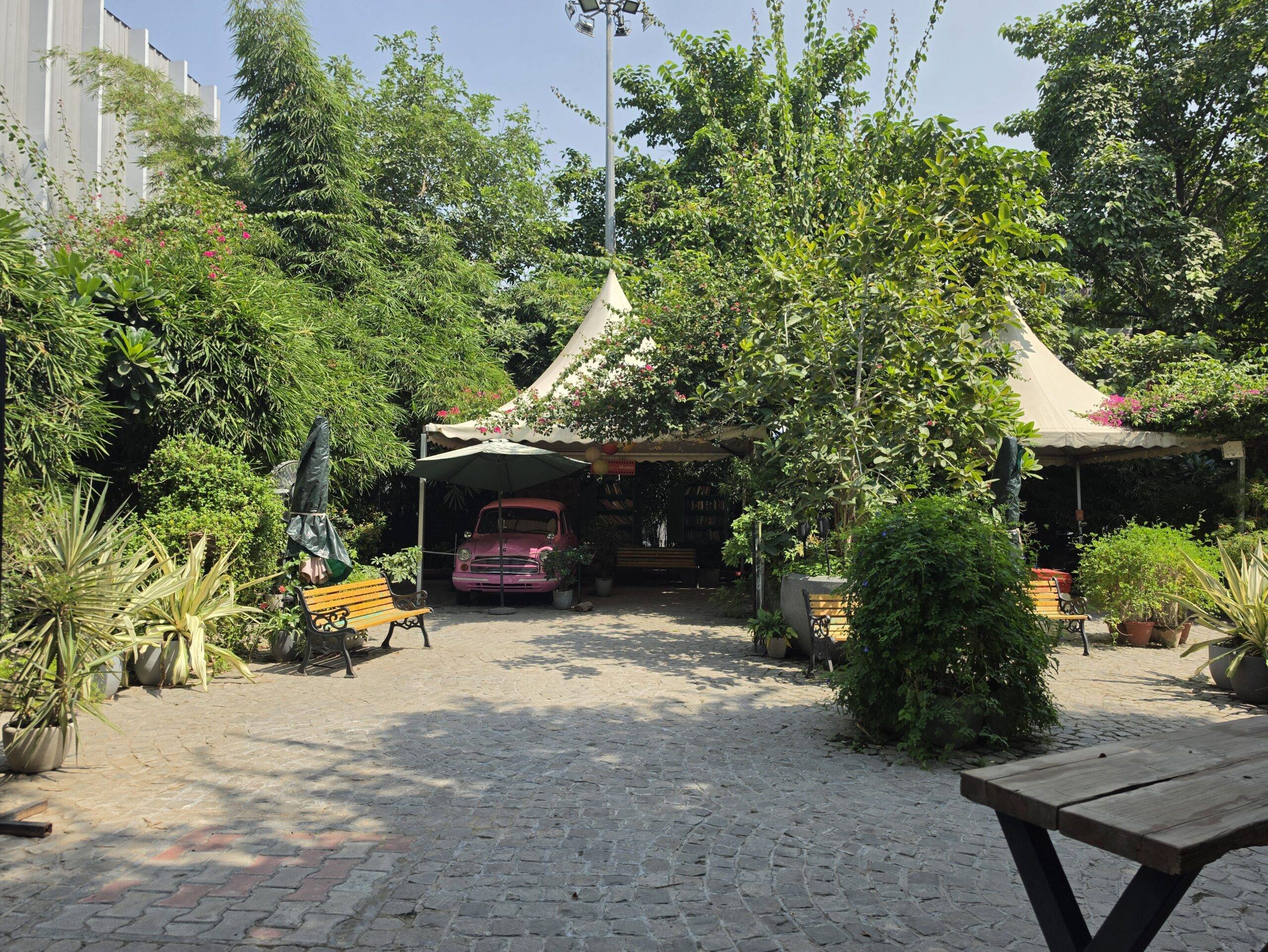
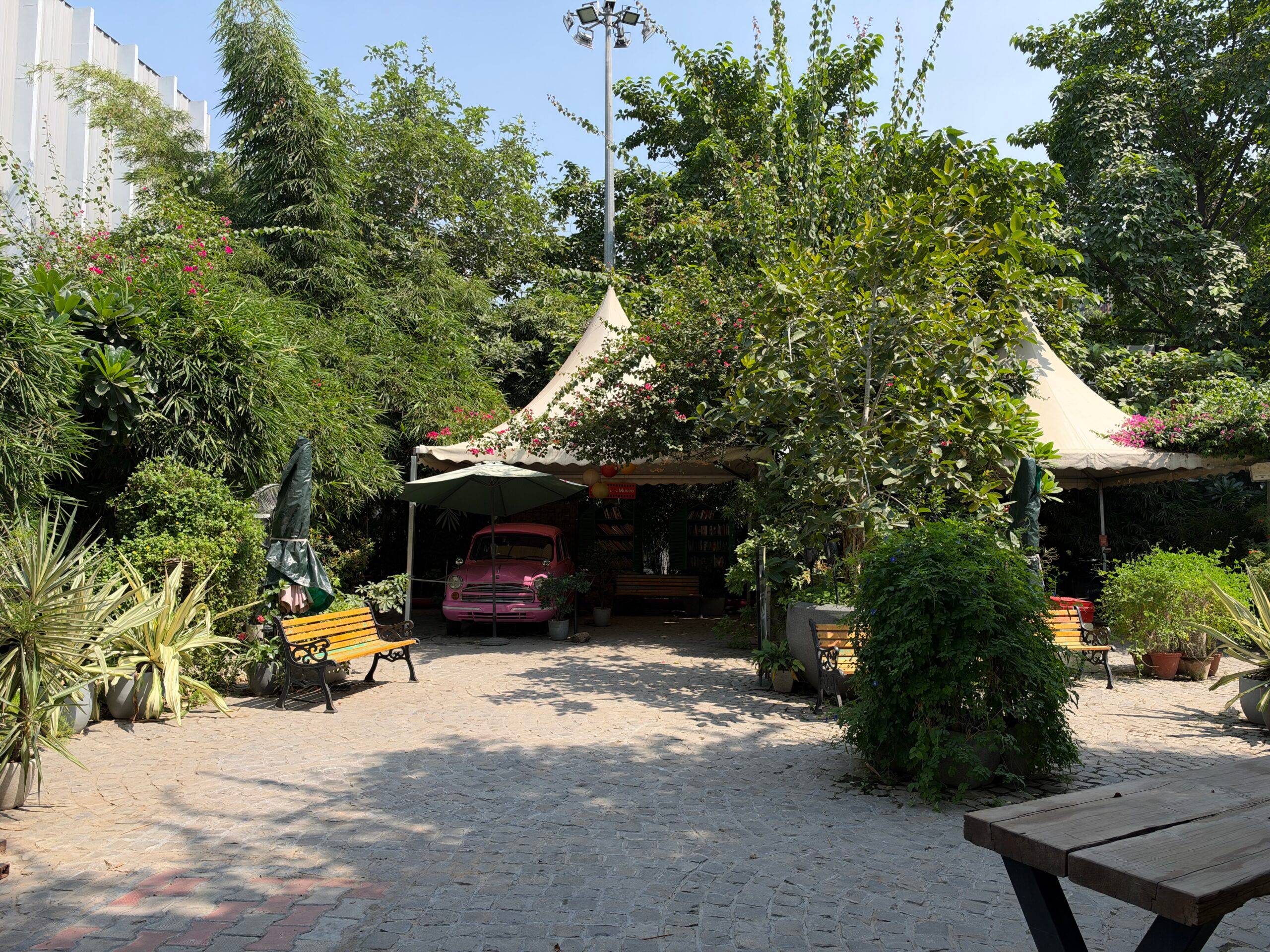
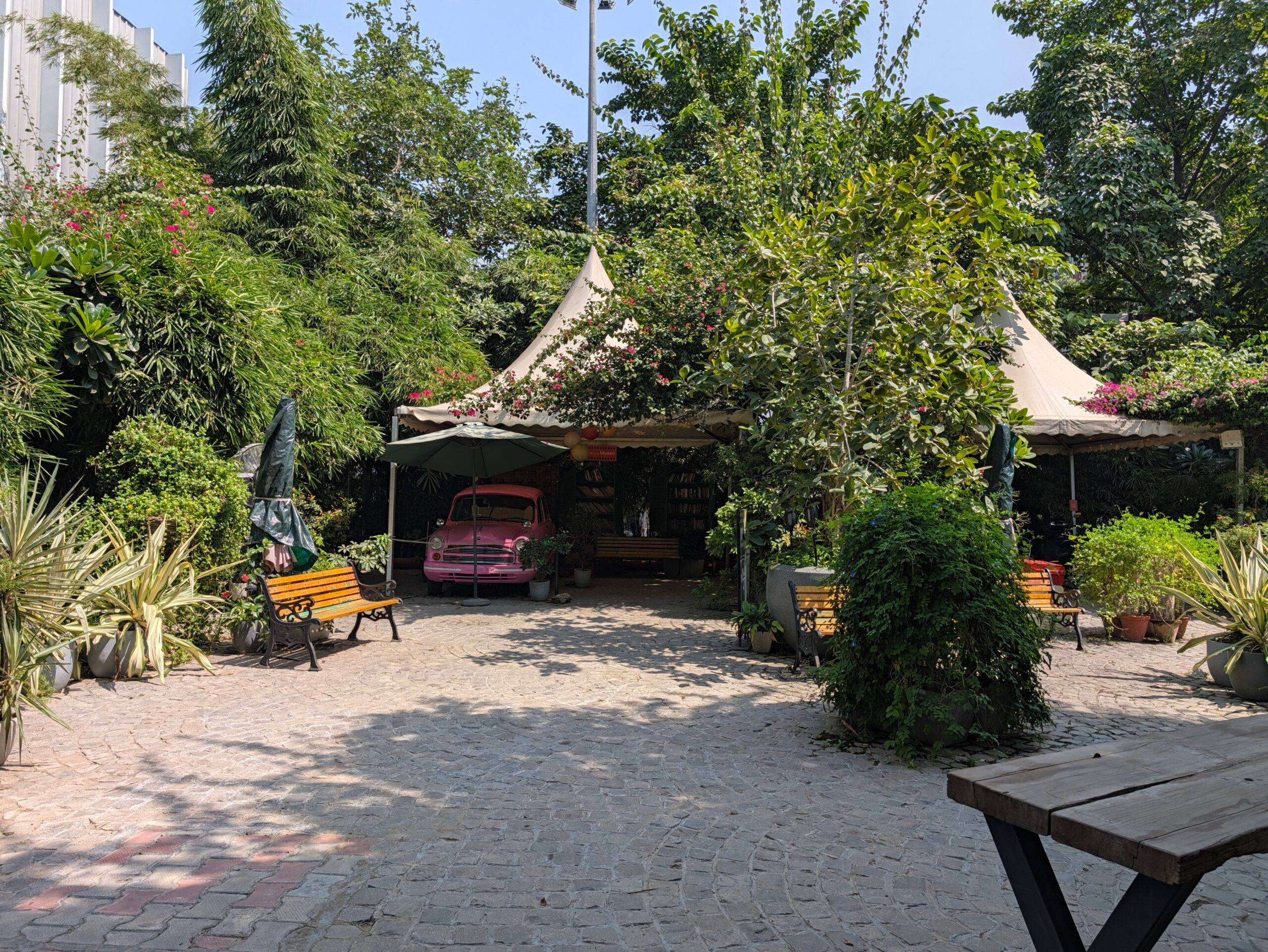
We noticed the biggest colour shift in the Pixel’s shot, with the 5x image introducing a little haziness and duller tones compared to its 1x image. The iPhone 18 Pro Max maintains roughly the same colour science at 5x, while the Galaxy S26 Ultra slightly increases the exposure, although it still remains lower than the Pixel 11.
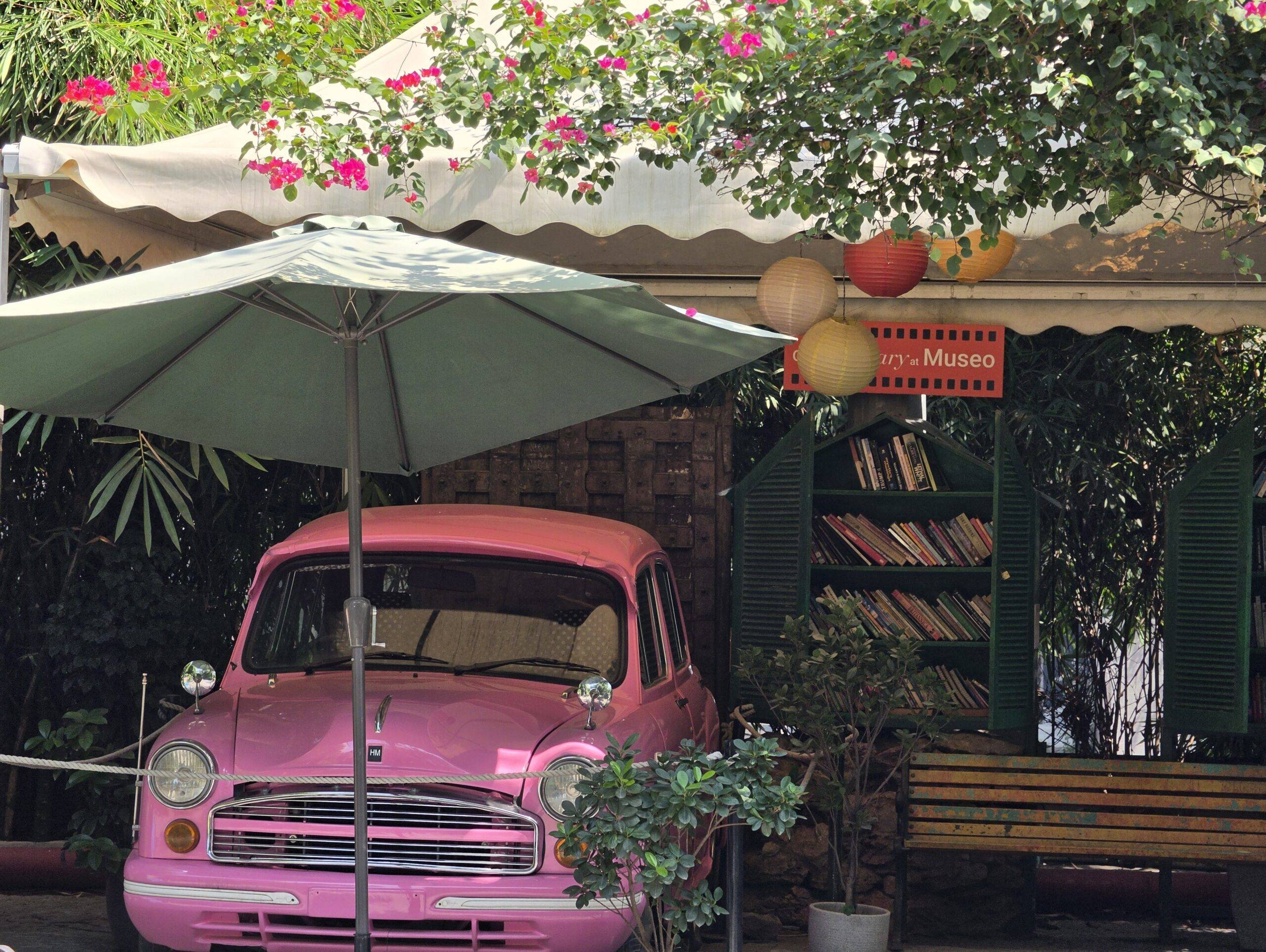
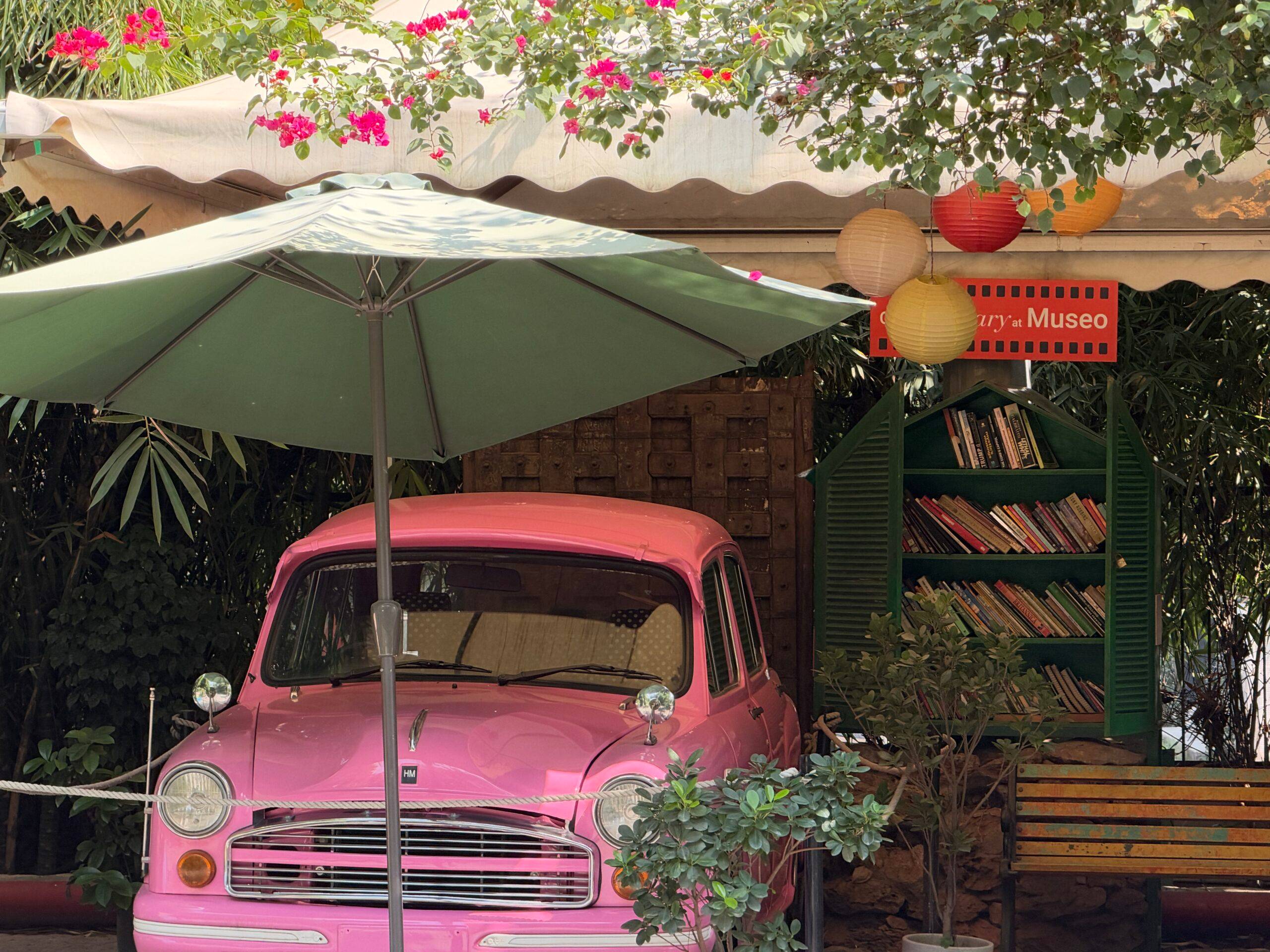
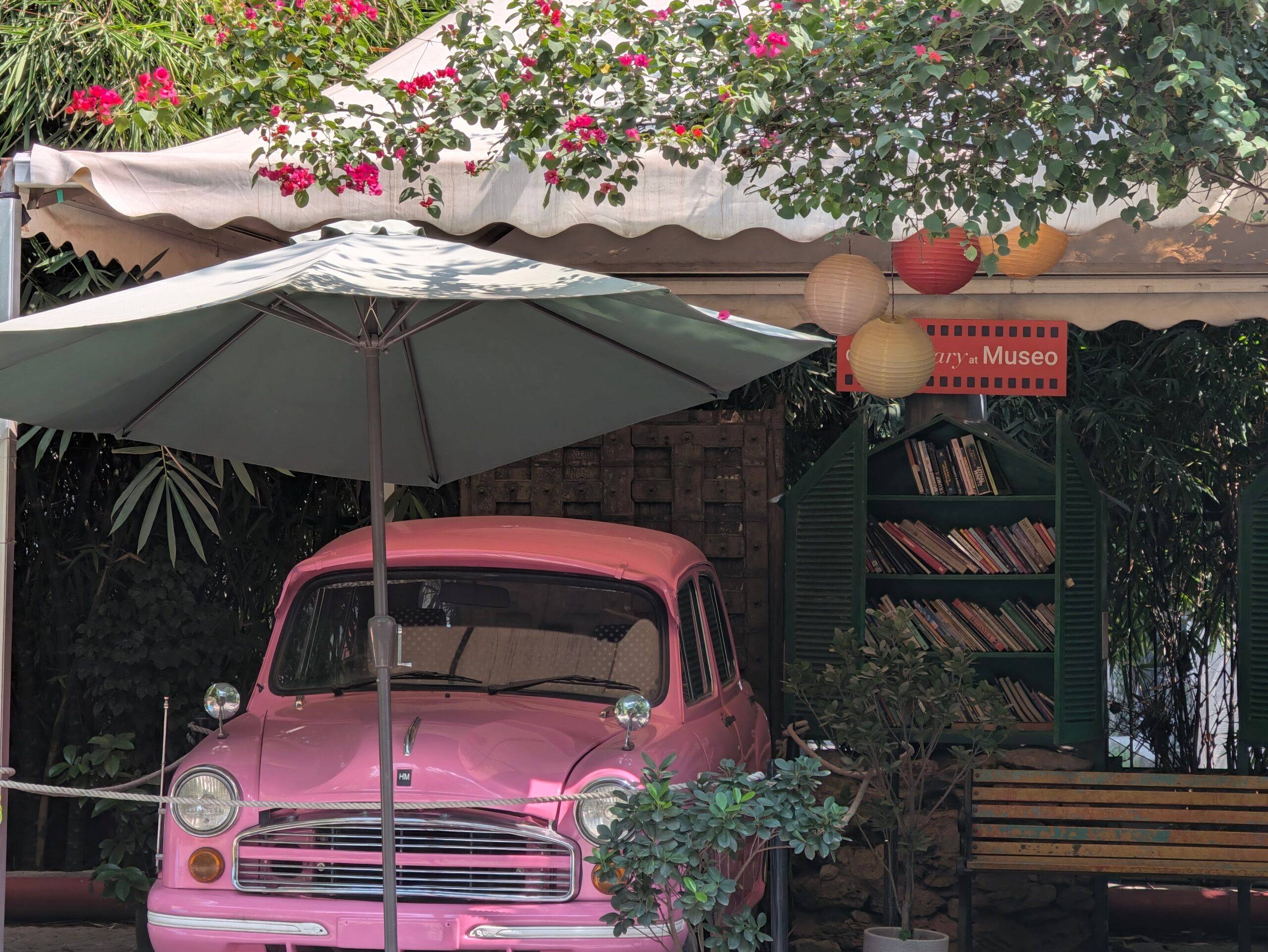
Moving on to detail and sharpness, the Pixel 11’s shot remains the most consistent and shows no major issues compared to the other two. Both the iPhone and Galaxy introduce slight noise at around 70 per cent zoom, while the Pixel maintains a cleaner image with minimal noise and detail loss.

Since colours can be adjusted in post-processing, but details and clarity are much harder to recover, the 5x zoom round goes to the Pixel 11 Pro XL as per our judgement.
Ultrawide
Winner: Samsung Galaxy S26 Ultra
Next up is the ultrawide shot, which we took indoors in a well-lit environment. The Galaxy S26 Ultra’s native zoom level in this mode is 0.6x, which is lower than the 0.5x zoom offered by both the iPhone and Pixel.
Let’s start with colour science, where the Pixel 11 Pro XL once again shows its dominance. It delivers the closest representation of the actual scene, followed closely by the Galaxy S26 Ultra. The iPhone 18 Pro Max sticks to its usual warmer profile, which has its appeal but makes the car’s colour look richer than it is.
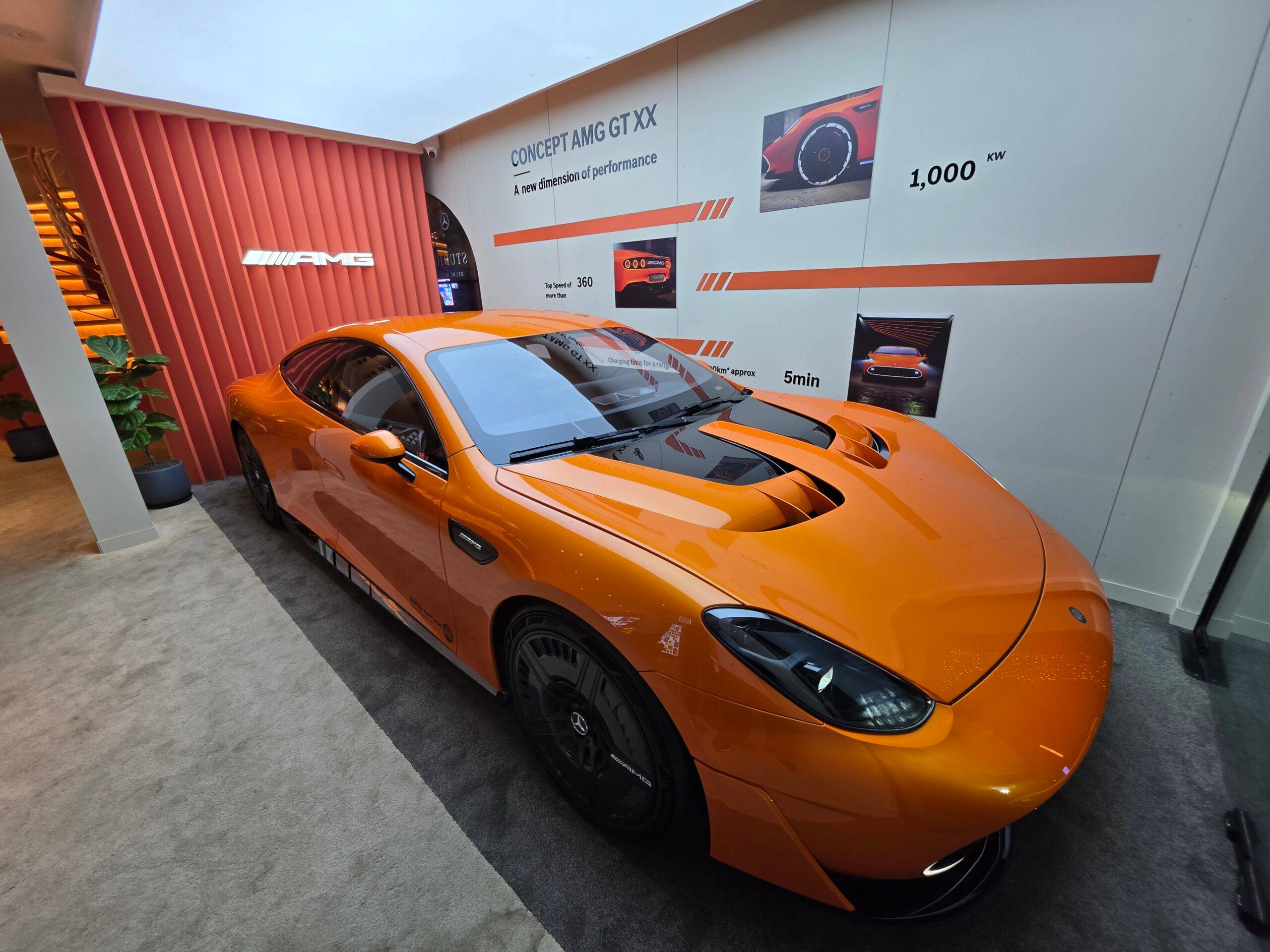
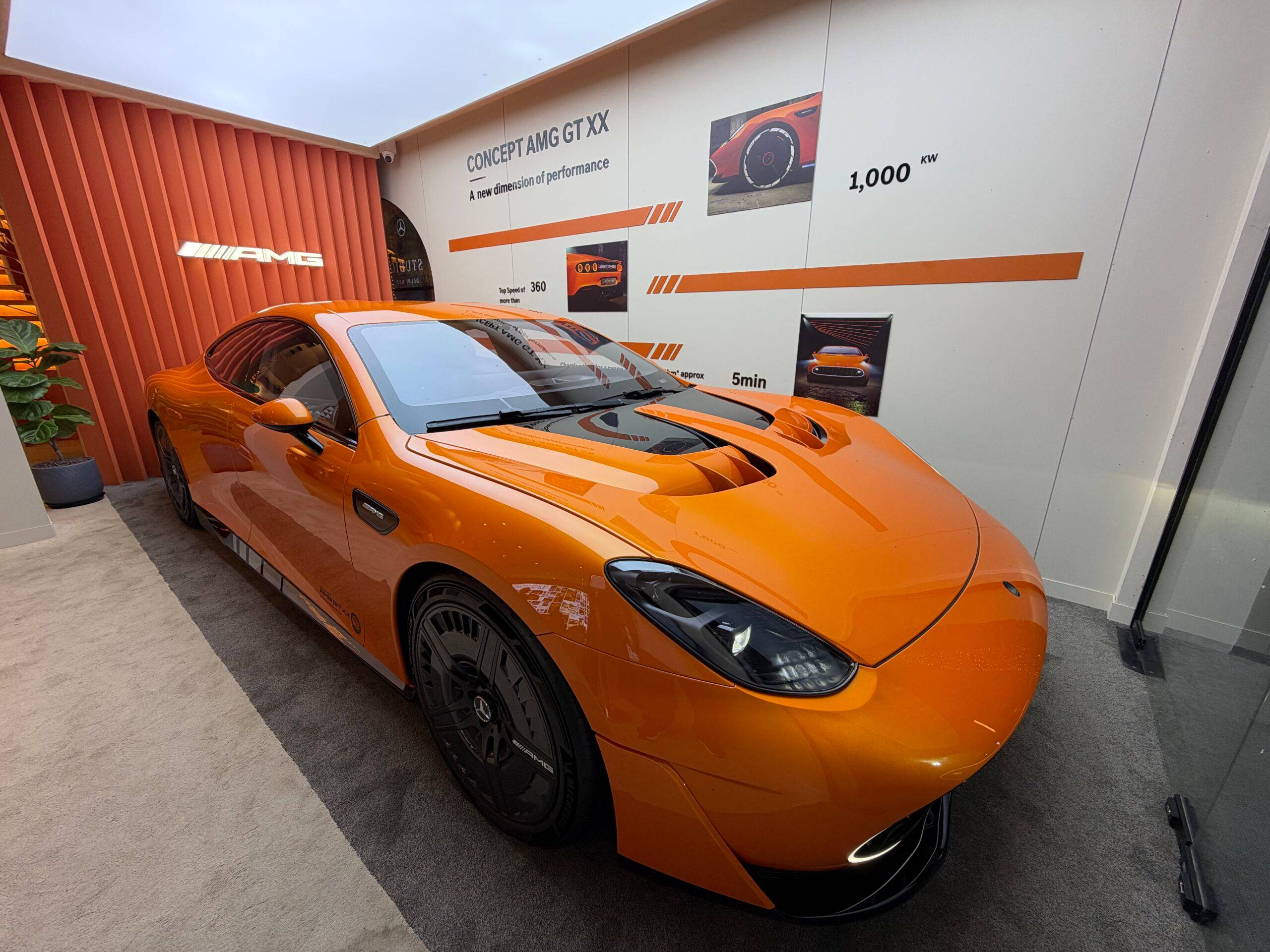
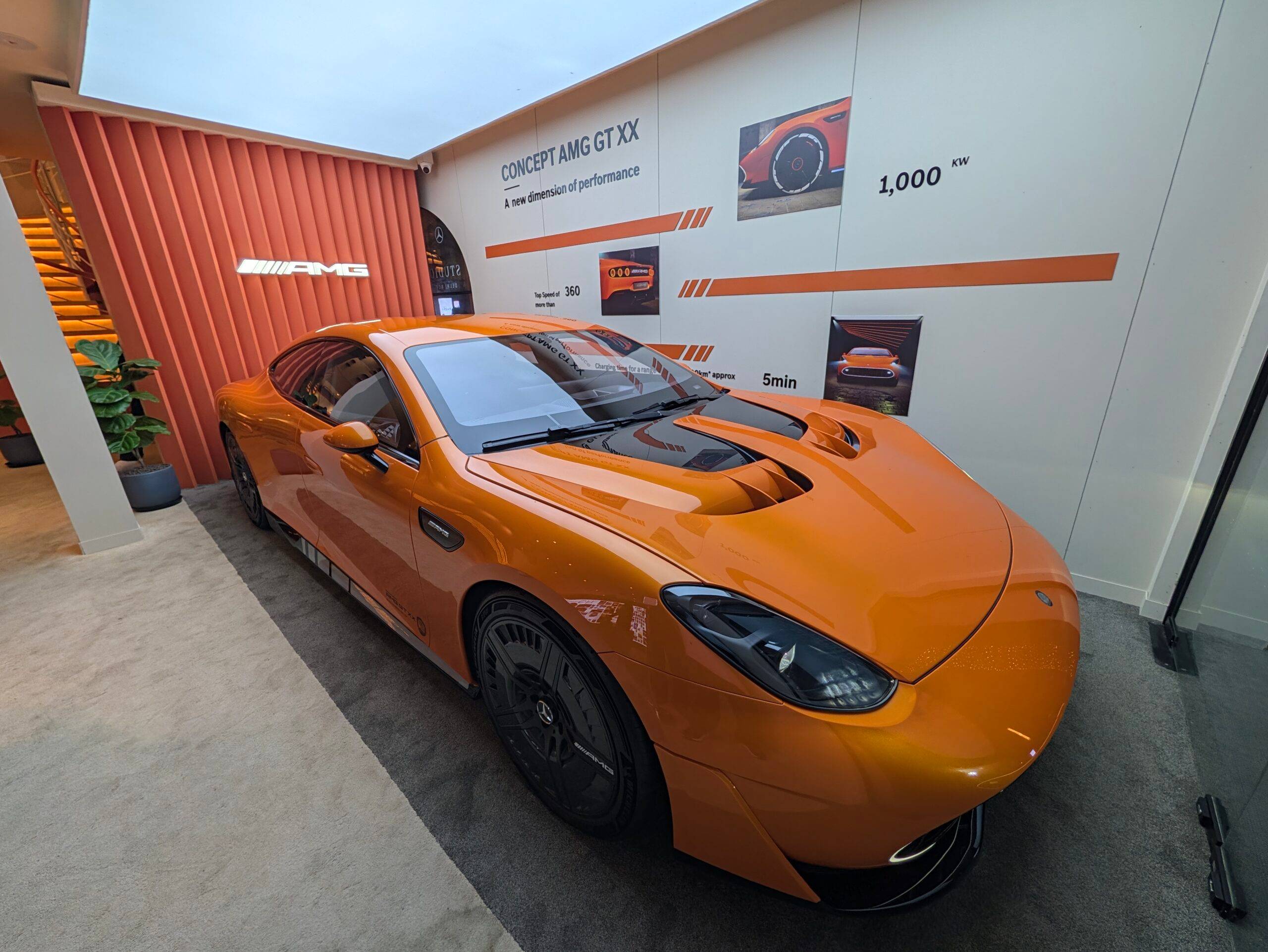
When it comes to detail and overall clarity, the iPhone 18 Pro Max is the weakest of the three. While the shot initially looks appealing, zooming in reveals that the image starts to fall apart around the edges and towards the sides of the frame, with slight noise and fuzziness also visible.
The Pixel 11 Pro XL does a better job of preserving detail, but the Galaxy S26 Ultra is the best performer of the three in detail level. It maintains detail and sharpness better than its rivals, while also delivering good colours. Overall, we believe the Galaxy S26 Ultra offers the best ultrawide performance of the trio.
Portrait
Winner: iPhone 18 Pro Max
Portrait shots are one of the most common use cases for a phone camera and help show how each device handles human subjects. We took each shot at the respective phone’s optical zoom level, which is 5x for both the Pixel and Galaxy and 4x for the iPhone. We matched the scene so that the frames look identical, making it easier for both you and us to compare the results.
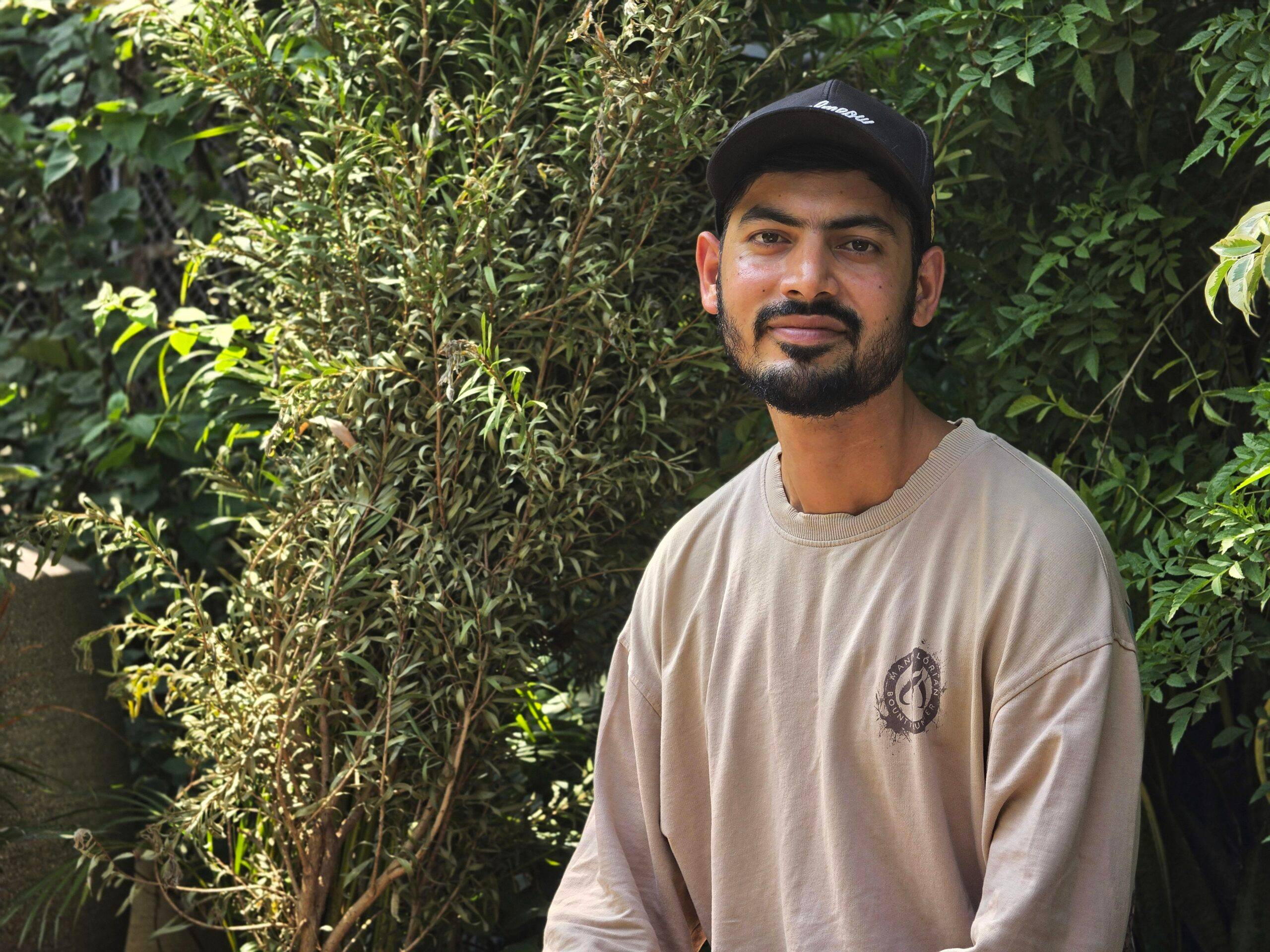
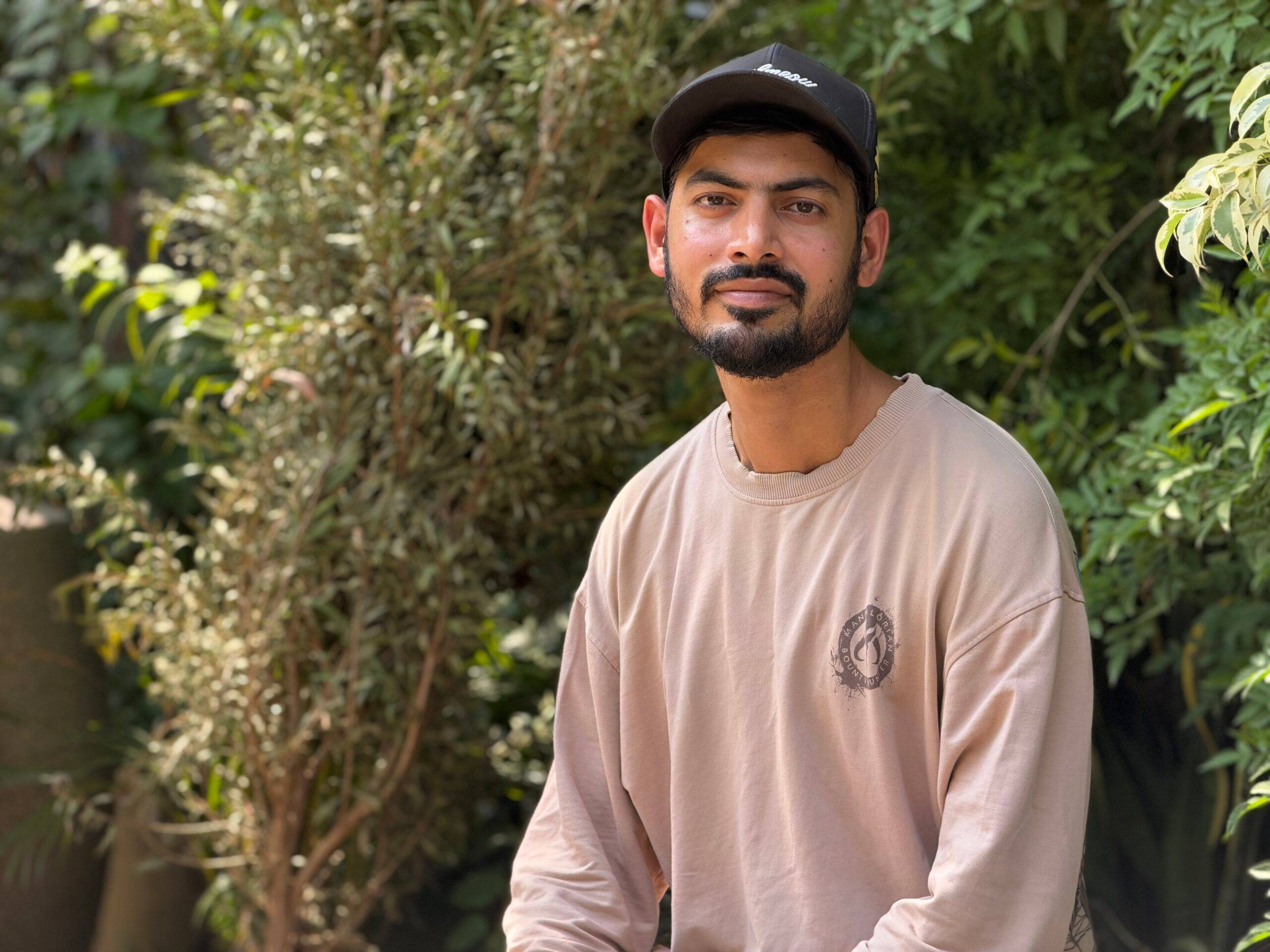
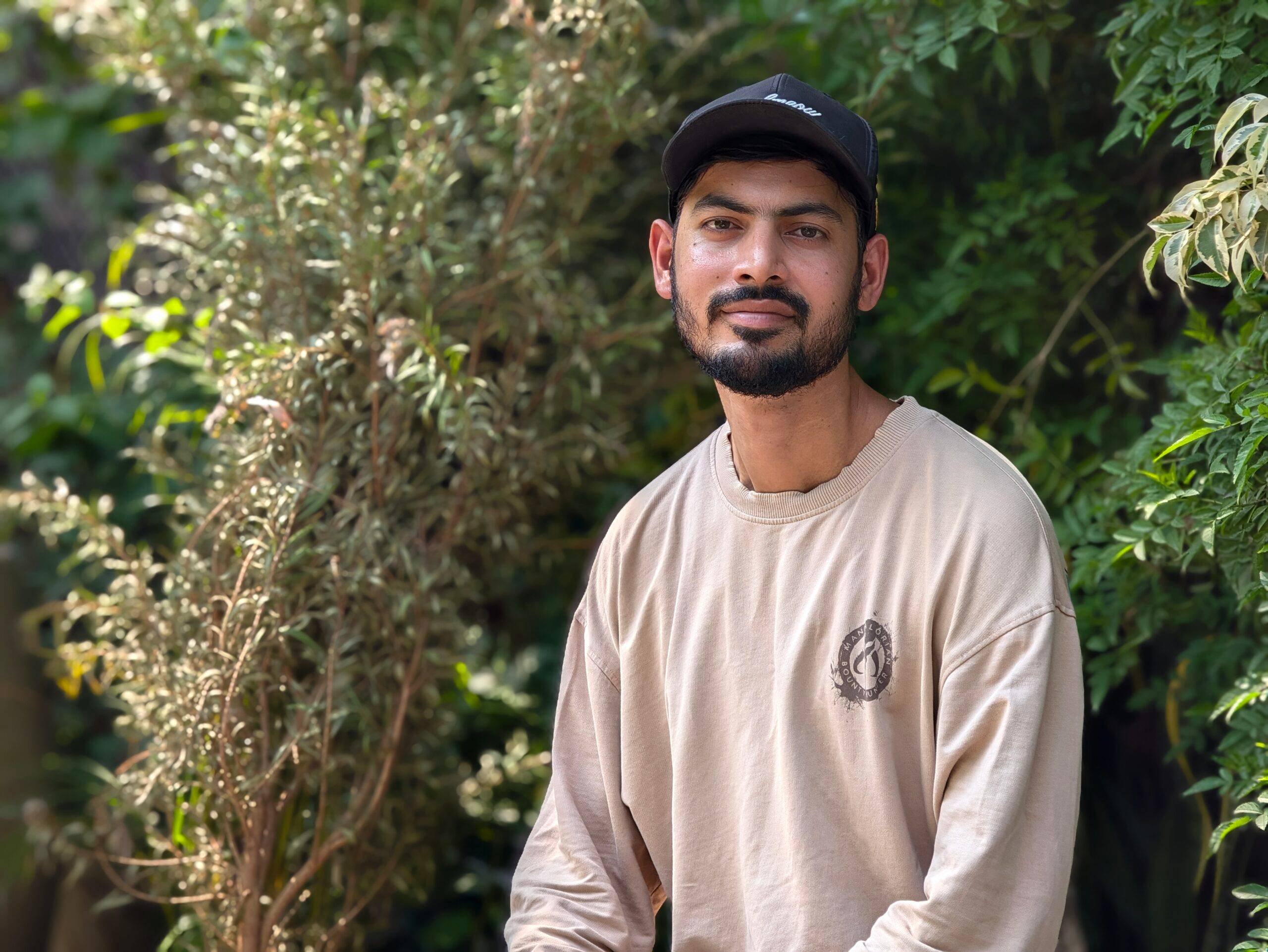
At first glance, all three phones take very appealing shots. The Pixel 11 Pro XL continues to lead in terms of colour science and does the best job of replicating the actual scene, while the iPhone and Galaxy stick to their preferred colour tones. There is one big difference, however, and it works in the iPhone’s favour. While the Galaxy S26 Ultra has some trouble separating the subject from the background and the Pixel’s separation is slightly iffy, the iPhone 18 Pro Max nails the bokeh effect.

In terms of detail, the Galaxy S26 Ultra delivers the best results even at 60 per cent zoom, followed closely by the iPhone 18 Pro Max. The Pixel 11 Pro XL struggles to capture facial details as well as its competitors. Looking at the overall results, including detail and how well each phone handles the bokeh effect, this round goes to the iPhone 18 Pro Max.
Selfie
Winner: Pixel 11 Pro XL
The selfie scenario was a surprising one, with some unexpected results as we tested the three phones. The Galaxy S26 Ultra had a lot of trouble avoiding lens glare when we tried shooting in the same spot or areas where we took selfies with the other two phones.
As a result, it produces a rather harsh glare towards the top right of the image, which takes it out of the race. Facial details and sharpness remain good, but the overall result is marred by the glare.
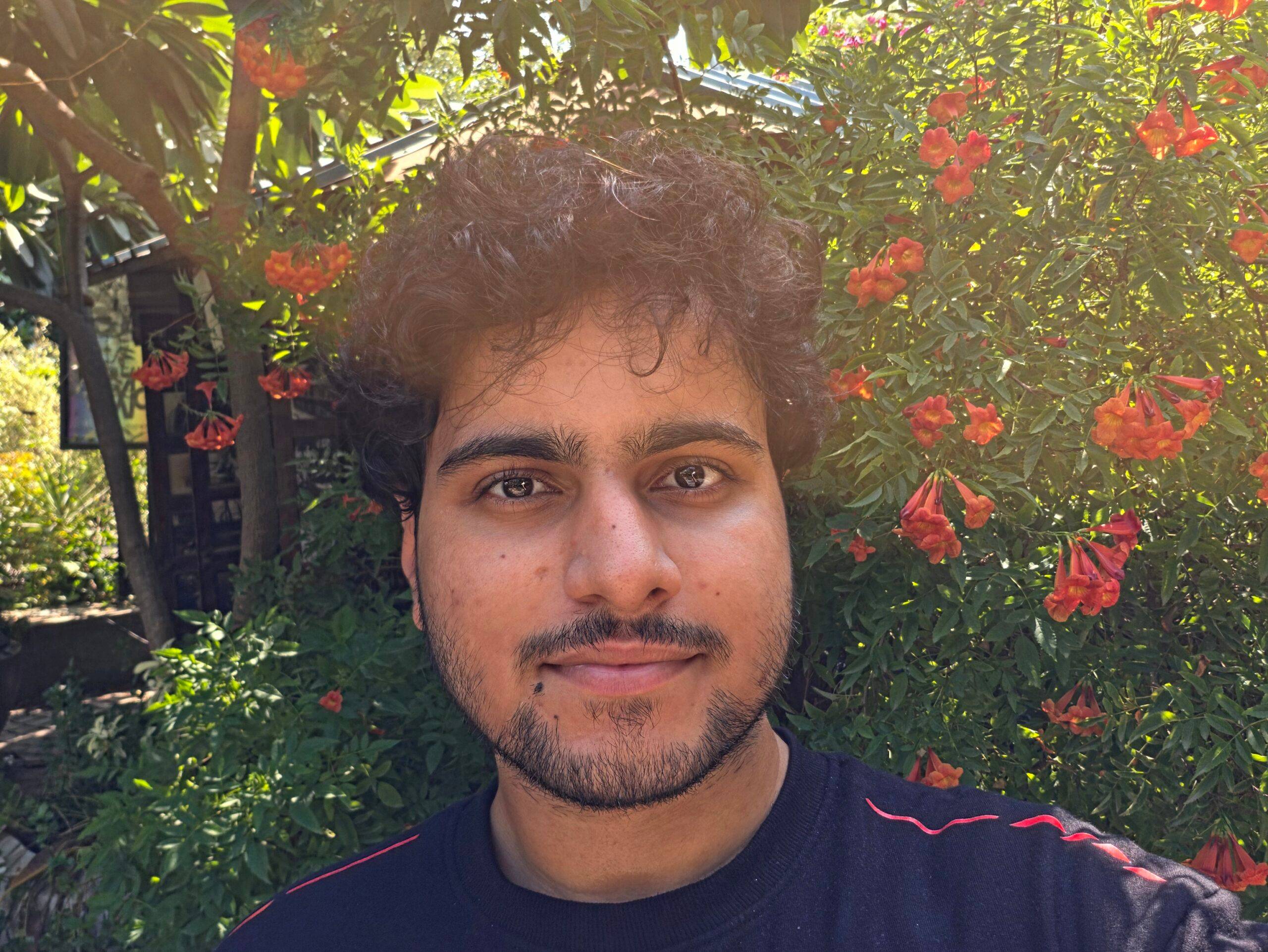
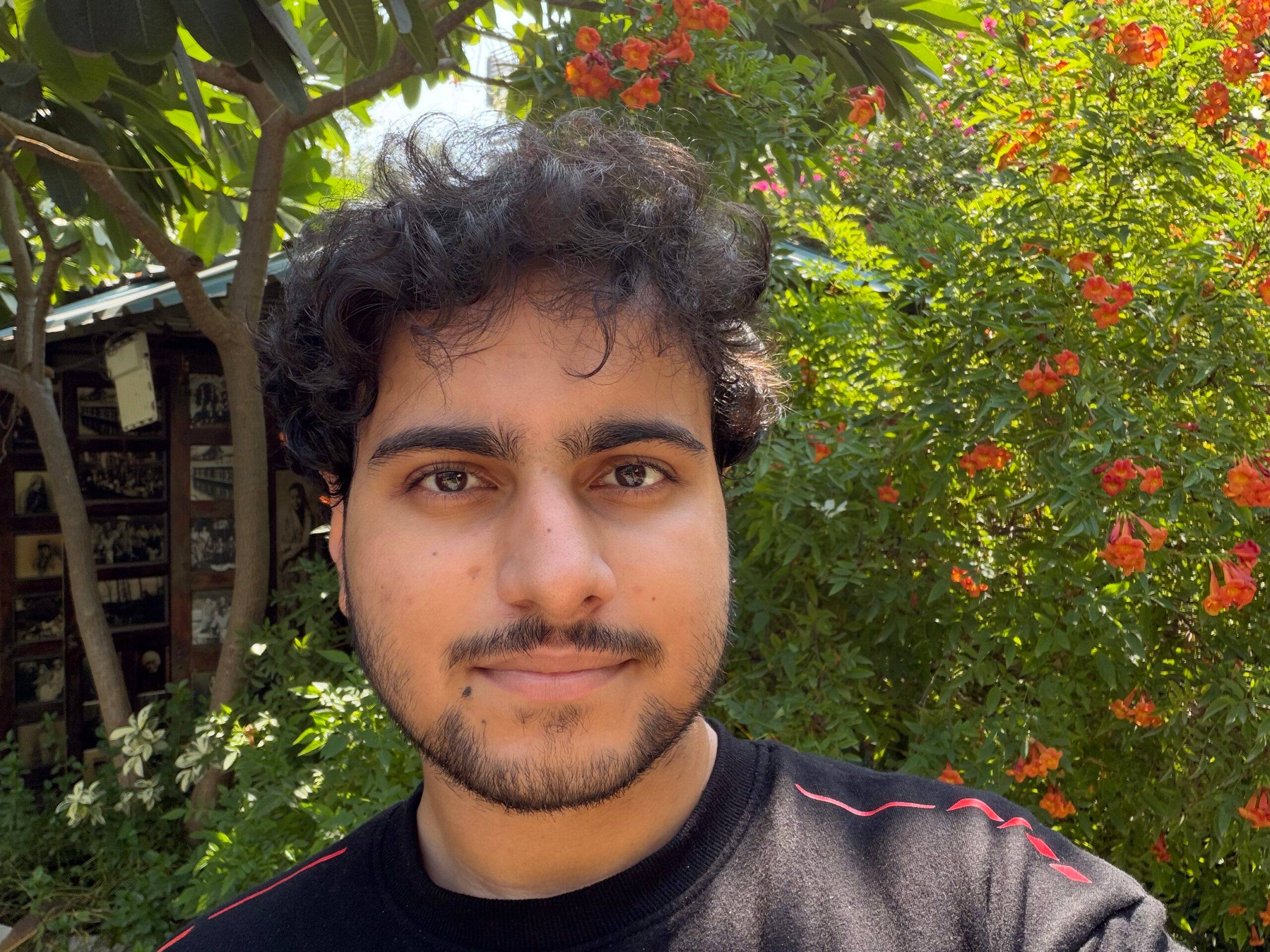
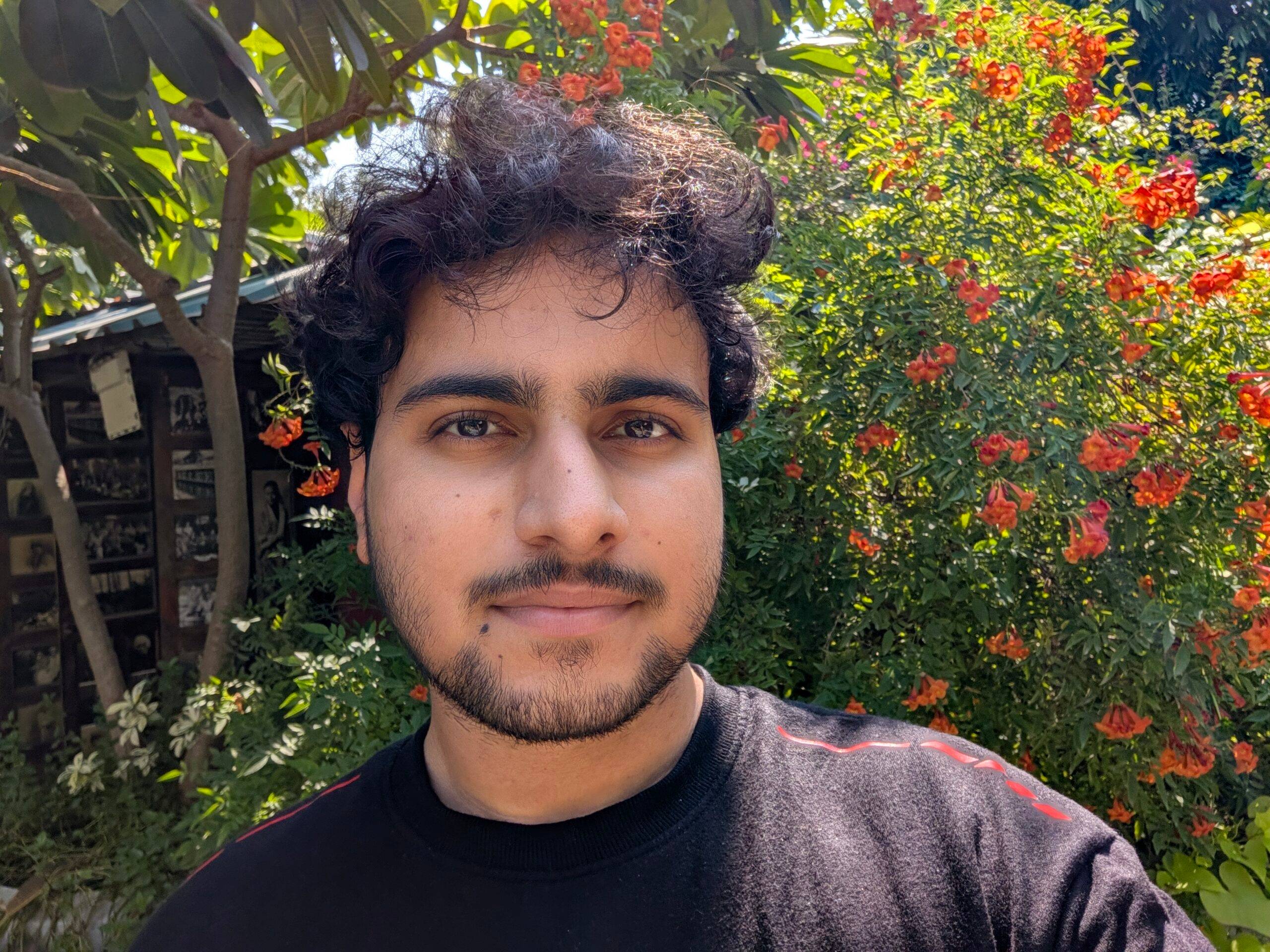
That leaves us with the Pixel and iPhone, and even this comparison was easier than we expected. The iPhone 18 Pro Max does a good job of balancing exposure and produces a decently detailed image without sacrificing too many finer details. The subject’s face is a little smoother and more likeable as a result. We found the image a bit too warm for our liking, however, which takes away from the natural look of the environment.
The Pixel 11 Pro XL was the dark horse of this round and surprised us in a good way. It managed exposure extremely well and delivered a stunning selfie, with rich facial details, authentic colours and an overall very likeable image. As a result, the Pixel is our winner choice in the selfie scenario.
Lowlight
Winner: Samsung Galaxy S26 Ultra
This is arguably one of the hardest scenarios for any phone camera. For the low-light test, we chose a scene with plenty of light sources, distant objects and humans to see how each device performs. Let’s first talk about colours, and as you may have guessed, the Pixel 11 Pro XL is once again ahead of its competitors when it comes to authenticity. It delivers the closest representation of the scene to what you’d see with the naked eye.
The Pixel’s image, however, isn’t as competitive in other areas. It struggles to capture as much detail as both of its competitors and doesn’t do as good a job of managing light flares and ambient light. The light bleed around the sources is quite evident and makes the scene look slightly hazy.
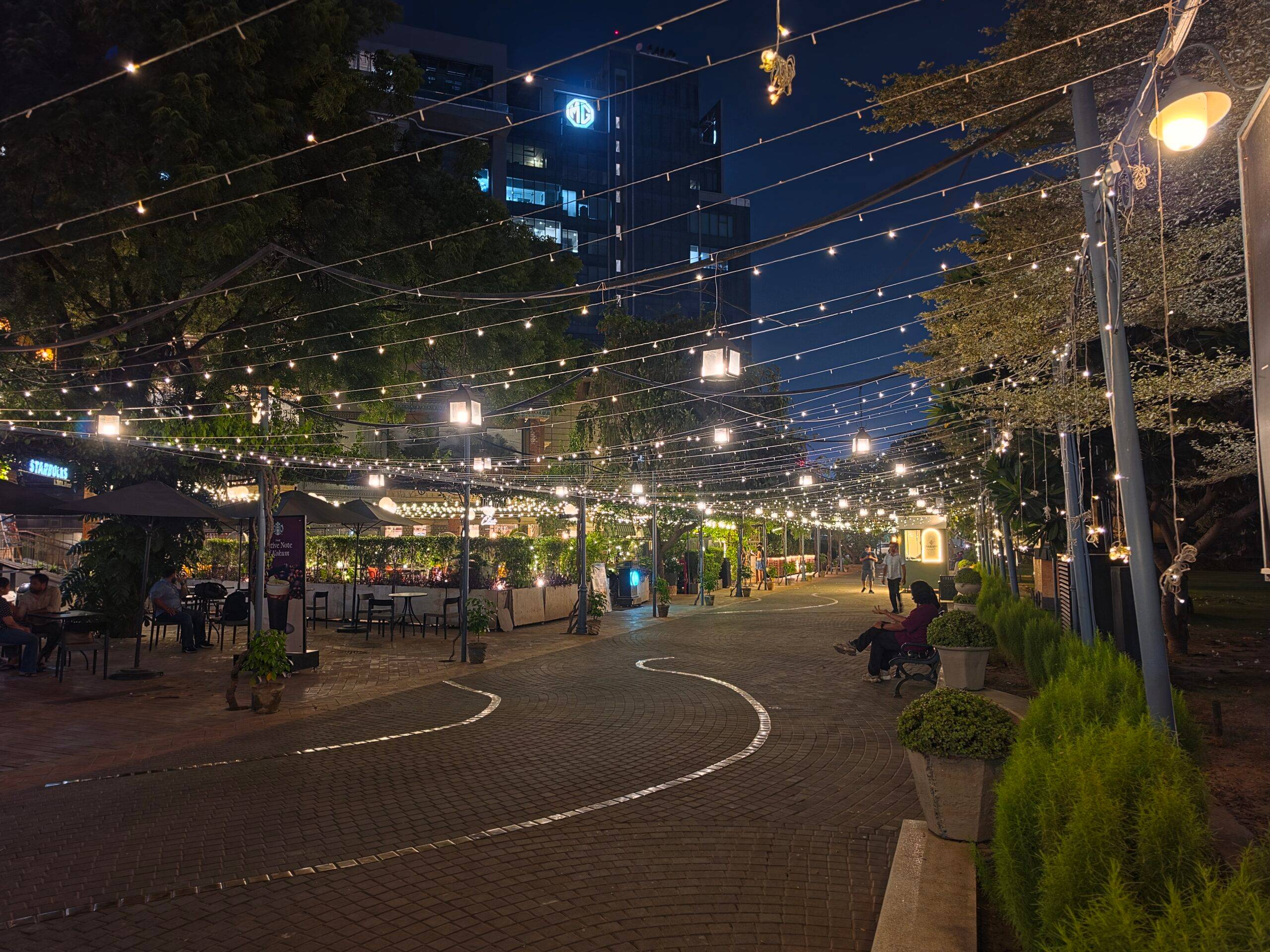
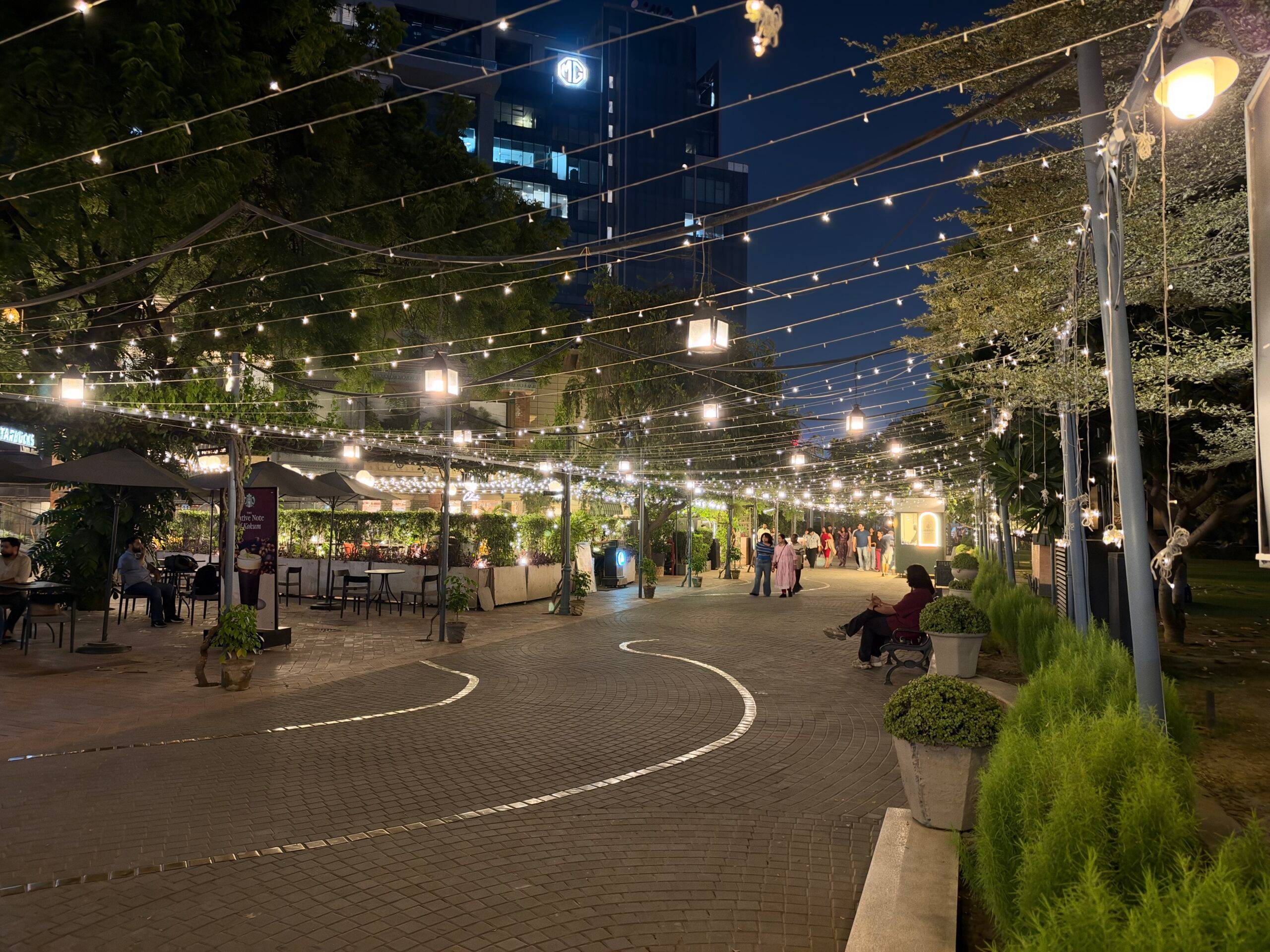
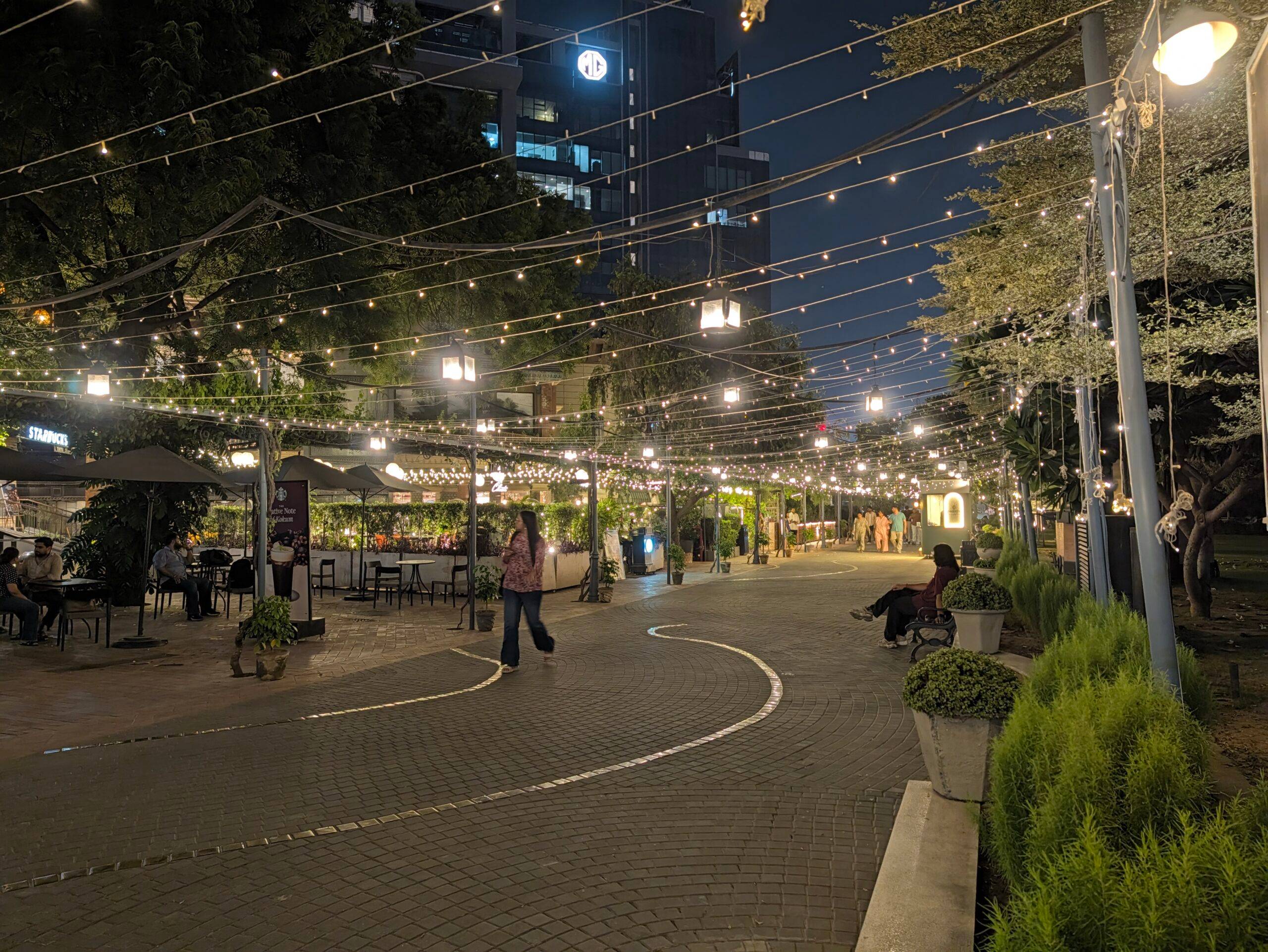
The iPhone 18 Pro Max does a better job of managing stray light and flares and also delivers better detail than the Pixel. It enhances colours as well, with a deeper blue sky and more vibrant yellows and greens. Its picture, however, is not as sharp as some of its peers, and you can observe some softness once you zoom in closer.

The Galaxy S26 Ultra sits somewhere in the middle. While it also enhances colours and makes them appear more vibrant, it does a better job of managing light flares and bleed around objects. It handles stray light better and, in turn, brings out more detail from the environment, particularly in the ground and distant objects, and delivers a sharper image. All these factors make it the best low-light shooter among the three based on our metrics.
Conclusion
| Scenario | Winner |
| Daylight | Galaxy S26 Ultra |
| 5x Zoom | Pixel 11 Pro XL |
| Ultrawide | Galaxy S26 Ultra |
| Portrait | iPhone 18 Pro Max |
| Selfie | Pixel 11 Pro XL |
| Lowlight | Galaxy S26 Ultra |
After putting all three phones through the same set of scenarios, the Samsung Galaxy S26 Ultra (review) comes out as the overall winner in our comparison. It delivered the most consistent results, particularly in detail, sharpness, and handling difficult lighting conditions. Its ultrawide performance was excellent, while its ability to manage light flares and retain details in low light gave it an edge over the other two. If you want a device that consistently takes good images no matter the scenario, the Galaxy S26 Ultra will suit your needs the best.
The Google Pixel 11 Pro XL (review), meanwhile, was best for colour science. It consistently produced the most natural-looking colours and did particularly well in the selfie test. Its 5x zoom performance was also impressive, with a clean image and minimal noise. If you like natural colours and zoom farther often, the Pixel is a more suitable camera phone for you.
The iPhone 18 Pro Max follows closely, with its own strengths. It delivered pleasing colours, good detail, and the best portrait performance of the three, especially in subject separation and the bokeh effect. Its colour consistency at 5x zoom was also better than what we saw from the other two phones. If you take a lot of images with human subjects, the iPhone is a great performer in this scenario and is a better buy for you.
If you’re in the market for a flagship camera phone right now, the Galaxy S26 Ultra, Pixel 11 Pro XL and iPhone 18 Pro Max all offer capable camera systems and should comfortably last for several years. If you’re not in a hurry, however, waiting for the next generation like the upcoming Galaxy S27 Ultra is worth it, especially if you want to see what Samsung plans to improve with its upcoming flagship.