4 reasons to buy Moto G Max and 3 reasons to skip


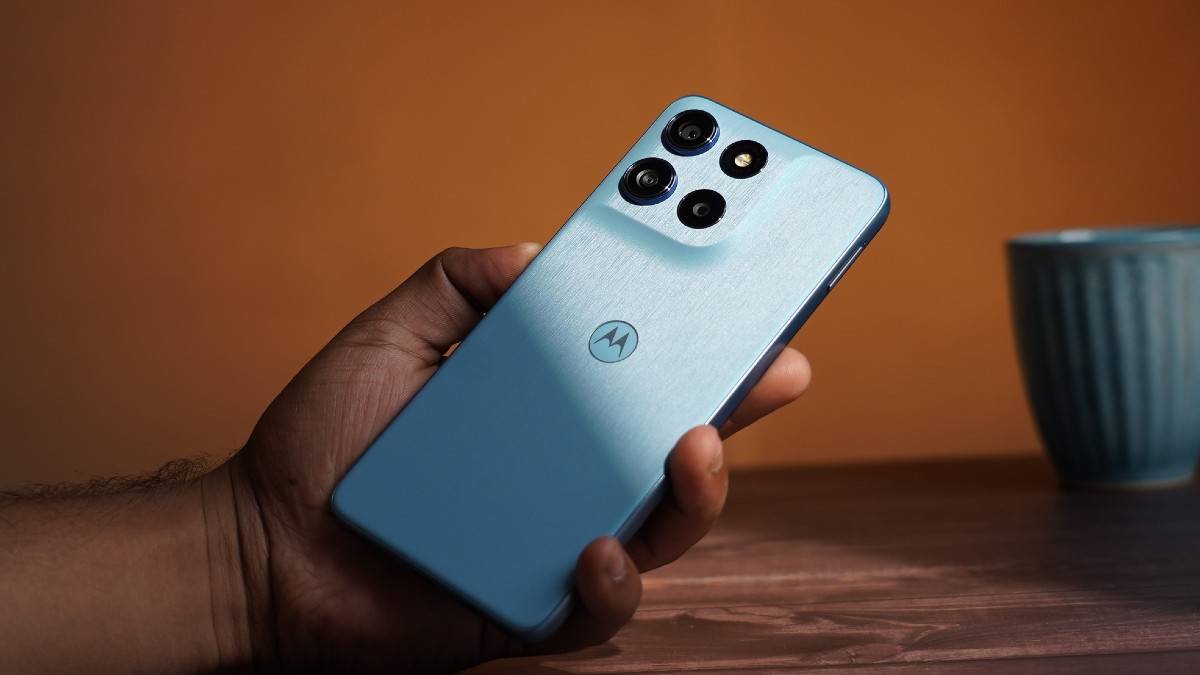
Priced at Rs 27,999, the Moto G Max is the first Max-branded smartphone in Motorola’s G series. Key specs of the smartphone include a 6.72-inch 120Hz display, Snapdragon 6s Gen 4 SoC, a 7,000mAh battery, stereo speakers, and a 32MP selfie camera. Our Moto G Max review found the smartphone to be a well-rounded option, although it falls short of the competition in a few key areas. Here’s a quick look at what works and what doesn’t on the smartphone.
Table of Contents
Reasons to buy
Impressive battery life
PCMark Battery score (in hours)


Moto g max 5G
7000 mAh
18.3

Xiaomi Redmi Note 17 5G
8000 mAh
16.2

Tecno Pova 8 Pro 5G
6500 mAh
10.7
PCMark battery test measures phone battery life from 100% to 20% (higher is better)
The 7,000mAh battery is one of the Moto G Max’s biggest strengths. In the PCMark battery test, the smartphone lasted over 18 hours, outperforming the Redmi Note 17 despite the latter packing a larger 8,000mAh battery. In real-world usage, the Moto G Max should comfortably last a full day, although heavy users may need to top it up by the end of the day.
Stereo speakers


The Moto G Max is one of the few phones in its segment to feature a dual stereo speaker setup. The speakers are backed by Dolby Atmos and Hi-Res Audio support, complementing the large 6.72-inch FHD+ LCD panel for multimedia consumption. They get decently loud and deliver relatively crisp audio at moderate volume levels.
Reliable everyday performance
AnTuTu score
Moto g max 5G
Qualcomm Snapdragon 6s Gen 4
807,683
Tecno Pova 8 Pro 5G
MediaTek Dimensity 7400 Ultimate
792,798
Xiaomi Redmi Note 17 5G
Qualcomm Snapdragon 4 Gen 4
622,466
AnTuTu assesses a smartphone's CPU, GPU, memory, and overall user experience (higher is better)
The Snapdragon 6s Gen 4 SoC, paired with LPDDR5X RAM and UFS 4.1 storage, delivers a smooth experience for everyday tasks. The phone doesn’t feel particularly snappy, but it handles multitasking without stutters and runs games such as BGMI and COD: Mobile without noticeable frame drops or lag. Thermal performance also remains under control during extended use.
Strong selfie camera
Reasons not to buy
Average rear cameras
The Moto G Max’s dual 50MP + 8MP rear camera setup looks promising on paper, but its real-world performance leaves room for improvement. Images tend to have punchy and slightly oversaturated colours, while exposure, dynamic range and detail retention are also inconsistent. The cameras are particularly underwhelming when compared with rivals such as the Redmi Note 17.
LCD instead of AMOLED display

The Moto G Max packs an LCD display, which is sharp, reasonably vibrant, and supports a 120Hz refresh rate for smooth animation and scrolling. However, it lacks the punchy colours, deep blacks, and excellent viewing angles that an AMOLED panel on competing smartphones provides.
Slow charging and relatively limited software
The 33W charging is another area where the phone falls behind, taking almost 80 minutes to charge from 20 to 100 percent. Its two major Android OS upgrades and three years of security updates are reasonable but not class-leading. The Redmi Note 17, notably, offers up to four major OS upgrades and six years of security updates.
To conclude…
The Moto G Max gets the basics right with a smooth 120Hz display, reliable performance, stereo speakers and impressive battery life. Its 32MP selfie camera is also a strong performer. However, the LCD panel, average rear cameras and relatively slow charging prevent it from being a truly “Max” offering, especially against rivals such as the Redmi Note 17 (review) that offer AMOLED displays and longer software support. The Redmi smartphone also delivers more natural-looking images.
That said, the Moto G Max remains a capable all-rounder within the segment, particularly for users who prioritise battery life, speakers and selfies over camera performance and display quality.