3 reasons to buy the Vivo V80 and 2 reasons to skip


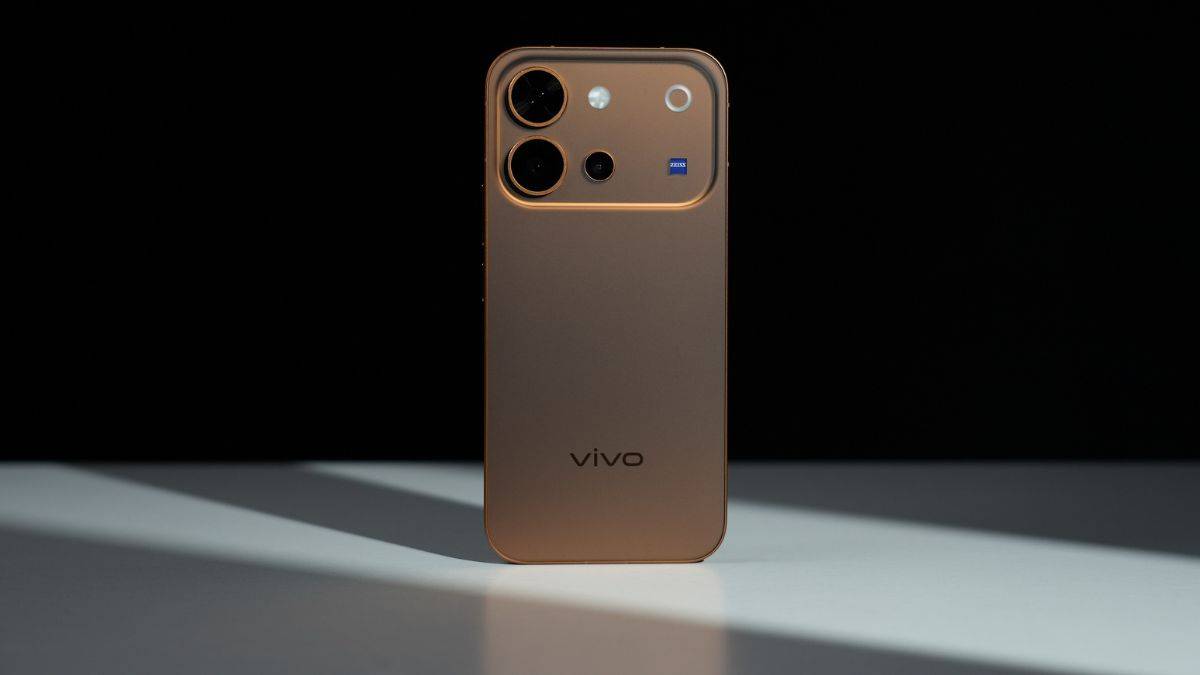
Vivo V80 has been launched at a starting price of Rs 62,999. The handset brings with it a Zeiss-branded triple-camera setup, a large 7,200mAh battery, a vibrant display, and several AI features. The V80 does have a lot to offer, but it also faces stiff competition from rivals. We’ve reviewed the device and explained where the phone shines and where it lacks. But to make things easier for you, here are reasons to buy or skip the Vivo V80.
Table of Contents
Reasons to buy the Vivo V80
Premium, good-looking design
Vivo’s V-series has been known for its design, and the V80 continues that philosophy, bringing a refreshed look from its predecessor. The Vivo V80 features a new camera design, which the brand calls the ‘Floating Camera’ module. It’s a slightly elevated camera plateau with a transparent finish. The design looks premium and sleek at the same time. You can get the V80 in three colours: Sunrise Anthem, Horizon Blue, and Stellar Black.


The V80 also offers a relatively compact form factor with its 6.59-inch display size. The phone has rounded corners and a flat frame. Because of its size, the V80 acts as the perfect bridge between a compact phone and a large one. The smartphone is also quite durable, with IP68 and IP69 ratings for dust and water resistance, along with 360-degree all-round drop resistance certification.
Reliable battery life
The V80’s battery capacity is one of its highlights and is also the largest yet on a V-series smartphone. The Vivo V80 comes with a 7,200mAh battery, which easily lasts an entire day and can even stretch a bit more till the next day. If your usage mostly includes social media browsing, video streaming, 5G, gaming, and all, the phone should still power through one whole day without needing to charge in between.
PCMark Battery score (in hours)


OPPO Reno16 5G
6700 mAh
23.8

vivo V80 5G
7200 mAh
18.6

Motorola Signature
5200 mAh
12.9
PCMark battery test measures phone battery life from 100% to 20% (higher is better)
The smartphone also scored well in our PCMark battery testing, running for 18 hours and 36 minutes. Its battery drain after watching YouTube videos or playing games for 30 minutes is also quite standard for its segment. In addition to this, the V80 comes with 90W fast charging support, which is among the fastest speeds in this segment. Overall, the V80 offers reliable battery endurance and charging capabilities that make it a good option for both regular and power users.
Versatile cameras
Cameras are a major factor for the Vivo V80 as it offers Zeiss optics, which is available on the flagship lineup as well. With the V80, you get a triple-camera setup featuring a 50MP main camera, 50MP telephoto lens with 3x optical zoom, and an 8MP ultra-wide camera. For selfies, you get a 50MP front camera. This setup is quite versatile for anyone who likes photography. You also get cinematic styles for 4K video, multi-focal portrait modes, and AI Creative Camera, which lets you apply different styles such as Travel, Stage, and Anime. There’s also a new Diwali Portrait 2.0 feature.
The Vivo V80’s cameras produce detailed images with punchy colours and good contrast in well-lit conditions. The 3x telephoto camera is useful for portraits and closer zoom shots with different focal lengths. But if you push beyond 3x zoom, the details may not be very good since it’s digital zoom. The Diwali Portrait 2.0 feature also helps by enhancing the subject and colours, giving it a more striking look, which can be useful during the festive season.
Reasons to skip the Vivo V80
Performance needs improvement
The Vivo V80 is powered by the Qualcomm Snapdragon 7 Gen 4 chipset, which is the same one found in the V70. This not only means no generational upgrade but also results in lower benchmark scores compared to similarly-priced rivals or those priced even lower, like the iQOO 15R and OnePlus 15R. In real-world use, the phone is generally capable, but we did notice some occasional stutters while multitasking or using the camera app. So, if you’re someone who needs a phone with fast performance, alternatives might be a better choice.
AnTuTu score

OnePlus 15R
Qualcomm Snapdragon 8 Gen 5
2,957,229
OPPO Reno16 5G
Qualcomm Snapdragon 7 Gen 4
1,457,989
vivo V80 5G
Qualcomm Snapdragon 7 Gen 4
1,356,175
AnTuTu assesses a smartphone's CPU, GPU, memory, and overall user experience (higher is better)
Low-light photography is weak
While the Vivo V80’s cameras are quite impressive, its low-light performance might be underwhelming. The phone struggles with exposure and light flares, and the images also lose out on detail. Another issue is with retaining accurate colours and realism, which might make the photo look slightly unnatural. Even with night mode enabled, there isn’t much improvement when compared with rivals like the OPPO Reno 16.