The Vivo X300 FE (review) has officially been launched in India and is set to go on sale starting May 14th. But who exactly should consider buying this smartphone? That’s precisely what this article aims to answer. The latest addition to Vivo’s X300-series lineup succeeds the X200 FE (review) with several notable upgrades, including a newer chipset, faster memory and storage, a larger battery, and the addition of wireless charging. However, it also arrives with a fairly hefty price tag, especially considering the standard Vivo X300 is currently available at a lower starting price.
So, without any further ado, let’s take a closer look at who the Vivo X300 FE makes the most sense for, and who should probably skip it.
Table of Contents
Reasons to buy Vivo X300 FE
Compact flagship, distinct design
The Vivo X300 FE retains the same compact 6.31-inch footprint as the standard X300, making it one of the few genuinely one-hand-friendly premium smartphones in the segment. Despite its smaller size, the phone doesn’t feel compromised, offering a premium glass-and-aluminium build, IP68/IP69 water and dust resistance, stereo speakers, and an upgraded ultrasonic fingerprint scanner that is both fast and dependable.
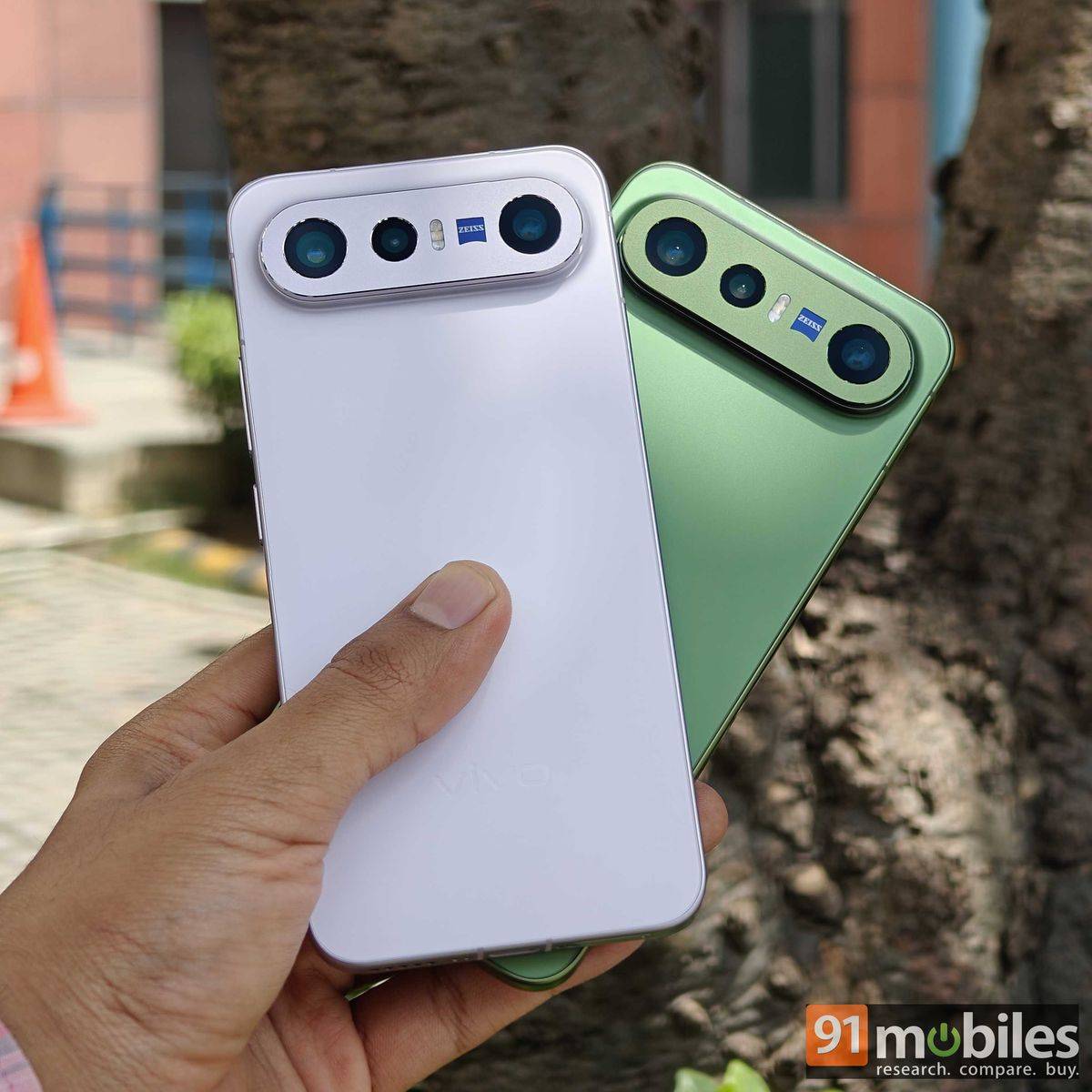
Moving on, unlike the standard X300’s large circular camera module, the X300 FE adopts a sleeker pill-shaped camera layout that feels cleaner and more modern. For buyers who prefer a subtler, less bulky-looking design, the FE arguably looks more refined. The new Urban Olive and Lilac Purple finishes also give the phone more personality than the relatively conservative X300 colourways.
Reliable all-around performance
The Snapdragon 8 Gen 5 SoC may sit below true flagship silicon, but the real-world experience remains consistently smooth. App launches, multitasking, gaming, and sustained workloads are all handled well, while thermals remain impressively controlled. The FE strikes a good balance between efficiency and performance rather than chasing benchmark numbers.



Paired with 12GB LPDDR5X Ultra RAM and up to 512GB UFS 4.1 storage, the handset also feels fast and responsive during heavy multitasking, while offering ample room for large apps, 4K videos, and extensive photo libraries.
Strong portrait photography & support for Telephoto Extender Gen 2 lens
The Vivo X300 FE packs a Zeiss-backed triple camera system, which features a 50MP Sony IMX921 f/1.57 OIS sensor, an 8MP ultrawide lens, and a 50MP Sony IMX882 f/2.65 OIS telephoto lens that offers 3x optical zoom. The front camera is also a 50MP Zeiss sensor for selfies and video calling.


















The setup excels at producing detailed portraits with natural skin tones, convincing edge detection, and pleasing background blur. Dynamic range is also dependable across most lighting conditions, while the Zeiss tuning gives images a vibrant, social-media-friendly look that many users will appreciate. That’s not all, the X300 FE gains compatibility with Vivo’s upgraded telephoto extender kit.

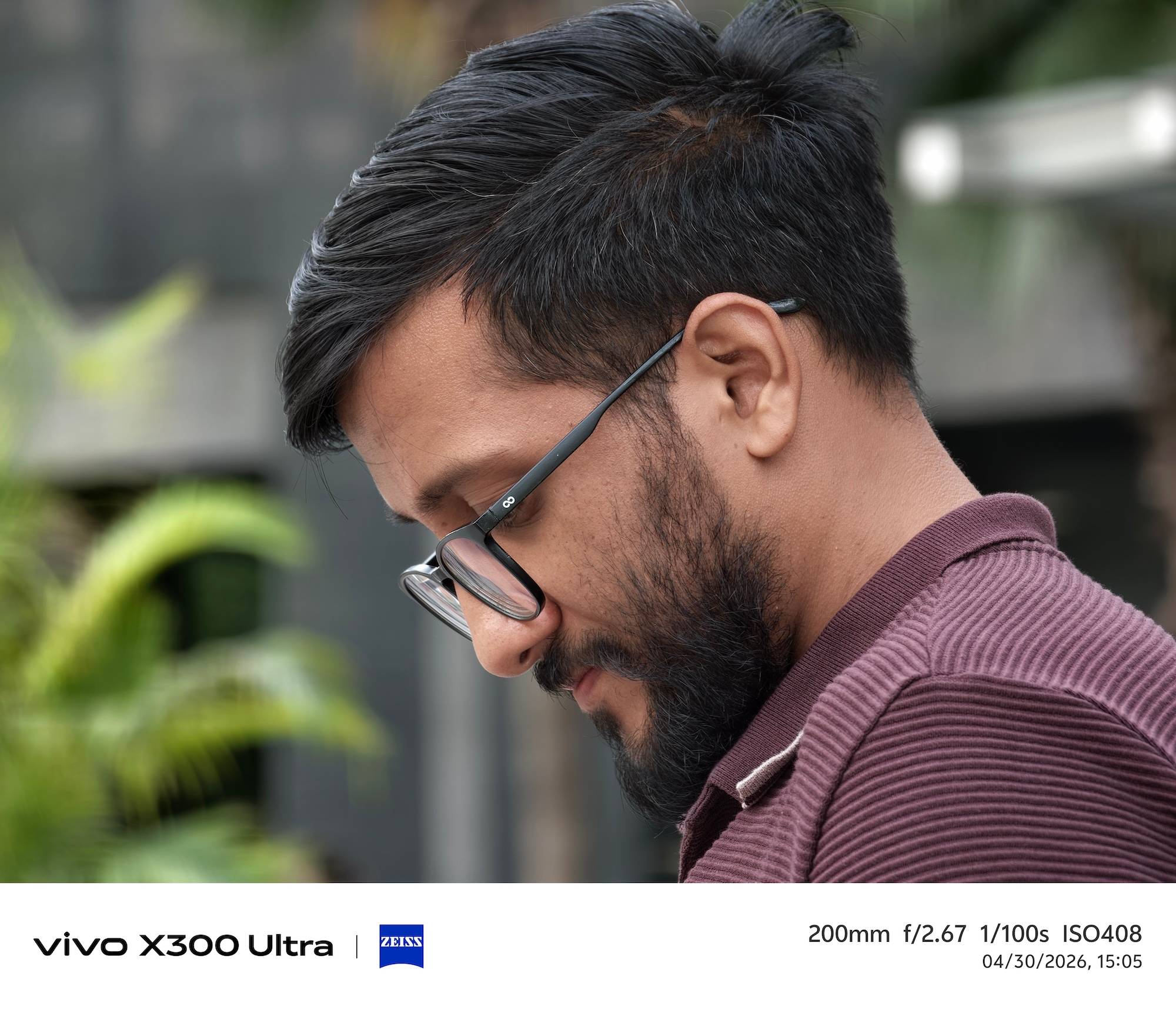
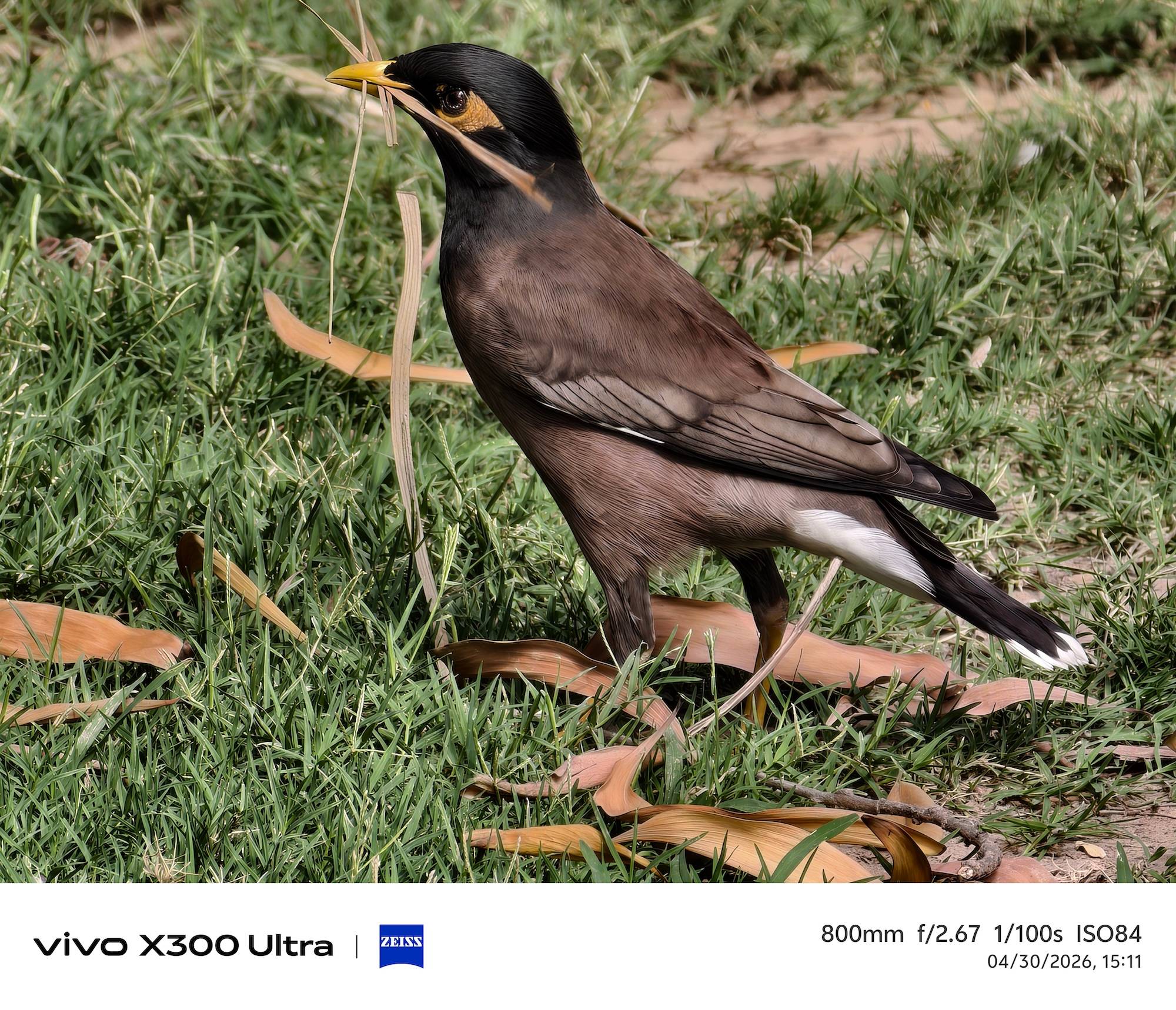


The kit, now in Gen 2 and more compact and lightweight than ever before, allows users to capture DSLR-style compressed shots and long-range images with much greater flexibility. For photography enthusiasts, this accessory, sold separately with a sticker price of Rs 15,999, adds genuine versatility beyond standard smartphone zoom capabilities.
Excellent battery life and convenient charging options
Battery life is one of the biggest strengths of the Vivo X300 FE. Despite being compact, the handset packs a 6,500mAh battery – bigger than the standard Vivo X300. Speaking of real-world performance, the handset comfortably lasts over a day and often stretches into a second day with moderate usage. Internal testing also showed slightly better endurance than the X300 during gaming and PCMark battery tests. For users prioritising longevity over outright power, this is a meaningful advantage.
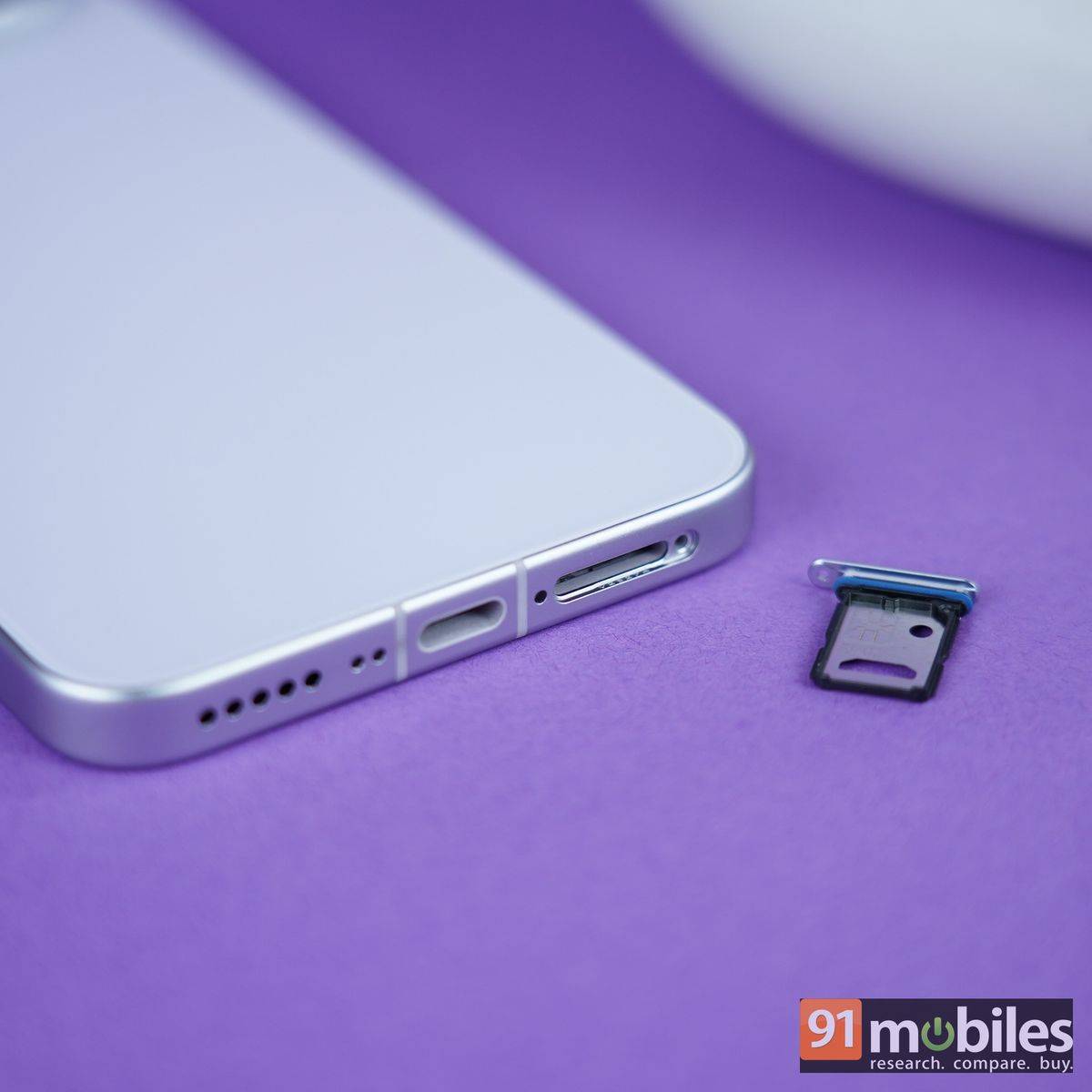
Vivo has also managed to combine strong endurance with convenience. The X300 FE supports 90W wired FlashCharge and 40W wireless charging, both of which are increasingly valuable in day-to-day use. The included wired charger also helps justify the premium positioning.
Excellent multimedia experience

The Vivo X300 FE’s 6.31-inch LTPO AMOLED display remains one of the better compact panels available. It offers vibrant colours, excellent brightness, HDR10+ playback, smooth refresh rate transitions, and good eye-care features. Combined with loud stereo speakers, the overall content consumption experience is strong.
Reasons to skip Vivo X300 FE
Cameras have some inconsistencies
Compared to the primary and telephoto sensors, the Vivo X300 FE’s 8MP ultrawide lens feels noticeably less capable. Detail levels are lower, low-light performance is weaker, and the lack of 4K recording further limits its usefulness. The ultrawide sensor is restricted to 1080p recording. Furthermore, colour consistency between lenses, particularly on the telephoto camera, can be uneven.



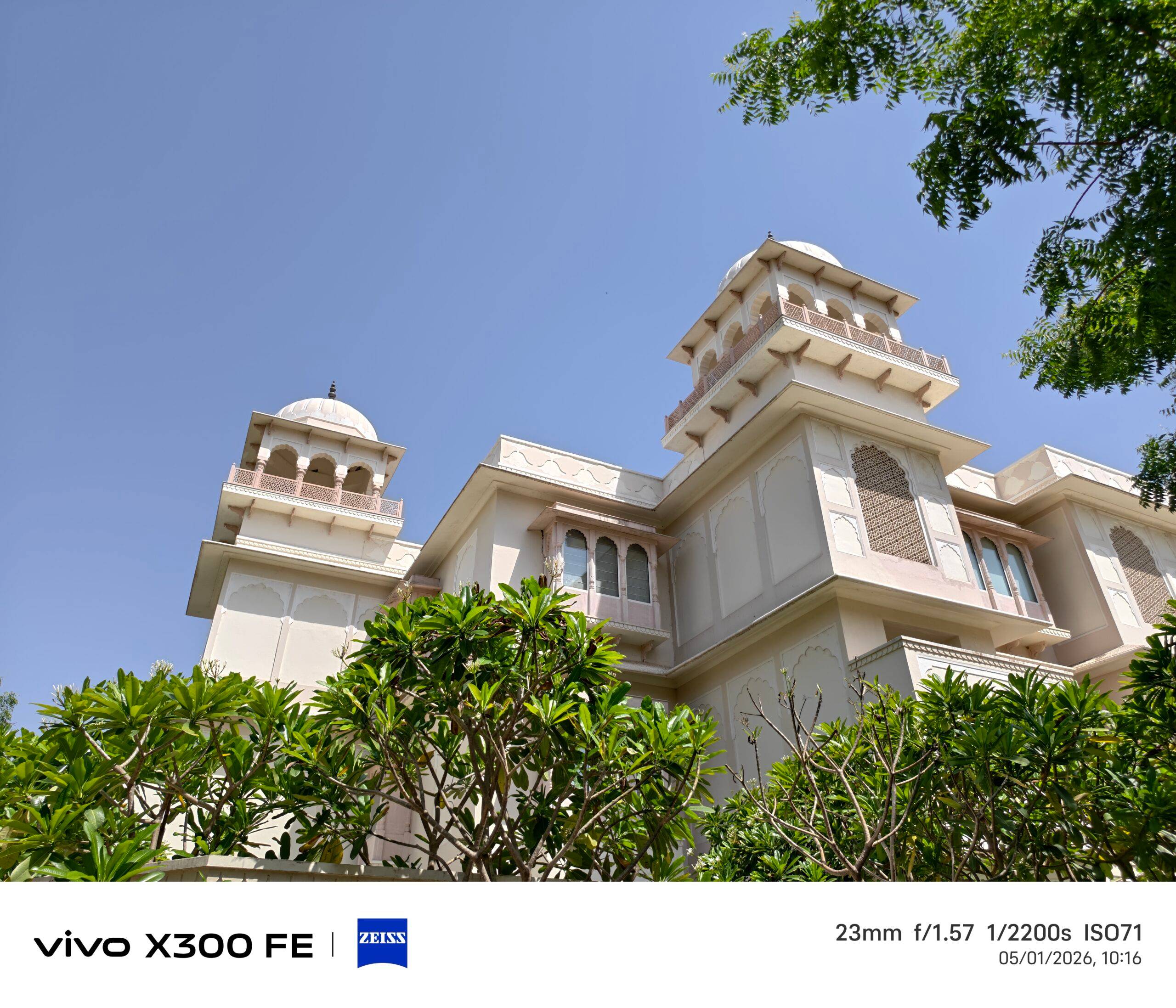











As for the still photography, the X300 FE tends to favour punchy contrast and boosted saturation, which look appealing to the eyes but lack realistic colour science. This may not go well with users who are looking for more natural image reproduction over Vivo’s aggressive tuning.
Vivo X300 is cheaper and more power-packed
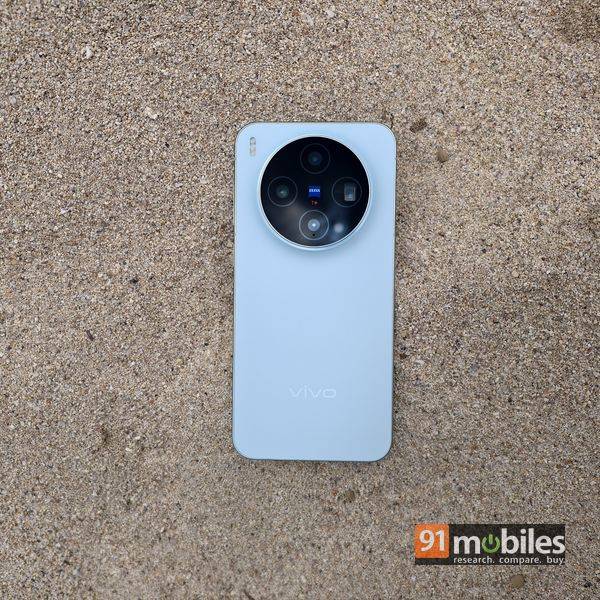
This is arguably the X300 FE’s biggest problem. With its starting price of Rs 79,999, the FE is more expensive than the standard Vivo X300, which, other than the battery, offers a superior camera setup and a more powerful MediaTek Dimensity 9500 SoC. Even the higher-storage variants favour the X300, which also offers a 16GB+512GB option at a lower price than the FE’s 12GB+512GB model in the current scenario.
This makes the Vivo X300 FE a harder recommendation unless you specifically prioritise its design or larger battery.
To conclude
Unless Vivo raises the price of the standard Vivo X300 or phases it out entirely, the Vivo X300 FE will likely remain a niche compact flagship. The handset makes a strong case for users seeking a premium compact smartphone with excellent battery life, reliable performance, and a capable camera system. However, it loses out on value when compared against similarly-priced phones, such as Vivo X300 and OnePlus 15 (review).