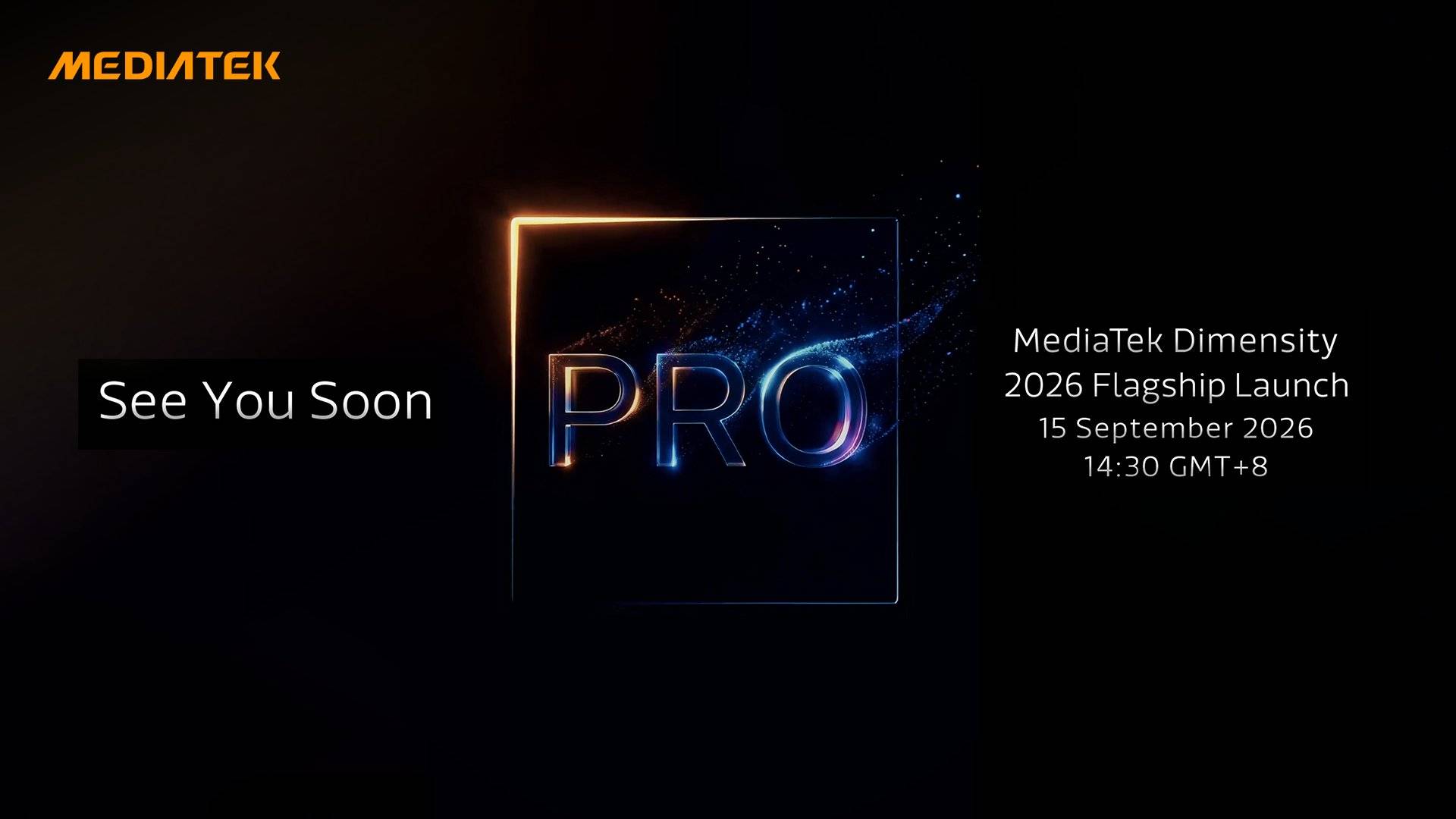
MediaTek is set to officially unveil its next flagship Dimensity chipset – Dimensity 9600 Pro on September 15th, and we can’t help but look back in awe at how much the Dimensity 9000 series has evolved in the last few years. It’s fair to say that between 2023 and 2026, the smartphone silicon landscape underwent a fundamental realignment. For more than a decade, MediaTek was primarily recognised as a high-volume, value-tier chipmaker shipping hundreds of millions of processors annually, yet consistently viewed as a pragmatic budget substitute rather than a contender for premium-tier flagships.
Today, that paradigm no longer holds. Through an aggressive, multi-year engineering roadmap, MediaTek did not merely close the gap with established rivals–in several critical workloads, it took the lead. Mainstream technology critics and creators, including Marques Brownlee (MKBHD) and Arun Maini (Mrwhosetheboss), have bestowed top honors such as “Best Camera Phone” and “Phone of the Year” on flagship devices driven by Dimensity silicon (case in point: the Find X9 Pro series). Here’s how MediaTek coupled massive global shipments with genuine flagship-tier performance, sustained efficiency, and industry prestige, cementing its place within the flagship smartphone market.
Table of Contents
Built for Peak Performance
MediaTek was already a force to be reckoned with in 2023, but the chipset brand didn’t want to just stay within its comfort zone of the VFM segment. Instead, the brand decided to take a bold leap into the flagship price segment and pioneer the industry in several key areas.
Instead of chasing incremental price brackets, MediaTek bifurcated its high-end portfolio into two dedicated tiers:
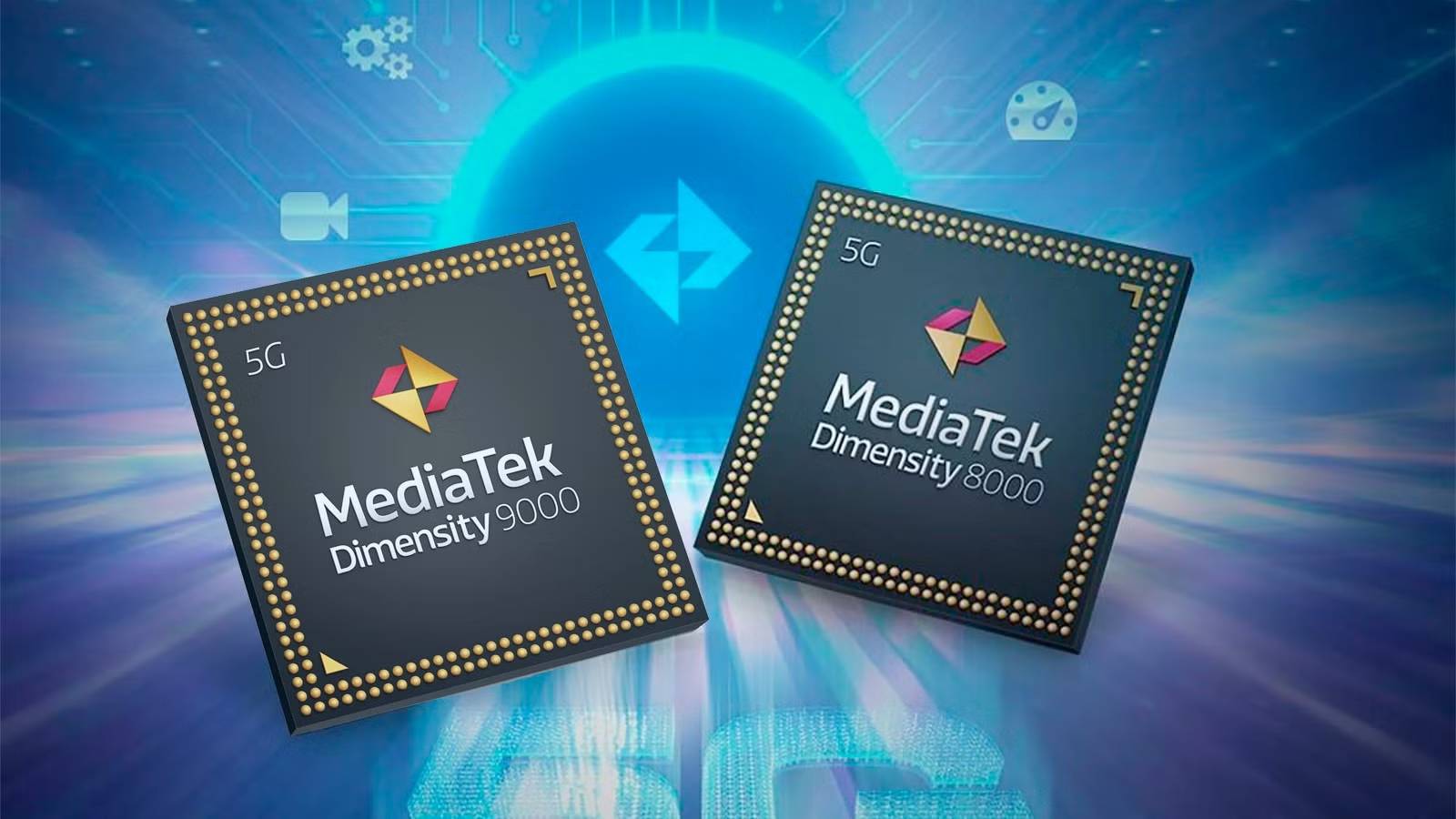
- Dimensity 8000 Series: The Dimensity 8000 line gave upper-mid-range phones near-flagship performance, making it the first choice for gaming handsets.
- Dimensity 9000 Series: The Dimensity 9000 series was engineered as an uncompromising platform, strictly targeted at top-tier premium smartphones, purpose-built to be the industry’s go-to choice in the flagship segment.
More importantly, the journey of the Dimensity 9000 was slightly more challenging than that of the 8000 series. While the 8000 series had a proven record of delivering incredible performance for gamers, the Dimensity 9000 series, built strictly for the top-tier segment, was a new book and had no track record to earn OEMs’ trust for the big bet. This is where vivo stepped in: building on multi-year collaborations and trust, they released their flagship vivo X80, which showed that MediaTek didn’t just belong in the top tier but could lead it.
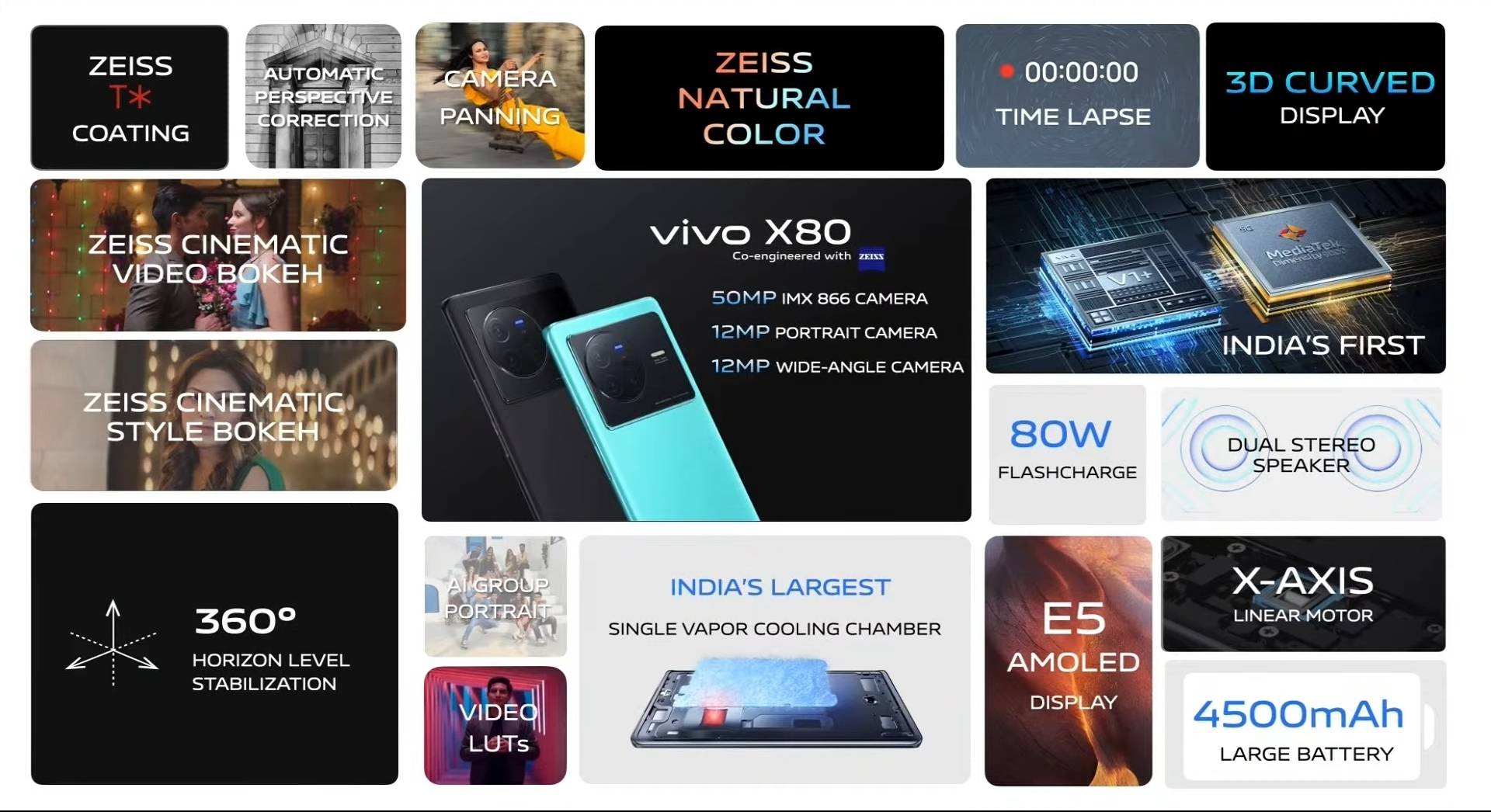
As a result, MediaTek’s success, which was already prevailing outside India, sparked a domino effect in India as more and more brands partnered with MediaTek over time. The broader market experienced a major shift around 2023. Top-tier OEMs started designing their flagships around it from the ground up, cementing MediaTek’s transition from an alternative option to a primary choice for flagships.
The Four-Year Journey (2023–2026)
MediaTek’s rise from an underdog to a flagship contender took place over the last few steady years: from 2023 to 2026, when multiple Android phone brands with steady market presence started adopting MediaTek processors in their devices. But which major brands opted for the flagship MediaTek chipsets and when? Let’s take a look:
Year | Chip Series | Main Phone Brands | Key Milestones |
2022 | Dimensity 9000 | vivo | The debut of the MediaTek 9000 series with the flagship vivo X80. |
2023 | Dimensity 8200 / 9200 | vivo, OPPO | Early flagship use; matched rivals in daily speed, general battery life, and everyday tasks. |
2024 | Dimensity 8300 / 9300 | vivo, OPPO, Samsung, OnePlus, realme | Samsung picked Dimensity for its top Galaxy tablets; Realme used it for its fast GT performance phones. |
2025 | Dimensity 8400 / 9400 | vivo, OPPO, realme, other brands | Widespread adoption across top photography phones and high-performance gaming devices. |
2026 | Dimensity 8500 / 9500 / 9500s | Broad industry adoption | Standard choice for global flagships; full parity in fast memory and on-device AI tasks. |
This adoption and mass market acceptance of MediaTek processors by major brands was not a fluke. MediaTek planned the expansion strategically and rolled it out in phases over the last four years.
2023: Testing the Waters
The Dimensity 8200 and 9200 pushed MediaTek’s flagship footprints forward, but the groundwork was laid years earlier. Partnerships with brands like vivo went back to the flagship X70 series with the Dimensity 1200, alongside similar premium smartphones from OPPO.
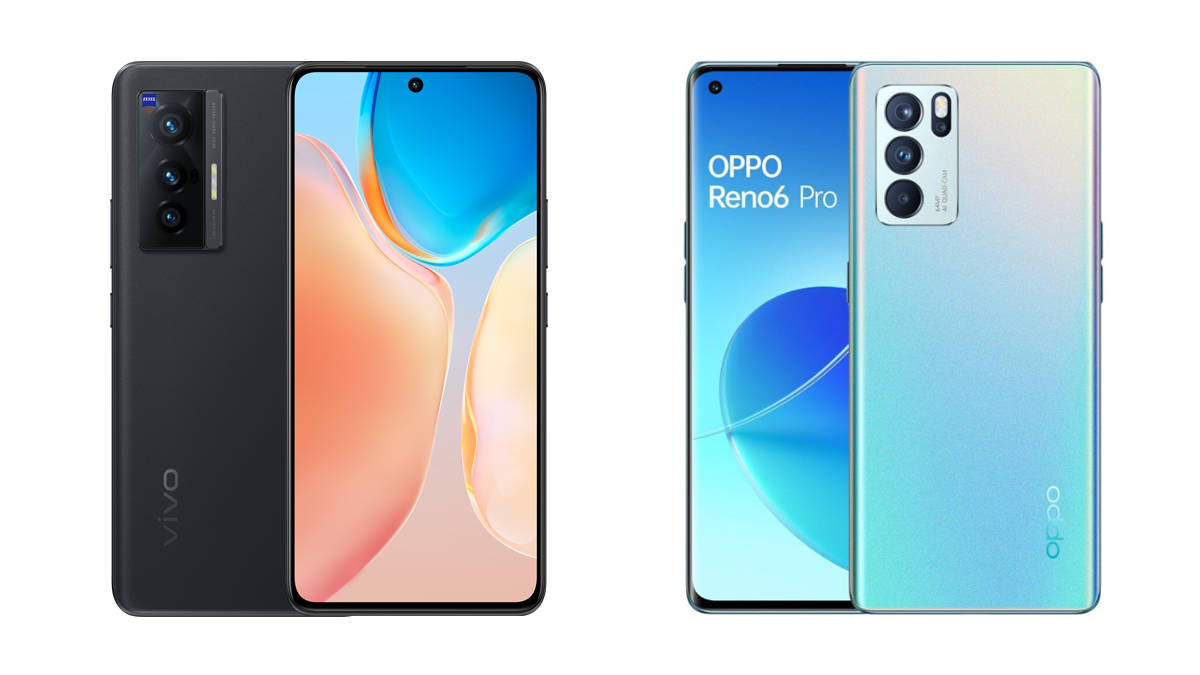
Much of this real-world stability came down to silicon discipline: MediaTek relied heavily on TSMC’s power-efficient manufacturing nodes – like the 6 nm process on the 1200 and later the 4nm node on the 9200 – paired with balanced ARM core clusters. By managing power draw more conservatively than rivals, these chips avoided excessive heat buildup and sustained their performance under heavy daily use.
2024: Expanding into New Areas
With the arrival of All Big Core, Dimensity 9300 disrupted standard mobile chip design. By trading low-power efficiency cores entirely for an array of high-IPC Cortex cores running at lower voltages, MediaTek realised massive compute throughput without excessive thermal penalties.
One of the biggest breakthroughs came when Samsung chose the Dimensity 9300+ for its premium Galaxy Tab S10 series, marking the first time Samsung relied on MediaTek to power its productivity-focused flagship tablets. At the same time, vivo included the MediaTek Dimensity 9300 in its X100 Pro series device, proving that the silicon can take camera prowess to the next level.
2025–2026: Full Maturity
With the Dimensity 9400 and the latest Dimensity 9500, MediaTek became the preferred choice for flagship Android phone buyers. The company’s chips are now found in premium camera phones, thin flagships, and heavy-duty gaming handsets alike.
Today, MediaTek doesn’t just match competitors when it comes to graphical prowess; it is actively setting the pace. As mobile gaming evolves toward ray tracing, MediaTek has engineered its GPUs to run these graphically intense games smoothly.
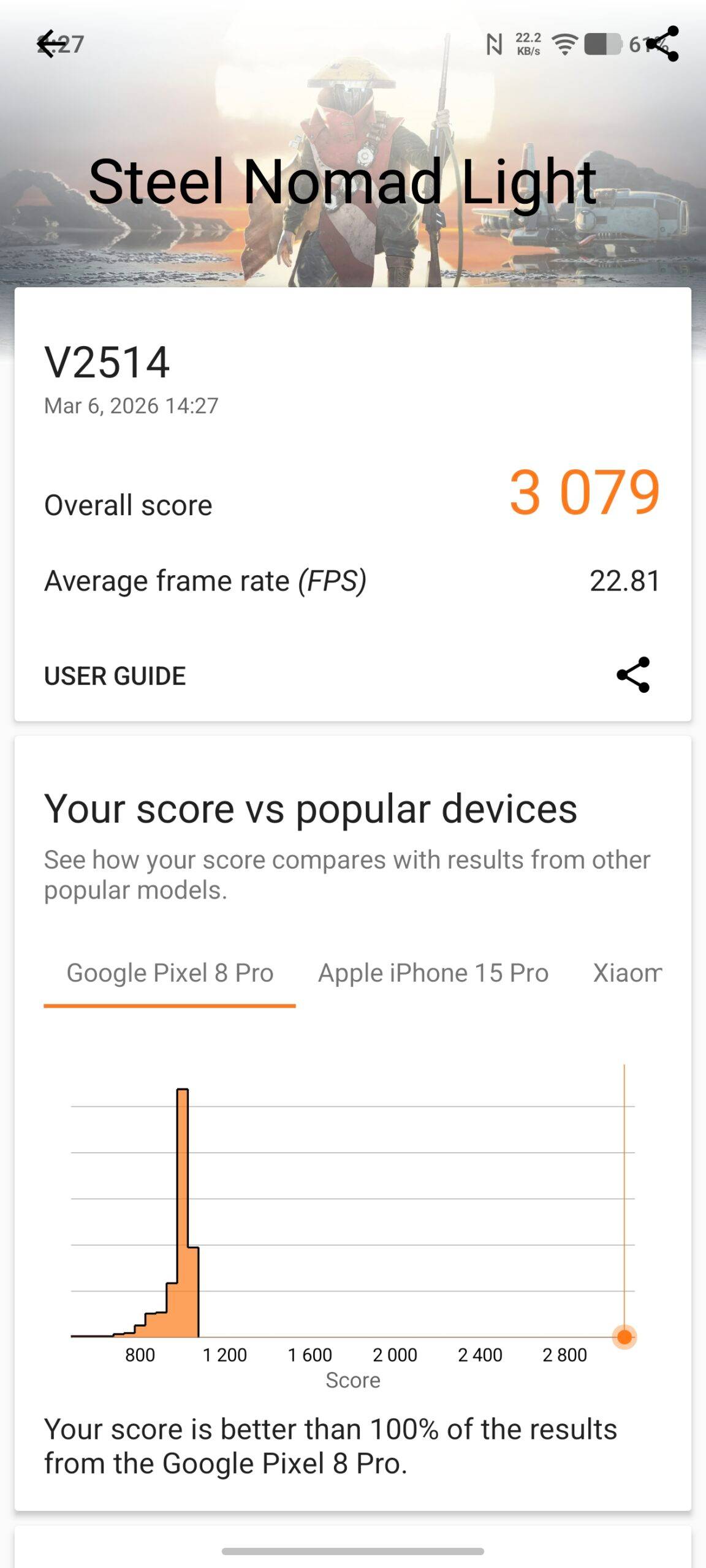
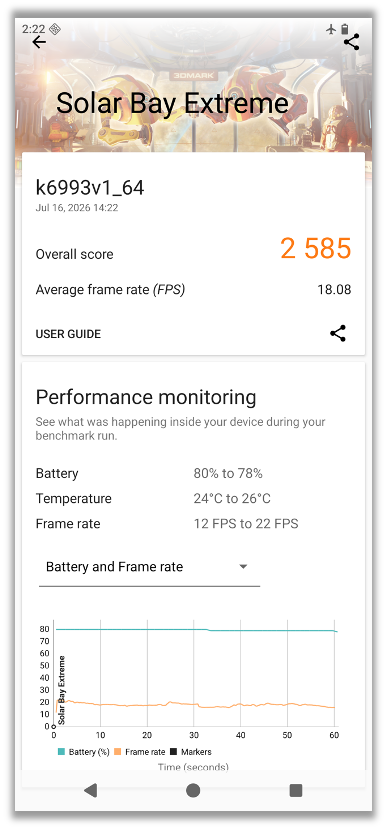
In standard synthetic workloads, the Dimensity 9500 scores around 3079 points in 3DMark Steel Nomad Light for rasterized 1440p rendering, surpassing 2,585 points in 3DMark Solar Bay Extreme, outpacing competitive platforms such as the Snapdragon 8 Elite Gen 5 in dedicated ray-tracing efficiency.
Thermal Architecture and Sustained Graphics
The primary technical reason for MediaTek’s success lies in its graphics performance and thermal management compared to other chipsets.
For years, mobile chips pushed their graphics processors to extreme clock speeds just to score well on short performance tests. The problem with this approach was thermals. After just a few minutes of intense gaming, these chips became too hot and were forced to slow down sharply to protect the hardware. This caused games to stutter and drop frames.
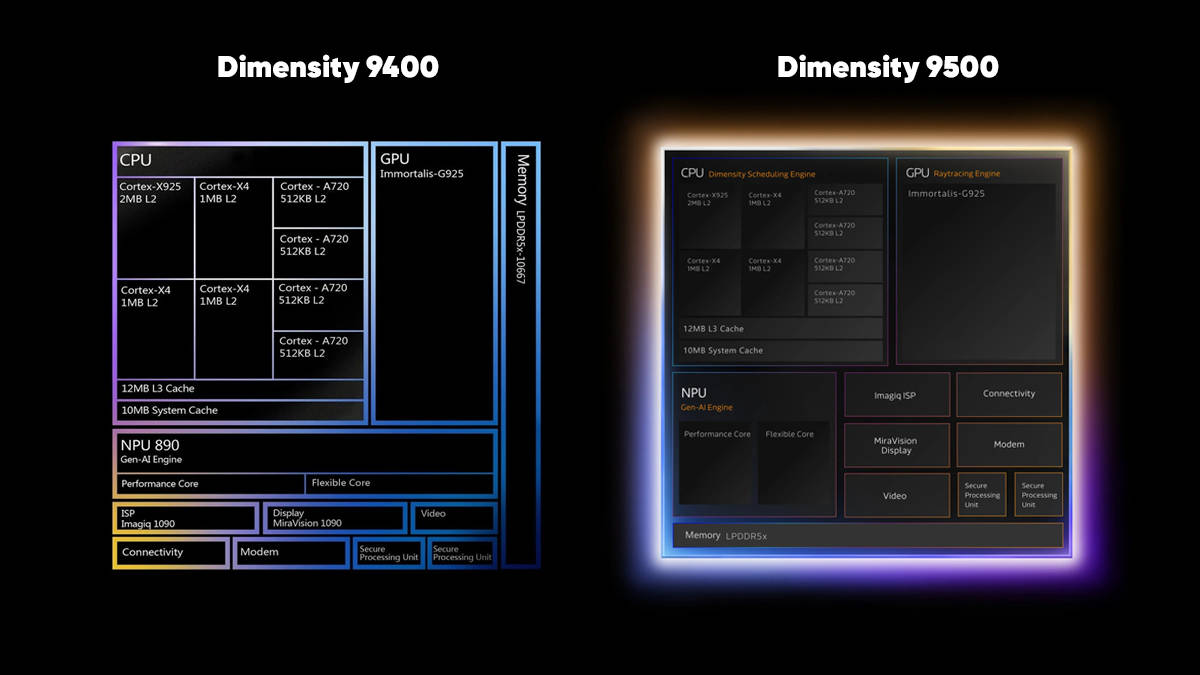
MediaTek took a smarter approach with its Immortalis-G925 MC12 graphics chips on the Dimensity 9400 and Arm Mali G1 Ultra graphics on the Dimensity 9500. Instead of pushing a small chip to extreme, unstable speeds, MediaTek built a wider graphics engine that runs comfortably at lower, safer power levels.
Because the chip stays cool and uses less energy, players can enjoy heavy 3D games for an hour or more at a smooth 60 or 120 frames per second; the result is sustained, long-session mobile gaming without uncomfortable thermal spikes or frame pacing degradation.
Smarter Cameras and Improved Image Quality
Gaming alone does not win the premium tier; MediaTek also had to overturn historical skepticism regarding camera ISP performance. The solution came via successive iterations of its Imagiq ISP platform.
The Imagiq system can process multiple camera exposures instantly with no shutter delay. It uses artificial intelligence to separate different parts of a photo, such as the sky, faces, skin tones, and background details, enhancing each part individually in real time.
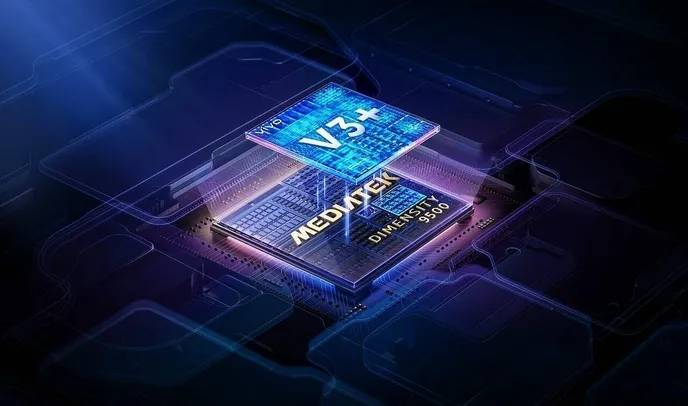
MediaTek also made sure its chips worked seamlessly with dedicated image chips built by phone makers, such as vivo’s custom V-series processors. This allowed phone companies to bring their best camera software over to MediaTek devices without any slowdowns or trade-offs.
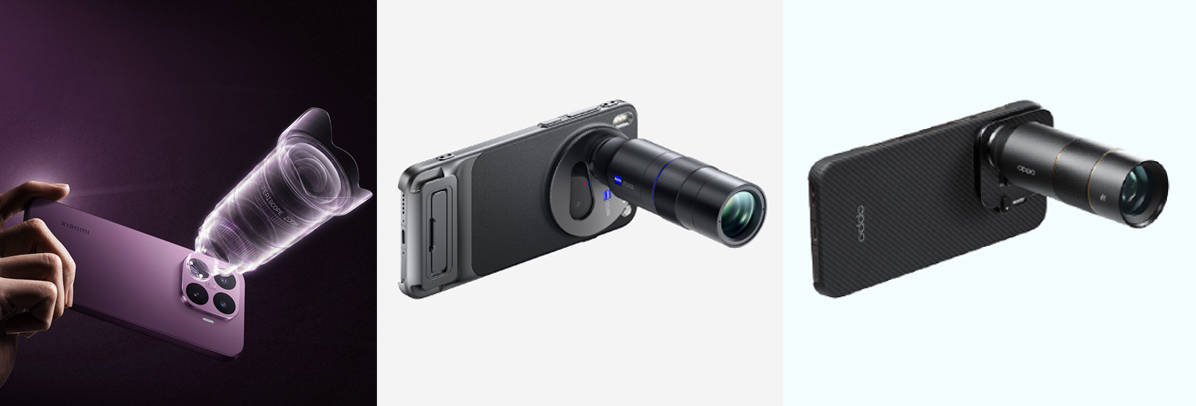
Furthermore, famous camera partnerships have worked brilliantly on Dimensity-powered phones. We have seen this with Zeiss on vivo’s flagship X-series, Leica on Xiaomi’s Ultra series, and Hasselblad tuning on OPPO’s Find X models. These devices produce natural colours, crisp low-light photos, and smooth portrait videos with blurry backgrounds, easily matching the best smartphone cameras on the market. Top review scores from global tech critics have put an end to any remaining doubts about MediaTek’s camera capabilities.
MediaTek era is already here
MediaTek’s growth from 2023 to 2026 represented a permanent, structural shift in the smartphone landscape. We saw this reality firsthand in our own rigorous testing. When running side-by-side comparisons, we noticed that in several cases, the MediaTek SoC was the sole differentiator against competing setups. The results consistently highlighted tangible gains in thermal efficiency and sustained performance. Notably, this practical edge drove a powerful positive recall among our audience as well.
This real-world edge led to significant growth in MediaTek’s market share, making it a central topic in flagship conversations. Phone makers no longer use Dimensity chips as one of the available options; they build their best phones around them.
Looking ahead, MediaTek isn’t just keeping up anymore. By leading in smooth gaming graphics, offering efficient thermal management, and providing fast on-device AI, it has successfully transformed to the preferred standard for top-tier smartphones.
This is a promotional post done as part of a brand collaboration.